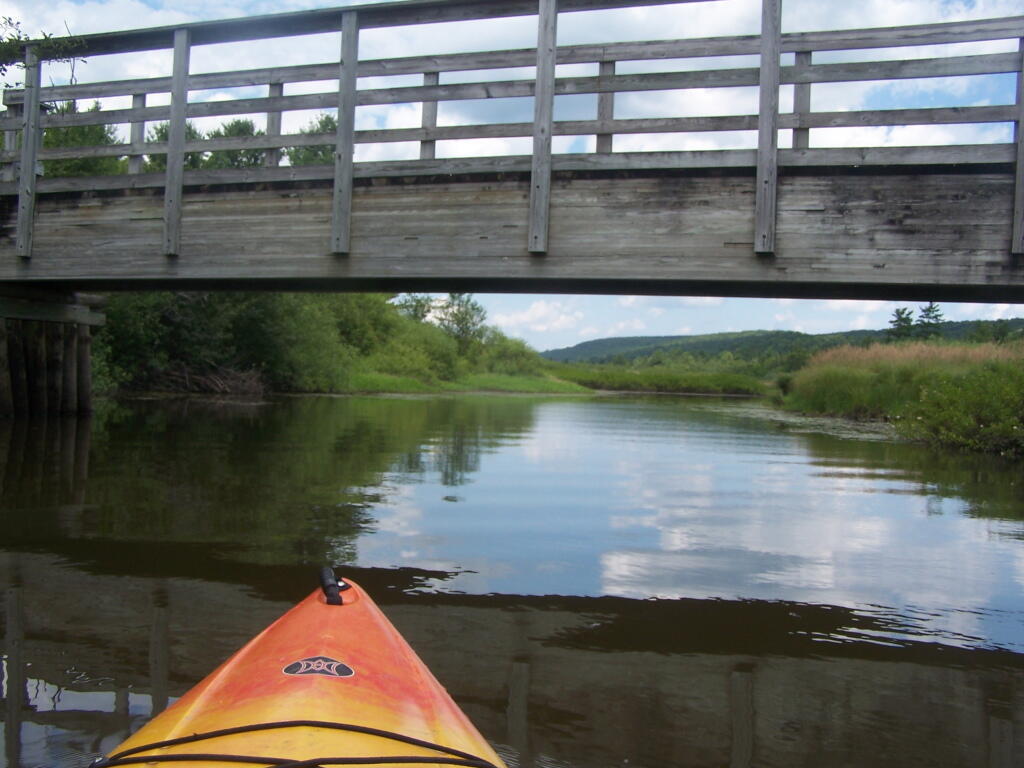
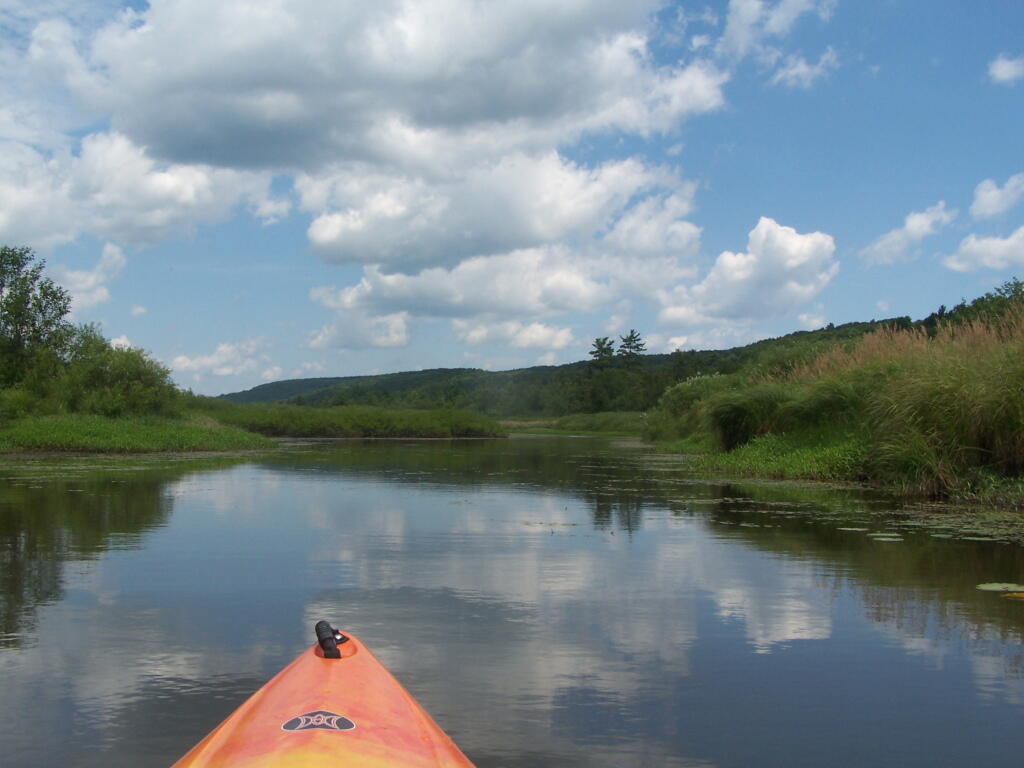
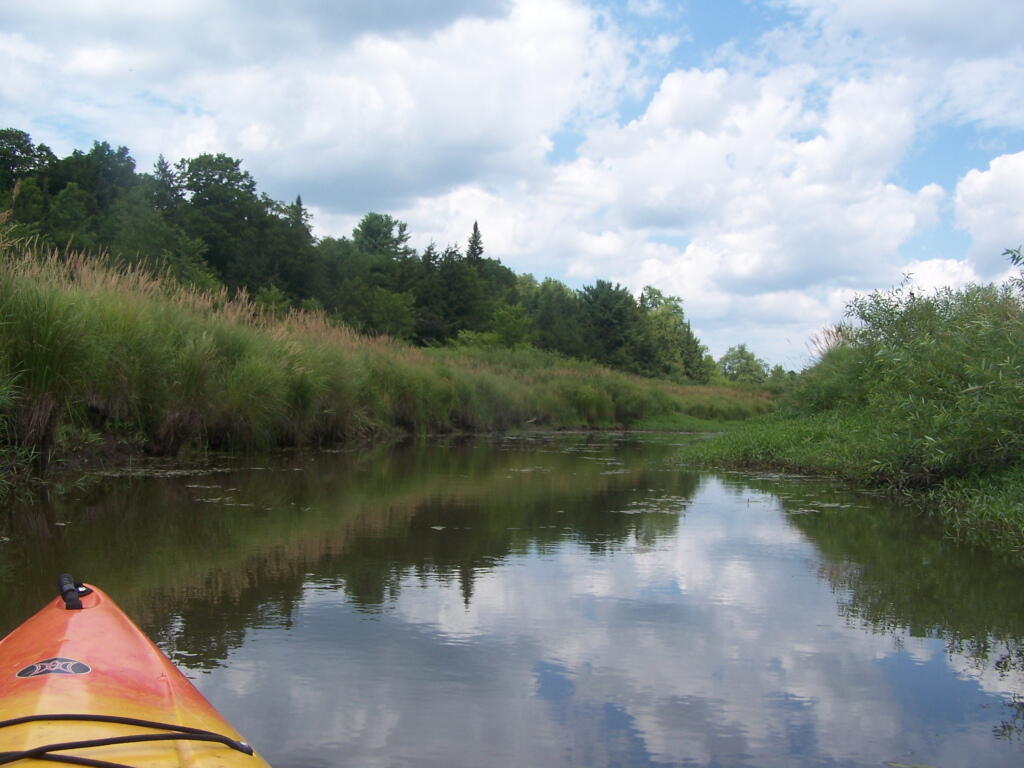
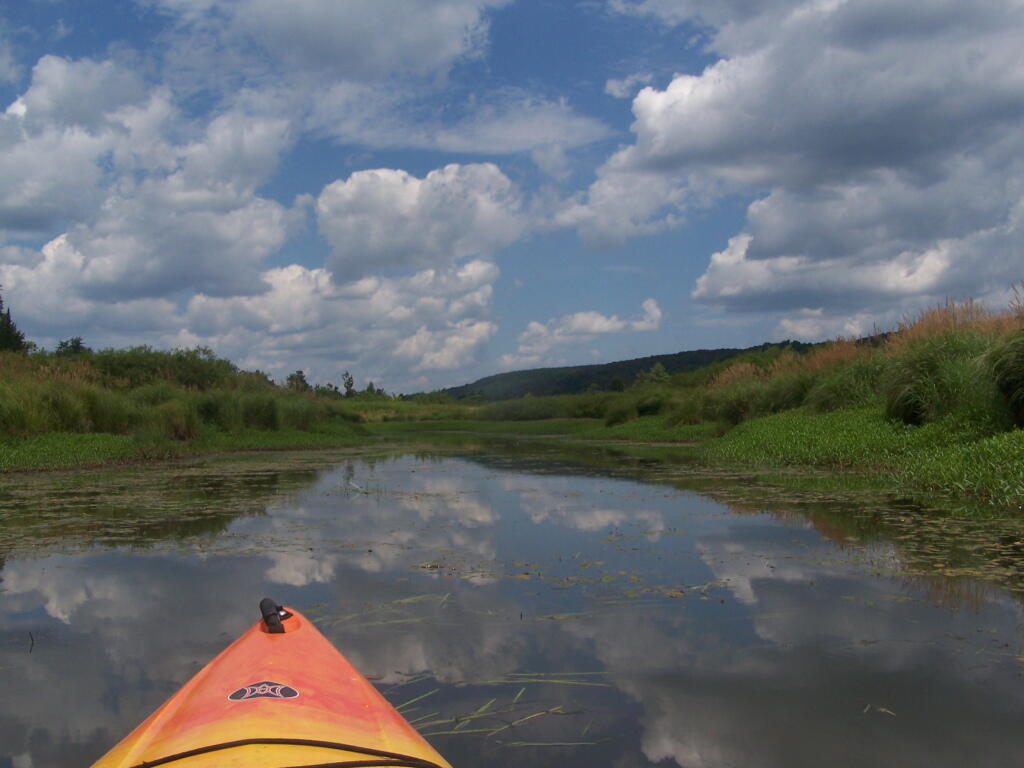
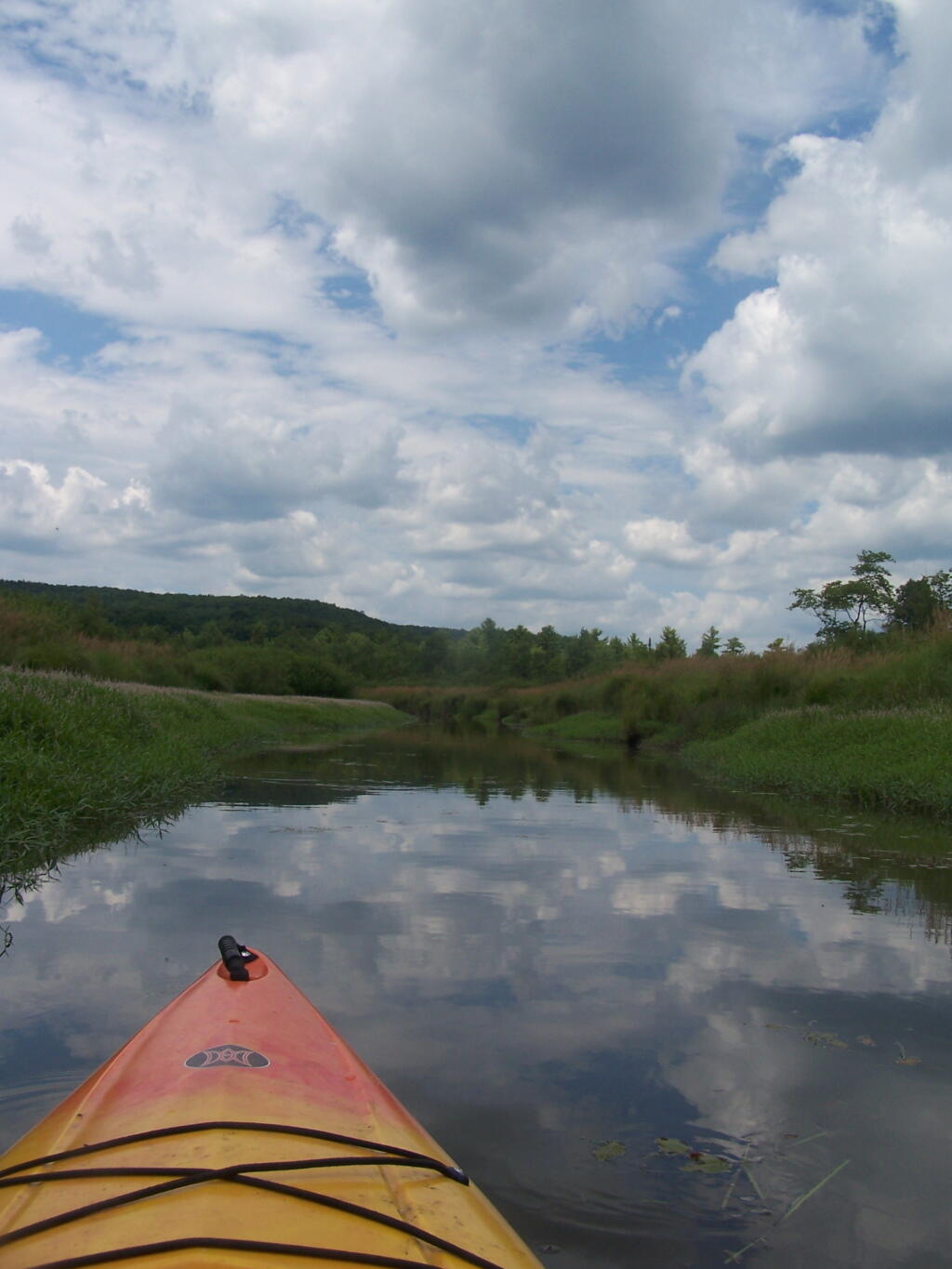
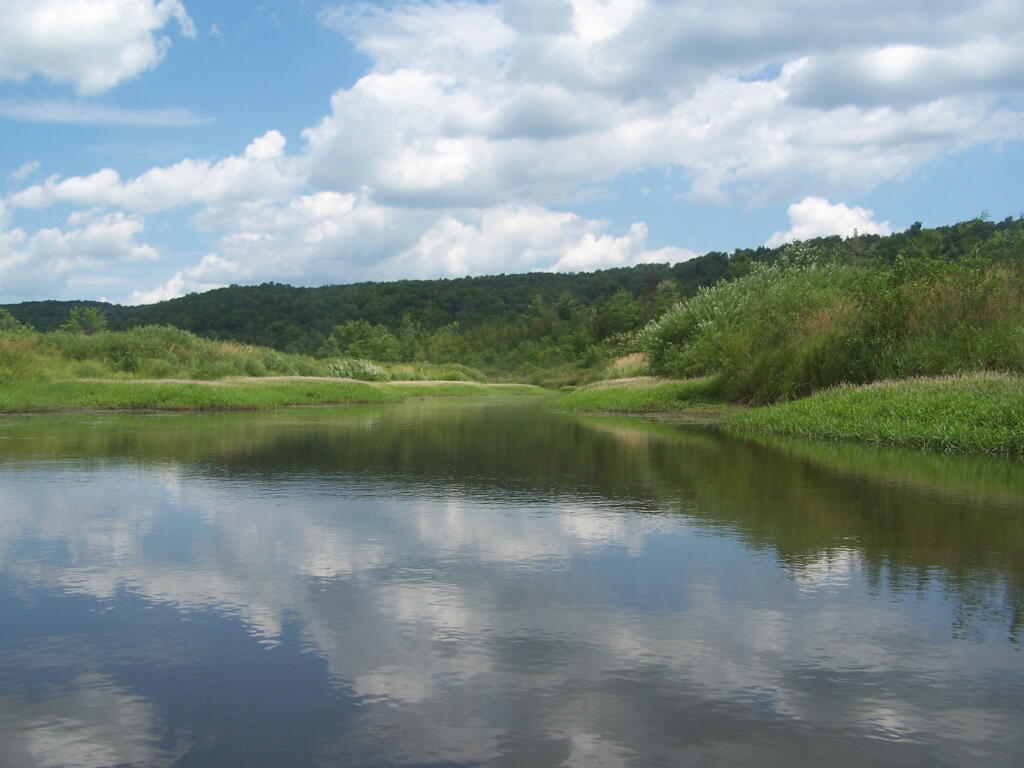
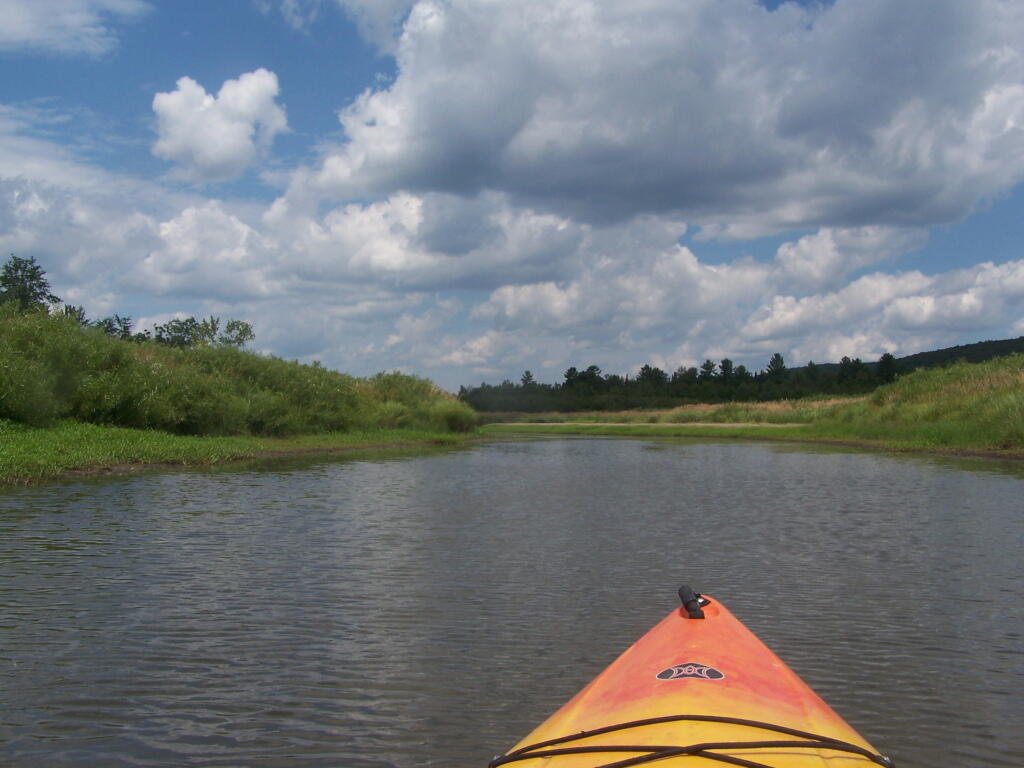
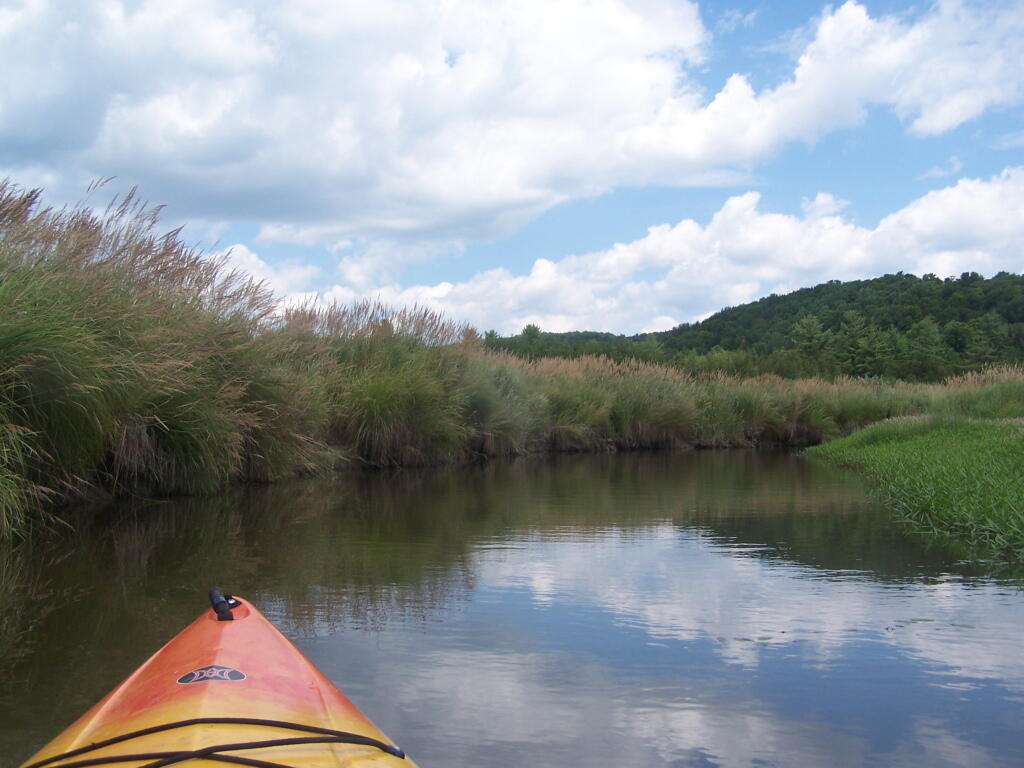
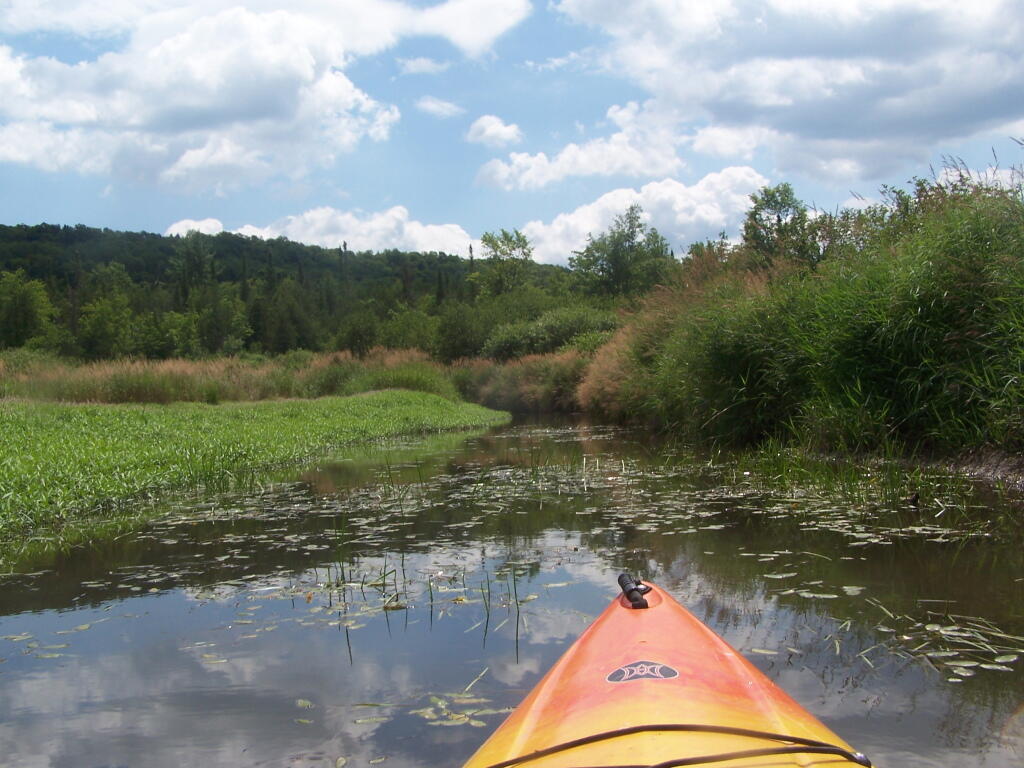
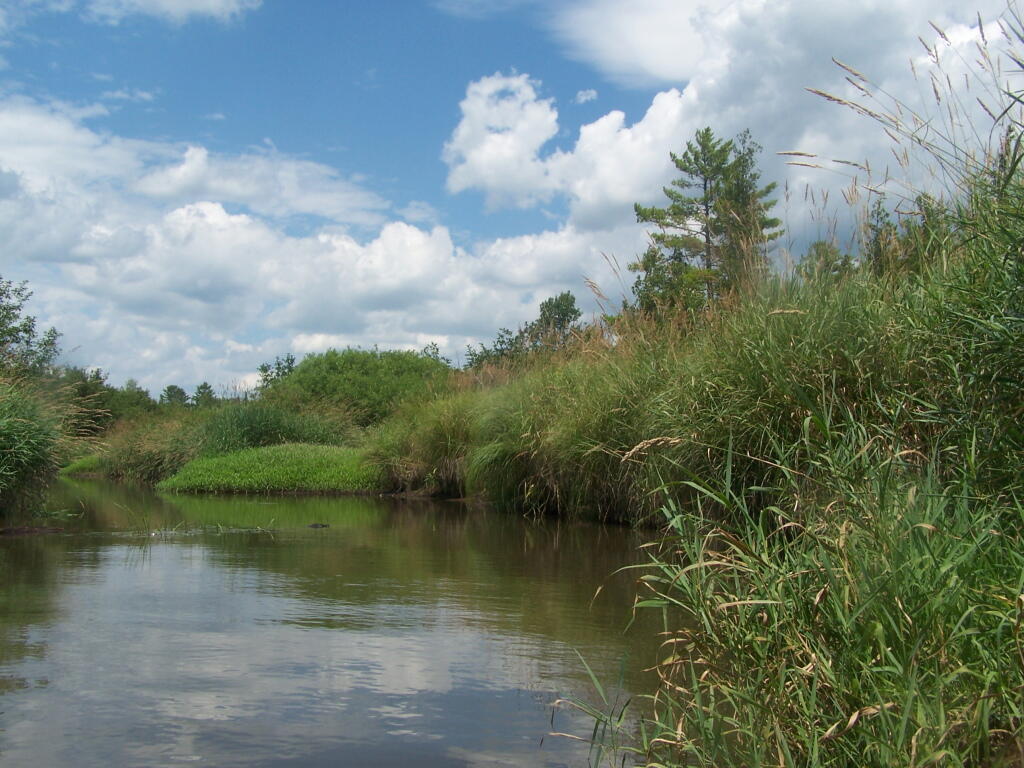
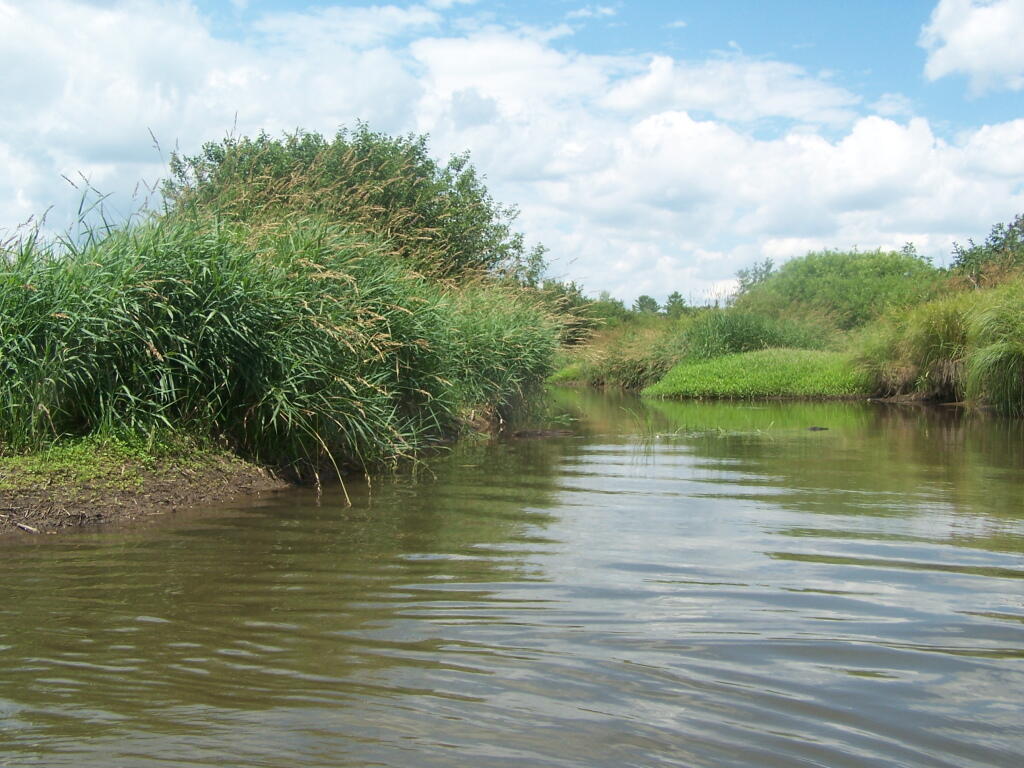
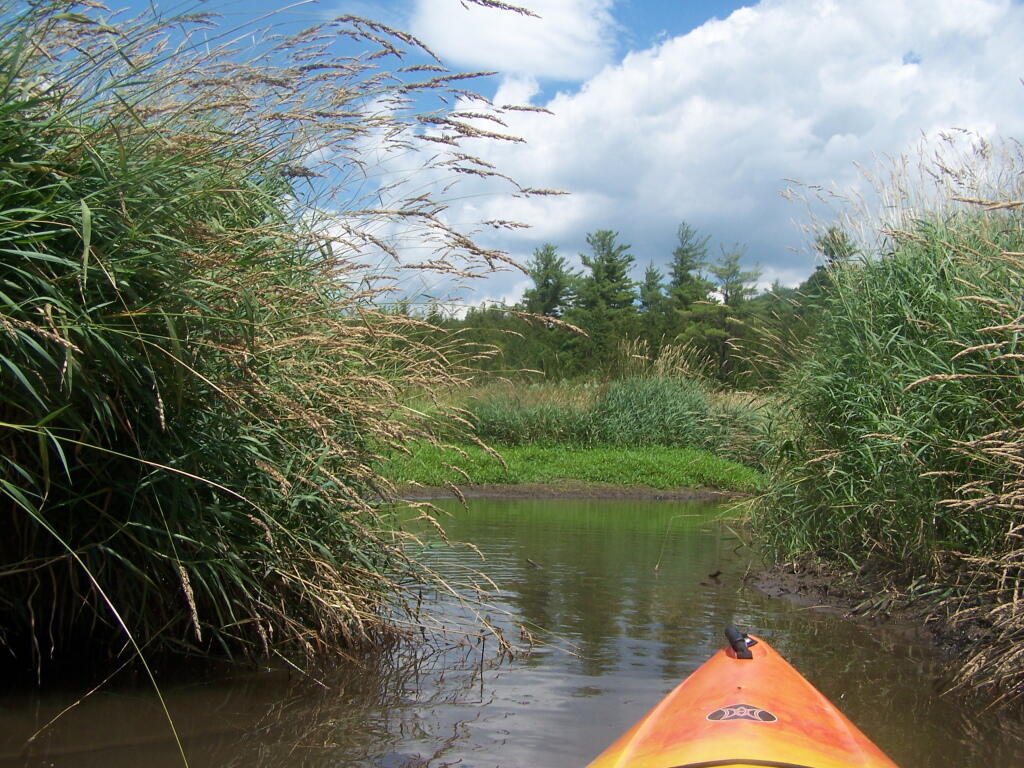
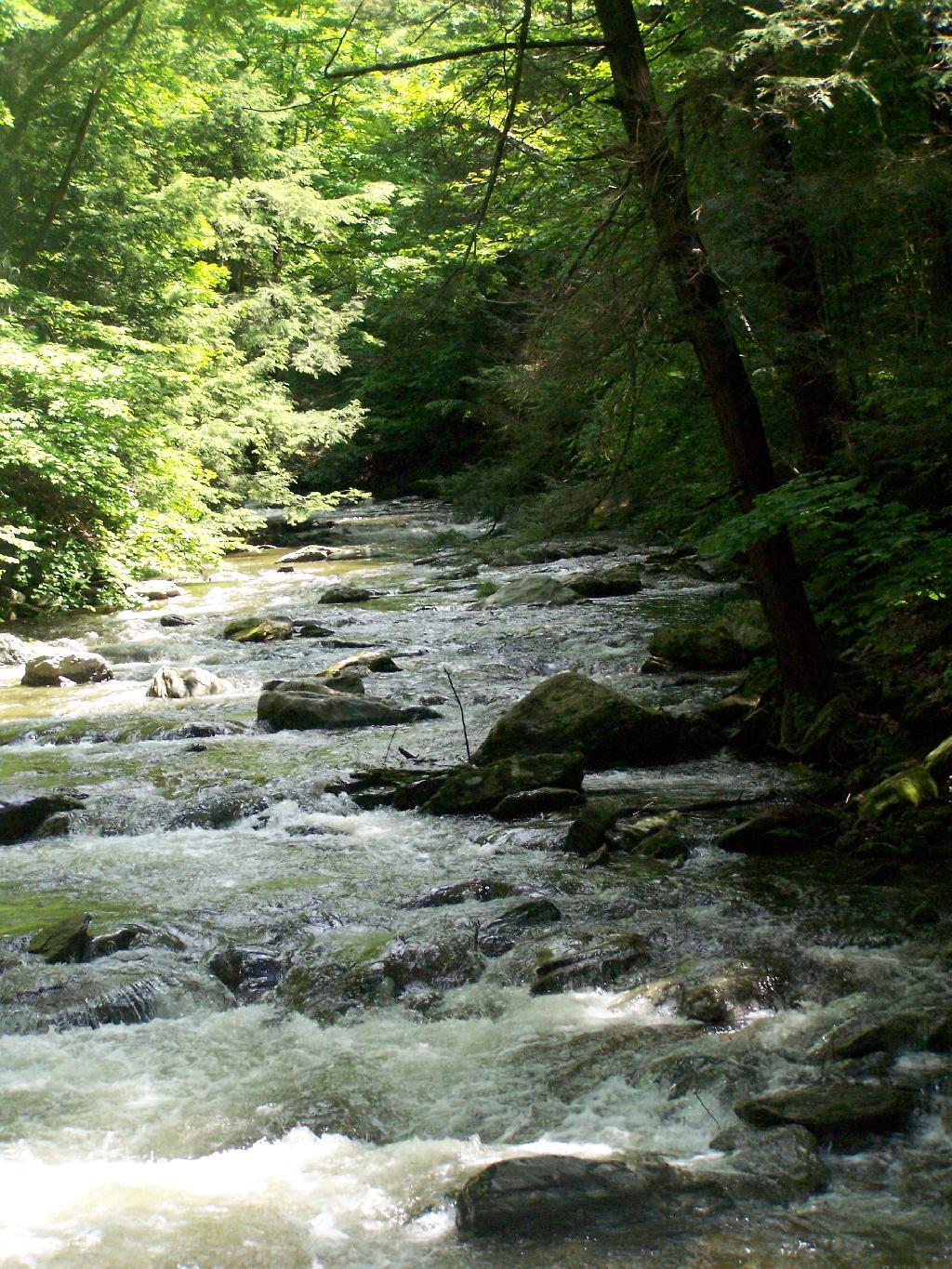
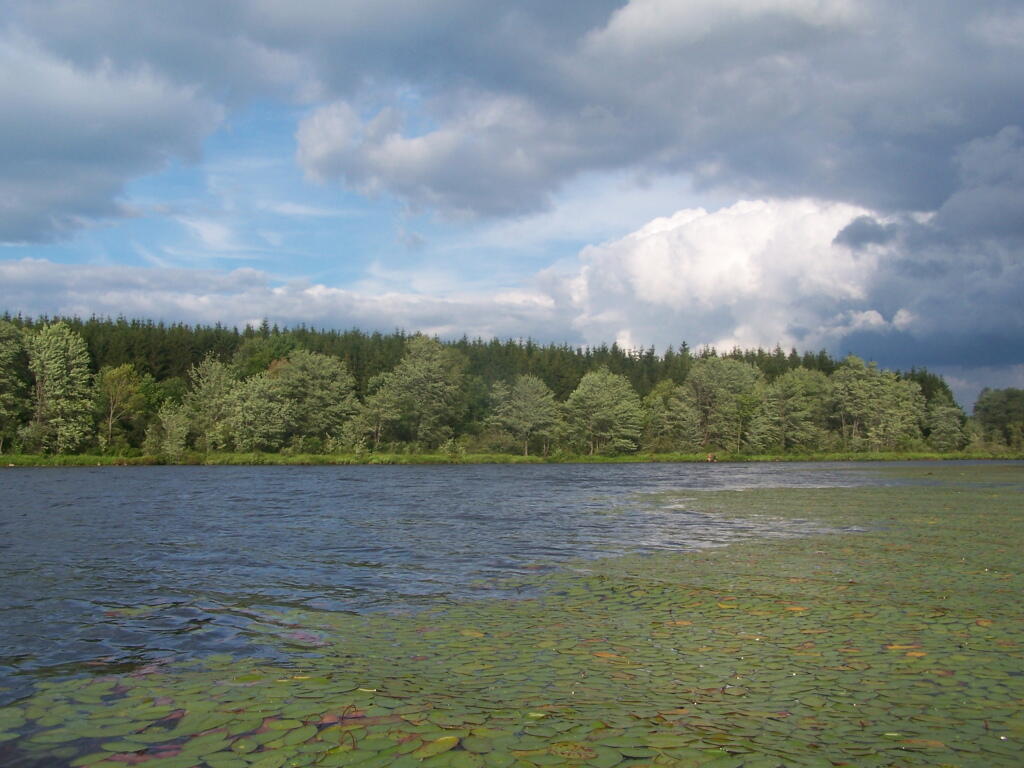
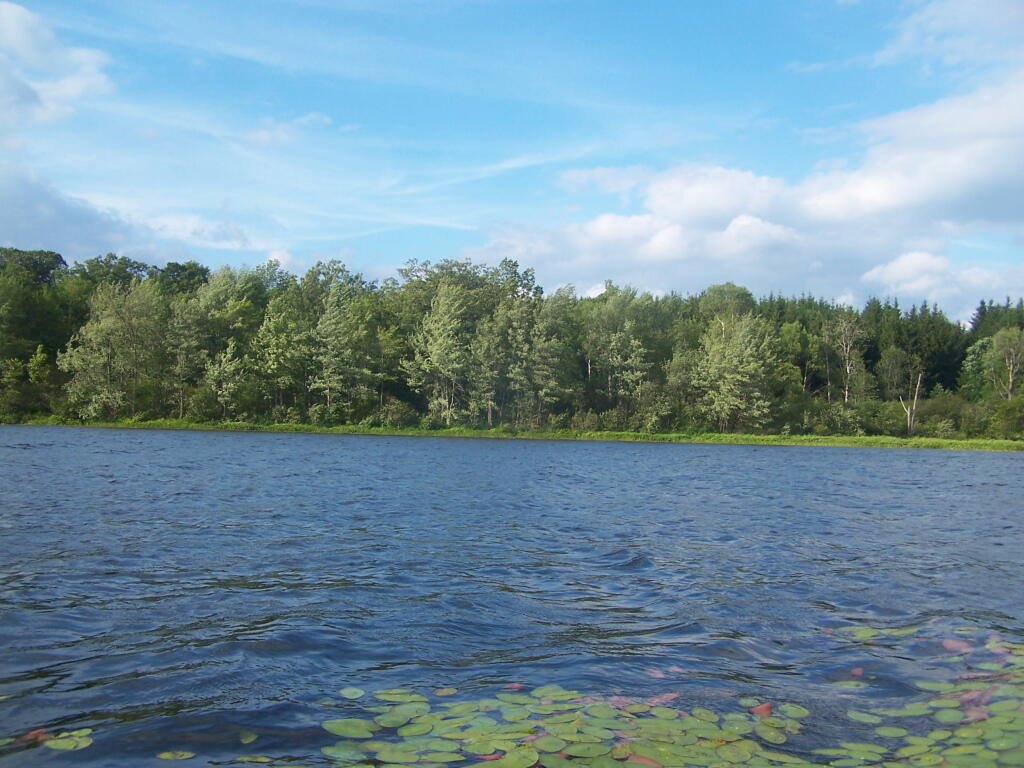
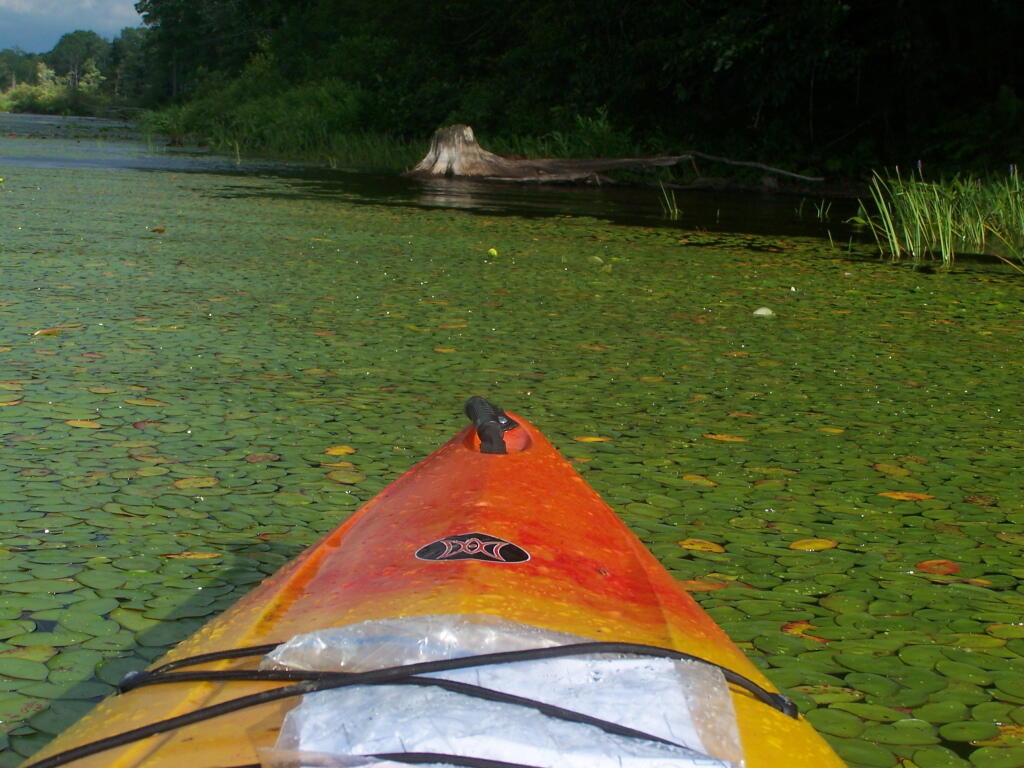
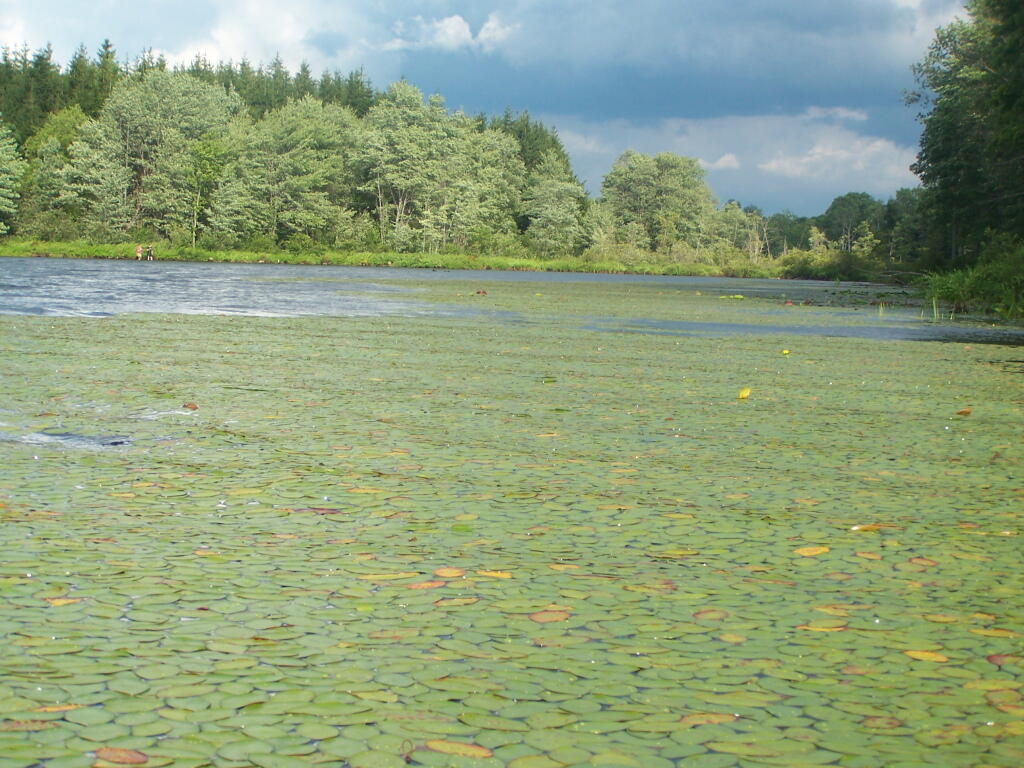
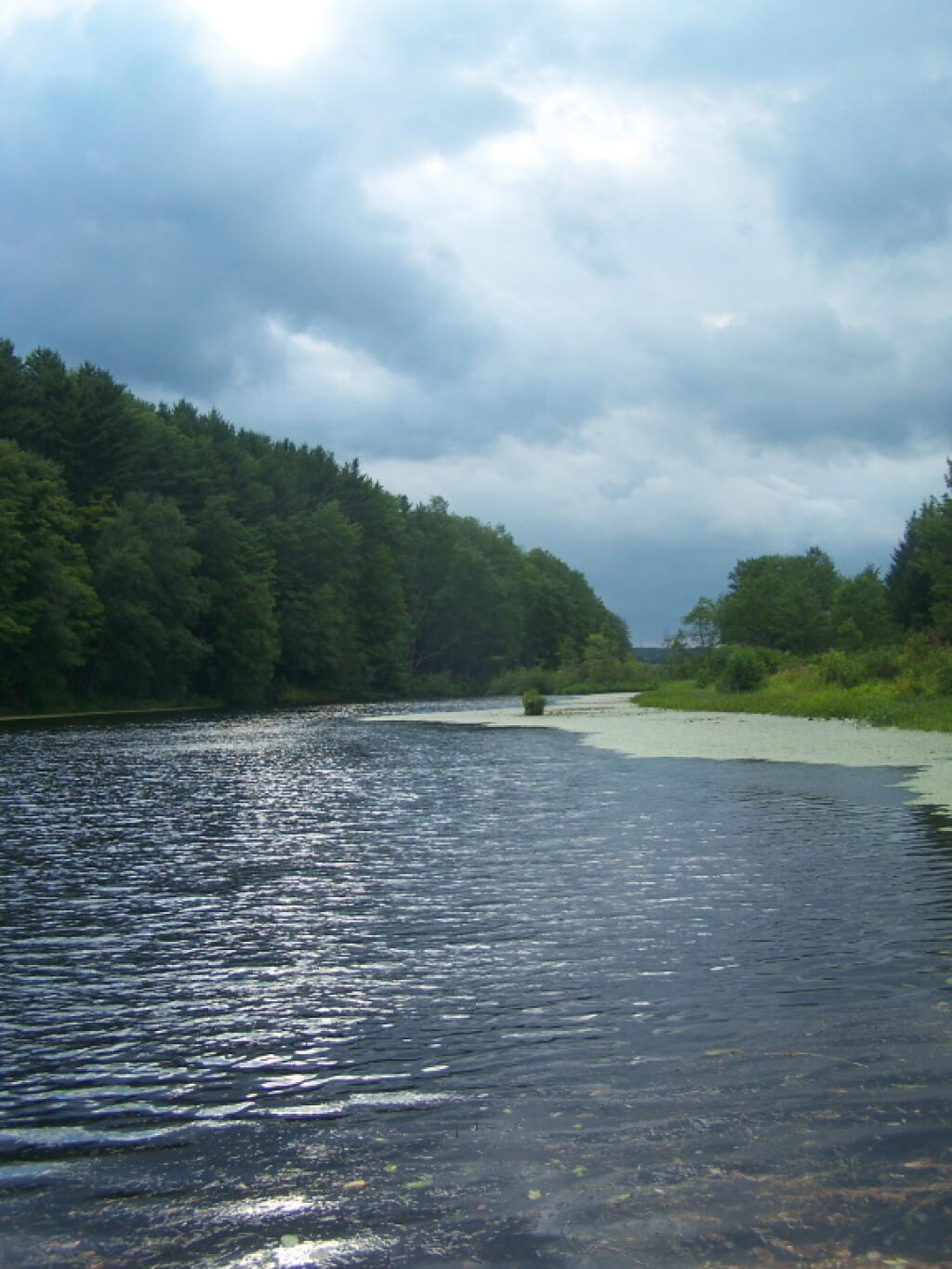
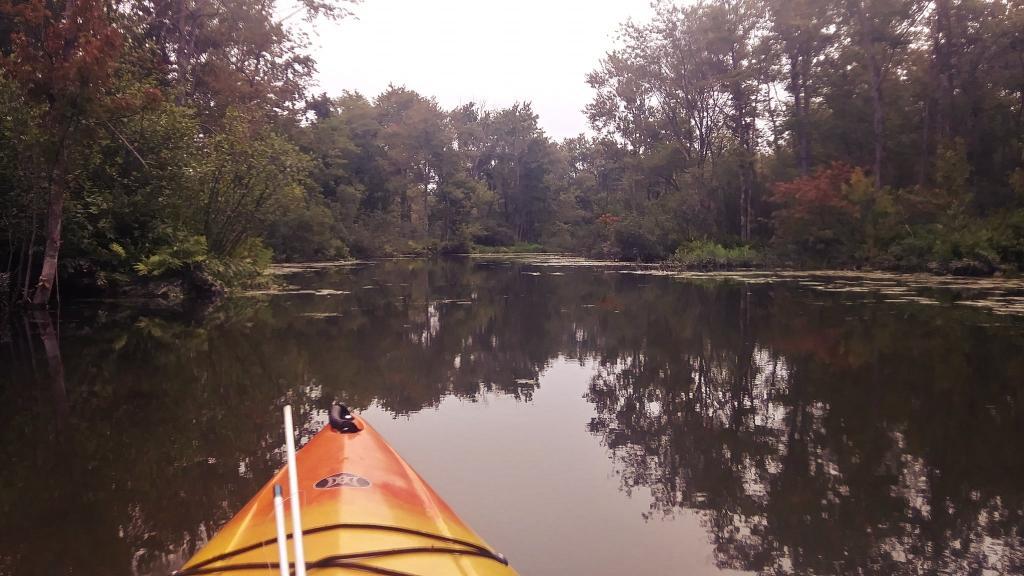
Where is a quiet place to kayak near Cedar Ridge and the Brookfield Horse Camp? Have you ever thought about kayaking the Beaver Creek, from Horse Trail 60 north until the end of the navigable waters?
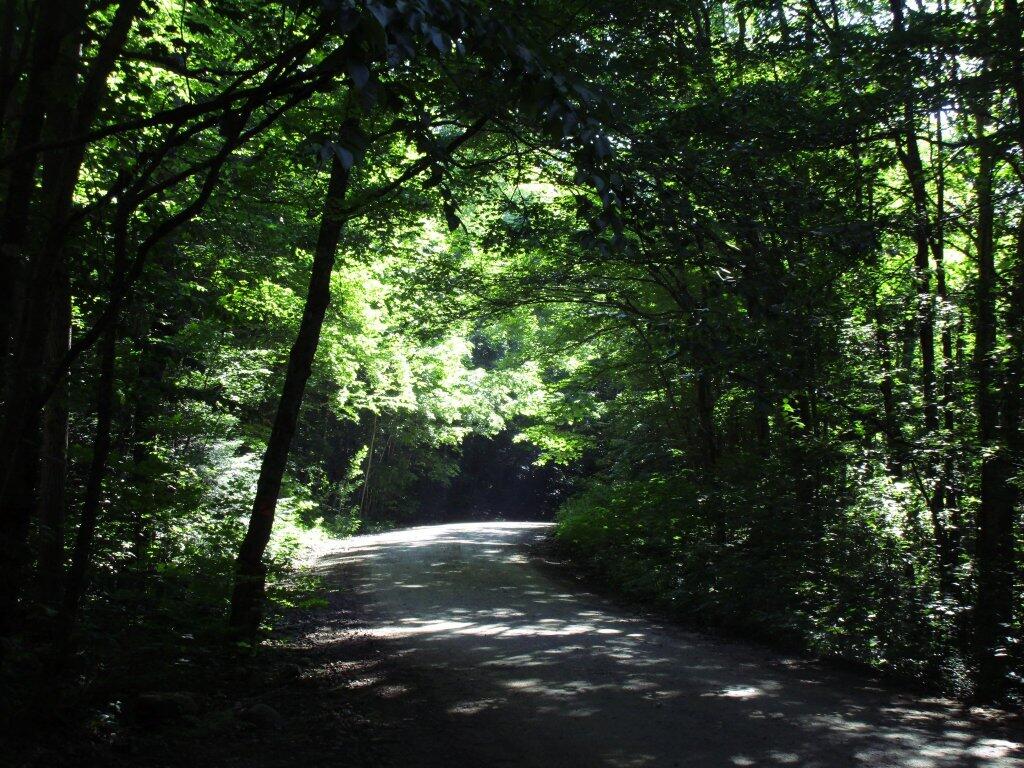
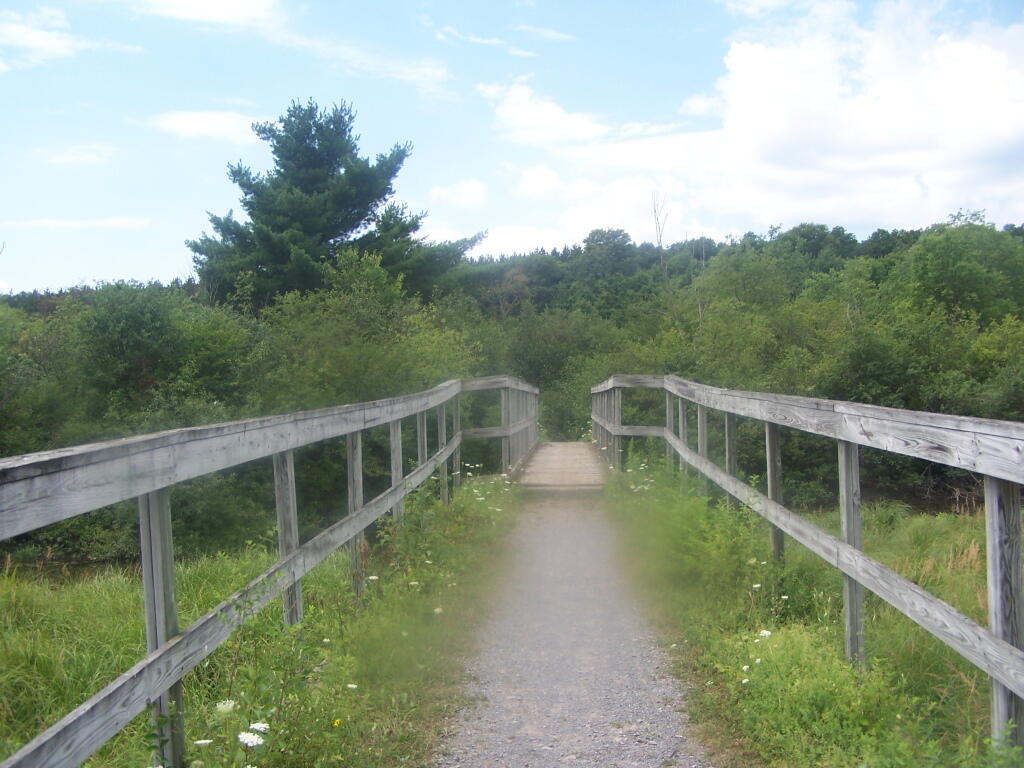
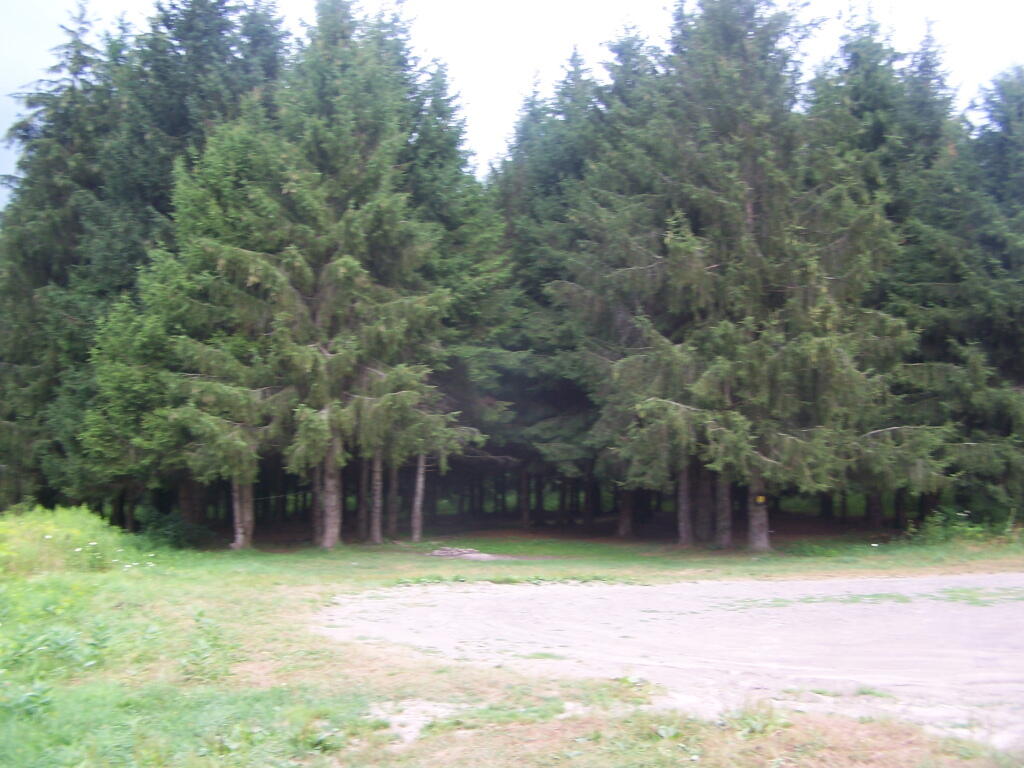
You take Fairgrounds Road north from Brookfield NY, until a first parking area on the left of the road. This is Horse Trail 60. It’s a short portage (1/8 mile) until you reach the bridge crossing the Beaver Creek.
Put in the on the side of this bridge. I did from the east side, through the marshy ground, but you could portage over the horse bridge, then put on the west side, and avoid the marshy ground.
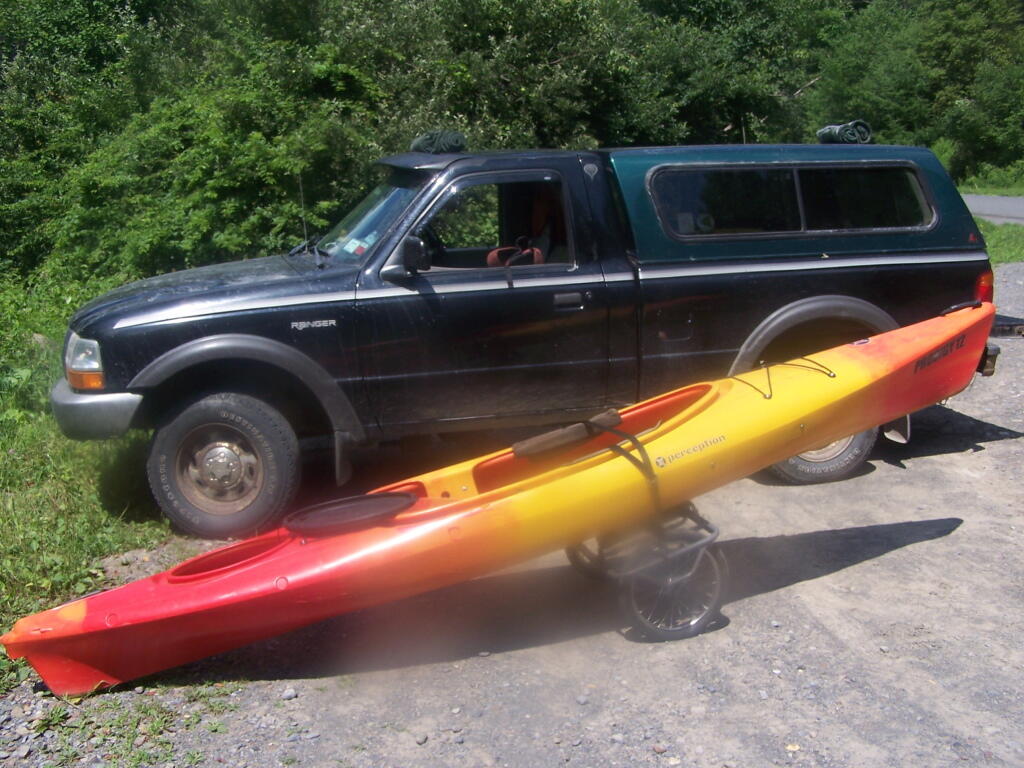
Having a good set of wheels means you won’t have to carry your kayak, but make sure not to drag it on the gravel to avoid wearing holes in your kayak, as I learned earlier this summer.
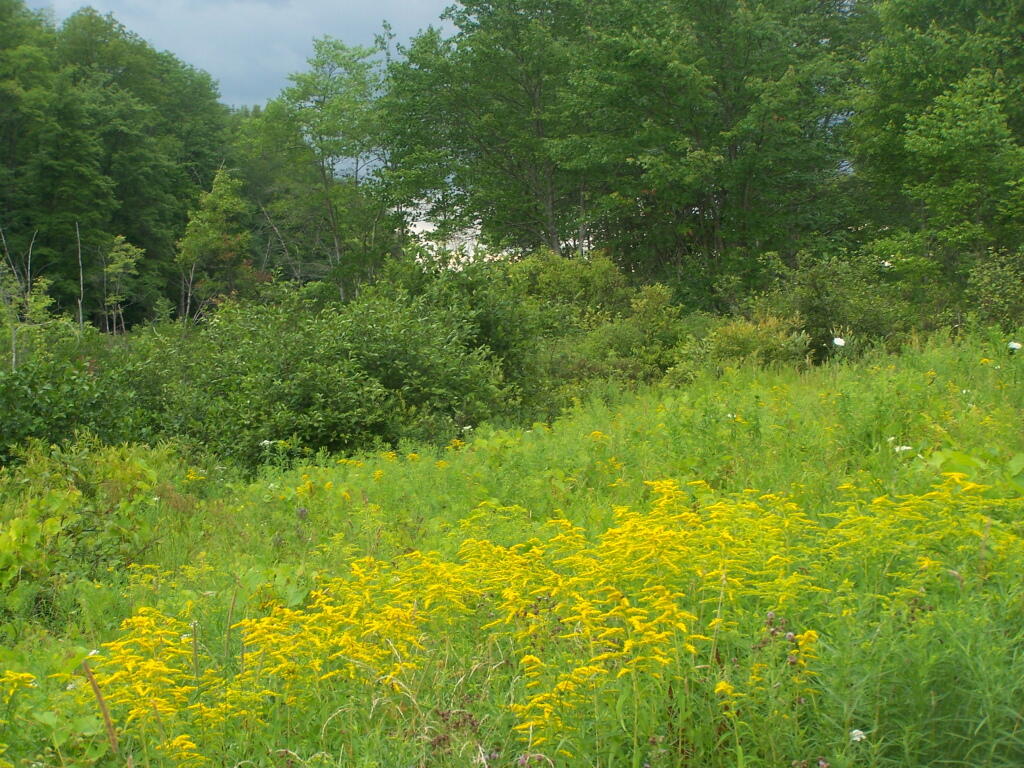
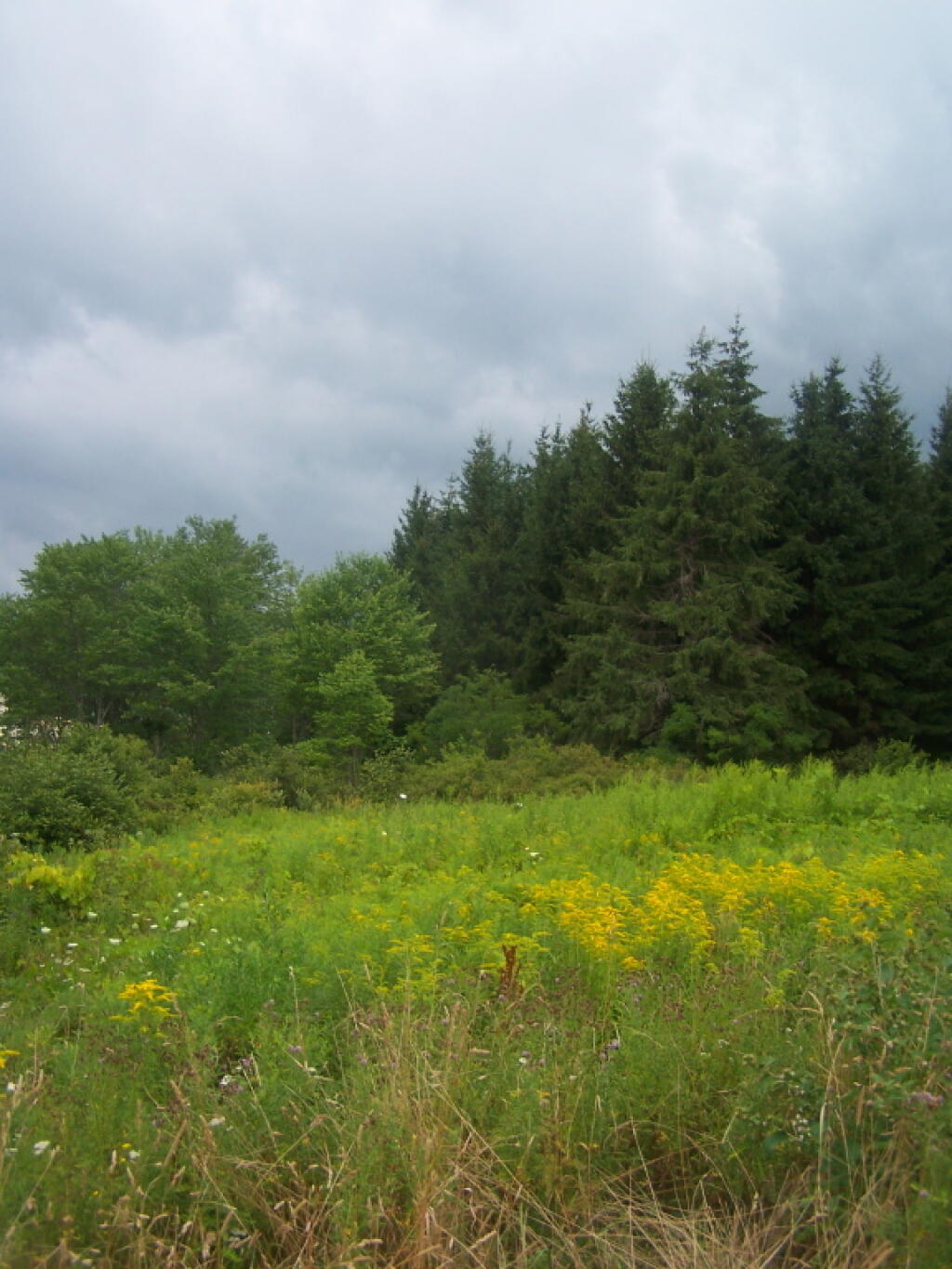
This is a delightful little trip. Do drive the Charles Baker Auto tour, or hike some of the many trails in the area…
After reading “Saving Energy, Growing Jobs” by David Goldstein, I am convienced that Preformance Standards, rather then Cap and Trade is a better way to reduce our greenhouse emissions.
Here is Why…
Cost does not always induce conservation or efficency
People and corporations are willing to pay a lot more for energy without changing behavior or investigating alternatives
Individuals have little choice in buying efficent appliances — most appliances of a certain size consume a certain amount of energy
Information on energy efficency is complex, little understood by the public
Energy taxes will hurt the poor disproptionately
What Cap and Trade is…
A hard national limit on emissions is set.
A tax on emissions is set by a market based on the demand to emit carbon dioxide emissions. The more demand for carbon dioxide emissions, the higher the tax.
Every consumer of energy pays a “tax” related to it’s carbon emissions as a disinsentive to consume energy that produces carbon dioxide emissions.
What Preformance and Efficency Standards Are…
Every electric utility, every oil or gas supplier is required to meet a standard on how much carbon dioxide may be released per average unit of enery produced and distributed.
If they are above that standard, they must buy alternative forms of energy as part of their mix to reduce their average carbon intensity. Failure to comply will lead to substantial fines. This is how Corporate Average Fuel Economy or CAFE works.
Utilities along with oil and gas suppliers will be required buy more renewables and put them into their mix, to reduce the carbon intensity of the energy source they provide to consumers.
Every new appliance, every new car or truck is required to meet a specified level of energy efficency. A televison for example, would be prohibited from consuming more then X watts per square inch.
Why Preformance Standards are Better…
Preformance standards are not a tax or fee. They do not neccessarly raise the price of energy or of a consumer product.
Consumers save money by ensuring the new appliances they buy are energy efficent. Consumers don’t pay an energy tax as with cap and trade.
Preformance standards, per US Energy Law, do not prohibit features, but instead require high standards of efficency for all models. If you want to buy a gas guzzling SUV or big television, that’s your right, but manufacturers will be required to make sure the average of all cars and television sets are efficent.
There Are No Hard Targets for
Greenhouse Gases with Preformance Standards…
Preformance standards are set based on national goals to reduce greenhouse emissions to levels that are demanded by science.
The objection raised by Cap and Trade proponets is that preformance standards do not guarantee a set level of reduction of greenhouse gases by any one year.
If people use a lot of electricity one year, or drive a lot of miles in their cars, then the preformance standards would be canceled out temporarly.
The EPA can compensate by toughening preformance standards for energy generators and new appliances. People (at different times) are constantly replacing cars, television sets, and appliances. This leads to a constant chance at improval in energy efficency and a constant decline in carbon intensity.
It’s better to have a system that has flexibility, so that carbon emissions can rise temporarily in relationship to a hot summer or sudden economic boom.
Why Preformance Standards Will Ultimately Win
in the Climate Change Debate….
Preformance standards are generally allowed under existing law.
The EPA can regulate emissions from smoke stacks, including carbon dioxide at the tonnage level or the per MW/hr level. The EPA would however need Congressional approval for a system that would set carbon dioxide standards public utility-wide level.
Preformance standards for appliances are well established. While tightening of some standards would require Congressional approval, most legislators are far more comfortable with tougher energy efficency standards then an economy wide tax.
Preformance standards are not a tax and do not raise energy prices.
Energy efficency does mean a ban on any appliance or any feature people are used to. It’s the internal redesign of existing appliances, to make them consume less energy for each unit of work done.
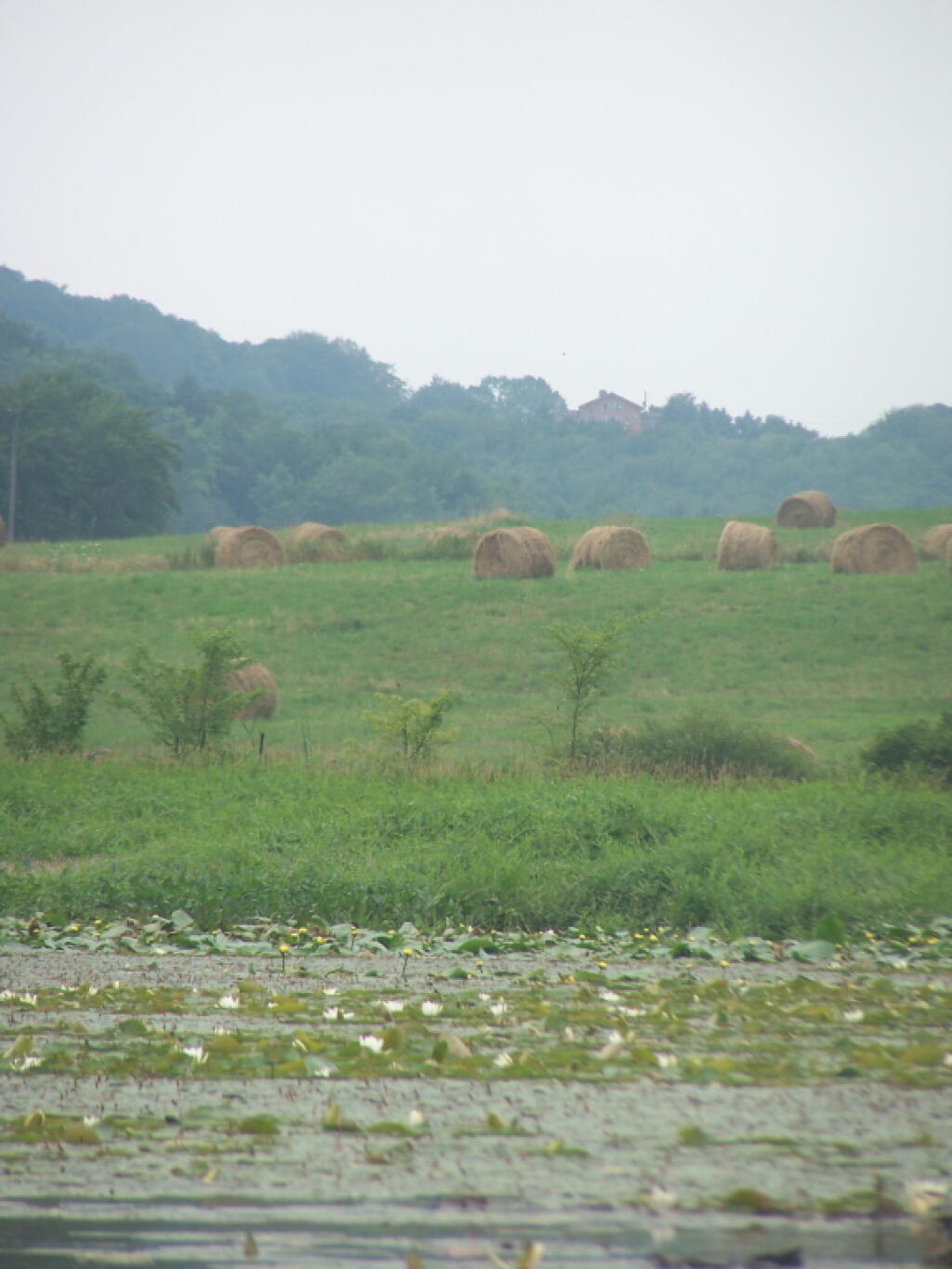
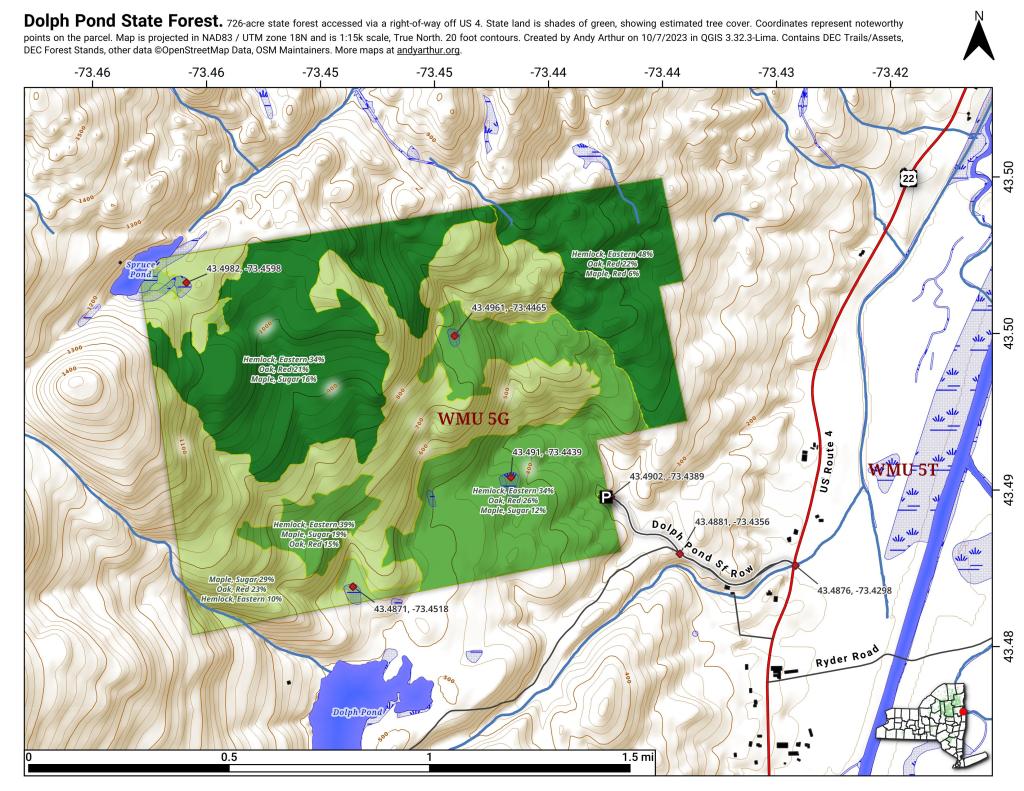
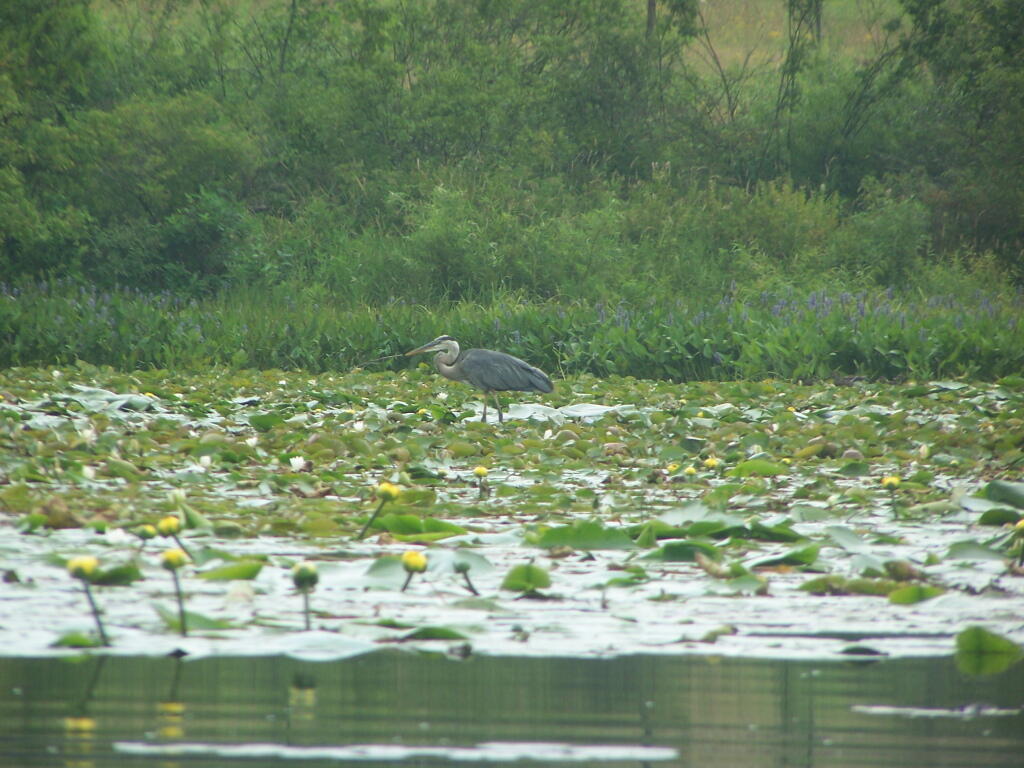
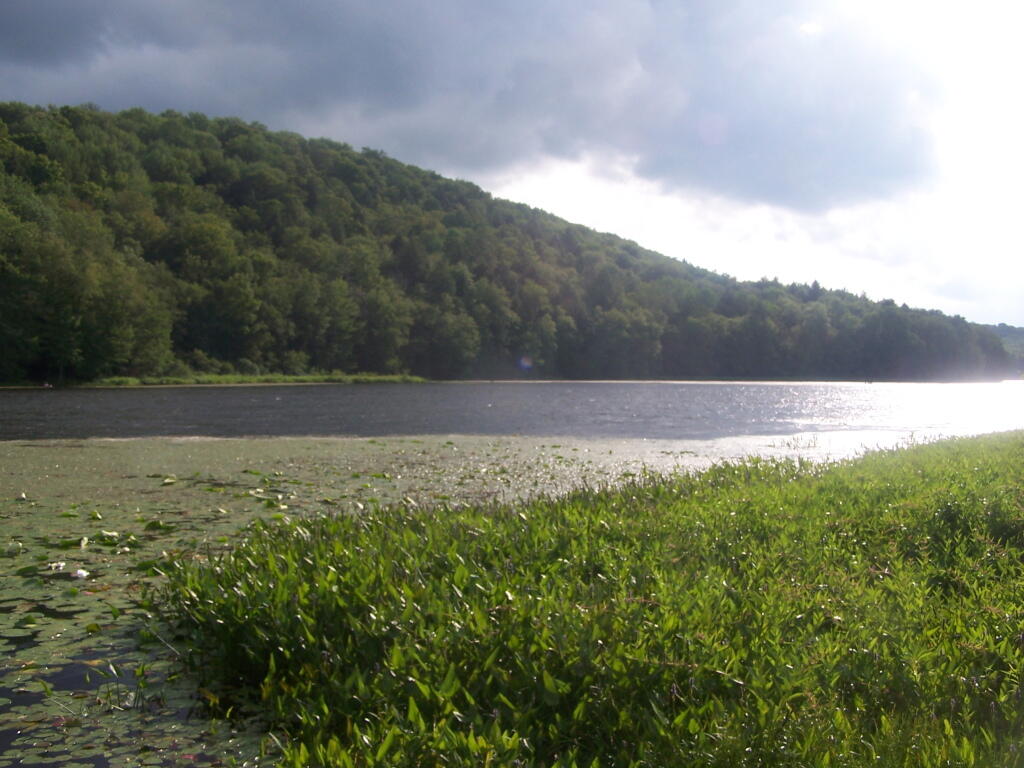
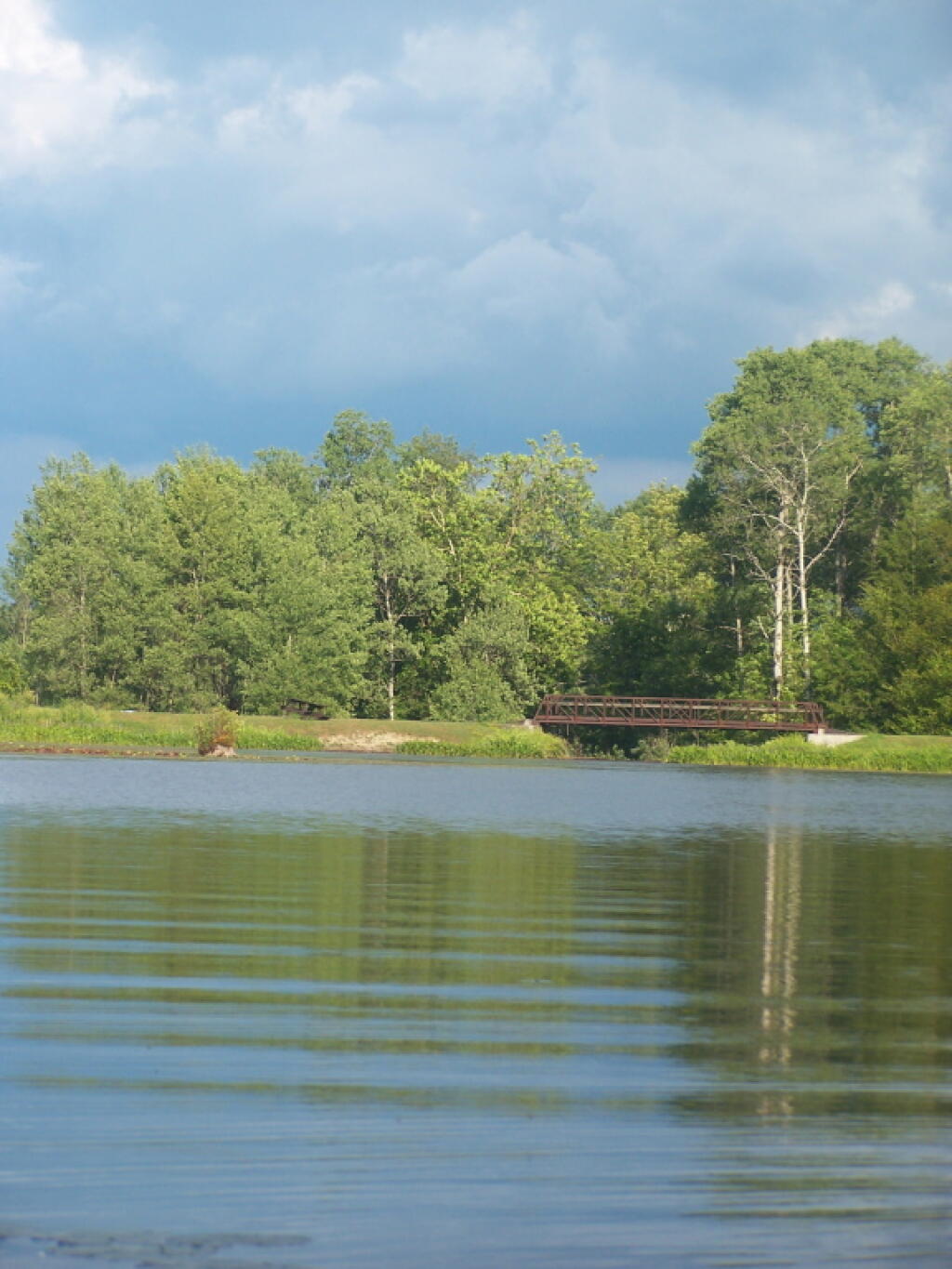
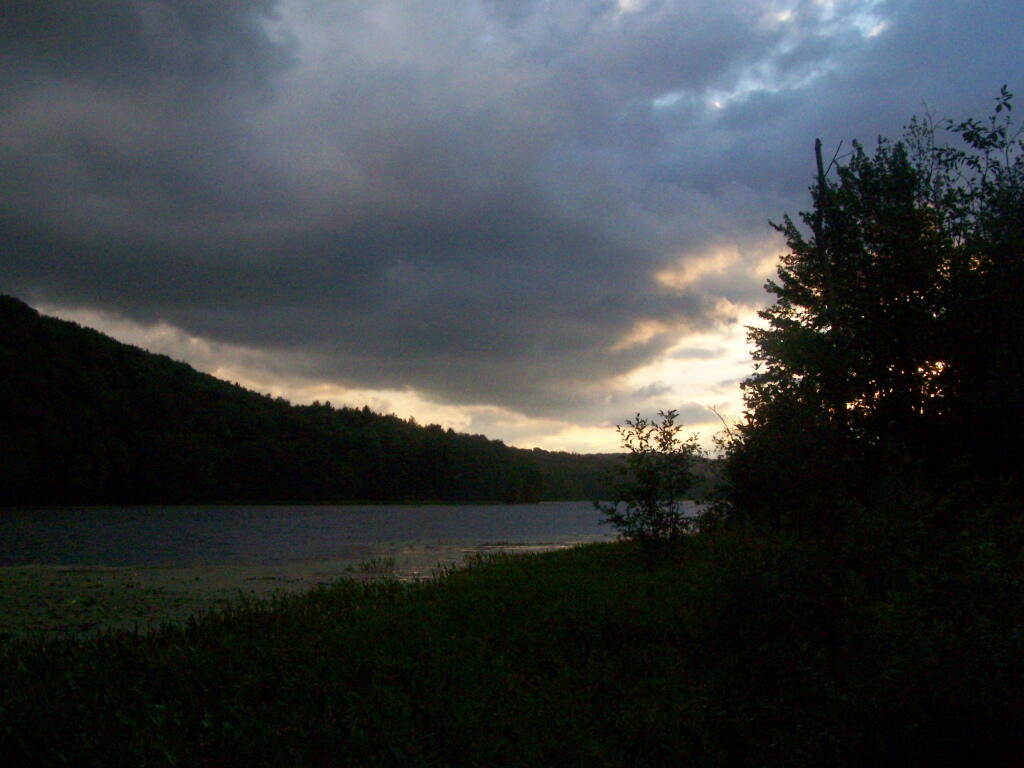
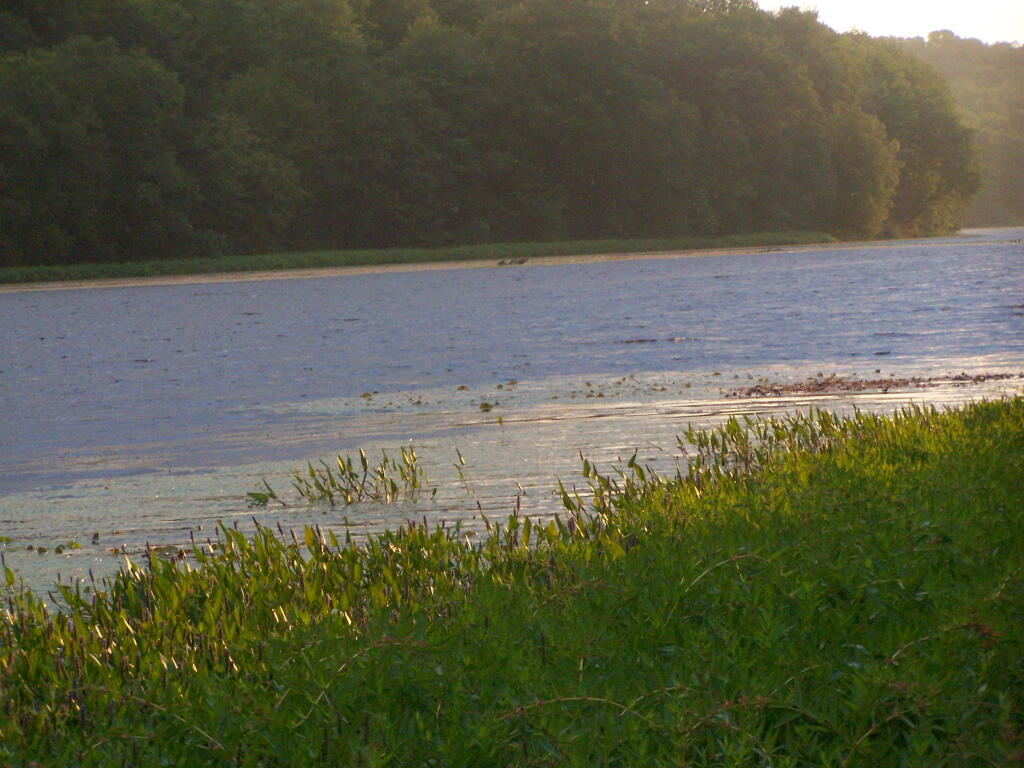
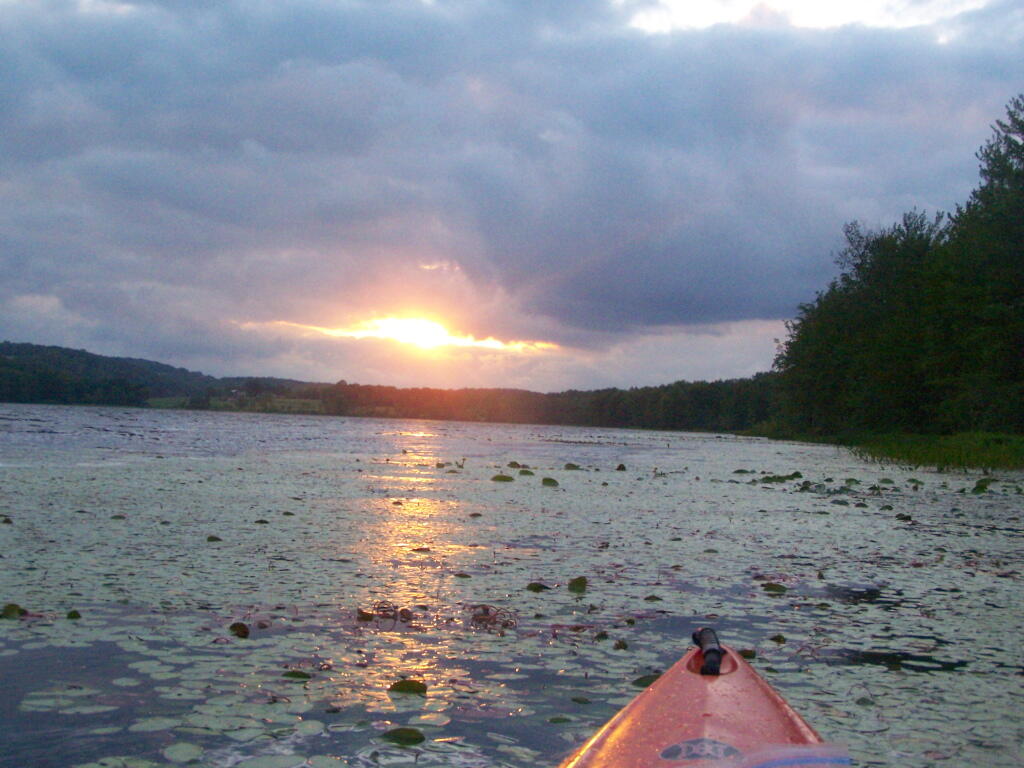
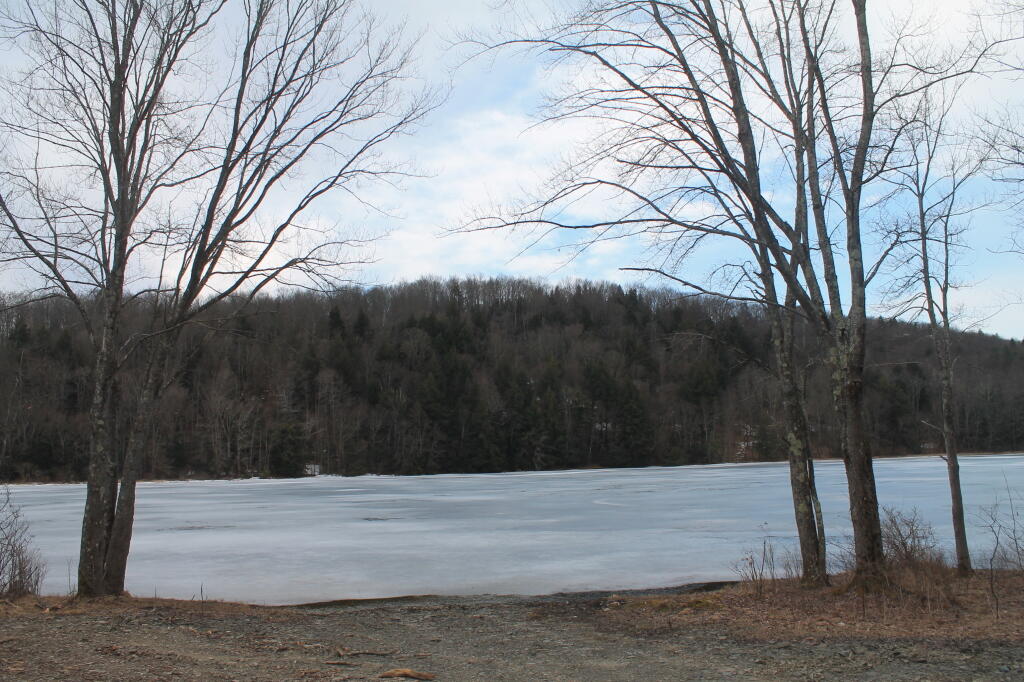
Long Pond offers 8 designated roadside campsites, and a handful of other informal campsites on the other side of the lake. A large man-made lake in an agricultural landscape of Chenango County, it offers some excellent fishing and nice views, especially for Chenango County.
This map below shows where each picture was taken roughly in the area.
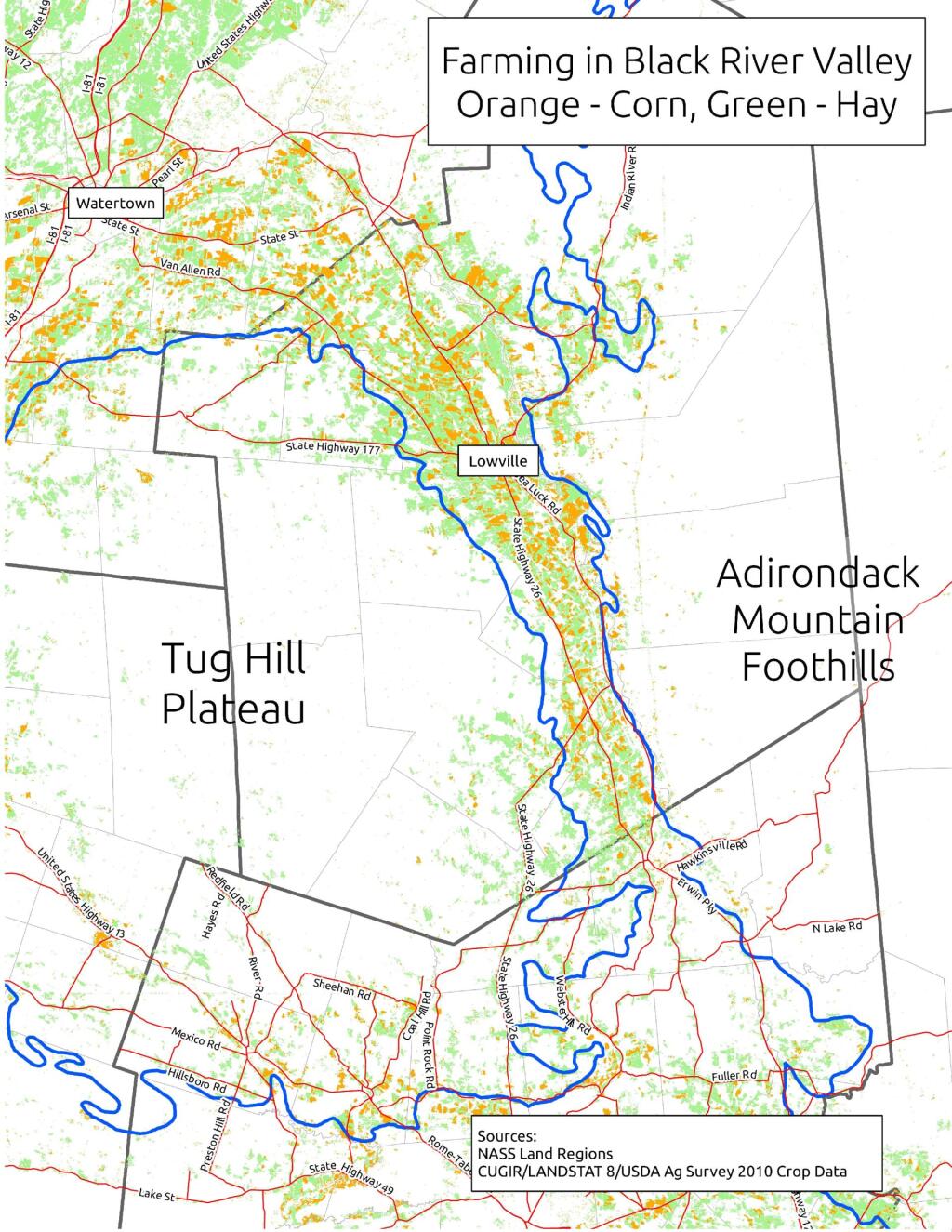
When I was younger I used to think of the Tug Hill Plateau as a vast agricultural region. It really isn’t. There are farms in Black River Valley, but not so much up on the Plateau, especially as you gain elevation.
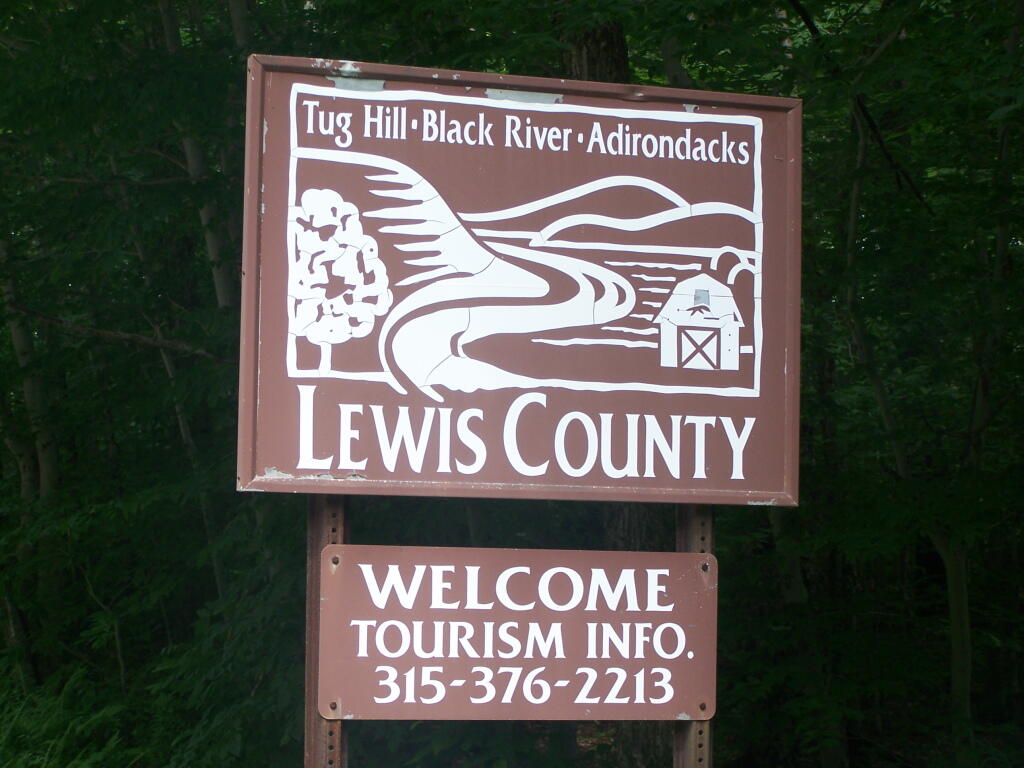
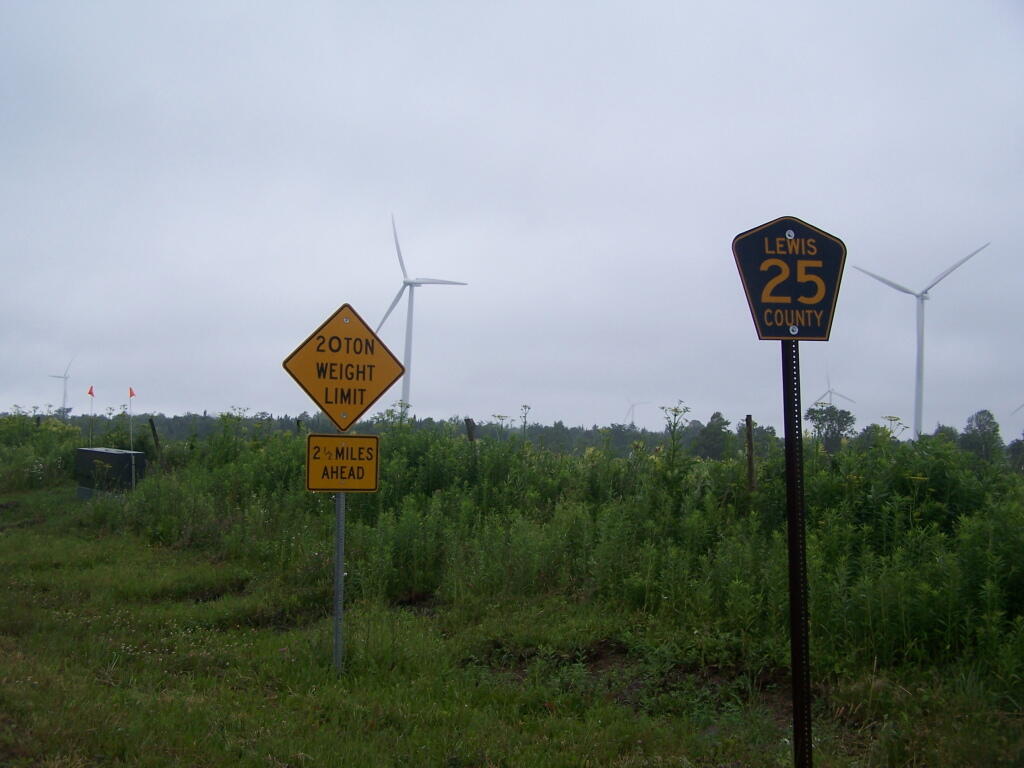
The signs going into Lewis County say “Adirondacks-Black River-Tug Hill”, and except for that relatively narrow band running along the Black River, Lewis County doesn’t have a lot of farming — much likes the rest of Tug Hill Plateau.
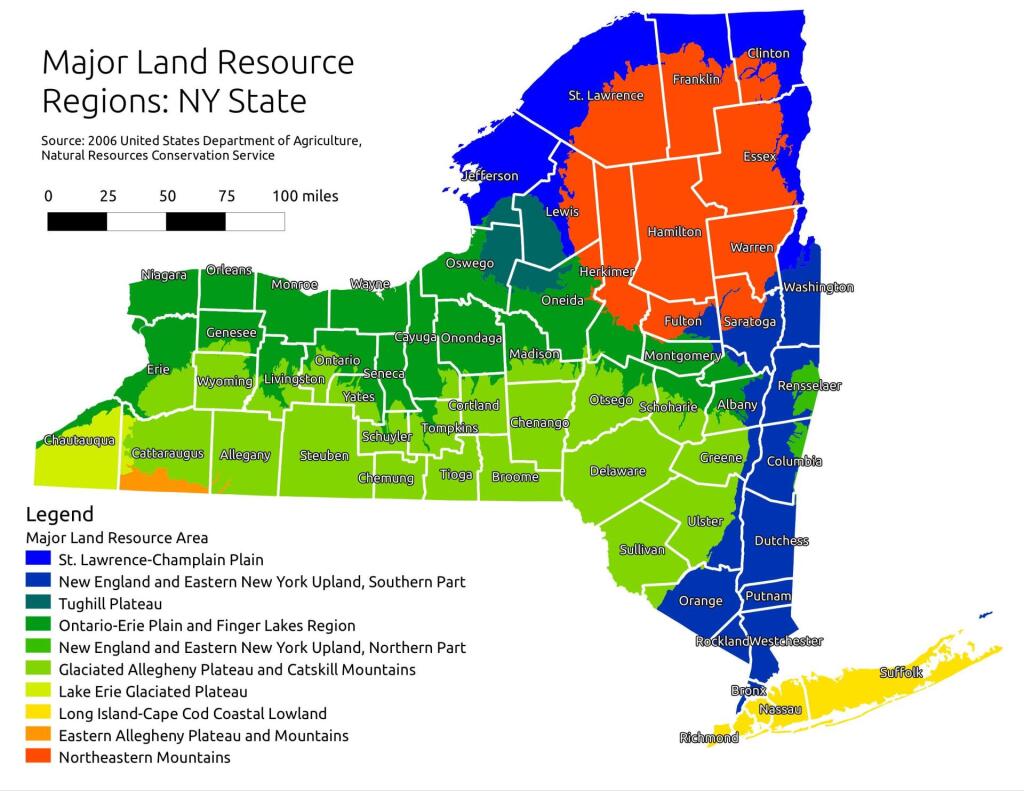
An elevation map of NY shows that most of the Tug Hill Plateau is between 1,000-2,000 feet elevation, but that’s high enough in NY to make agriculture unprofitable in most of state due to short growing season.
The Black River Valley, with it’s fertile soils notched between the Adirondack Foothills and Tug Hill Plateau make Lewis County a major agricultural producer, with 262 dairy farms, including some of the largest in state. The area around Lowville is excellent agriculturally, until you start back up in to the hills on both sides with their short growing seasons. Dairy farming makes up 20% of the land use in Lewis County (per 2010 USDA NASS), but almost all of that occurs in Black River Valley or slightly up the slopes of Tug Hill Plateau.
In many ways the Tug Hill Plateau is a fascinating region of the state. Unlike the Adirondack Park, only a relatively small portion of it is publically owned. About 2/3rds of it is private timber lands, with rest being public lands. It lacks any major cities or population centers, much of it is roadless, or where roads exist, they primarily service hunting camps or timberlands.
The remoteness of the Tug Hill Plateau remains a real fascination for me.
The problem is, for many New Yorkers, the largest and most interesting parcels — the Catskill Forest Preserve, the Adirondack Forest Preserve, larger state forests like Brookfield Horse Camp, Brashier Falls, Tug Hill State Forest, Sugar Hill, are all a long drive from where they live.
This map shows the town population versus the location of state forest and forest preserve lands that are popular for hiking, camping, fishing and hunting. I did not include state parks. Note how unpopulated most areas are with large state forests.
To demostrate how dramatic this is, take a look at a map of urbanized or otherwise developed areas of New York State based on Landstat data. Yellows are suburban areas, while reds are urbanized downtowns with few trees or forest — the kind of people you would think would most likely want to spend time in the woods.
Maybe we don’t want lots of urban folks coming to the state forests. Maybe there remoteness keeps people away. Yet, it shows the large disconnect from large public lands and the population centers across our state.
Often people think of the Adirondack Park as being the Adirondack Mountains, a very rugged and mountainous area. But as one would see from exploring much of the Southern and Western Adirondacks, a lot of the Adirondack Park is relatively flat. Not flat like Kansas, but with peaks who elevation change rival other portions of the state not in the Adirondack Park.
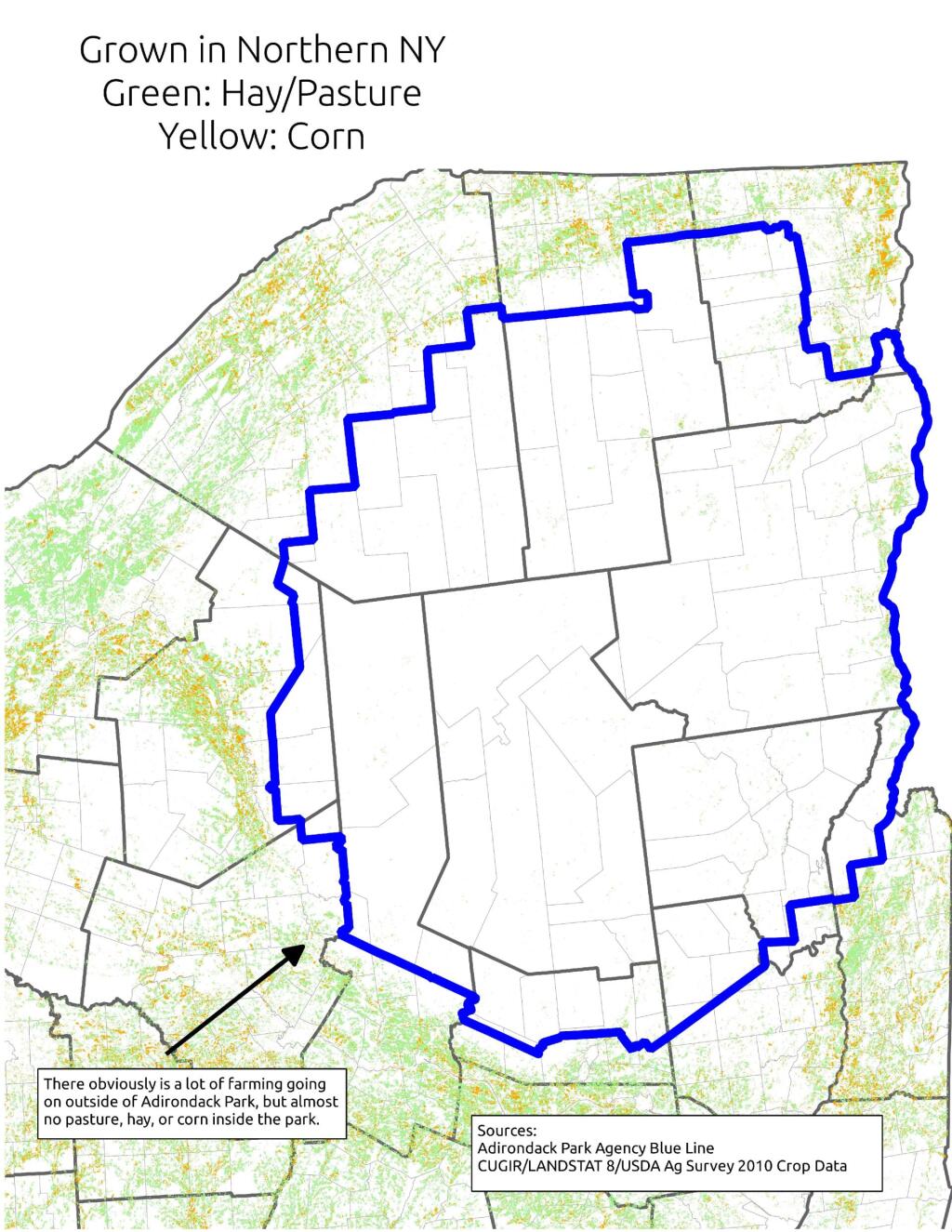
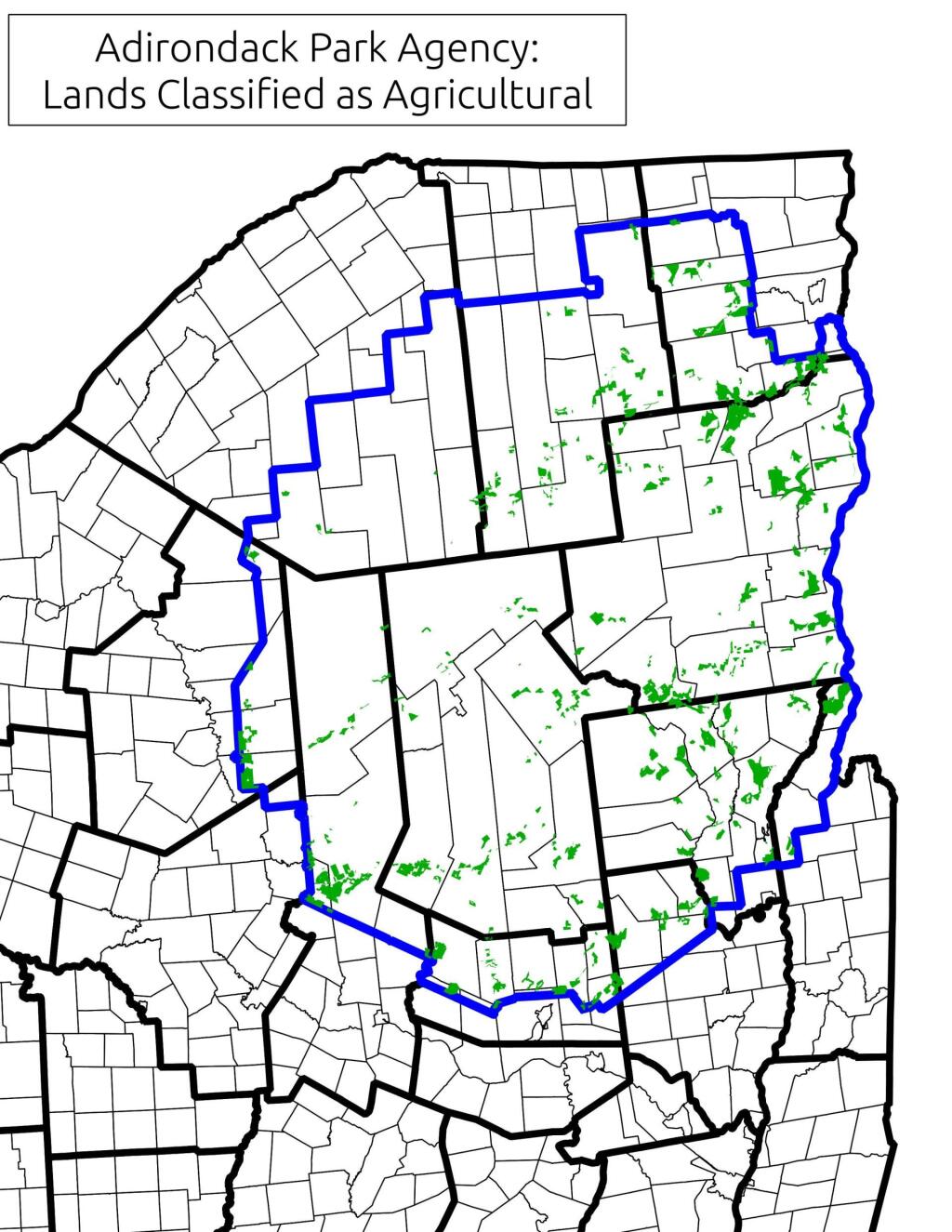
Most of NY State east or south of Finger Lakes is not flat. There can be significant rise in hills in these area, but we don’t consider such regions to be portions of Adirondack Park or even Catskill Park. Those lands are un-designated and not managed on a regional basis. They aren’t called a park. But what makes the Adirondack Park a cohesive unit is lack of agriculture occurring on it. Few portions of the Adirondack Park have a growing season long enough to support corn farming.
Corn is the basis of much contemporary and historical agriculture. It primarily is grown in NY State to feed dairy cattle. Dairy cattle are important, because they can provide a year round income for a farm family in form of milk sales throughout the year. Where corn can grown, silage can be made, and dairy farms can be sustained. Where there are dairies in NY State, their often is an agricultural support system that allows other farms to exists. Moreover, dairy farming is typically a mark of land able to sustain some kind of farming — if you can’t raise corn on a piece of land nearby, it’s unlikely that it would allow fruit or vegetable growing.
Moreover, without an agricultural base, their is little reason historically for people to move to Adirondack Park. People traditionally where reliant on local food supplies. Little food could be grown in the park. Even if people could import food into the park, their historically was few jobs outside of logging and mining — occupations that could only support a limited number of workers. Without an agricultural basis, few cities could spring up within the park.
Most of the land in the Adirondack Park historically was logged or mined. Logging operations are a long-term investment, with many species of trees taking 30-50 years to grow to a profitable size. Many loggers historically stripped the land of it’s trees, and then abandoned the land or otherwise turned it over to the state. That’s how the state ended up with so much land in the park. If it had been productive farm land, much if it would still be in agricultural production, with remaining lands being converted into rural residential lands, or smaller privately owned forests.
It wasn’t an act of the legislature that prevented the Adirondack Park from becoming too developed. It was a lack of corn and cattle based agriculture, as the elevation way too high to support such farming. No farms meant no civilization, and most of the park remaining timberlands, much abandoned to state use. If Adirondack Valleys where low enough to support some agriculture, their would have been much more development and civilization, then the largely wild and undeveloped Adirondack Park of today.




![Untitled [Expires July 27 2024]](https://andyarthur.org//data/photo_005018_large.jpg)