Where do I really want to live? 🏑

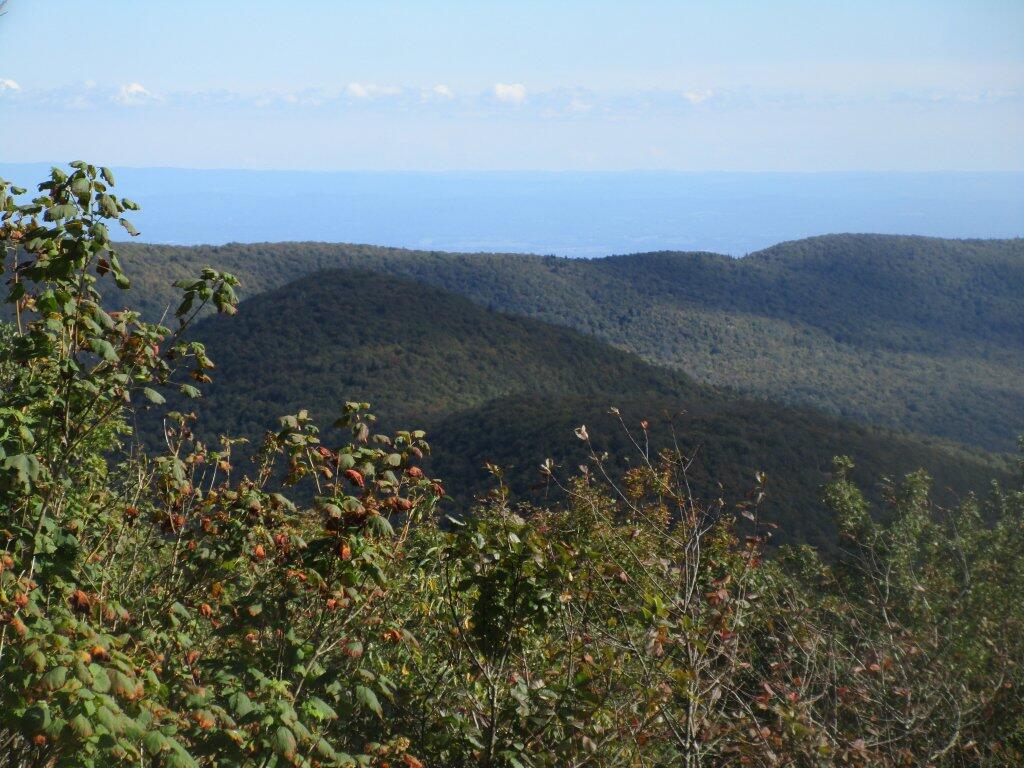
The life I really enjoy is up in the wilderness. Not in a place with other people and houses nearby but instead in the wilderness – much like where I often camp on the dirt roads up in the state and national forests. Out of eye shot and ear shot of anyone else.

The thing is there really is few places like that anywhere within commuting distance to Albany. It seems like ever house and property I look at has neighbors just down the road. Zillow keeps suggesting more properties in the city and suburbs. I guess that’s where most people live. But it’s not for me.

I do want that cabin in the woods, in the mountains up a dirt road. And maybe that has to wait until I’m closer to retirement. I guess it could be a weekend residence but I really want a place closer to work where I can call my everyday home. A place made of natural materials where I can live more sustainably and independently on my own. Off grid, simple as possible.

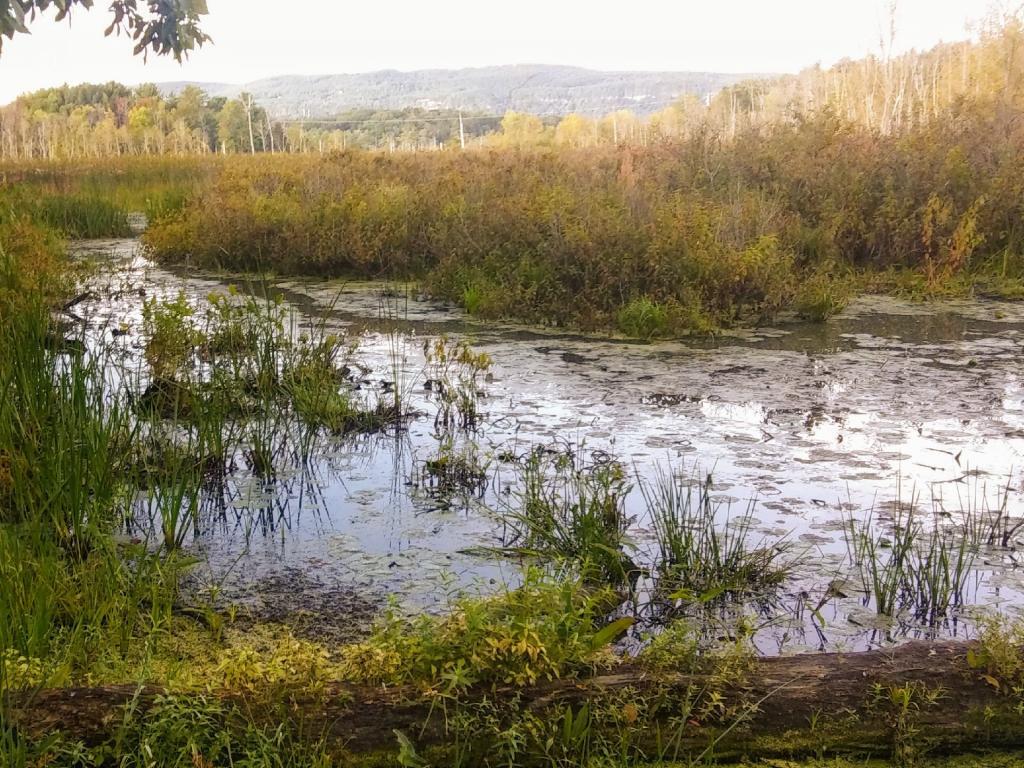
East Branch Sacandaga River

Not a lot of water for spring, though the water levels can fluctuate a lot in. I've seen it overflowing the banks some times, and other times the river is mostly rock with a trickle of water. The main branch and the west branch have much more consistent water flow levels.


Saturday April 30, 2022 — East Branch Sacandaga River

What Shifting Oil Markets Mean for Summer Travel

Planning a classic American road trip this summer? I am certainly doing that, planning to go to Michigan come August, but with my big SuperDuty truck it does give pause. The perfect storm of geopolitical conflict and seasonal demand is shaking up the energy market, making the “pain at the pump” a major theme for the upcoming travel season.

Untitled

The Global Picture: Why Oil is Surging

The primary engine behind rising fuel costs right now is a severe supply disruption caused by the ongoing conflict between Iran and the United States.

  • Chokepoint Crisis: The Strait of Hormuz, a vital waterway for 20% of the world’s oil and gas, has seen restricted traffic, leading to the largest supply disruption in history.
  • Production Plunge: Global oil supply plummeted by 10.1 million barrels per day in March. While OPEC+ members have signaled a willingness to boost output when conditions stabilize, these increases remain largely symbolic until shipping lanes reopen.
  • Price Peaks: Brent crude oil reached averages of $103 per barrel in March, with experts at the EIA predicting it could peak at $115 per barrel in the second quarter of 2026.

What This Means for Gas Prices

Unfortunately, higher crude costs translate directly to retail gasoline. While there was early-year optimism that prices might stay low, the current outlook is much more volatile.

  • The Peak: The EIA forecasts retail gasoline prices will peak at a monthly average of nearly $4.30 per gallon in April, though they may gradually decrease as the summer progresses.
  • Diesel Divergence: If you’re driving a diesel truck, be prepared for even steeper costs. Diesel prices have remained particularly elevated due to tight global supplies, with peaks forecast at more than $5.80 per gallon. I am glad in some ways I bought a gasser!
  • Seasonal Surcharge: Even without the war, gas prices naturally rise in the summer due to increased demand and the transition to more expensive summer-blend fuels required by the EPA.

Impact on Summer Travel: The Rise of the “Micro-cation”

The high cost of fuel is already forcing a shift in how Americans plan to spend their time off.

  • Demand Destruction: Some travelers are simply staying home. The International Energy Agency (IEA) expects global oil consumption to shrink this yearβ€”the first time since 2020β€”as high prices force people to cut back.
  • Closer to Home: Rather than cross-country treks, many are opting for “micro-cations” or staycations, choosing destinations within a few hours’ drive to minimize fuel expenses.
  • Travel Flexibility: A growing number of travelers are booking refundable trips or purchasing “cancel-for-any-reason” insurance to protect themselves if gas prices become truly prohibitive by July or August.

The Open Road

The Bottom Line: With the road ahead looks more expensive than I would have hoped back in January, summer will still come and go. It’s best to get out and enjoy life while you still can, and even if this year is more costly, it’s not a reason to cancel a trip that will provide a lifetime of memories.