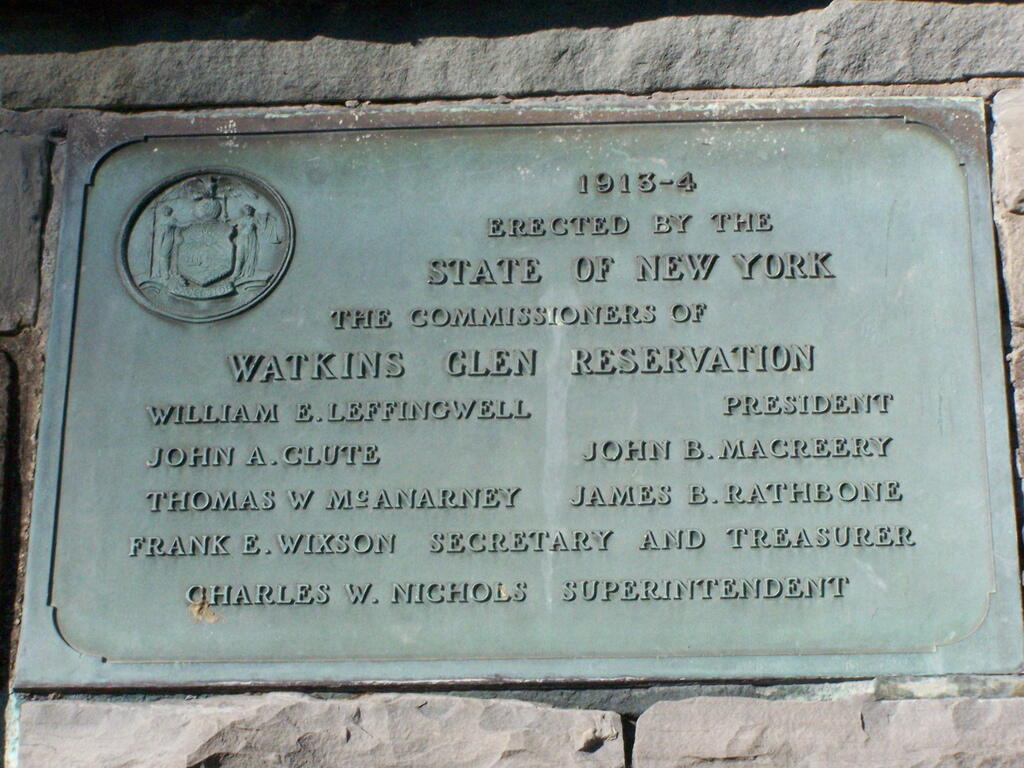
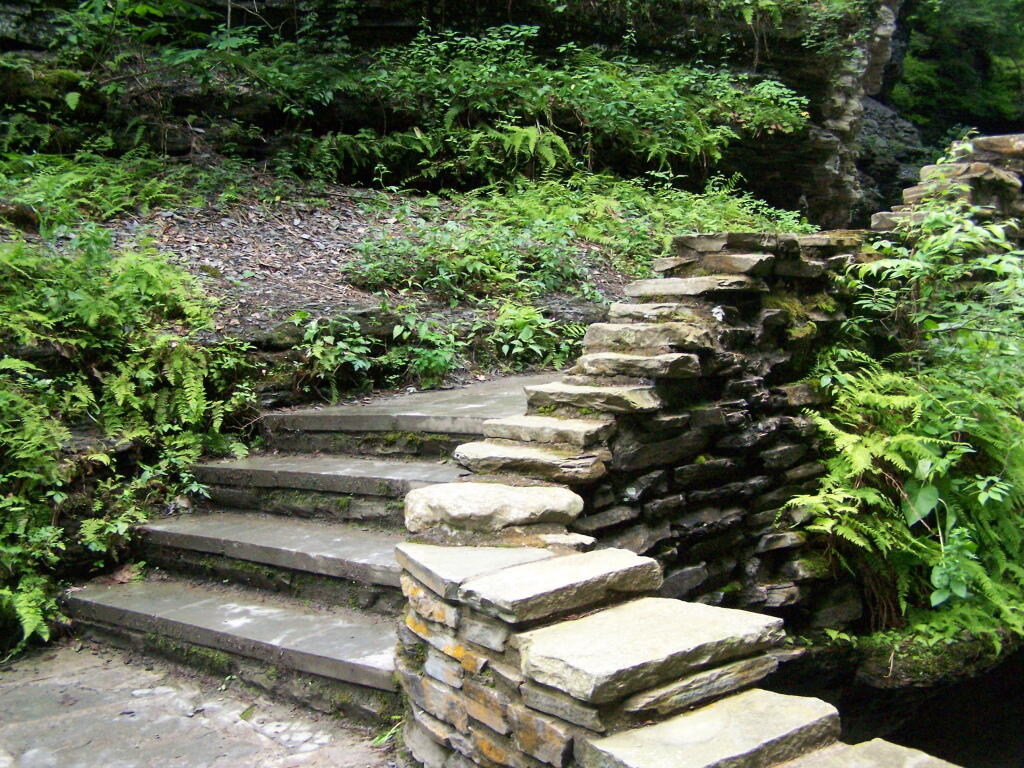
I happened to be driving through Watkins Glen on my trip from the Finger Lakes National Forest to Sugar Hill State Horse camp, so I figured I would take a walk up the trail once again. I’ve been there before, but I figured this would be a chance to get photos when the light was better.
The last time I was there it was early in the morning. This proved to be a problem for photograhpy, without a tripod, because it was so dark in there. It was much lighter in the middle of the day, abit much more crowded. It also was a very humid day out there.
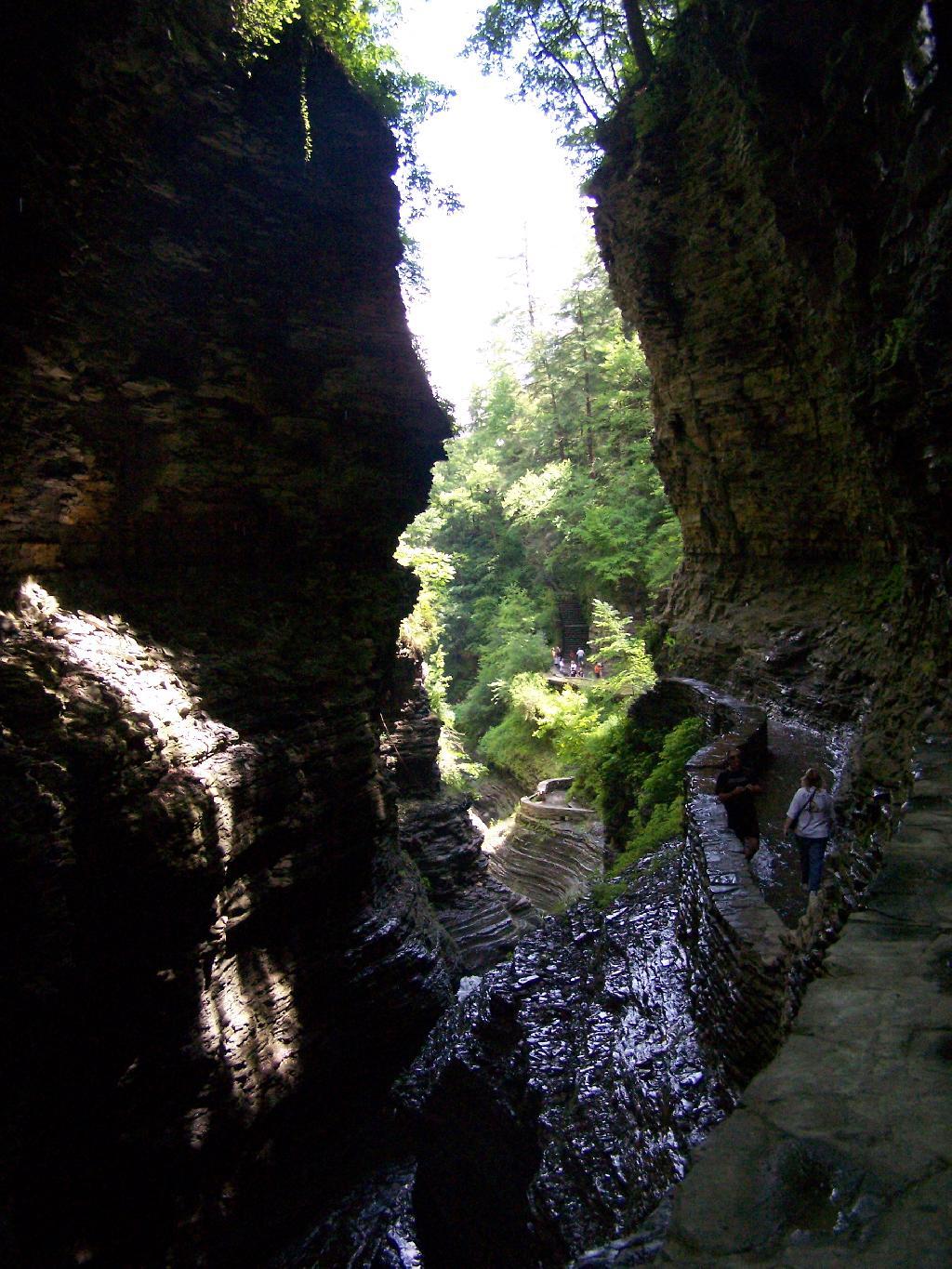
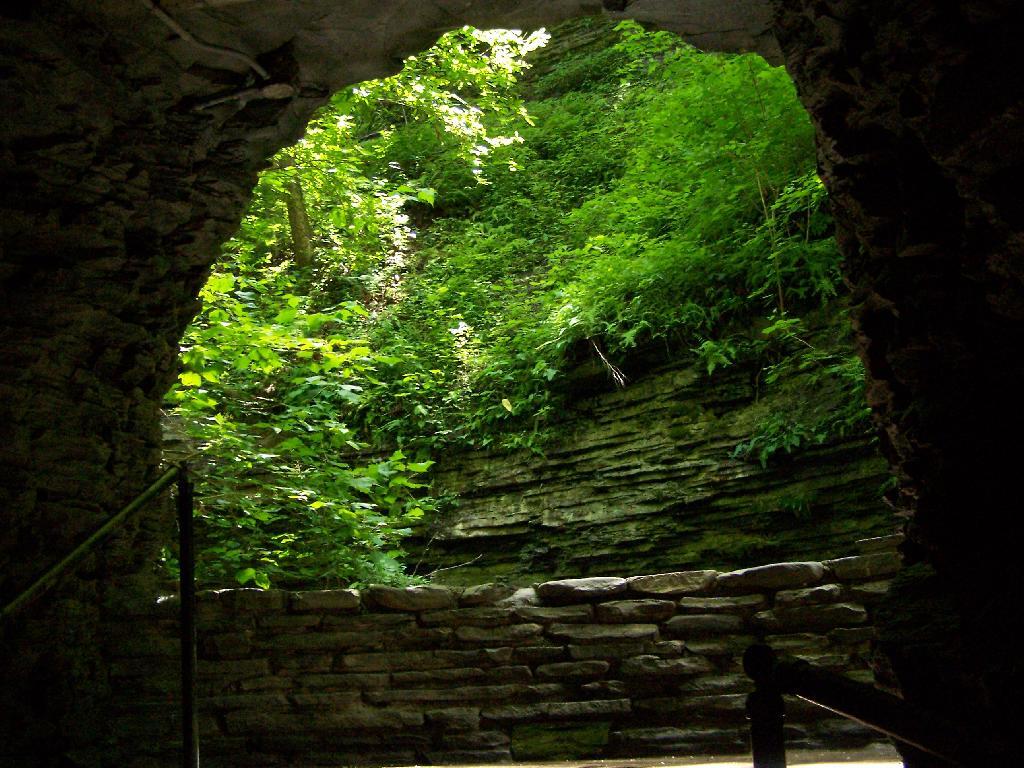
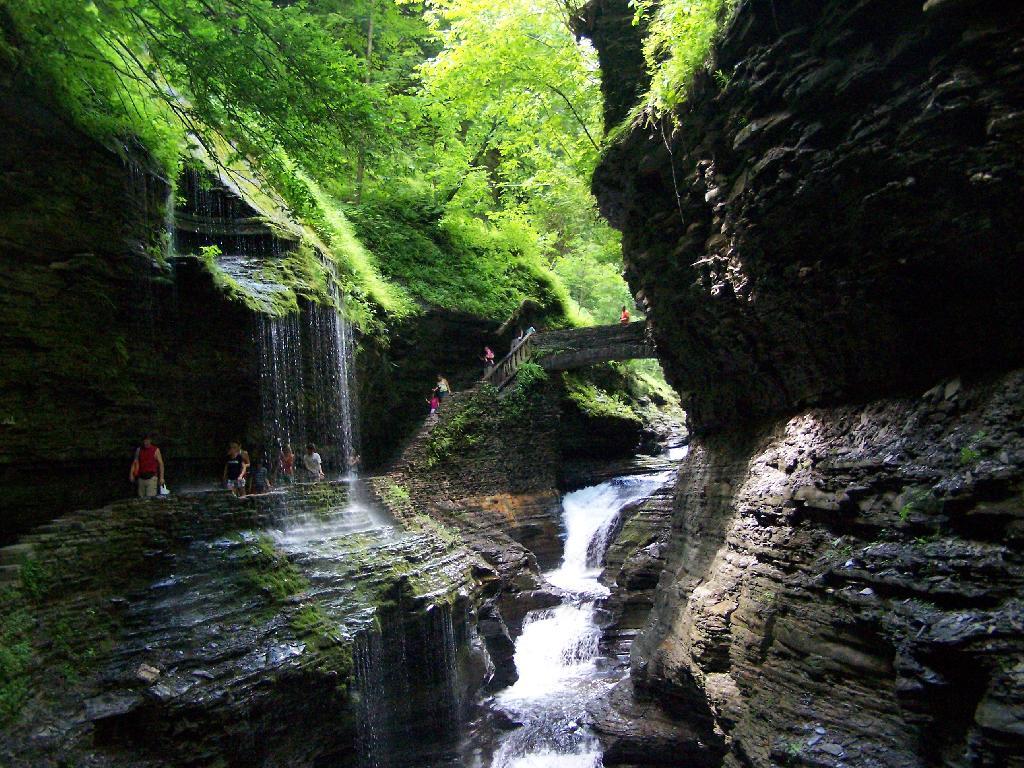
In several sections of Watkins Glen the trail cuts through caves to get around mountain faces, then emereges out to the most beautifully lit green areas.
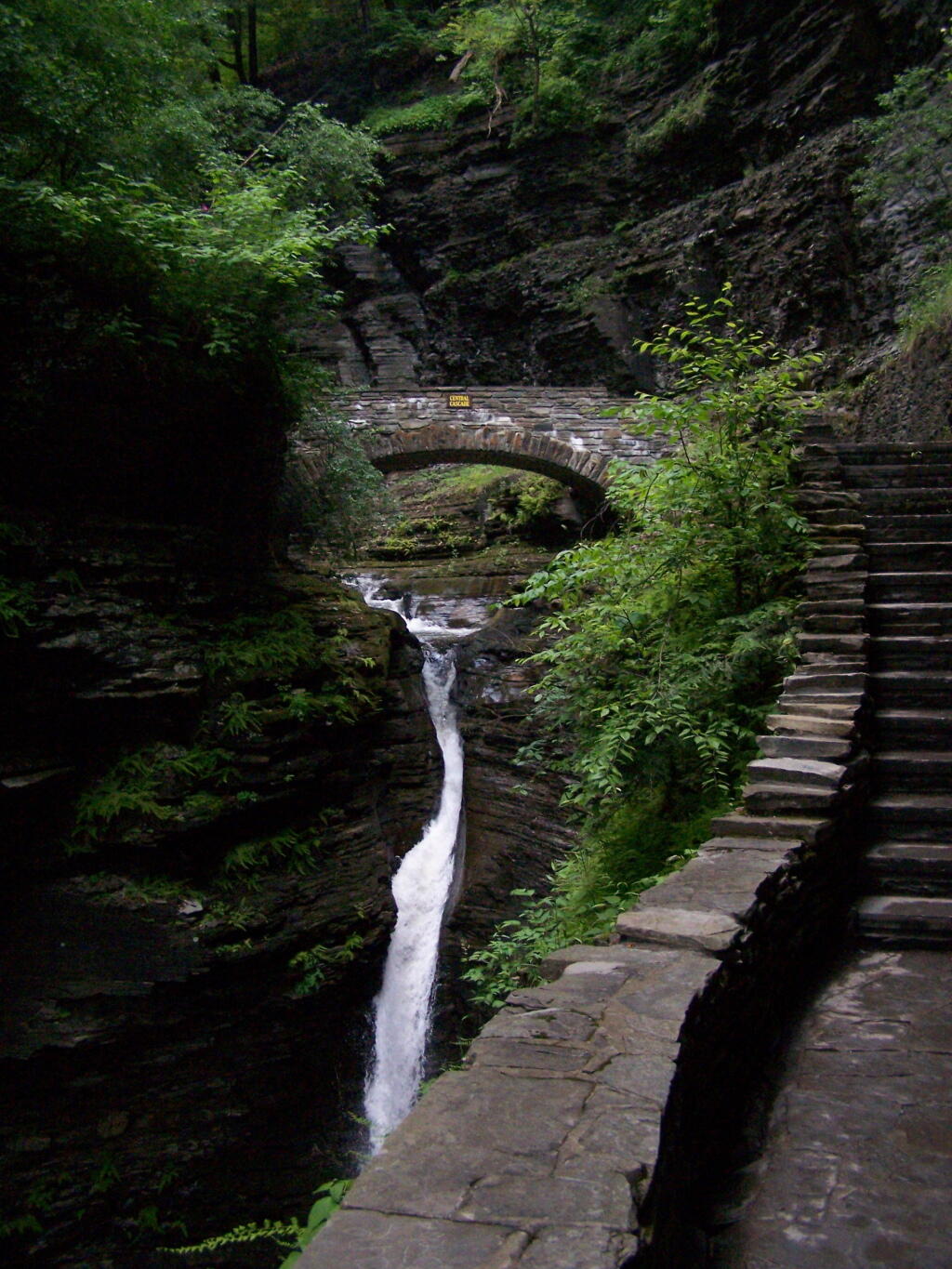
The trail follows the edge of the Glen, crossing it several times on beautiful stone bridges.
The trail is beautifully designed and a pleasure to walk, although on a humid day like today, it was pretty hot, despite being largely in the shade.
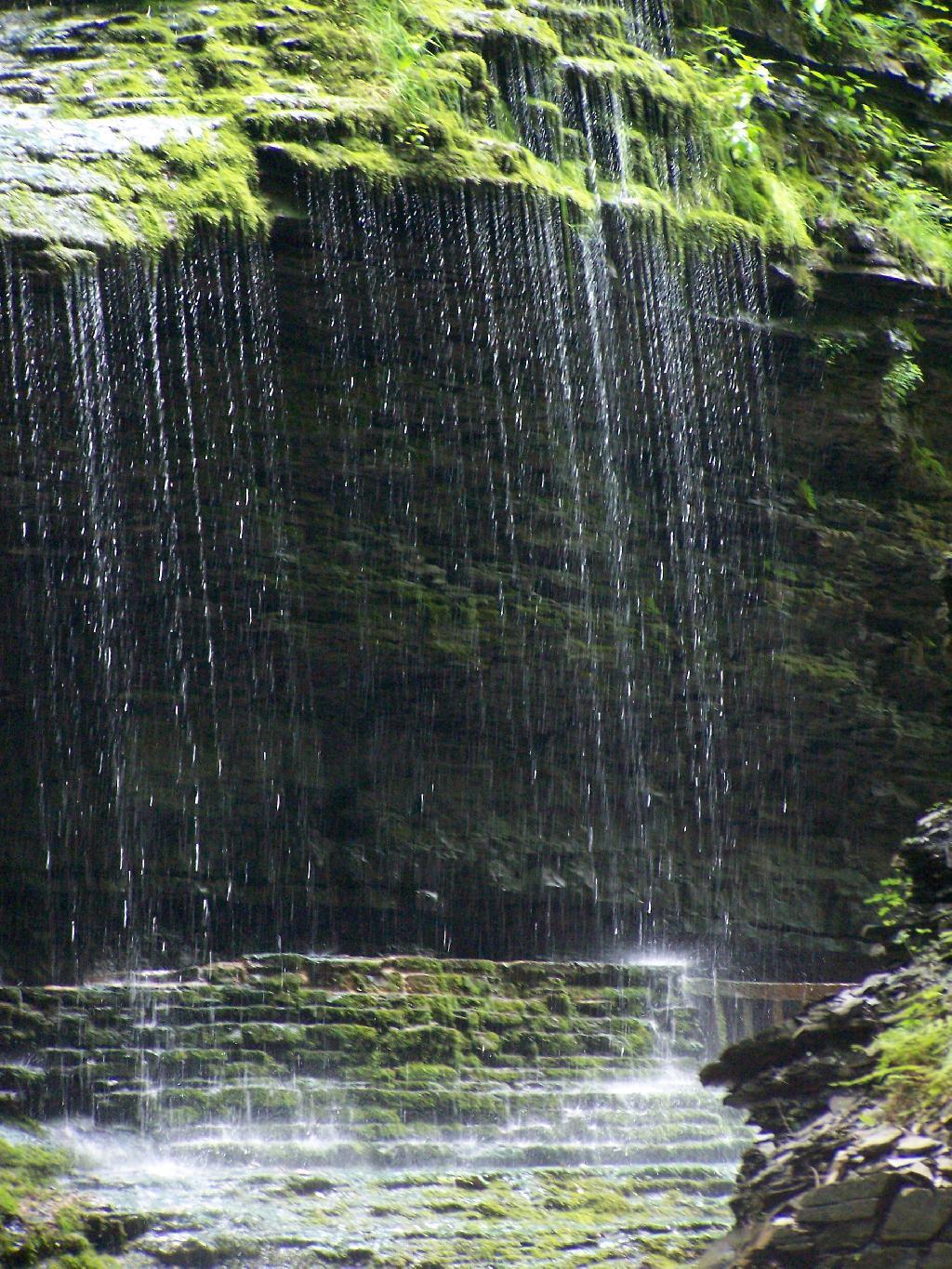
The trail goes under several waterfalls, and after the week’s rainy days, it was pretty wet in spots.
And almost magical scene in Watkins Glen. This whole area somewhat spirtual feeling, especially on the backdrop of such rich greens.
When you reach the top of the glen, the waterfalls become farther appart and less steep and the creek is relatively flat.
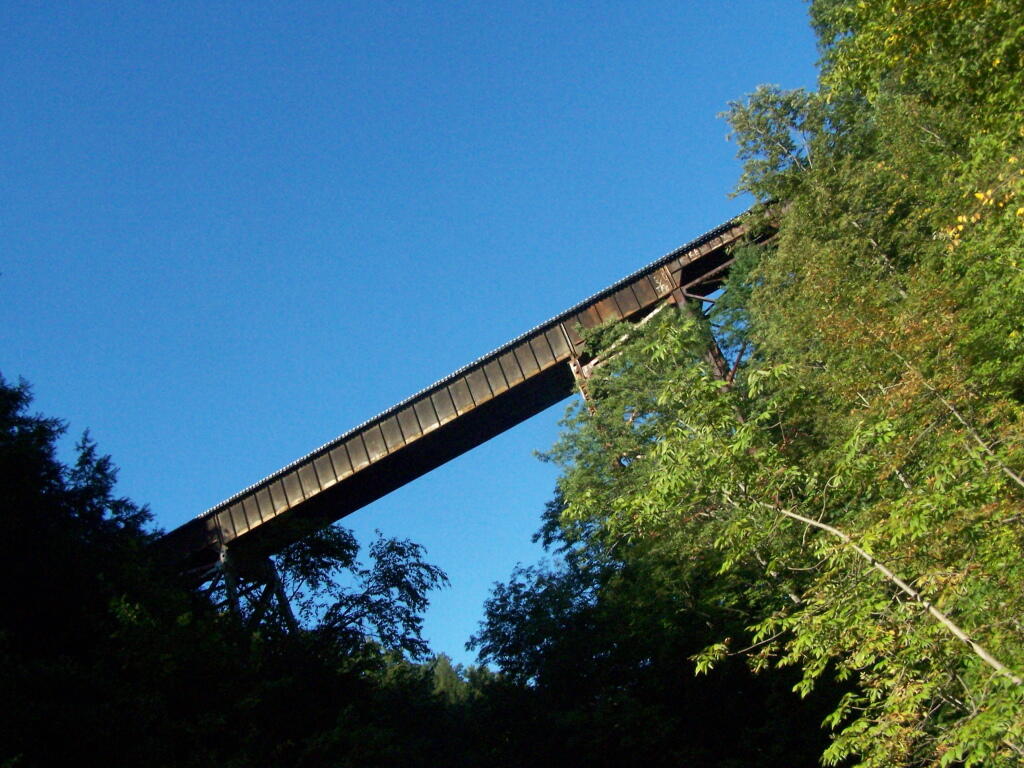
At the top of the Glen is this old railroad bridge. It appears the line is actively used; it would be neat to capture a train going over the Glen. Maybe someday.
Here is a map of the trail I walked in Watkins Glen.
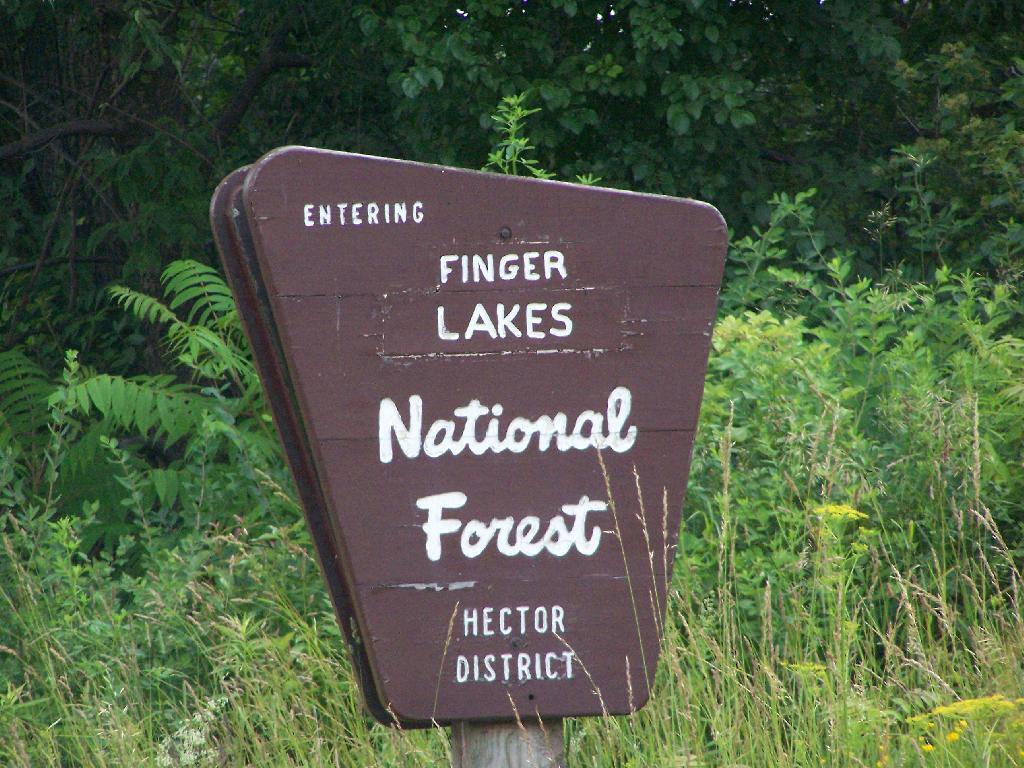
For the second day of the Finger Lakes Trip I spent a night at the Finger Lakes National Forest, a series of rather large leased public pastures interspersed with forested areas and ponds. National Forests are managed by the US Department of Agriculture, and this area in particular came under USDA jurisdiction in the 1930s when the Federal government bought out unproductive farms. This land was destroyed by the overuse of deep plowing for crops without proper management of soil erosion and fertility. It has since been well restored, thanks to controlled grazing and the creation of various wetlands.
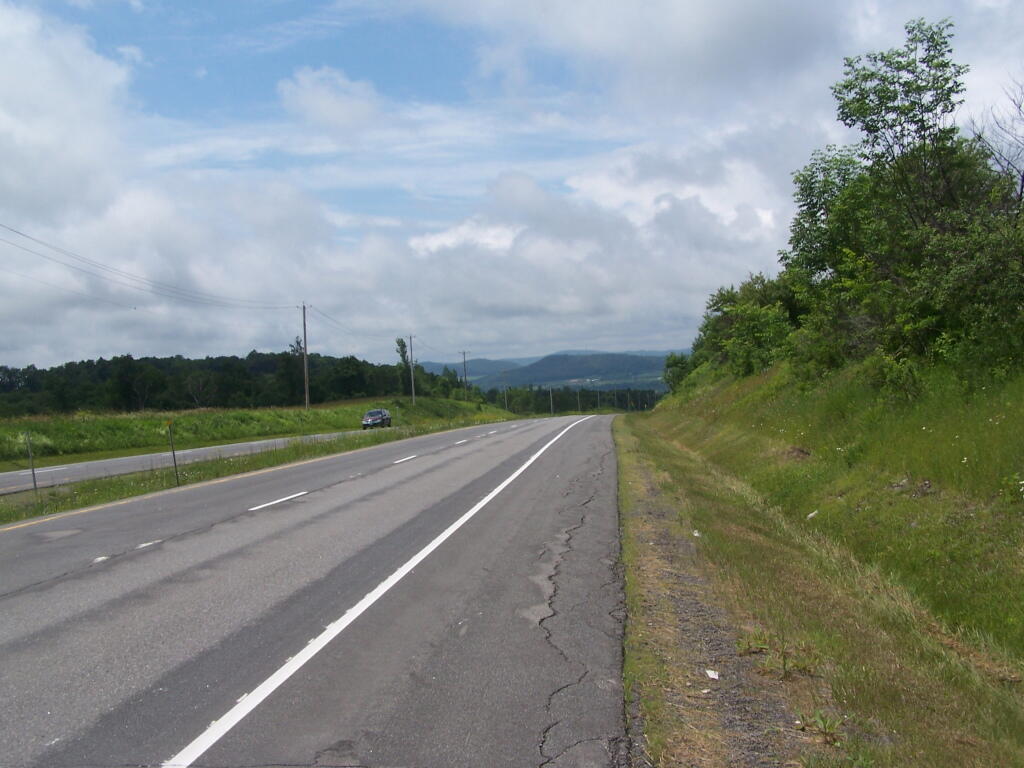
I left around 10 AM from Balsam Pond, and headed out Route 23 to Cortland then down to Ithaca via Route 13. It was a beautiful day for sure, and there is some truly amazing country out around Pharsalia. I stopped briefly at the Cortland Walmart to buy a tarp and some windshield wipers — both badly needed as the rain would come later in the week. I also stopped down at Stewart Park in Ithaca briefly and snapped a few photos before heading west to the area of the Finger Lakes National Forest.
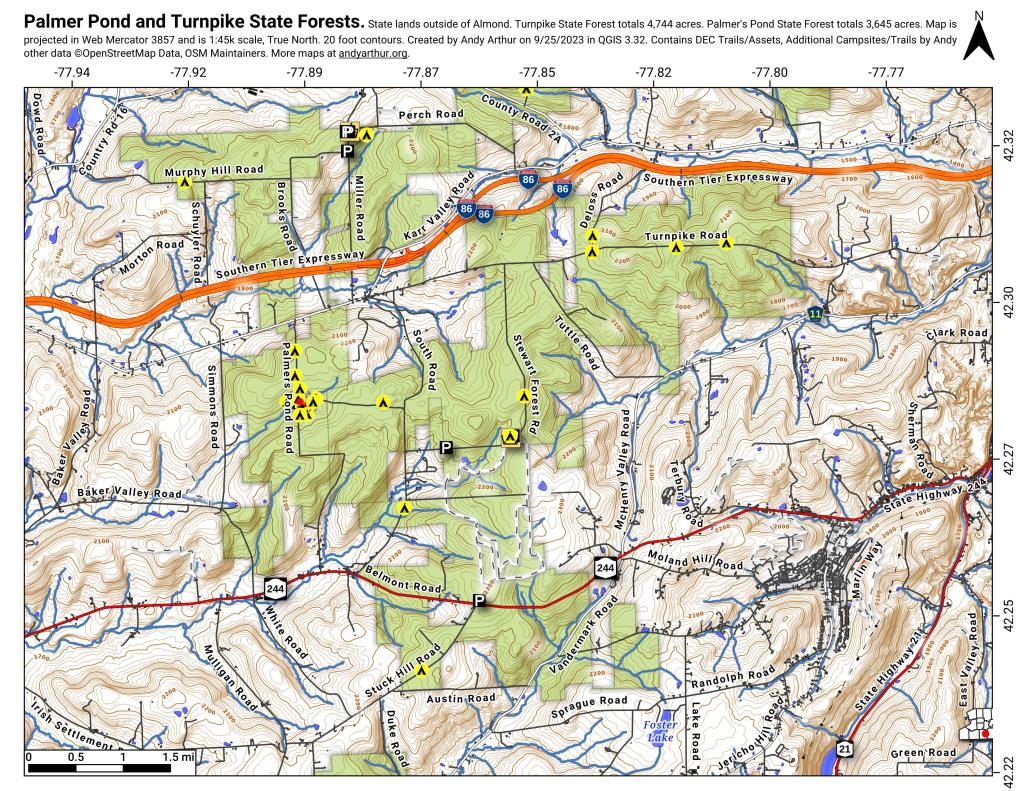
Here is the route I followed. The red line follows the route of my pickup on Sunday. The orange route is the auto tour I took on Monday. The blue point is Balsam Pond, the many red points are where I stopped to explore the National Forest.
Hiking along the orange trail in the northern part of the National Forest. Other trails allow horses, just not this one through the forest.
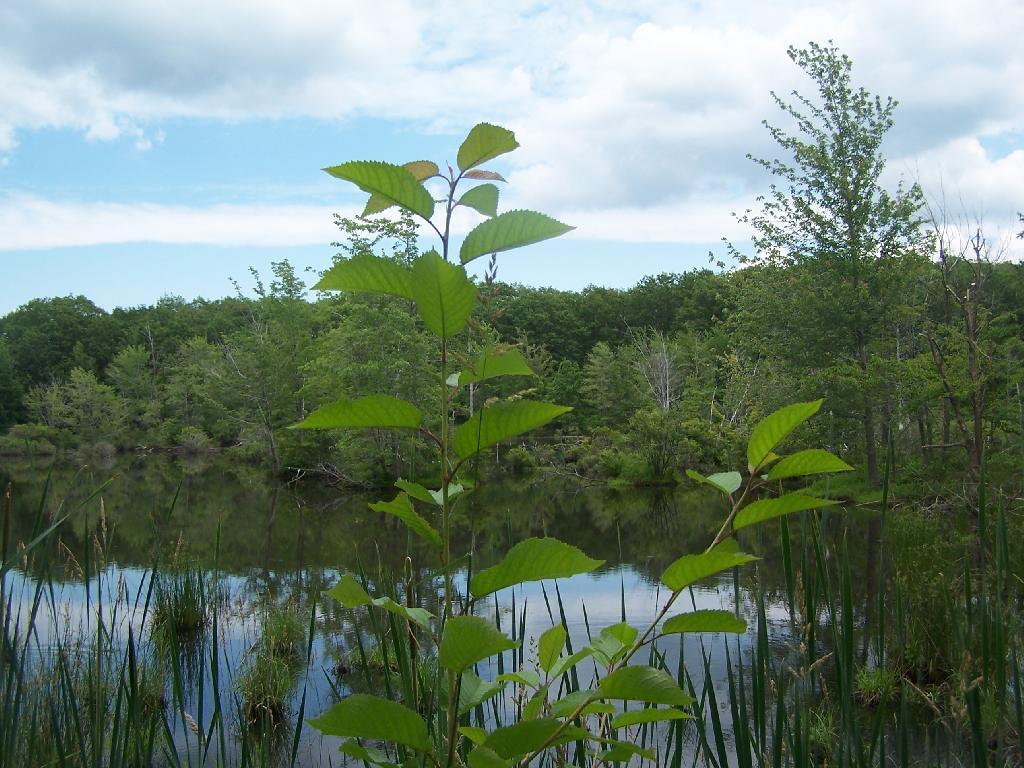
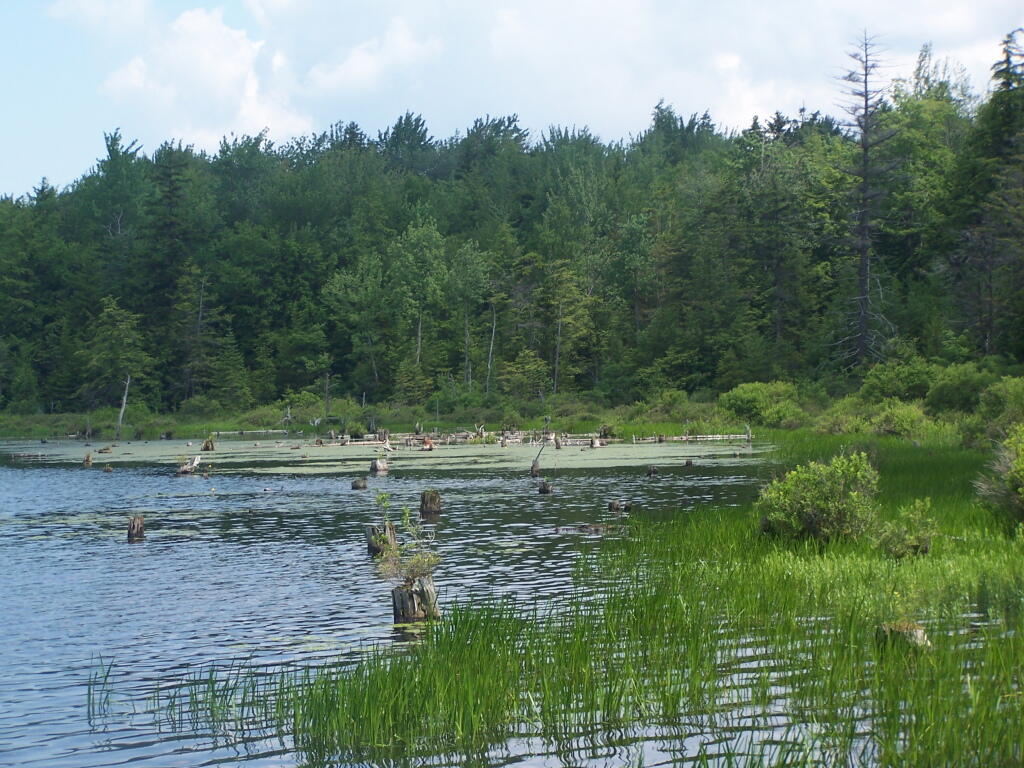
The northern portion of the Orange Trail passes this beautiful pond. There are places for tent camping along it — the USDA Forest Service is less restrict then DEC about camping, you need only be 50 feet away from water to set up a tent. They do not allow you to set tents up in cattle pasture during grazing season, for obvious reasons.
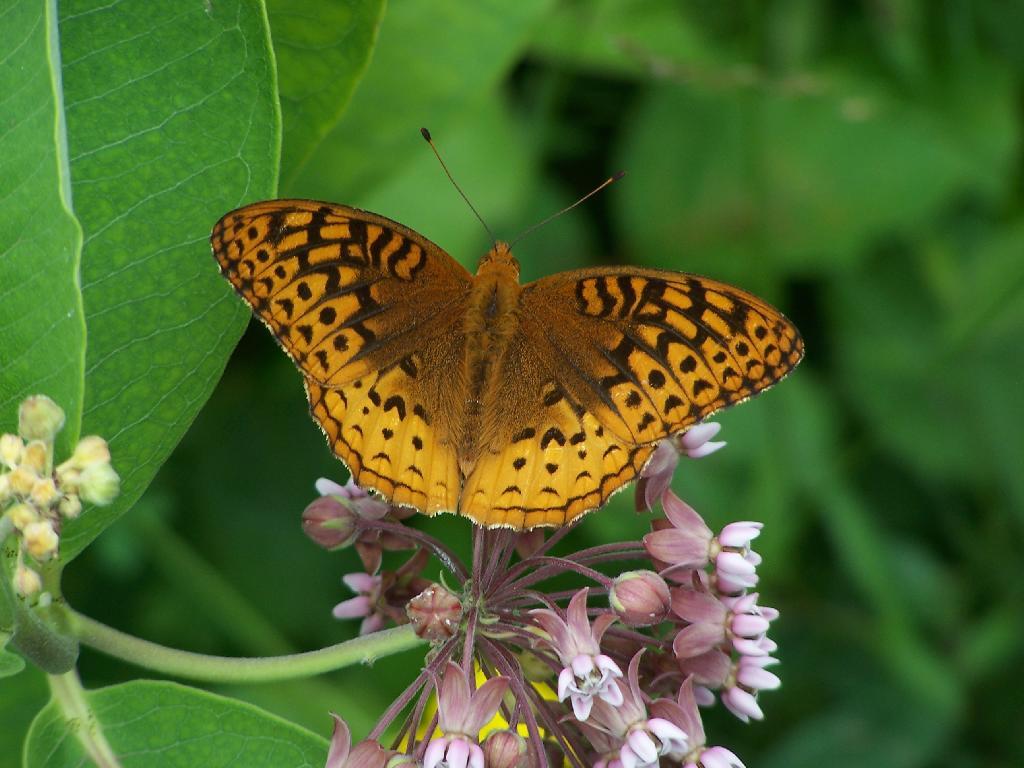
A beautiful orange butterfly was seen nearby that pond. There was an amazing amount of wild and domestic animals around when I explored things. There also was many deer, birds, and other things, to say nothing of both beeves and dairy cattle.
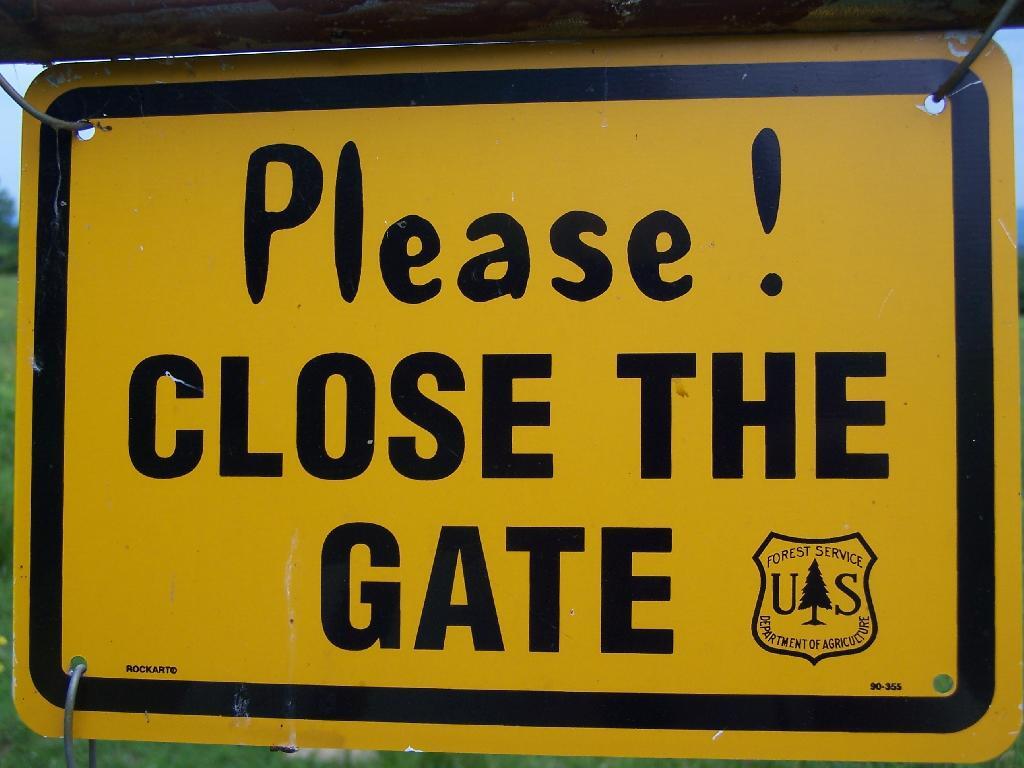
Many times the trails crossed into cattle pastures. To keep the cows from getting out, they had big reminder signs. It’s amazing that people could be so stupid to let the cows roam lose by accident. They don’t use cattle guards in this National Forest like they do out west, instead cows are fenced into pasture and off roads.
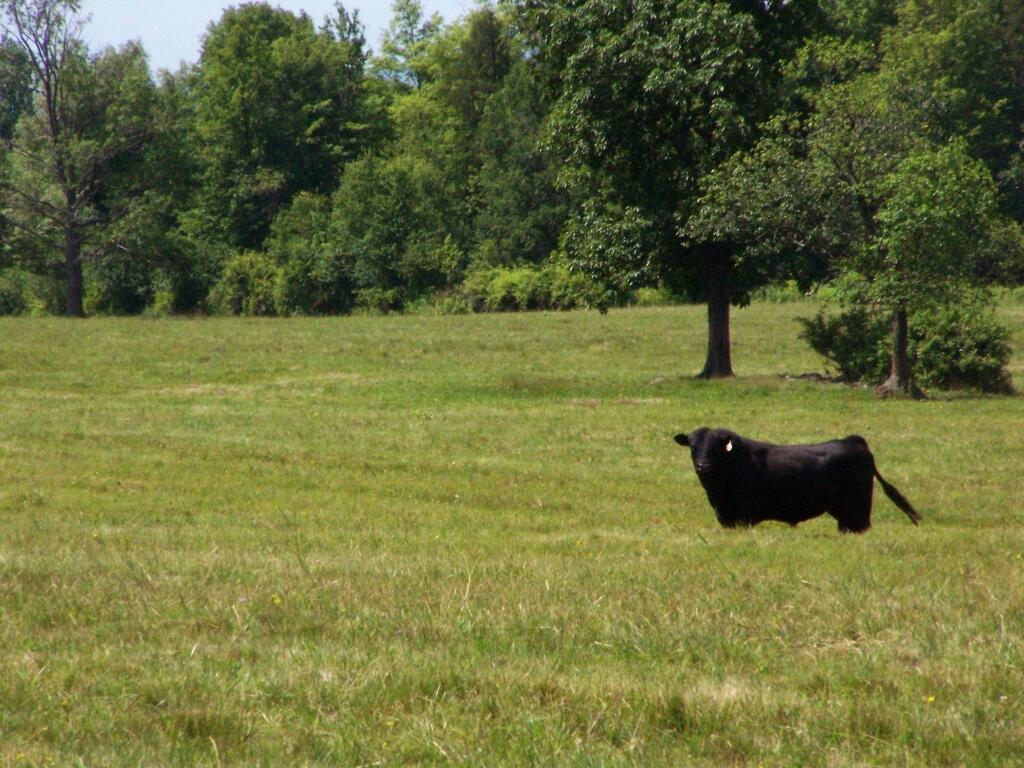
Howdy says the cow as you pass it on the trail. I think he liked my black stetson. They don’t see enough of them back east here.
Mind where you step on the trails.
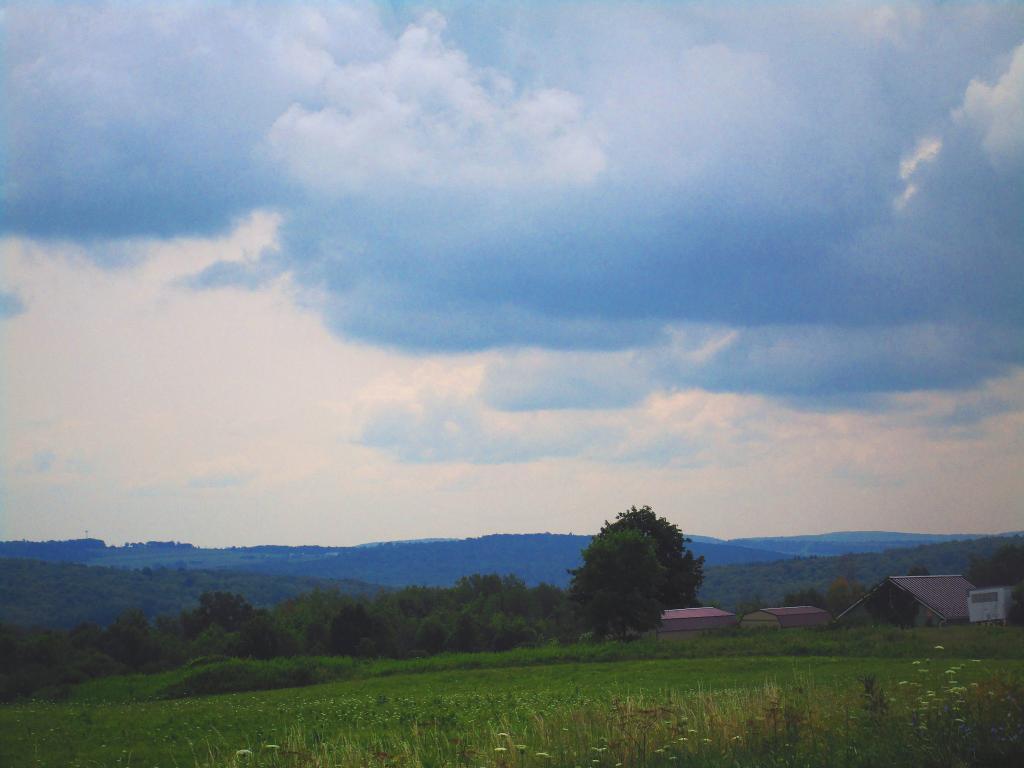
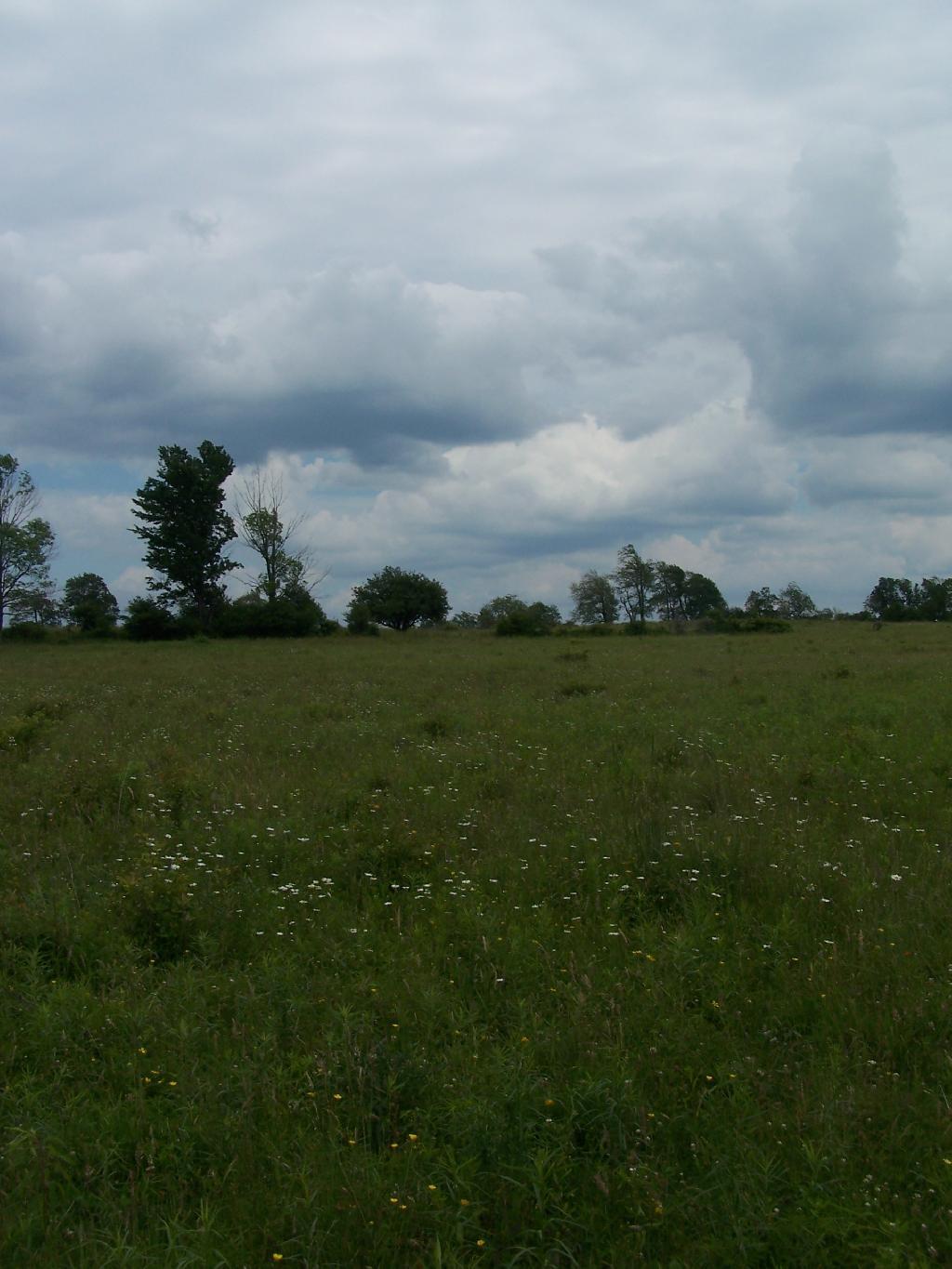
There are some pretty big pastures in this National Forest.
Later in the day, it started to rain.
It really opened up and was raining so hard it was tricky to drive the dirt truck trails I was unfaimiliar with. That kind of sucked. Knowing that I wouldn’t be able to easily set up a tent in this heavy rain, that lasted most of the evening, and unable to find the road-side sites for camping (which I found in the morning).
I decided to stay at the Blueberry Patch primative campground in the National Forest, which costs $10 a night, via the honor system. They also have a group area, where groups can stay for $10 a night + 50 cents a person over 20 people. Quite neat. I paid, in part because the basic facilities (table/firepit/outhouses/nice tent platforms), where very well maintained.
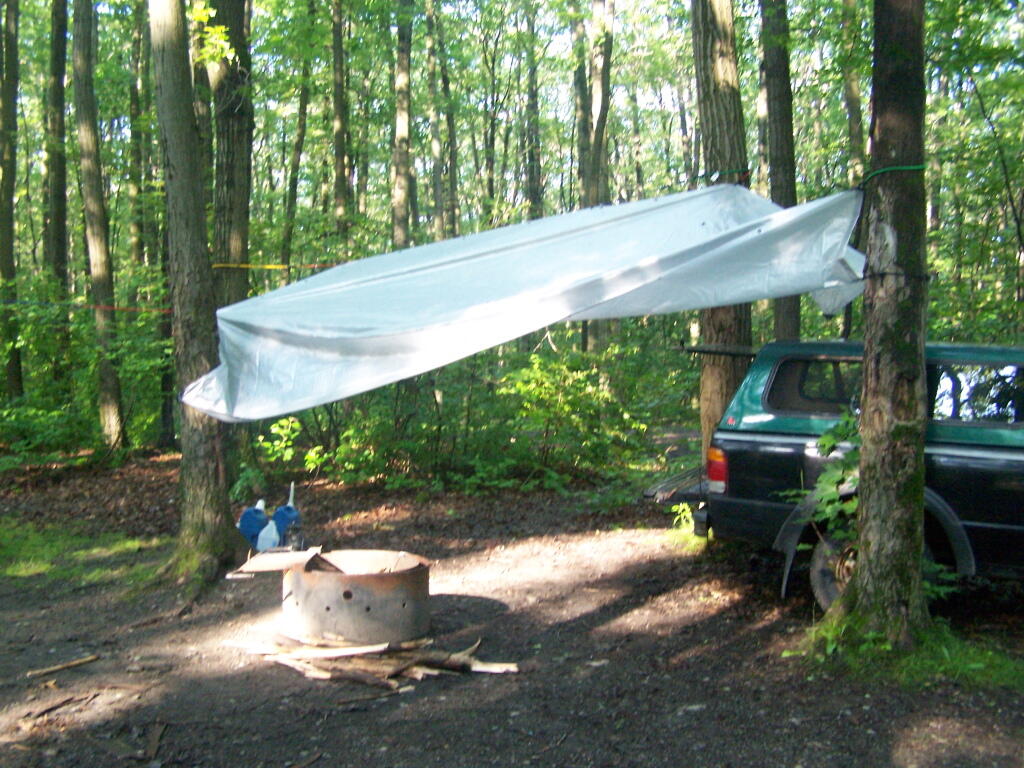
Once I got settled in, I got the tarp hung up over the back of my truck.
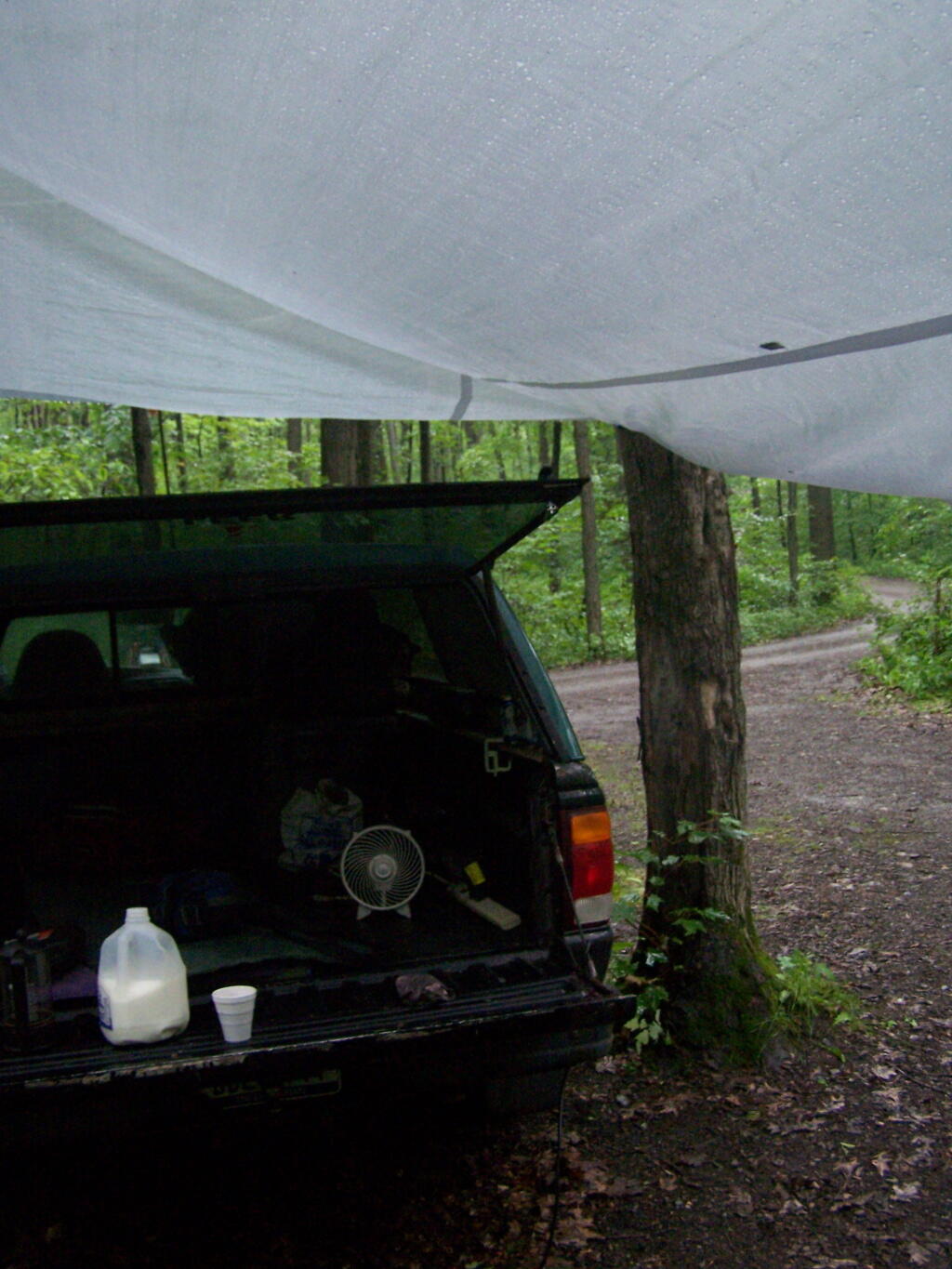
And made some coffee mixed with Jack Daniels, and poured it into a styrofoam cup. It was real good and strong. It was good, dulled the pain and missery of the rain, and kept me up half the night.
In the morning I drove around the National Forest to just check out some more of the lands and the beautiful pastures. This was my route around the area. Red was the drive on Sunday, Monday is in Orange. Free Campsites are marked with a tent, the $10 a night Blueberry Patch campground has a picnic icon, and the part of the orange trail I hiked along is marked with a blue line.
I left around 10 AM from Albany on my first day of my vacation to the Finger Lakes, to head out to Balsam Pond in Chenango County. About a three hour drive, I figured it would break up the trip rather then go all the way out to Finger Lakes National Forest.
I decided to take beautiful Route 20 to Route 12 to Norwich. It was a nice drive down, but got long after a while. Many miles of dairy farms, open lands, and forests. From Norwich out to East Pharslia, it’s a relatively short drive, and Balsam Lake is located near from there. I also took a side trip to check out Brookfield State Horse Camp. This drive-in equestrian facility also offers free camping (in a field), and 130 miles of horse trails.
The sign for Balsam Tyler Road is missing, and I drove past it at first, but quickly realized my mistake, seeing a pickup truck towing a boat leaving this road.
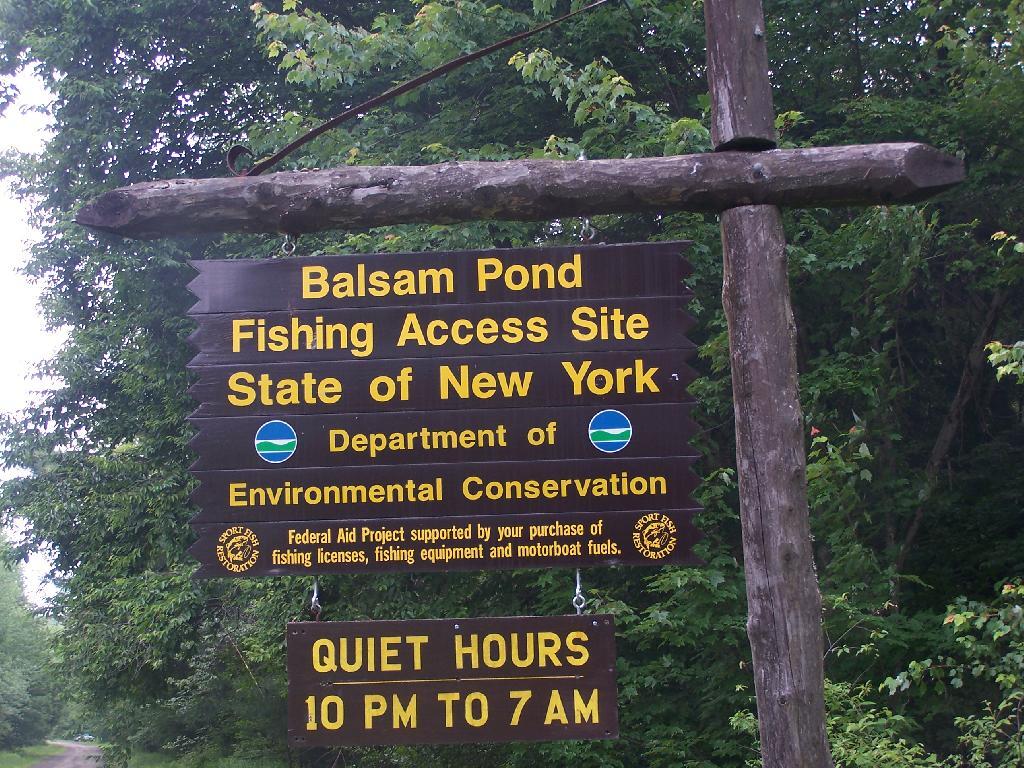
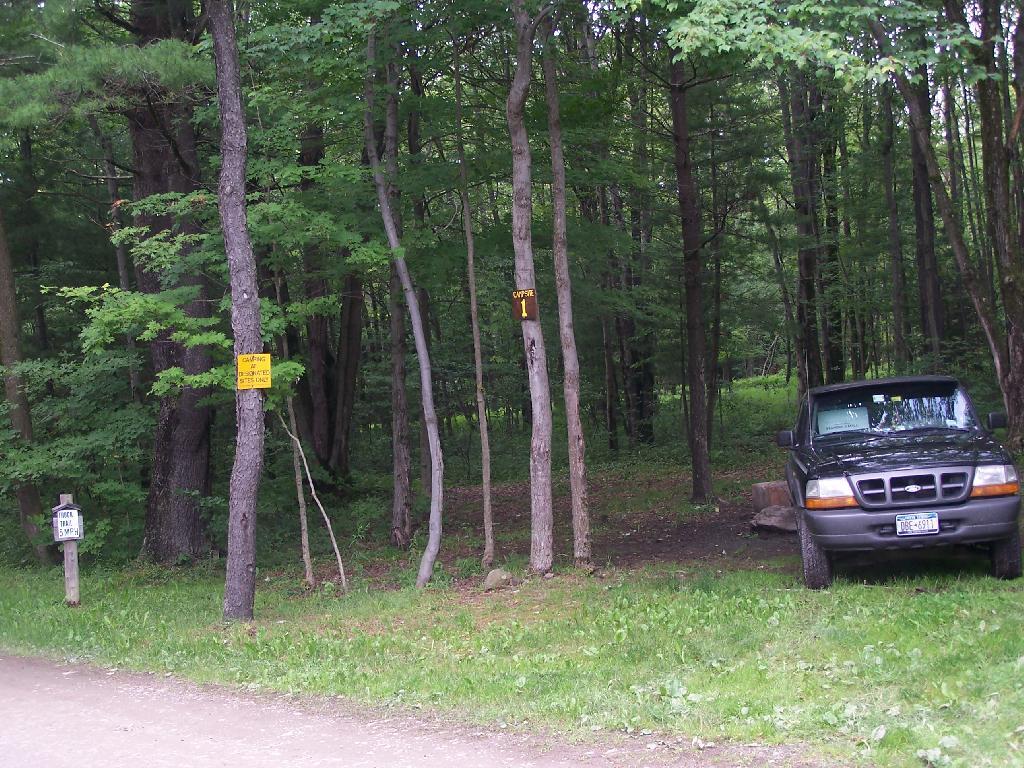
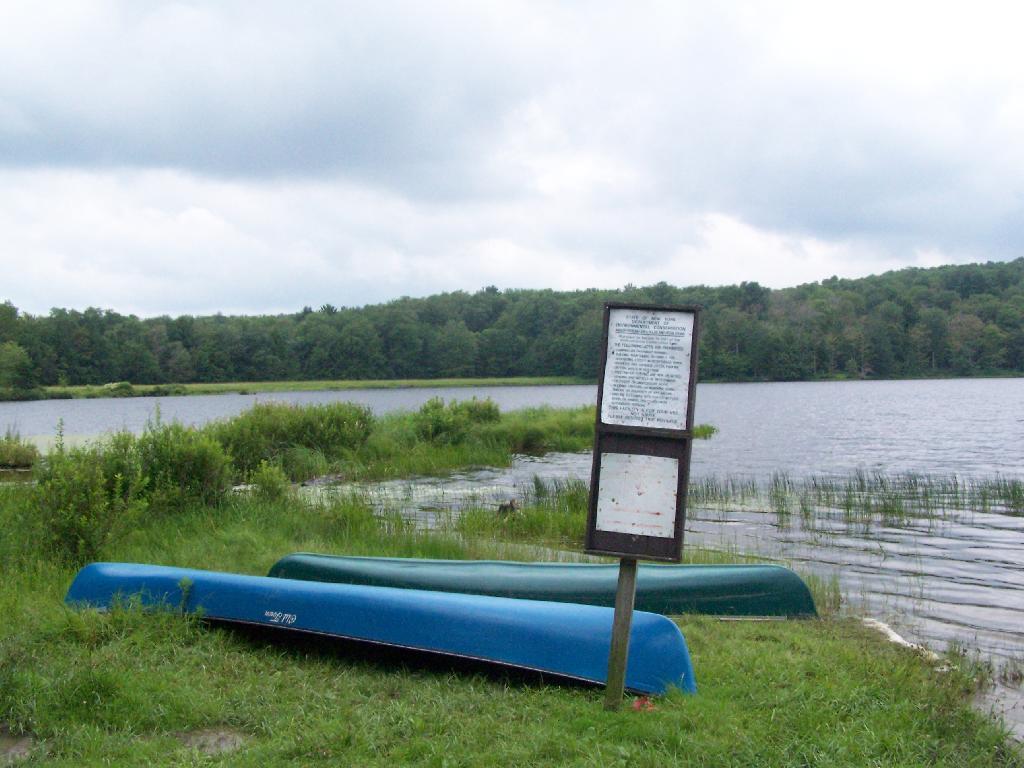
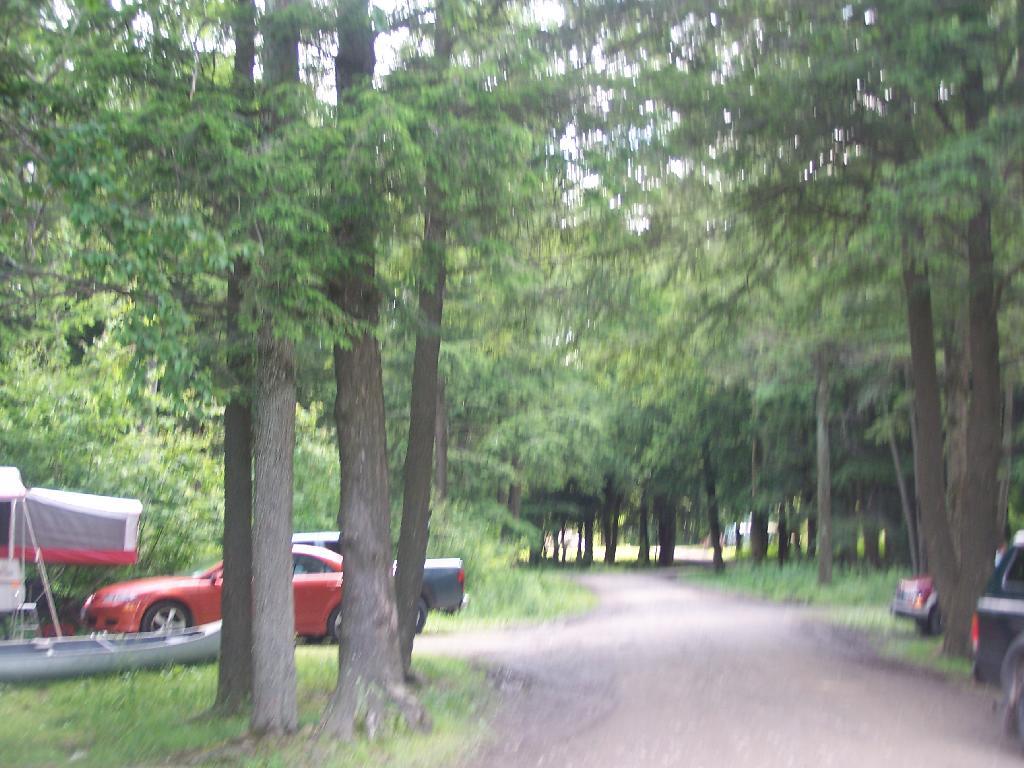
There is 10 campsites there just off Balsam Tyler Road near the Public Fishing Area sign. About 6 of them where actively used, all near the lake.
I took site Number 1. I wanted to have some quiet and not be bothered by the children down the ways which where noisy like children.
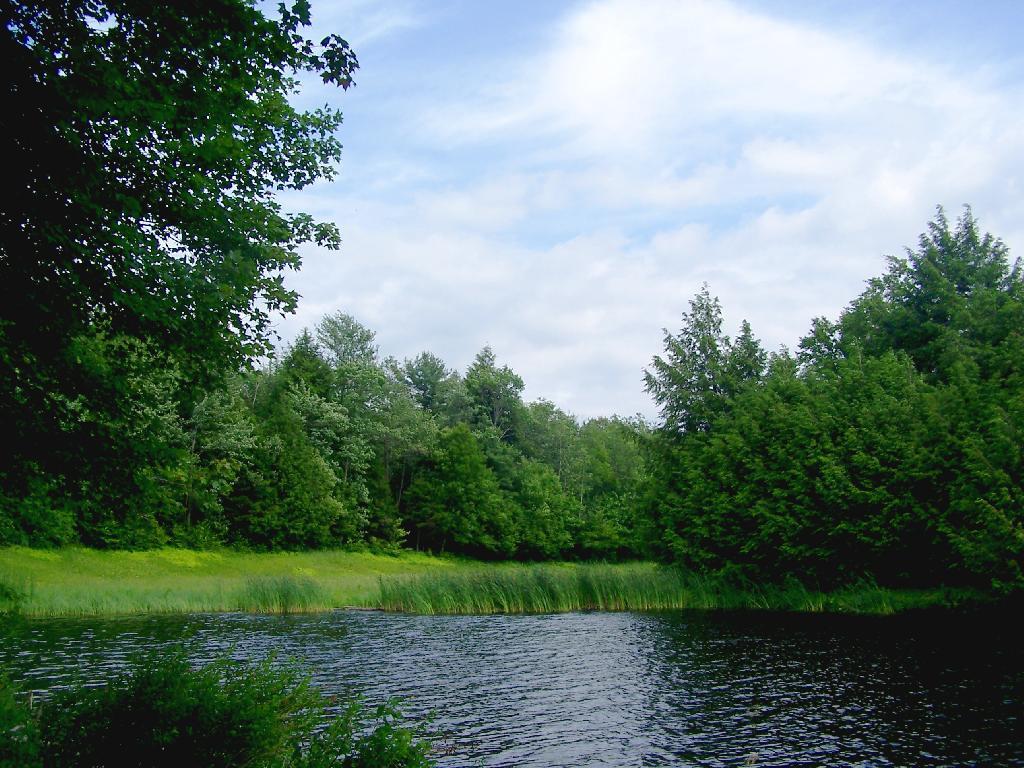
The pond looked quite nice. They allow motorized boats and fishing on the pond. Evidence of people not using the outhouse made me a little worried about the water and getting beaver fever. Needless to say, I boiled well any water I got out of there.
The pond was fairly large, man made with an earthen dam. Very popular with the locals.
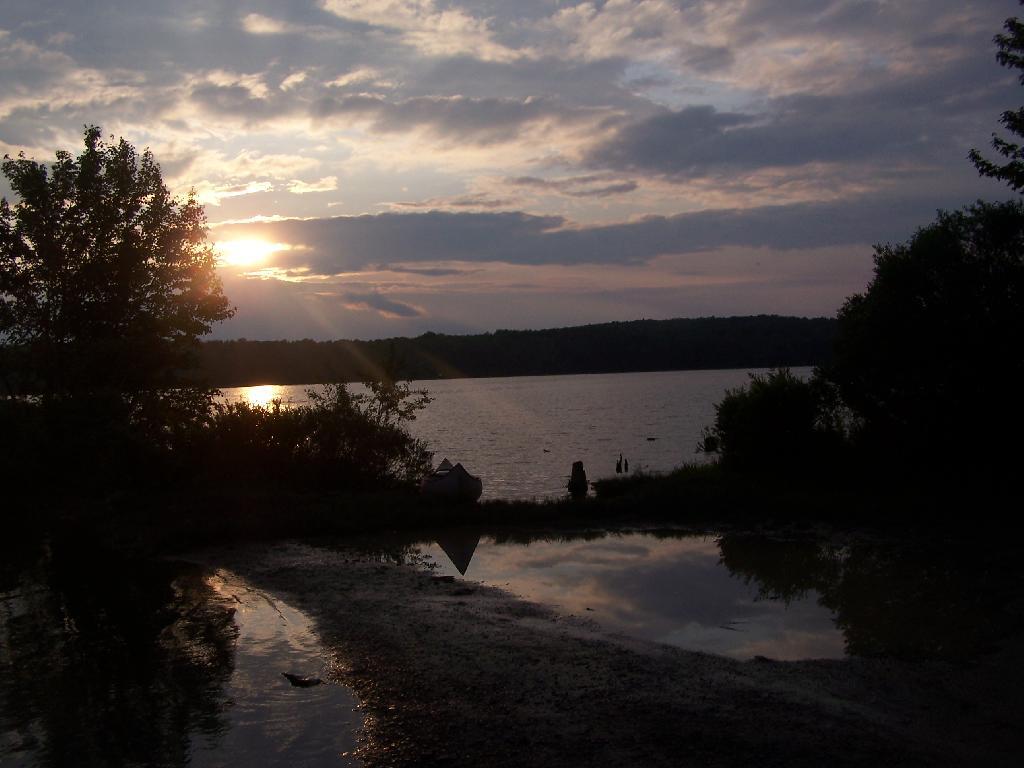
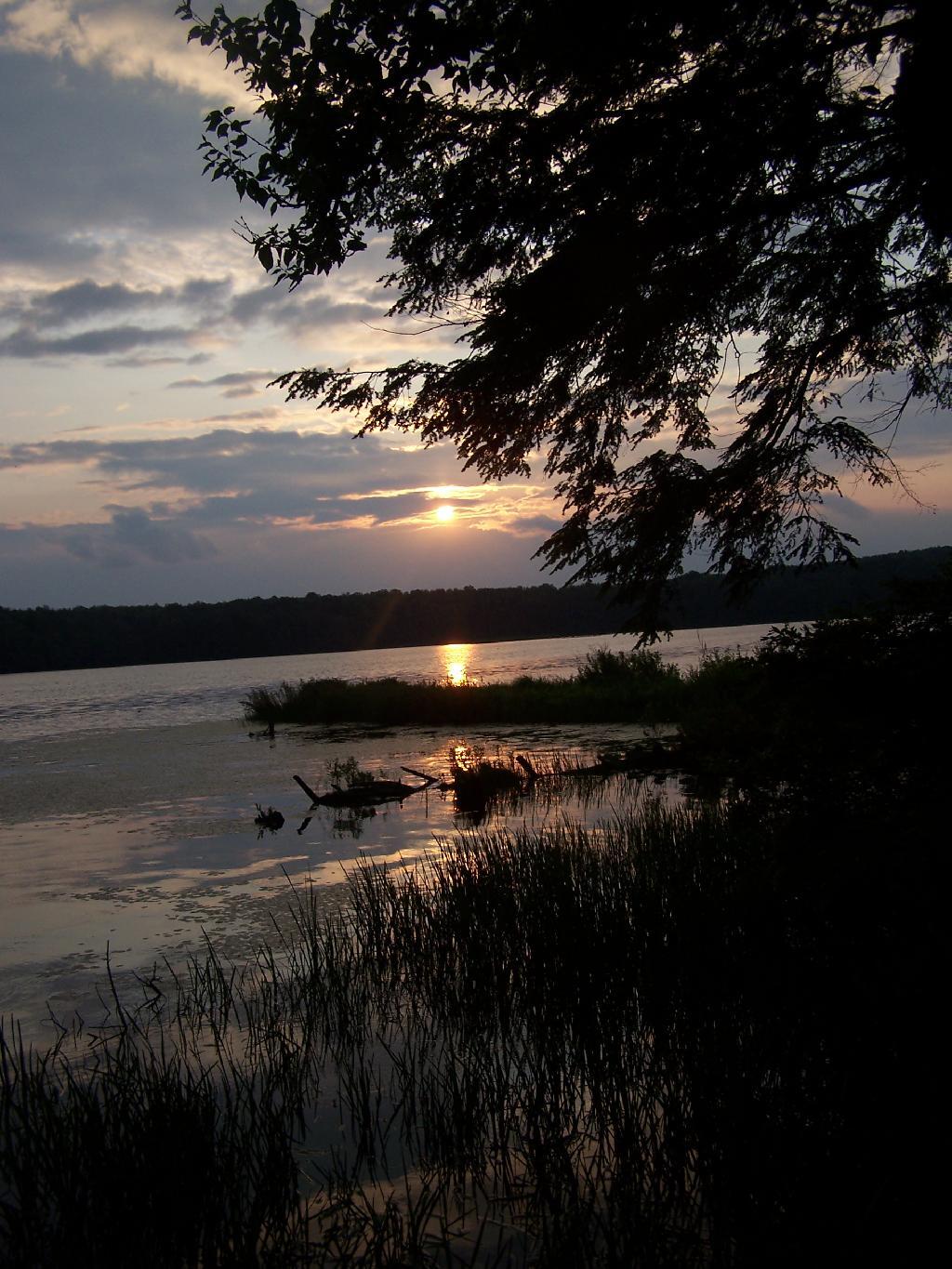
Beautiful sunset through the clouds.
I sat down by the lake as night fell.
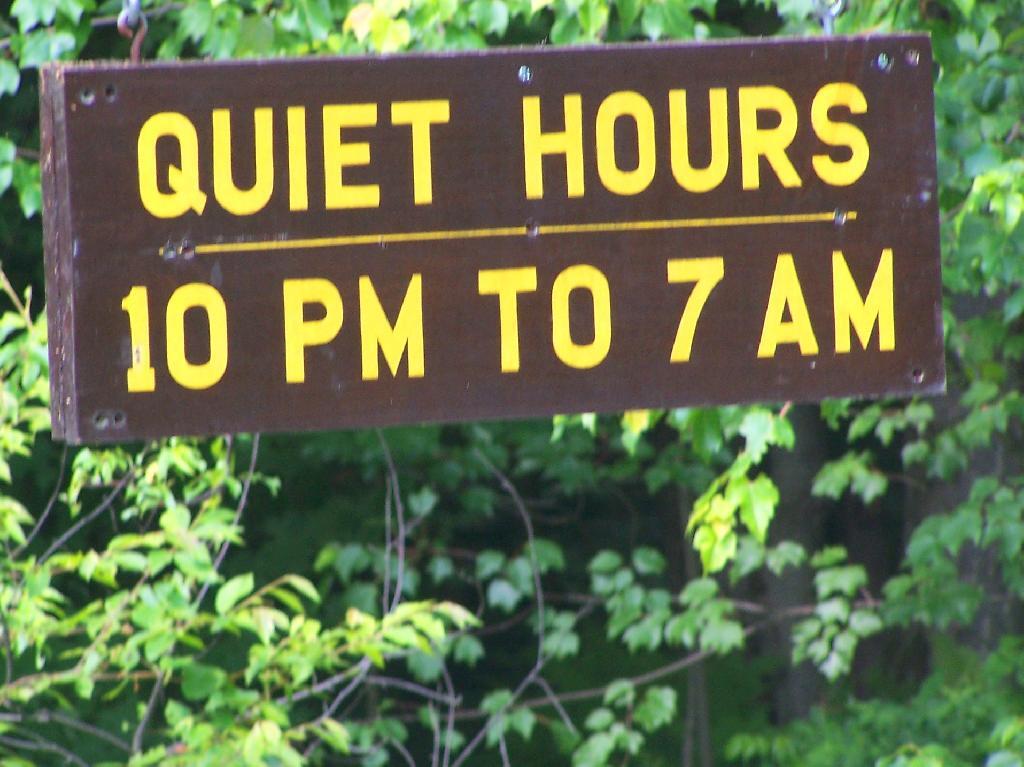
Fortunately the kids where good about being quiet once Quiet Hours came. It was real quiet and nice up there.
The next morning was quite nice.
Lots of people camping here. Appologizes for the blurry photo, I always get nervous photographing other people’s stuff.
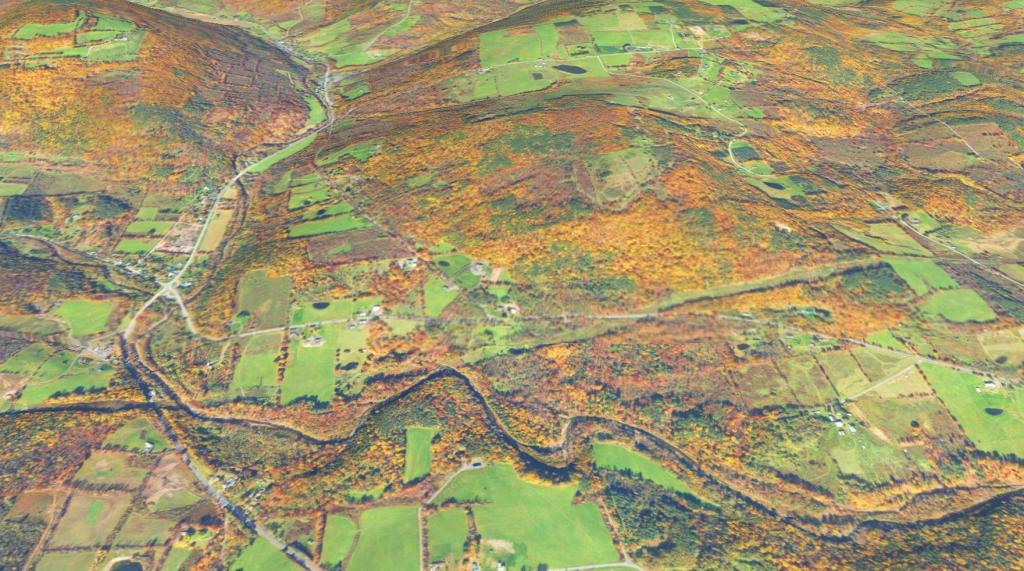
I went for a short walk in the evening. An overview of the lake and surround areas.
You often hear the nuttiest theories when you listen to people talking about politics. There is a prevalent belief that your opponent is somehow corrupt, and that you know the only true philosophy.
It’s always the fault of the:
Corporate Interests
Big Money
Corrupt Labor Unions
Ethnic or Religious Minorities
Assuming that you don’t affiliate yourself psychologically with one of those groups. It just seems only human to want to believe that people besides yourself can’t be operating with all of their facilities. Yet, we all know that is not true.
Most conspiracy theories have a kernel of truth. Most of us have a financial interest in many of the things we do. Even if we don’t have a direct financial stake, we usually know somebody with a financial stake, or are at minimum are ideologically attached to an idea.
Yet, just because we don’t necessarily agree with one person or group’s position, we shouldn’t be believing that they are conspiring against us or are corrupt. They may have very legitimate reasons for believing what they believe.
It seems too often as a society are in denial about how our world works. Our modern, technocratic society often denies us experience and knowledge about how things work. It often covers and hides the evil that lurks in our world.
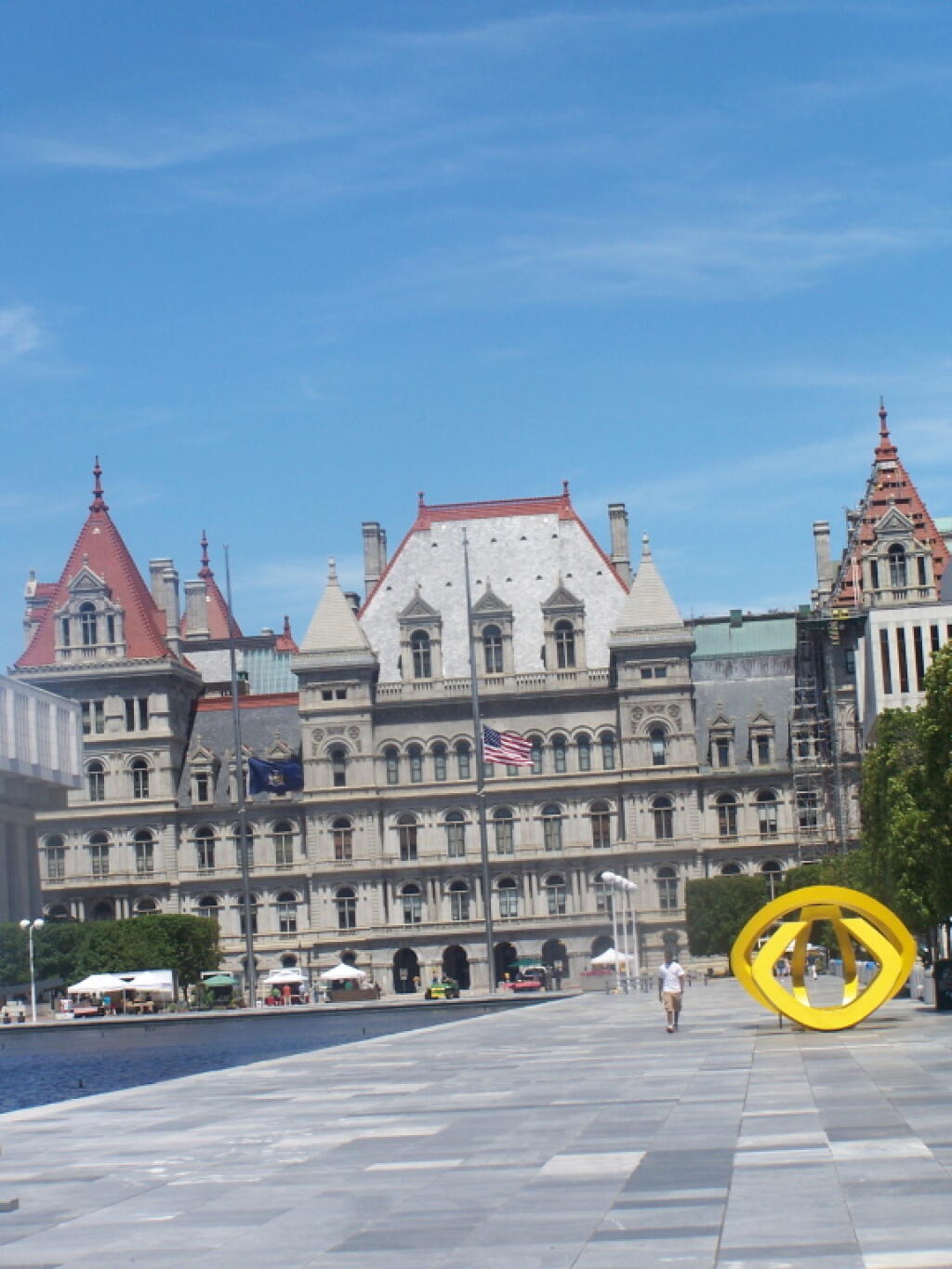
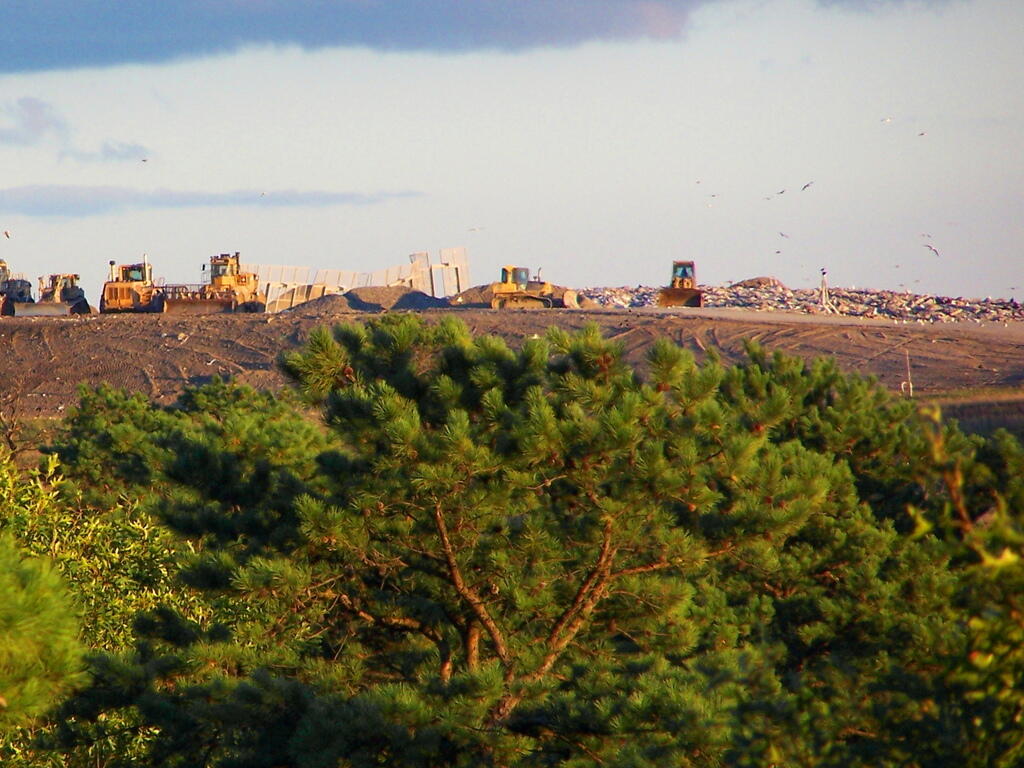
It is amazing how much of society is devoted to hiding the truths that make up our society. We cover buildings with complicated siding and paint, to deny their function. We build great landfills, farms, and energy producers far away so we don’t have to see or think about them.
I’m sure insiders would argue that technology or morals demand that how our world work be hidden. They will say that we outsiders don’t really understand how things work, and that our misunderstandings of the inside will lead to misguided policy.
We should always be asking how does something work. We should be looking behind the wallboard, and questioning and pushing the insiders to do better. We should try to step out of our comfortable world, and try to do better.
After hiking Bash Bish Mountain, I decided it was early enough in the morning that I would have time to visit Sunset Rock on Cedar Mountain. It has some of the most impressive views around.
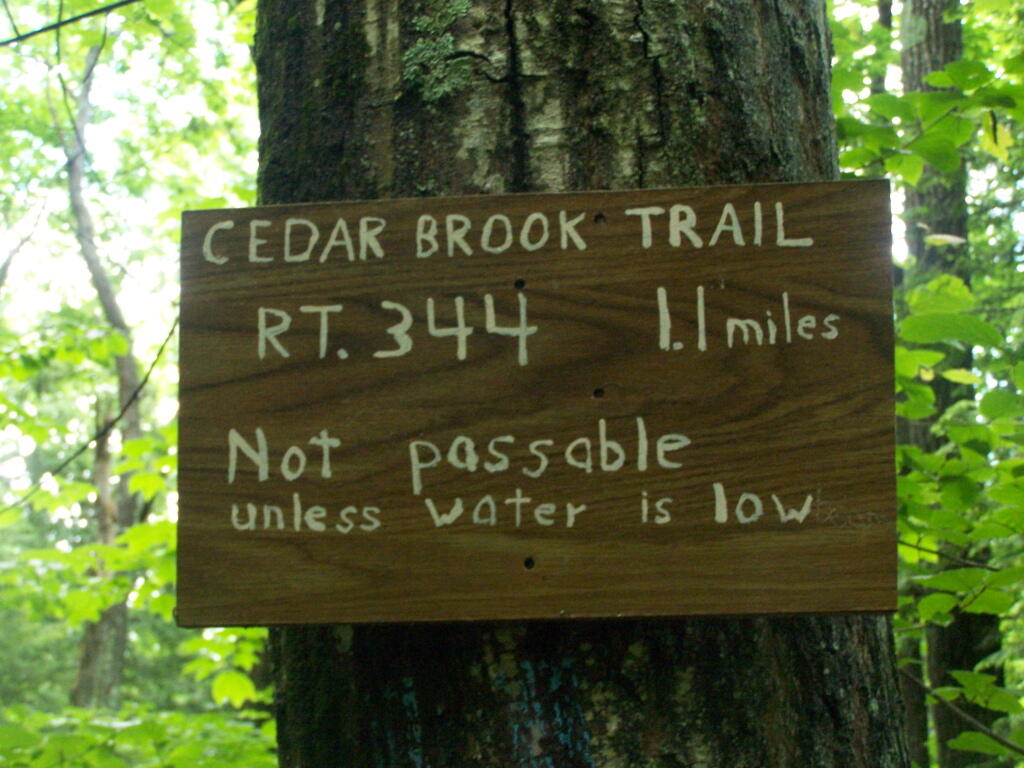
I decided to take the Cedar Brook Trail, the Blue Trail on up the mountain. This is not the recommended route if it’s been raining the day before hiking, like as it had been when I went out hiking.
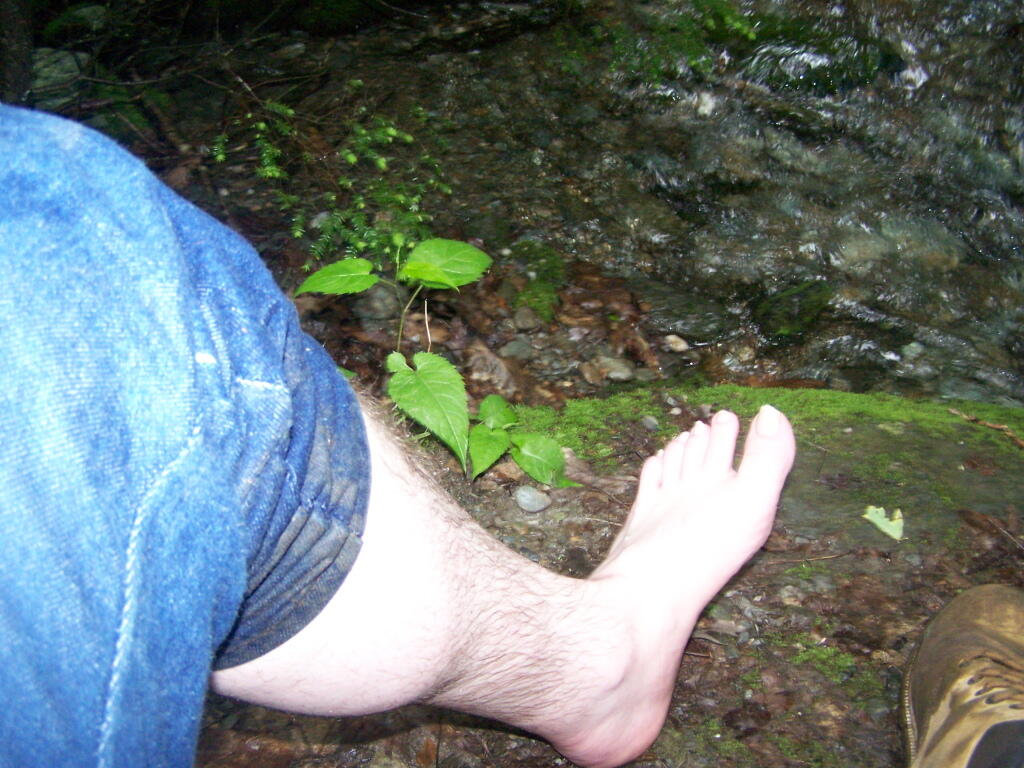
The trail crosses the Cedar Brook five times, and one of locations was deep enough I found myself wading through at least one of those spots.
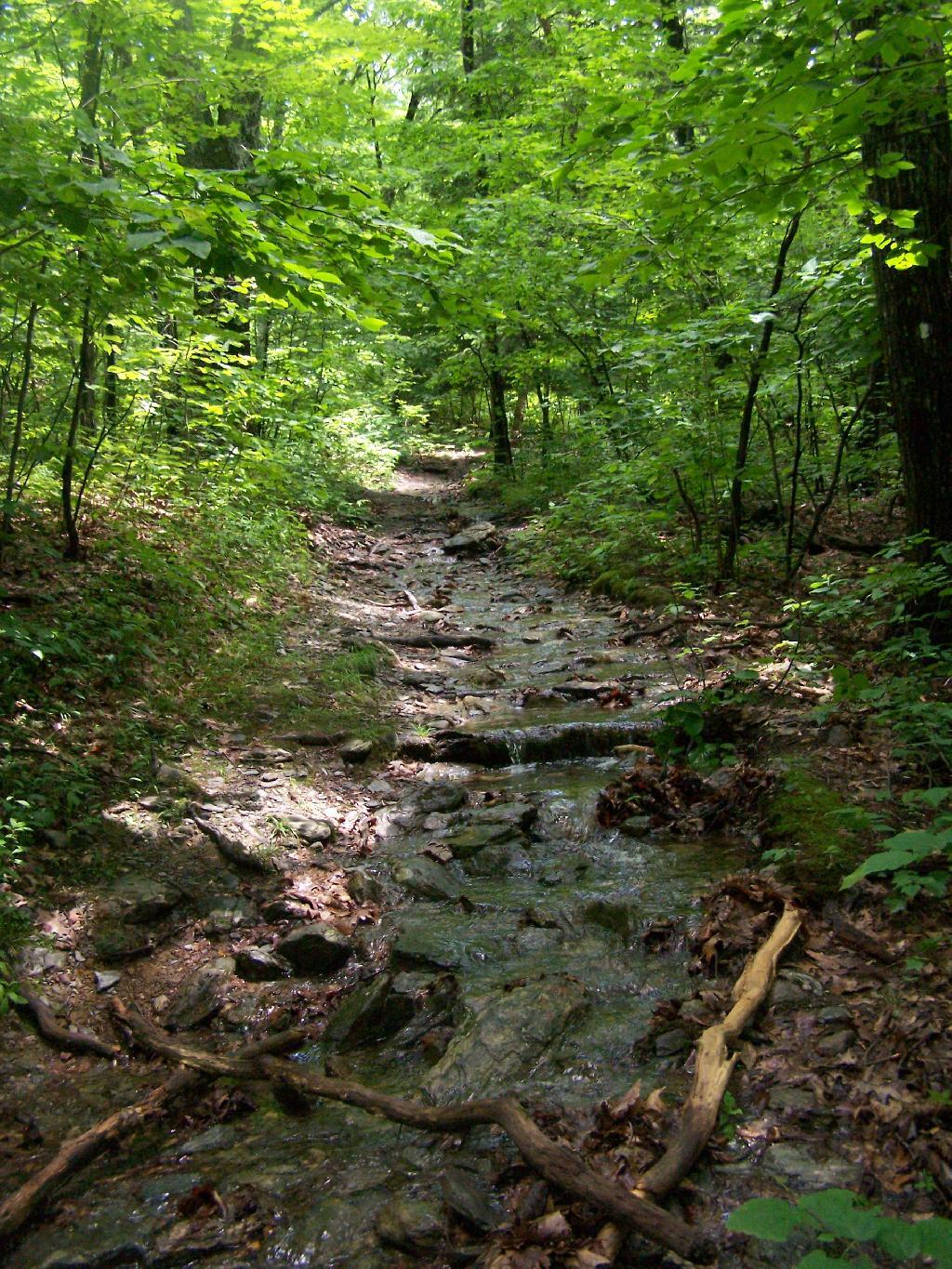
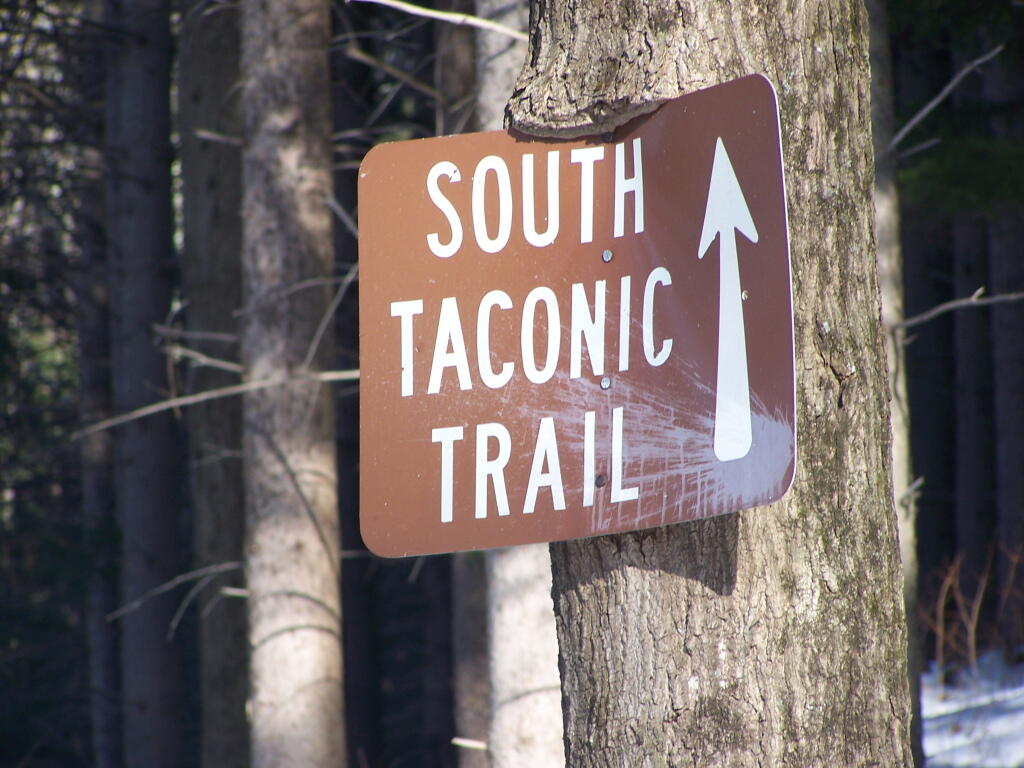
Once you climb out of the Cedar Brook Valley, via a rather steep trail, you connect up with the main South Taconic trail to Sunset Rock. This trail was much less wet then crossing the brook, but still rather flooded in several locations
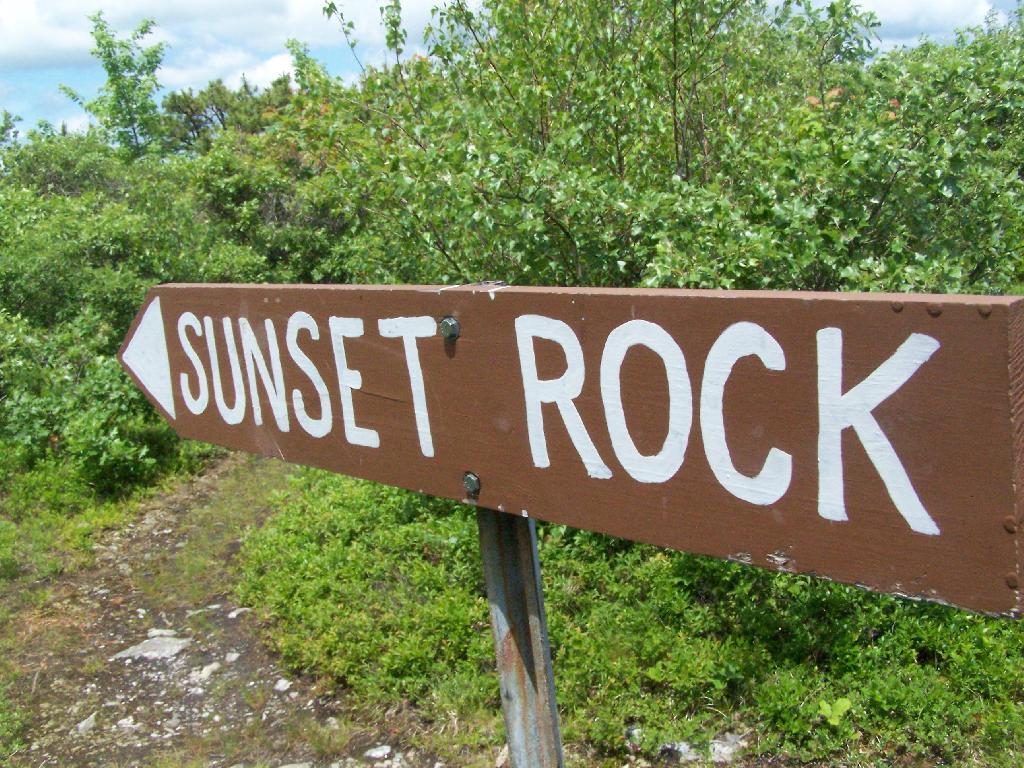
Once you reach the top, the foliage changes. First it goes to open canopy with ample ferns and decedious trees high above. At the top, it is quite open with just a little bit of scrub oak and ample blueberries around. From the must-needed Sunset Rock sign, you follow a trail about 1/4 mile to Sunset Rock, a small boulder you walk on top for wonderful views of the valley below.
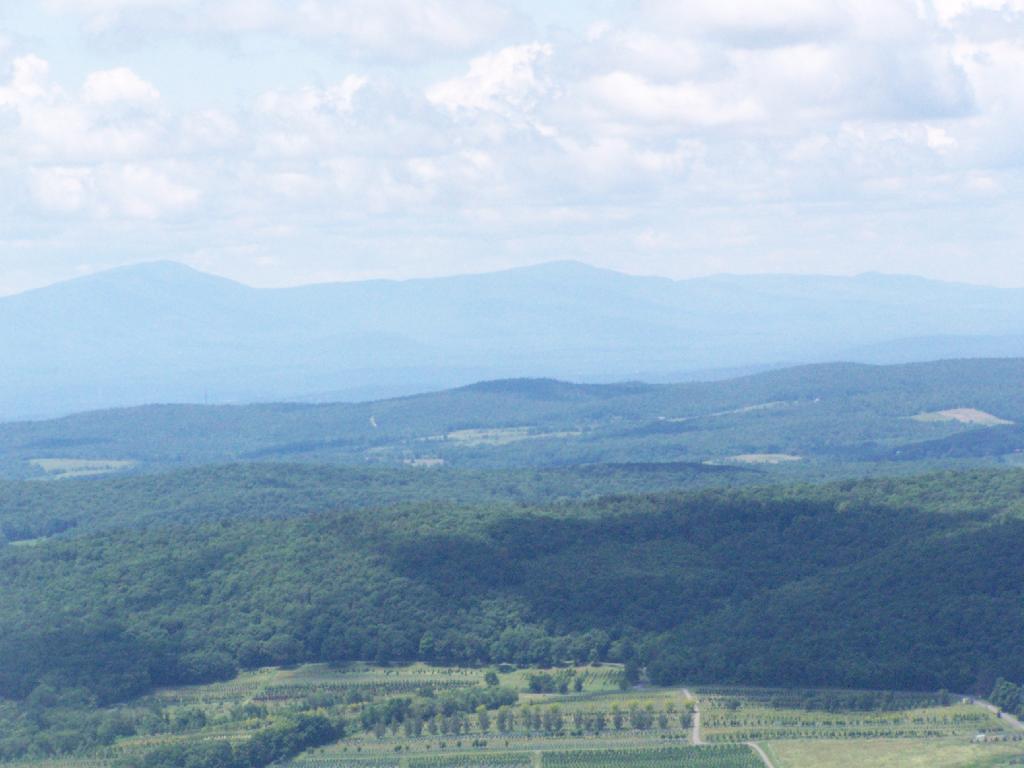
The views from Sunset Rock are amazing. As you could see by this picture, it’s gotten very clear out by around 1 PM. I have to say this is one of the nicer views I’ve seen around, with the Catskill Mountains in the background.
Here is what it looks like towards the South-West, towards Overlook Mountain and beyond that, the Shawangunks.
The main South Taconics Trail descending Sunset Rock was much drier, following an old wagon road, that is smooth enough you could drive a regular car up it. If you have any question about how wet it’s been, this route is the one to take. I will upload a photo later.
Rural America and Urban America are both fundamentally different and also directly inter-related. One policy may make sense for one community but directly conflict with the values or virtues of another community. In some cases, one policy will benefit one community at the detriment of another community, but in more times then not the difference is ideological.
We live in an era with low-cost high-speed transportation that makes it easy for most people to intermix between rural and urban areas. Different cultures may not mix or meet due to environmental differences, but there is a constant possibility that urban and rural people, goods, and services will meet. This level of commerce can cause problems. Technology makes it possible to create levels of environmental harm that can move between both environments in the form pollution or nuisance.
Yet, the biggest threat to both of these areas is intolerance and ideology. People have viewpoints based on the environment that they are socialized in, and they tend to be intolerant of those who are different then themselves. People too often know how others should live and conduct their lives, without trying to put themselves in somebody\’s else shoes.