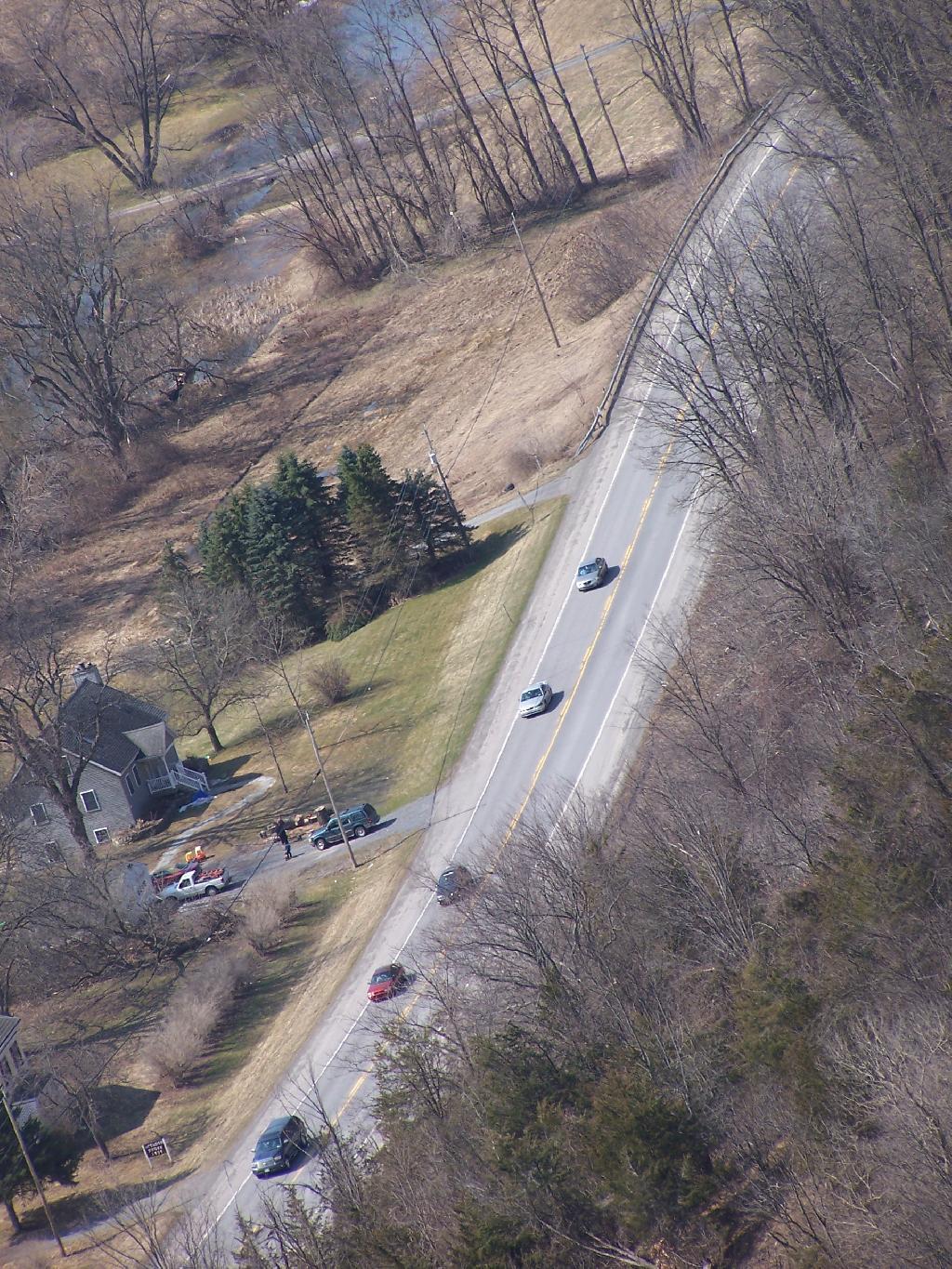
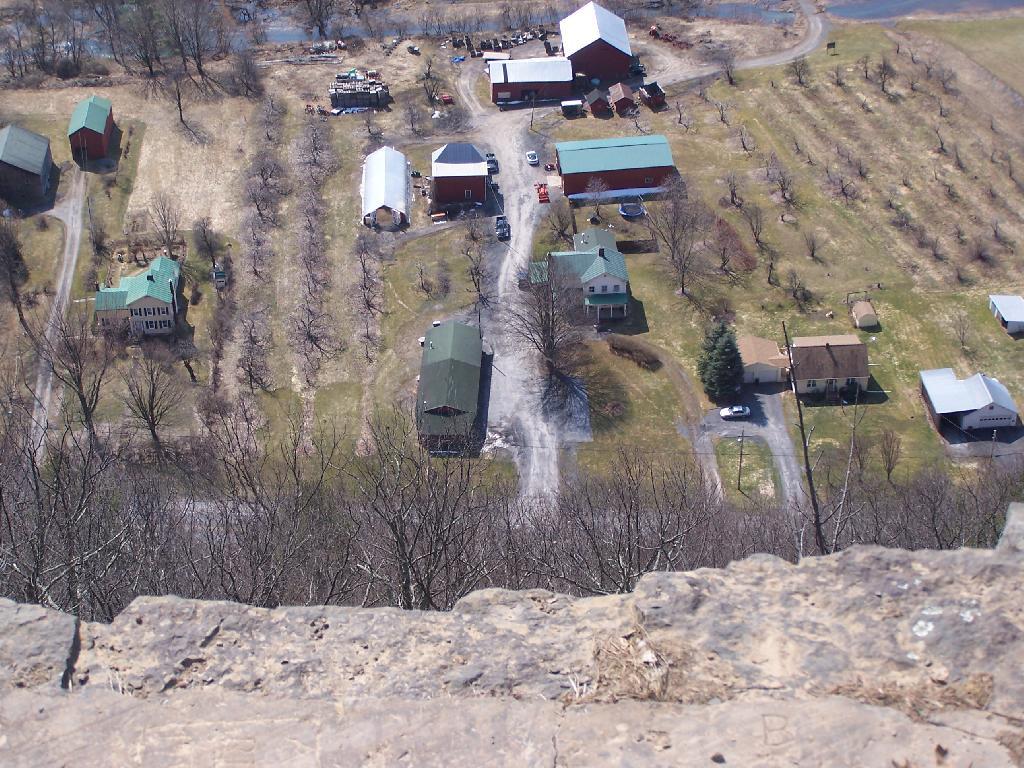
We all know the Empire Plaza is big. But how big is it compared to the vast farm lands and forests in the western half of Albany County? Let’s start with an arterial photo in Albany at 500 feet per inch, and then go out to the Switzkill Valley in Berne.
The comparison of the vastness of Rural America as represented by the farm lands of the Switzkill Valley compared to dense urban Downtown Albany, shows how vast the rural portions of our country really are. And this image of Switzkill Valley represents the land occupied by a couple dozen people and half a dozen farms.
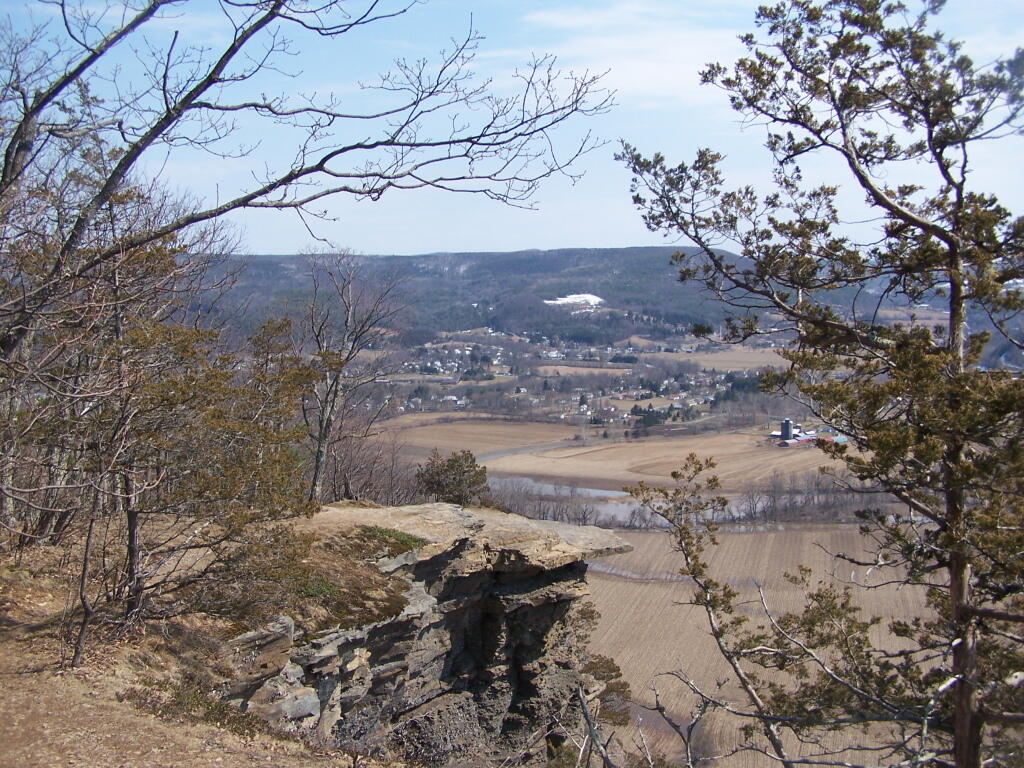
Directly to the East of Middleburgh there is a long narrow landform known as “The Cliff”. It’s a 500 foot high hill, with about 40 feet high cliffs, overlooking Middleburgh and Schoharie to the west. Cotton Hill sits above it to the east. While privately owned by the owners of the dairy farms in the valley below, the Long Path crosses it and you can use it to explore the cliffs.
As you climb the hill on the Long Path, looking backyards there are broken views.
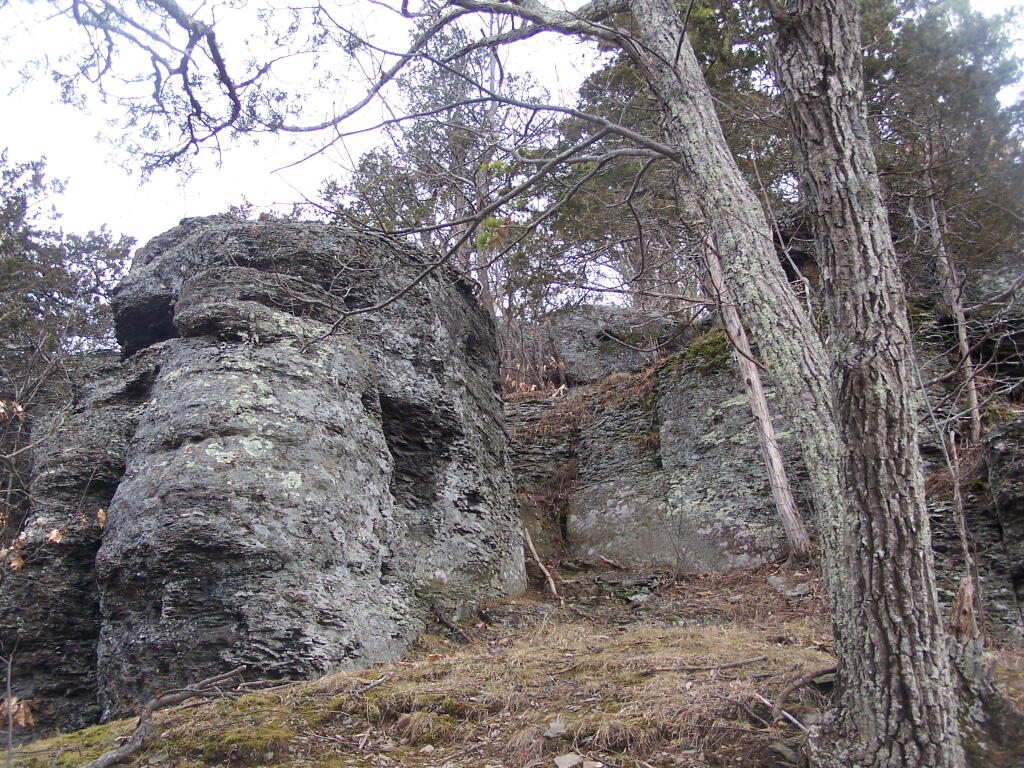
When your almost to the top of the Cliffs, there is a quick scramble over this ridge. This is a section that is very much hand and knees, you’ll probably toss your pack up and then climb up to retrieve it.
After you get to the top, you have some views to the south, including Vromans Nose.
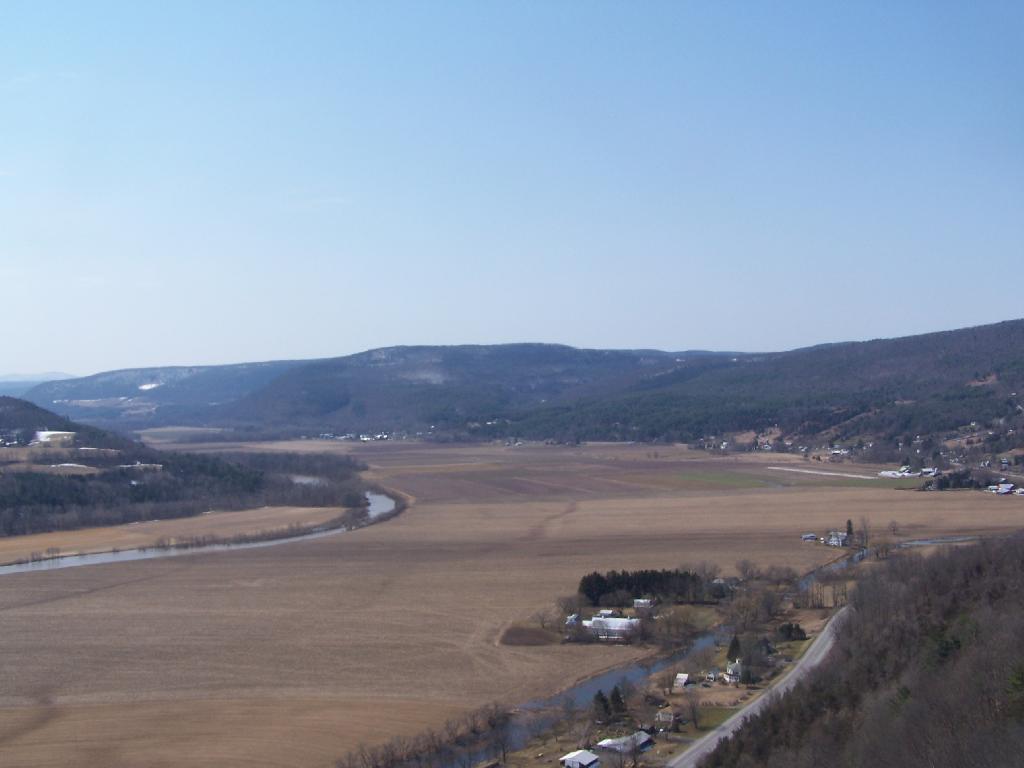
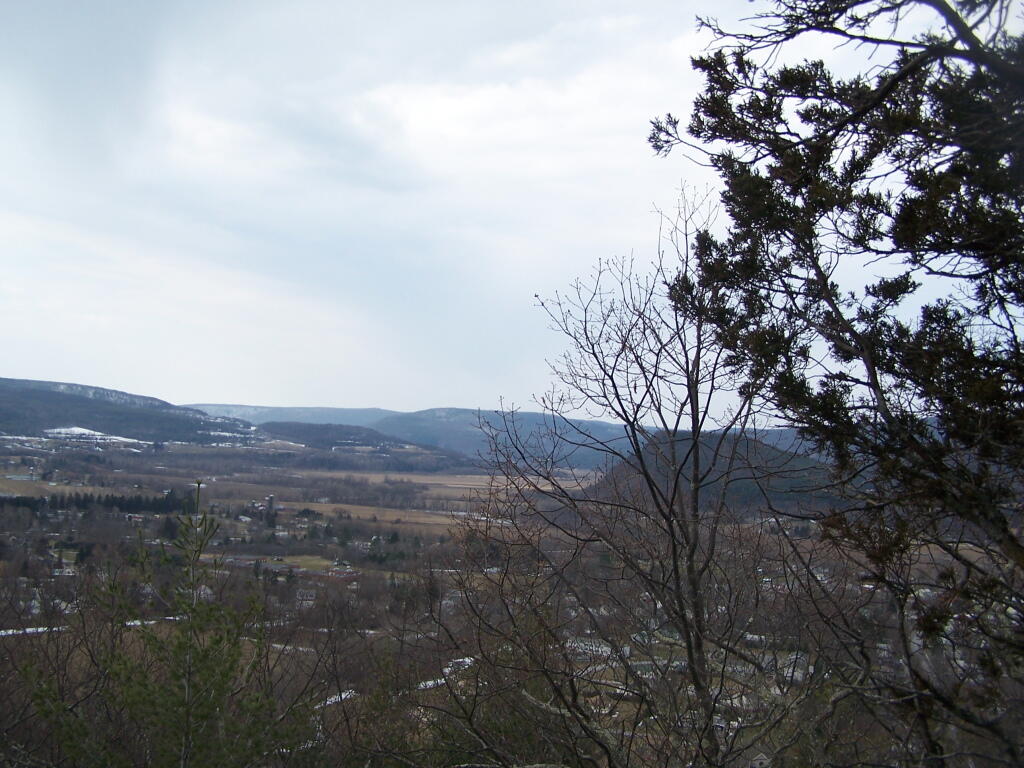
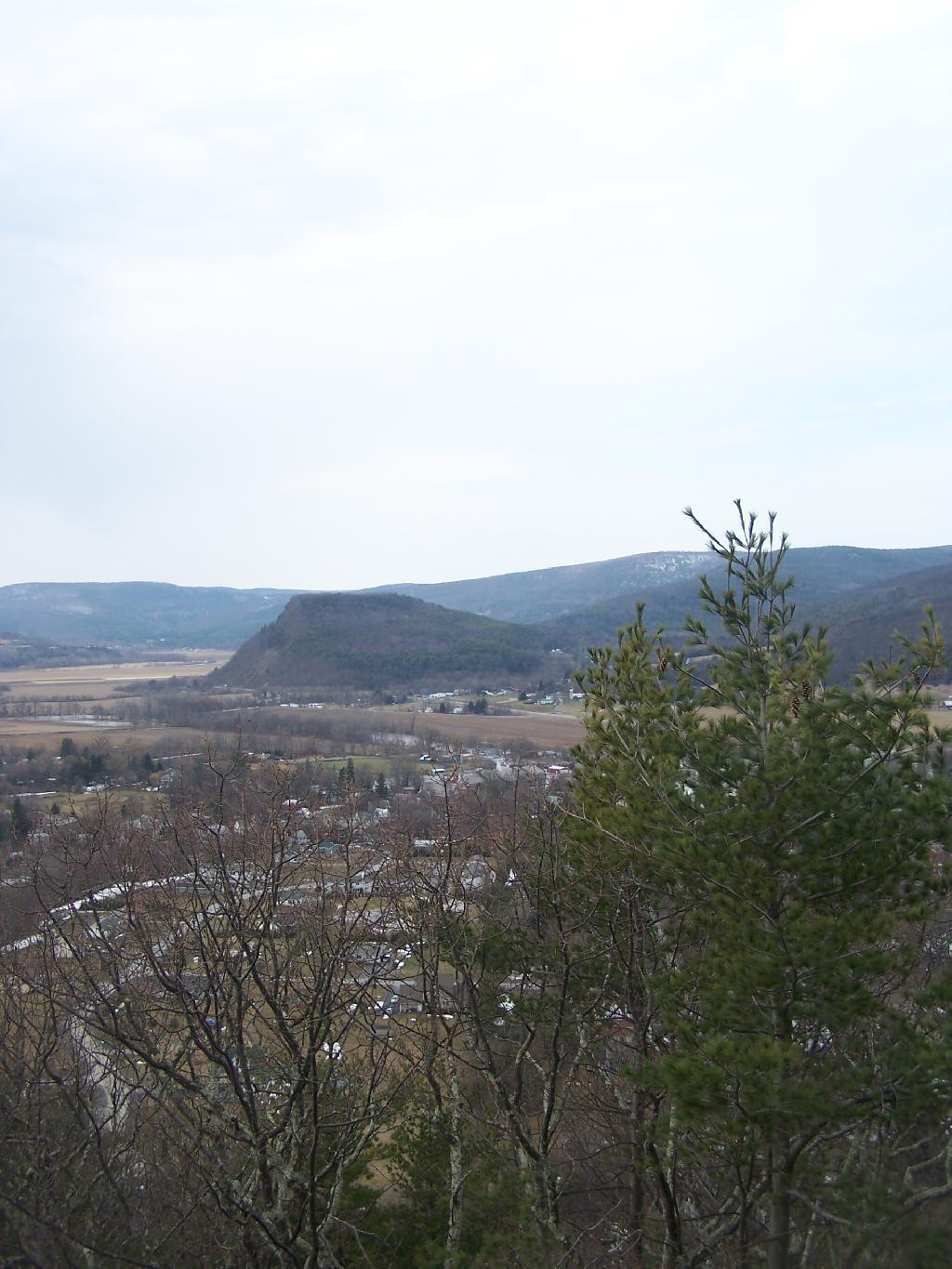
Further along the trail you get some broken and then improving views of the Schoharie Valley just north of the Middleburgh. In the background is Middleburgh Roundtop Valley, and where NY 145 climbs the ridge to get over to East Cobelskill.
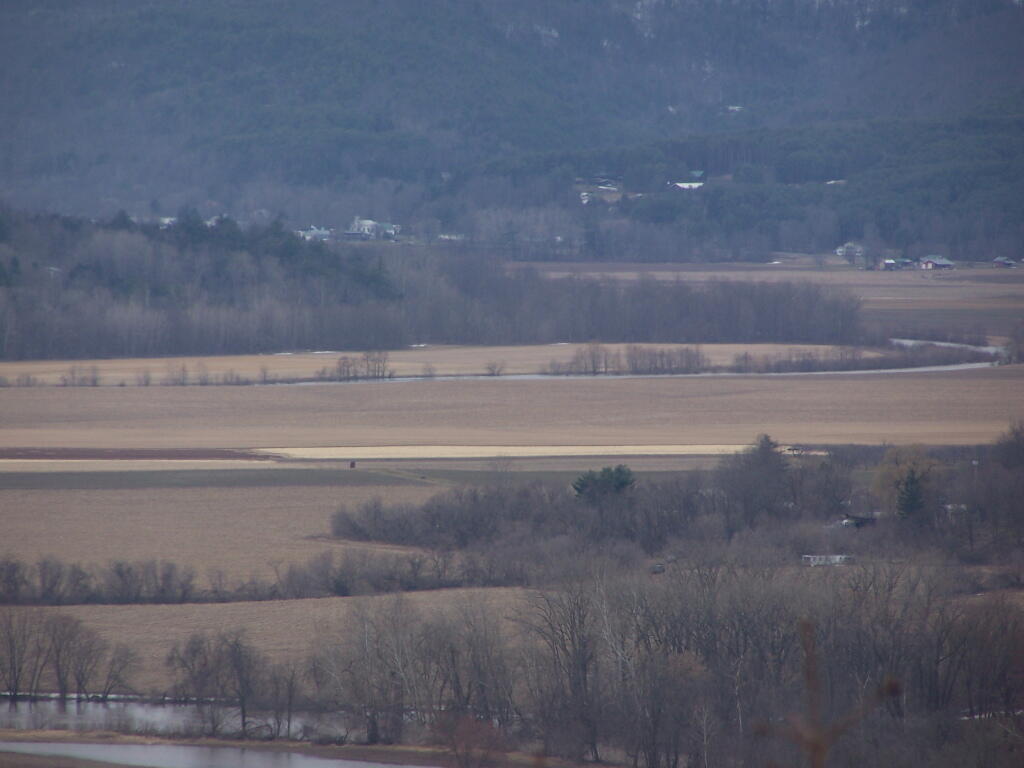
The agricultural flat lands south of Middleburgh.
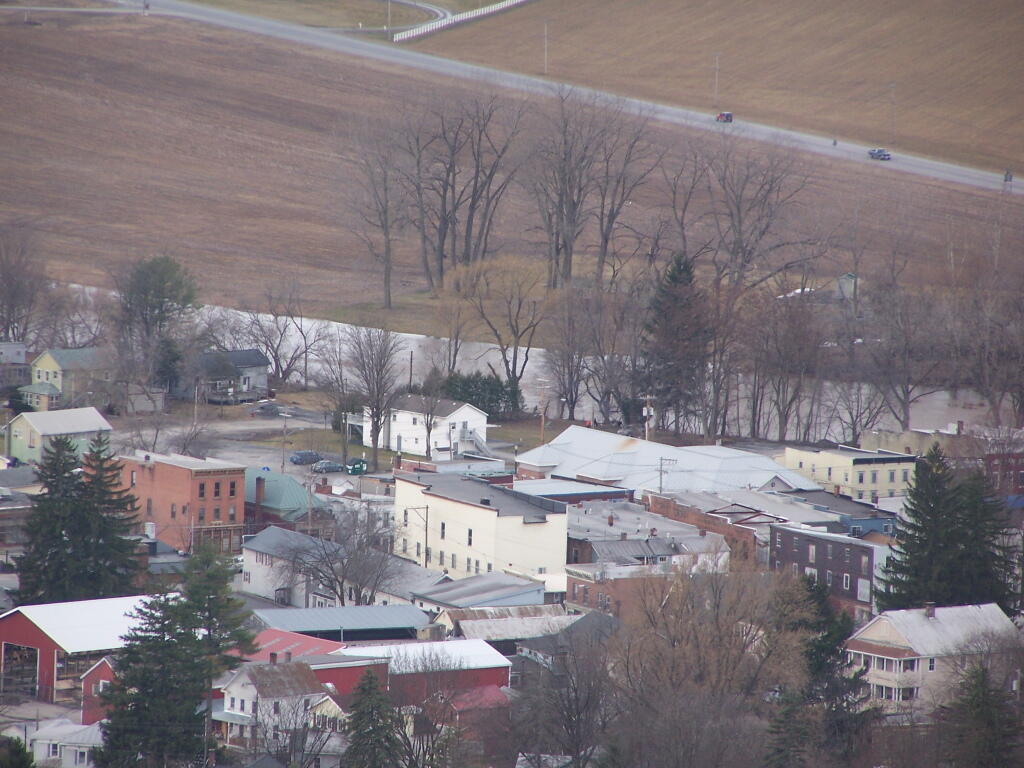
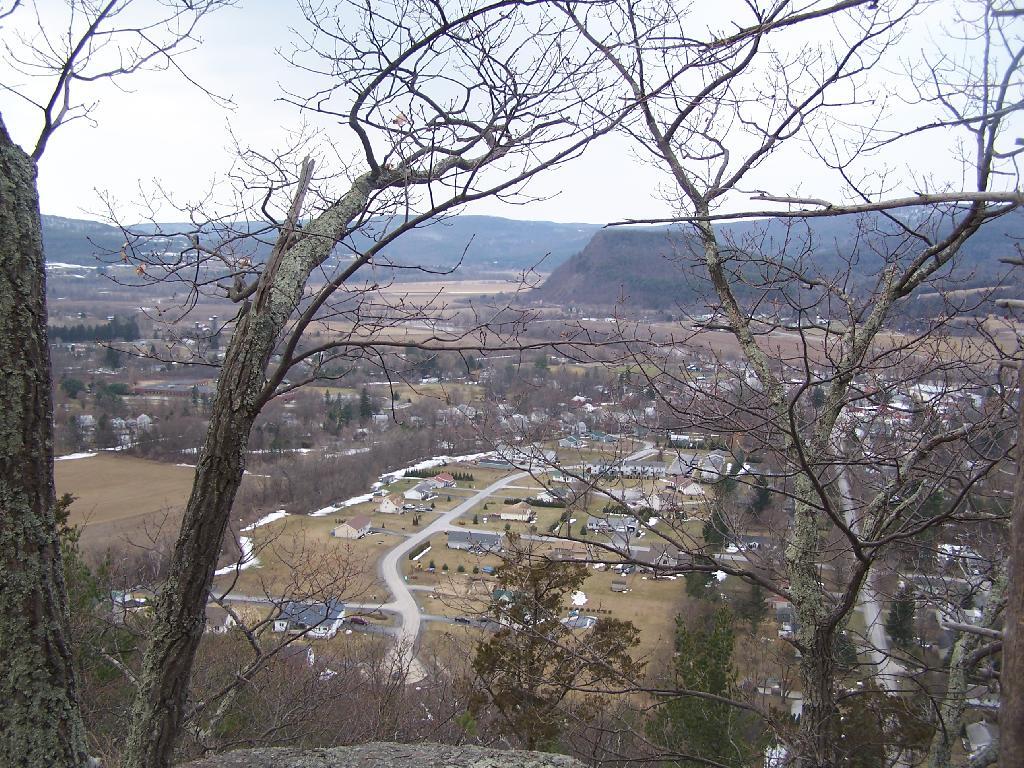
The new more suburban section of Middleburgh, with the older village in the background. I never understood why people would live out in the sticks, but also live in a suburban subdivision in a classic small village.
A dairy farm along NY 30 north of Middleburgh.
All and all, this hike doesn’t provide amazing remote lands, but still has some interesting agricultural views of the fertile Schoharie Valley. Taking no longer then a total of a 45 minutes round trip, it’s a nice hike to do with Vromans Nose or take the trail farther west to Cotton Hill Lean-To.
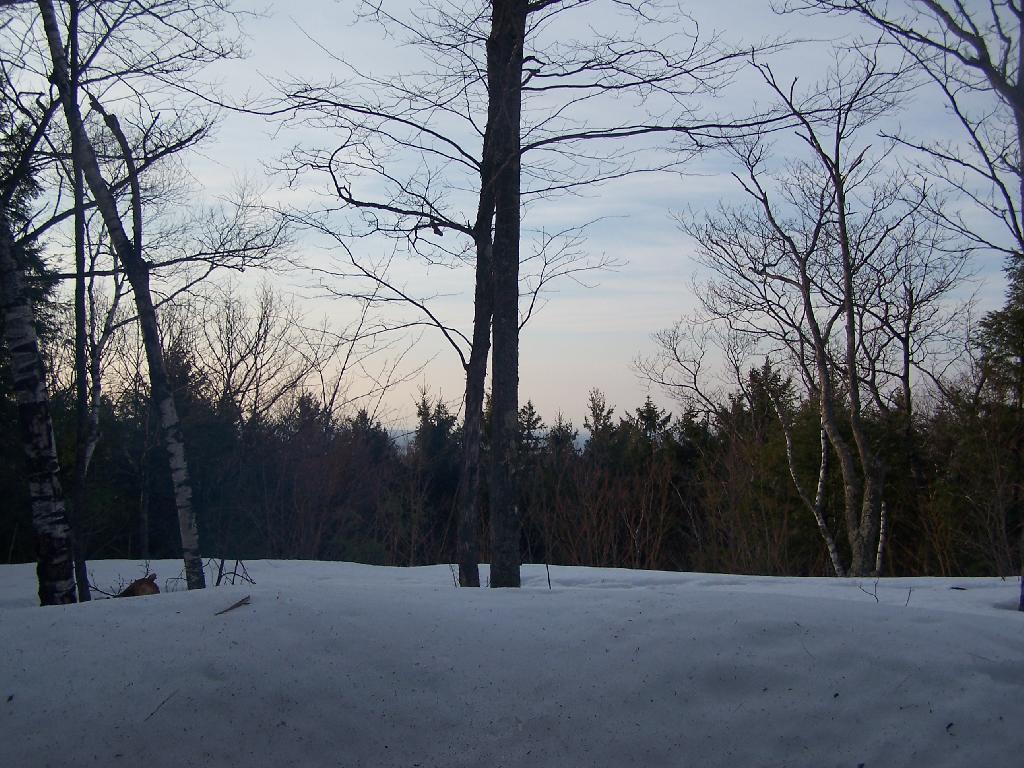
For the first day of spring it was around 65 degrees and sunny. The forecast promised only to get down into the upper 50s. The snow was gone in Albany, but in the mountains there was several feet. A top Cotton Hill, there was about two feet of snow.
Amazingly enough when I got up there, I was the only person who had been up to the lean-to since the last snow storm, probably two weeks ago now. It was very quiet except for the sounds of nature, from the snowy owl to the churbing robins.
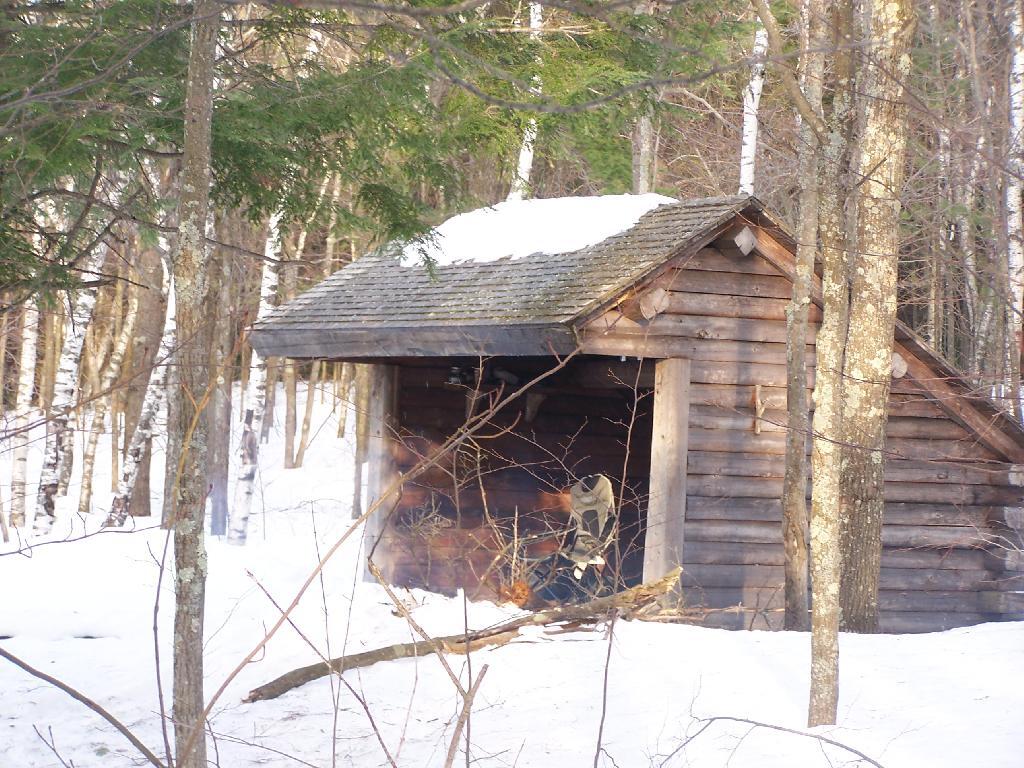
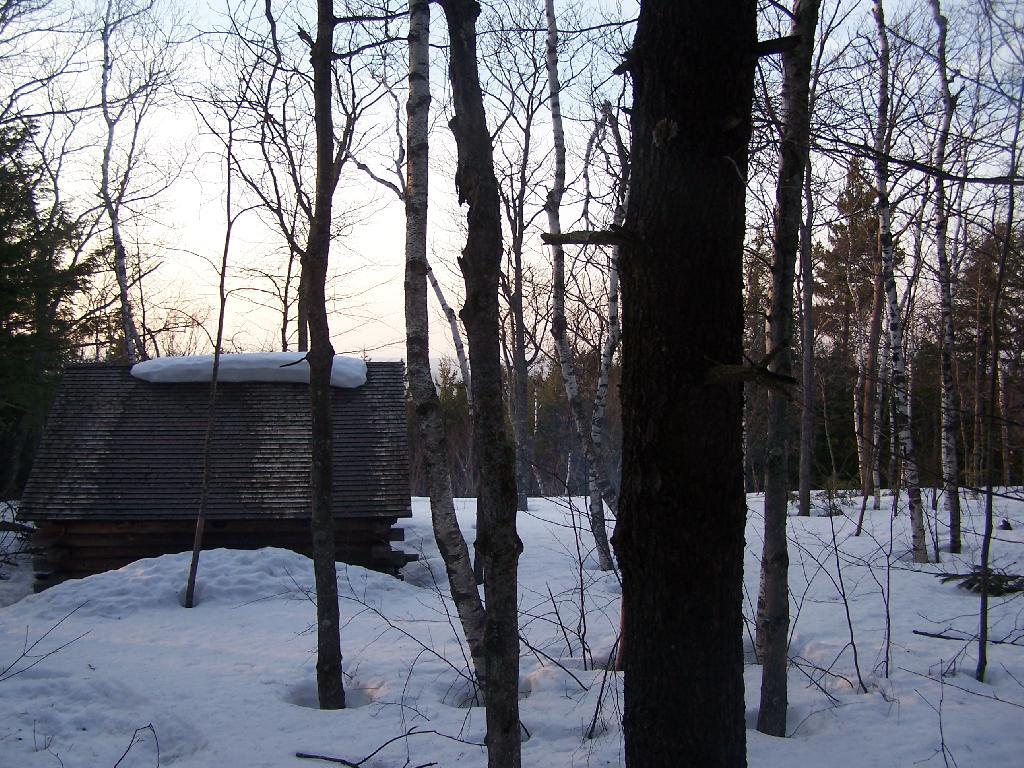
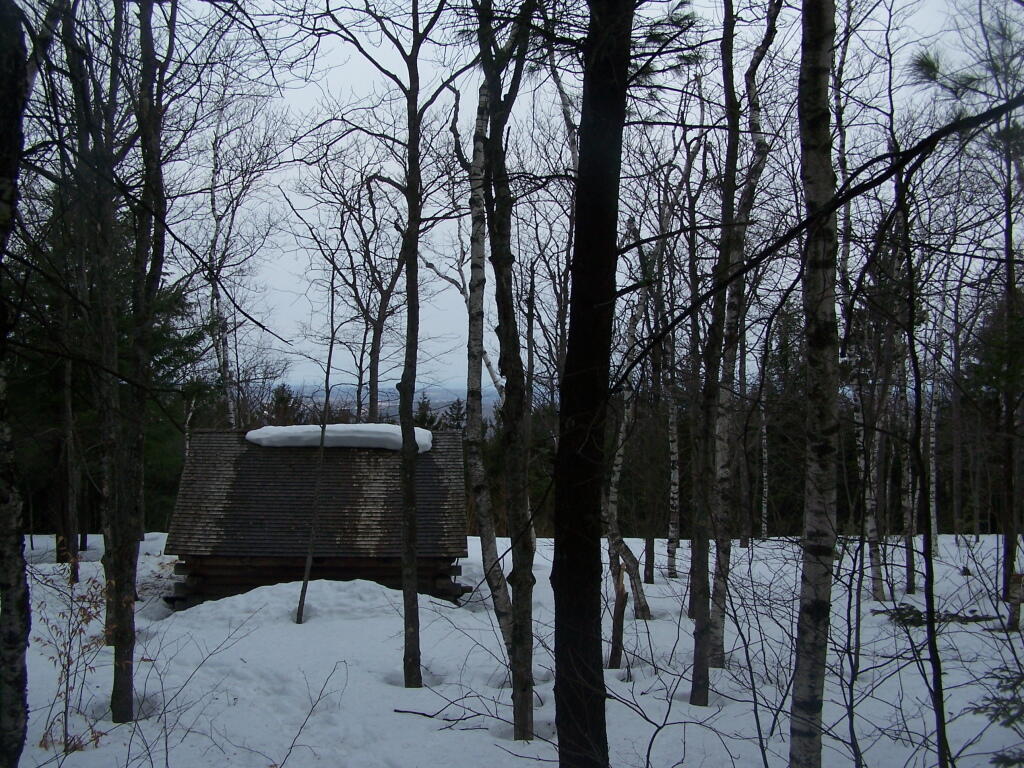
Reaching the lean-to, with gear all set up for the the night.
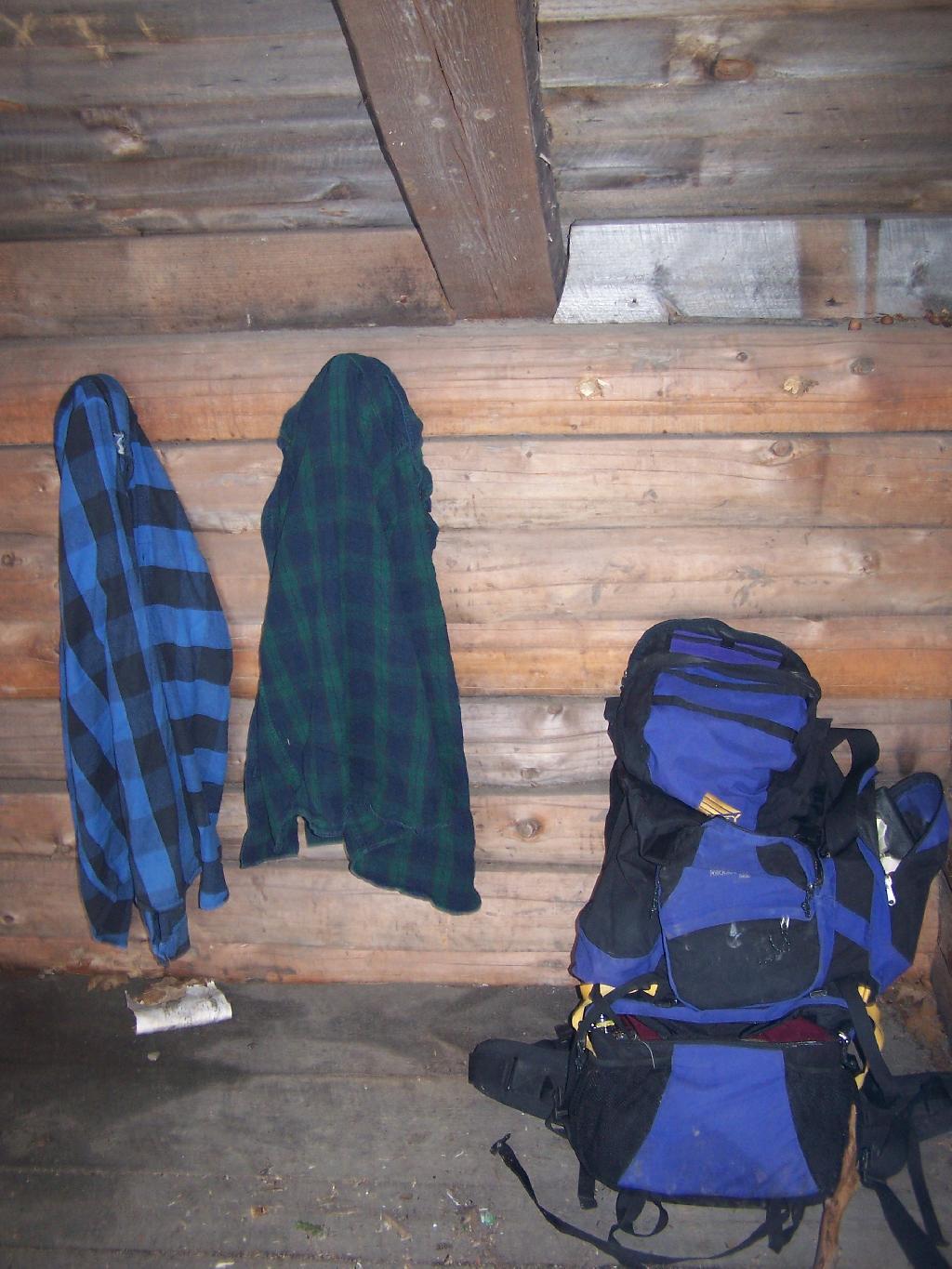
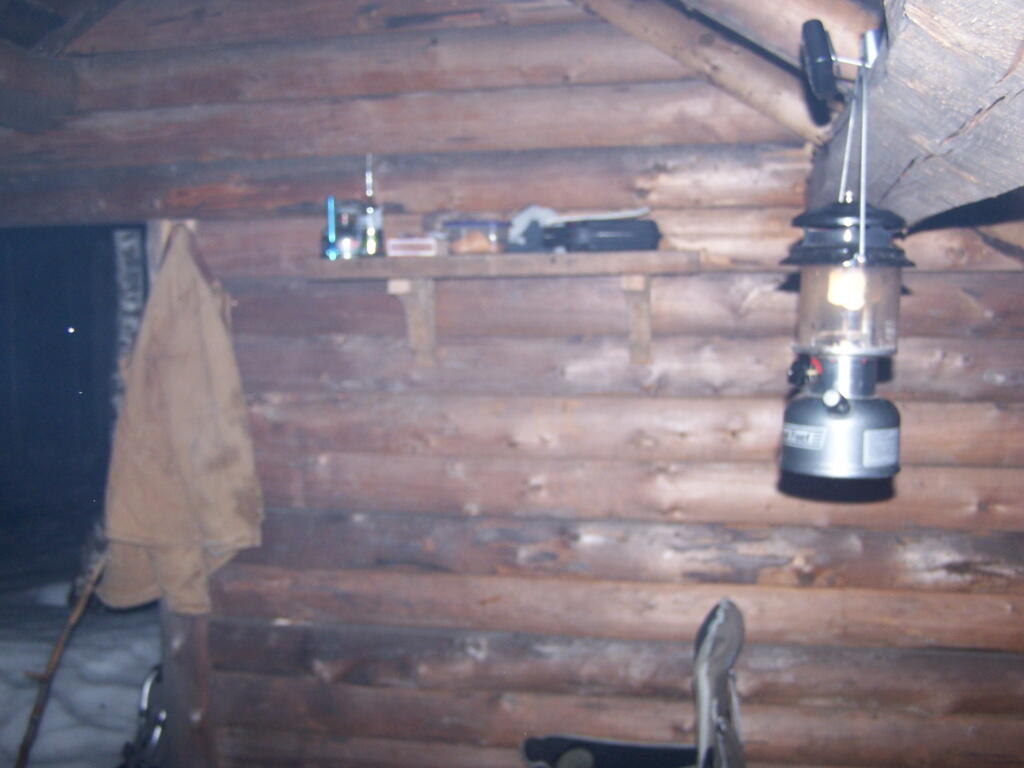
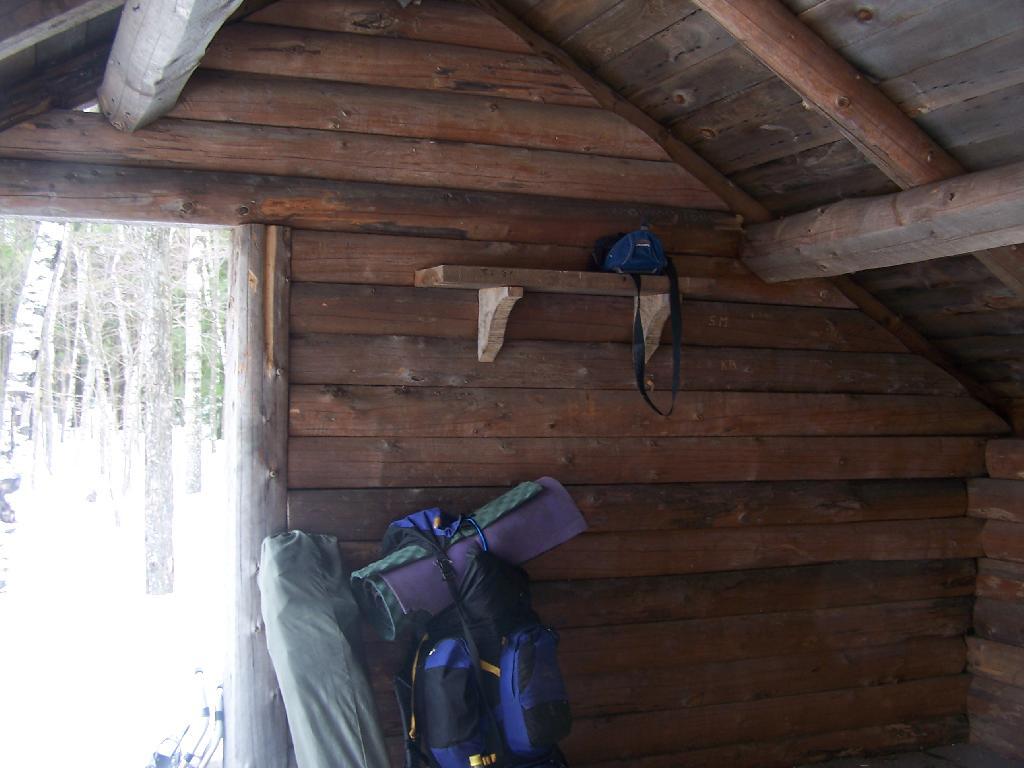
My backpack, and flannel shirts.
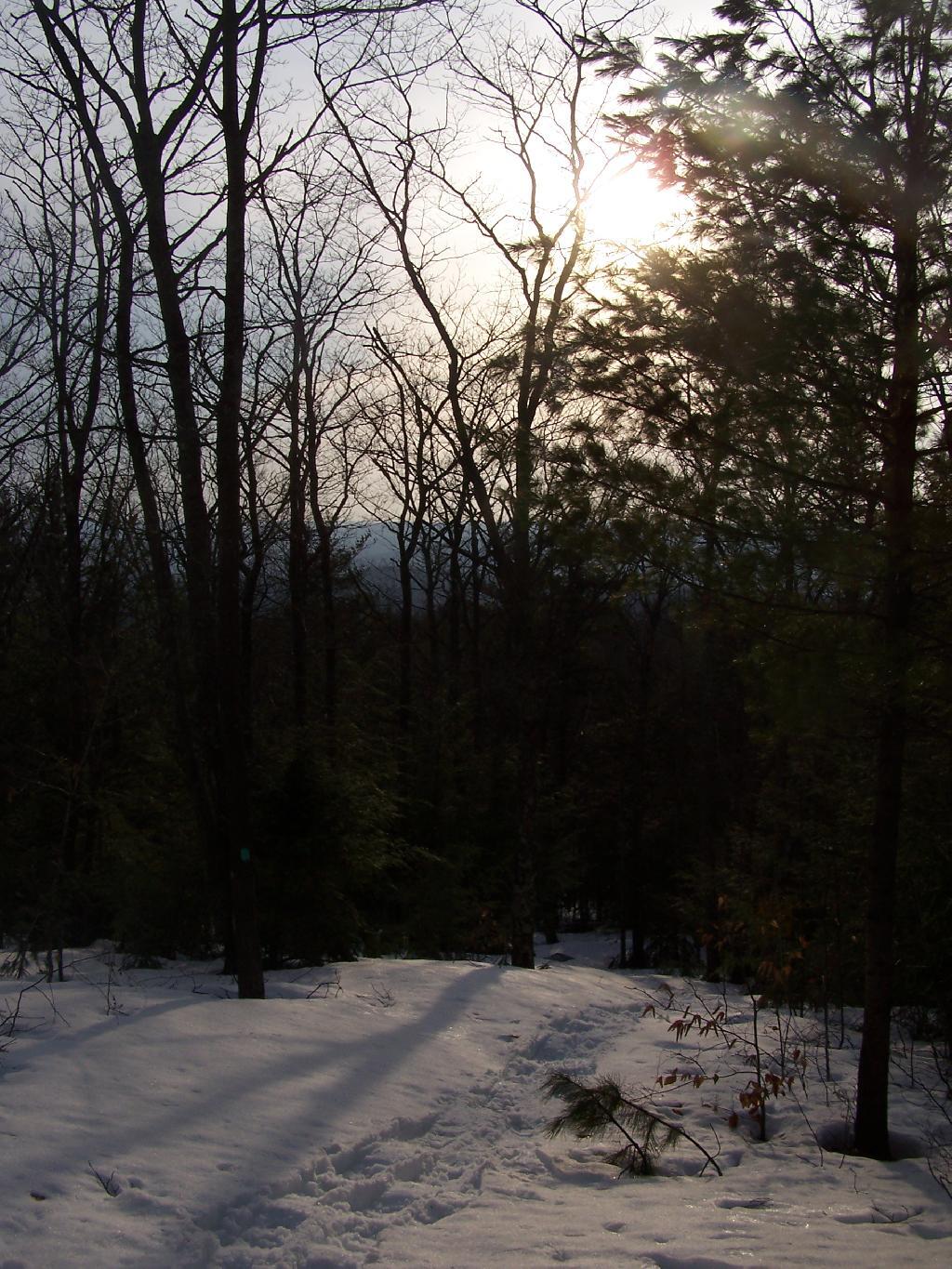
Sitting in the lean-to, looking at the setting sun. At the front of the lean-to, snow had melted off the roof, and was piling up in the front, creating a snow berm, keeping cool drafts away. Ironically, at this point due to the warm weather, I was sitting in a t-shirt and no jacket on.
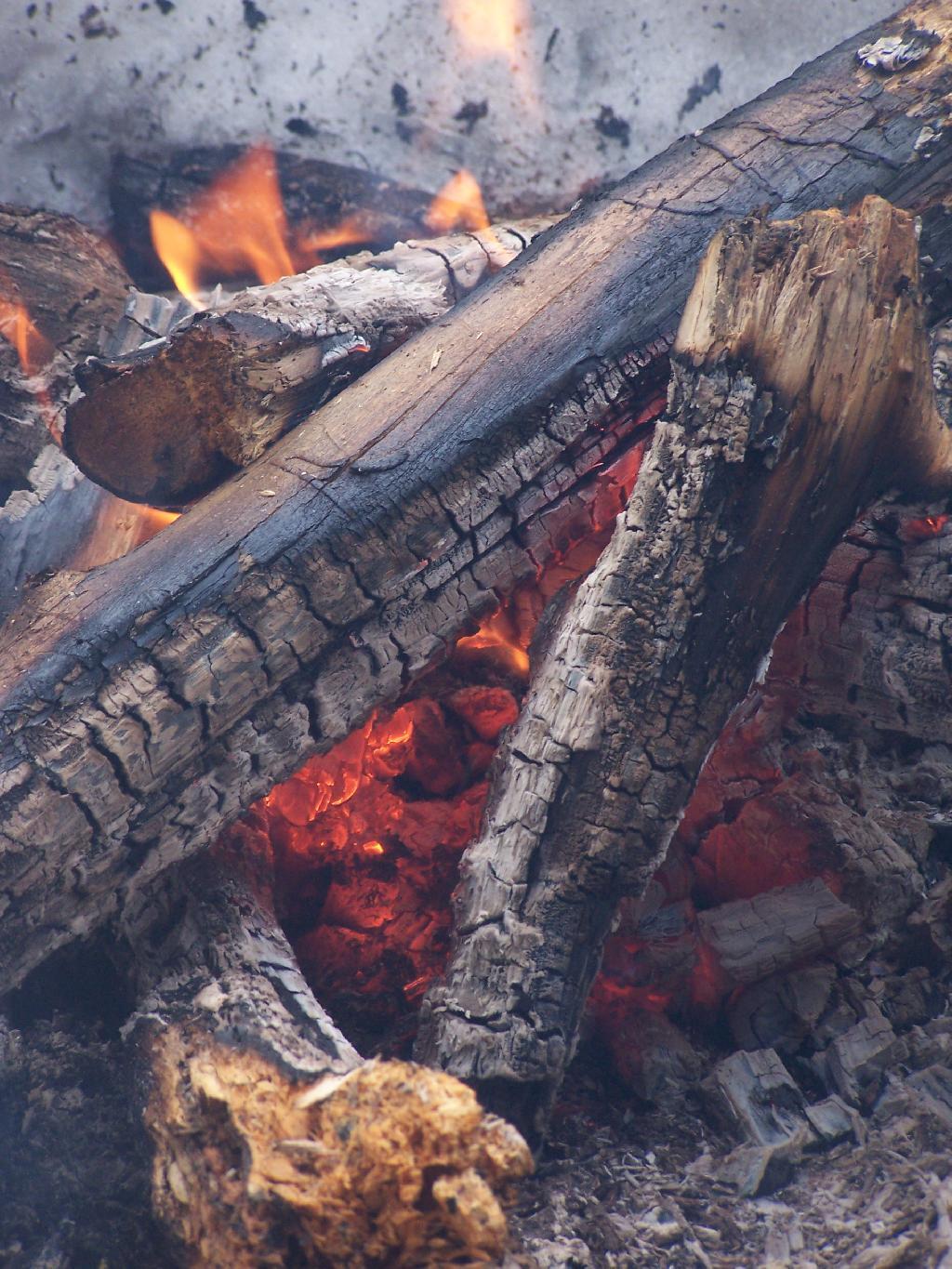
As I enjoy a nice a fire.
And night rapidly approaches.
At times it was a bit smokey in the lean-to, as I played on my cellphone, jotted down some notes, read some books, and just enjoyed the first night of spring.
It was a nice night. When I woke up, it was a gray cloudy morning and I made up some breakfast and got cleaned up.
And I packed my bags…
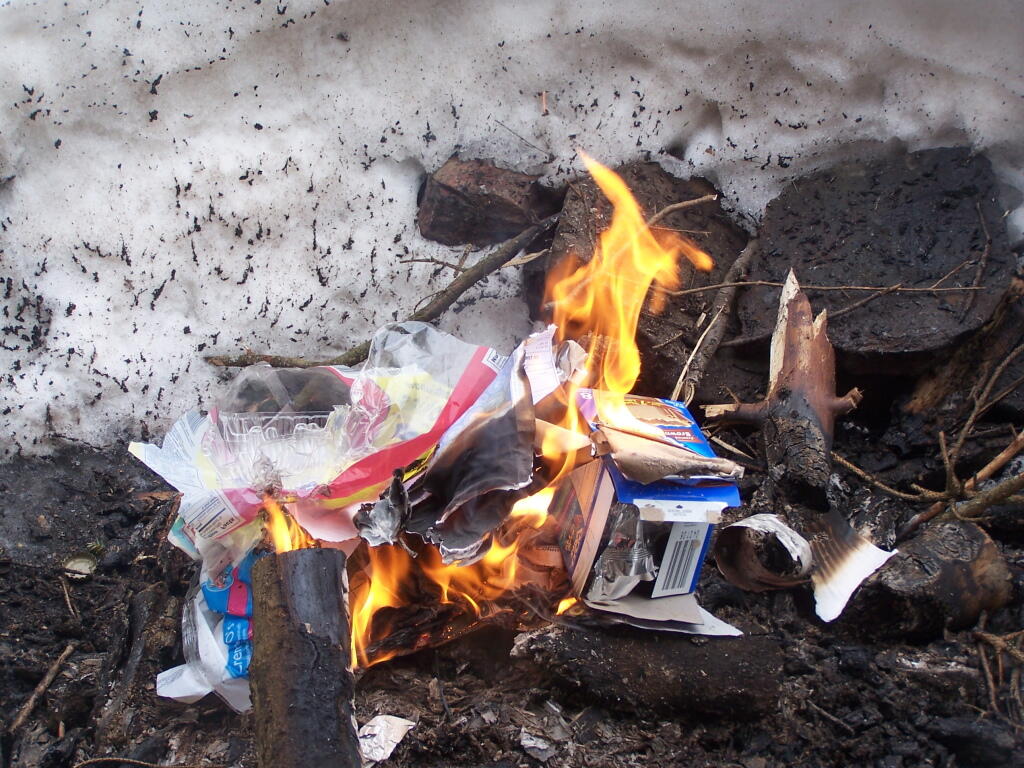
Burned my garbage from the past night…
And off I went, down to the truck, then off to Middleburgh Cliff. Here is a map of where the lean-to is.
On the second day of spring I went hiking up Vromans Nose. A short little hike, it’s a favorite in Schoharie County for it’s sweeping views of the agricultural lands below. Below is a picture of Vromans Nose, as seen from Middleburgh Cliff.
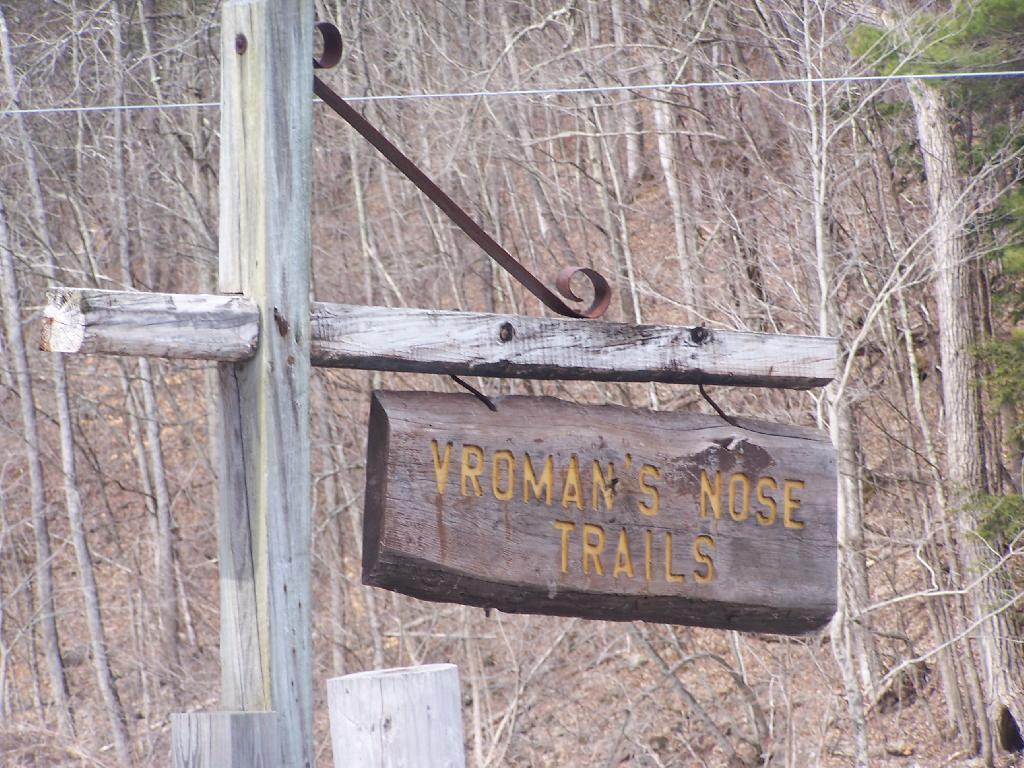
Sign for the trailhead.
Hiking up the mountain on a very brown-grey winter day.
NY 30.
A farm off the edge of Vromans Nose.
West Off Vromans Nose looking towards Towpath Mountain.
With all of the snow melt, the Schoharie Creek was fairly swollen.
Looking from the Tip of Vromans Nose towards Middleburgh, with Middleburgh Cliff in the background.
The Adirondack Northway (I-87) routing through the Adirondacks was a wonder of mapping. It provided a full-interstate quality route through a mountainous route, while only requiring a 254 acre taking of forest preserve lands in 1959.
The Northway runs through three state forest preserve lands that had to be condemned to run the Adirondack Northway. Planners avoided this except where absolutely necessary to avoid having to level entire mountains.
Taylor Pond Wilderness /
Pok-O-Moonshine Mountain.
The Northway parallels Route 9 as it starts climbing into the Adirondacks, taking about 10 acres of the preserve.
It follows along Lincoln Pond Road to a flat section known as Five Mile Meadows, probably originally cleared by logging. This probably is a 5-15 acres of taking.
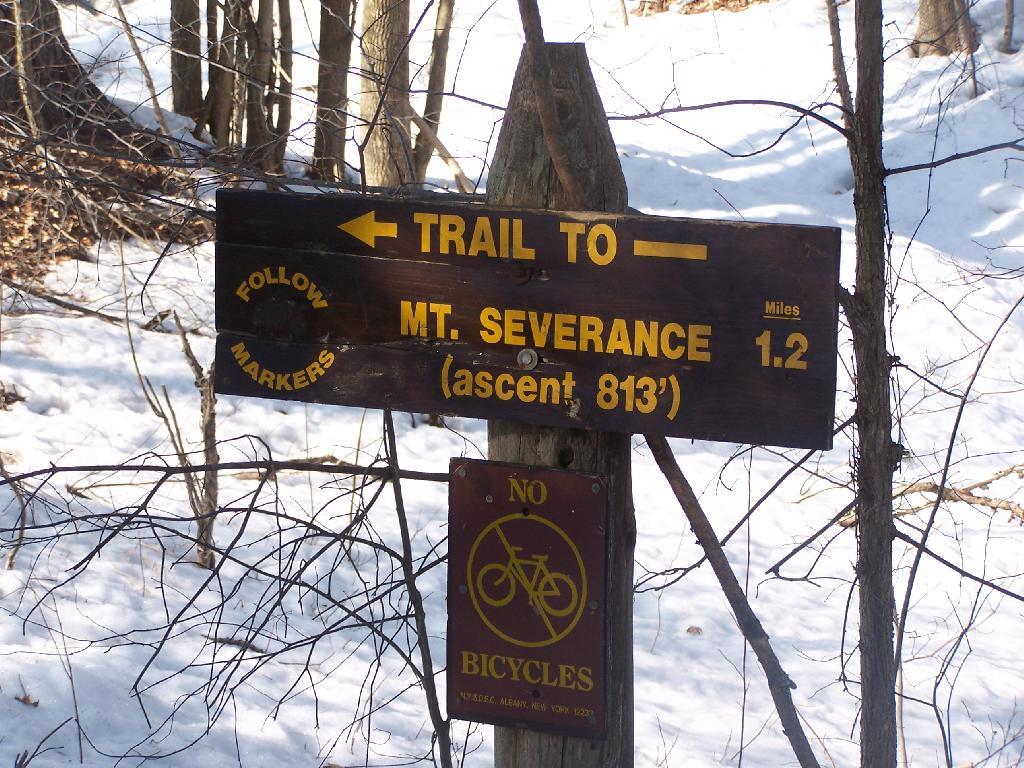
Severence Hill, mis-signed by the NYSDEC as Severence Mountain is located just North of Schroon Lake on US 9. It is a short hike, taking 45-minutes or so to go up, and is right off the Ticonderoga Exit of Adirondack Northway.
I’ve been up it a couple of times back when I was in college — if you have hour and a half to use up and your driving on the Northway near Saranac Lake it’s a must do.
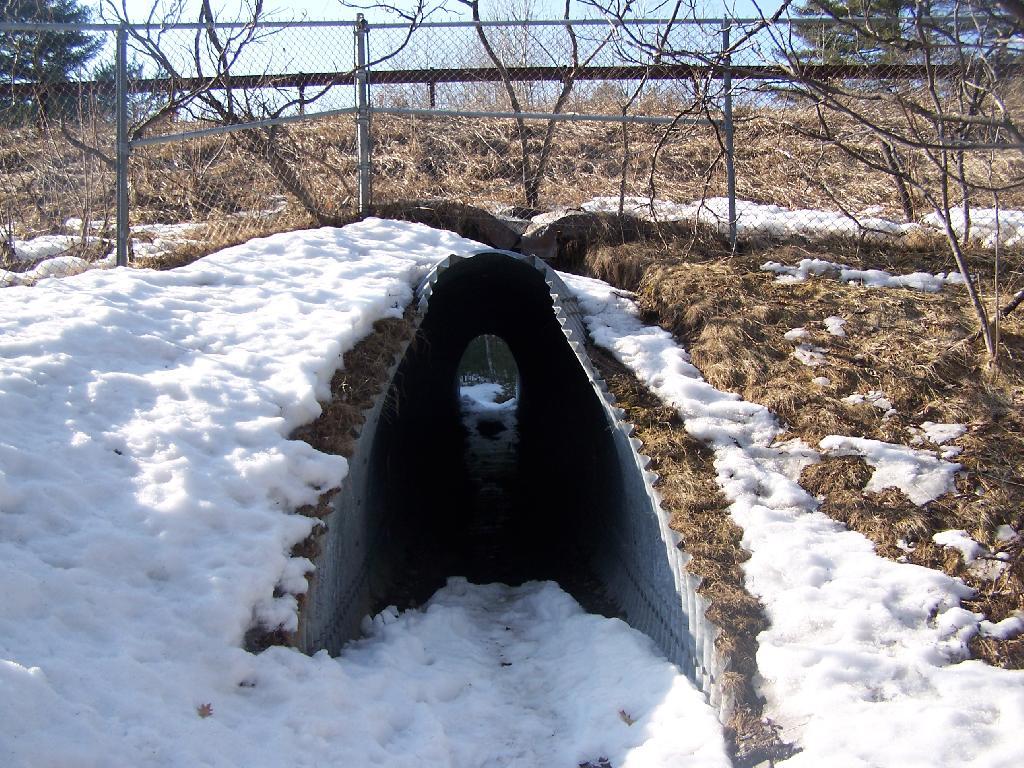
The first part of the trail goes under the two carriageways of the the Northway in a series of tunnels.
The next 1/4 mile of the trail is relatively flat until you cross a brook and head up a series of stairs, followed by a 1/4 mile ascent, some flat areas, then a quick ascent to the top.
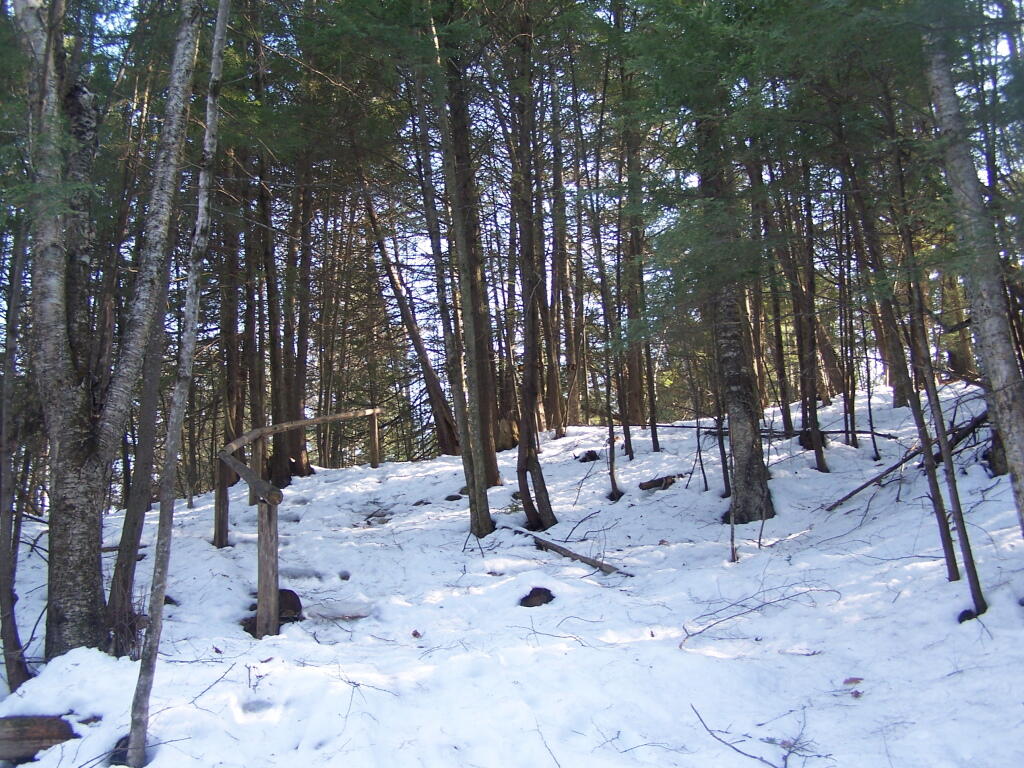
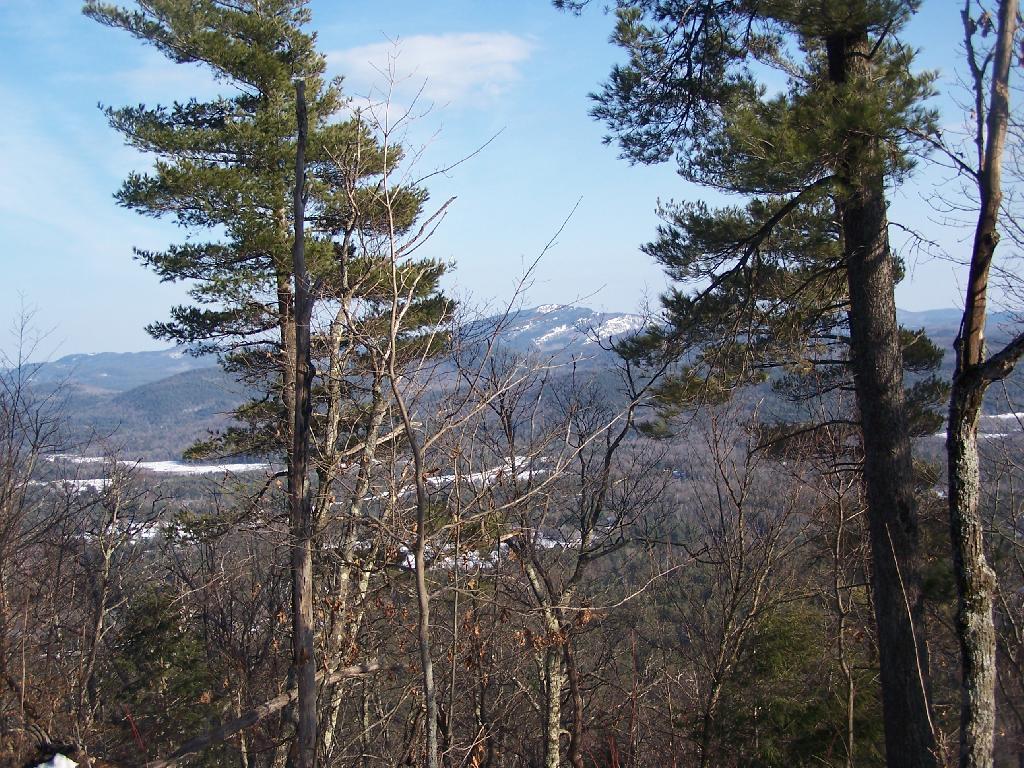
As you reach towards the top, you have broken views of Schroon Lake to the South.
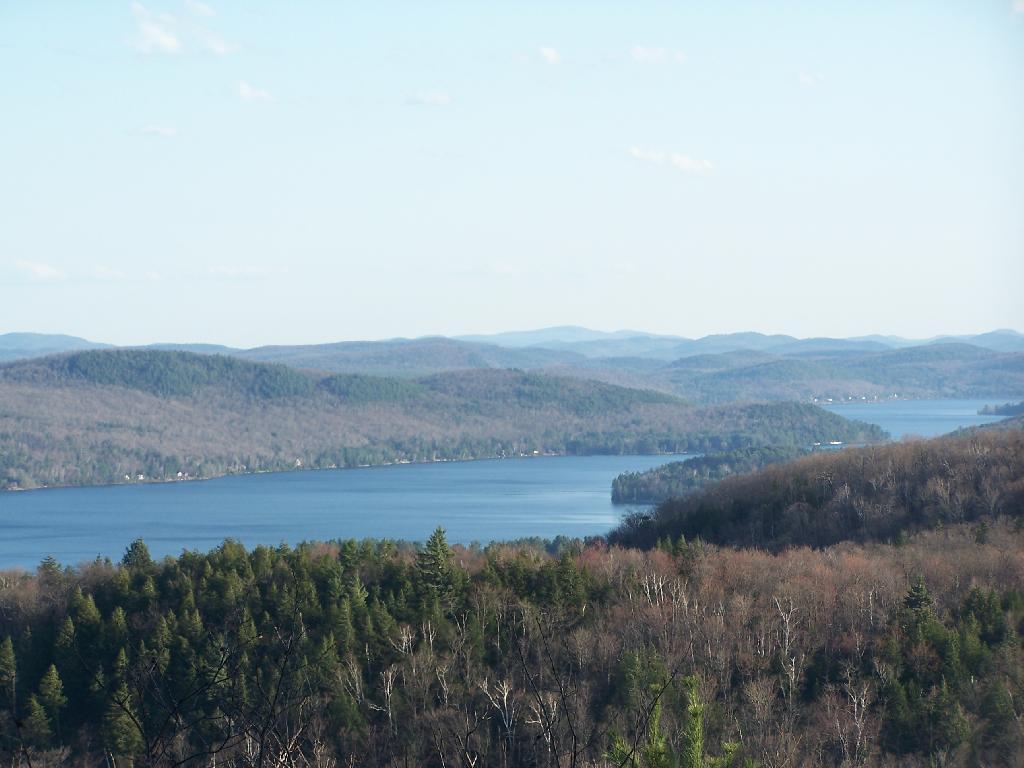
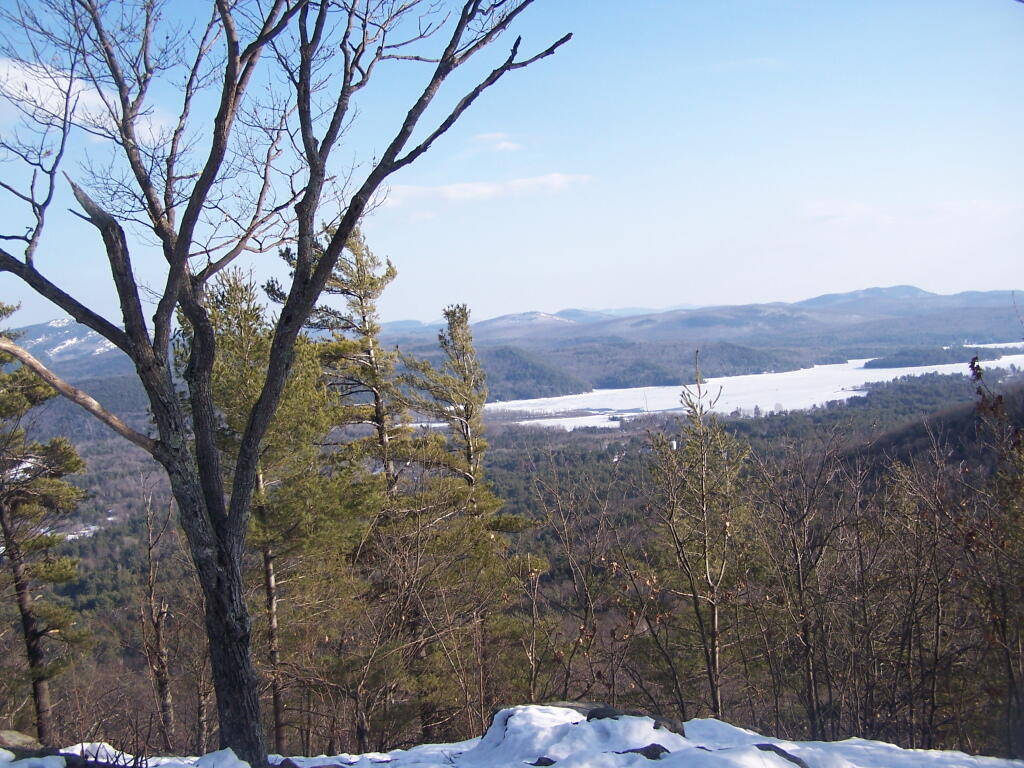
Reaching the top of the mountain, you have some beautiful views of Schroon Lake. Unfortunately the village is too close to see from the mountain and trees block the partial view.
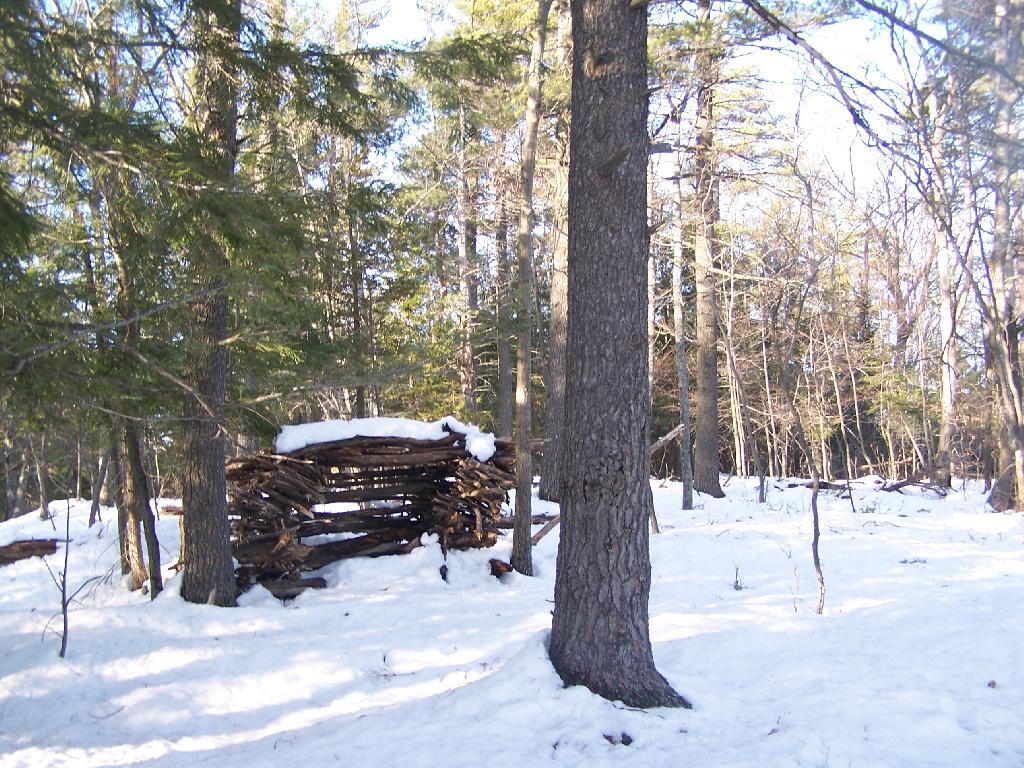
On the top of Severence Mountain, overlook Schroon Lake is this cute little lean-to shelter hand-made out of branches.
On the top of the mountain, the trail proceeds for another 1/4 mile, with broken views of Pharaoh Mountain.
As you continue along the trail to it’s end, you left with a good view of Paradox Lake with Skiff Mountain in the background. Blocked by that mountain range, after a significant descent, is Ticonderoga and Lake Champlain.
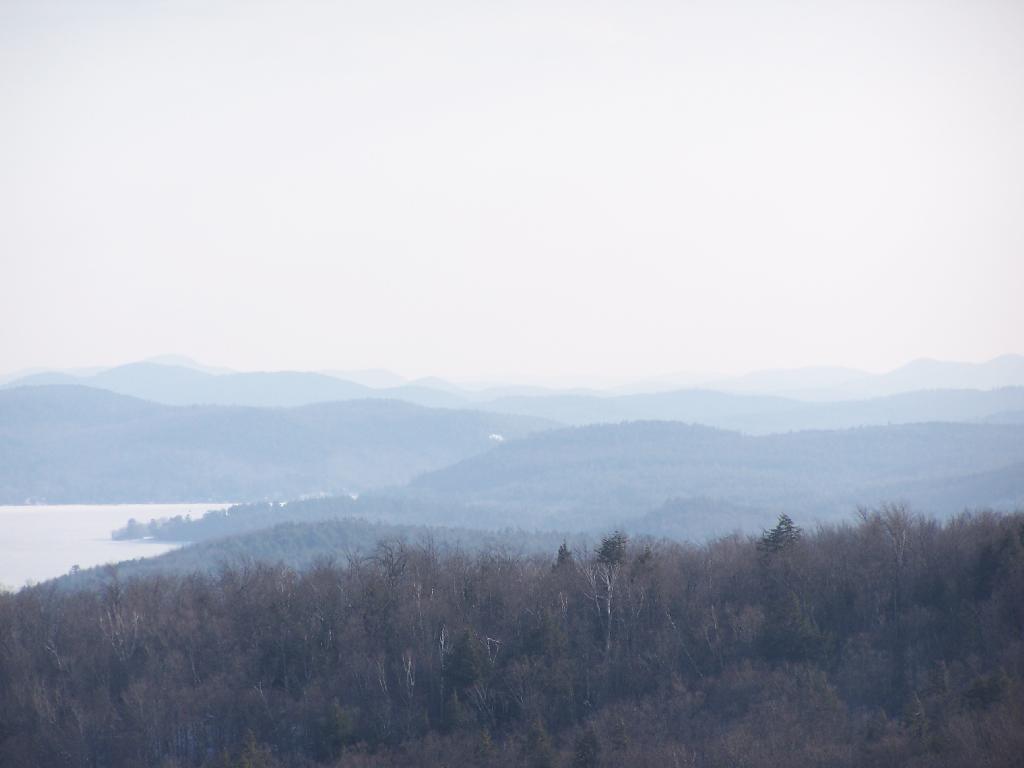
You come back the same way you came up the mountain. This is looking towards the southern-most portion of Schroon Lake at the mountains at the southern portion of the Adirondacks.
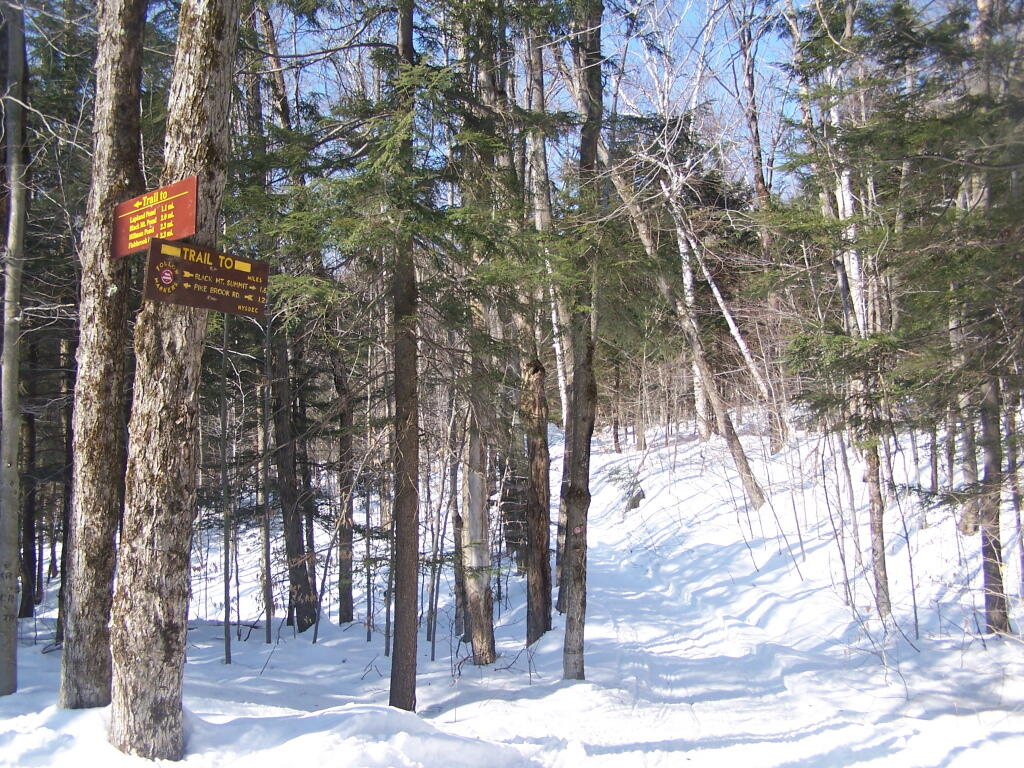
Black Mountain is the tallest peak between Lake George and Lake Champlain and contains an old fire tower that is currently used by the DEC Forest Rangers for communications equipment. It’s elevation is 2,640 feet, however accessing it from Pike Brook Road Parking area, your already at over 1,700 feet after driving up the very scenic Huletts Landing Road from NY 22.
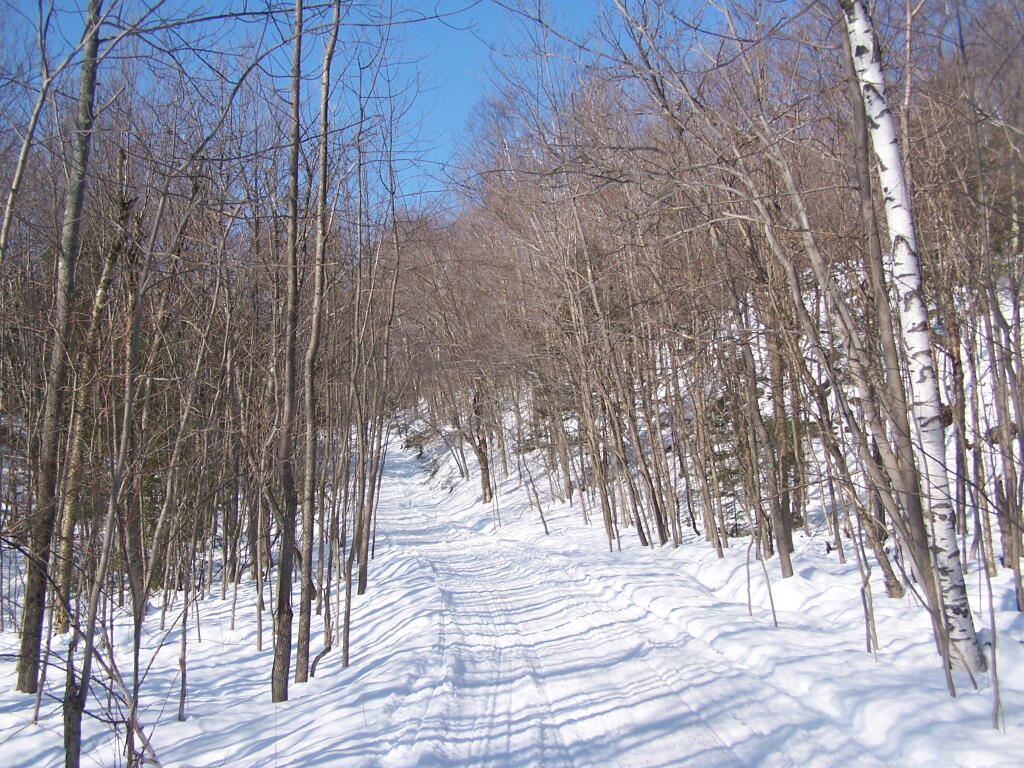
In the winter, the old woods road up Black Mountain is also a low-speed and narrow snowmobile trail that has occassional snowmobiles on it. At 3 miles, it’s a relatively short hike with an elevation gain of about 900 feet.
The first 1.2 miles up the mountain the trail is relatively flat. After the split between the valley trail to Black Mountain Pond and other lakes running down towards Lake George, and the trail up Black Mountain Fire Tower. The next 1.6 miles is much steeper, as the trail winds up the mountain following a Jeep Trail with many switchbacks.
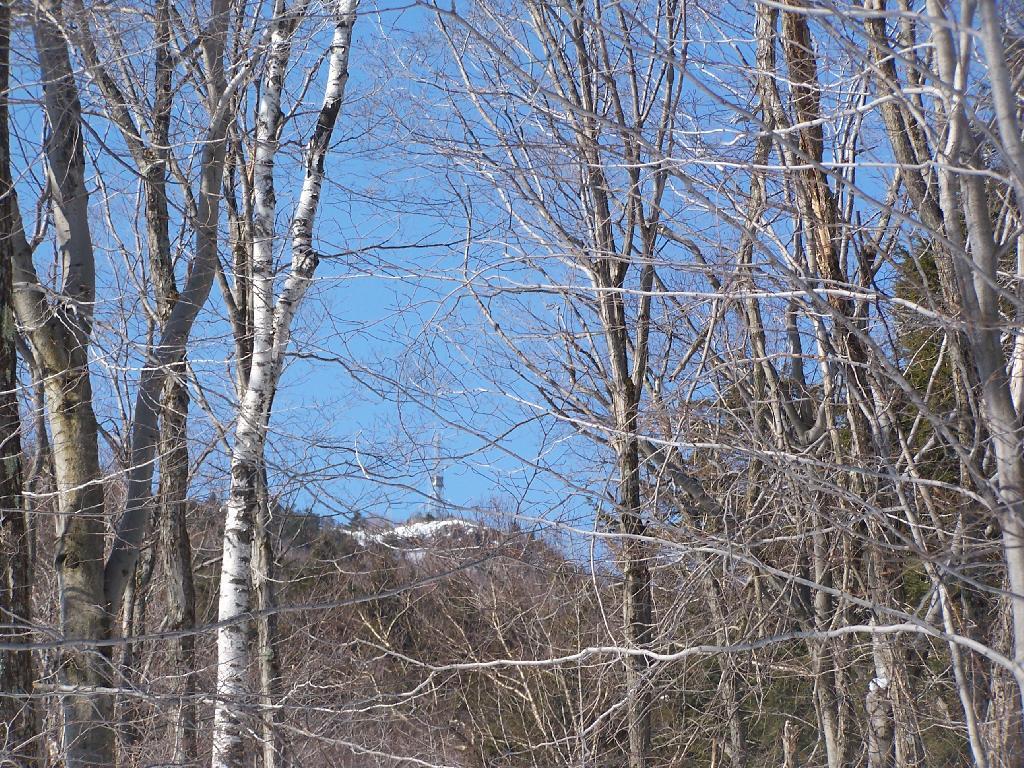
As you start climbing, you get a broken view of the fire tower on top of Black Mountain.
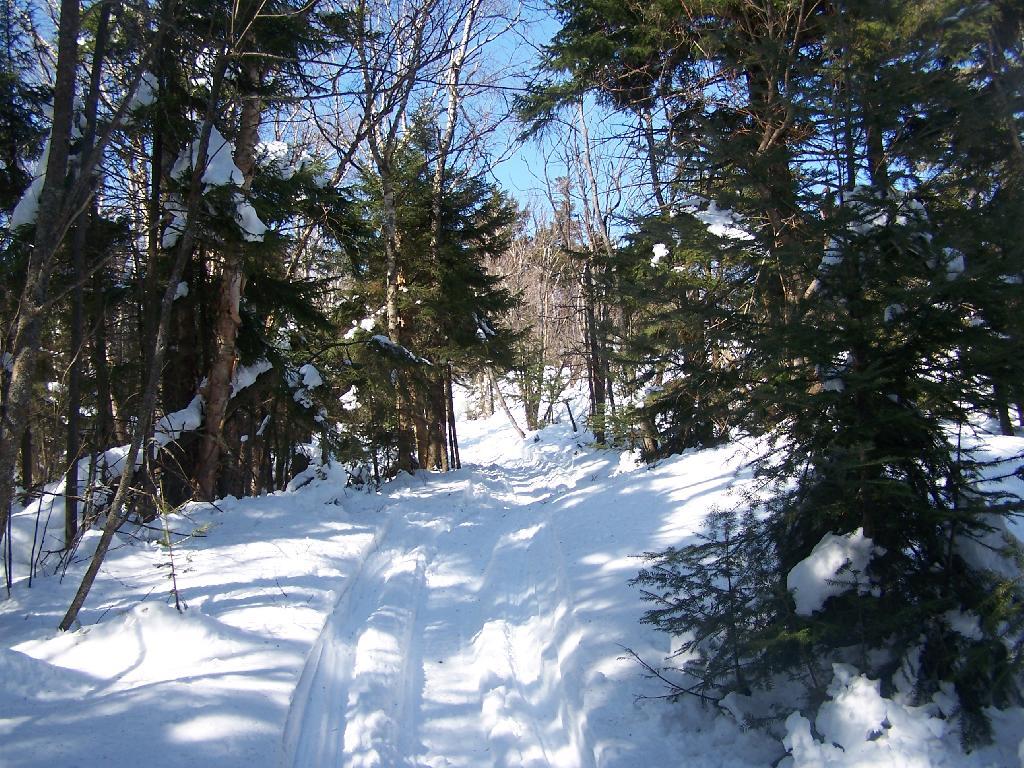
The snowmobile / old woods trail is narrow and steep as it winds up to the top of the mountain.
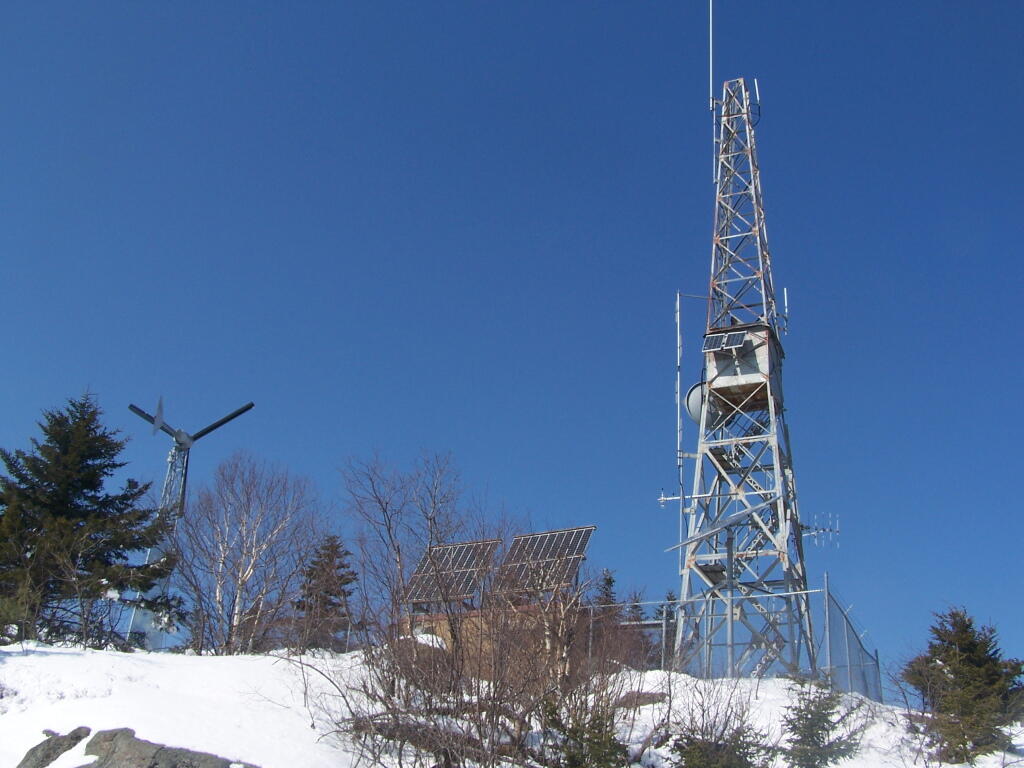
Reaching the top of the mountain, you can see the DEC Forest Ranger Communication Tower, with wind turbine, solar panel, and fire tower converted to communications tower. It’s disappointing that they had to convert the tower to a communications tower, because it would have otherwise provided nice views to the south.
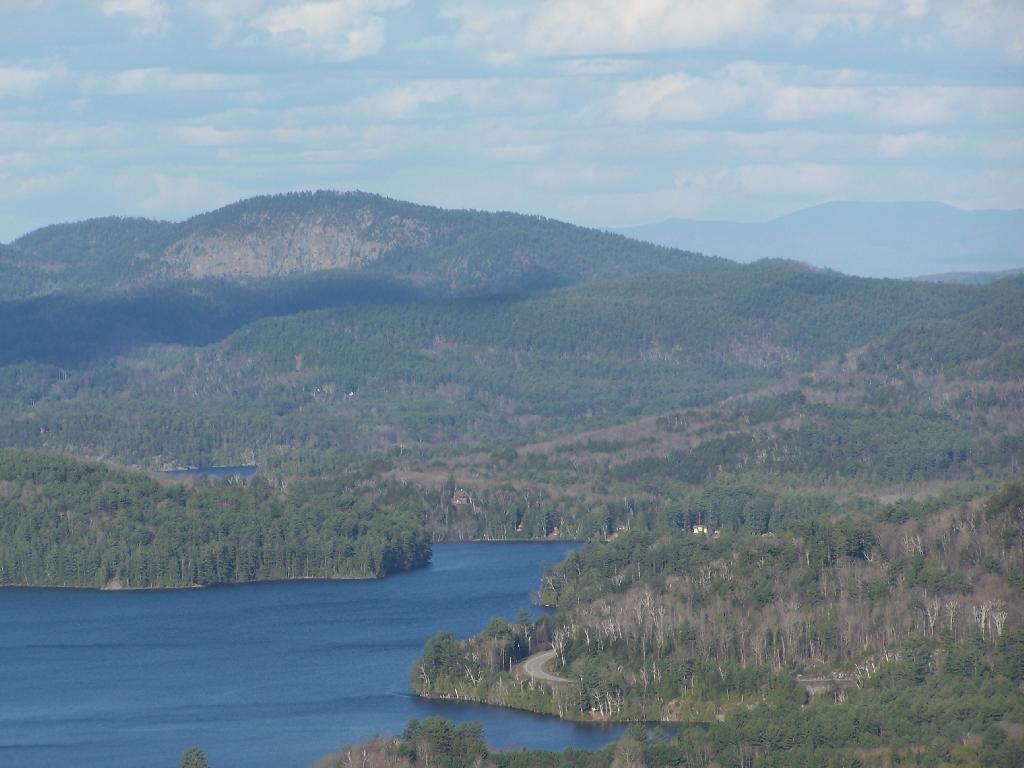
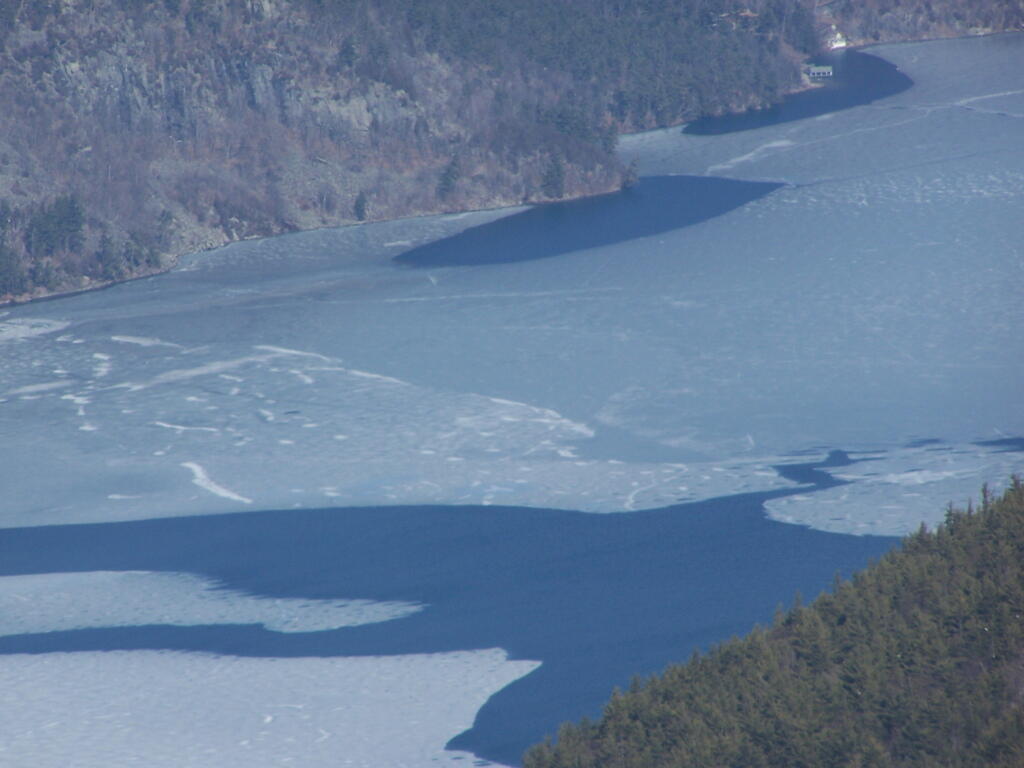
Looking across Lake George towards Five Mile Mountain and the Adirondack Mountain in the distance.
North on Lake George. In the foreground is Hague, farther in the distance is Elphant Mountain, the end of Lake George and the La Chute River down pass Ticonderoga.
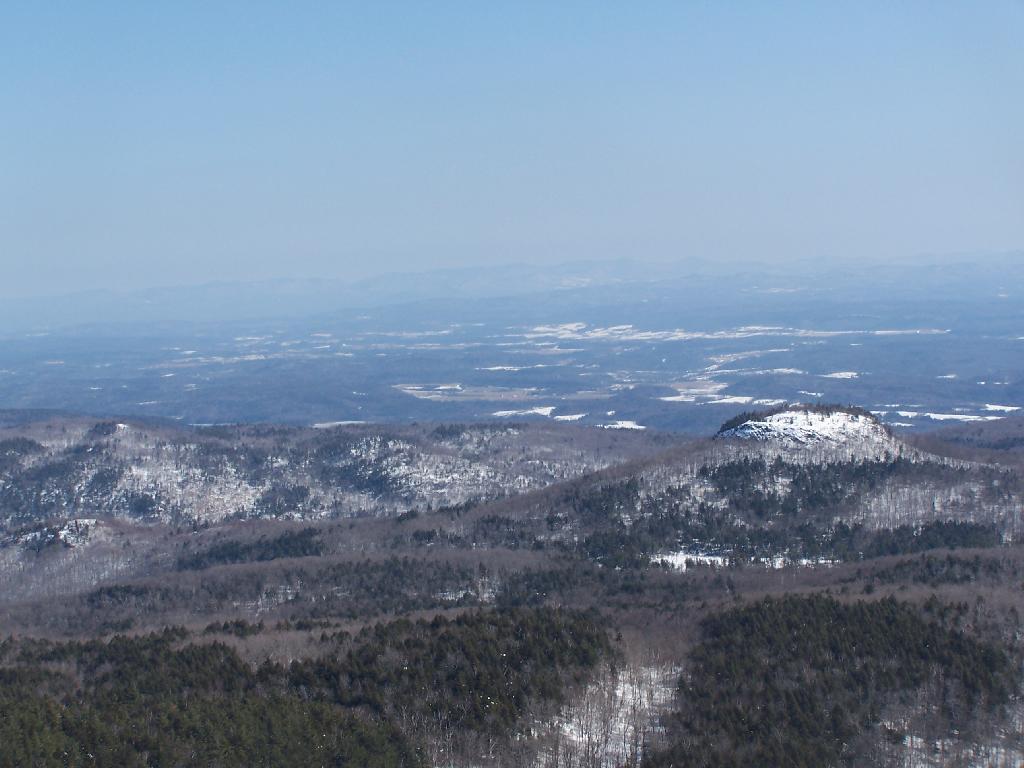
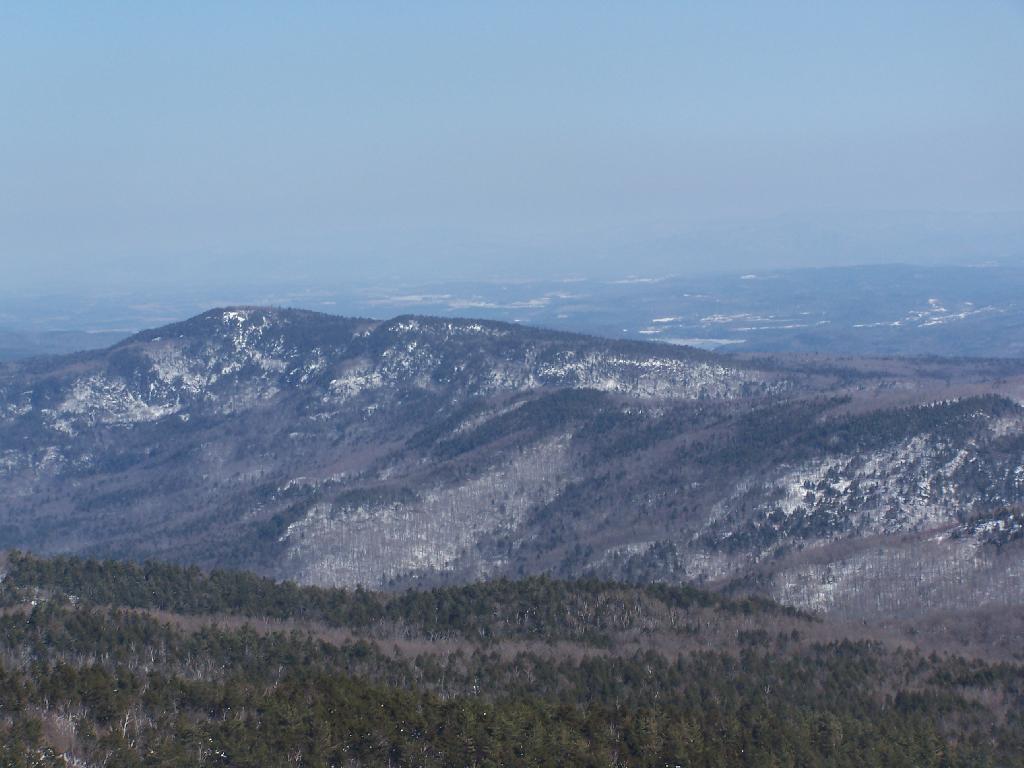
Looking to the North-West off Black Mountain. In the foreground is Sugar Loaf Mountain, and just beyond that is the “Drowned Lands”, the marshy farm lands surrounding the southern portion of Lake Champlain. Even further beyond that is the Green Mountains in Vermont.


![Untitled [Expires May 4 2026]](https://andyarthur.org//data/photo_003800_large.jpg)