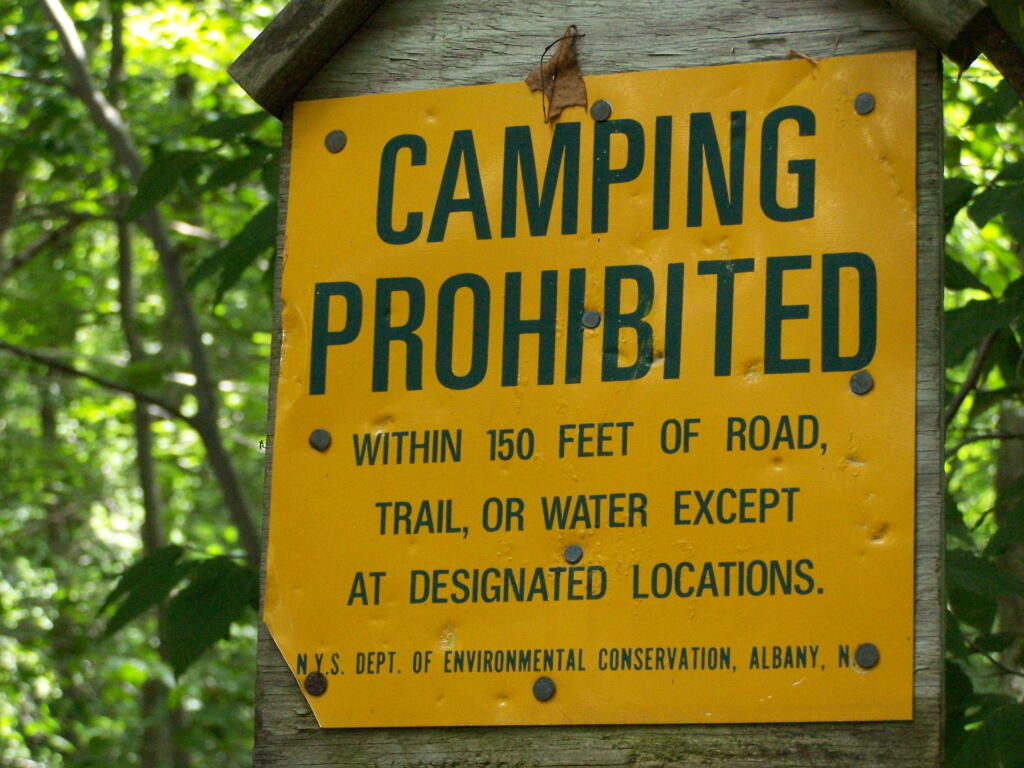
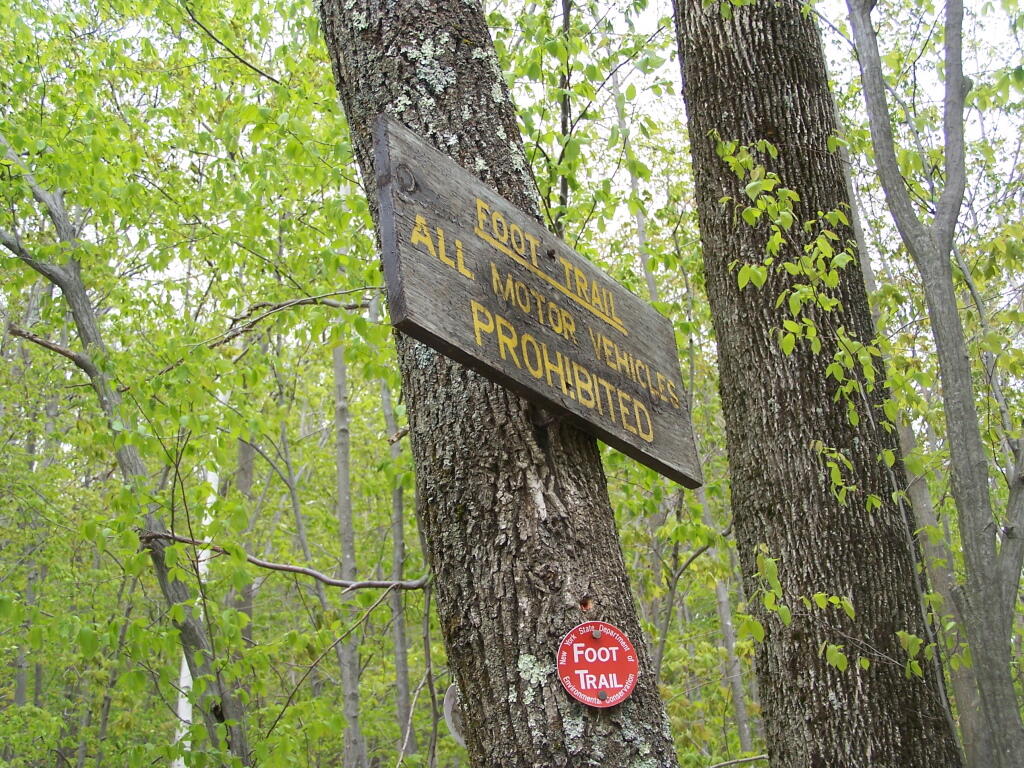
One question I have for the Department of Environmental Conservation, is why is almost all signs that they post phrased in the negative? Why emphasize what is prohibited, rather then what is allowed?
Couldn’t the DEC just have said:
HELP PRESERVE OUR FOREST!
Please camp more then 150 ft from trails, streams, roadways, except at designated locations. It’s the law!
That message is so much more friendly.
Federal Government vs State Government Signs.
And compare these two signs with the same message — one federal (Allegany National Forest) and one state (Black Dome Wilderness):
Could 15 minutes a month make a big difference in how your government is run and allow you to make informed decisions about government policies? With New York’s Freedom of Information Law (FOIL), and a quick email off to your government officials, you can make a big difference.
Under Article 6 of the Public Officers Law, any person can request almost any government document using a quick email to the Records Access Officer that every state agency and subdivision such as counties, cities, towns, public authorities, public corporations, and school boards keep. You can request meeting agendas, meeting notes, email sent from government accounts, studies, maps, word documents, GIS Shapefiles, databases. While there are some exceptions to this law, the reality is most government documents are public property, and can be received through FOIL.
To send a FOIL request, you simply need to …
1) Figure out what your interested in. It helps to know what format the records are stored in, such as Word Processor Documents, Spreadsheets, Email, Database, GIS Shapefile, PDF. You also should try to make the best guess where the data is from, and describe it as possible. You have to accept records in whatever format stored by the agency as they are not required to convert or summarize the record, meaning you need to accurately request what they have or risk being denied access.
2) Go to agency’s website your are interested in, and try to find the Records Access Officer or FOIL request officer or other email. Typically emailing the highest level official in the agency is acceptable if no FOIL information is listed.
3) While not every agency accepts emails, but any that has a capacity to e-mail must accept requests in that format.
4) Write a very quick and simple email to the agency saying:
Dear Records Access Officer:
Under Article 6 of the Public Officers Law (NY Freedom of Information Law), I am requesting the following records:
Any and all emails sent from Commissioner John Smith jsmith@example.state.ny.us from April 1, 2011 through May 1, 2011 with the words “solid waste management” in the body of the email.
The Microsoft Excel spreadsheet, relating to revenue received through recycling programs. I am requesting the April 2011 numbers, as prepared by Solid Waste Specialist Deborah Smith.
Thank you. If you have any questions or need clarification, please email me at joe@example.com.
It’s that easy. You will get a receipt of your request within 5 days. Within 35 days, you will receive the requested documents or reasons for denial of such requests under the limited exceptions of NY Freedom of Information Act. You have the right to appeal such a denial to the records appeal officer, which you should be notified of whom it is when such information is denied. The Committee on Open Government offers advisory opinions to help you understand the law, and cite case law in your response.
I really encourage you to get into the practice of regularly writing FOIL requests. With e-mail it’s easy, and it keeps your elected officials and public servants on their toes. Receiving even one request for information perks up their ears, and more requests makes them realize that the public is keeping a watchful eye over them. Moreover, the records you will receive are both interesting and informative, and allow you to make better comment over public policies in the future.
You can be the hero that saves democracy and get lots of fun government documents for free to your email!
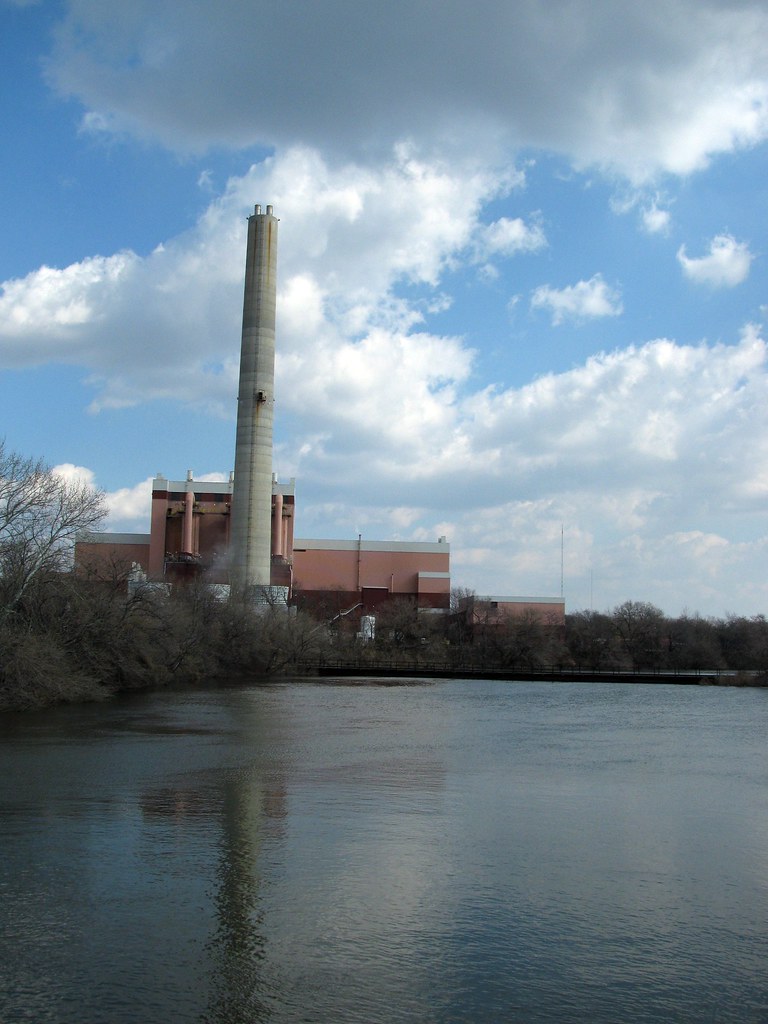
There is a new high-tech device coming to communities across America. It’s being billed as a solution to reduce government waste, create jobs, create “green” electricity, and best of all provide a great way to use taxpayer dollars. It’s called municipal cash incinerators.
Many people have not heard of the concept of burning taxpayer dollars to create electricity. Yet, studies have shown it’s a remarkably good way. Why burn perfectly good coal or natural gas, when you can burn municipal cash? We all know that renewables like solar and wind can not power a society. So there is only one real choice: Municipal Cash Incinerators.
How does this advanced technology work? Using a high-tech process, $1 bills bought using municipal tax dollars, obtained through property taxes and government grants, are burned in a large furnace that heats water to steam and turn a turbine. This turbine generates electricity. Best off all, because money is green in color, it is a green process. Moreover, money spend on cash burners will not be wasted on less productive governmental purposes like roads and schools.
There are many good reasons to burn municipal cash:
For one, if government starts hoarding $1 bills rather then storing the money in a normal bank account, city halls across the country would be overwhelmed with all this paper cash.
If this cash was used for productive purposes it would continue the money in the economic cycle and help drive inflation up.
Many conservatives feel that inflation is the biggest risk facing our society today.
Some activists are complaining about municipal cash incinerators. They say it’s stupid to burn taxpayer dollars. Some are even suggesting that constructing municipal cash incinerators is an outright fraud, a stealing of people’s hard earned dollars. So what? Government has to spend the public’s money somehow.
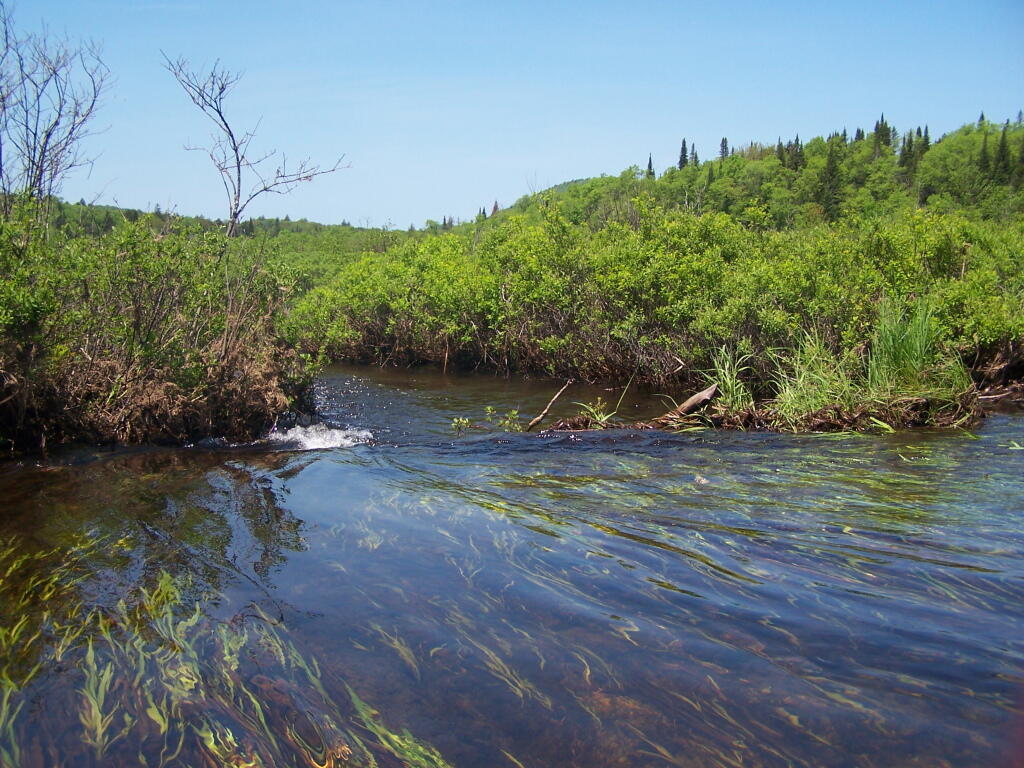
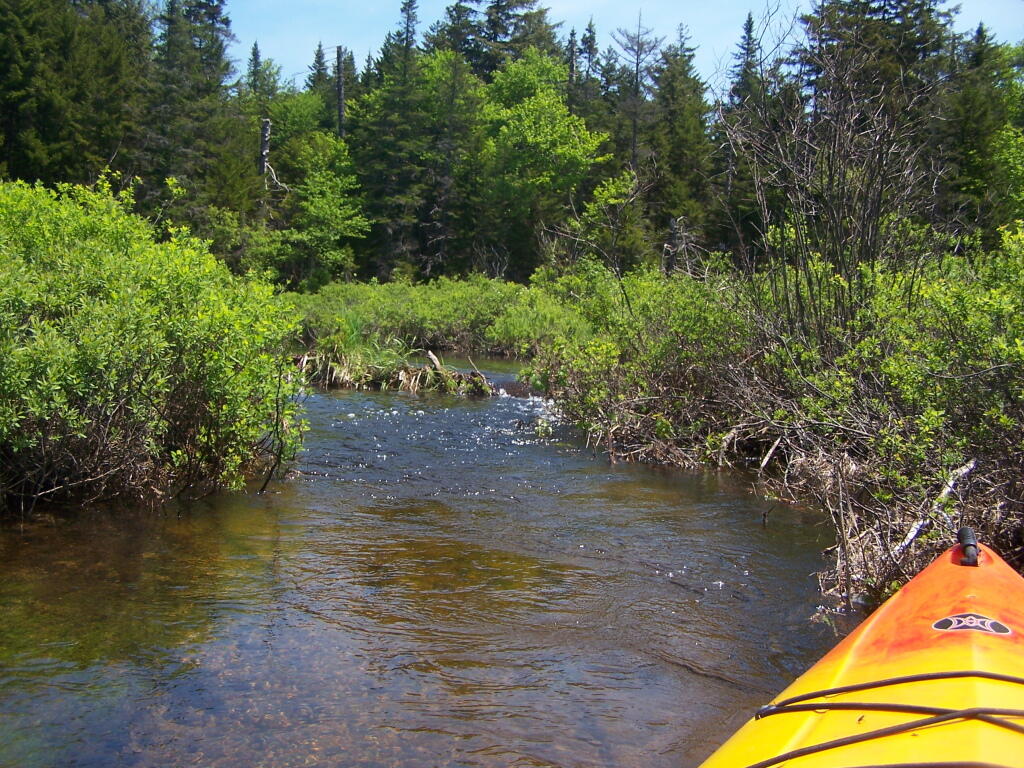
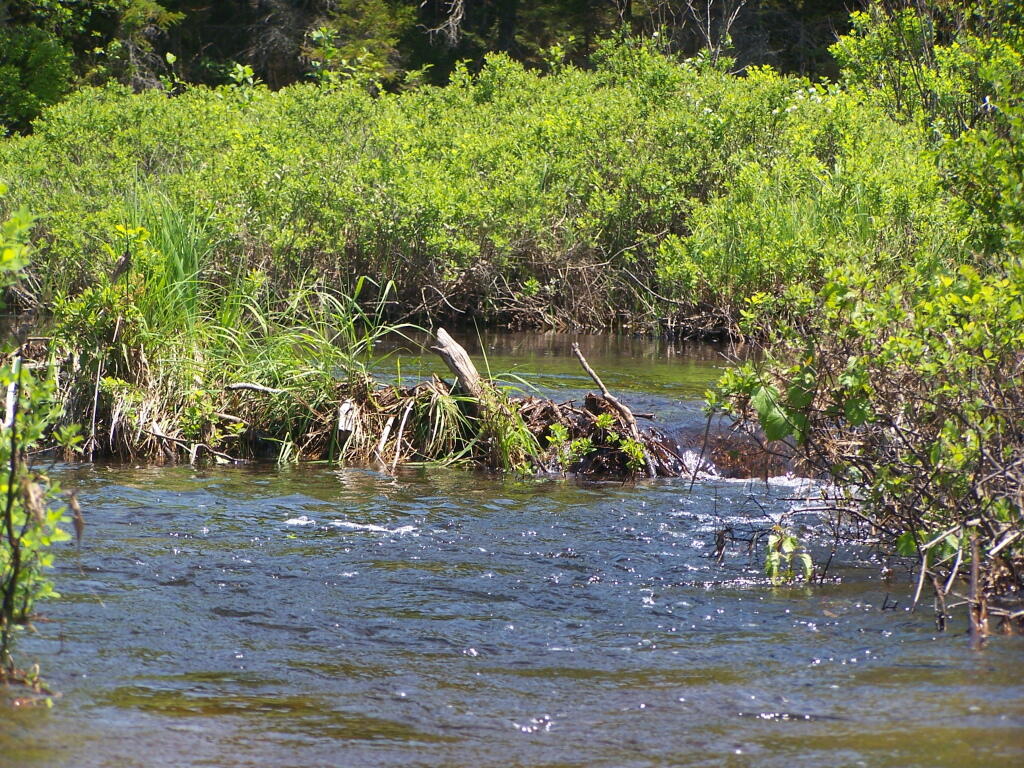
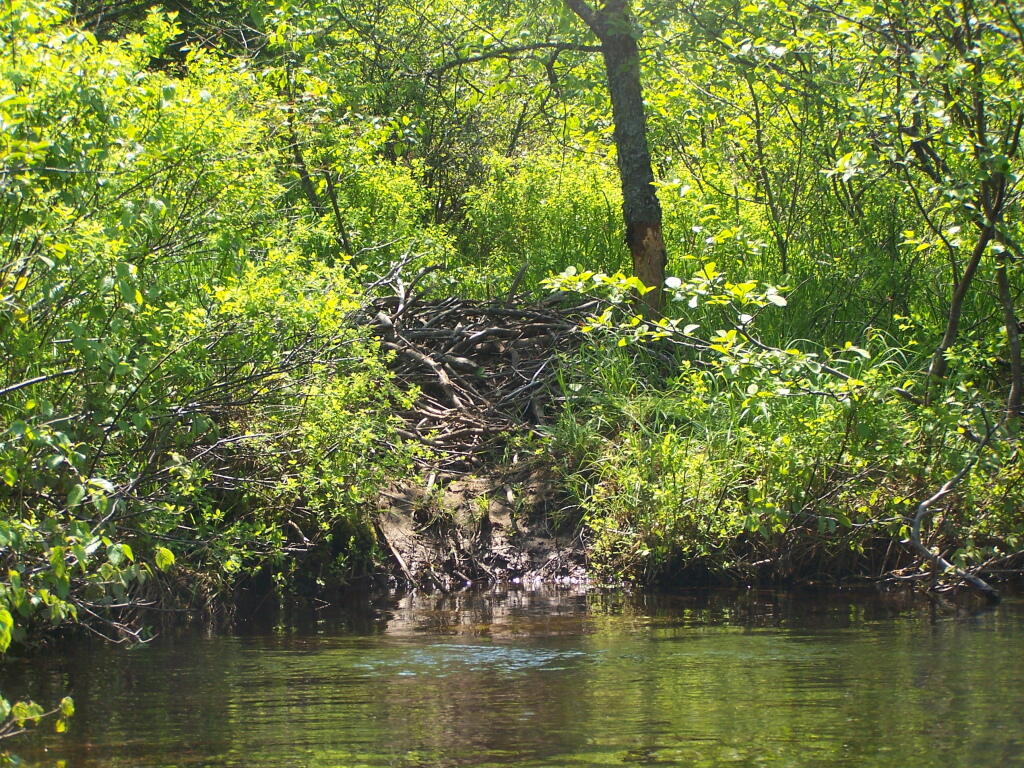
Here are two different maps of Powley Place, the portion of the East Canada Creek that is navigable for a couple of miles, bar the beaver dams you’ll either have to portage around or go right over.
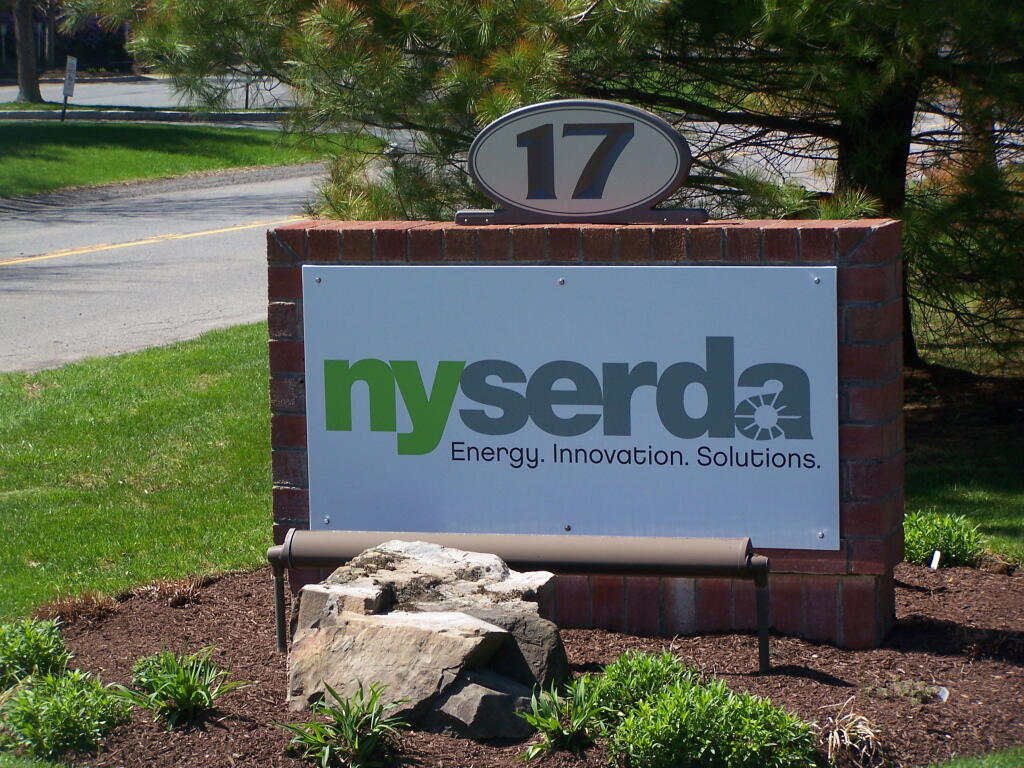
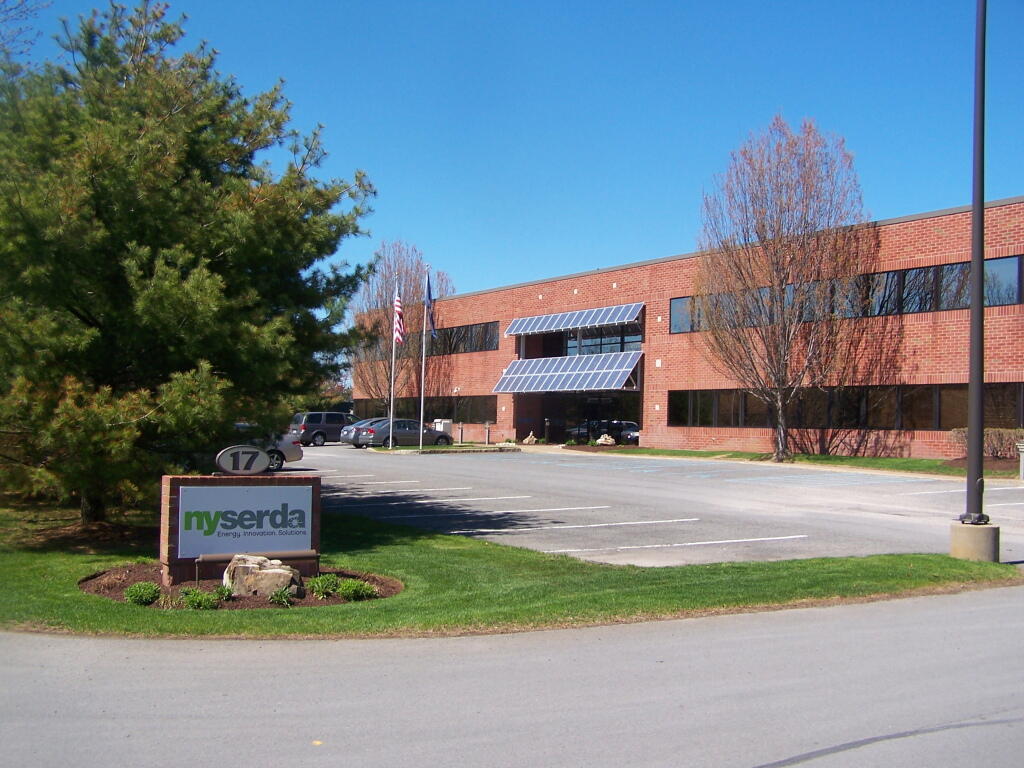
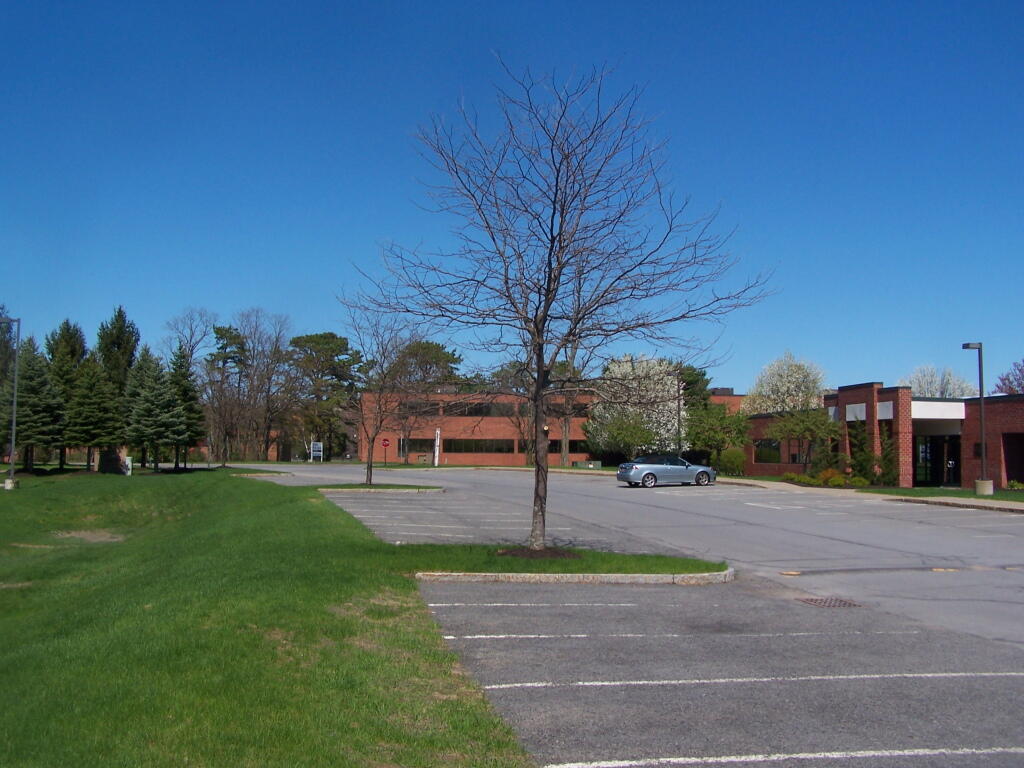
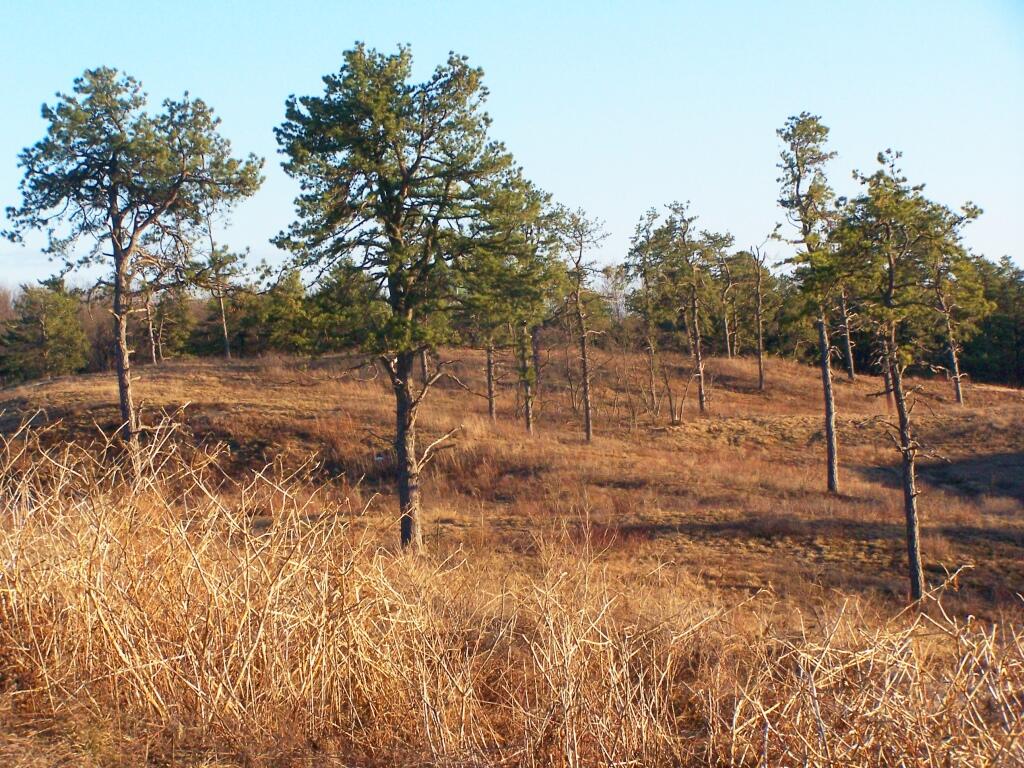
One of the things that bothers me is that NYSERDA, the New Yor State Energy Research and Development Corporation is located in the Albany Pine Bush in Corporate Circle, in a location primarily serviced by automobiles with minimal if any bus service through the CDTA ShuttleBee. Based on NYSERDA’s location, it is highly unlikely that any employees or visitors ever come to it using mass-transit. Most employees use gas guzzling private automobiles.
At the same time, there is a large amount of vacant office space downtown, that should be put into use. It’s quite possible that there would be sufficient room to move all of NYSERDA’s operations to a portion of 625 Broadway, home to the Department of Environmental Conservation and Environmental Facilities Corporation. With recent layoffs and the hiring freeze, there probably is ample space in there.
If not, as New York Times recently documented, the 12 floors of the Corning Tower that are currently sitting vacant would be an ideal place for NYSERDA. Quite a bit of scientific research and bureaucratic work gets done in the Corning Tower by the Health Department and Health Services Corporation, and it seems only natural for a public corporation like NYSERDA to consider locating to this location.
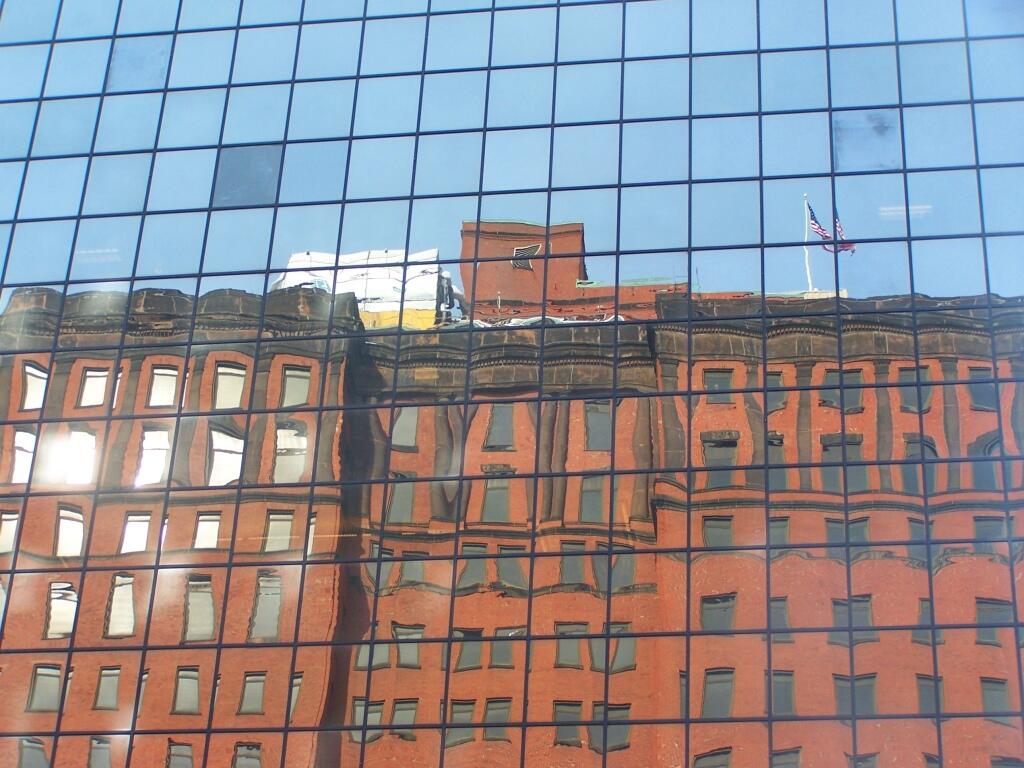
Alternatively, NYSERDA could consider renting a private building downtown like the Arcade Building. Many of these buildings have been vacant for a long time, and it’s possible that the rent they could get is far below what they paid for the sprawl rent in the Albany Pine Bush. While they wouldn’t get the parking spaces next to their offices downtown, what they would trade that in for would be less air pollution and lower energy consumption.
NYSERDA Should Be Setting an Example …
Rather then focusing on super-cars that only wealthy state bureaucracies can afford, they should be focusing on promoting compact communities serviced by mass-transit. While NYSERDA can’t force it’s employees to live in Albany, nor should it necessarily do as such, it can promote the benefit of having a workforce that works downtown in a highly energy efficient fashion.
The agency can promote the ease and convenience of working downtown, along with the energy and time savings. By not including significant parking in their relocation, they encourage employees and visitors to come using mass transit. NYSERDA could go farther and educate all existing and new employees about the many Park and Ride sites and bus service in the Capital Region, along with providing discount or free bus passes to all employees and visitors.
We need to think seriously about investing more into mass-transit . Transit is the future for our urban-areas, and all large employers of the future need to be located near transit lines that are regularly serviced, and reduce employee’s commuting distances.
… NYSERDA: It’s About Making Smart Energy Choices.
As all park land (including local parks, county parks, state forests and forest preserve) in NY State belong to all of the people, it is important that they remain in the hands of the people, for all to use and enjoy for all times. Only under specific circumstances can government take park land away from the people, and when they do, they must always replace it with some of comparable or greater value.
Today’s fodder is an excerpt from the Alienation Handbook put out by Office of Parks, Recreation, and Historic Preservation.
The following have been determined by the courts to be alienations:
The conveyance, sale, or lease of municipal parkland or recreational facilities to another entity, such as an adjoining property owner, a developer, or a school district, which results in the facility no longer being used for public park and recreation purposes.
The lease of municipal park or recreational facilities even though the resource may continue to be used for public park and recreational purposes.
The use of parkland by a municipality for a non-park purpose, such as for a water filtration facility, a landfill, a museum, senior housing, temporary parking of police or municipal vehicles, or street construction.
Restricting to local residents the use of recreational facilities that had previously been open to all persons.
Failure to keep a public park or recreational facility equally open to the public. A public park or recreational facility must be open to the public on an equitable basis. Where availability of public facilities is limited, such as with ball fields or marina berths, the use of facilities should be determined by some method which gives everyone the same opportunity for access, such as assignment on a “first-come, first-served” basis, or by using a lottery system.
These are considered to be non-alienations:
The construction and subsequent issuance of a revocable license for the operation of a park facility such as a cafe, snack bar, parking, or for a boat rental service which serves park patrons in connection with their use of the park.
A revocable permit for the use of park facilities for a special program or function, such as an arts and crafts fair, or a permit of greater duration for the temporary use of park facilities which are not otherwise being used by the public. The permit should contain a provision that it may be revoked at-will by the municipality. A temporary use should not be allowed to lapse into a permanent one.
The operation of a public park or recreational facility by a private concern. A public park and recreational facility need not be operated by a public entity, but may be a facility operated by a private, profit-making concern on behalf of a municipality under a lease or license agreement. To remain a public facility, the agreement must serve a public purpose, and must not result in exclusively private use. Also, the use must be one that is compatible and appropriate for the park or recreational area in question.
Charging ìuse fees, as long as they are reasonable and non-discriminatory. Where use fees are charged, whether by a public or private operator, they should not be in excess of those charged for comparable facilities in the area. A municipality may charge persons who are not residents of the community higher fees than it charges to residents, but case law suggests that non-resident fees should not substantially exceed the comparable fees assessed to residents.
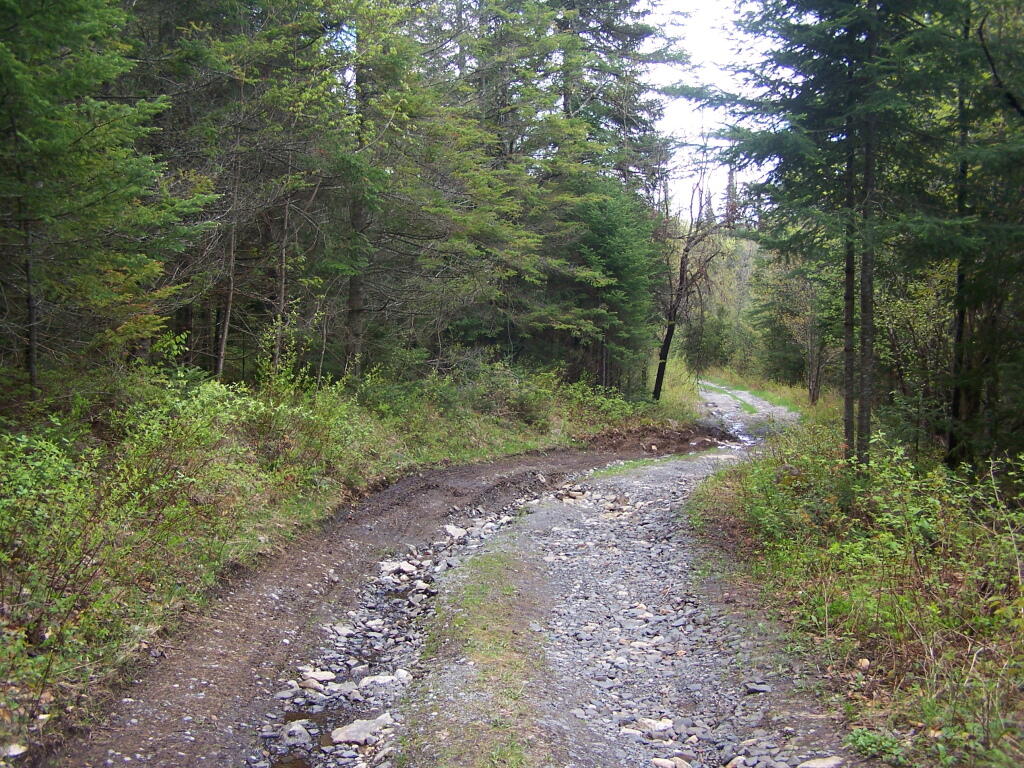
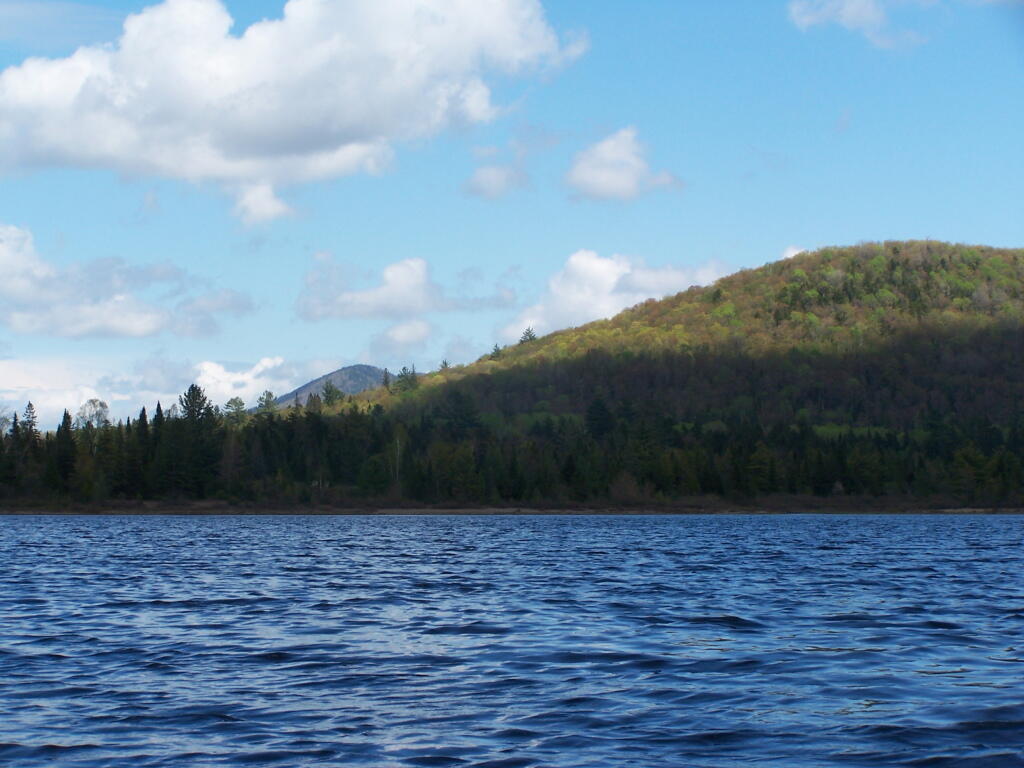
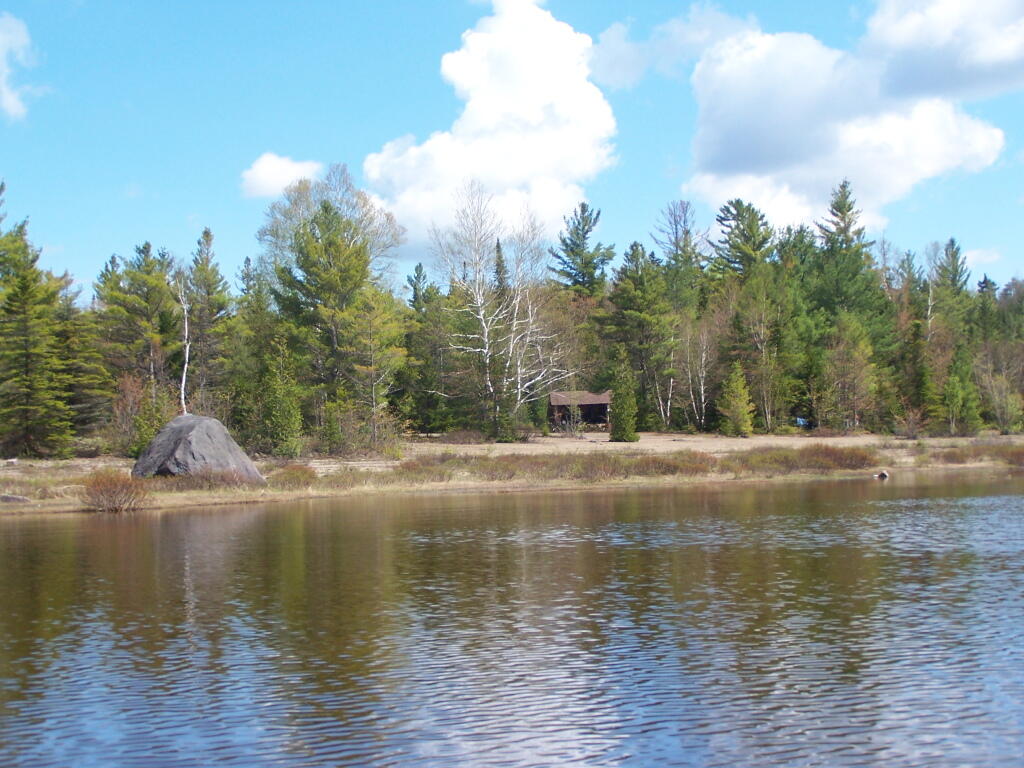
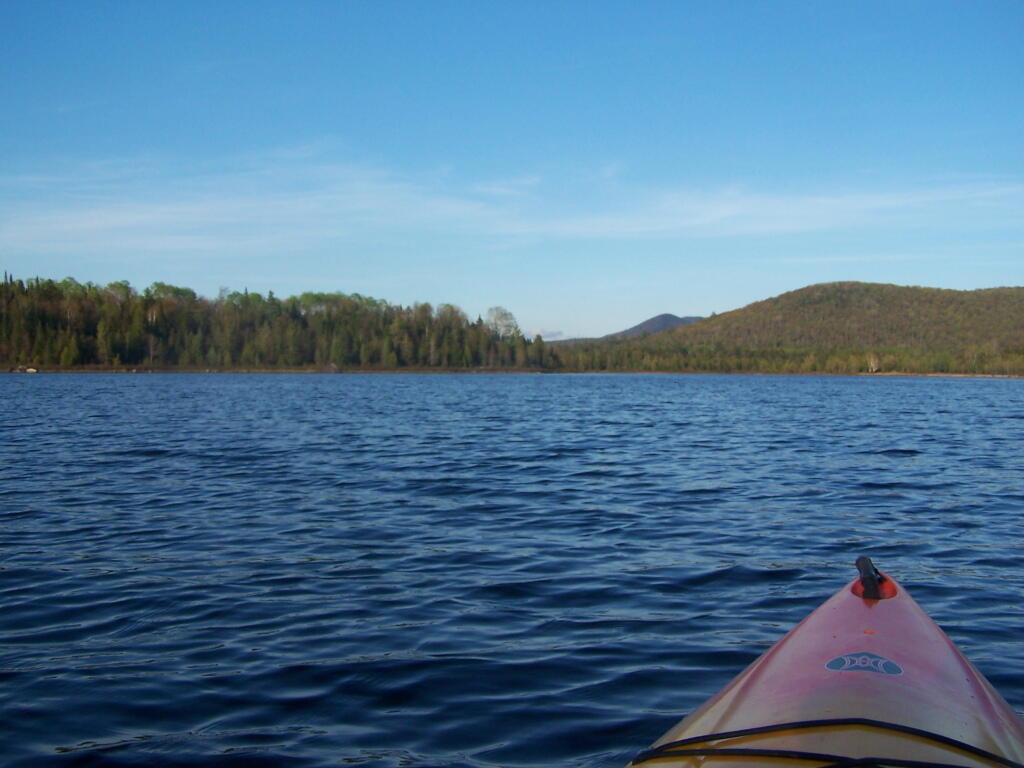
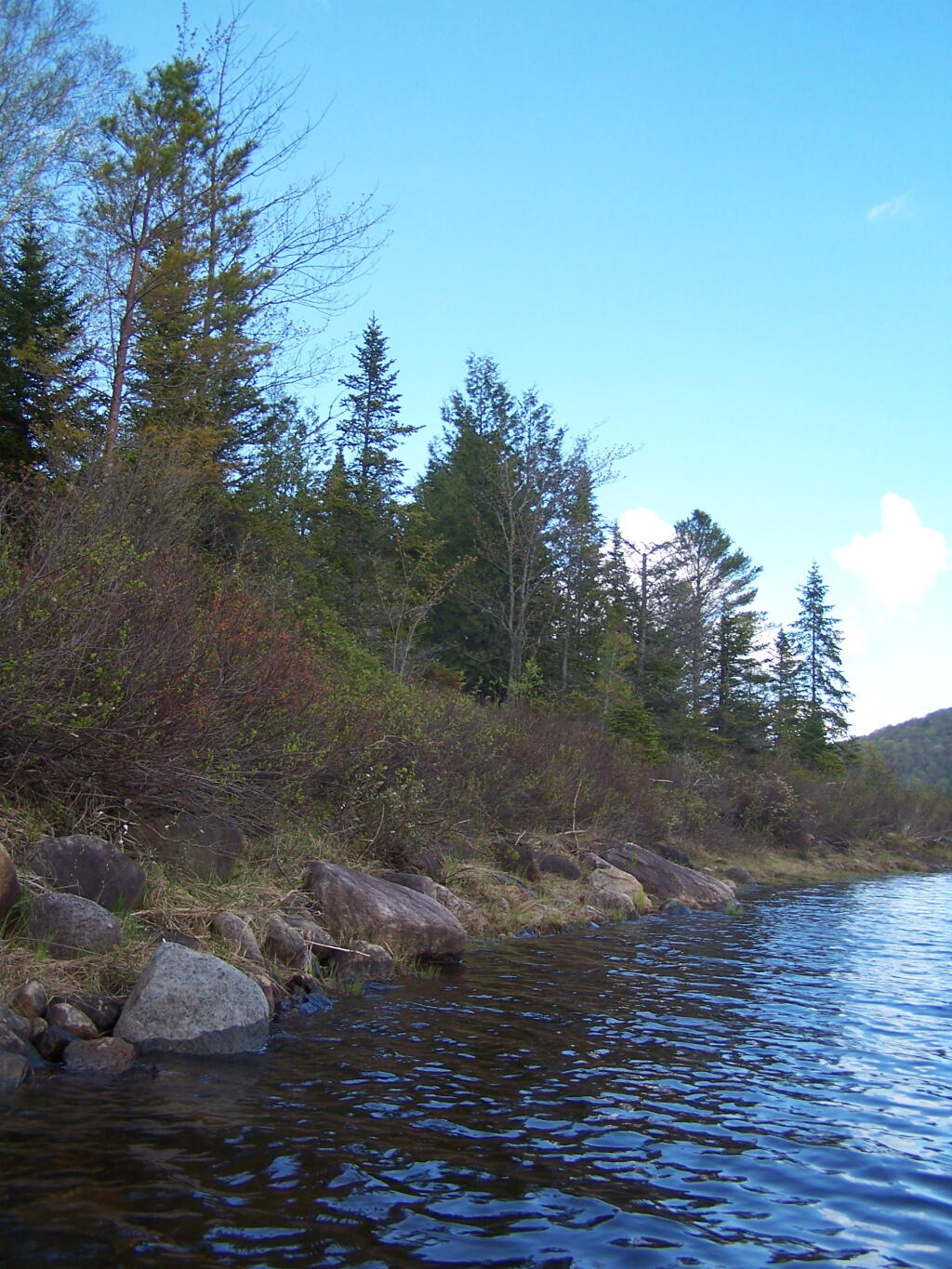
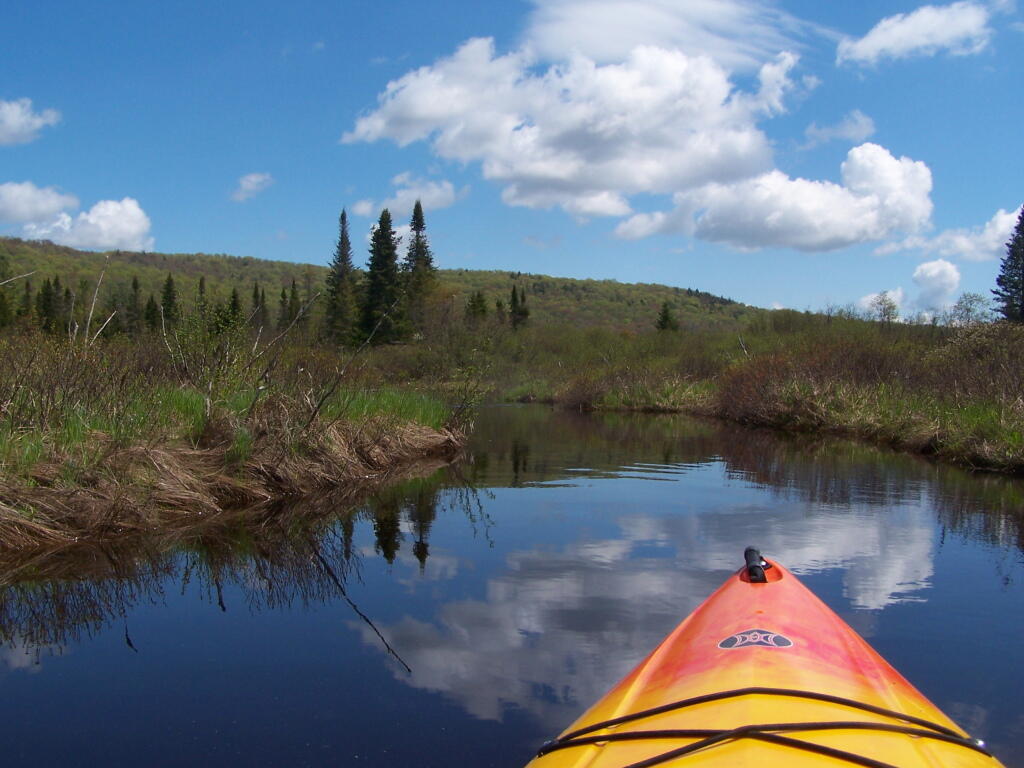
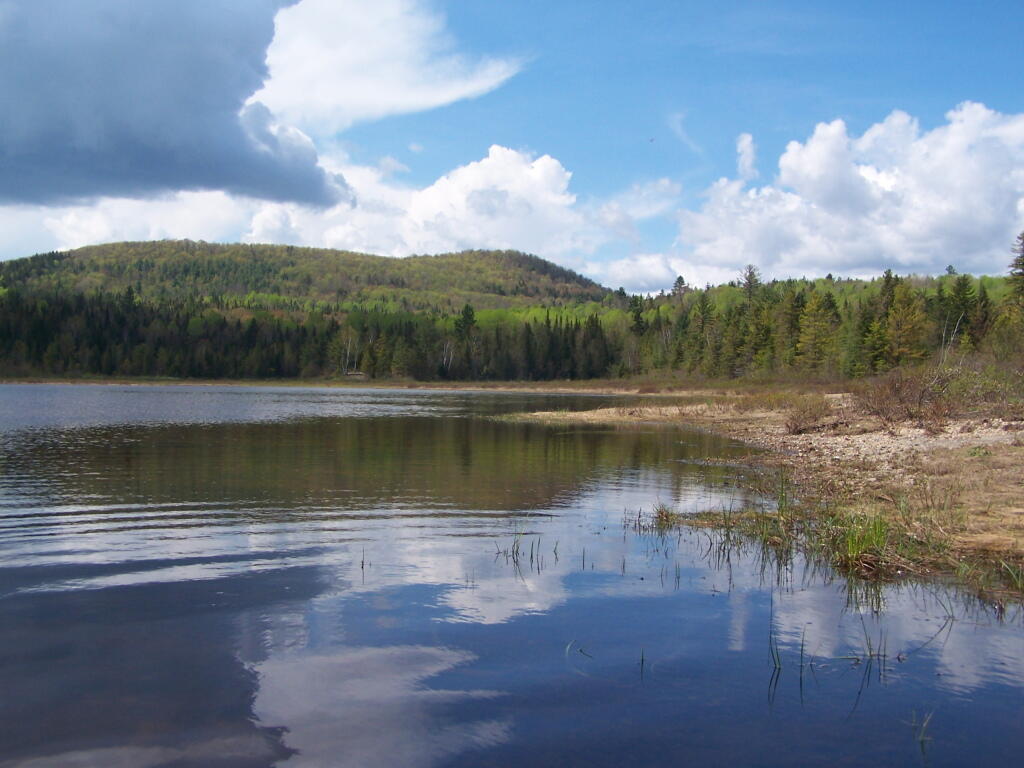
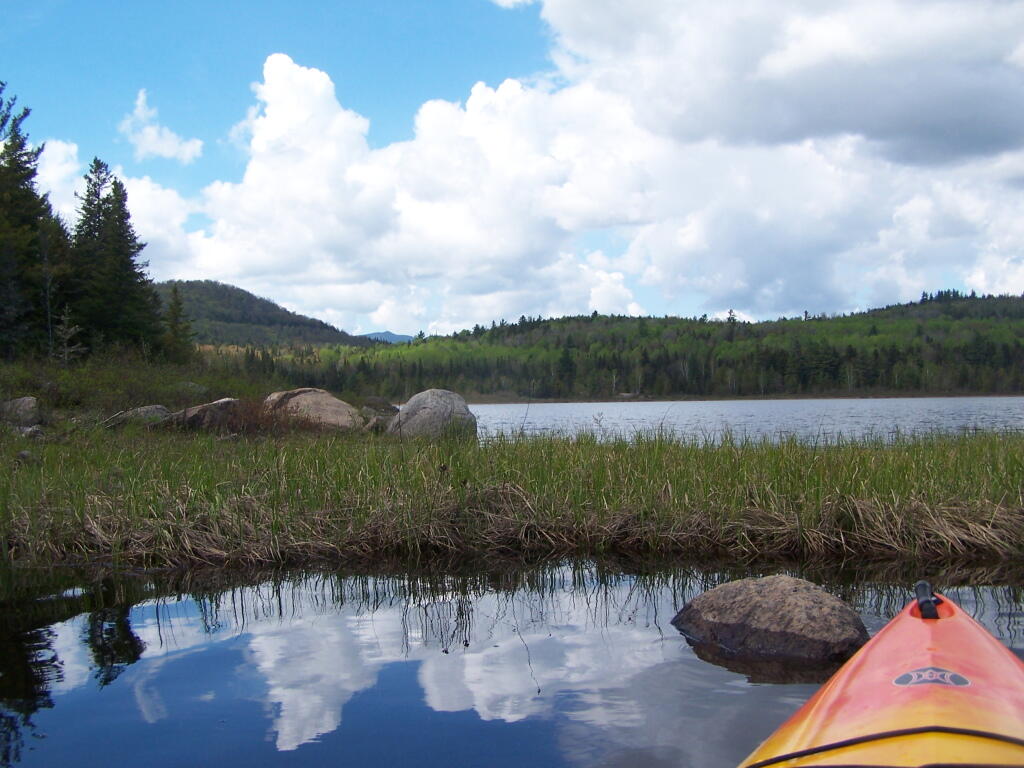
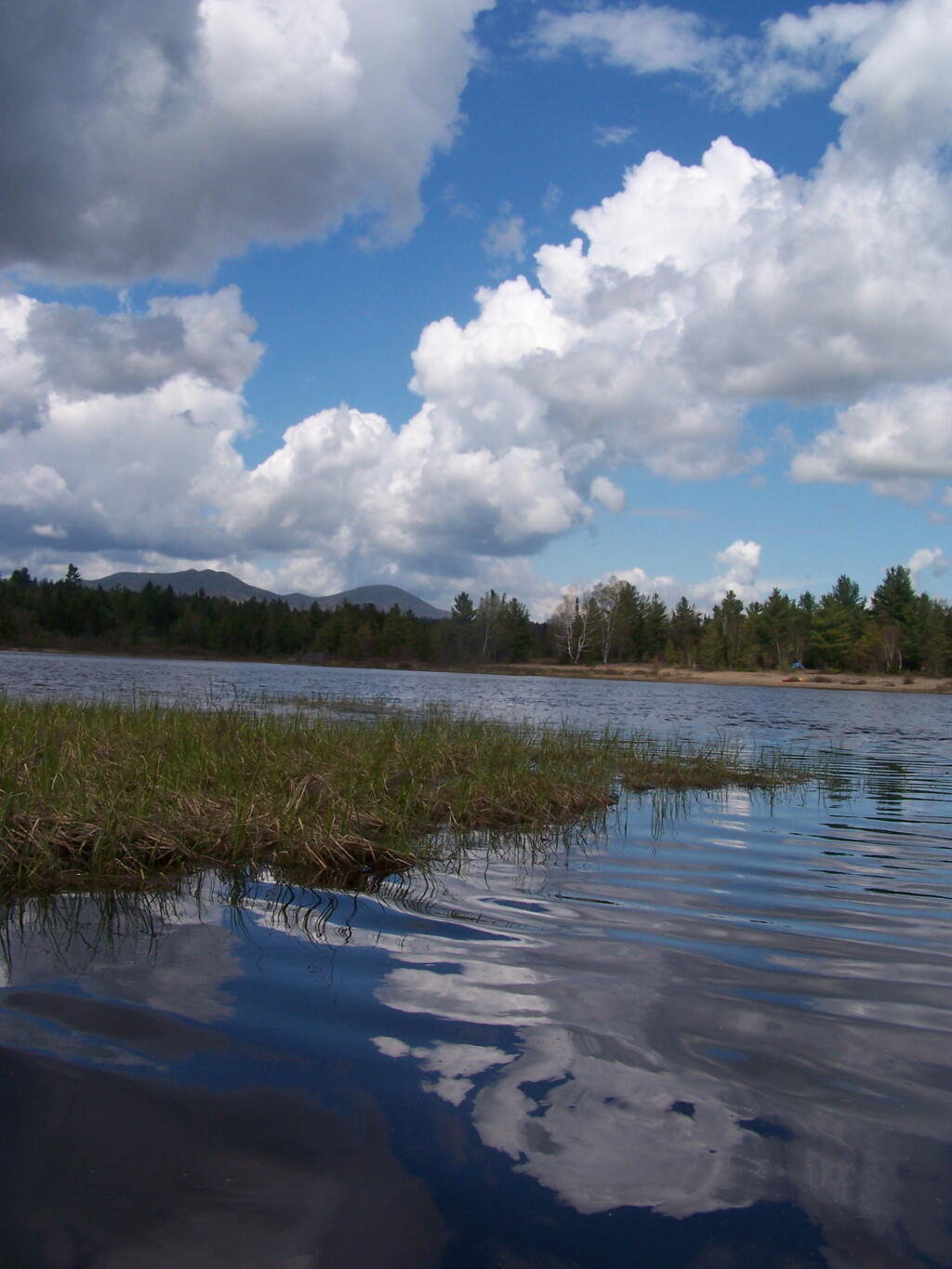
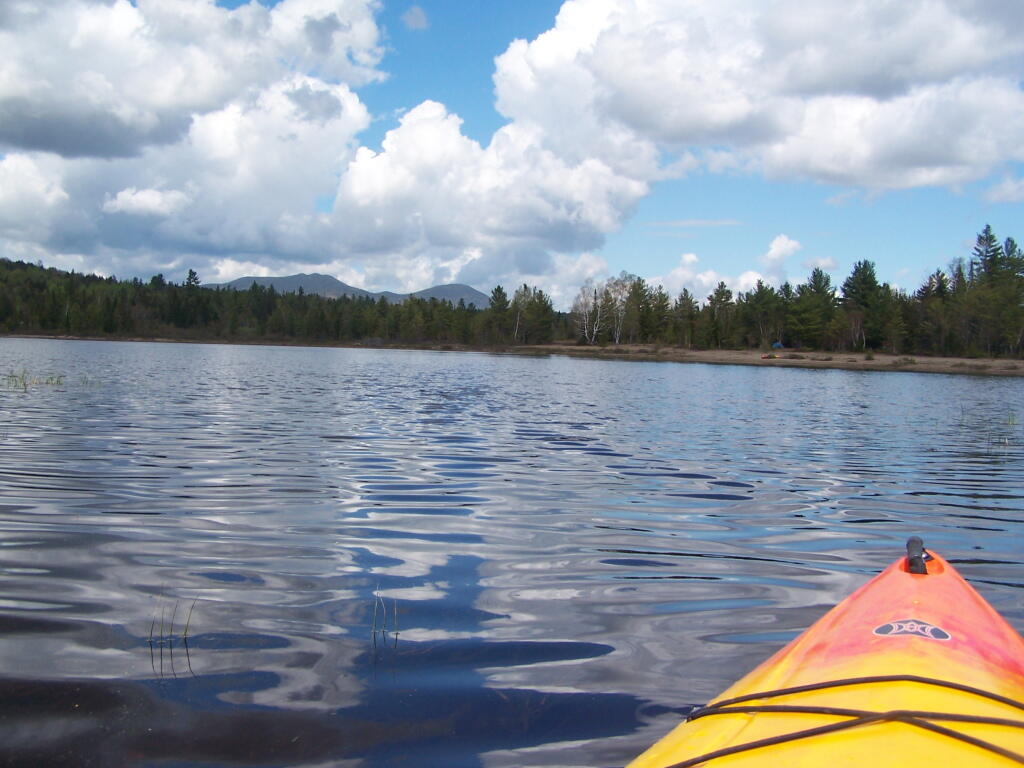
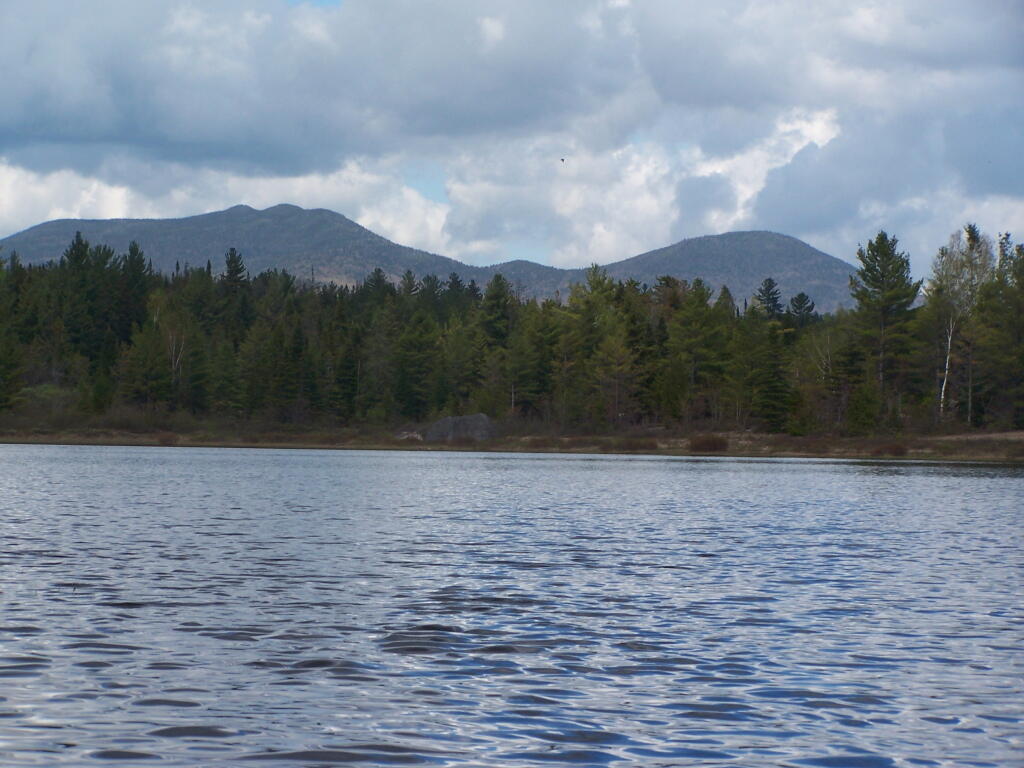
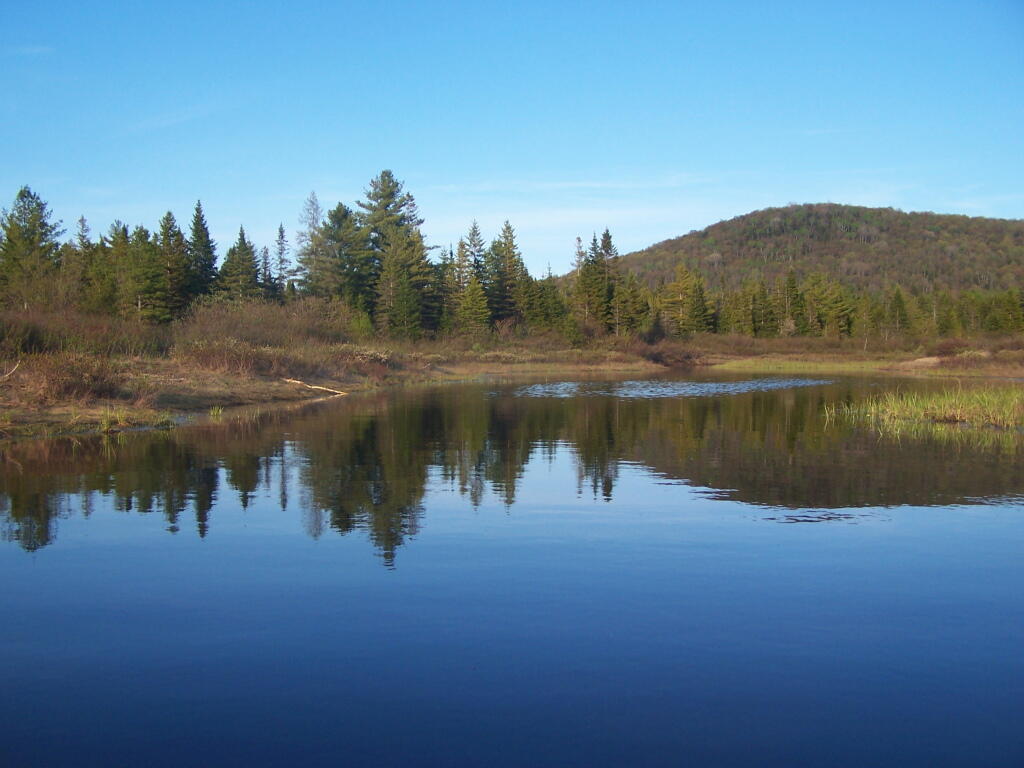
Cheney Pond Road is a dirt road off of Boreas Road, about 15 miles east of Newcomb. It is a rough road, with the pass year’s washouts, don’t try it without a truck. It will take you a rather pretty lake and damed up river you can paddle around.
Here is a printable map you can click to see full size then download.
And now down as Cheney Pond…
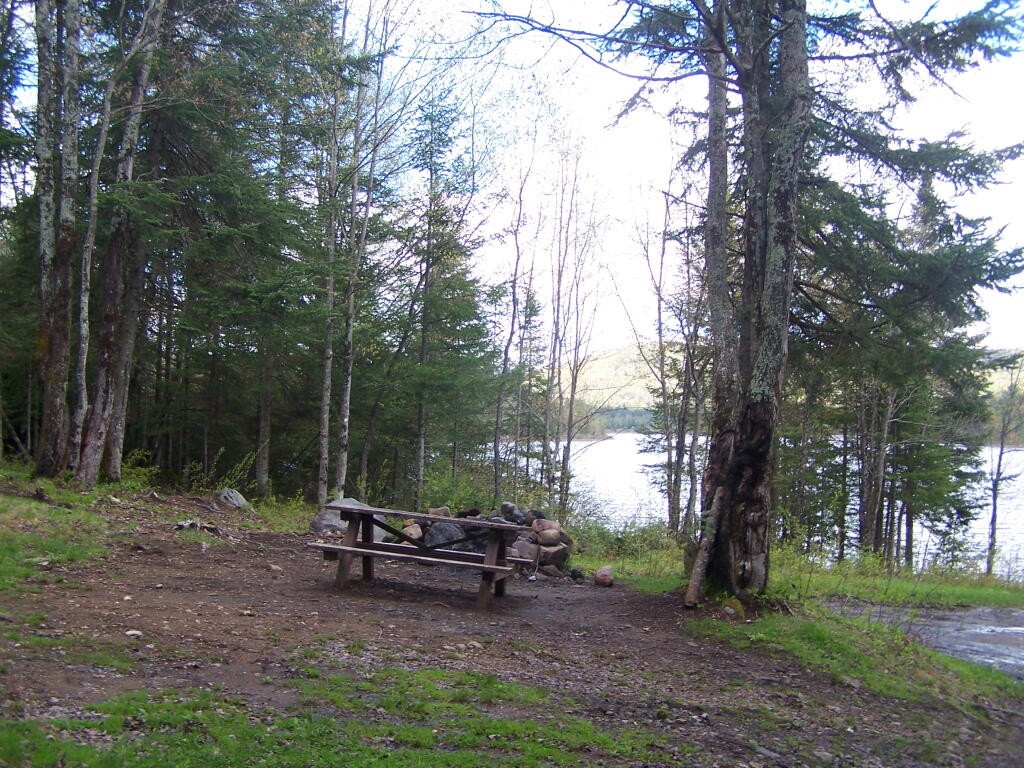
If you want to spend the night, you can roadside camp at a site with a picnic table and outhouse, tent camp at an “informal” campsite with a fire pit near the lean-to or camp in the lean-to. None of the campsites at Vanderwhacker Wild Forest have “Camp Here Disks”.