Lately there has been a fair bit of discussion about the mass-murder shootings, that usually occur in large suburbs, with populations greater then 100,000, located outside of large cities. Not only do these happen in large suburbs, but often the outer rim of the suburbs, towards the rural fringe, where some of the newest suburban housing is located.
Much of the discussion has been over gun control and accessibility of guns in many households. Yet, if gun ownership was the problem, then most mass murders would come from rural households where gun ownership and hunting is far more common on the farm and forest lands. Yet, that’s not where the majority of mass murders come from.
It’s the suburbs. Usually the outer suburbs, usually home to the most politically, and especially socially conservative Americans. The outer suburbs tend to be not only very white and wealthy, but also outspoken on issues of prohibiting gay marriage and abortion. Mega-churches preaching gospel from Walmart sized and styled cathedrals dot the landscape.
Yet, being a social conservative is not what makes one a killer. Plenty of rural folks are conservative after all, yet they don’t kill. Rural churches often preach very conservative views too. Those folks don’t kill much besides deer and turkeys. What does make a killer is living in vast spiritual wasteland known as the mega-suburbs.
The Mega-Suburban Environment.
Mega-suburbs are basically a mid-size city scaled up to the automobile-size, with private detached houses with yards, on endless sets of cul de sacs and parking lots. Land use is strictly segregated, with housing in one location, retail outlets in another, and office parks in finally another. Everything is massive to accommodate a large population, yet isolating and impersonal.
Life has no style or passion in such locations. It’s all about Keeping Up with the Jones, having the new big house, the new big car, and all things else built with plywood and vinyl siding. It’s about the good paying job to pay for all these expensive things, and try to provide your kids with a “better life” in the suburbs. Life is boring and repulsive.
In these mega-suburbs, typically everything is connected by massive connector roads with 6-8 lanes with endless stoplights, bordered by retail, and often overcrowded but underbuilt 2-lane secondary roads. Folks drive everywhere, greatly cutting down on interaction with one and another. People spend multiple hours a day stuck in traffic and fighting for a parking spot at the shopping center. Never meeting another person through much of days activities, it’s easy to develop hostile feelings towards others you don’t interact with except from within the confines of an automobile.
The Mega-Suburban Fascist Police State.
At same time, mega-suburbs tend be governed draconian governments that try to regulate every part of one’s lives, to keep the “quality” of the community up. Every mega-suburb has very detailed zoning codes that try to keep up appearances of endless vinyl siding houses, and strip malls, over the pretend value that it increases neighbors property values.
With the masses of faceless people driving on crowded but large highways, strict anti-road rage and speeding laws must be strictly enforced by the police. Bored teenagers, wandering the streets, must be strictly disciplined by the police, because there are no parents or neighbors outside to watch out for the kids. Cameras dot the streets of the mega-suburbs, because people are afraid of crime, real or imagined. The police presence is always very noticeable in mega-suburbs.
Life in mega-suburb is a life of government fascism. People in mega-suburbs often have no interaction with their legislative bodies, except maybe to vote to pro-business and pro-growth conservatives in the fall. They feel they need the security provided by an overbearing police force, and complicated home security systems. People are paranoid and scared living in the mega-suburbs, fearing others will take all that they’ve worked so hard to obtain.
The Mega-Suburban Nature Deficit.
Mega-suburbs, while often close to corn fields, farms, and rural areas, have little contact with areas beyond the urban-rural interface. Most suburbanites never go past it, and if anything view the rural folks beyond the urban-rural interface to be little more then under-educated rural idiots.
Mega-suburbs have parks, but they are usually just highly developed recreational areas for use solely by paying and structured High School football and softballs teams. They are not for relaxation or nature enjoyment — but always developed and highly controlled activities. There is no getting away from it all — except in one’s own home — where the stresses of home and feelings of isolation creep in.
The Mega-Suburbs Are Scary Places With Scary People.
Folks who live in mega-suburbs rarely get out of highly controlled environments, where informal interactions are rare. In the mega-suburbs, people don’t pass each other on streets without 2-tons of steel wrapped around them. They don’t interact with people except in office complexes, or at Credit Card checkout lines at mega-Walmarts.
In cities, folks walk down streets, ride public transit, and interact with people at small bodegas and shops. In rural areas, people attend small personable churches, know their neighbors, and shop at places with familiar faces. In contrast, the mega-suburbs lack any kind of personal interaction, without highly regimented rules and government controls.
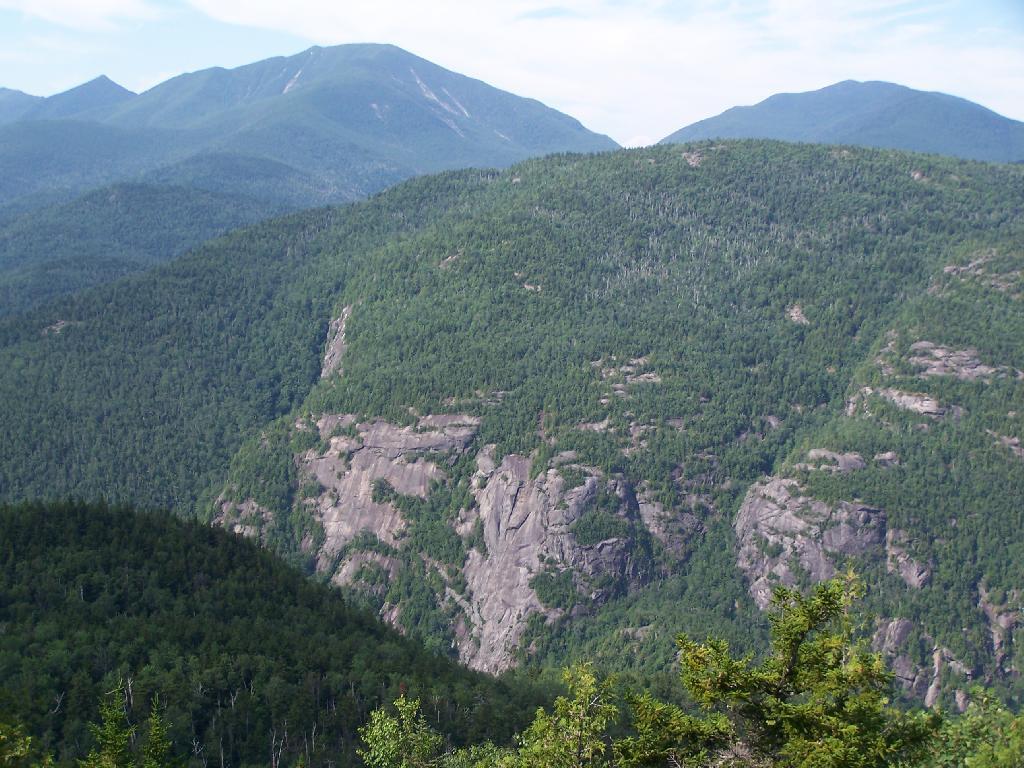
While this is a re-run of a couple of years ago, and the data is somewhat out of date with the addition of the Essex Chain of Lakes, it still gives a good overview of the public lands of the Adirondacks.
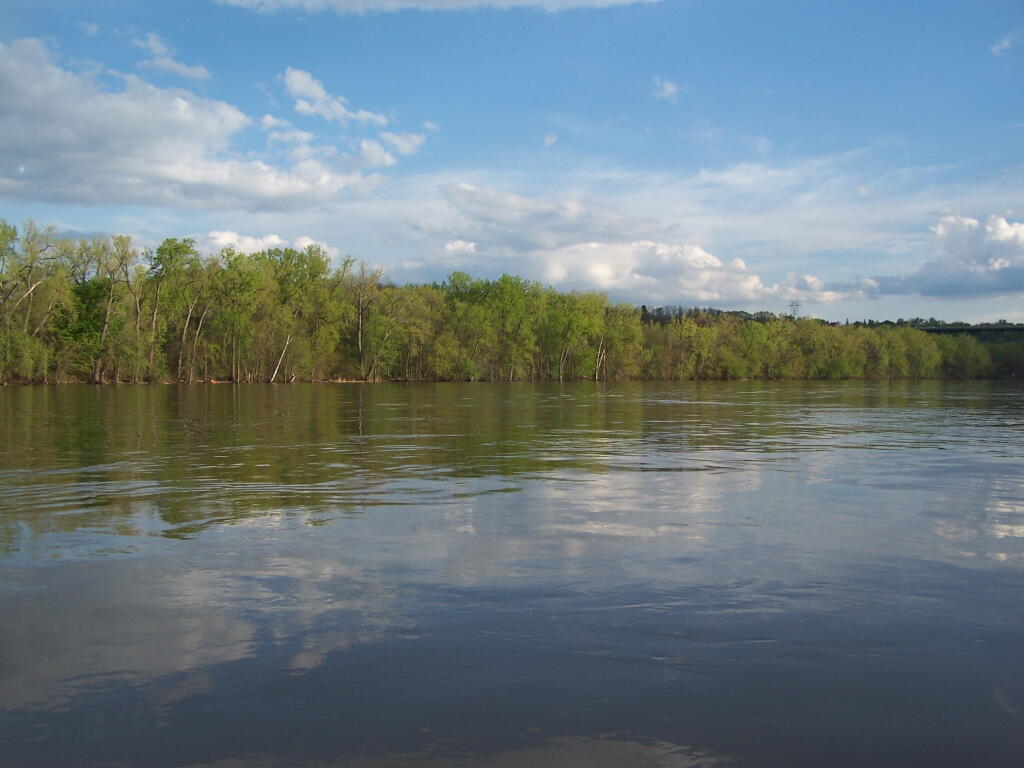
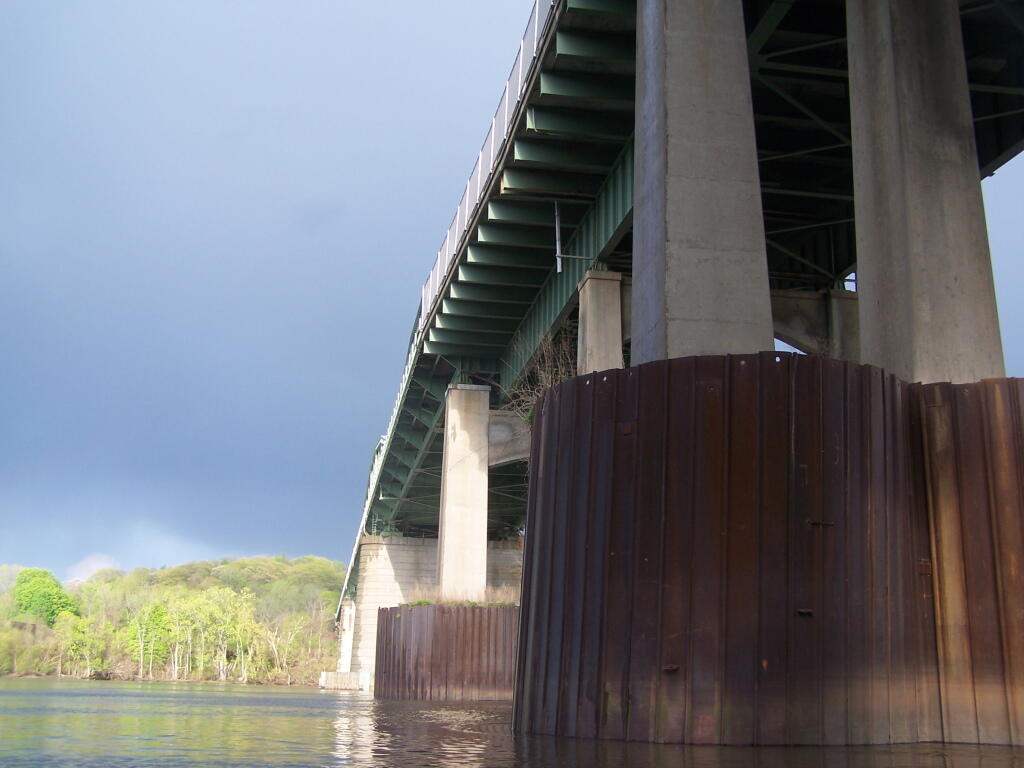
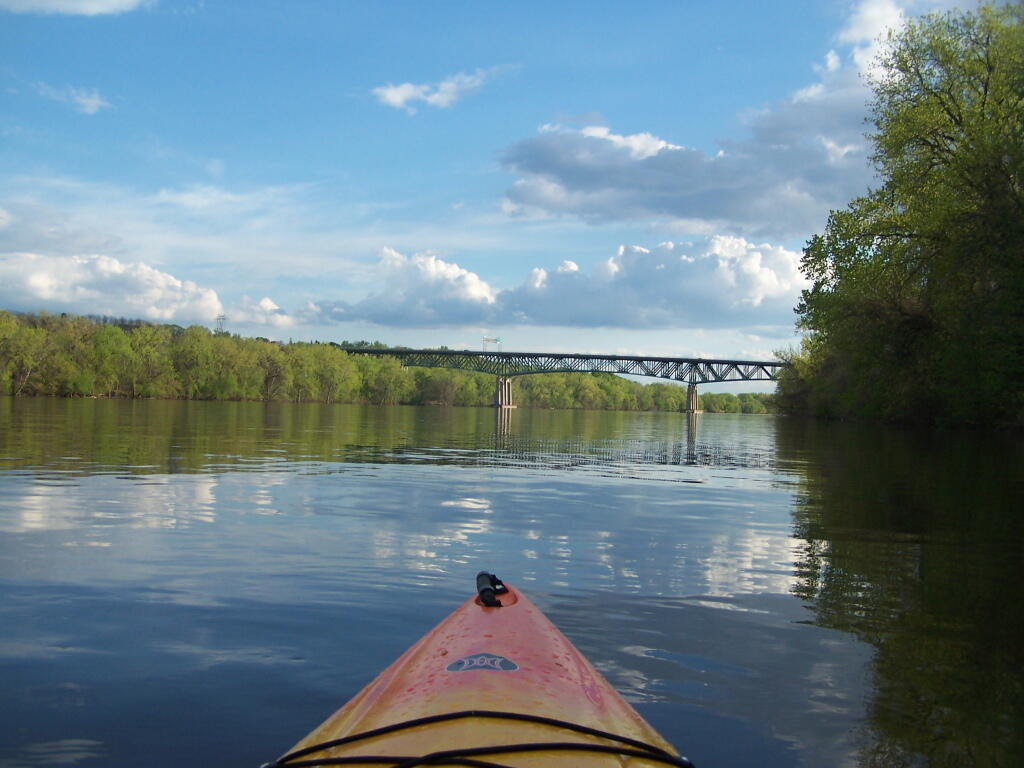
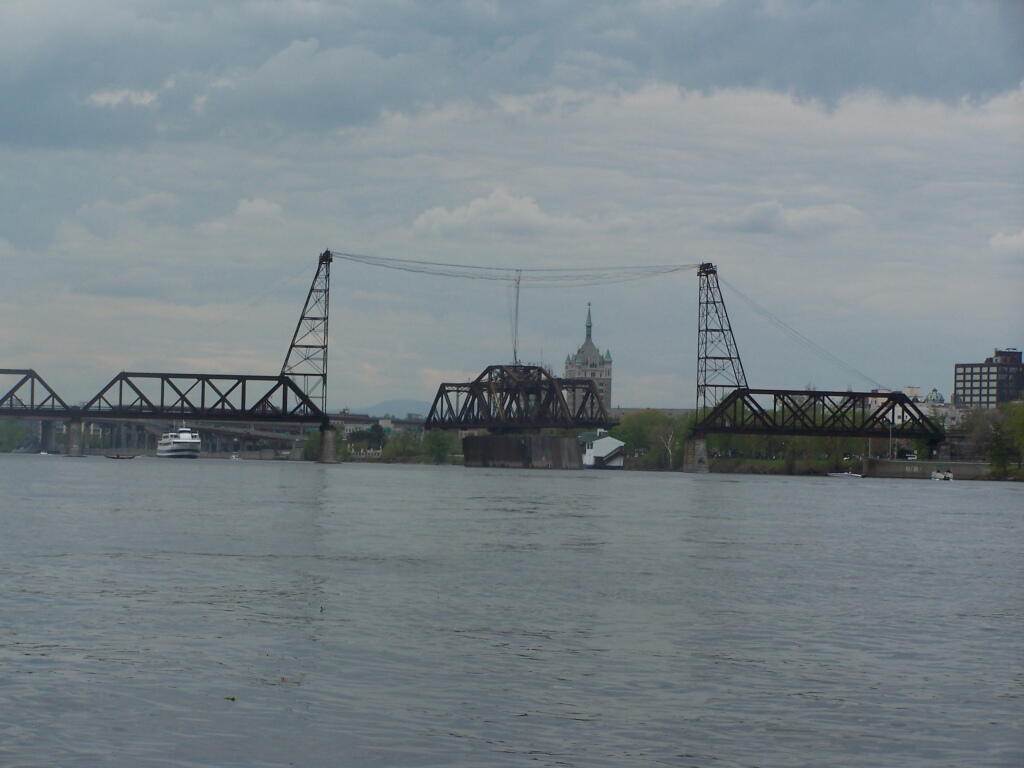
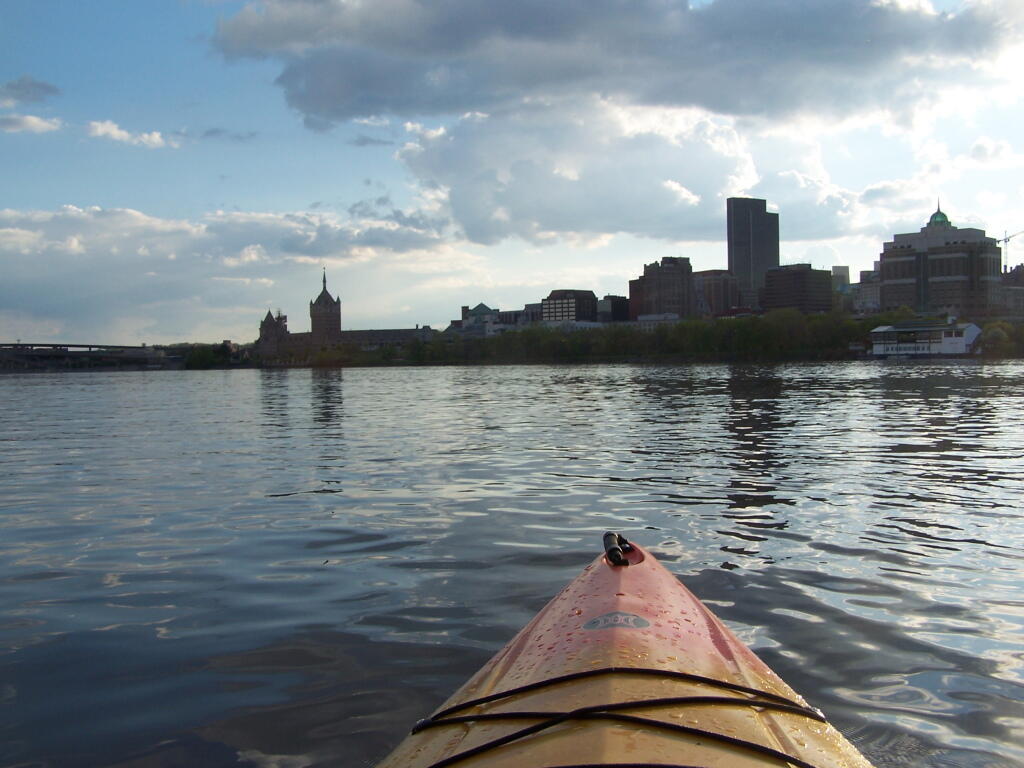
Most people have probably never kayaked between Albany and Troy on the Hudson River. Yet, it’s a trip one should make, because it’s both fascinating and relaxing, as you paddle between two cities through a lush green landscape.
Not only is the Hudson River conviently located between the two cities, a short drive for residents of the Capital Drive, it demostrates the solitude one can get, and still be within a couple of miles of major former industrial cities in Upstate NY.
It shows the scale of man’s industrial works up close, as they tower far above you. Who would have ever thought the South Troy Bridge was so tall?
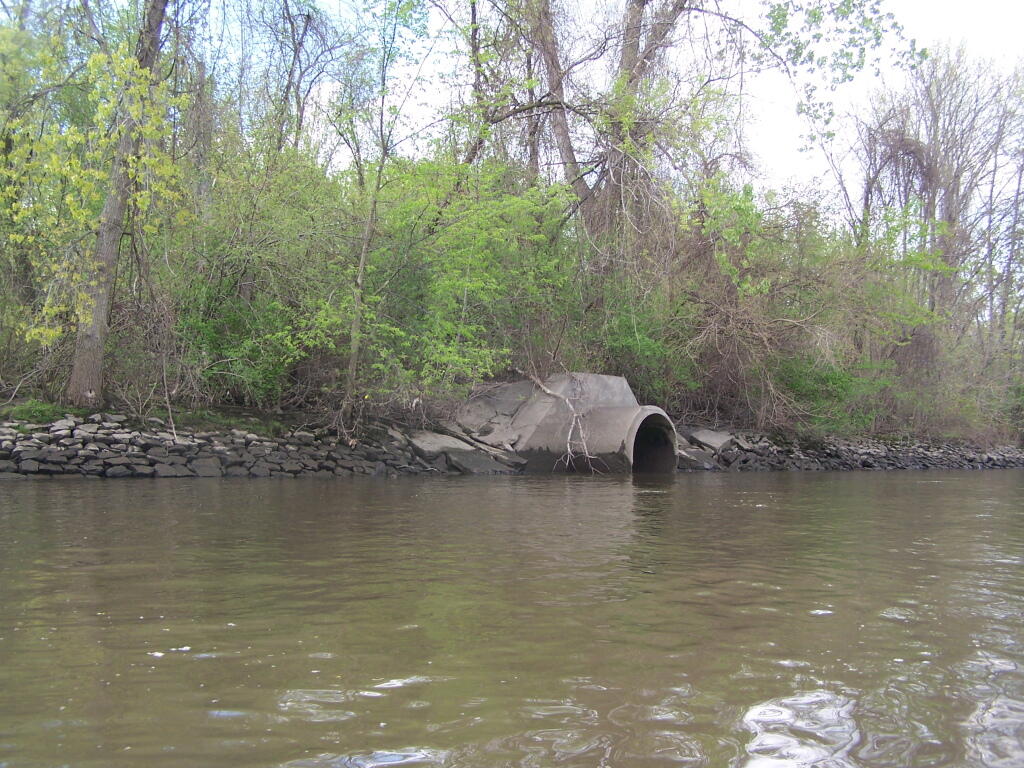
And while the river is much cleaner then yesteryear, you will still smell the raw sewage floating in from some storm drains.
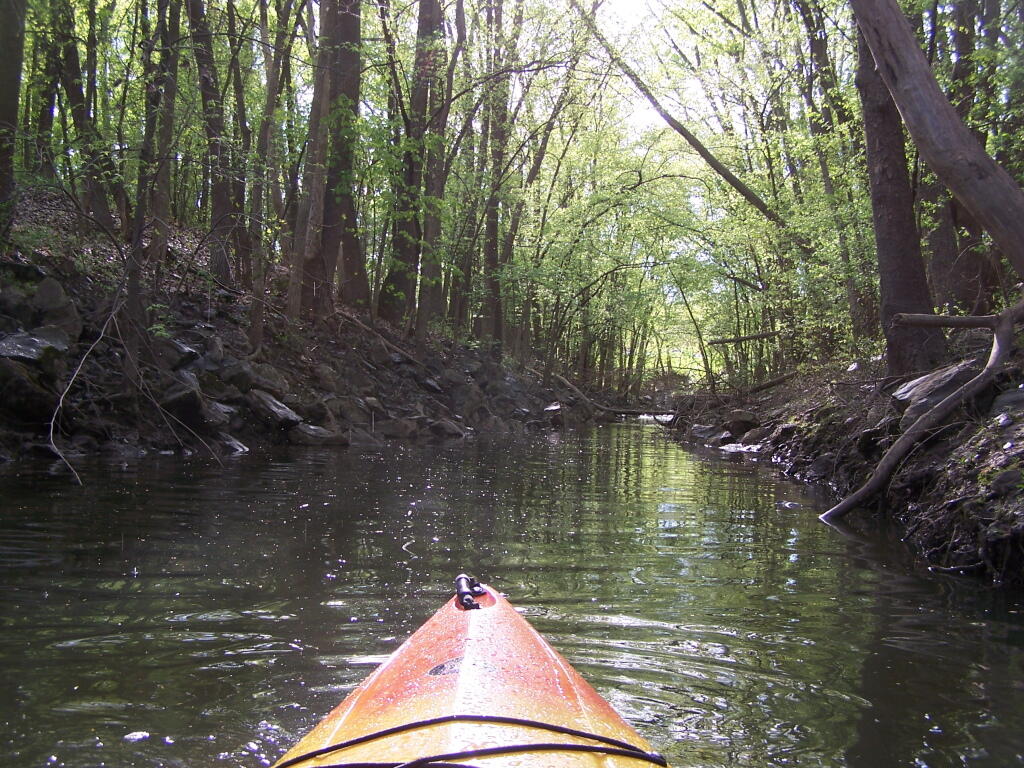
You’ll find secret little tributatories, all but forgotten about in the era of powerboats and superhighways that once buried important little rivers and creeks, and made islands into mainland.
You will get a new impression of the river and it’s many crossings, and the noisey automobile traffic that “flies” over the river.
You’ll notice how nature’s creations tower far above our cities and urbanized areas.
And you’ll get a new look at the ordinary city, that often looked at as one passes it buy almost in an ignorant fashion.
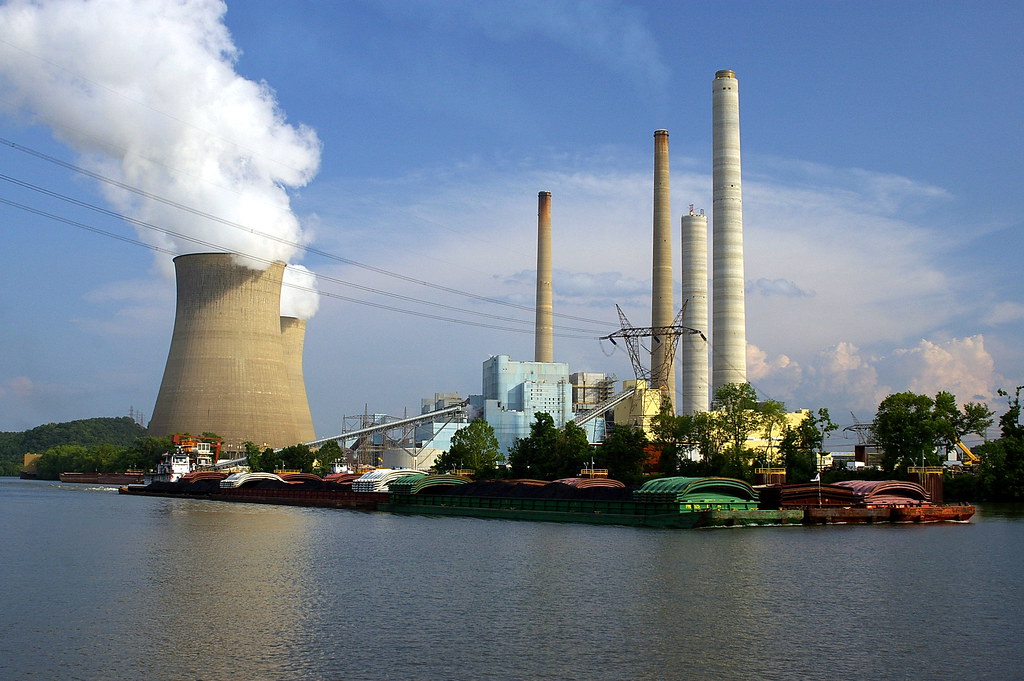
I was looking at the coal company advertisements that the “Quit Coal” project put up. Basically, those advertisements criticize “aggressive” regulations put forward by the government, and policies pursued by Congress to control air pollution. Not surprisingly, the folks that worked in corporations did not want to be told how to run their business, much less do something that would put uncertainty in their business.
Some will say that coal companies were actively spreading lies and falsehoods. Or did they actually believe in what they were advertising — a statement of belief of reality as it appeared to a coal power plant operator? Certainly many of the pollution control technologies of early 1970s were not to the point where well tested or even scaled up. A coal power plant operator, who always operated their plant one way, did not want to deal with the risk of changing operating methods and technologies.
Some will claim that coal-fired power plant operators were mostly motivated by greed. Yet, if you look at historically, did the clean air equipment on power plants actually cost that much — especially compared to existing revenue? Most upgrades to power plants were covered by small increases in electric rates, granted by public service commissions. If anything, more pollution controls meant more employees, and more opportunities for companies to profit because now operated more complex power plants in a regulated market that fixed their profit above cost.
In retrospect, the coal power industry is run by people who believe their mission — to provide inexpensive electricity, using proven technologies. These people who are resistant to change, because they don’t always understand what it will mean in the future.
The lessons of coal advertising is three fold:
Most people don’t actively lie due to moral conscience, nor do the corporations that represent the aggregation of people lie due to threat to litigation
People and corporations that make them up are highly resistant to change, because they fear the unknown and potential costs of unknown, even if the costs really don’t prove to be significant over the long run.
Government has an important role in setting emissions and efficiency standards, to force corporations, which represent large aggregations of people, to take calculated risks to improve their environmental preformance.
The endless summer has shown it must come to an end. I woke up the other day at Moose Plains, and the temperature was only 46 degrees out. It was a chilly morning out, but only a symbol of what is to come as we fade into winter. Daylight is rapidly dropping every day.
Probably it would not be as big of deal for me, if I didn’t have to work so much during the fall. But I expect this fall to be a very busy season, where I won’t get to spend much time in the wilderness, camping, hiking, and spending time outdoors until mid-November. You know, I got to work and make money for the toys. And by mid-November, the winter will be well among us.
There is nothing to stop to winter from returning. And as soon as winter comes, winter will be on its way out, as we move back towards April and ultimately mid-May when things finally green up and the endless days of summer return once again. It’s the cycle of life.
One thing that concerns me is the lack of transparency for all not-for-profit organizations that are involved in influencing government polic or representing themselves in front of government agencies.
While all not-for-profit organizations must disclose how they spend their money, at least on an yearly bases on publically avaliable IRS Form 901, they do not have to disclose individual donors, or the amount each donor gives. In many cases, through the advocacy and other works of not-for-profits, substantial government lobbying and political influence is given by the organization, yet few actually know who is funding the organization, or what the true rational for the organization’s actions.
If persons are afraid to give to not-for-profit organizations, for fear of disclosure, then they should not give. Not all not-for-profit organizations serve the public interest, as many spend a substantial amount of their funds advocate for policies that are highly detrimental to the public interest. Likewise, there should be public pressure on not-for-profit organizations avoid taking donations from corrupting sources of funds.
A great deal of advocacy on behalf of major corporations takes on behalf of citizens groups. Many cases, grass roots efforts are amplified by large corporate donations, but nobody really knows where the money comes from, except that they report large donations as being a key to sustaining their organization. For sake of openess, all not-for-profit organizations should have to disclose all donations and where they came from.
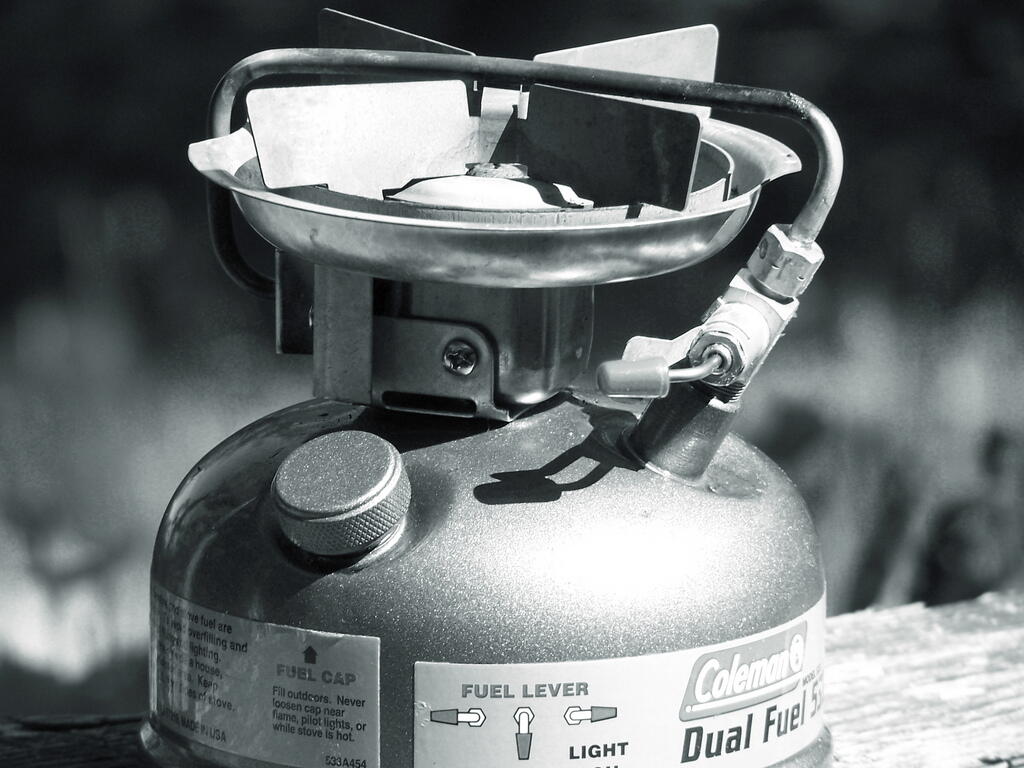
I spent a little extra when I bought my Coleman lantern and Coleman stove, and went for the dual fuel models over the propane models. Dual fuel appliances can burn either automobile gasoline or Coleman fuel.
I like using liquid fuels, primarily gasoline, for a couple of reasons…
First off it’s cheap.Second, there are no containers to discard or recycle. Propane containers are often difficult to recycle. Gasoline, in contrast, you purchase and put in a reusable gasoline container. You buy gasoline at any gas station, put it in a portable gasoline container, and you can reuse the gasoline container for a long period of time.
Third, having extra gasoline is handy in an emergency. You never know when you run your tank a little low, and the extra gallon or two of gasoline can get you to the gas station.
There is a slight inconvience of having to pump liquid fuel stoves and lanterns, but compared to all of the benefits of using automobile gasoline, nothing beats them.