Most days I take the bus downtown to work. Yet, yesterday I was running really late, so I decided instead to drive into work. The idea is would save me a little time — at least compared to waiting another 10 minutes for the next bus to come.
And I did get to work a little bit earlier. But I wasn’t happy. I had to fight traffic both in and out of the city, then find an on-street parking spot. While were I park is far enough from the state office buildings and with permit parking to be quite easy, but it still was not a pleasant experience.
You have to drive around the block looking for a spot. Then once you find your spot, you have to get in it, and make sure your in compliance with all of the parking regulations. You check the signs to make sure your on the street the proper day, then look for driveways, crosswalks, and fire hydrants. After a while you get to memorize all of things, but you still want to check.
Alternatively, you can pay $3 and park in a city lot, where they feed the homeless people and winos. Who may spend the day sleeping under your car. Not exactly a great choice. Yes there are other lots, but either they are a lot more expensive, or they require you to pay for a month permit.
Then you spend all day wonder if some drunk driver or stupid city person is going to crash into your truck, while your at work. You get back your truck at night, and then say, thank god, nobody has messed with my truck while at work. And then you drive home.
If your lucky, you get out of work after rush hour. Otherwise, you sit in traffic, while you try to find all of the residential side streets to sneak past the worst of the traffic. But you still sit in traffic. Eventually, you get home, usually just about the time the evening bus stops next to your house.
..You come to conclusion, that despite burning a gallon of gas, and worrying all day, you didn’t realization you didn’t really save much time at all.
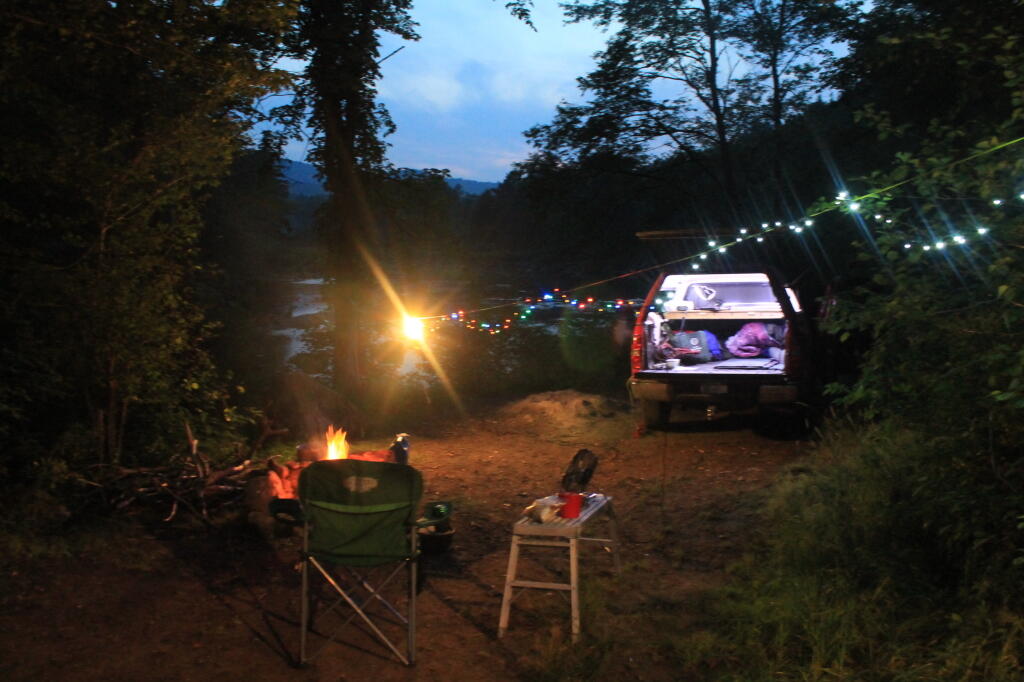
My dual battery setup works decently on my Silverado pickup truck for producing camp power for use under the truck cap. For the first night at camp, it provides more then enough power at night, including lots of lights, alarm clock, and moderate use of a portable fan, and 90 watt laptop charger.
After the first night, the deep cycle battery starts to wear down. The inverter will show lower and lower voltage, until it starts beeping every 15 seconds, and eventually shuts off at around 11 volts, to protect the battery. Yet, it can be continued to be run, all you have to do is turn on the engine, and let the truck run at idle speed for like 10 minutes, every 1-4 hours, depending on how heavy your electrical load is. I used an average of 1/3 gallon of fuel for every night after the first night parked, without driving.
As the battery is isolated from the starting battery, running the deep cycle down to the point where the inverter shuts it off is not a big deal. Your starting battery is still fully charged, and the deep cycle will after all get recharged as soon as truck restarts, and the inverter prevents you from going below 10.9-11 volts, a point where damage can occur, even with a good deep cycle.
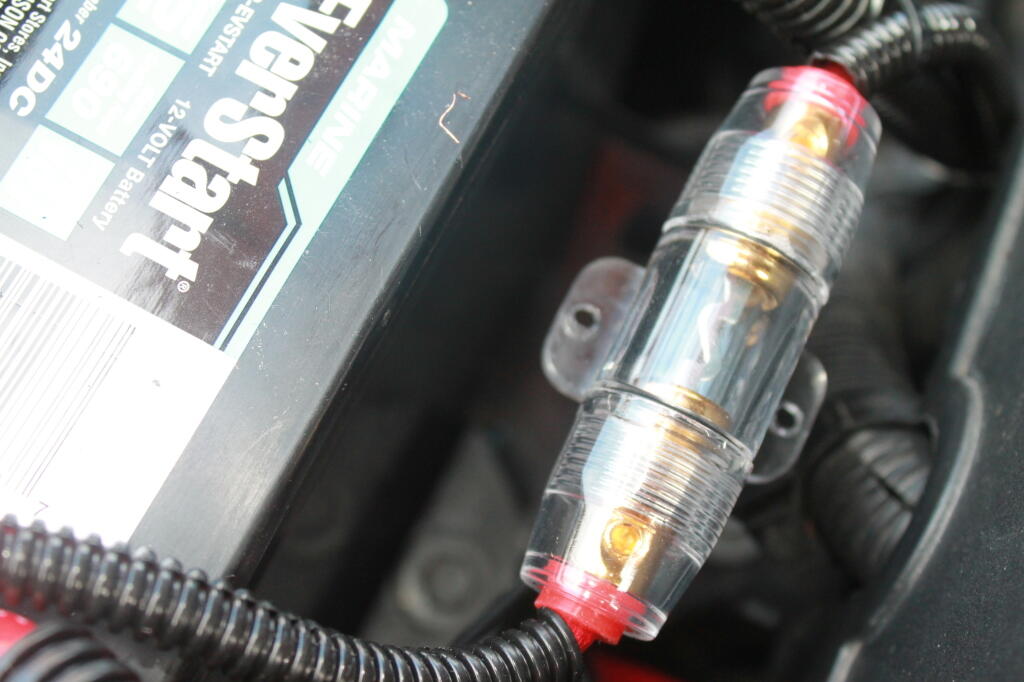
For most moderate lighting demands — let’s say 75-100 watts — enough to run a couple 26 watt florecents, your pretty close to the 4 hours. But when you start adding a laptop charger or fan, and after the third day without the truck moving, you start to drop things down closer to once an hour. Reducing the load when charging, also helps the truck charge faster, as does swapping out the 60 amp fuse between the batteries with a 100 amp fuse, to send any excess amperage to the deep cycle as fast as possible.
The system originally came with a 80 amp fuse, but I cracked that fuse, when I was re-tightening the connections on fuse holders. Apparently, the fuse holder between the deep cycle battery and the starting battery was loose, and on the bumps of dirt roads would become disconnected. While ultimately, I fixed it by retightening the connections, I ended up breaking the 80 amp fuse, and could only get a 60 amp fuse locally. I plan to buy a 100 amp fuse over the internet at some point.
I rarely stay in the same campsite more then one night, at least without driving somewheres in the truck. Even relatively short periods of charging the battery at above idle speed, e.g. driving rapidly increases the rate of charge. It does however use much more fuel to drive the truck then staying idled.
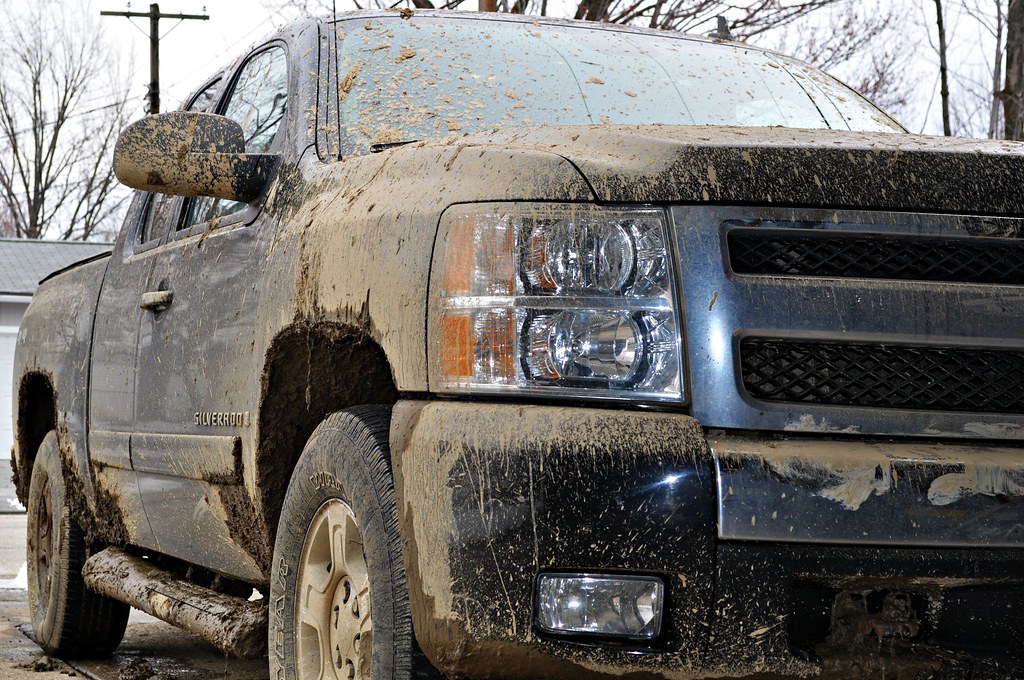
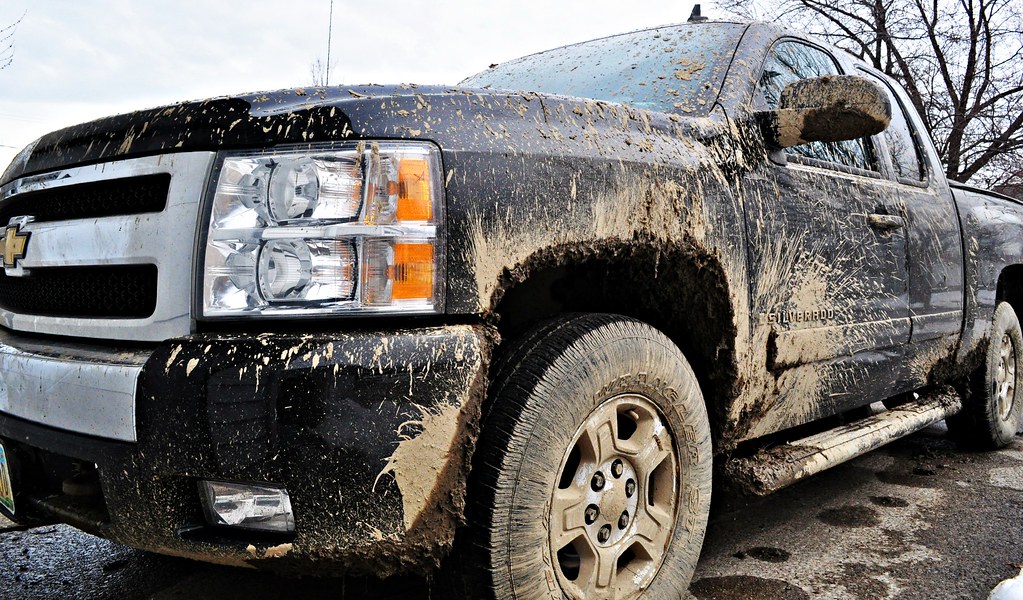
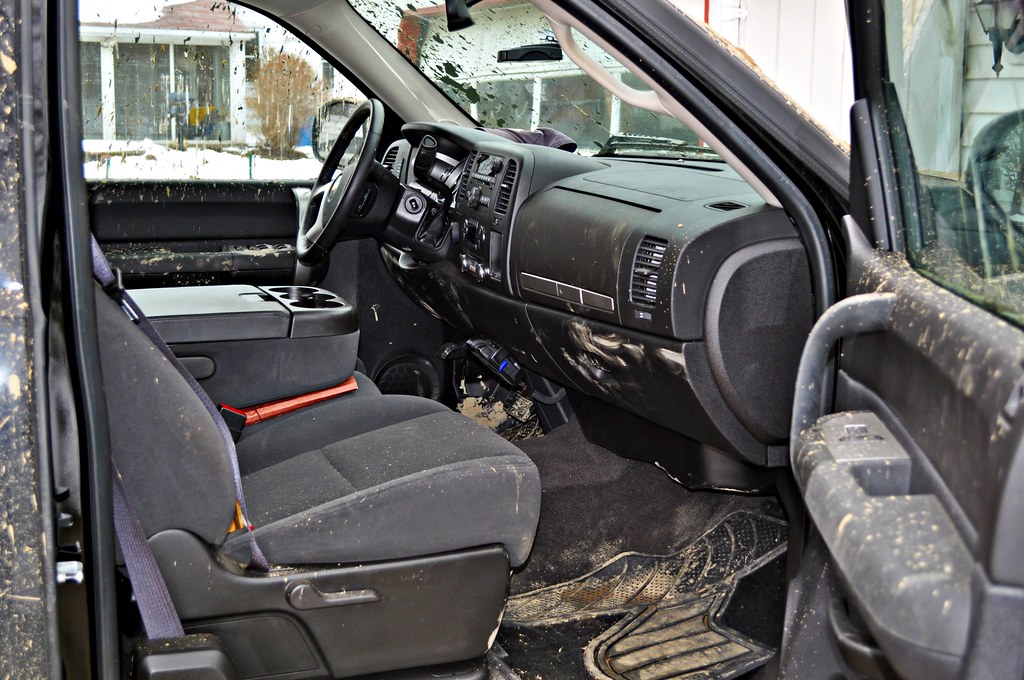
One of the consistent thoughts I’ve had in recent months — both before and after buying Big Red — is Big Red-era coming to an end? Big Red, as those who regularly read my blog know is my Chevy Silverado pickup truck, which is my big truck, and primarily my toy for camping.
Gas prices are up big time this summer. They are significantly higher then a five or ten years ago. Some analysis suggest that gas prices will only continue to increase, as global petroleum stockpiles decrease — especially the easiest sources of petroleum are tapped. Some peak oil folks are almost in a panic.
At the same time, the signs of Climate Change are becoming more pronounced. We have had a record warm spring time this year, with record temperatures being smashed throughout the spring. We have also seen increasingly violent weather touching many parts of country in the past year.
There are those who advocate more conservation now. We should immediately all take steps to reduce our climate footprint. Indeed, one of the reasons I take public transit around time, is to reduce my carbon footprint (plus driving in town is so annoying).
Yet, I have to ask, why did they get to have their fun when they were young, driving Mustangs and other Big, Fast, and Powerful Cars. while I don’t? Their response is we didn’t know better back then, even though they should have known better.
I thought some Excel spreadsheets might be of use to you. Obviously, there is a lot besides the cost of gasoline in owning an automobile, but we as a society have a fixation on gas prices, and they seem to effect out behavior a lot.
The Cost to Drive calculator can help you with specific trips.
Commuting is a big consumer of time in people’s lives. For every ten minutes added to a person’s daily commute, each way, takes 43 hours per year out of a person’s life, that could be spent doing other activities. Moreover, as most people commute by private automobile, time spent in cars, is time not doing physical exercise or getting outdoors, promoting obesity and poor health.
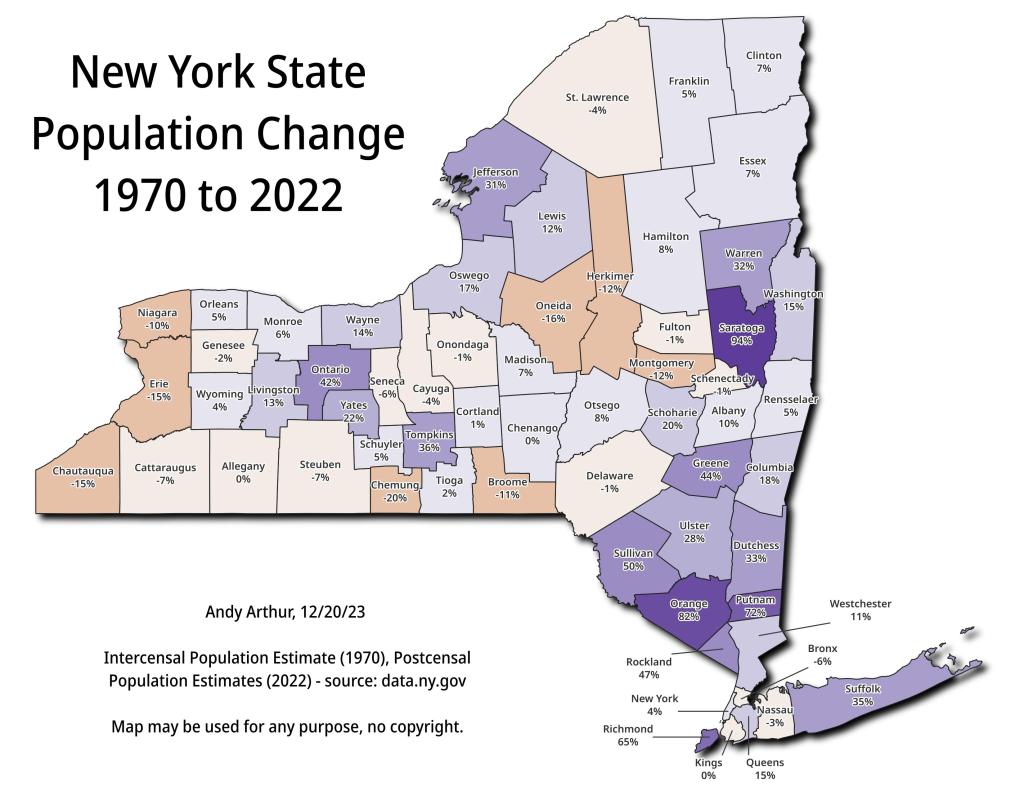
From this map of Albany County, you would think rural people all have long commutes to work. Indeed, people who live in Renselearville, where there are few jobs, often commute to downtown Albany, leading to a very long commutes, that are particularly challenging in the winter.
However, that is not the norm in NY State. Indeed, the Adirondack Mountains, have some of the shortest commutes in the state. Residents of the North Country and Southern Tier also have very short commutes. Many work in the small towns they reside in, or farm the land they live on.
Also of interest is that commutes, in general are much shorter upstate then downstate. In some areas — like Albany — commutes from suburban areas to jobs are shorter then in more urban areas, due to the use of private automobiles over mass transit.
As much as I despise air pollution, noise from the cars, wrecked landscapes from where they drive, I really do like cars.
Nothing speaks freedom like the open road. Nothing expresses your personality and who you are like your car. Nothing can bring you such beauty as the automobile or bring you just great experiences.
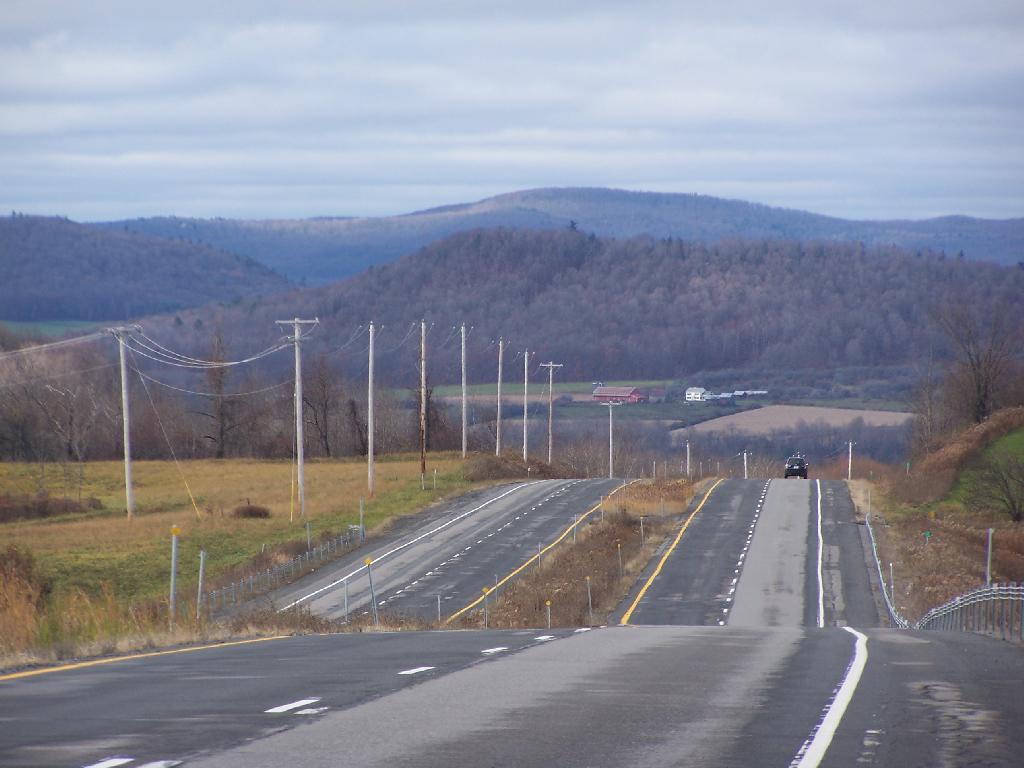
From the dirt road in the Adirondack Forest Preserve to an open rural highway in the Northern Tier, nothing can quite bring you their like an automobile.
My particular passion is pickup trucks. The bigger the better. The better the 4×4 system, the more room in the cab, the more room in the bed, the more lovely.
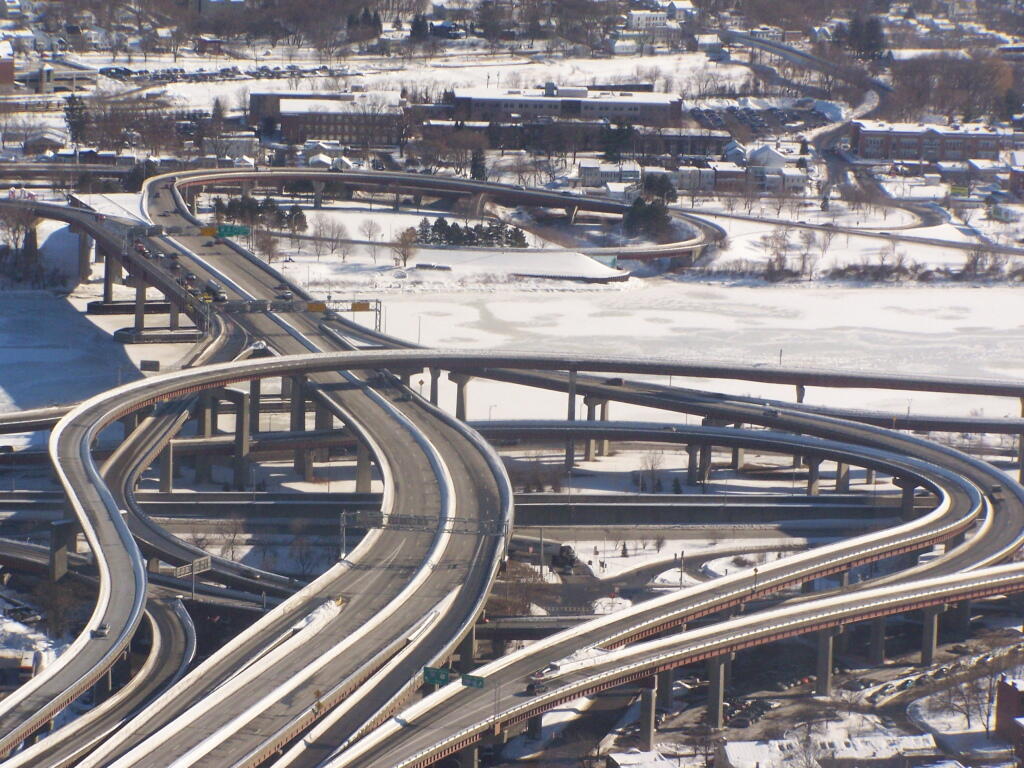
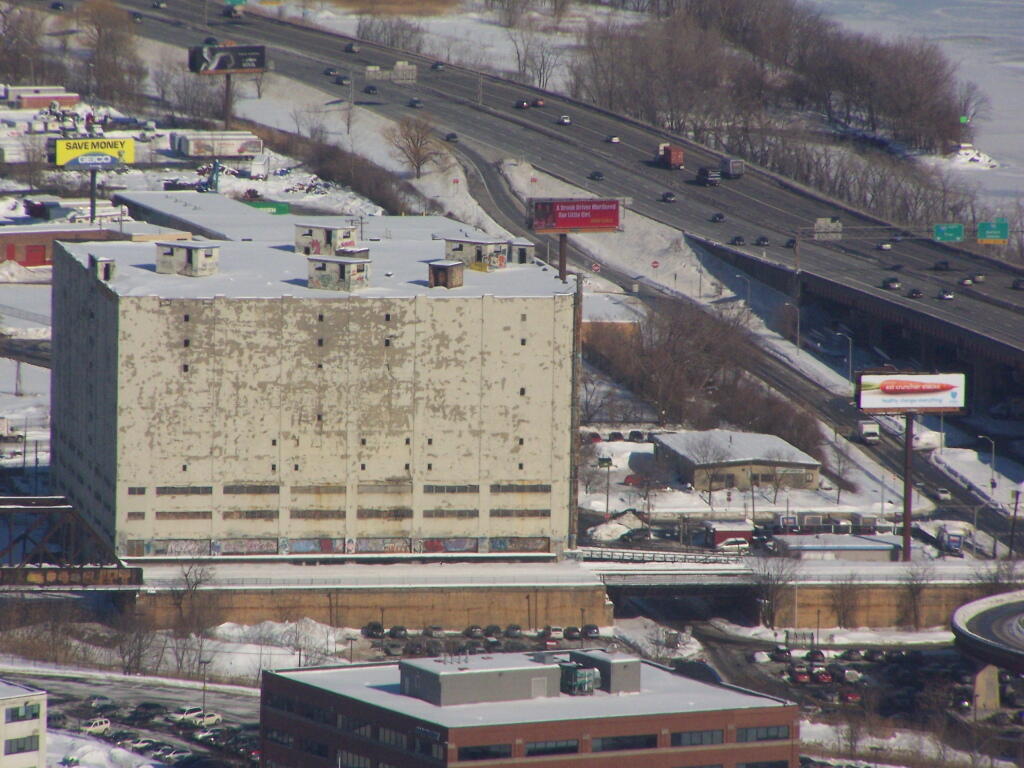
Yet, I am well aware of the problems of automobiles, and especially their uses of in urban areas. I walked along Washington Avenue Extension, as a pedestrian, and I was a aghast at their noise, pollution, and swarming motions they made.
Automobiles make urban areas ghastly places to be.
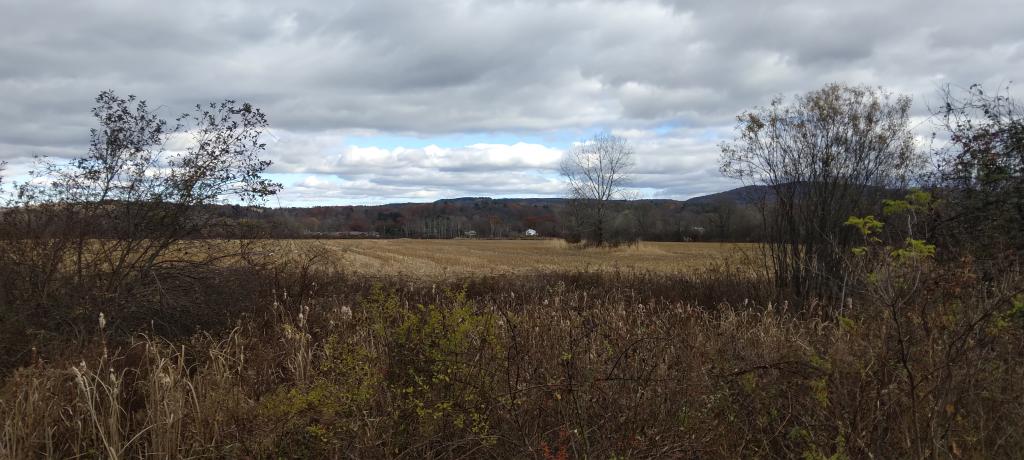
There are too many automobiles in the city. Off the beaten track, in Rural America, they truly are wonderful things.
Automobiles destroy cities, but they are also the best way to get away from the cities.
Sure a car will rust and decay, fall apart, and be another junker. One might say it’s a waste of money.
When cars are not being driven solely for pleasure, they are the most miserable beasts, forcing one to follow extreme restrictions and control measures, doing nothing but forcing us to labor for meaningless waste.