Energy πŸ“

πŸ—ΊοΈ Maps πŸ–ΌοΈ Photos πŸ“½οΈ Videos

We Need to Balance Climate Change Against Our Needs for Energy Services

Like most Americans, I believe strongly we should do something about Climate Change, to limit it’s most severe impacts. Yet at the same time, I am fully aware of our needs for energy services – the stuff that energy provides for us like lighting, transportation, powering electronics and motors, heating, and cooling. We need a lot of energy too – as I noted when the BP Oil Spill occurred – all the oil that spoiled the ocean could only fuel America for about 45 seconds. Turns out the oil spill severity was much worst then originally predicted, but still it was only one and half minutes worth of petroleum consumption for the United States.

So how do we get there from here? I do not advocate a “crash” diet on petroleum and other fossil fuels. People really like the energy services that fossil fuels provide, and most people aren’t give up their vacations using their petroleum fueled automobiles, or heat and air conditioning in their houses – especially for a “projected” future problem. Electric lighting and computers are essentials of modern life that most people aren’t going to want to give up either. Cities – particularly large cities – have such intense energy needs, that fully substituting with renewables isn’t going to be practical, much less cost effective.

Sure Looks Like Rain

What needs to happen is a big compromise. We need reasonable but strong energy standards that promote and preferable renewables and energy efficiency. Those standards can’t compromise the core things that make up the necessities modern life – including reliable and affordable energy and products. We have to continue to develop fossil energy sources responsibility. At the same time, we need to choose a realistic climate goal that matches our need for energy.

There are those out there that say we can’t afford that much Climate Change destruction. Essentially slaughtering millions of people and destroying billions in property to ensure our society has the energy it needs, really isn’t a pretty choice. But it’s a realistic choice. There is no free lunch on climate change – and protecting all the energy services provides for our society is important. America needs services that energy provides, and it has to be balanced against the painful consequences of consuming that energy.

Today’s debate needs not be whether we will need fossil energy to provide for energy services we all depend on and deeply enjoy. We will need fossil energy for the foreseeable future – and probably more of it in coming years. The question is can we burn it cleanly, and efficiently so it provides the most energy services for the least amount of actual fossil energy consumed. We got to take the oldest and dirtiest power plants and replace them with modern technology. We also got to boost renewable energy to be the preferred source of energy whenever it’s reasonably cost effective.

Climate Reality vs Reality

I am very skeptical about there ever being a very serious effort anywheres in the world to reduce the output of greenhouse gases. While many efforts are well meaning, and most people care deeply about Climate Change, the reality is it – at this point – largely a problem out of human hands.

Modern man is a carboniferous creator, in the words of Lewis Mumford. Not only do we burn a lot of food in our bodies to create energy to power ourselves, we have harnessed fire in many very domesticated ways to produce energy modern man needs to survive. Humans are primarily about burning carbon to power their lives. At the current human population, it basically unthinkable to sustain our species without enormous amounts of fossil fuels – and certainly not our large urban cities.

To limit greenhouse gases to a level recommended by scientists, we would have to basically eliminate all consumption of fossil fuels, reforest much of the planet, and probably drastically change our land use practices, such as how we grow food. Nothing would be untouched in ways humans interact, in a strict climate control regime – everything would have to be tightly controlled by governments to basically eliminate all emissions of carbon.

If that is not dramatic enough, the cuts in energy use that would have to exist in a strict climate change regime. Modern man, particularly in his urbanized form, as an aggregate, consumes enormous amounts of energy. Most cities are supplied their energy needs by distant power plants, vast coal mines, and massive amounts of oil and gas wells. Energy measured in our urban, aggregated use, is measured in megawatts and gigawatts, and millions and billions of barrels of oil.

Renewables are the great hope for man kind. We are generating more renewable power then ever in mankind’s history. This is a good thing, as renewables typically are the least polluting source of energy, one that is restored naturally by forces of natures, and is not used up. Yet, even the most aggressive program of adopting renewables can’t come to close – in the imaginable future – to meet all of modern man’s energy needs, in his urbanized, highly populated form. Some rural cliques might be able to become to energy-self sufficient with renewables, but it’s not going to ever work for our cities.

Conservation and energy efficiency are a valuable ideas. It’s good to save energy, because not only does it reduce air emissions, but reduces demand for fossil fuels, and provides more benefit for less money. This allows us to grow our economy. We need policies to prod our corporations to do more with energy efficiency. Yet, the choice to a sustainable future is not one between a 4-speed automatic transmission and a 8-speed transmission, or even a Chevy Silverado vs a Toyota Prisus. Both are much too polluting for a carbon-free future, if we seek a livable planet.

So what are we left with? Not much in the way of good options. A 350 ppm world – one with emissions in 2050, 80% below 1990 levels – would be a world that is almost 100% free of all fossil fuel uses, and almost entirely on renewables, with energy consumption probably only 10% of current levels. It’s an almost unimaginable world.

Humans could give up their cars, 9 out of 10 lights in their houses, hot showers, running water, and most of our heat in the winter. We might be able to power much of a society with renewables then. But probably not. That world would suck – because we all like having lights, being able to hop in our cars and go to Adirondacks, and hot showers in the morning.

So what’s the alternative? An “unlivable†planet, with increasing impacts from climate change. We need more energy efficient automobiles, appliances, lighting, and insulation, but we still need energy to power those devices, that will increase climate change gases. We are going to blow past sustainable levels of emissions, much too soon, and going to live with the consequences, because modern man has little good choices.

Modern man will adapt to a changing climate – he will have no choice. More places will be air conditioned, but with better insulation in the future. Many pieces of man-made infrastructure will fail with changing weather patterns, but man will replace and re-engineer to avoid future failures.

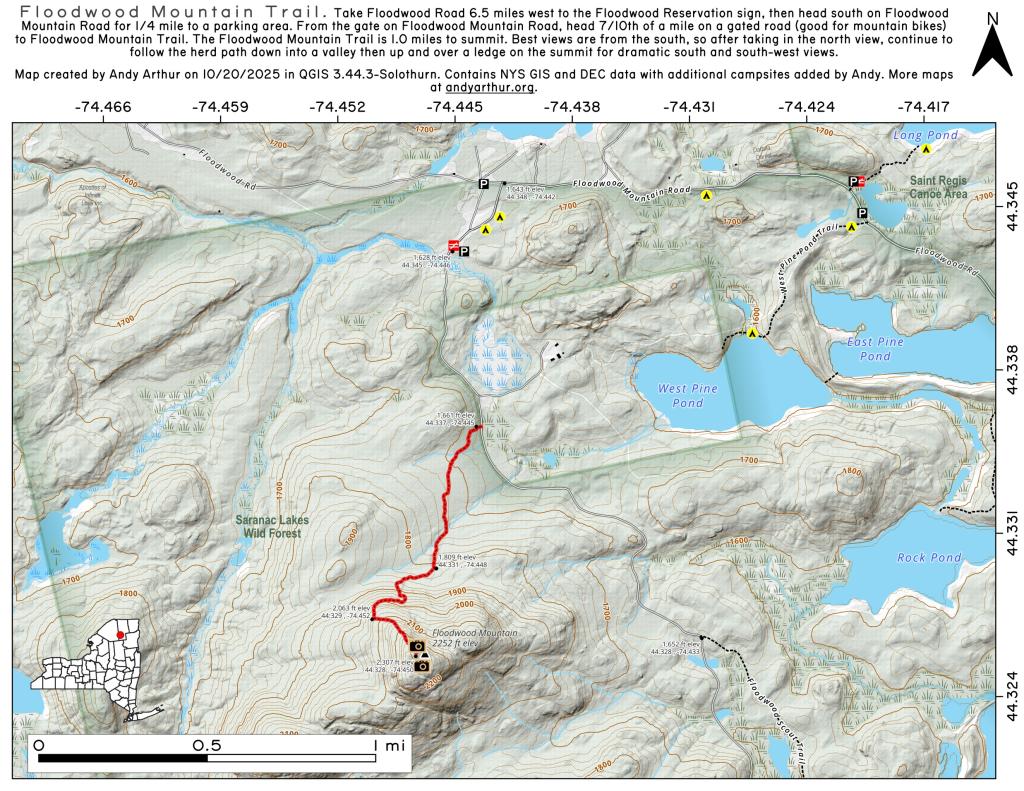
Map: Floodwood Mountain Trail
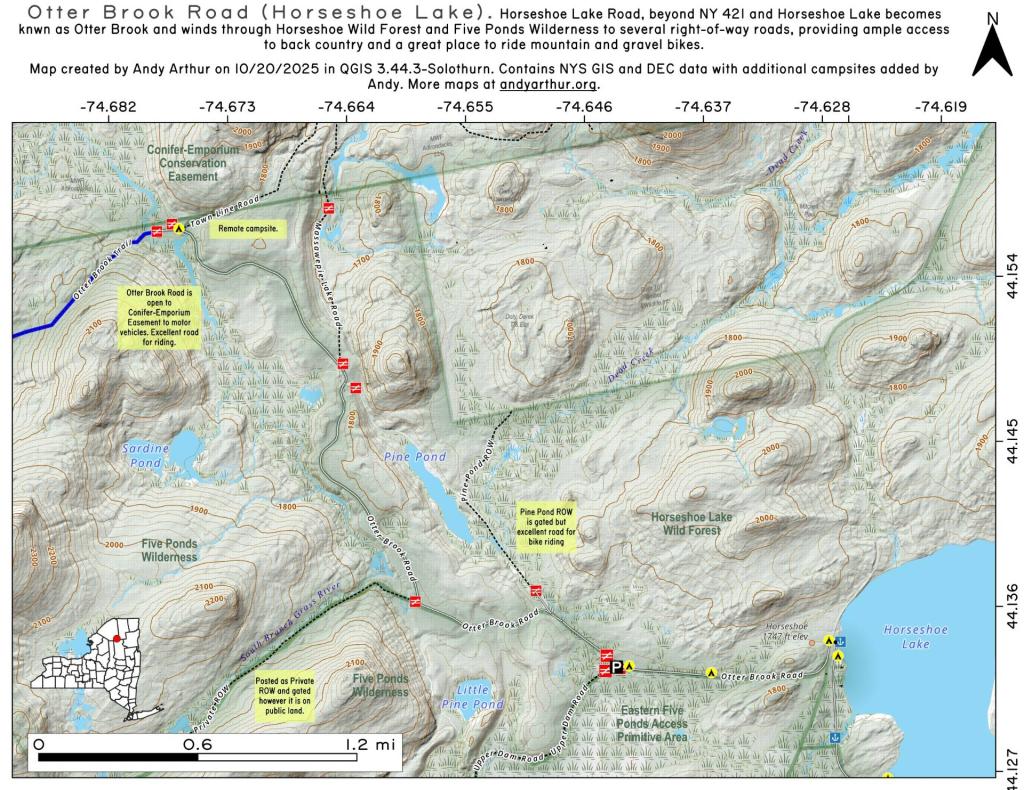
Map: Otter Brook Road at Horseshoe Lake Wild Forest

The Impact of Gas Prices on My Summer Plans

I have been thinking a lot lately about the High Gas Prices and what they mean for summer plans. I typically enjoy traveling by doing roadside camping in the Adirondack Park and other public lands, so one of the biggest costs in my experiences is gasoline.

I knew gas prices might be high when I bought my truck by spring time. They often are highest around election time, only to fall back down to lower levels after election season. This summer is no exception.

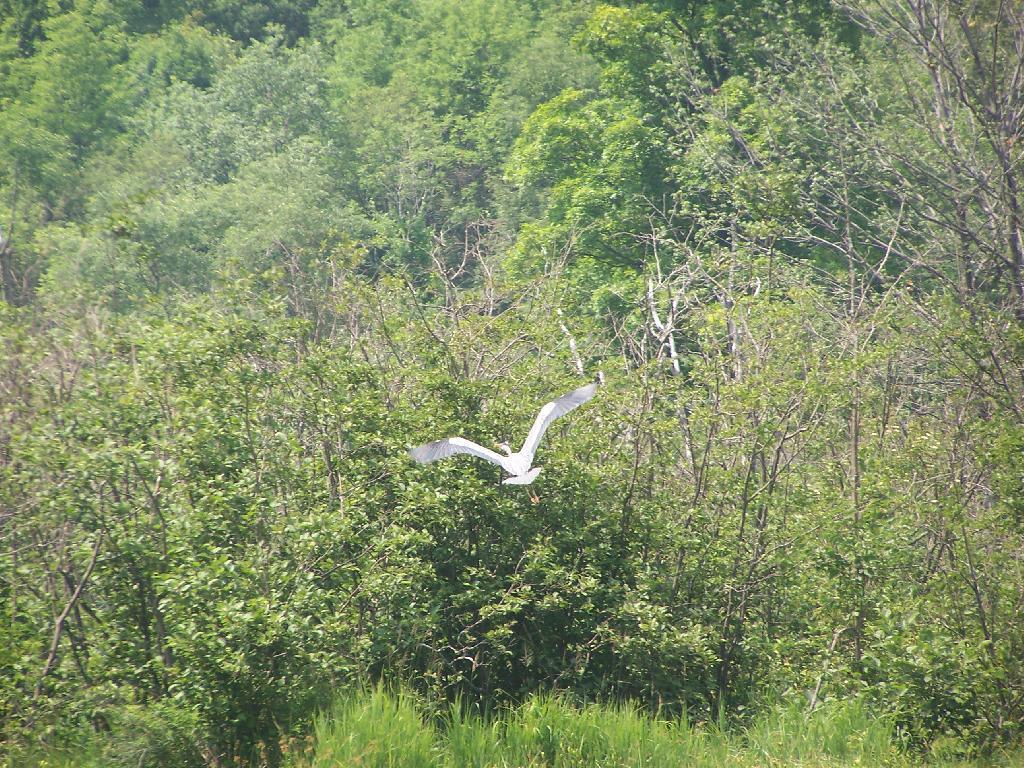
Great Blue Heron Wing Span

So I was thinking about what this all means…

1) Planning longer trips and fewer shorter trips. A lot of the gas is consumed driving back and forth to destination. Far less gasoline is consumed when one is at their destination.

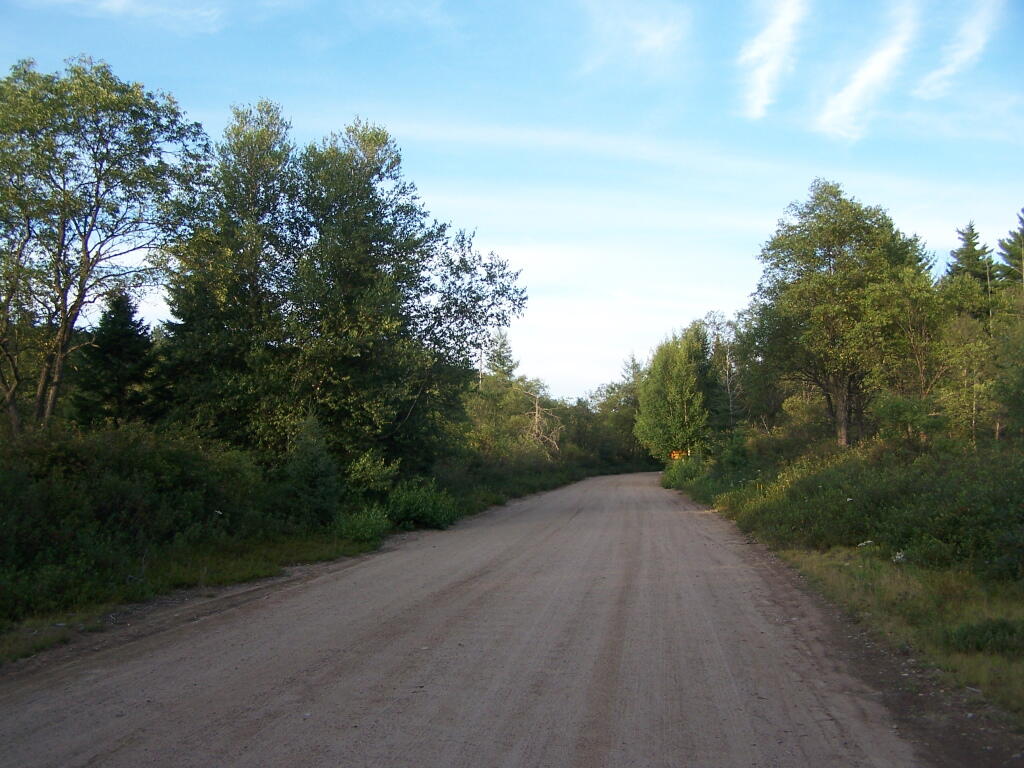
Moose River Plains Road

2) Chose to spend longer time in one destination. Usually when I am on vacation I tend to rush to one place to another, consuming a lot of gasoline.driving from one place to another in the Adirondacks or wherever I may be. Why not pick a campsite, and spend more time enjoying the immediate landscape?

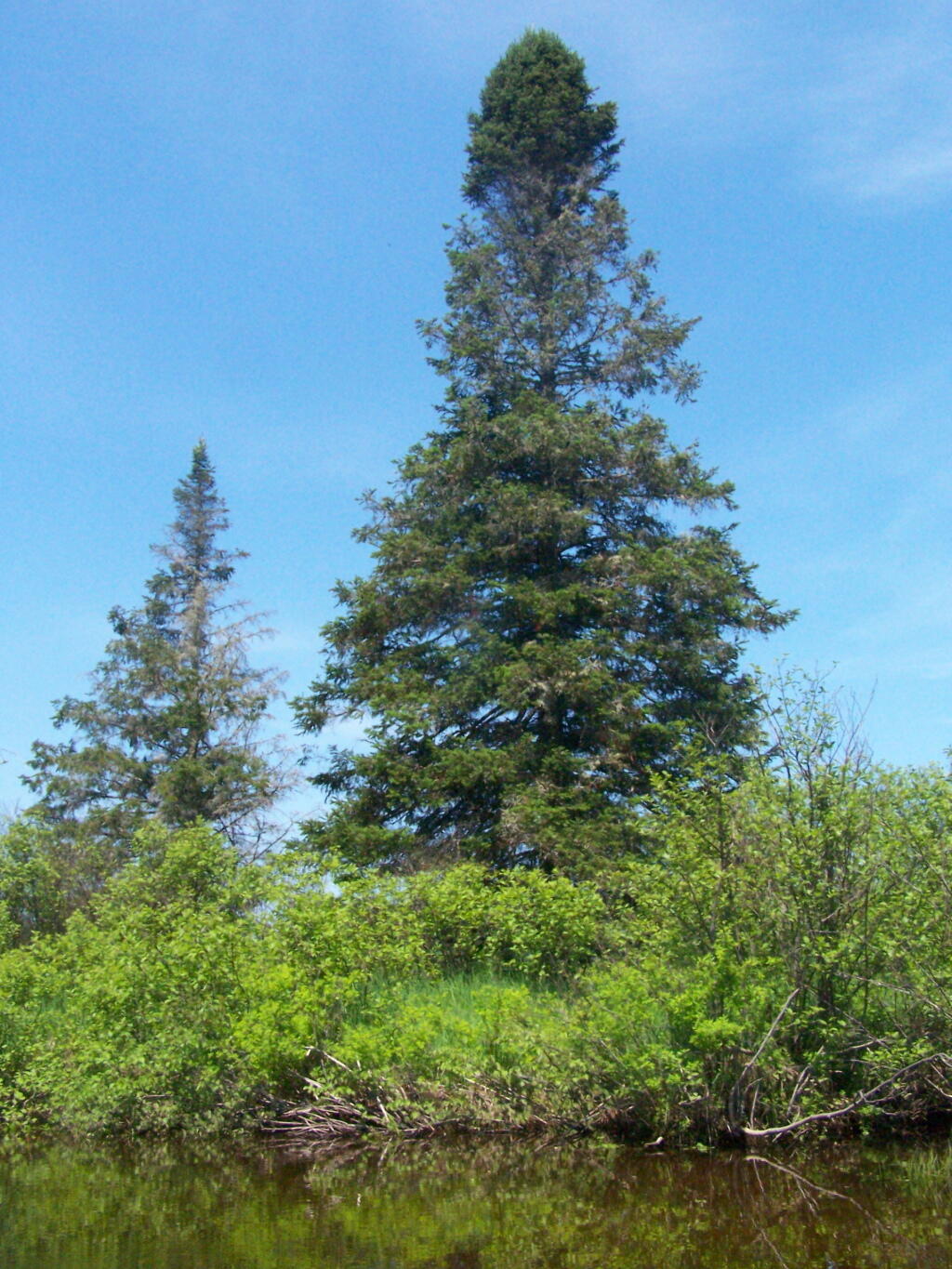
 Spruce Along East Canada Creek

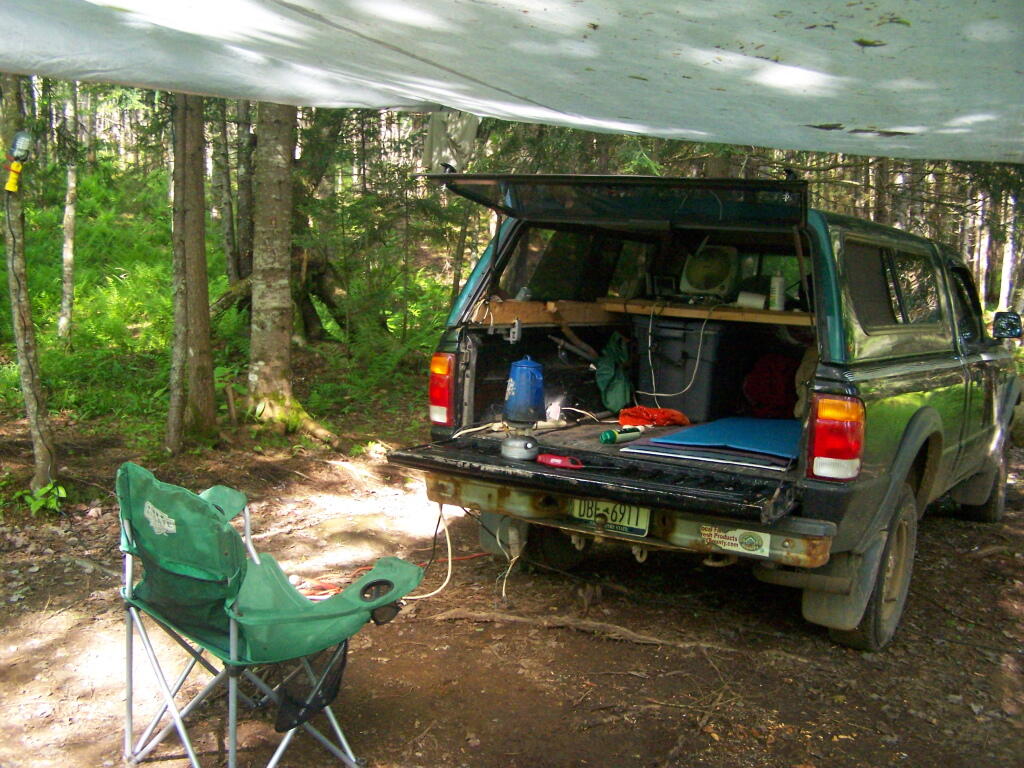
3) Avoid idling as much as possible. Hopefully with the deep cycle battery on my pickup, I will be able to keep idling to generate electricity for camping to a minimum.

4) Consider campsites that have as much nearby as possible to do. Possibly choosing campsites near a lake for paddling — like the Wakley Dam Campsites at Cedar River Flow or any of the campsites along North Lake in Adirondacks.

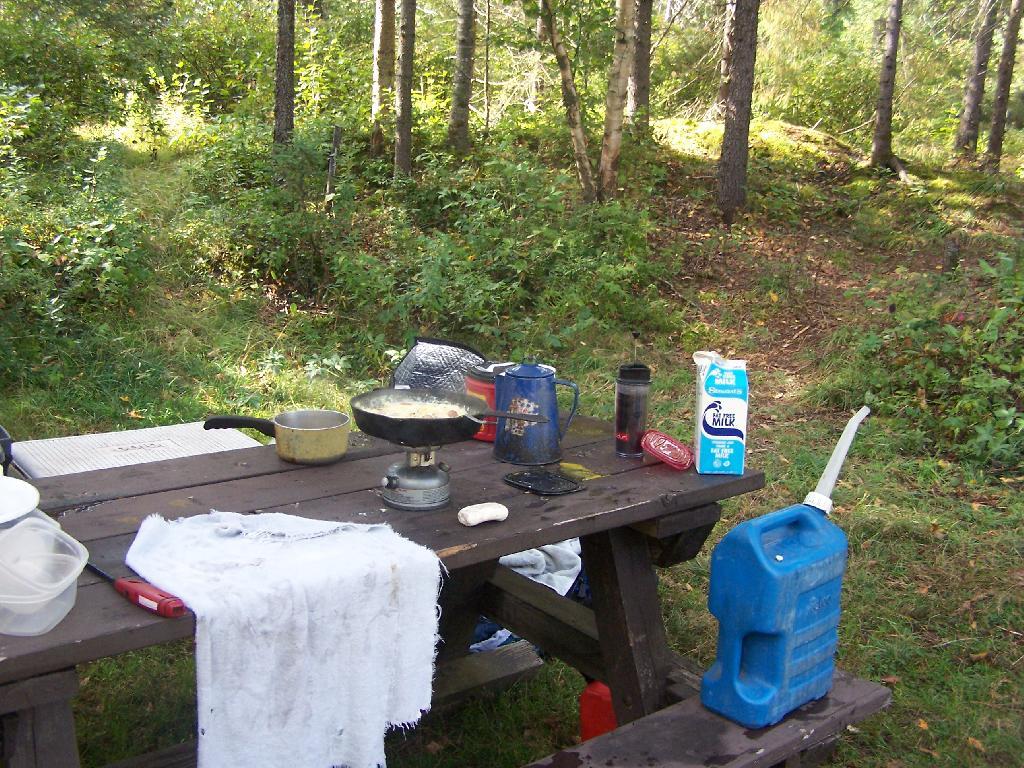
Making Coffee

5) Realize that gas costs really haven’t gone up that much from last year. While gas may cost an additional buck an gallon, that still only means an additional $20-$30 per trip, if the plan is drive between 400-600 miles for vacation. If your already spending $60-90 for your trip on gas, what difference is between that and $80-$120. More money, but if your having fun, so be it.

Cooking Breakfast

6) Not Skipping Things on Trips Because of Gas Costs. In my view it’s pretty stupid to not spend an additional $10 in gas, if have already burned through $40 in gas to get to your destination. If there is something worth seeing, you got to do it.

Still a Pretty Nice Afternoon

7) Finally, just not worry about it. If I am on vacation, just put the gas on the credit card. I will worry about paying it down when I get back home. Things are going to cost what they cost, and I don’t really care much one way or another.

Road Trip to Dimock PA

Roughly 30 miles south of Binghamton, NY is Dimock, PA. I wanted to visit Dimock for some time, because I wanted to see up close the impacts of natural gas drilling in Pennsylvania. Dimock is particularly infamous for a couple of tragic accidents caused by faulting casing in gas wells causing poisonous hydrocarbons to leak out into the surrounding area. Dimock is also the home of Cabot Oil and Gas, one of the most controversial drilling companies in Pennsylvania due to their awful track record with certain wells.

NY 29 to Montrose.

I’d didn’t stop and take any pictures, but I’m including some images from Google Maps, and you’ll just have to imagine the rest from my words.

Dimock is an easy drive to get to from New York State – just take NY Route 7 south from Binghamton (you can access it from I-81 Exit 1 South of Binghamton), and NY Route 7 becomes PA Route 29 as you cross the state border. PA 29 is a very narrow and slow road, going through many hamlets, and the road is in serious need of repairs – although it was in awful shape the last time I drove it in 2008, prior to the big gas boom. Normal commercial and agricultural traffic has long made this road need of a rebuild and widening heading to the Capitol of Susquehanna County. The additional drilling related traffic hasn’t helped this road, as it ages long beyond, it’s time for widening and replacement.

PA 29 is the main road from Binghamton to Montrose. It has for a long time been congested with traffic heading to and from the capital of Susquehanna County. For most part the traffic is to be expected on a rural arterial – lots of folks in pickup trucks, beat up cars, milk trucks, grain trucks, pickups towing horse and cattle trailers. There are also traffic related to gas drilling, such as fresh water haul trucks used for fracking, and residual waste trucks hauling away condensate from gas well. I saw a pickup truck with a goose-neck trailer with drilling bits on it. For the most part traffic was free flowing.

There are small cattle farms in valley below PA 29, and some of the mountains above the road show quarrying activity for Blue Stone and possibly also coal. Nothing too obvious from the roads, but in one or two places, it’s obvious there is some mountains being mined for their products.

Busy Montrose on Saturday.

Eventually you real reach the borough of Montrose. This small city was very busy, but that’s to be expected of the only city in the region on a Saturday. People go to city to pick up groceries, shop, and fill up at the gas station. Walmart – on the outskirts of the city – was particularly crazy there.

There was a mix of truck traffic from different sources – some agricultural, some oil and gas related, some other for other businesses like grocery stores. Busy, but certainly not grid lock. Montrose is a pretty gritty little city, much like other cites in Twin Tier region, with lot of folks in big jacked up pickup trucks with gun racks. It’s certainly not an urban area by any extent of the imagination. Traffic in Montrose reminded me much of busy nature of Wellsboro PA or Watkins Glen NY.

South of Montrose.

South of Montrose is where the country starts to open up along NY 29. There is some rural houses on large lots on NY 29, but it’s mostly farm country. Traffic is very light south of Montrose. There are many farms on hilltops and across the landscape. Just past Dimock Post Office, and a few houses, there is Cabot Oil and Gas offices. Cabot Oil and Gas’ Dimock Headquarters is a one-story ranch-style building, that appears to be formally a rural doctors office or other small business office. It’s not a new building. The parking lot has been expanded with gravel – it’s obvious that once the gas wells are completed in this area, Cabot probably will be closing out this regional office.

This is where you first start to see first gas wells, one right beyond the Cabot Oil and Gas Office, and one on a farm field to the left of the road. This gas well is completed, although there are two condensate tanks on the roughly 4-acres pad. The pad is large, when viewed up close from the road, but there are no equipment on the pad except for the tanks. There is no reason why they could not remove the pad now, except for the access road to condensate tanks for occasional pumping. Farming activity is going up and around the well pad, with alfalfa currently planted around the pad, for the dairy farm on which it is located. Well pads are located on farms that are roughly 250 acres in size on steeply rolling country, so their impact both on farms and landscape is minimal. Spacing requirements limit well pads to one per 160 acres – but realistically terrain and gas fields expand things out further then that.

For the next three miles, as you go up and down several hills, there is no well pads thats can be seen, until one pops up in the distance on right. This well doesn’t produce any condensate or was abandoned, so there are no tanks or equipment above around. From there, it’s kind of hilly, with a lot of forested brush lands, in areas not economical to farm, mostly used for residents in fall to harvest wood for heating, and hunting in fall.

Lemon to Nicholson.

When I got down to an unmarked hamlet known as Lemon, I took a left onto State Route 1006, and started winding around farm country. Climbing out of valley, up towards Seely Hill, there where many well manicured farms, that obviously where well capitalized, professionally run operations without a lot of junk in their yards. None of farms where particularly large, as this area lacks the soils to sustain CAFO-sized farms, but with beautiful old farm houses painted white, and barns painted red. Cows where grazing around, corns, alfalfa, hay, and soybeans where planted following the landscape. Atop some of the hills, you could see for miles.

Not everything was picture perfect. It was a working landscape, and some farms where more messy then other. Passed a junkyard, and some trailers and houses. Almost everybody had burn barrels or pits for trash. Many had targets and stuffed deer statues in their backyards used for plinking. There where some abandoned houses, and grown up fields. It was very much a rural landscape – a bit a beautiful, wild and free landscape. There was rural poverty. It is a scene not unfamiliar to a New Yorker, something not far from one’s imagination, although due to the more southernly latitude allows farming on many hilltops unlike NY State.

You would climb one steep hill, and descend another, and you might see an gas well. After a while of winding on some back road, I saw a gas well under construction. Drilling rigs are big and tall, and there is a lot of trucks holding water, flowback water, chemicals, and drilling bits. I noticed quite a bit of particulate laden steam / smoke from one of compressor rigs – a potential problem – although it seems government regulation to reduce pollution from oil and gas industry will further clean the air. Such minor and localized pollution wasn’t everywhere.

Many places didn’t have any gas drilling activity underway. The further south or west you got from Dimock, and further you got from the gas field around Dimock, and the fewer wells you would see, until you see no more wells dotting the landscape. After a while, there was no more drilling activity going on.

Eventually I ended up in Nicholson, and took US 11 back to New York. The archways of the Lackawanna Railroad Viaduct are quite remarkable as the soar high above this town. US 11 is a delightful road, following a narrow valley along the deep valley of the Martin Creek, until one eventually reaches Great Bend on Susquehanna River and I-81 back to NY State.

Conclusions I Draw from My Trip.

Dimock is one small hamlet across Pennsylvania. It is a pocket of some of the most intense natural gas drilling in Pennsylvania. Gas drilling is not without impacts, but it is not the industrialization or utter destruction of rural life. Farms continue after gas drilling, and modest rural housing continues to exist. Small towns continue to be small towns, even if there is a benefit of greater employment and higher standard of living in these small towns.

Dimock is still primarily about farming and rural life – it is not suburban – but enjoys the boost that gas drilling gives to the town. Gas drilling does not urbanize rural areas or turn them into industrial wastelands, but instead provides

… do take this trip on your own. It’s not that long of a drive from Albany, and it’s a very interesting and beautiful drive for sure.
Map: Doodletown Wildlife Management Area
Map: St. Regis River State Forest

Climate Change, DEC, and Cedar River Road

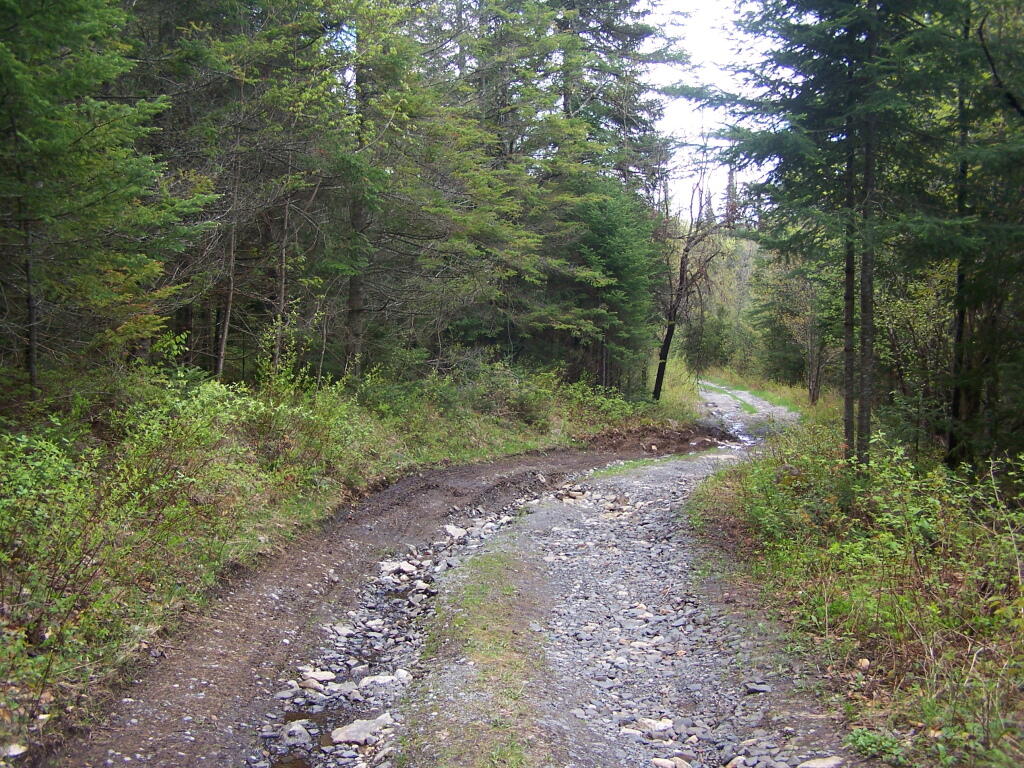
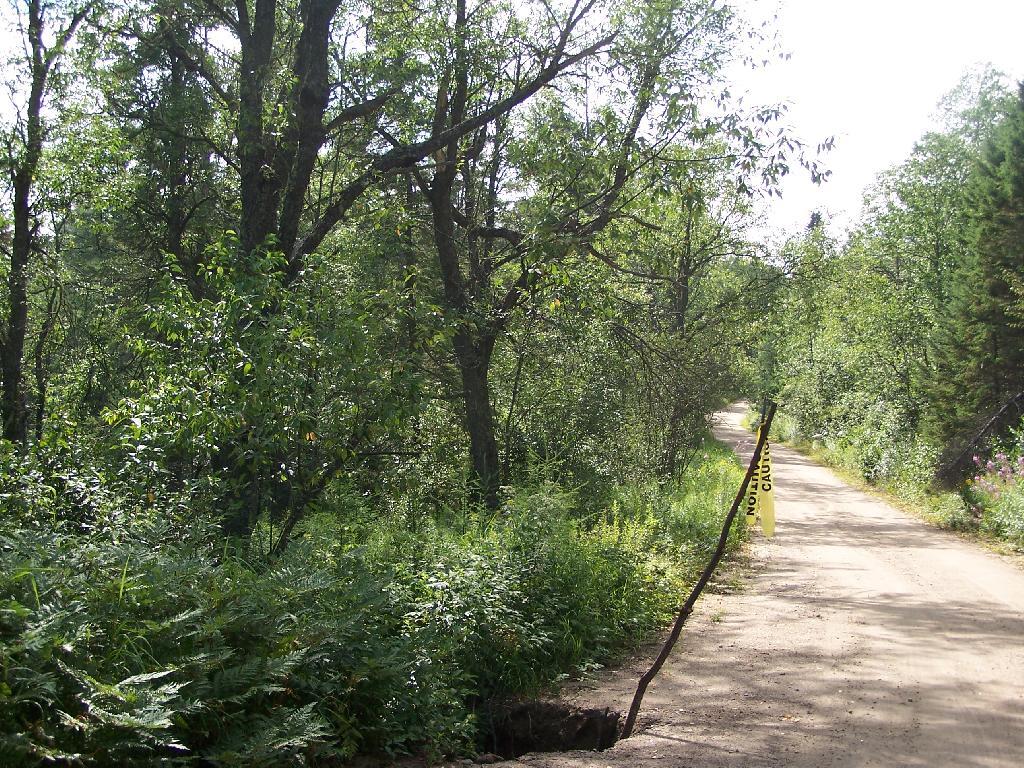
Like thousands of New Yorkers this past year I have been seriously bummed out on how Cedar River-Limekiln Lake Road from Wakely Dam to Lost Ponds was washed out for the first three months of summer season. It probably was the first time Cedar River-Limekiln Lake Road was closed off for such a long period in summer time — due to springtime flooding and severe erosion and bridge scour — combined with a very tight budget for the Environmental Conservation Department.

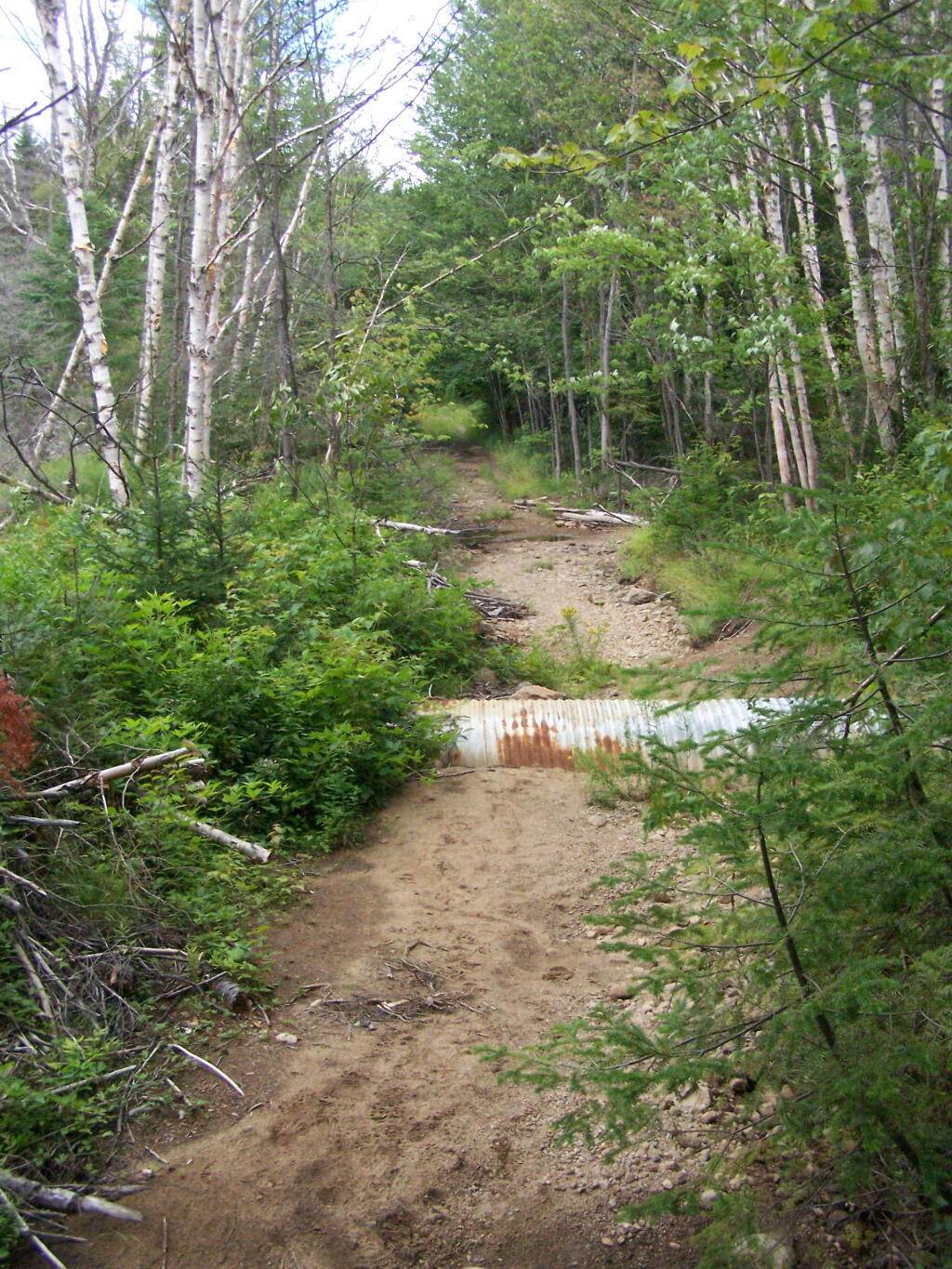
Washed Out Road to Wakely Mountain

It seems the list of damaged or still closed roads throughout the Adirondack Park is long this year. Haskell Road is closed. Lester Flow Road and Woodhull Lake Road are rough and badly eroded. Maybe it’s just a bad year, and DEC Division of Lands and Forests is unfunded, and they lack the staff and fuel budget to fix things promptly. Or maybe it’s a more ominous sign — that DEC needs to rethink it’s road construction practices to reflect a changing climate, with heavier rains and more erosion.

Washed Out Section of Cheney Pond Road

As the average temperatures increase in the summer, there is going to be more demand then ever before for recreational access to the Adirondack Park. Yet, the danger is not from increased vehicle traffic, but instead erosion and bridge scour from flooding and increased heavy rains. Simply said, it may come to the point where Adirondack Park back country roads need to be built to a higher standard, with more reinforcement from wash outs.

Wash Out Along Otter Brook Road

That does not mean the end to the dirt or gravel truck trail. It does mean, around streams there is going to have to be more riprap and other course rubble rock to prevent erosion and bridge scour. Courser gravel is going to have to be used on steeper slopes, or maybe a mixture of tar and gravel to keep things in place. While blacktop may seem like the anti-thesis to the back country, it might be necessary in limited stretches to keep things in place, on road surfaces most pounded by the forces of erosion.

Sandy Plains

All of this will escalate the cost of maintenance of back country roads. Yet, the cost of improving back country roads before future cases of erosion, will ultimately save money and improve the public’s experience. Repairing roads to a higher engineering standard makes a lot of sense as the Adirondacks experience increased flooding and erosion from climate change.

Cap and Trade or Performance Standards

After reading “Saving Energy, Growing Jobs” by David Goldstein, I am convienced that Preformance Standards, rather then Cap and Trade is a better way to reduce our greenhouse emissions.

Descending Acra Point

Here is Why…

  1. Cost does not always induce conservation or efficency
  2. People and corporations are willing to pay a lot more for energy without changing behavior or investigating alternatives
  3. Individuals have little choice in buying efficent appliances — most appliances of a certain size consume a certain amount of energy
  4. Information on energy efficency is complex, little understood by the public
  5. Energy taxes will hurt the poor disproptionately

Horse Tiedown

What Cap and Trade is…

  1. A hard national limit on emissions is set.
  2. A tax on emissions is set by a market based on the demand to emit carbon dioxide emissions. The more demand for carbon dioxide emissions, the higher the tax.
  3. Every consumer of energy pays a “tax” related to it’s carbon emissions as a disinsentive to consume energy that produces carbon dioxide emissions.

Open Window

What Preformance and Efficency Standards Are…

  1. Every electric utility, every oil or gas supplier is required to meet a standard on how much carbon dioxide may be released per average unit of enery produced and distributed.
  2. If they are above that standard, they must buy alternative forms of energy as part of their mix to reduce their average carbon intensity. Failure to comply will lead to substantial fines. This is how Corporate Average Fuel Economy or CAFE works.
  3. Utilities along with oil and gas suppliers will be required buy more renewables and put them into their mix, to reduce the carbon intensity of the energy source they provide to consumers.
  4. Every new appliance, every new car or truck is required to meet a specified level of energy efficency. A televison for example, would be prohibited from consuming more then X watts per square inch.

 Brook

Why Preformance Standards are Better…

  1. Preformance standards are not a tax or fee. They do not neccessarly raise the price of energy or of a consumer product.
  2. Consumers save money by ensuring the new appliances they buy are energy efficent. Consumers don’t pay an energy tax as with cap and trade.
  3. Preformance standards, per US Energy Law, do not prohibit features, but instead require high standards of efficency for all models. If you want to buy a gas guzzling SUV or big television, that’s your right, but manufacturers will be required to make sure the average of all cars and television sets are efficent.

Boreal Forest

There Are No Hard Targets for
Greenhouse Gases with Preformance Standards…

  1. Preformance standards are set based on national goals to reduce greenhouse emissions to levels that are demanded by science.
  2. The objection raised by Cap and Trade proponets is that preformance standards do not guarantee a set level of reduction of greenhouse gases by any one year.
  3. If people use a lot of electricity one year, or drive a lot of miles in their cars, then the preformance standards would be canceled out temporarly.
  4. The EPA can compensate by toughening preformance standards for energy generators and new appliances. People (at different times) are constantly replacing cars, television sets, and appliances. This leads to a constant chance at improval in energy efficency and a constant decline in carbon intensity.
  5. It’s better to have a system that has flexibility, so that carbon emissions can rise temporarily in relationship to a hot summer or sudden economic boom.

Why Preformance Standards Will Ultimately Win
in the Climate Change Debate….

  1. Preformance standards are generally allowed under existing law.
  2. The EPA can regulate emissions from smoke stacks, including carbon dioxide at the tonnage level or the per MW/hr level. The EPA would however need Congressional approval for a system that would set carbon dioxide standards public utility-wide level.
  3. Preformance standards for appliances are well established. While tightening of some standards would require Congressional approval, most legislators are far more comfortable with tougher energy efficency standards then an economy wide tax.
  4. Preformance standards are not a tax and do not raise energy prices.
  5. Energy efficency does mean a ban on any appliance or any feature people are used to. It’s the internal redesign of existing appliances, to make them consume less energy for each unit of work done.
Map: Christman Sanctuary
Terrain Map: Kings Road Dunes

What Does Natural Gas Drilling Look Like in NYS?

Here is an overview map of active (“producing”) gas wells in Chautuauqua County. I would have made a map up of the whole state, however Google Maps is currently limited in the number of points it can have plotted, so I did a join against the county lines of Chautuauqua County, by far the largest oil and gas producer in NY State.

Google Maps, zoomed into the Town of Ellery, showing producing gas wells, allows one to see how they are all over. Play around, zoom into individual well pads to see what a working one looks like up close.

Here is a Google Map Zoomed in further onto “Ulrich 2” Natural Gas Well, showing the access road, condensate tank, and well pad for a newer well.

Oil and Gas Wells on State Forests.

Last month, I did an fodder essay with List and Google Map of Gas Wells on NY State Forests.

Gas Well Overview and Printable Maps.

I have done many more printable maps of gas wells in NY State.

Here is an overview of all producing natural gas wells in the state, with each tiny dot on this state-wide map representing a producing gas well. There are over 6,600 dots plotted on this map.

 Breeze

A map from the Finger Lakes Region.

Map: Hoel Pond
Map: Becker Hollow Trail