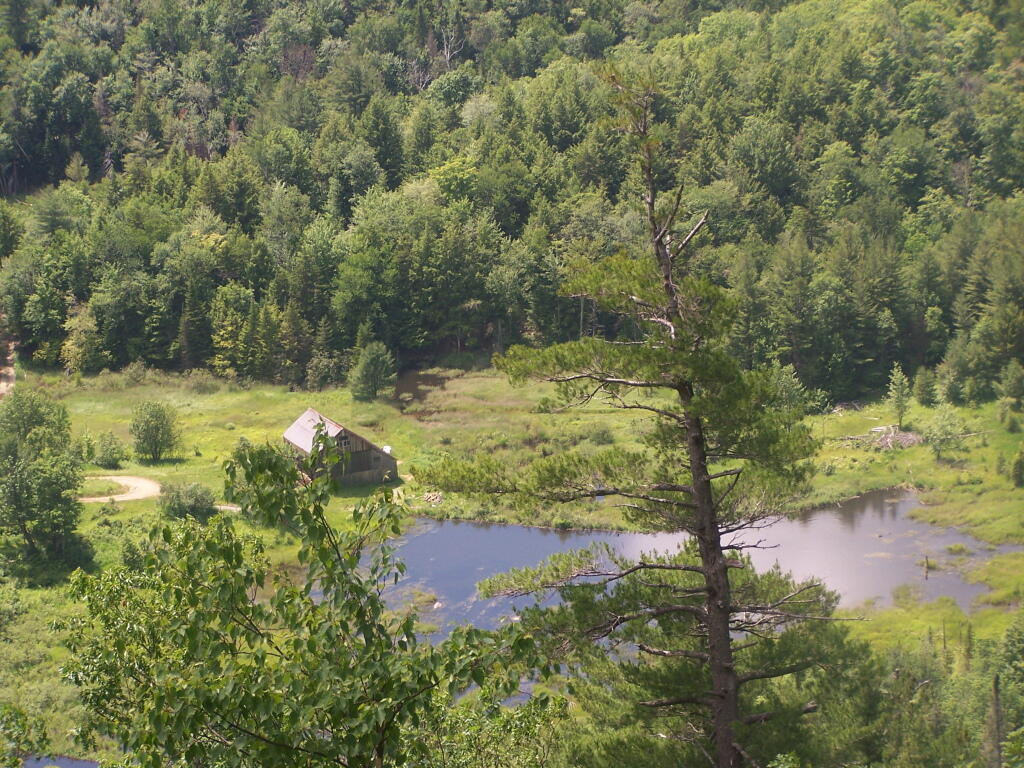
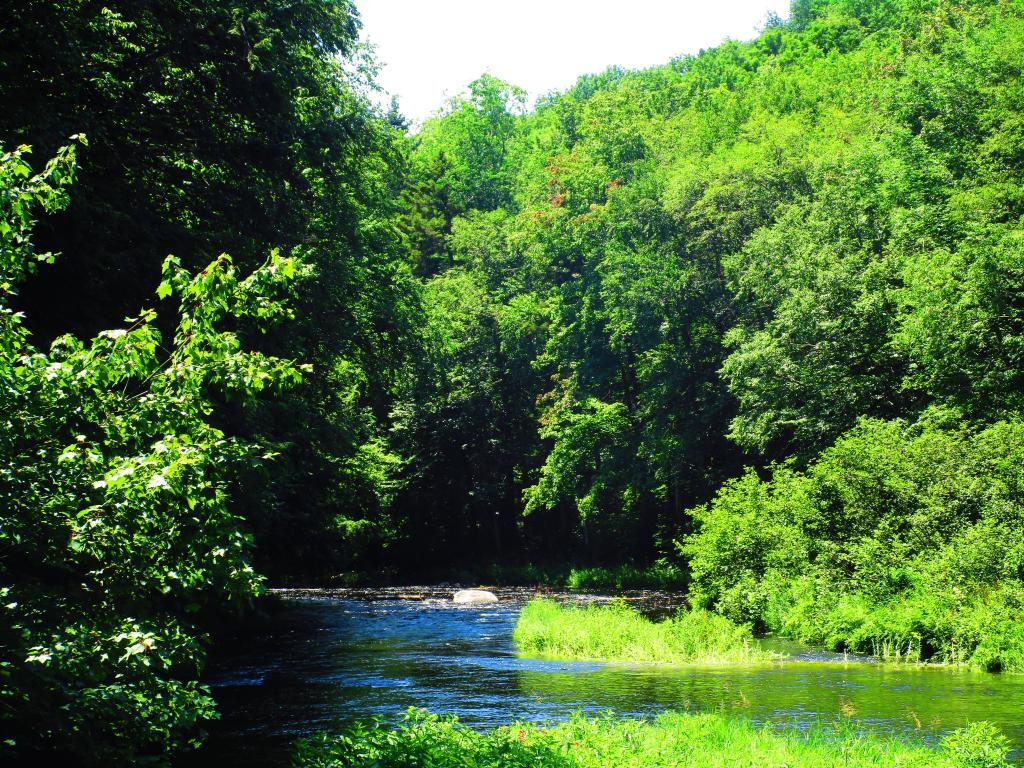
The Adirondack Park is a publicly protected, elliptical area encompassing much of the northeastern lobe of Upstate New York. It is the largest park and the largest state-level protected area in the contiguous United States, and the largest National Historic Landmark. The park covers some 6.1 million acres (2.5×10⁶ ha), a land area roughly the size of Vermont and greater than the National Parks of Yellowstone, Yosemite, Grand Canyon, Glacier, and Great Smoky Mountains combined.
The Adirondack Park boundary, commonly referred to as the ‘Blue Line,’ contains the entire Adirondack Mountain range, as well as some surrounding areas, all within the state of New York. The park includes all of Hamilton and Essex counties, as well as considerable portions of Clinton, Franklin, Fulton, Herkimer, St. Lawrence, and Warren counties and small portions of Lewis, Oneida, Saratoga, and Washington counties as well. (The Clinton County towns of Altona and Dannemora, despite being entirely within the park boundary, are specifically excluded from the park by statute, due to the large prison facilities in both towns.)
Not all of the land within the park is owned by the state, although new sections are frequently purchased or donated. State land comprises 2.7 million acres (1.1×10⁶ ha), about 45% of the park’s area, including the highest peaks in New York State, as well as Mount Marcy, the highest elevation in the state. About 1 million acres (400,000 ha) of this is classified as wilderness, with most of the remainder managed under the somewhat less stringent wild forest classification. Villages and hamlets comprise less than 1% of the area of the park; the remaining area of more than 3 million acres (1.2×10⁶ ha) is privately held but is generally sparsely developed.[3] There is often no clear demarcation between state, private, and wilderness lands in the park. Signs marking the Adirondack Park boundary can be found on most of the major roads in the region, but there are no entrance gates and no admission fee.
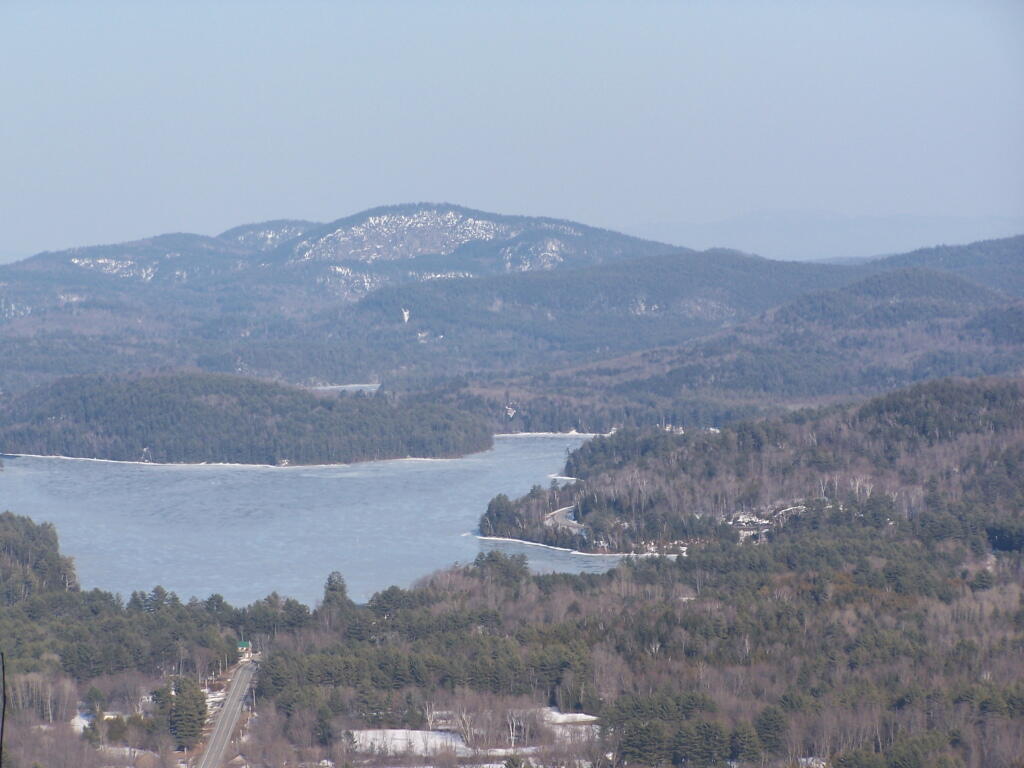
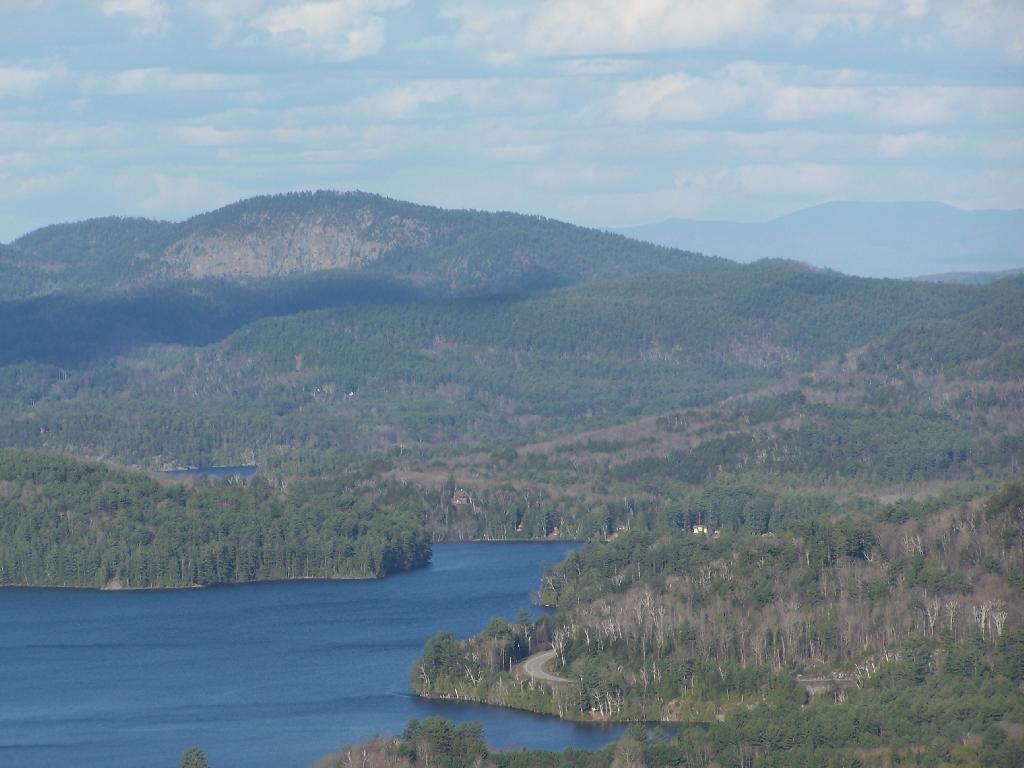
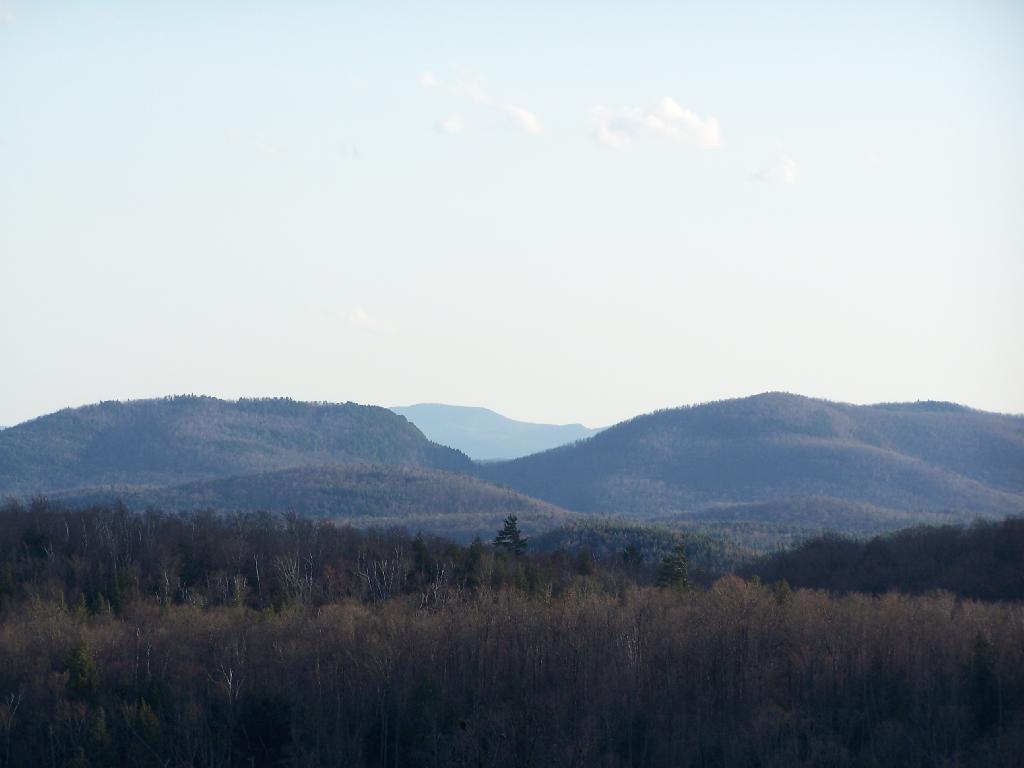
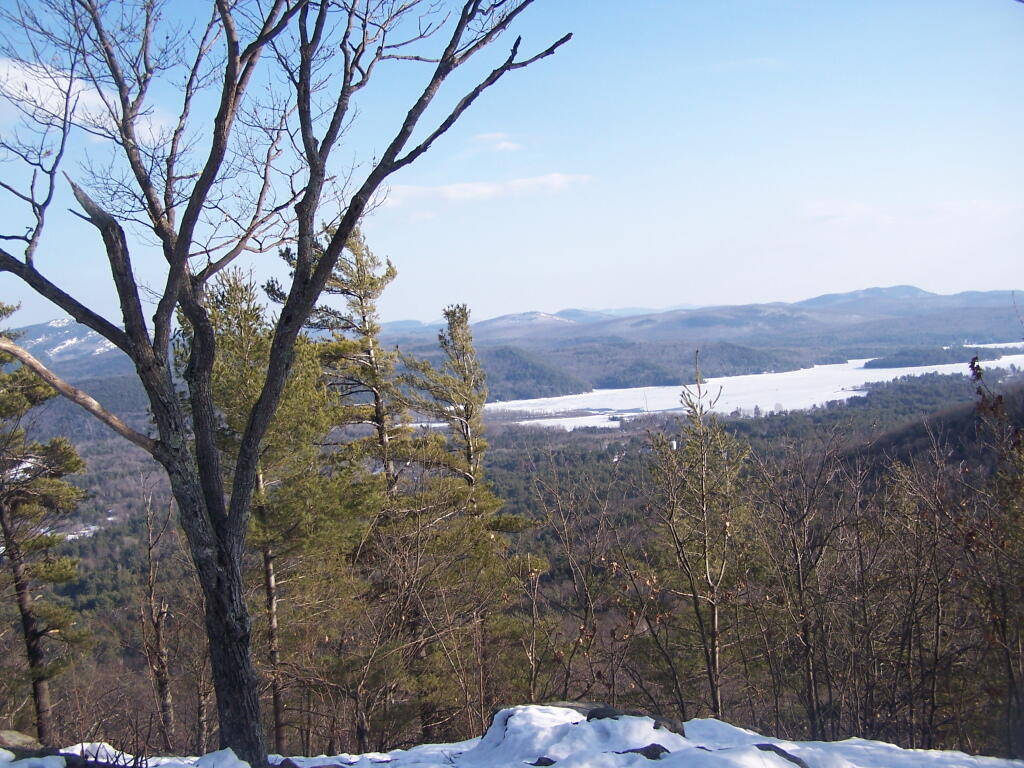
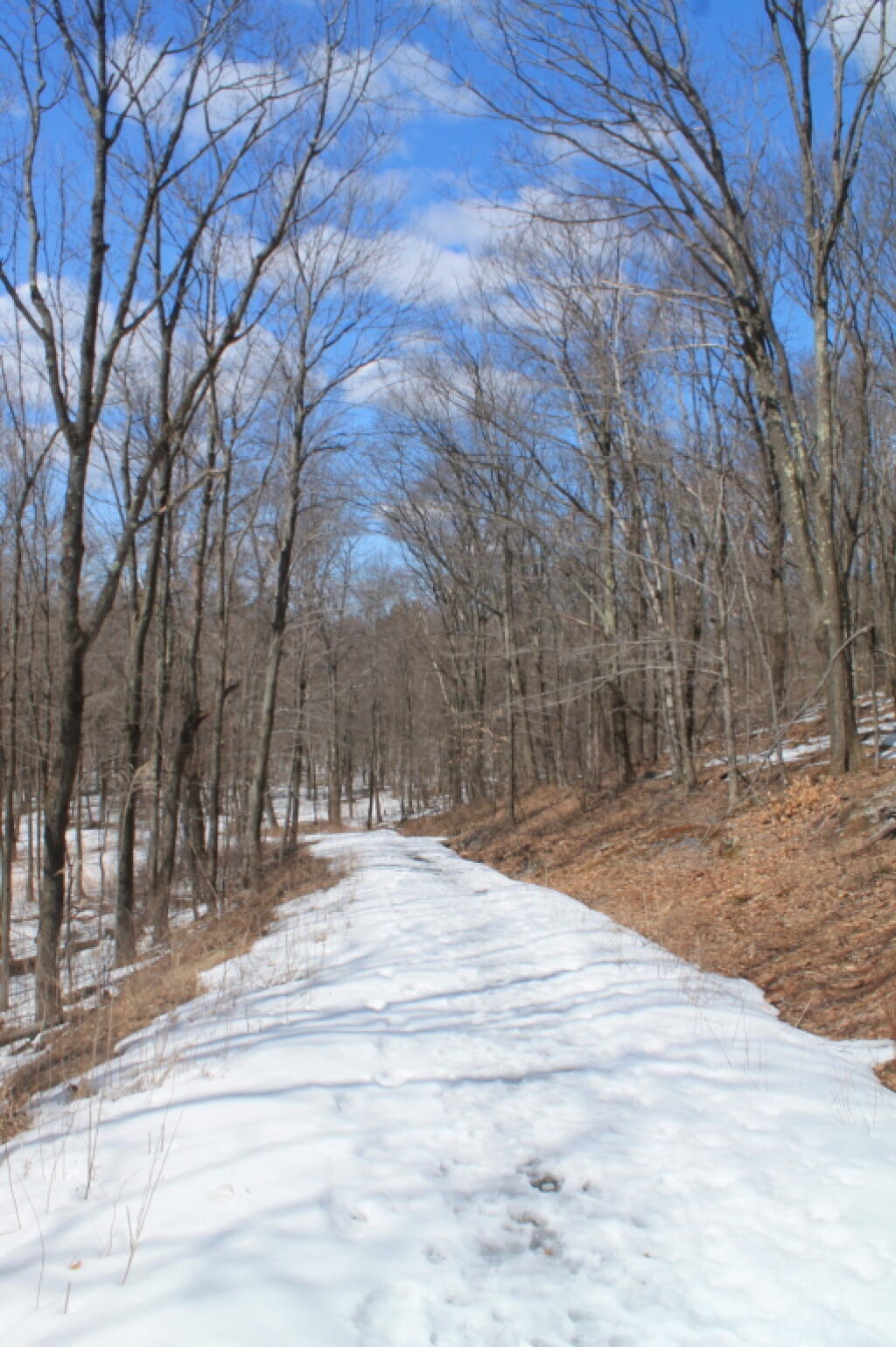
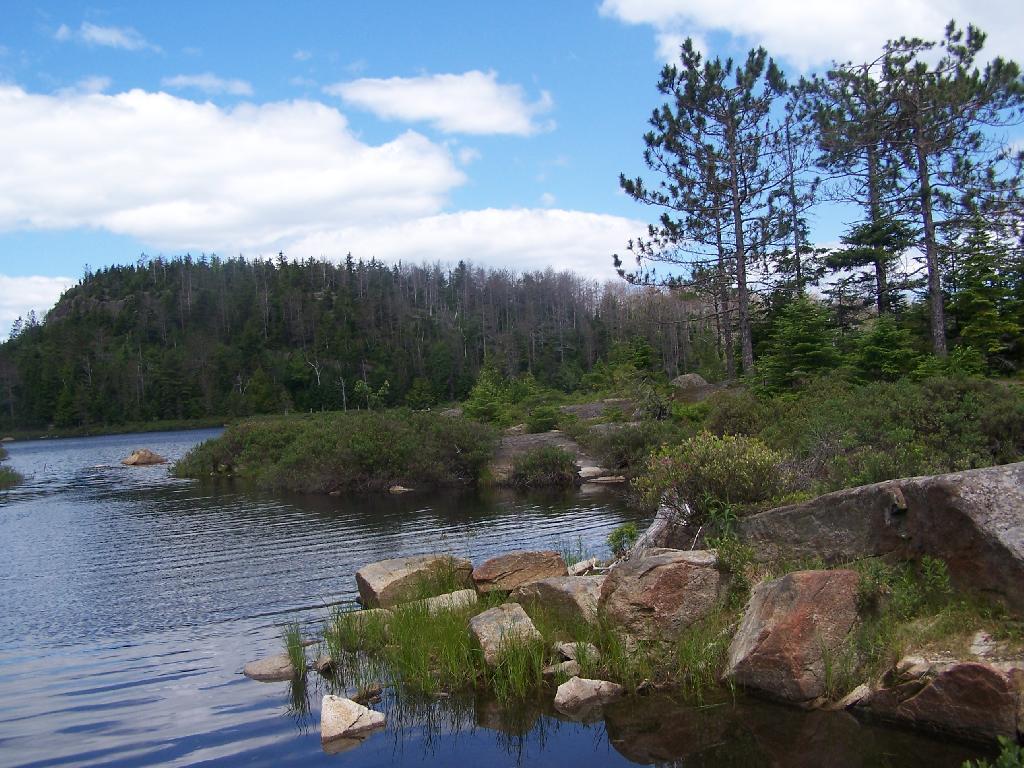
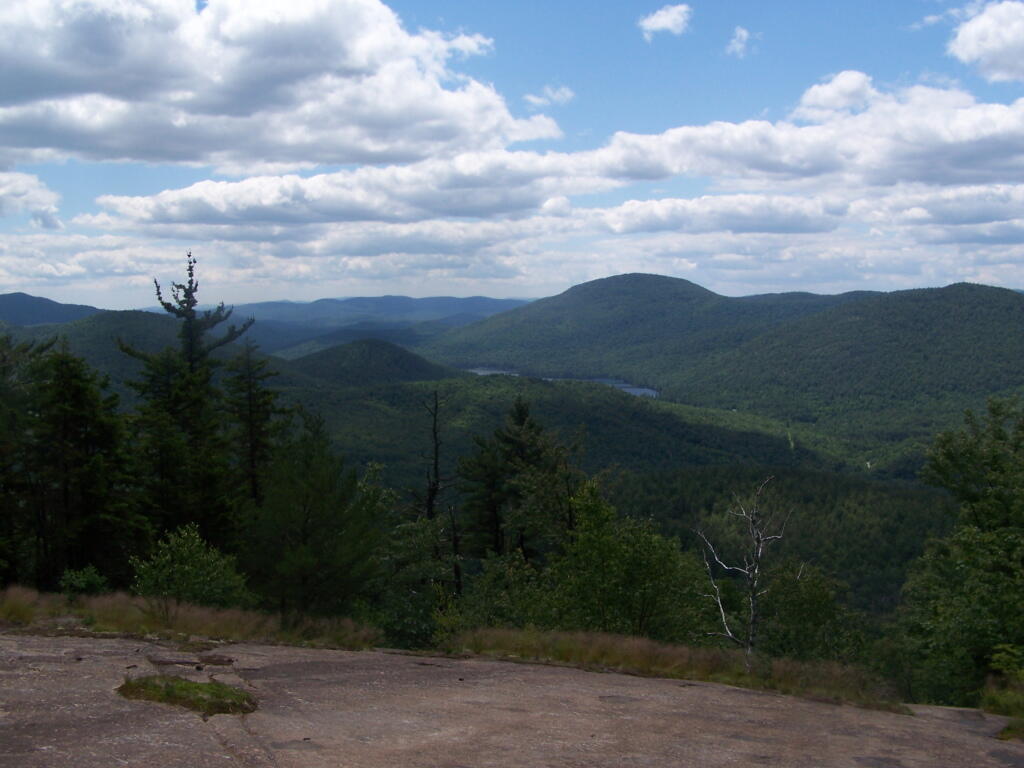
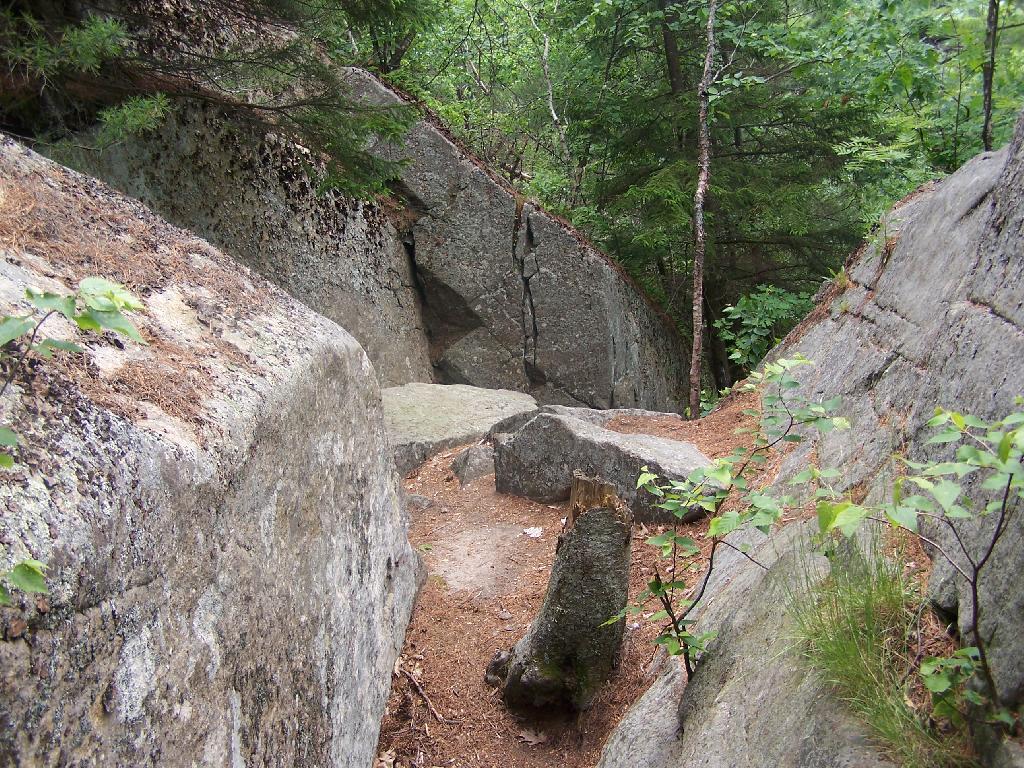
One month after my first hike up Severence Hill, I decided to do another “cool” down hike up this mountain. In only a month, the look off the mountain had changed quite dramatically.
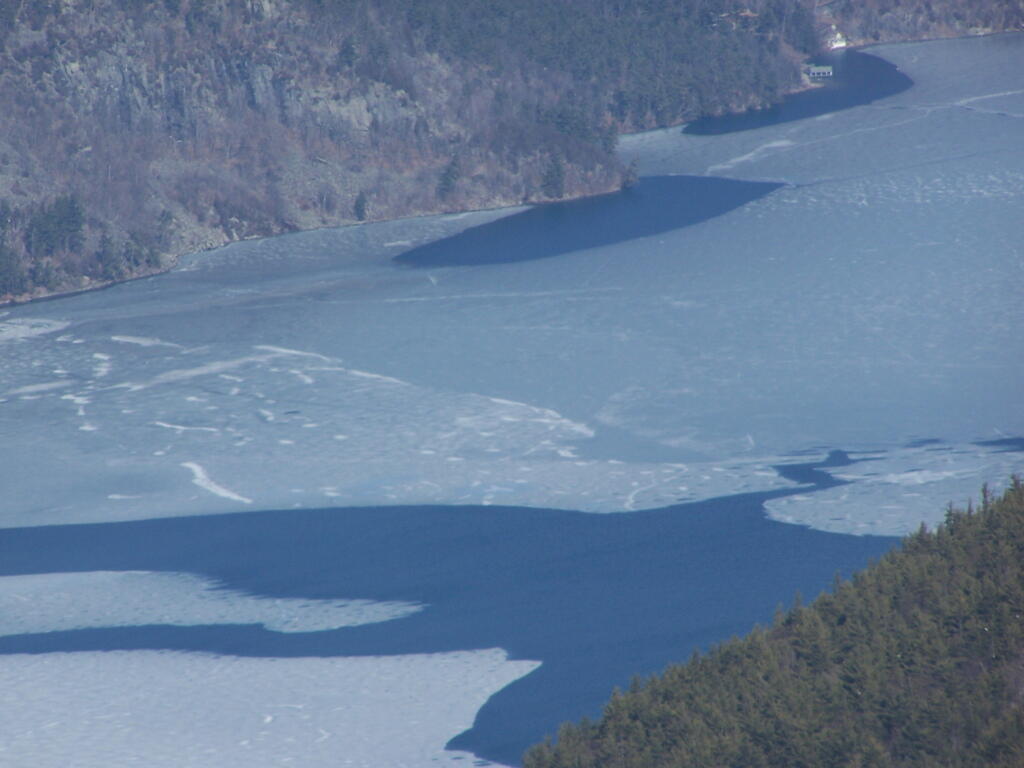
Here is Paradox Lake on March 7, 2010.
Here it is on April 11, 2010.
With the Adirondack Snow having melted in the past month, things looked a lot different for sure. Things where already starting to show some signs of spring, and life, even if the Adirondack Winter still had another month to go before casting off it’s winter.
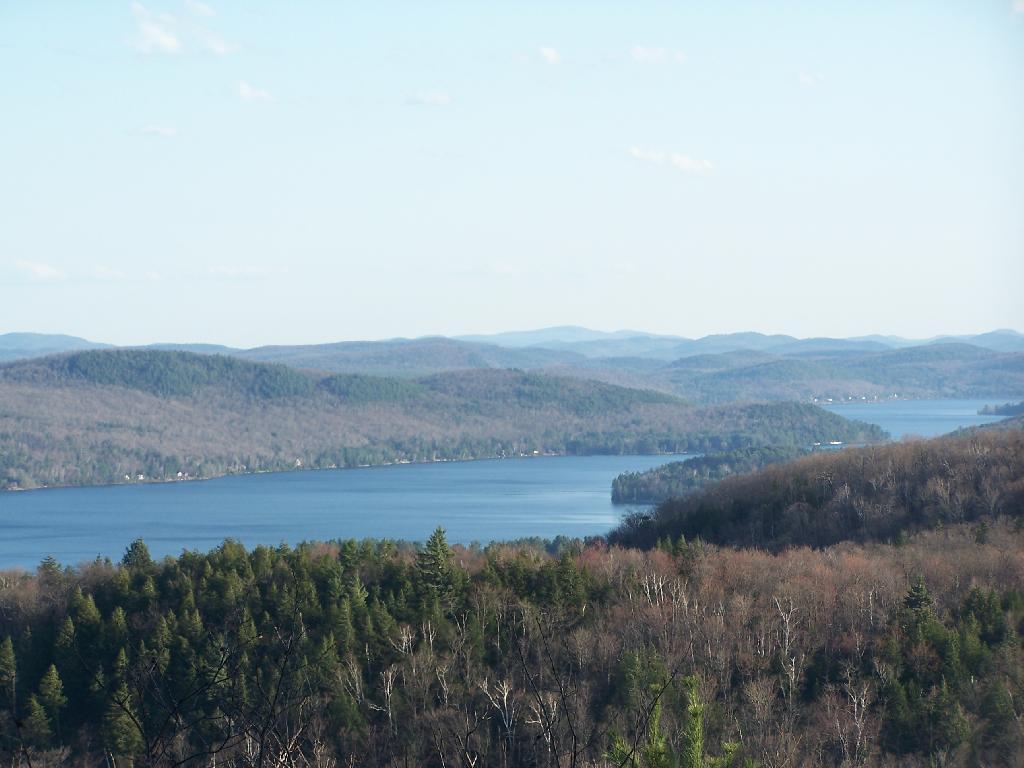
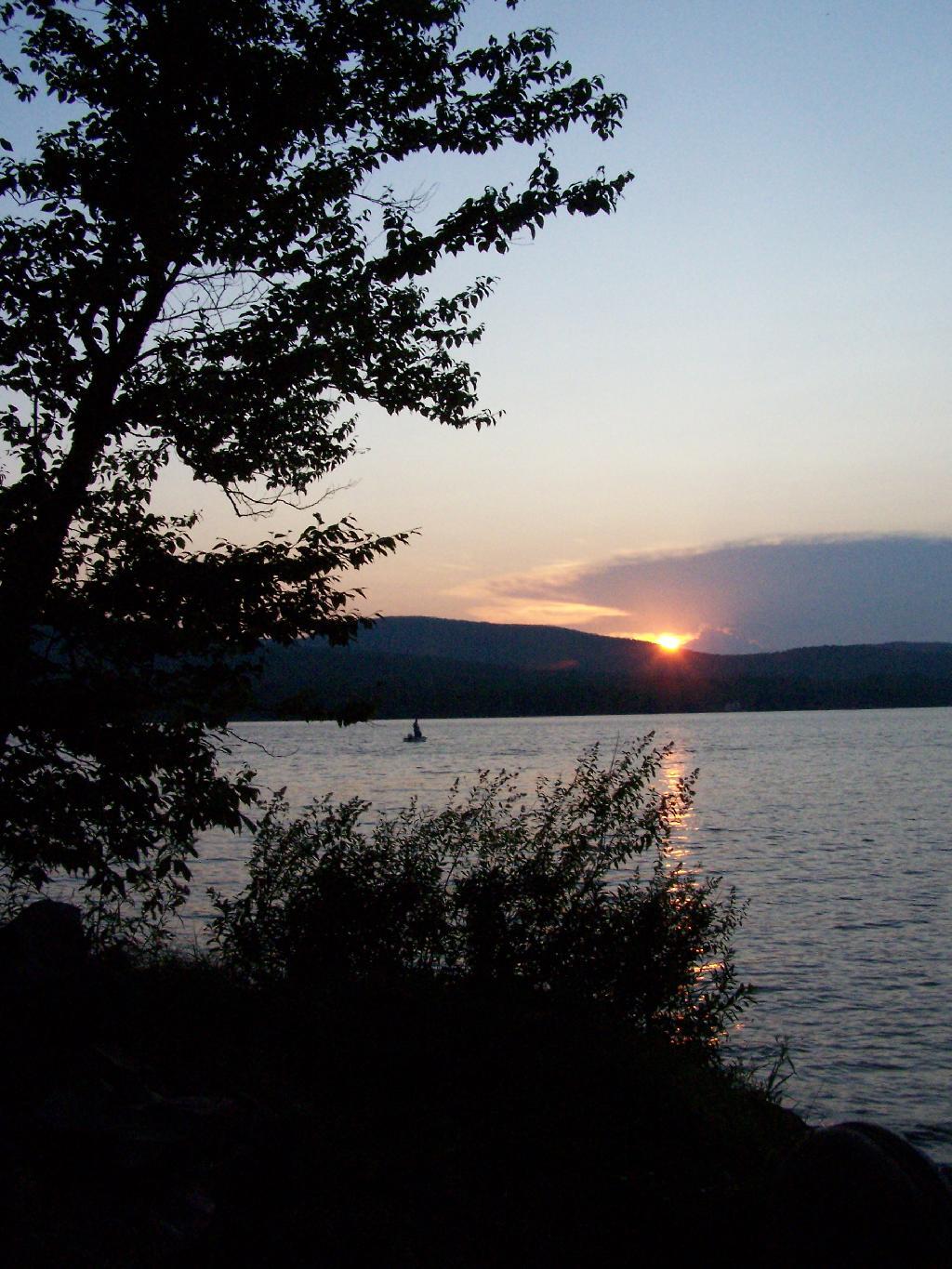
I must have spent an hour staring down at Schroon Lake, just pondering the Adirondacks and possibly moving out west. It was such delightful weather out there, and while I was tired from a day hiking, there was so much beauty with the setting sun. I had no reason at all to rush back to Albany, having no commitments when I got back home, except to get ready for the next day at work.
This hike, while short has so much beauty. Looking down at Steep Bay (part of Pharoah Mountain Wilderness) on Schroon Lake.
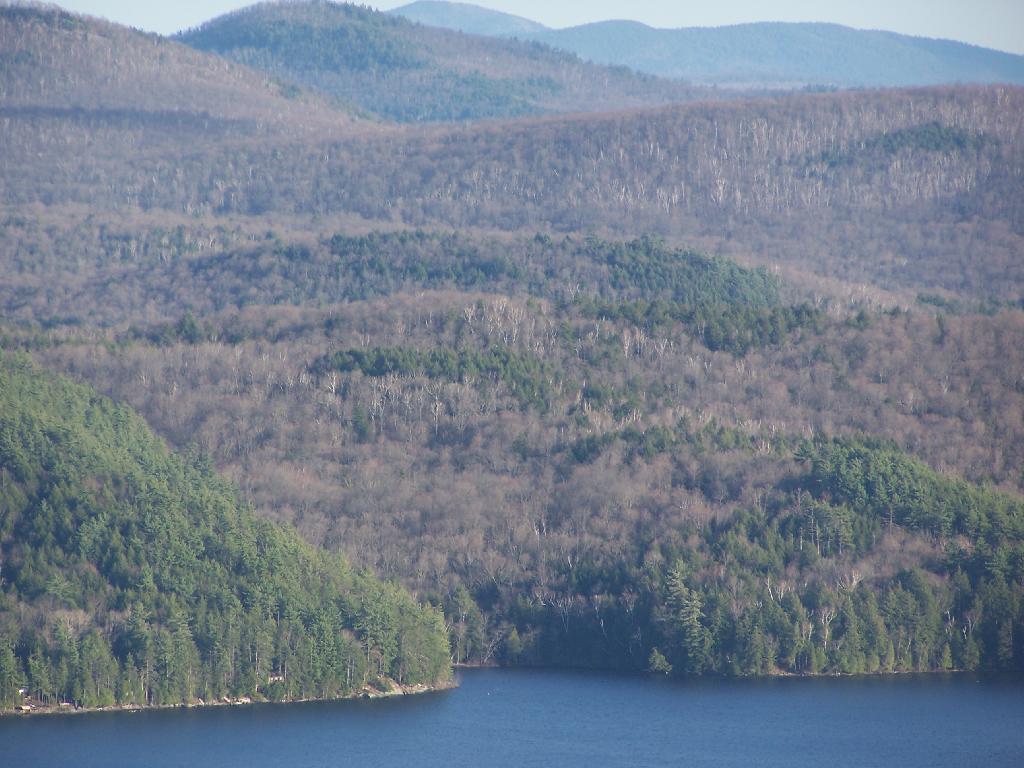
Then one last look at Hatchhack and Allered Hills to the south, silhouetted by the setting sun, as I descended the mountain, and headed back to Albany.
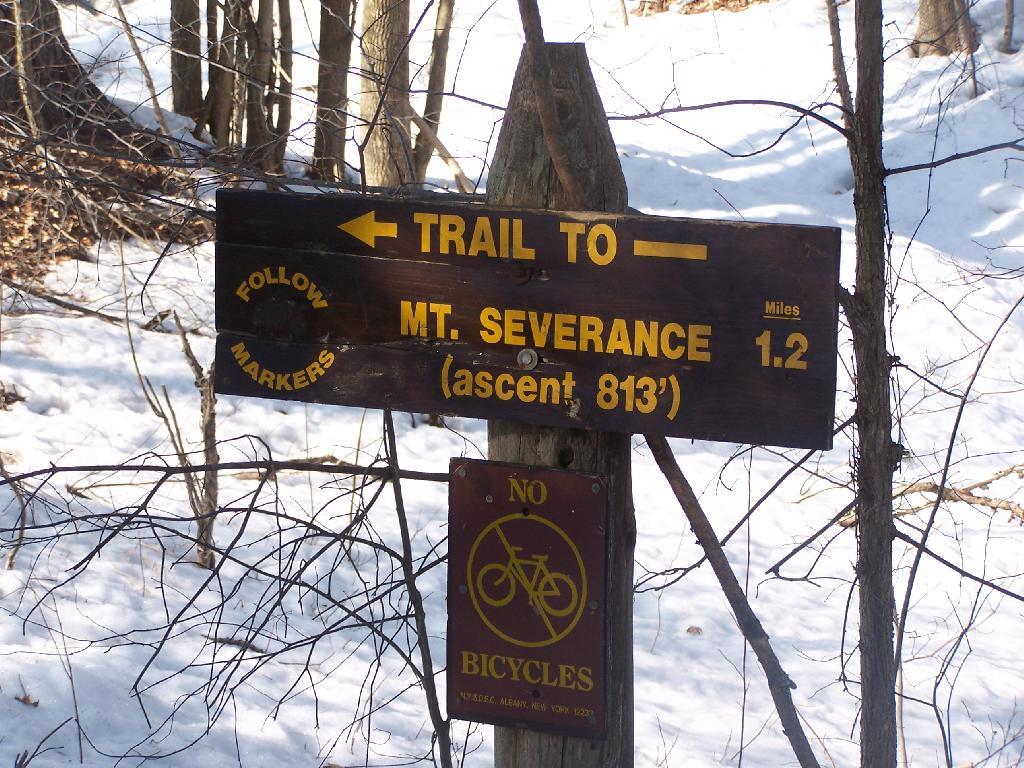
Severence Hill, mis-signed by the NYSDEC as Severence Mountain is located just North of Schroon Lake on US 9. It is a short hike, taking 45-minutes or so to go up, and is right off the Ticonderoga Exit of Adirondack Northway.
I’ve been up it a couple of times back when I was in college — if you have hour and a half to use up and your driving on the Northway near Saranac Lake it’s a must do.
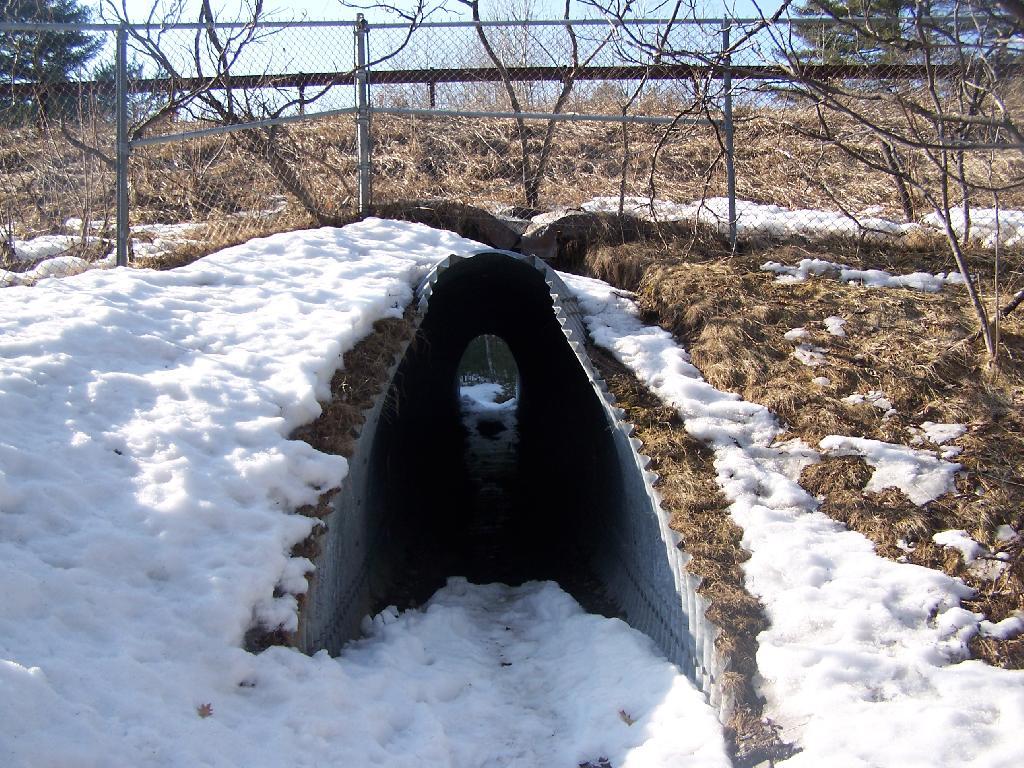
The first part of the trail goes under the two carriageways of the the Northway in a series of tunnels.
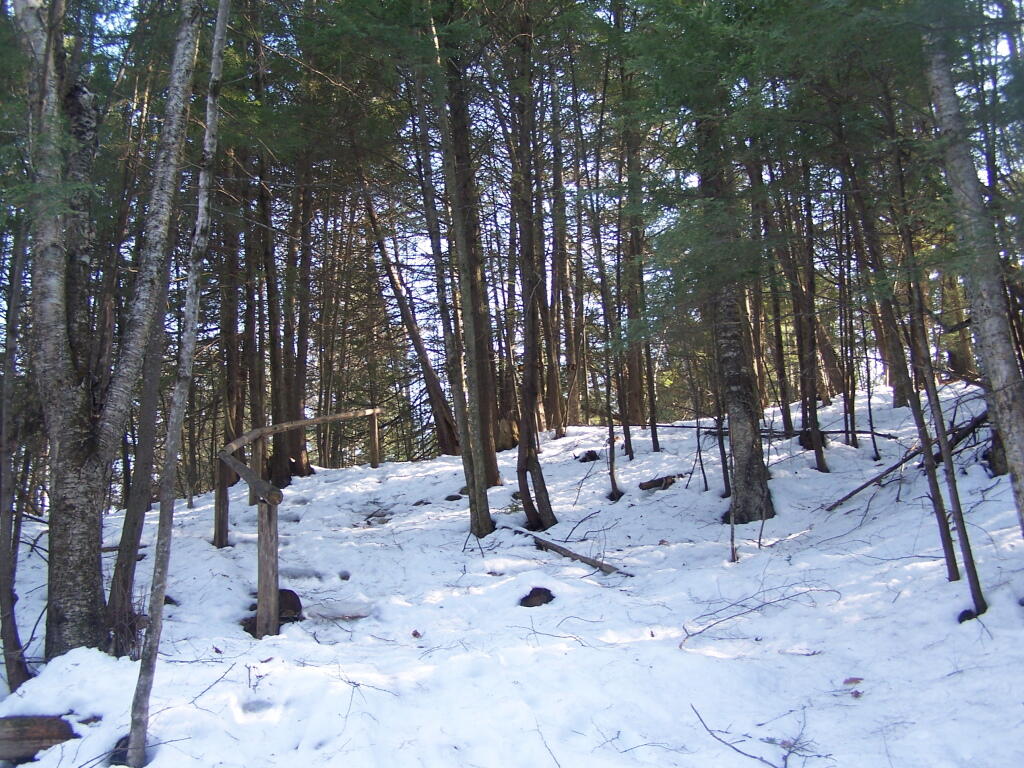
The next 1/4 mile of the trail is relatively flat until you cross a brook and head up a series of stairs, followed by a 1/4 mile ascent, some flat areas, then a quick ascent to the top.
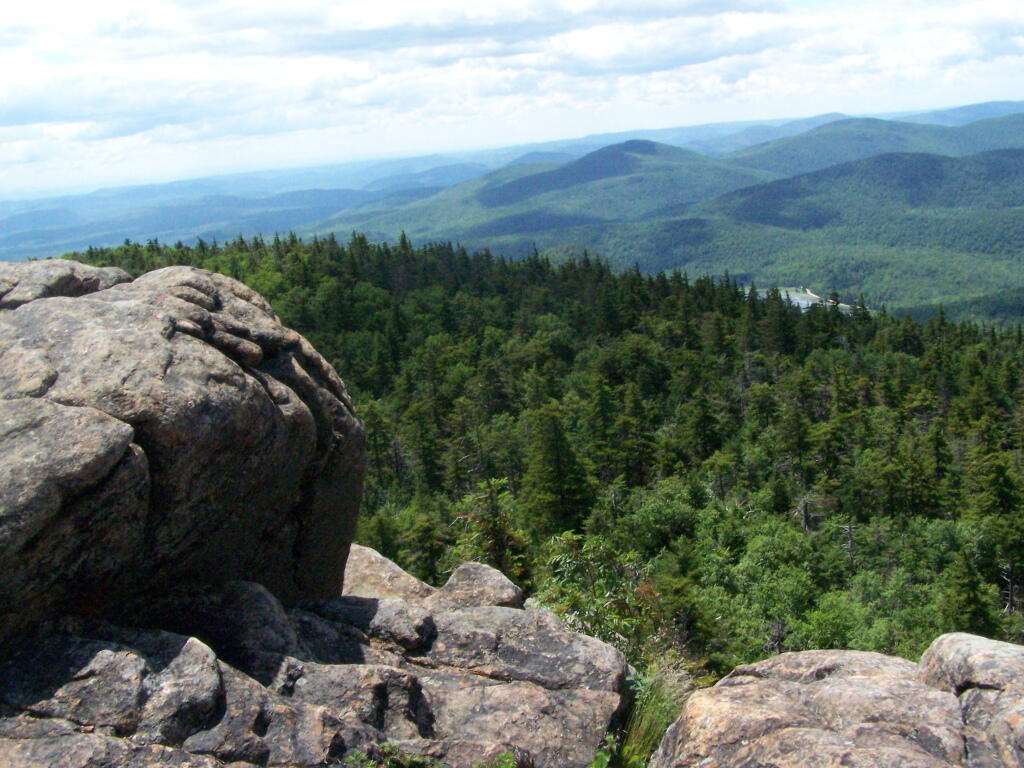
As you reach towards the top, you have broken views of Schroon Lake to the South.
Reaching the top of the mountain, you have some beautiful views of Schroon Lake. Unfortunately the village is too close to see from the mountain and trees block the partial view.
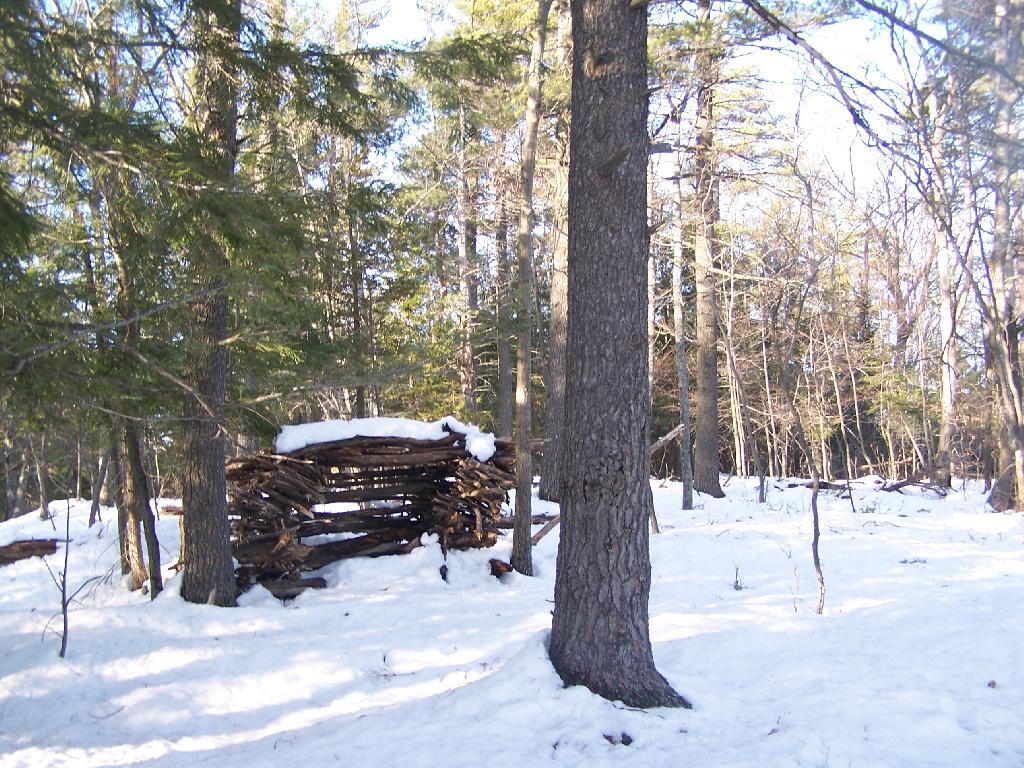
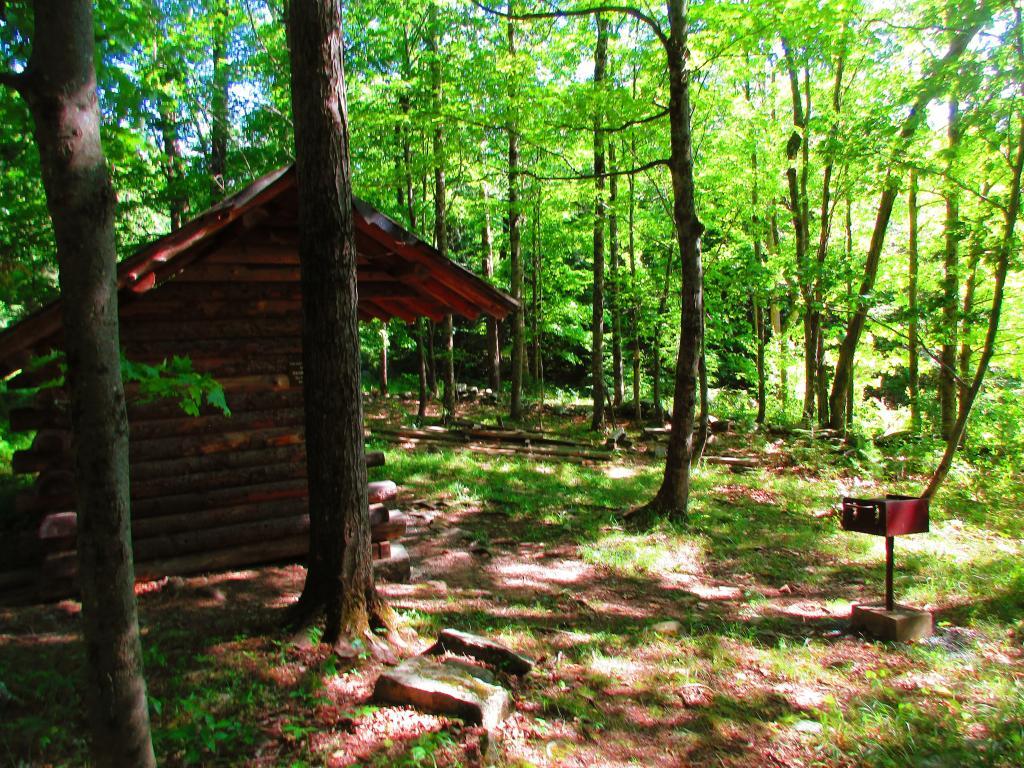
On the top of Severence Mountain, overlook Schroon Lake is this cute little lean-to shelter hand-made out of branches.
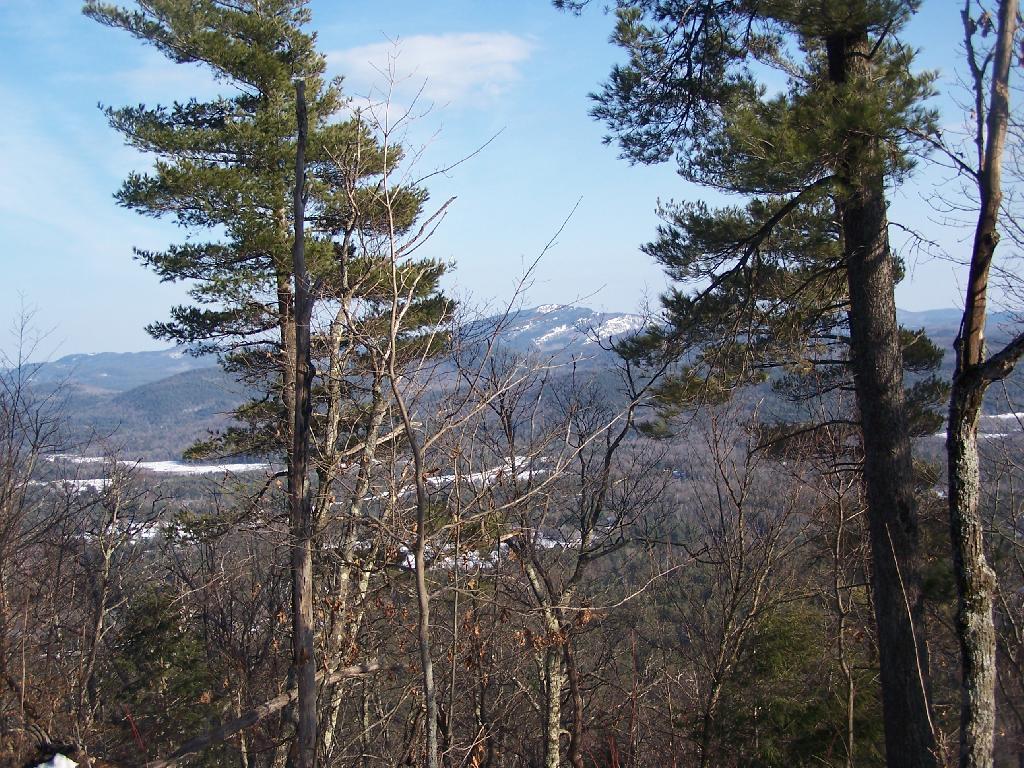
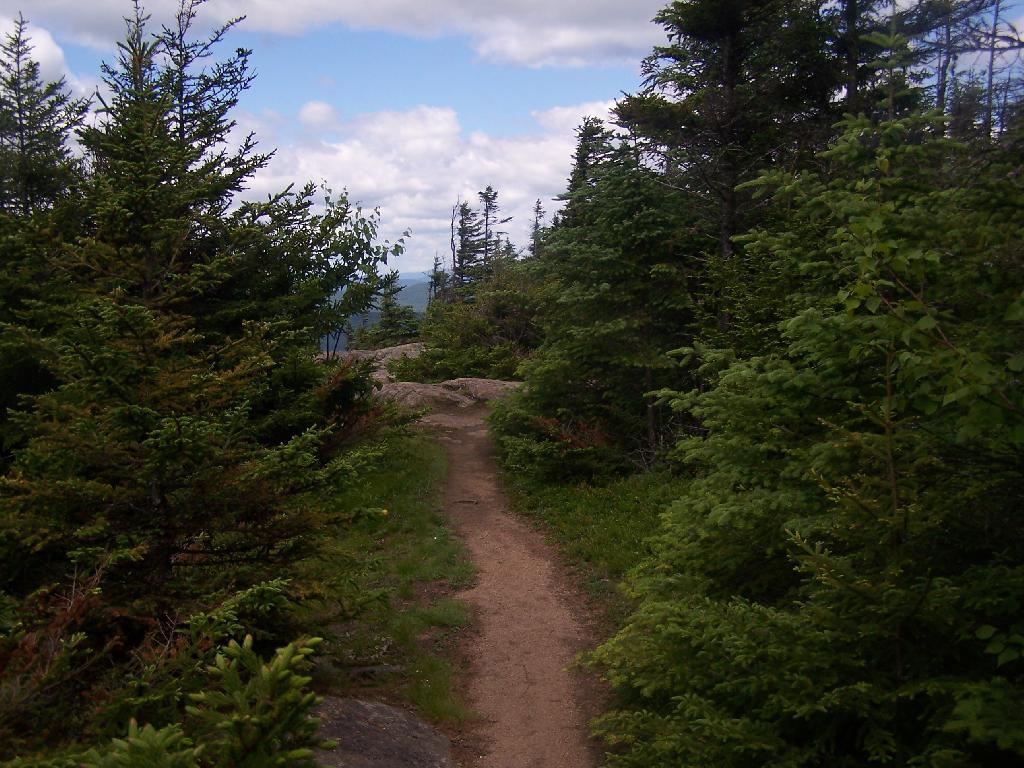
On the top of the mountain, the trail proceeds for another 1/4 mile, with broken views of Pharaoh Mountain.
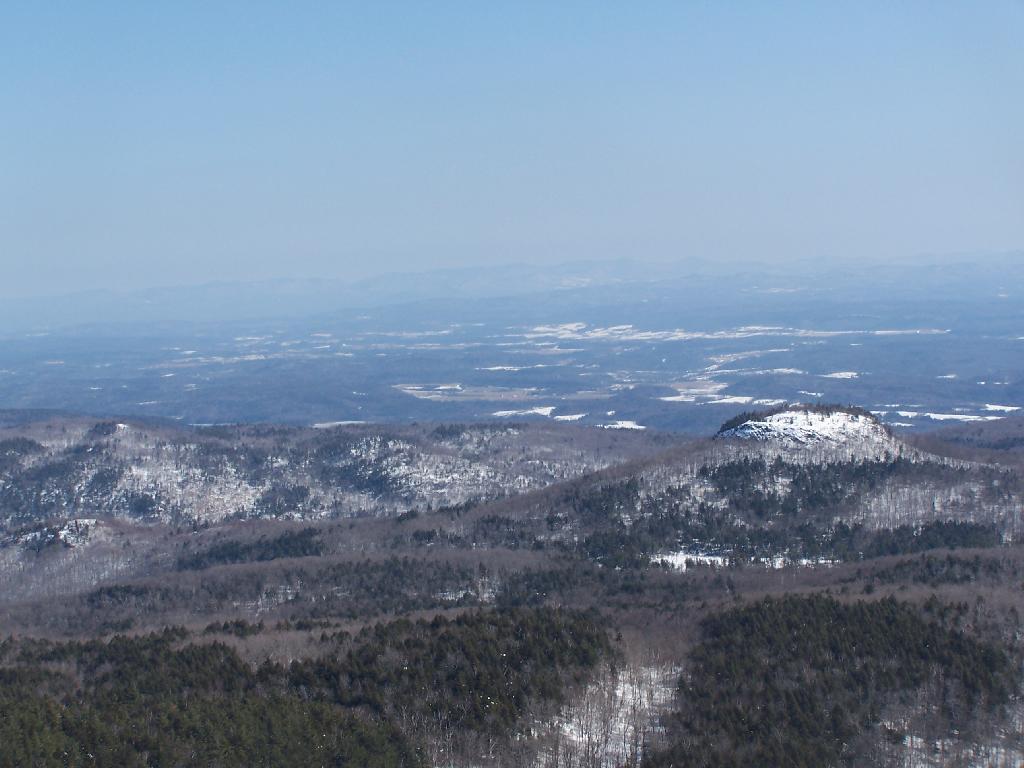
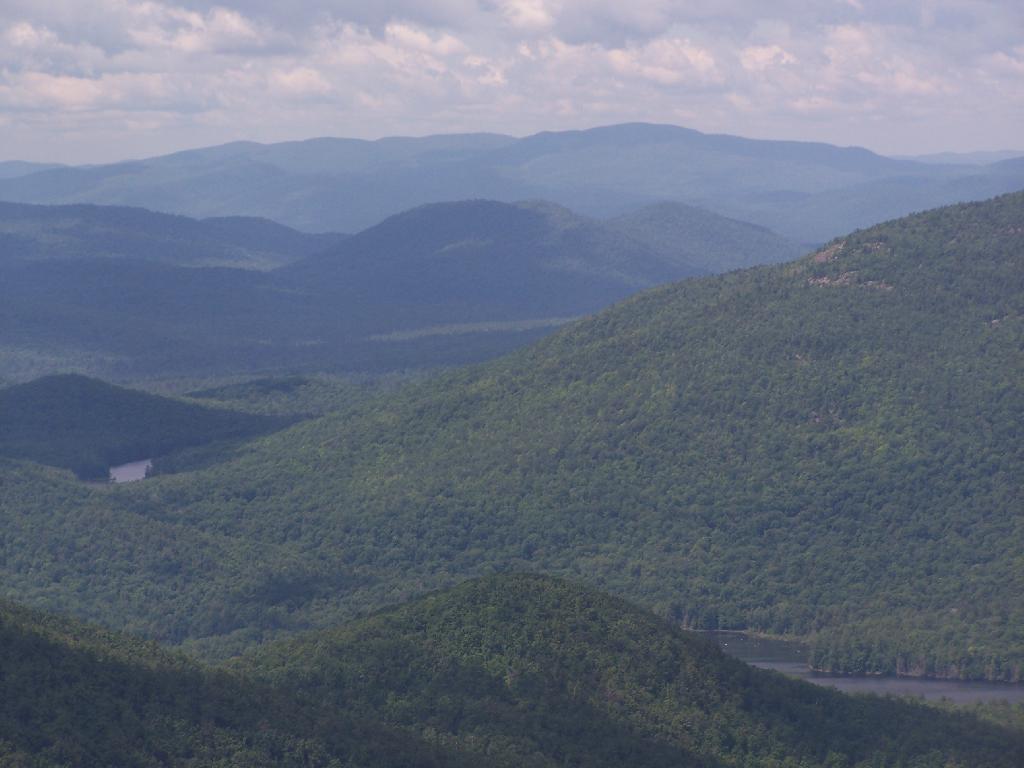
As you continue along the trail to it’s end, you left with a good view of Paradox Lake with Skiff Mountain in the background. Blocked by that mountain range, after a significant descent, is Ticonderoga and Lake Champlain.
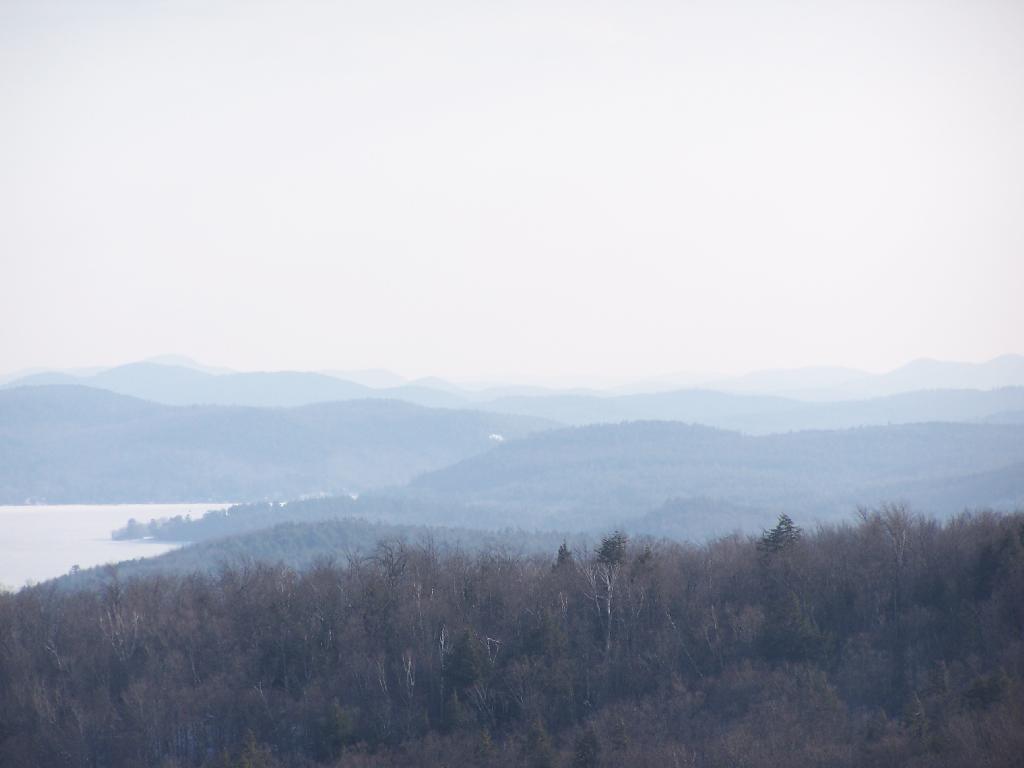
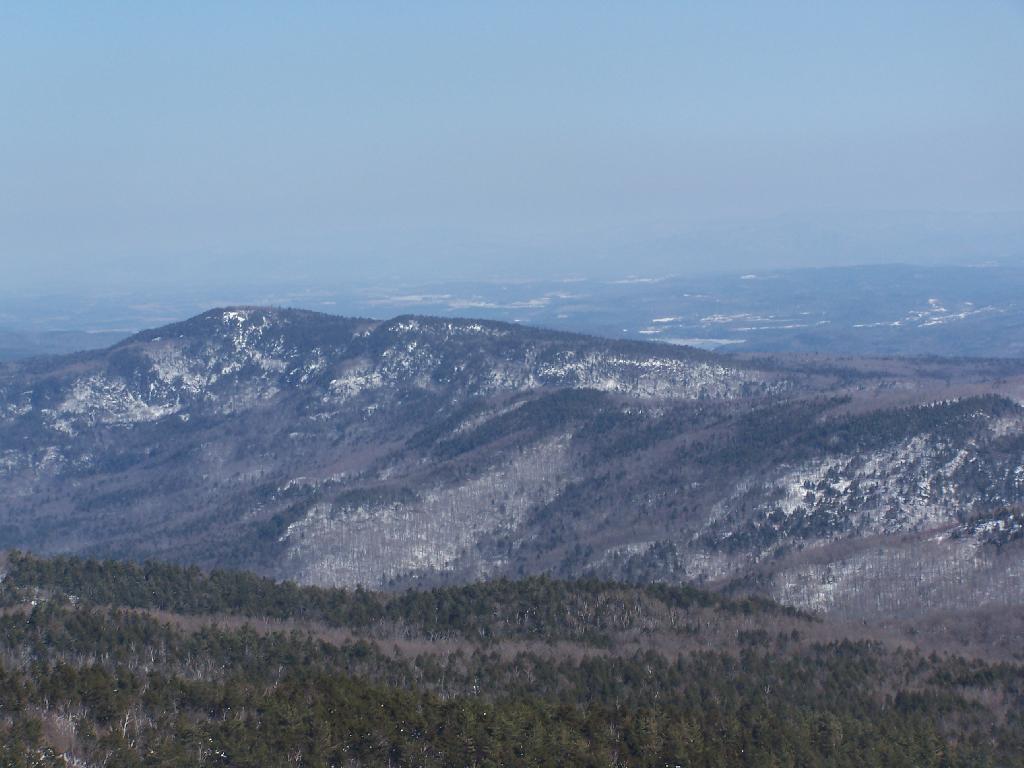
You come back the same way you came up the mountain. This is looking towards the southern-most portion of Schroon Lake at the mountains at the southern portion of the Adirondacks.
Black Mountain is the tallest peak between Lake George and Lake Champlain and contains an old fire tower that is currently used by the DEC Forest Rangers for communications equipment. It’s elevation is 2,640 feet, however accessing it from Pike Brook Road Parking area, your already at over 1,700 feet after driving up the very scenic Huletts Landing Road from NY 22.
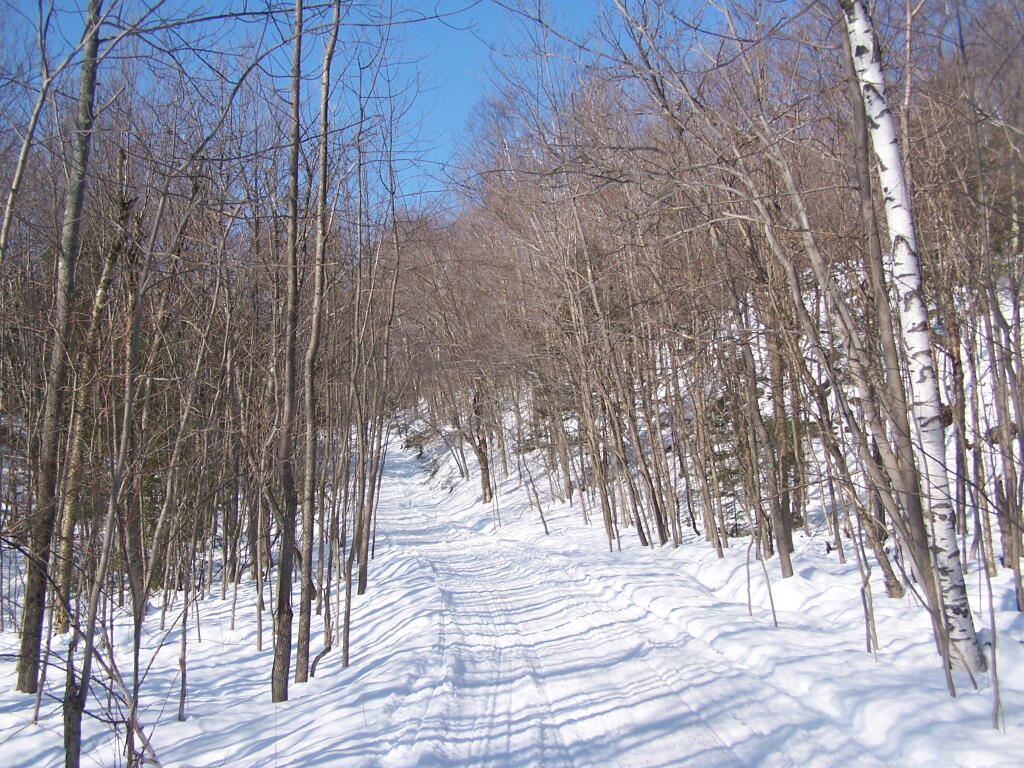
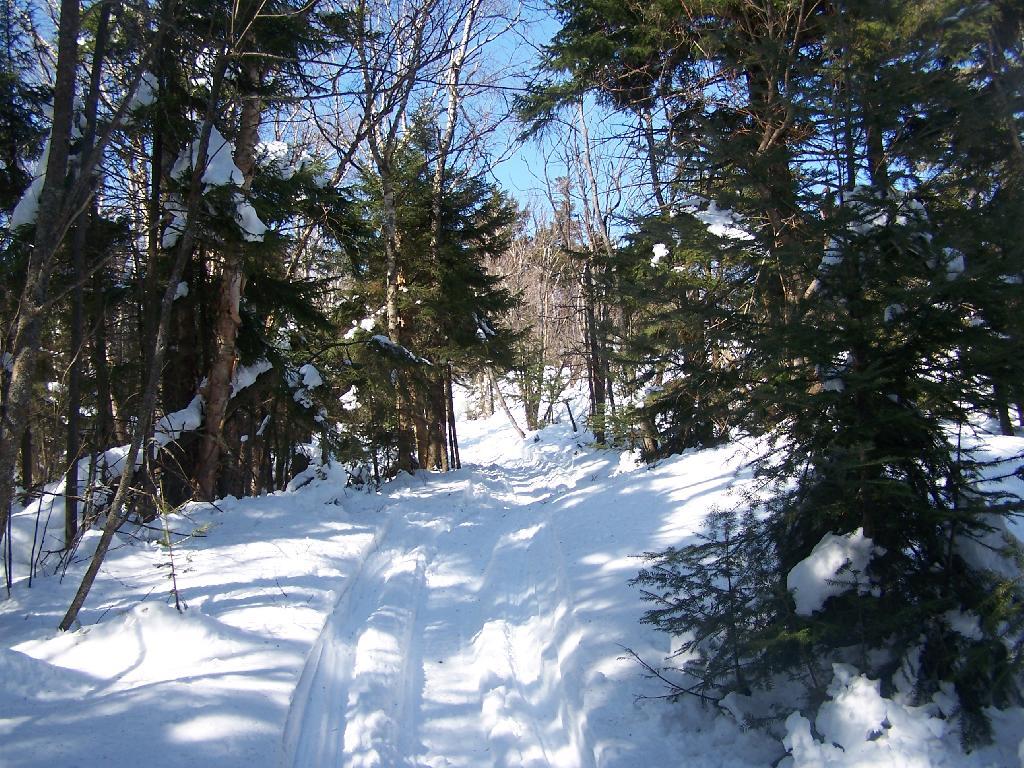
In the winter, the old woods road up Black Mountain is also a low-speed and narrow snowmobile trail that has occassional snowmobiles on it. At 3 miles, it’s a relatively short hike with an elevation gain of about 900 feet.
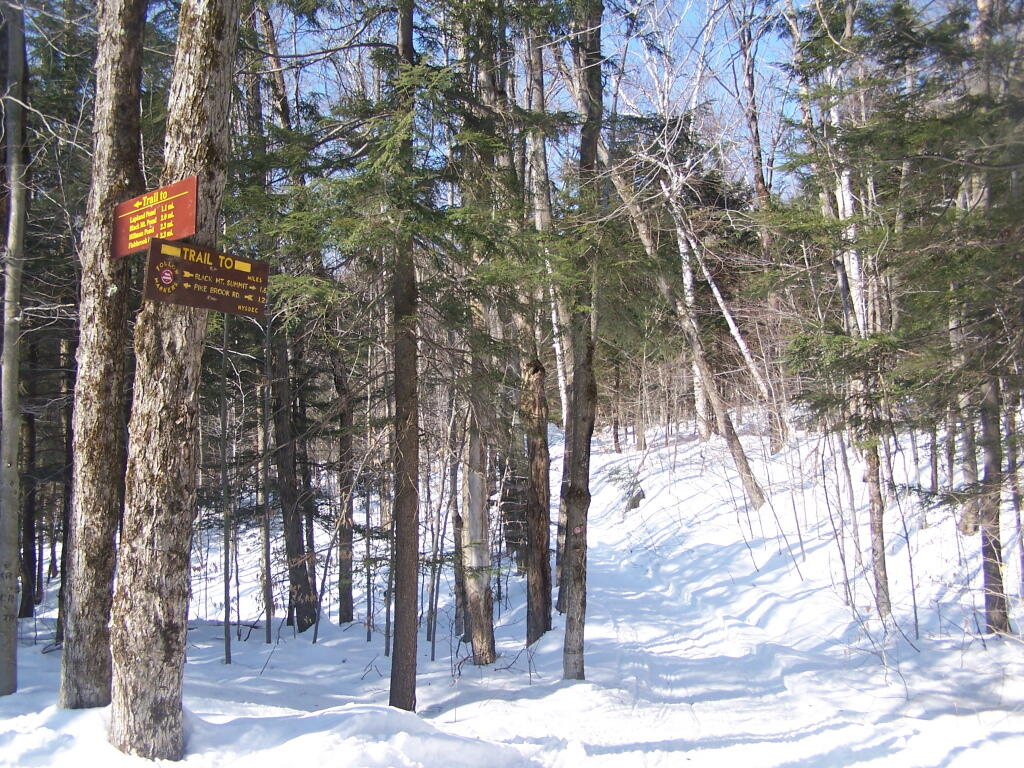
The first 1.2 miles up the mountain the trail is relatively flat. After the split between the valley trail to Black Mountain Pond and other lakes running down towards Lake George, and the trail up Black Mountain Fire Tower. The next 1.6 miles is much steeper, as the trail winds up the mountain following a Jeep Trail with many switchbacks.
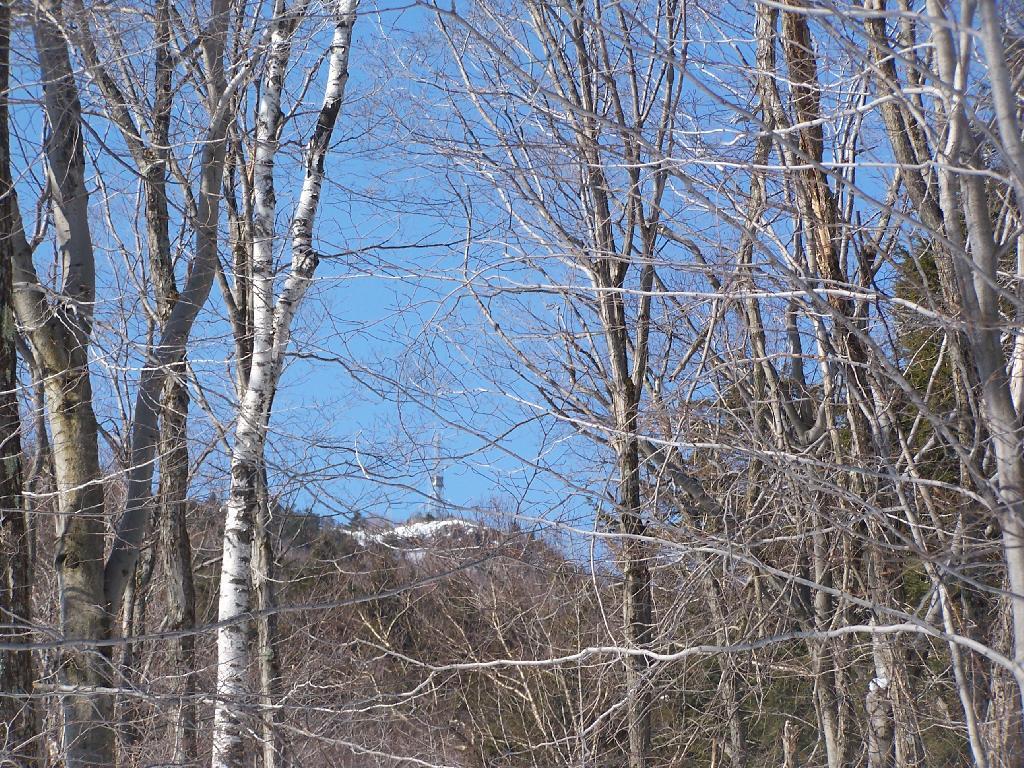
As you start climbing, you get a broken view of the fire tower on top of Black Mountain.
The snowmobile / old woods trail is narrow and steep as it winds up to the top of the mountain.
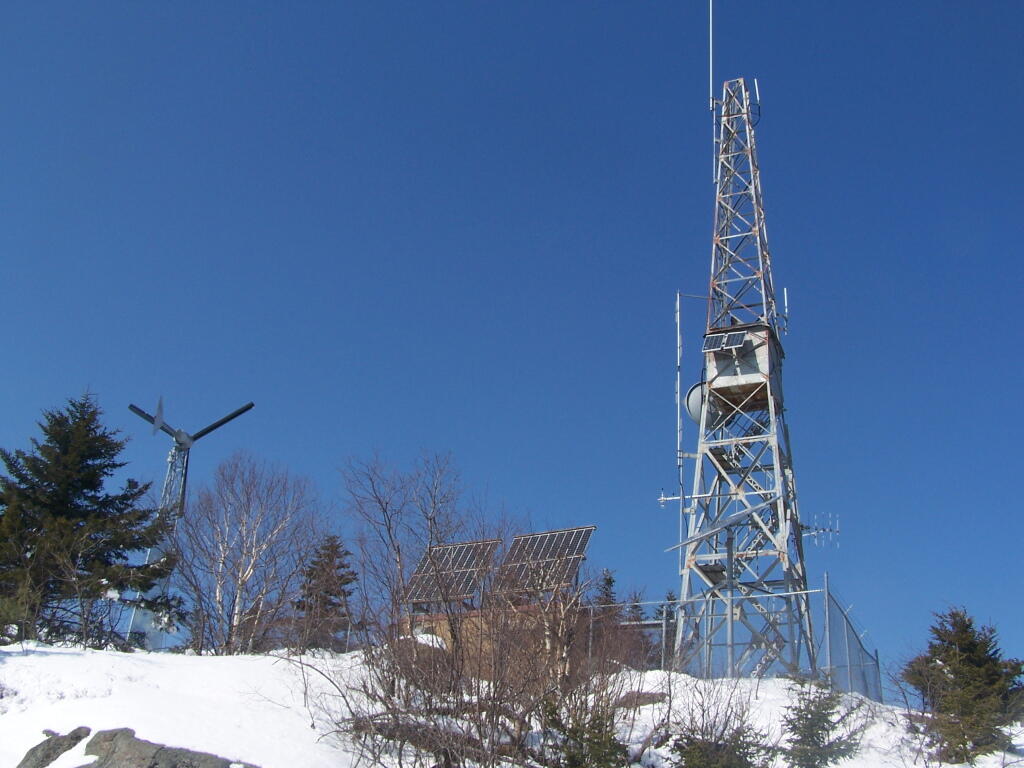
Reaching the top of the mountain, you can see the DEC Forest Ranger Communication Tower, with wind turbine, solar panel, and fire tower converted to communications tower. It’s disappointing that they had to convert the tower to a communications tower, because it would have otherwise provided nice views to the south.
Looking across Lake George towards Five Mile Mountain and the Adirondack Mountain in the distance.
North on Lake George. In the foreground is Hague, farther in the distance is Elphant Mountain, the end of Lake George and the La Chute River down pass Ticonderoga.
Looking to the North-West off Black Mountain. In the foreground is Sugar Loaf Mountain, and just beyond that is the “Drowned Lands”, the marshy farm lands surrounding the southern portion of Lake Champlain. Even further beyond that is the Green Mountains in Vermont.
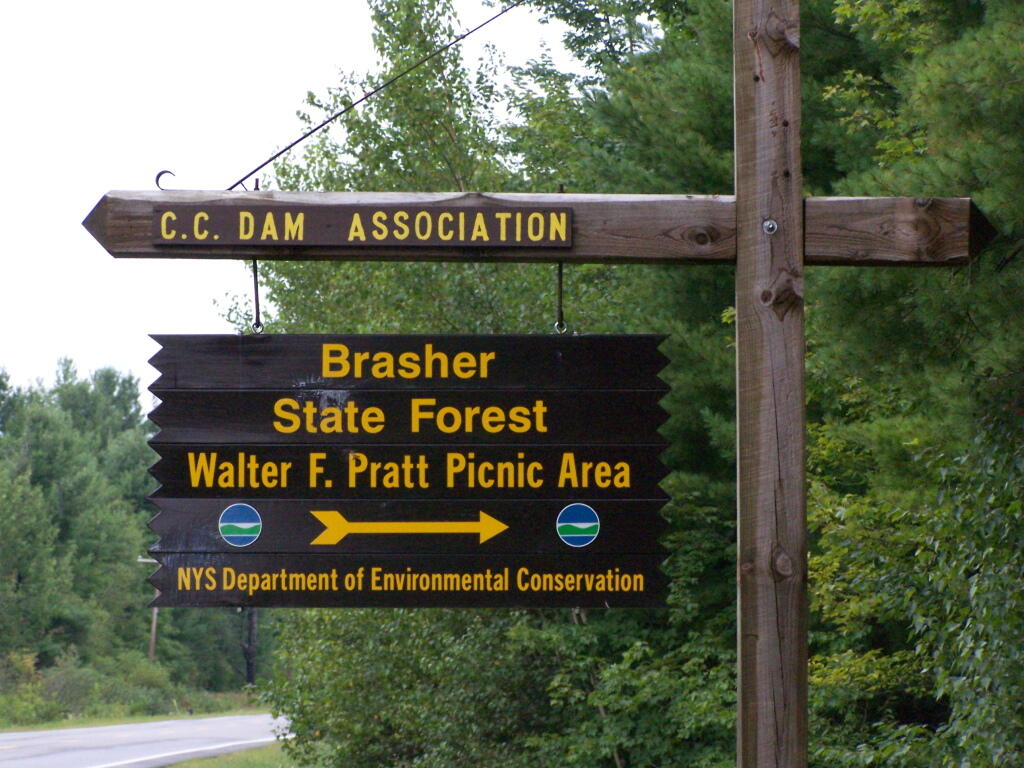
About 5 miles north of North Lawerence, on Saint Lawerence County Route 55 there is a sign for the Brasher State Forest and Walter Pratt Picnic (and Primitive Camping) Area, maintained CC Dam Association.
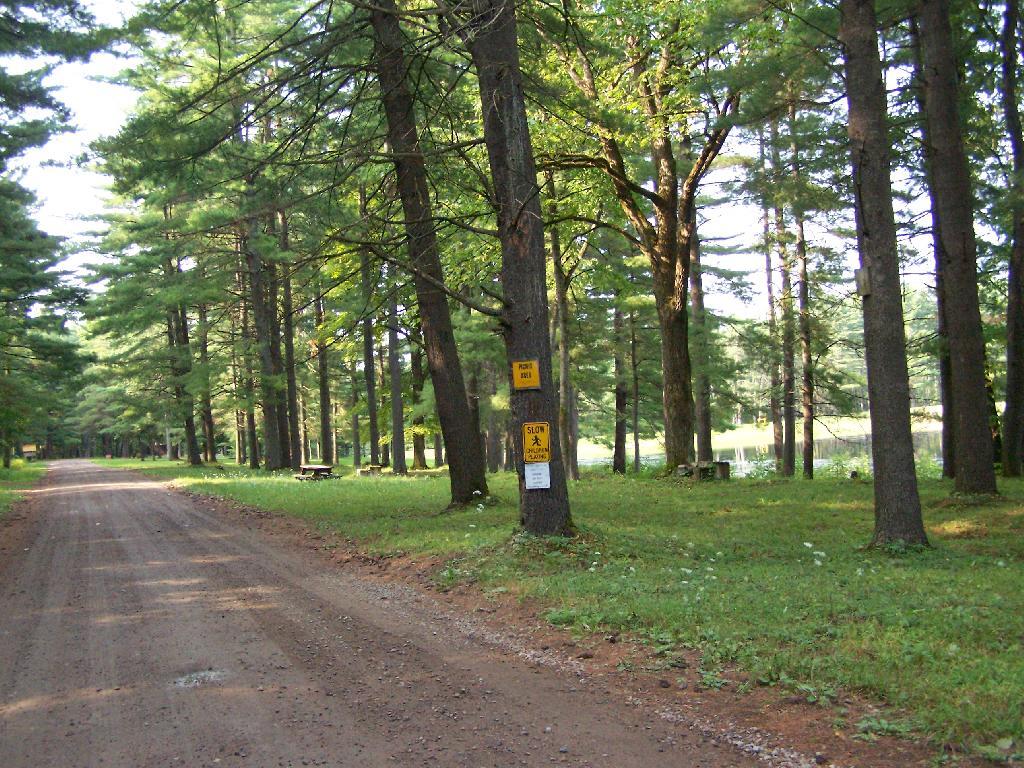
As you enter the camping area, there is a sign for the picnic area along the lake, and camping on the other side of the road. Originally they allowed camping on both sides of the road, but concerns about run-off and other pollution from campers relocated the sites to the other side of the road.
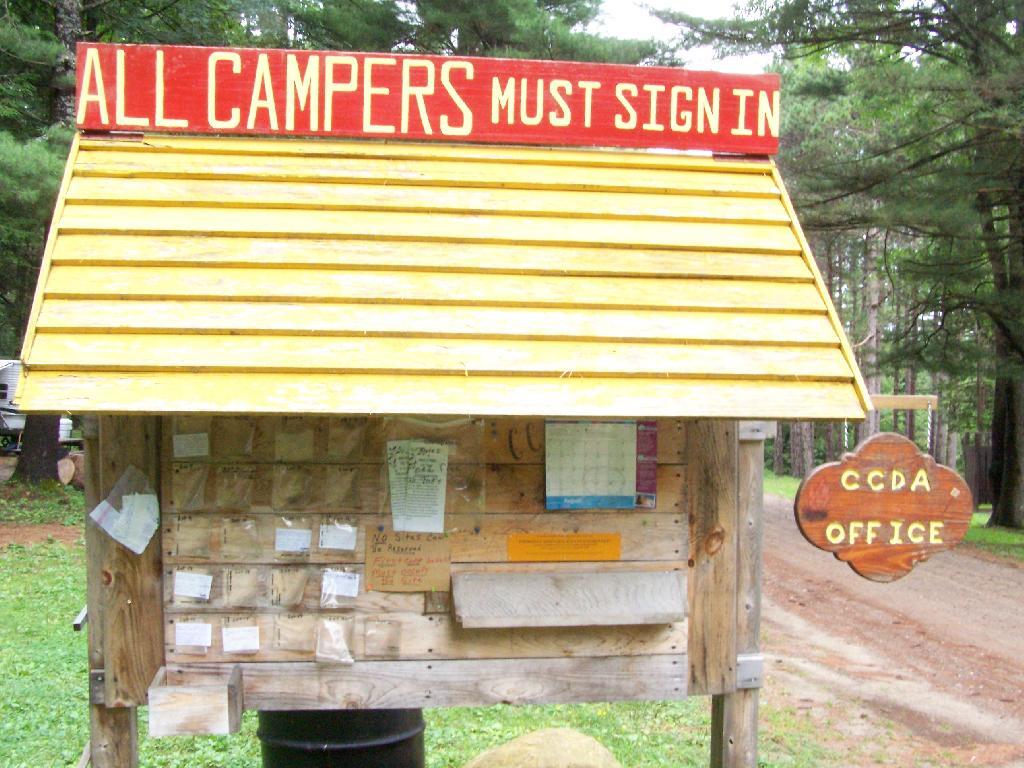
If you want to camp, all you have to do is sign-in on a card, and stick it in the retrospective window. This so they can contact you during an emergency. You can stay for up to 3 nigths, or longer if you get up to a 2-week renewable permit from the DEC.
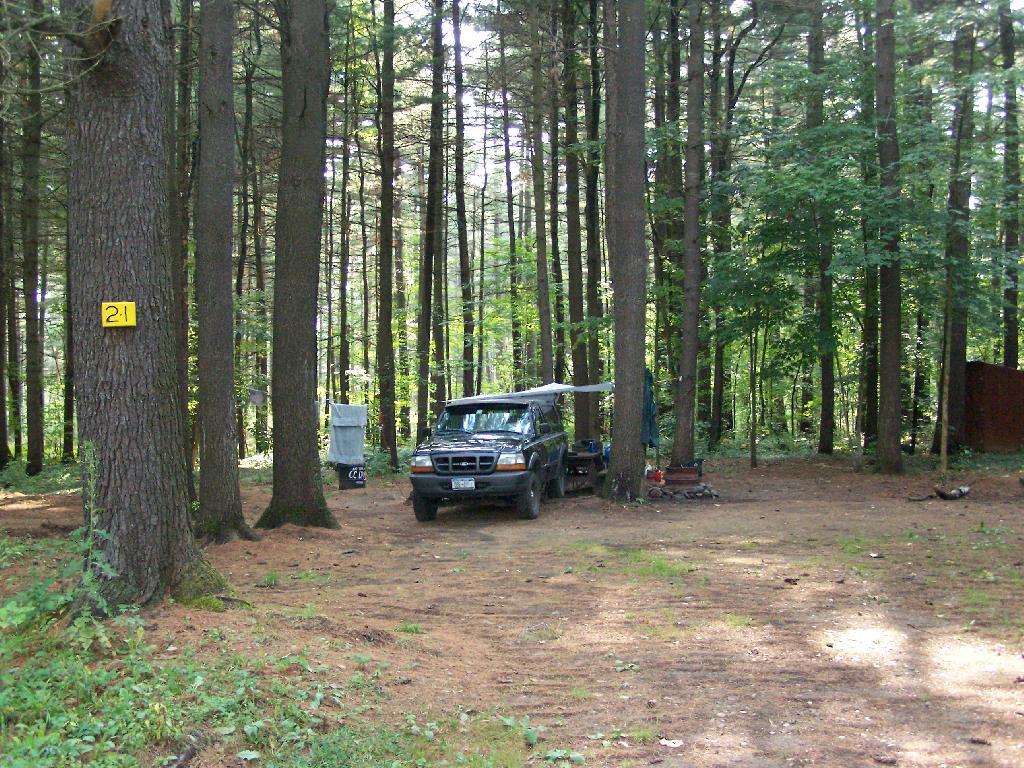
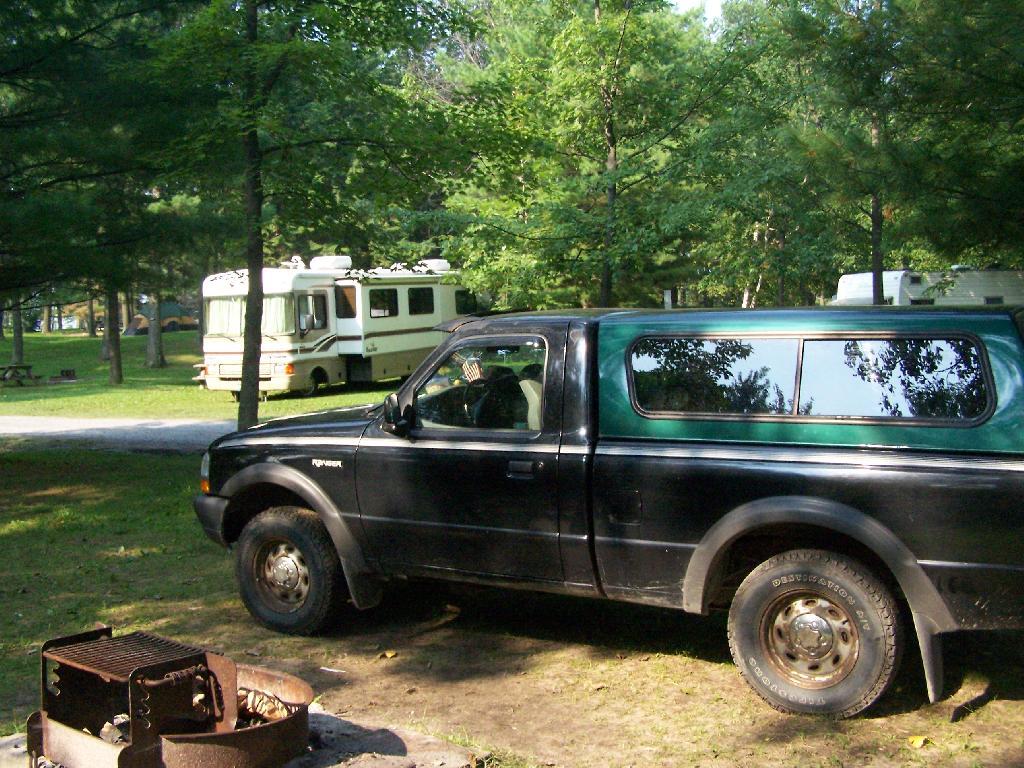
The campsites are quite nice. Not all of them are as separated as this one, but I wanted one that was a little farther away for some peace and quiet. Also I figured I could listen to music as loud as I wanted to here.
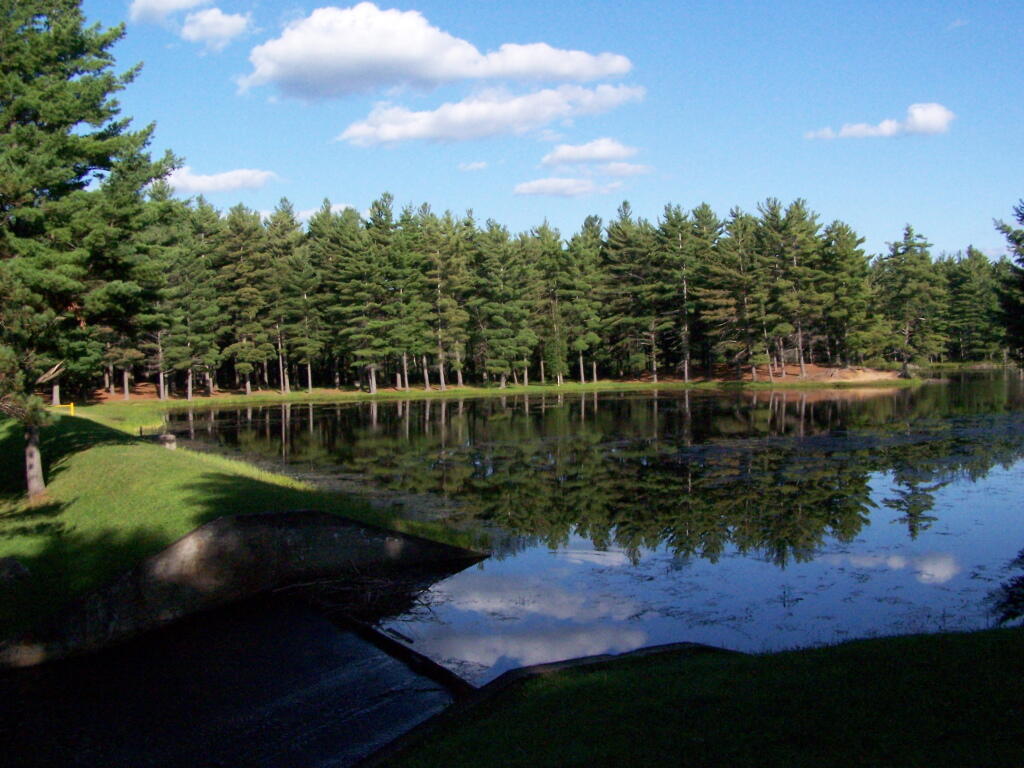
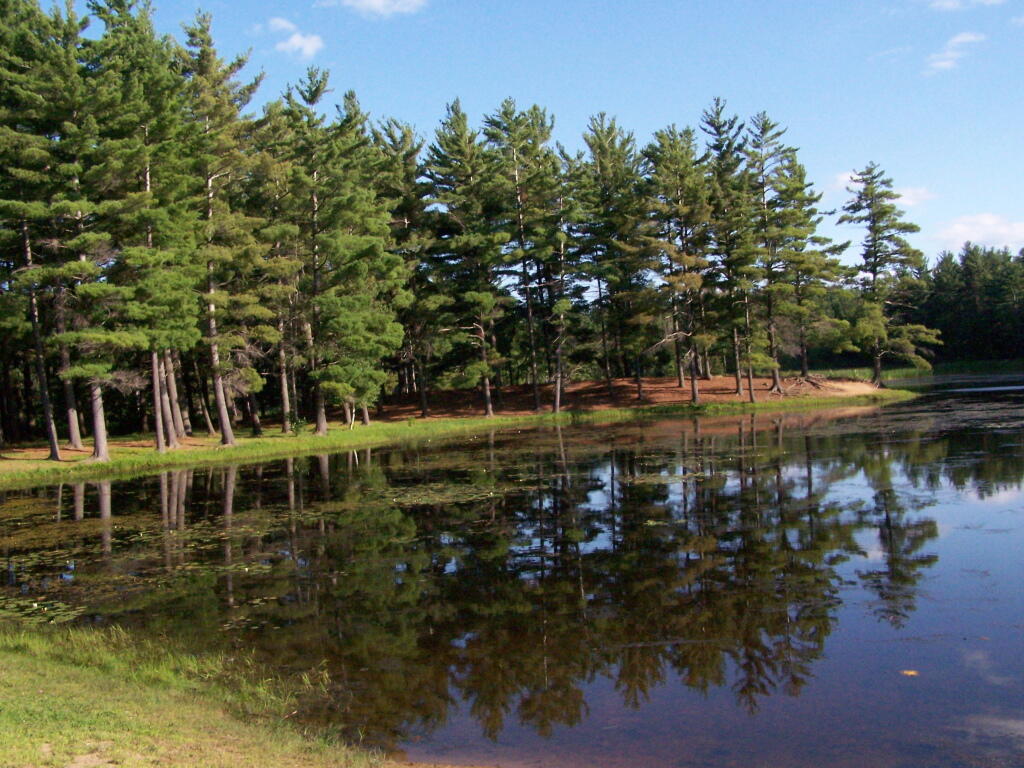
One of the major features of the area is a beautiful dammed up section of the Red Brook, that creates an artificial lake. The Civilian Conservation Corps Dam, built in the 1930s, is where CC Dam Association name comes from.
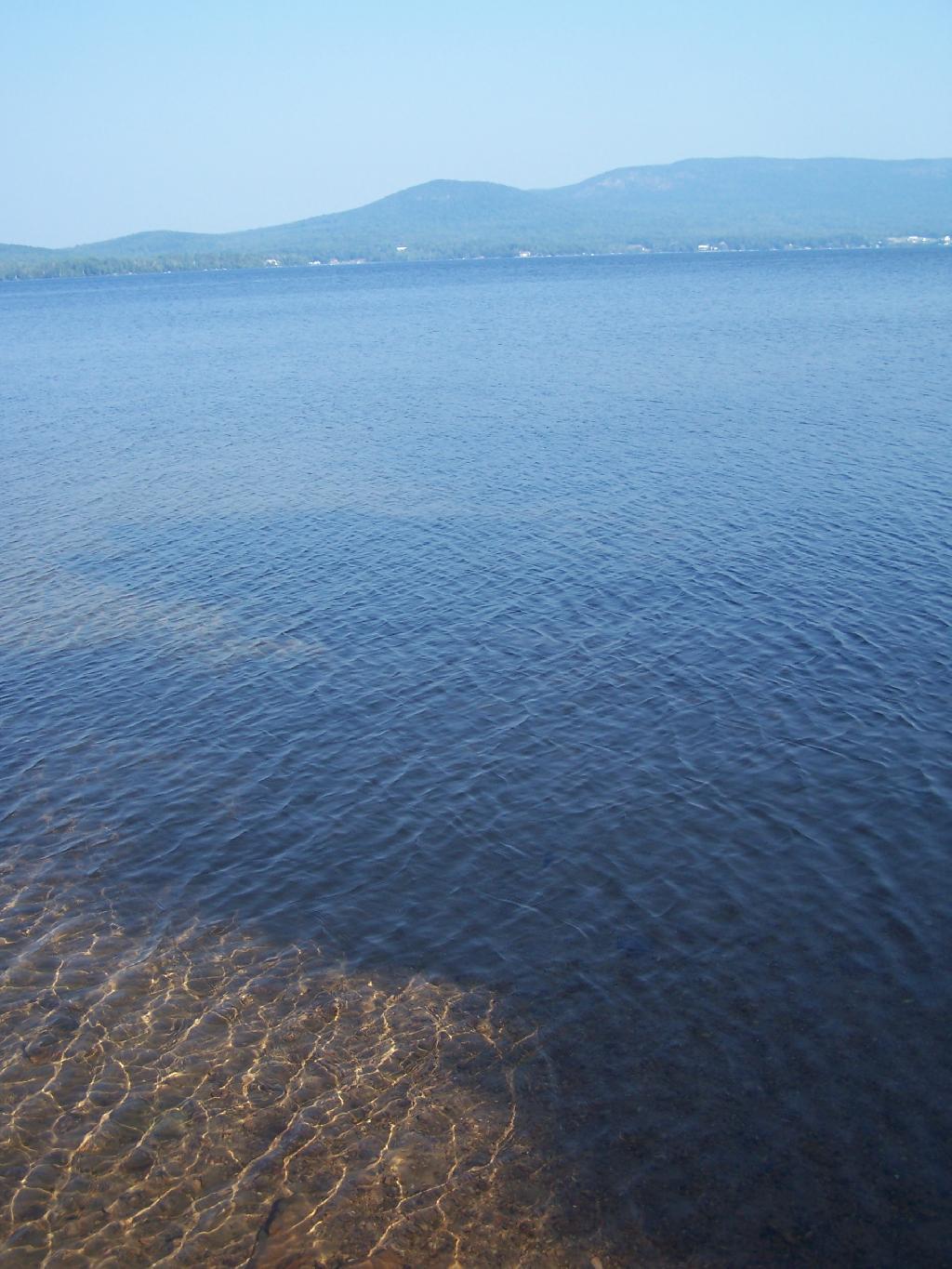
There is a swimming beach where people can swim at their own risk. As you can see, it’s some pretty nice swimming, although the lake is a little muckier then it appears in the pictures, and is a natural reddish color from the minerals in the sand of the Saint Lawrence County.
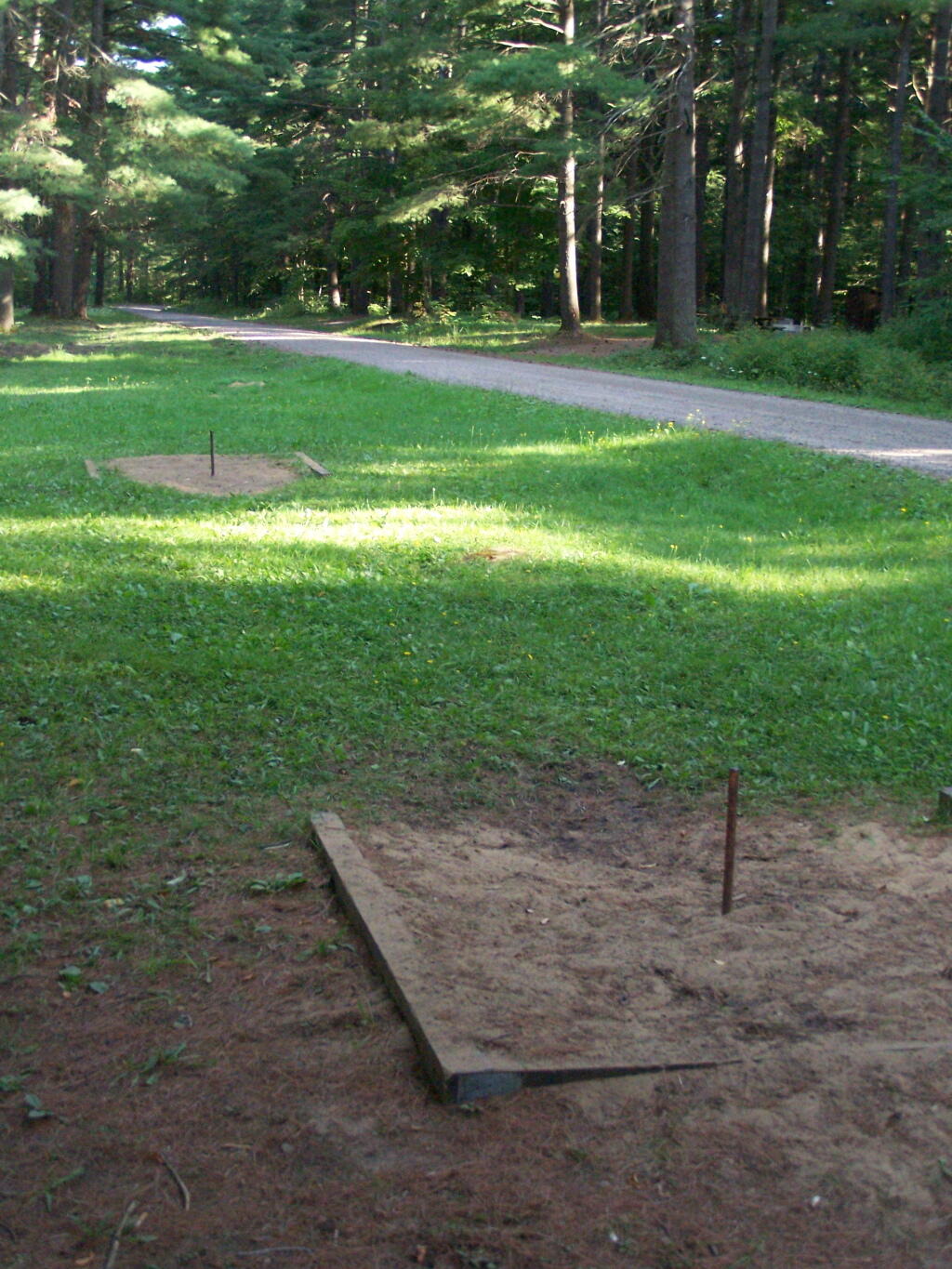
They have a horseshoe pit.
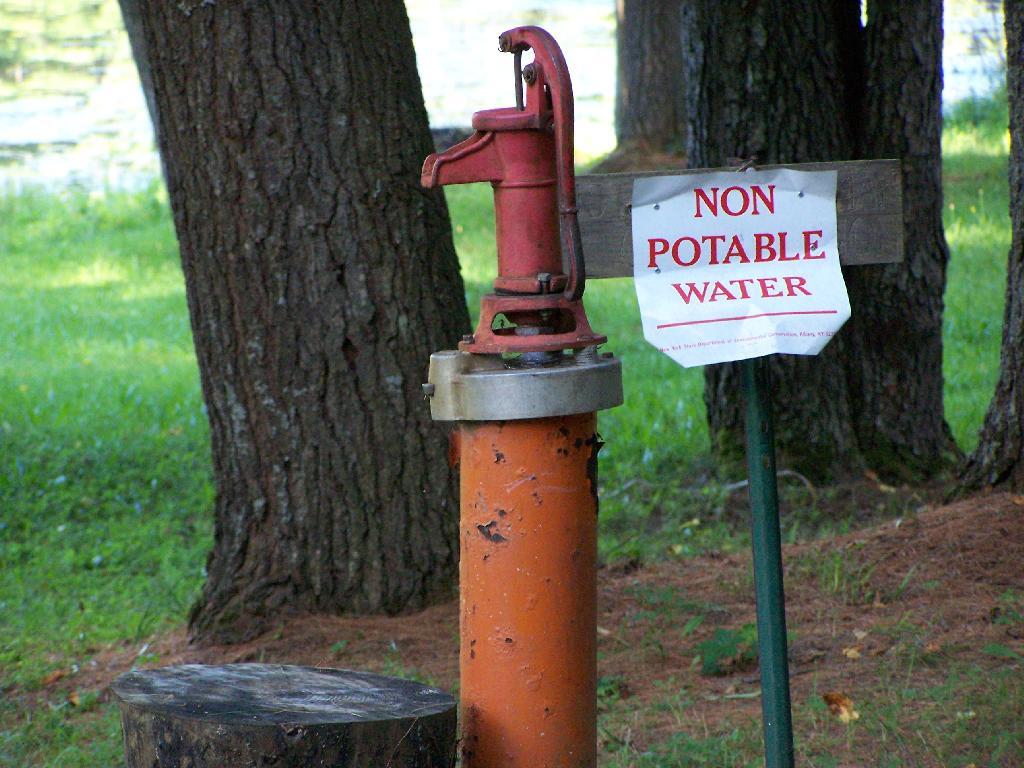
They have a hand pump for one to get drinking water. It’s marked non-potable, probably because it draws from the same shallow aquifer of the lake. You can easily boil it on a stove to make it safe to drink.
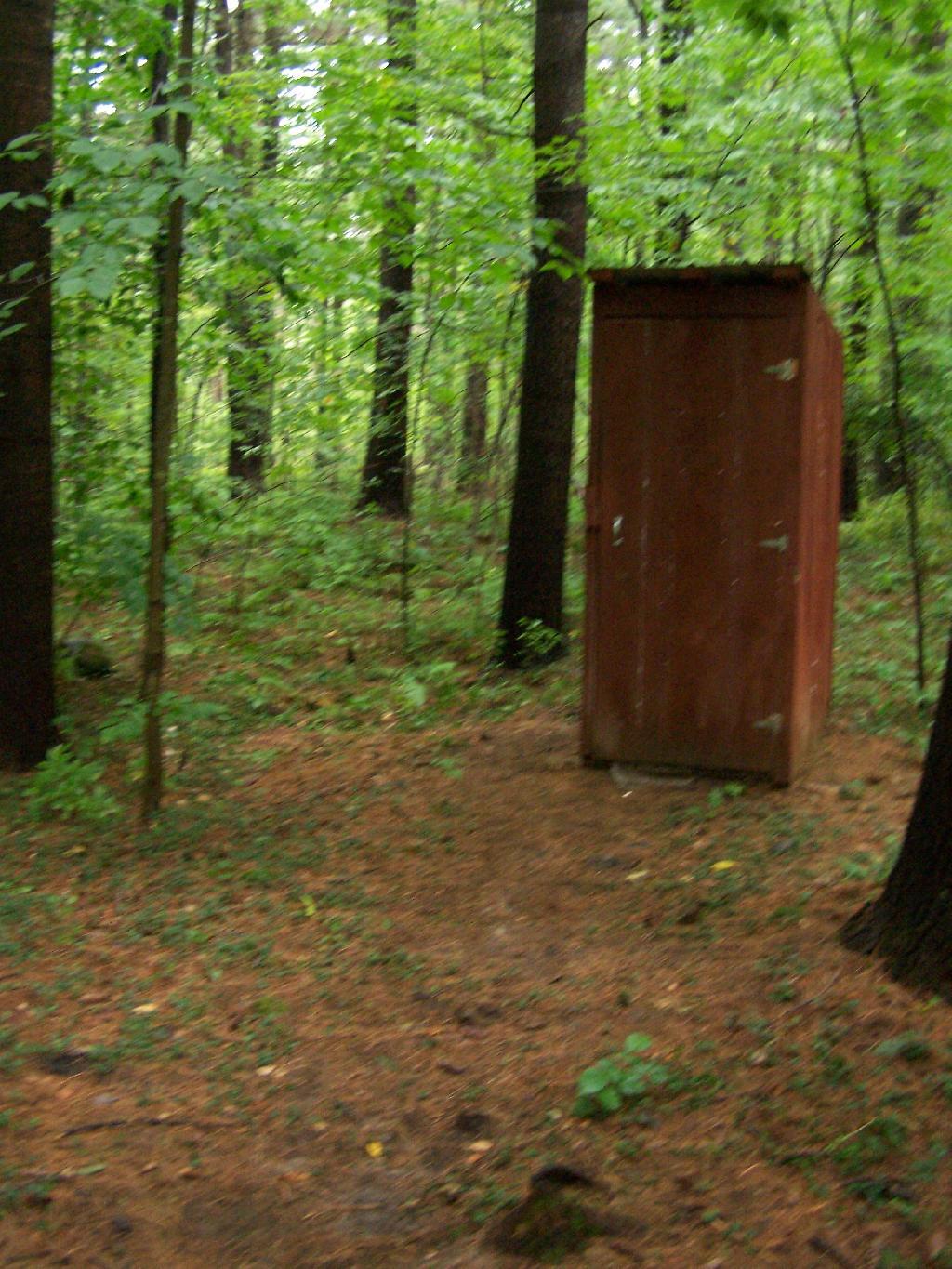
The outhouses are in quite nice shape and very clean as you can see from these inside and outside pictures.
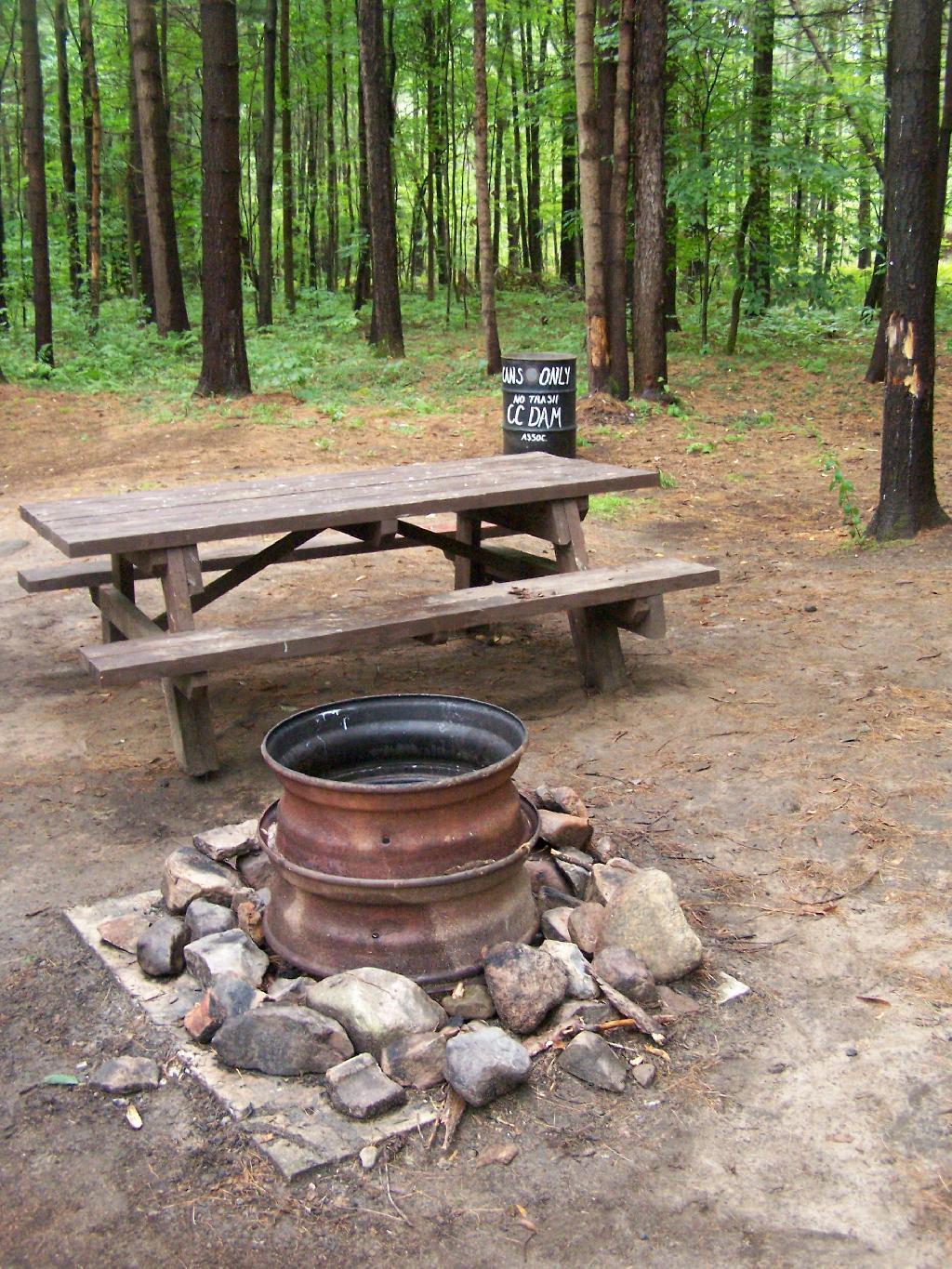
The sites are just wonderful. Here is Campsite 21 after I had put away all my gear before heading out. The fire pit rings vary, but for a free place, are pretty darn awesome.
The CC Dam Association is made up of volunteers from the Tri-Town Region of Saint Lawerence County, the nick-name for the Brasher Falls/Brasher/North Lawerence hamlets that dot the country south of Malone.
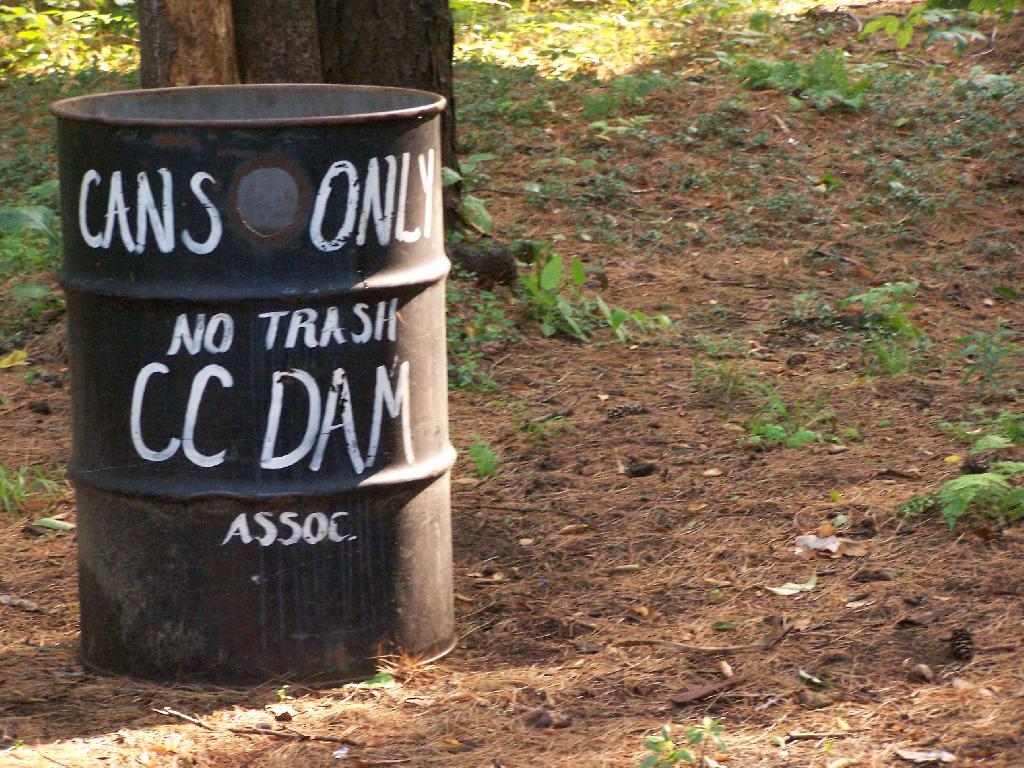
They collect old beer cans and accept donations via the mail for fundraising. Since camping is free, and the place is so well up-kept, I’m sure they apprechiate the help. Not to mention, collecting beer cans probably reduces litter, because people can’t really burn them, and some can be lazy about packing out their trash.
There are a number of other marked campsites on other truck trails in Brasher State Forest, including down by the Tri-Town Horse Trail area near Brasher Falls. In addition, there are dozens of miles of truck trail to drive legally in a pickup, ride with a horse or mountain bike, or illegally on a quad.
Here is a map of Brasher Falls State Forest and it’s relationship to Massena. You can zoom in for more details. NYS DEC Land Mapper has a run down of the trails.
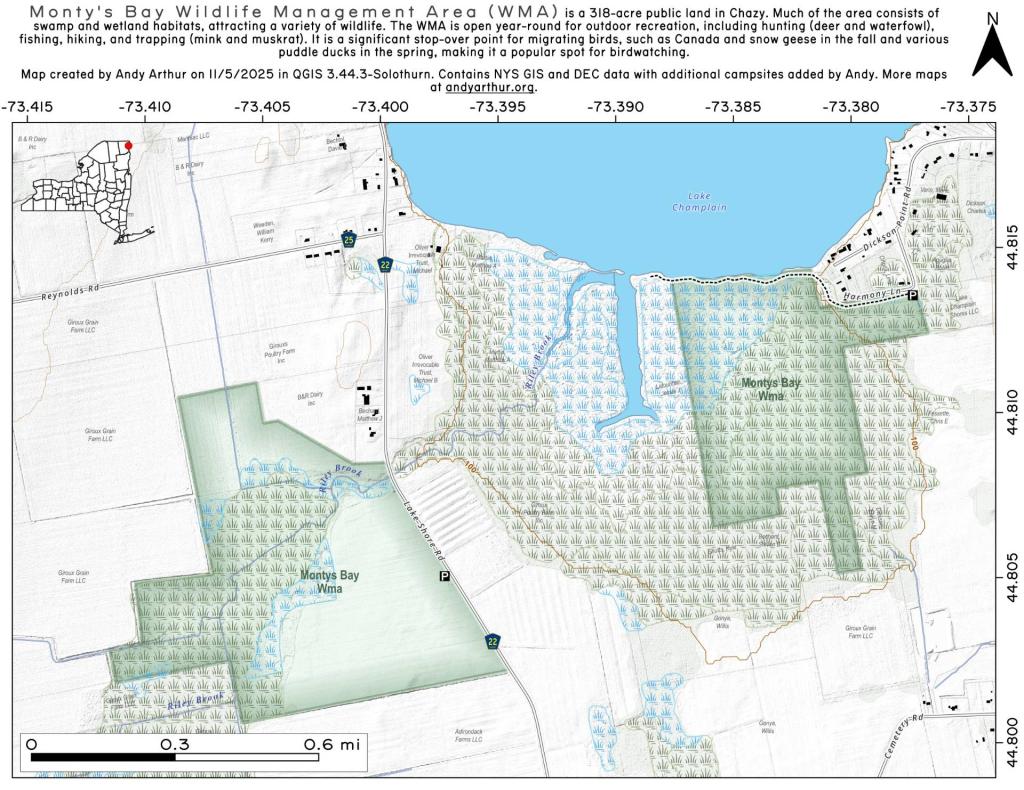
On Lake Chazy, the state owns about 800 feet of lake front as State Forest. There is three campsites here, one of them on the lake, and two along a private road / driveway.
This parcel exists on the far end of Wilfred King Road, which runs for about 5 miles before you reach the end where the parking area and the private drive you take down to the parcel.
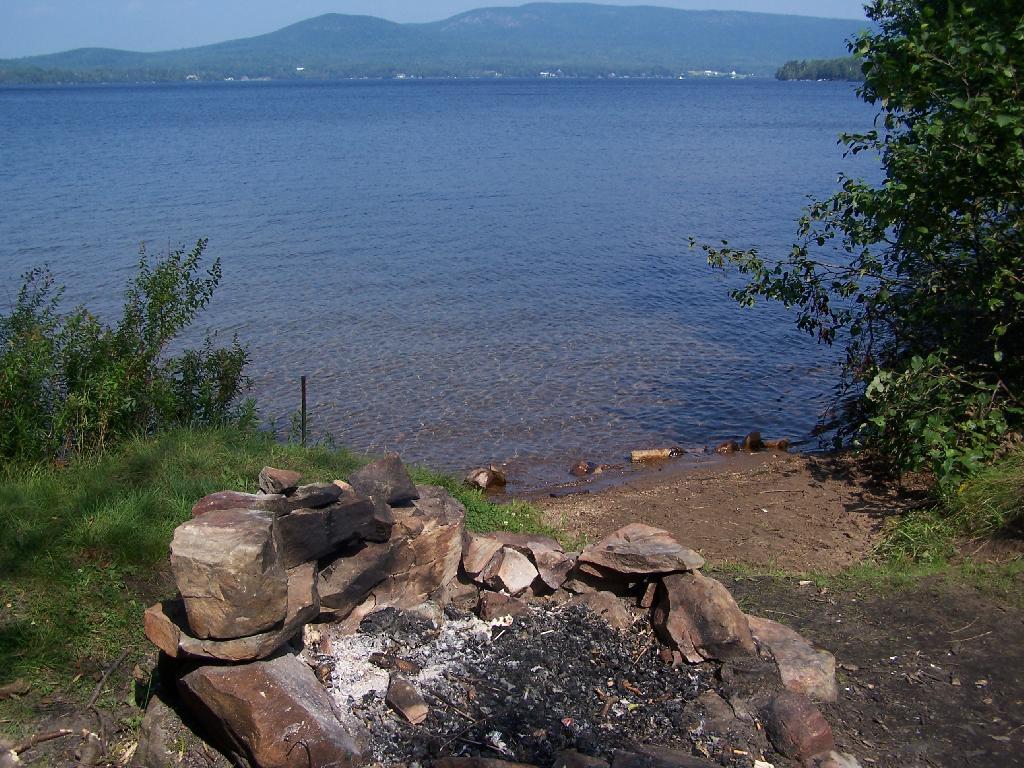
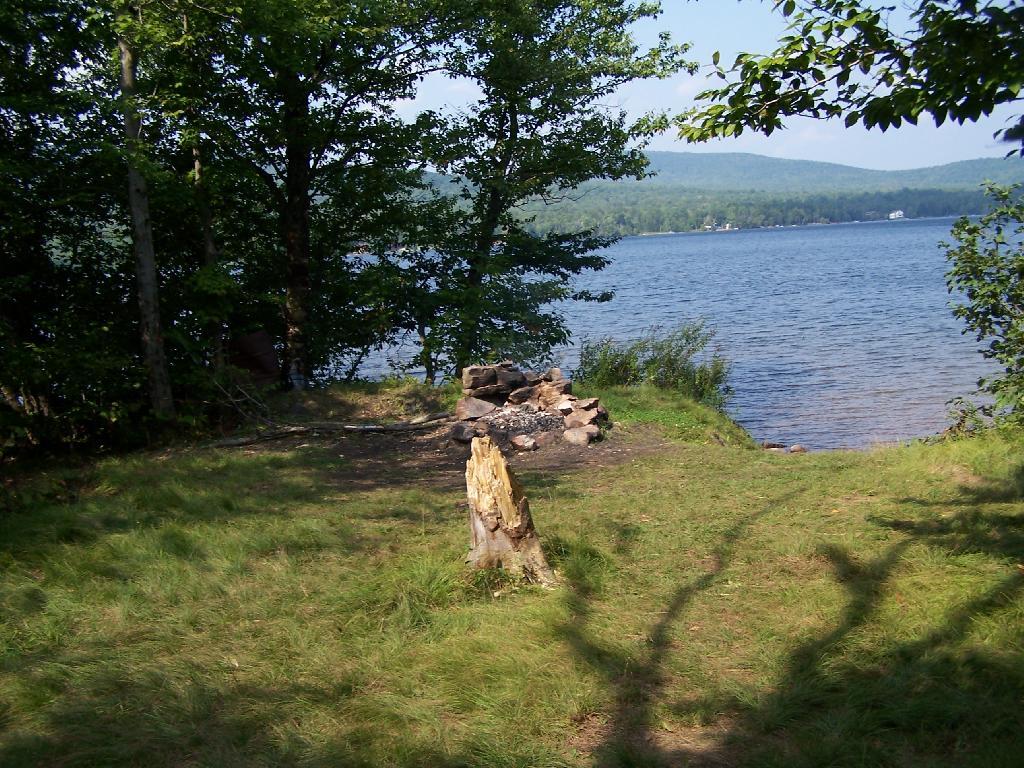
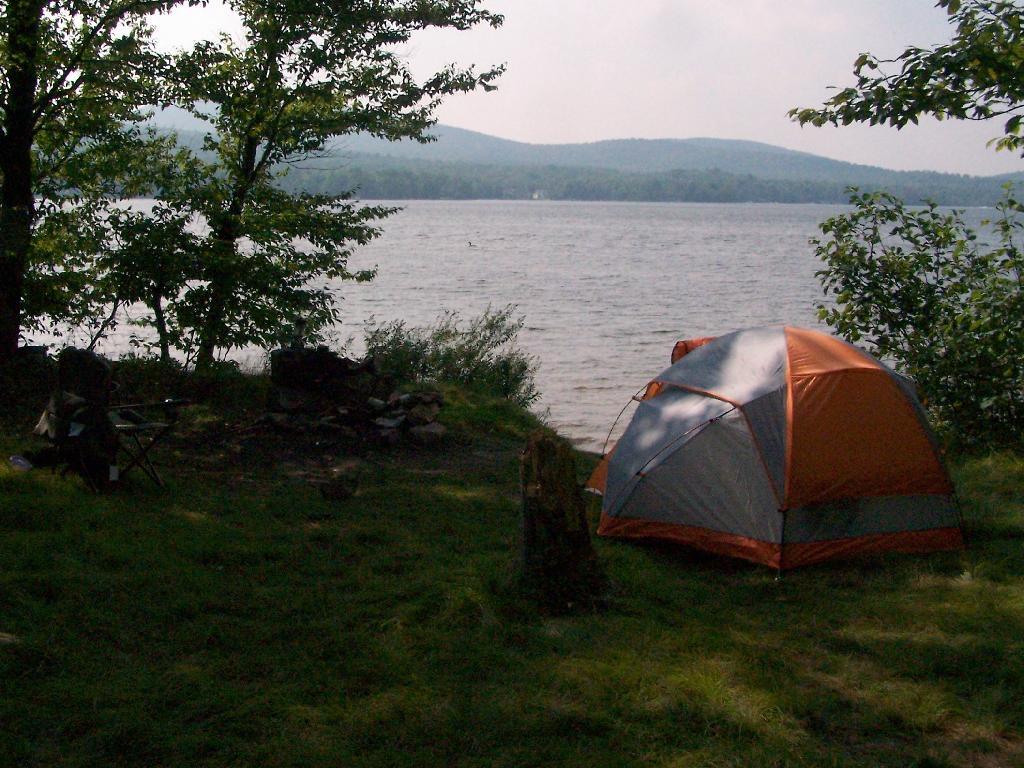
The site on the water has great views, a little fireplace, and lots of space for setting up two or three tents. It’s just as much a paradise as the photo suggests.
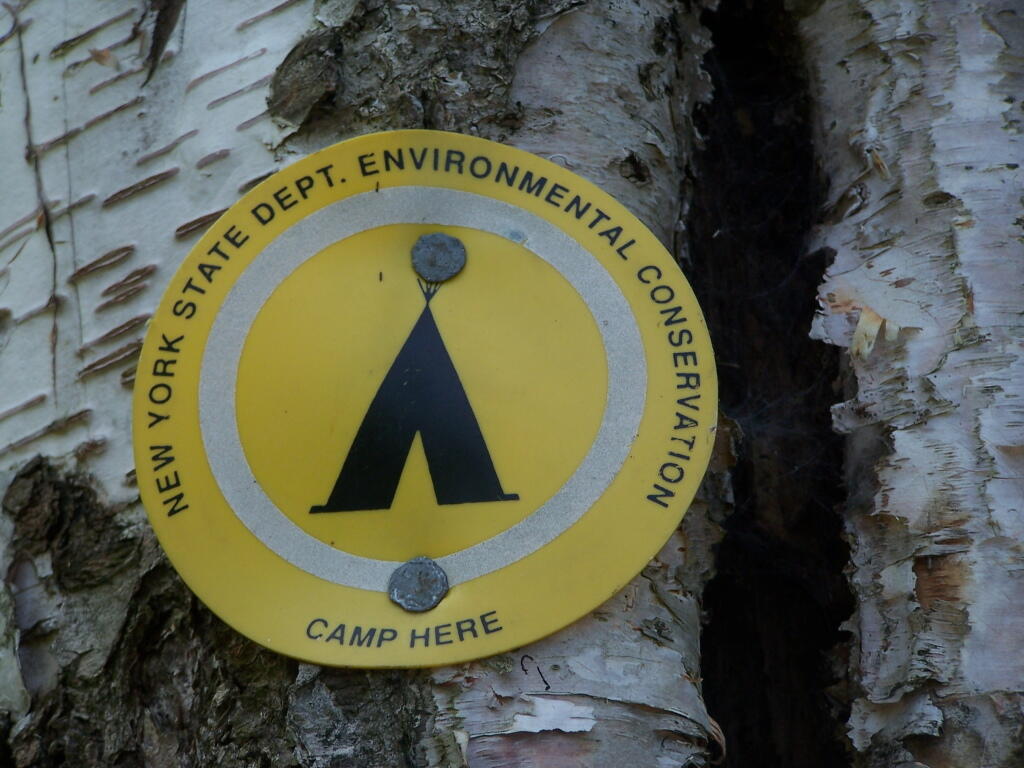
“Camp Here” marker shows that this is a designated site. When your in the Catskills or Adirondacks they tend to be fairly strict about the 150 feet rule from water and roads, unless you are a designated site.
Down by the lake in the afternoon. Imagine a book in my hands, and you can see how relaxed I am.
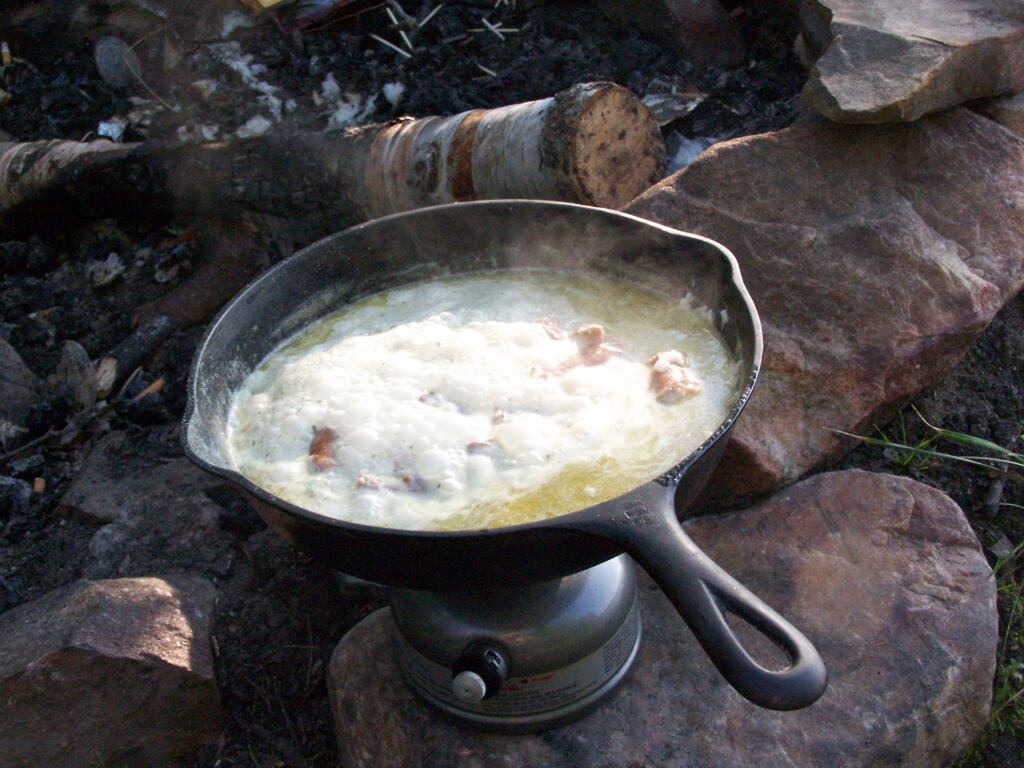
Cookng some dinner on my camp stove. Tonight I’m having sausage in Rice-a-Roni. The image makes it look like some kind of sinster stew that I’m making up, make out of small children I boiled up and mixed with grits. It’s not that for sure, and was far more delicious.
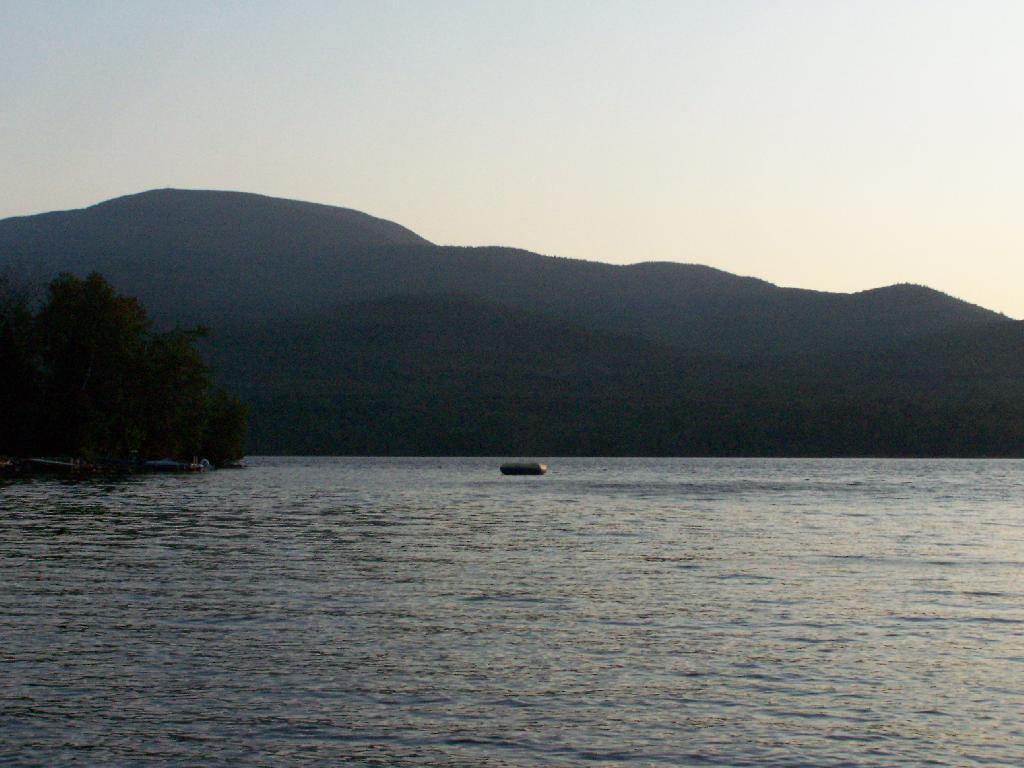
If you go out in the lake a little ways for a wade, you get a good view of Lyon Mountain. The water is shallow, and if it’s as hot as it was when I was there, truly delightful. While you will have to drive approximately 10 miles around the lake to get to the parking area to climb Lyon Mountain, but it’s beautiful with the fire tower up top.
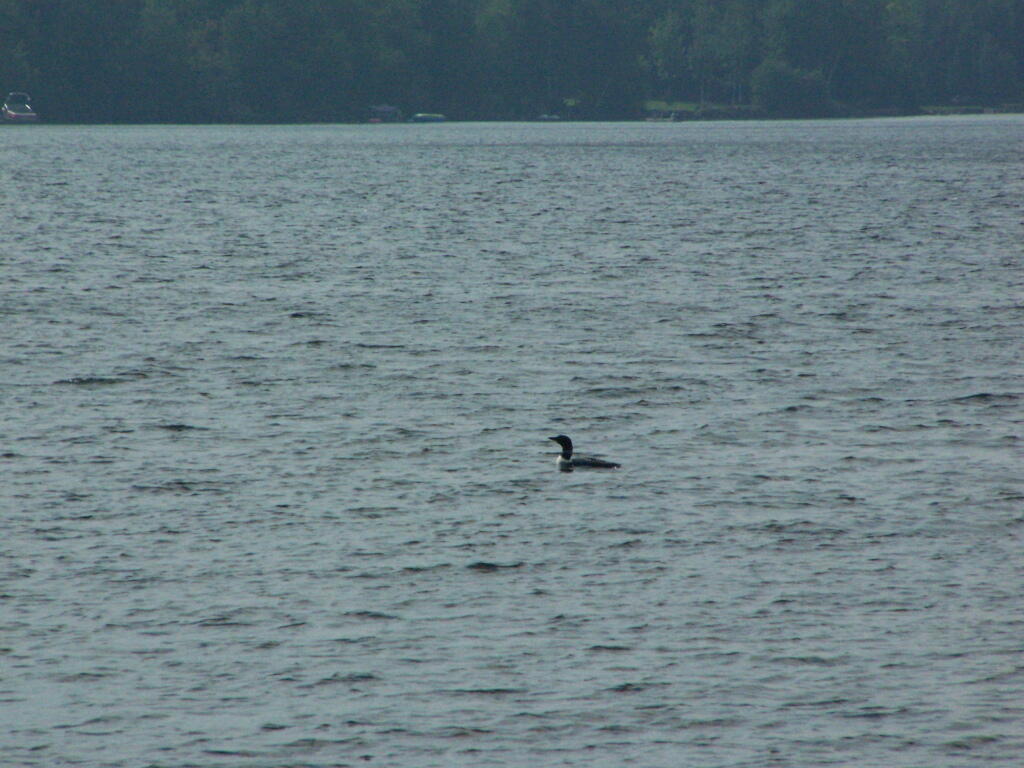
Sitting down at the lake you could hear the errie call of the loon.
The site has good south-west views over the Lyon Mountain where the sunsets in the evening. The sunsets from here are amazing, as you watch the fire burn. The wood supply is limited, so you may consider packing in your own wood supply.
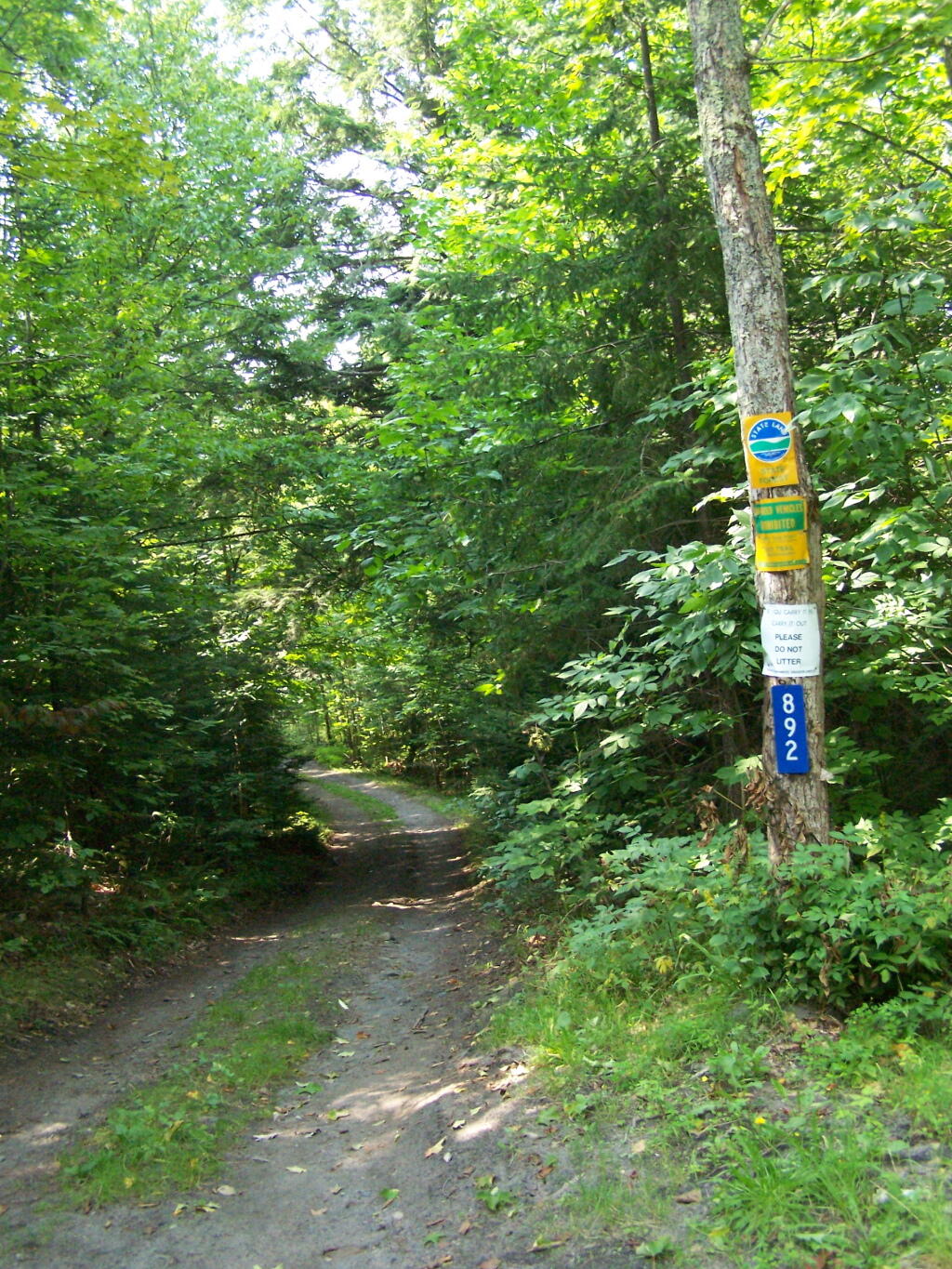
The important thing is that if you go there, make sure to drive all the way to the end of the road, past where the blacktop ends and after where the state forest starts. You will know when your there, and if you don’t see signs for the state parcel or the campsites, you haven’t driven far enough.
Also, while it’s posted against driving motor vehicles past the parking lot, as it is a private driveway, you can drive almost up to the lake front campsite if you don’t want to walk with the stuff in. That said, it’s only about a 1/4 mile hike from the parking area, so it’s fine to make multiple trips throughout the night and day like I did.
Here is the site on Google Maps. The hikers are where you park, the trail follows the driveway for a while, and then turns for about 150 feet to the campsite right on the water.
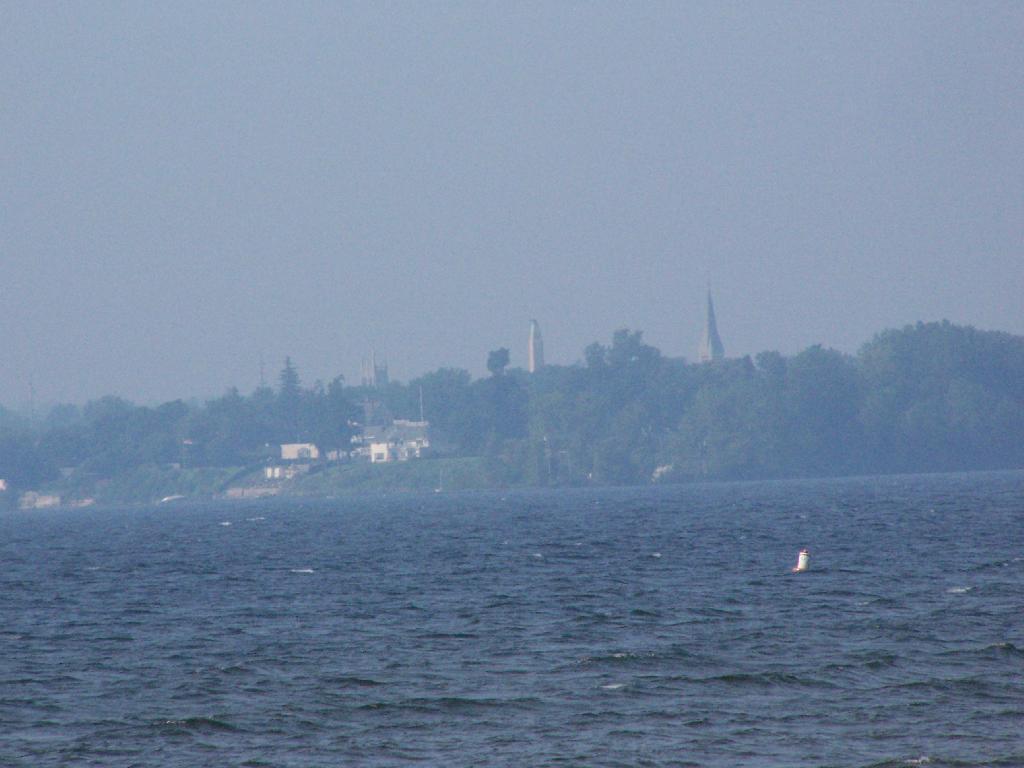
The first night of my vacation it was very hot and sticky out. By the time I had reached Plattsburgh I decided I would just find a campsite at Cumberland Head State Park. I probably could have gone to a nicer state park, such as Malcom Reservation or AuSable Point, but I wanted to be close to Plattsburgh and spend a lot of time visiting old haunts in the town and up at Point Au Roche.
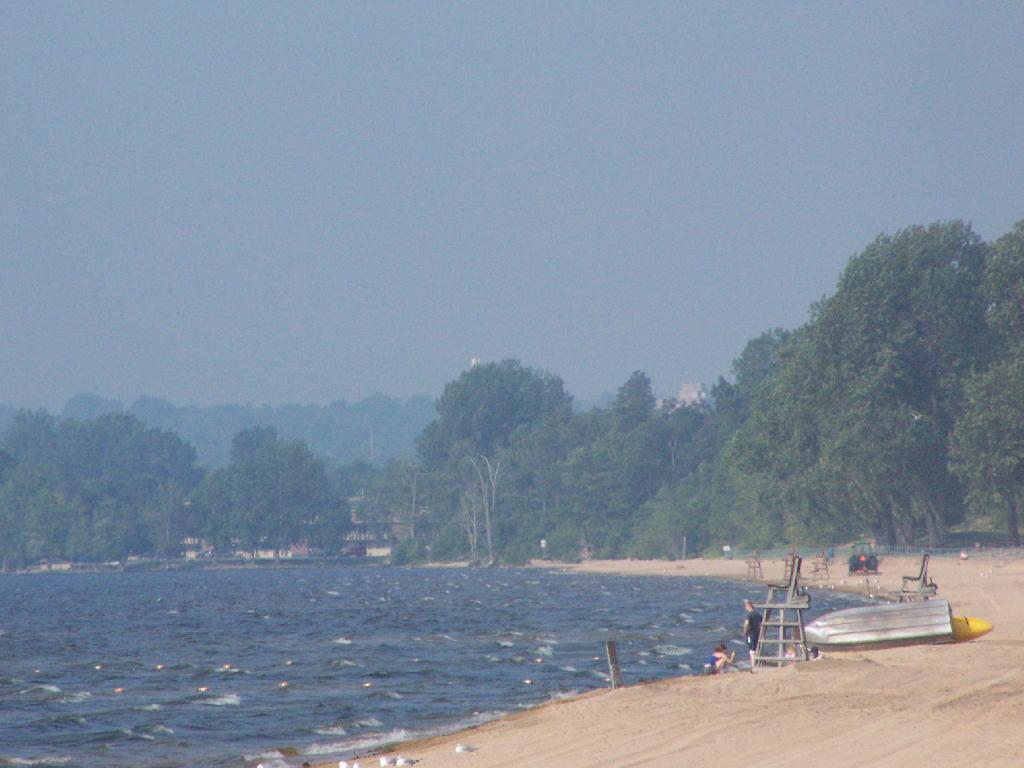
Once I got there I dug out my swimming truck, and ran for the swimming beach, as I was hot! Driving up from Albany in all the heat and humidity, I got a terrible sunburn through the windows of my truck. I also don’t have air conditioning, and the humidity was pretty extreme on this Sunday morning.
The water was nice. The campsites on Cumberland Head State Park are pretty close together, and are like camping in a giant field with a bunch of other people. I’m not a fan of state campgrounds at any rate, but it beat trying to hike up Pok-O-Moonshine and look out to nothing from the fire tower.
If you want cheap digs near the City of Plattsburgh, then you can’t beat Cumberland Head State Park. It’s only $15 a night, plus a $2.50 service charge for the first night, and is within a mile from downtown. The beach is nice, and when it’s not so damn hazy, the view of the mountains is amazing. That said, I’m not a fan of state parks, especially the “extreme enforcement” of quiet hours, but those showers are nice in such hot weather.
I went hiking at Crane Mountain in the Adirondacks on July 5, on a partly cloudy day. I didn’t get to the trail until around 10 AM, in part because of the Detour on the Adirondack Northway due to the bus crash. Regardless, it still wasn’t that crowded until later in the afternoon.
The drive up Ski Hi Road is quite rough, and minimally marked, except for a few signs that Crane Mountain. Ski Hi road may be inaccessible with a 2-wheel drive after some rain, so be aware. It’s a steep uphill drive, and very much so dirt. Only once it enters the preserve does it get rutted and rough, but very much passable by people who had cars up there.
The first part of the trail is quite steep, but you quickly get views of Granite Mountain and other mountains that surround the valley near Crane Mountain Road and Ski Hi Roads.
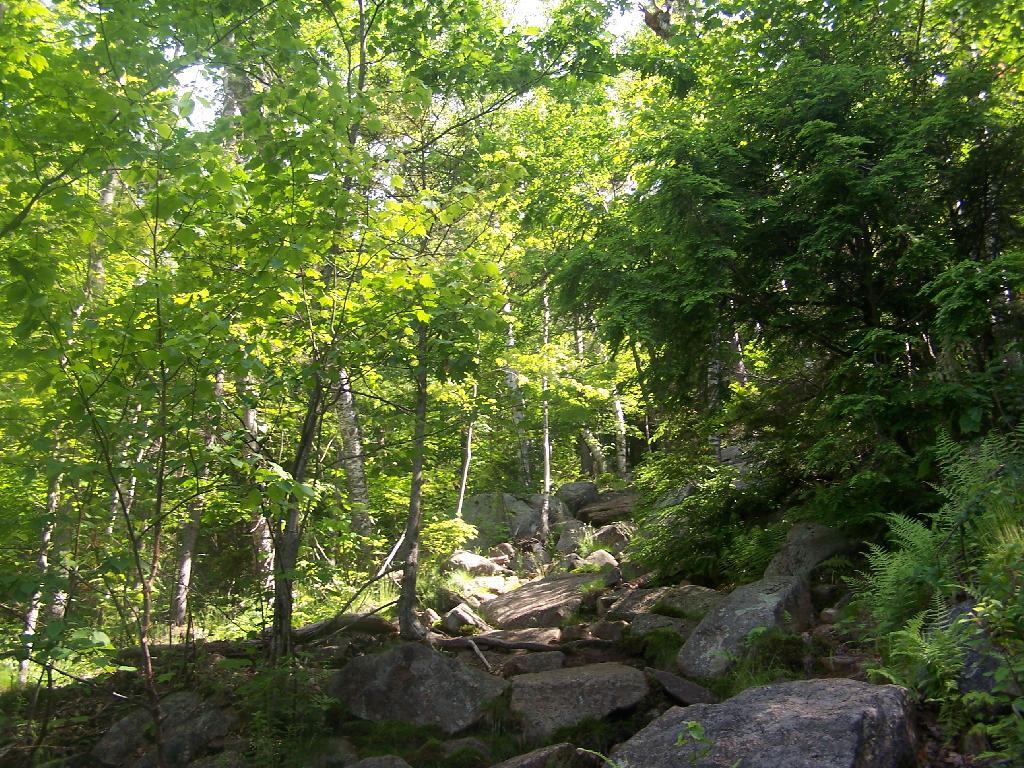
The trail up it quite steep, climbing over rocks for the first 1/2 of a mile. There isn’t a clear marked trail, you follow one of many routes through the rocks.
The trail is minimally marked, with a few old trail markers and arrows to help you follow. That said, it’s worn enough, and with enough bare rock faces, that it’s quite followable, even without too many markers.
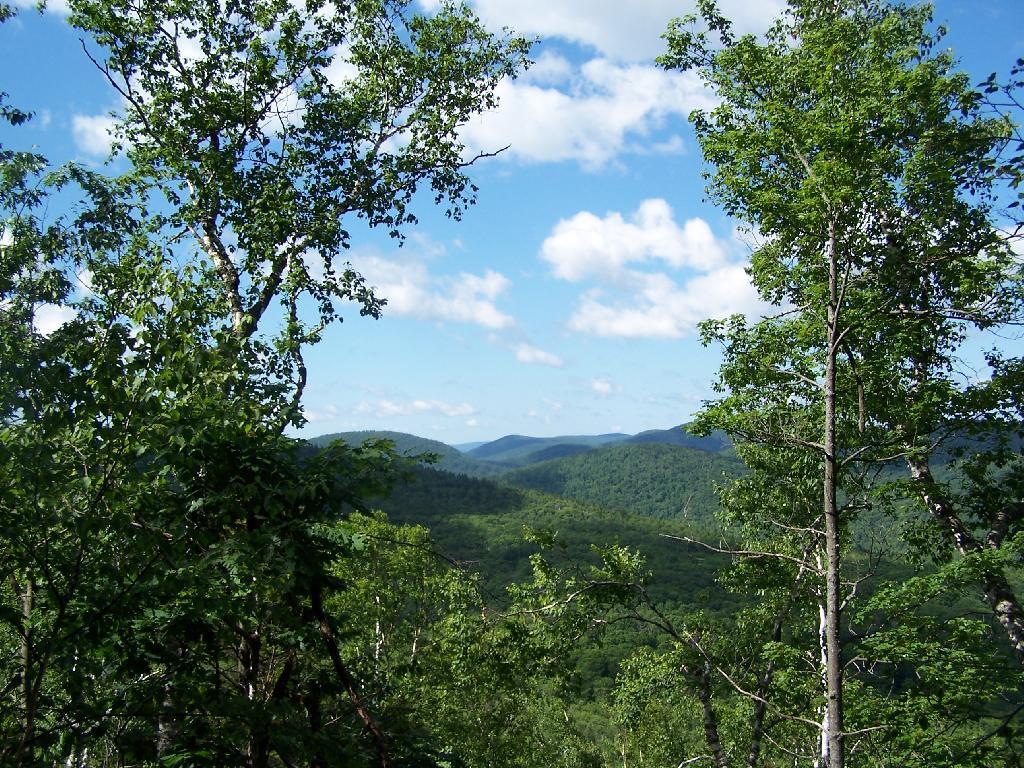
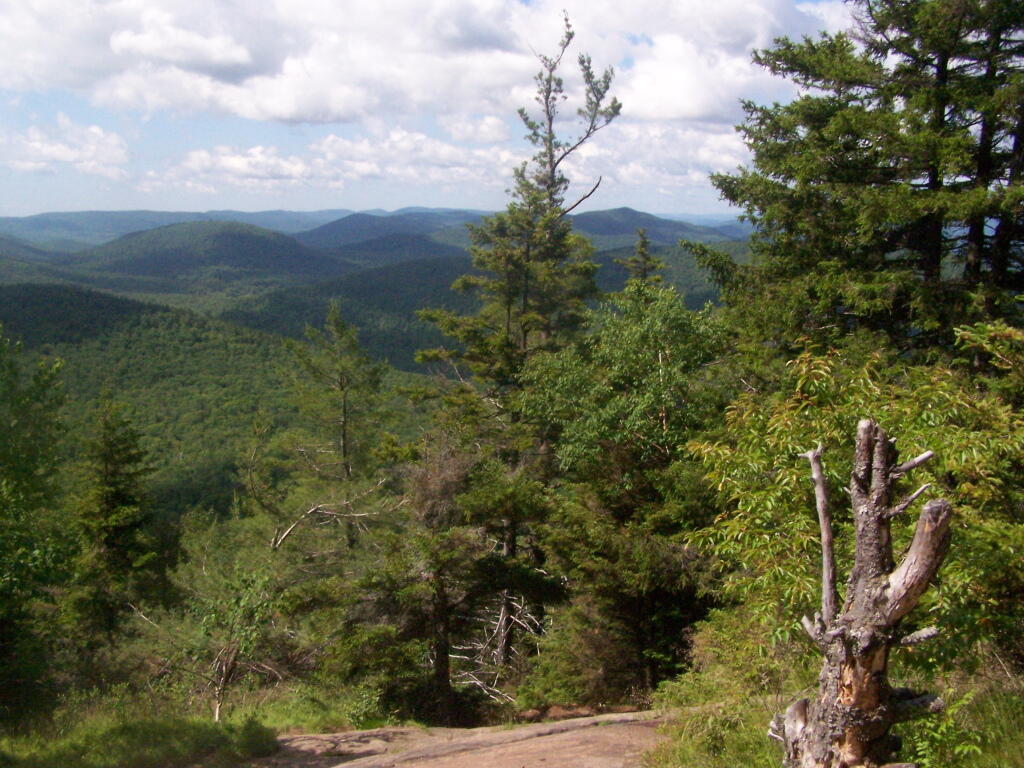
The farther you get up, the better the views get.
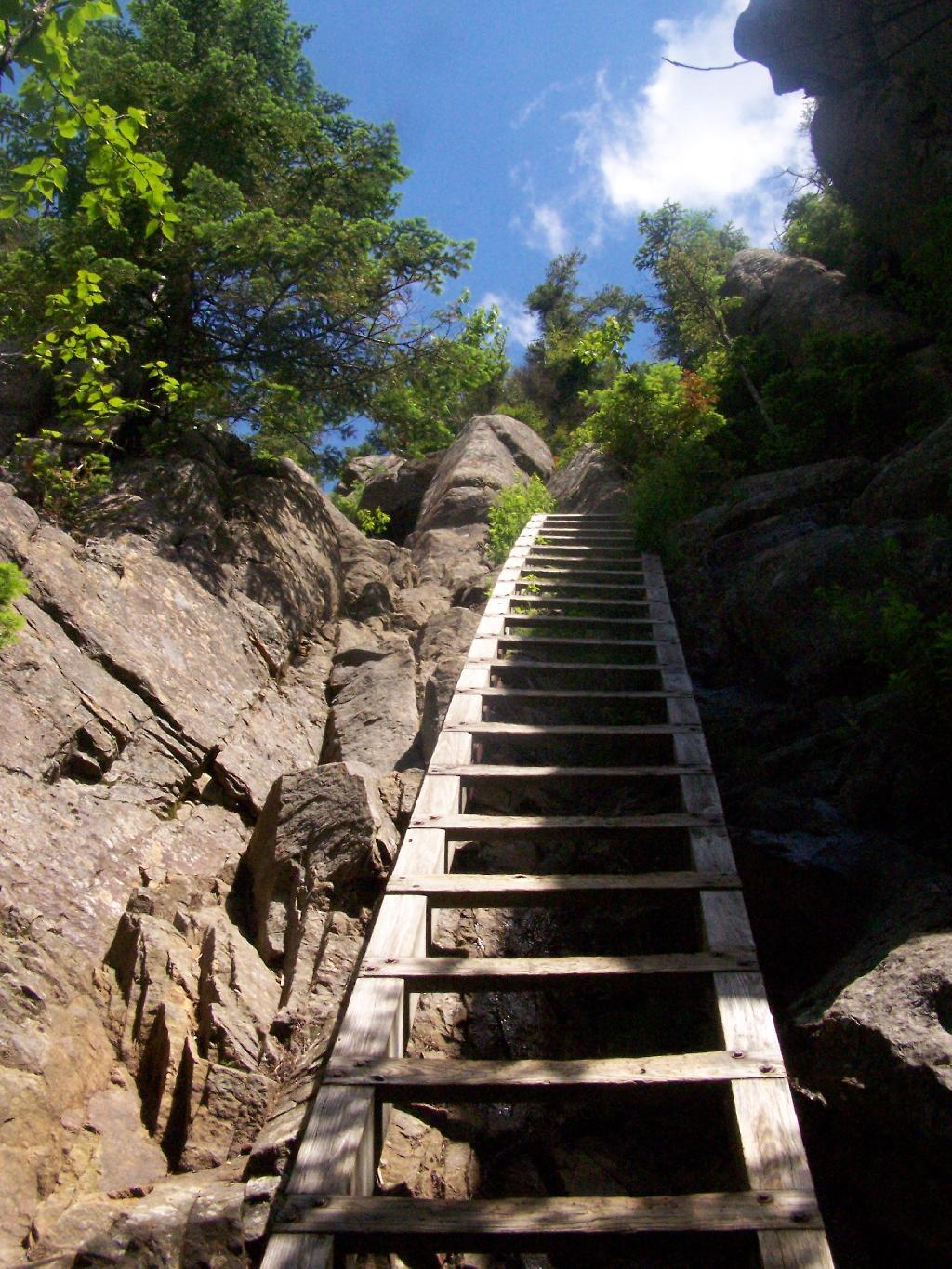
The trail splits between one trail to the pond and one to the Escarpment/Summit. The trail to the Escarpment is relatively flat, with a few up hill sections until you get to a 30′ ladder to get up to the top.
But once you get there up that ladder, the views quickly become quite amazing. The ladder may be 30 feet high, but it’s securely attached to the mountain, so it’s an easy climb. Also, the trees block the view outwards, so it’s not a bad climb.
Now I’m looking due to west to Granite Lake.
Looking North West, along the trail as it proceeds North along the Escarpment. I turned on the Mp3 player, and was listening to America’s Horse with No Name. Good music for the amazing views.
Continuing donw the trail. I must have spent an hour snapping photos, reading, and just enjoying the landscape.
Next the trail proceeds down steeply towards Crane Mountain Lake, with one viewpoint with good northerly views, including an overview of the popular fishing spot of Crane Mountain Lake. At least on this side there is no ladder to climb on down.
Down at Crane Mountain Lake. I sat down here, and spent some time reading. A few people where around fishing and exploring, more people where heading up the trail with polls later on.
The trail, while unmarked splits between going along the top of the ridge between the second and first latter up Crane Mountain, not that you would know it from the lack of signs. There is a lot of exposed rockface on this relatively steep trail, due to aggressive logging a century ago destroying the soil cover, along with steep slopes.
The trail descends quite steeply through rocks, and then further down. It’s a quite steep descent to say the least.
A rather pretty house from a converted barn on Crane Mountain Road, which is viewable from the descending trail.
The last mile of the trail is along an old woods road.