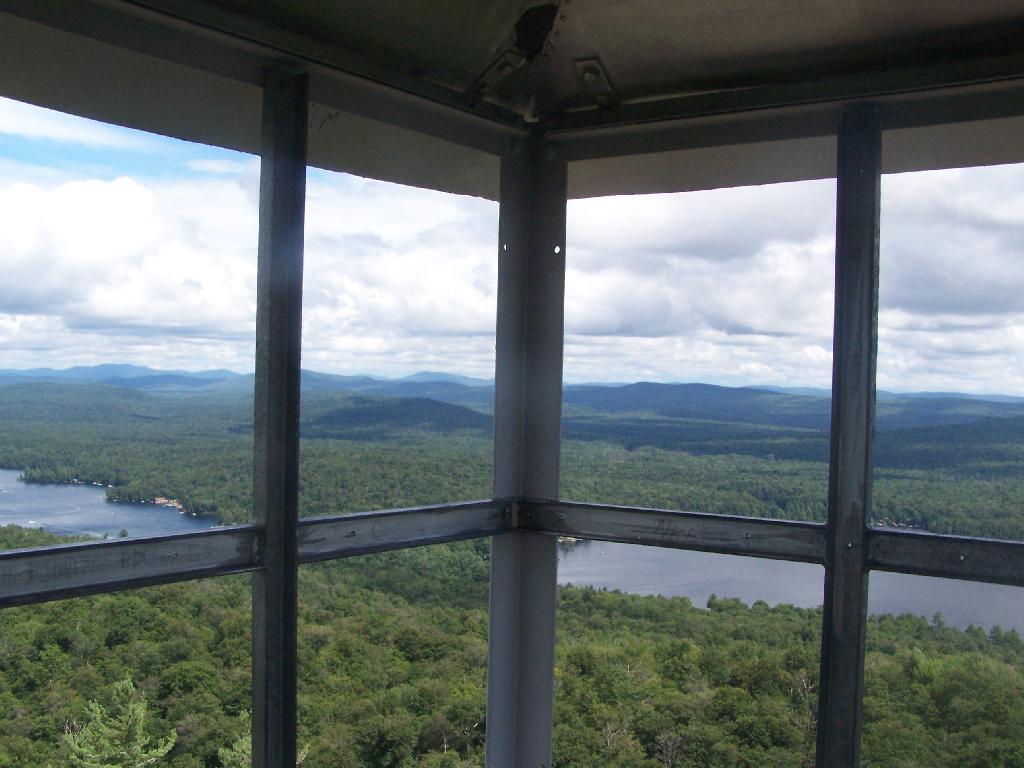
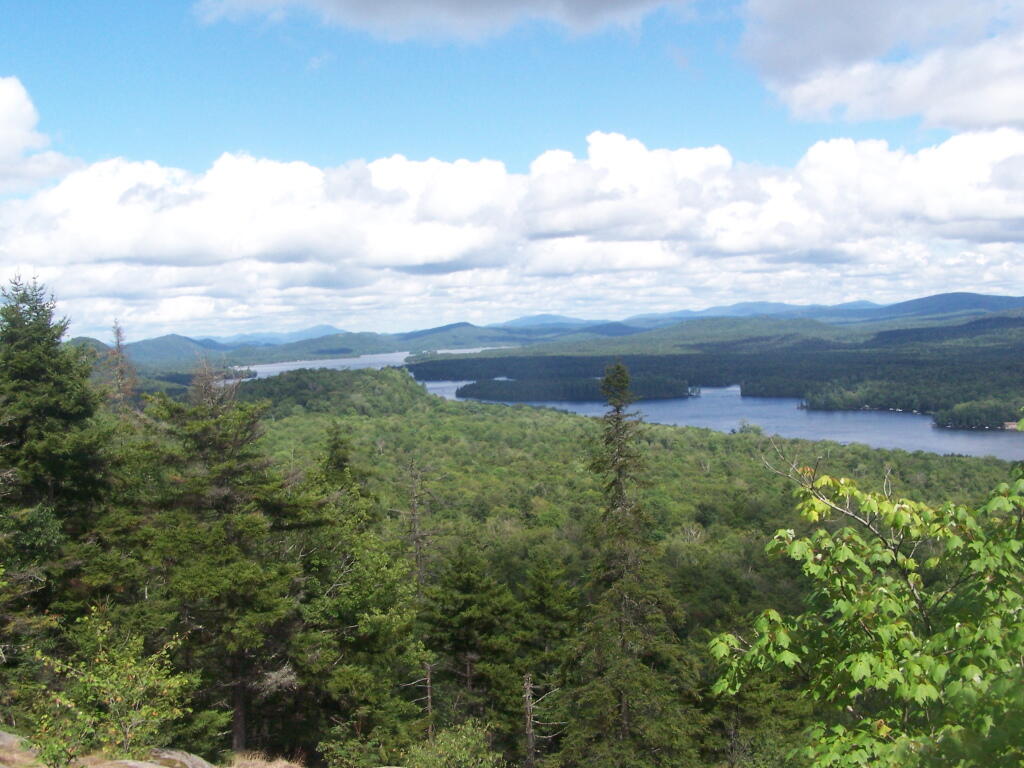
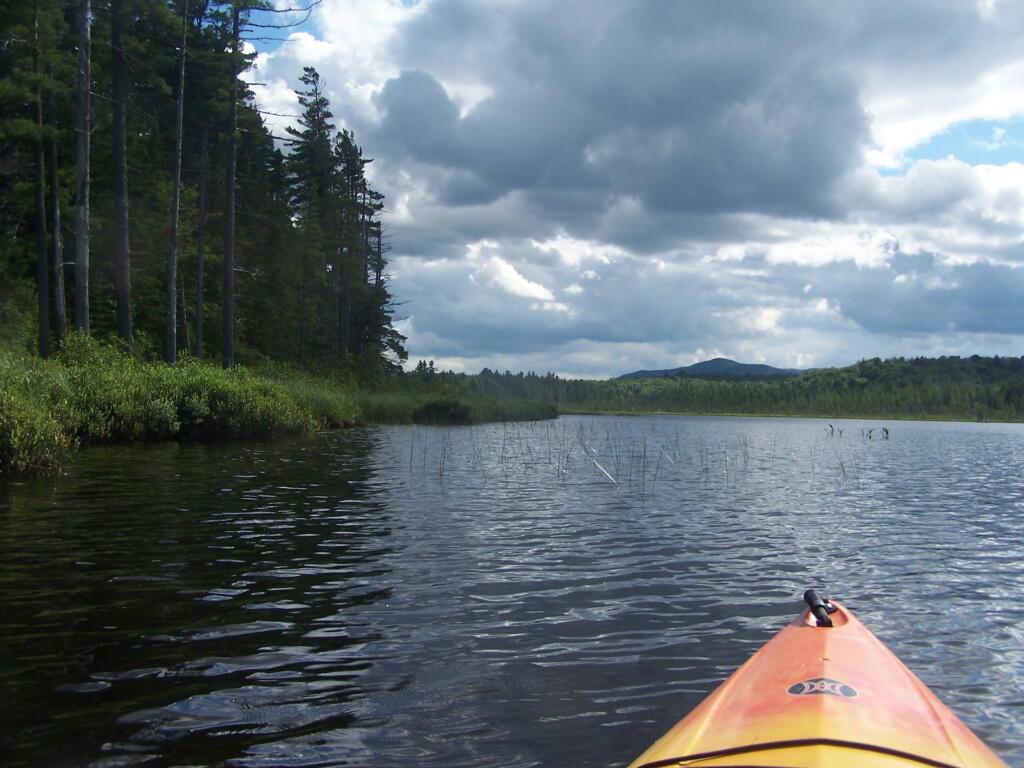
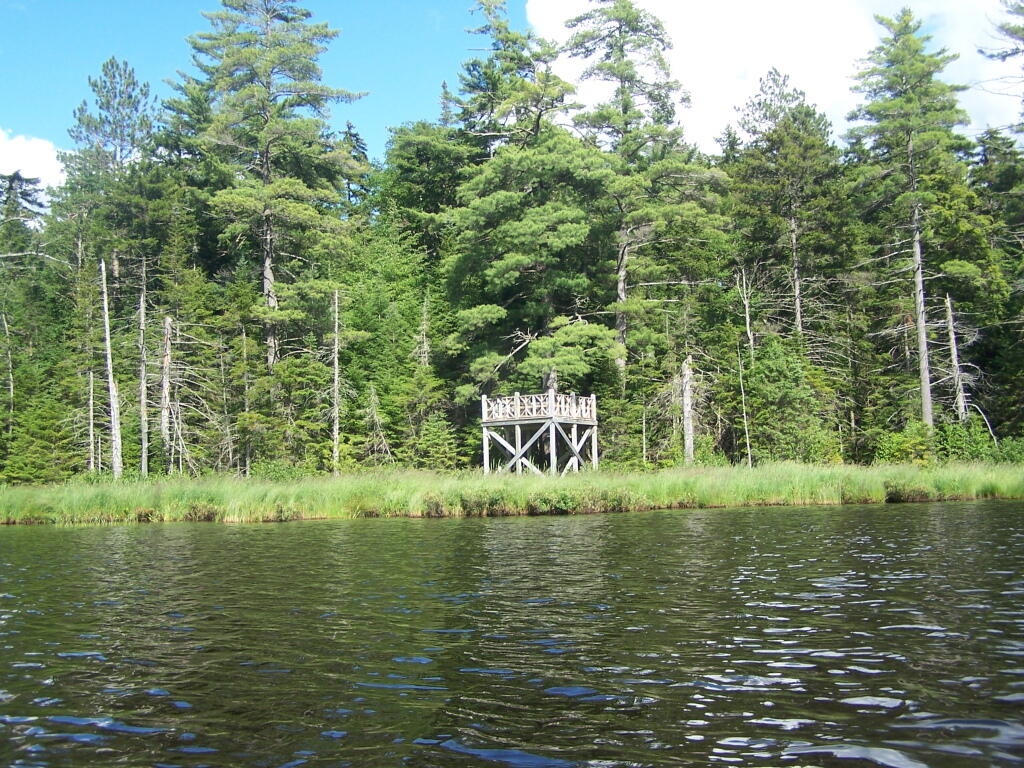
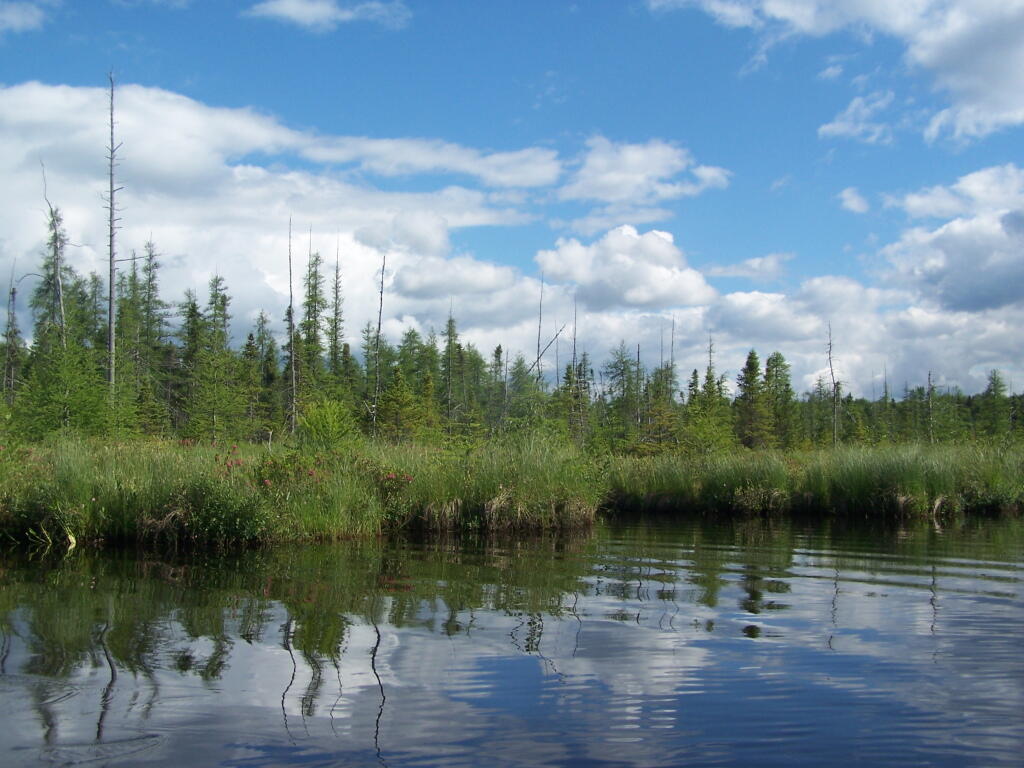
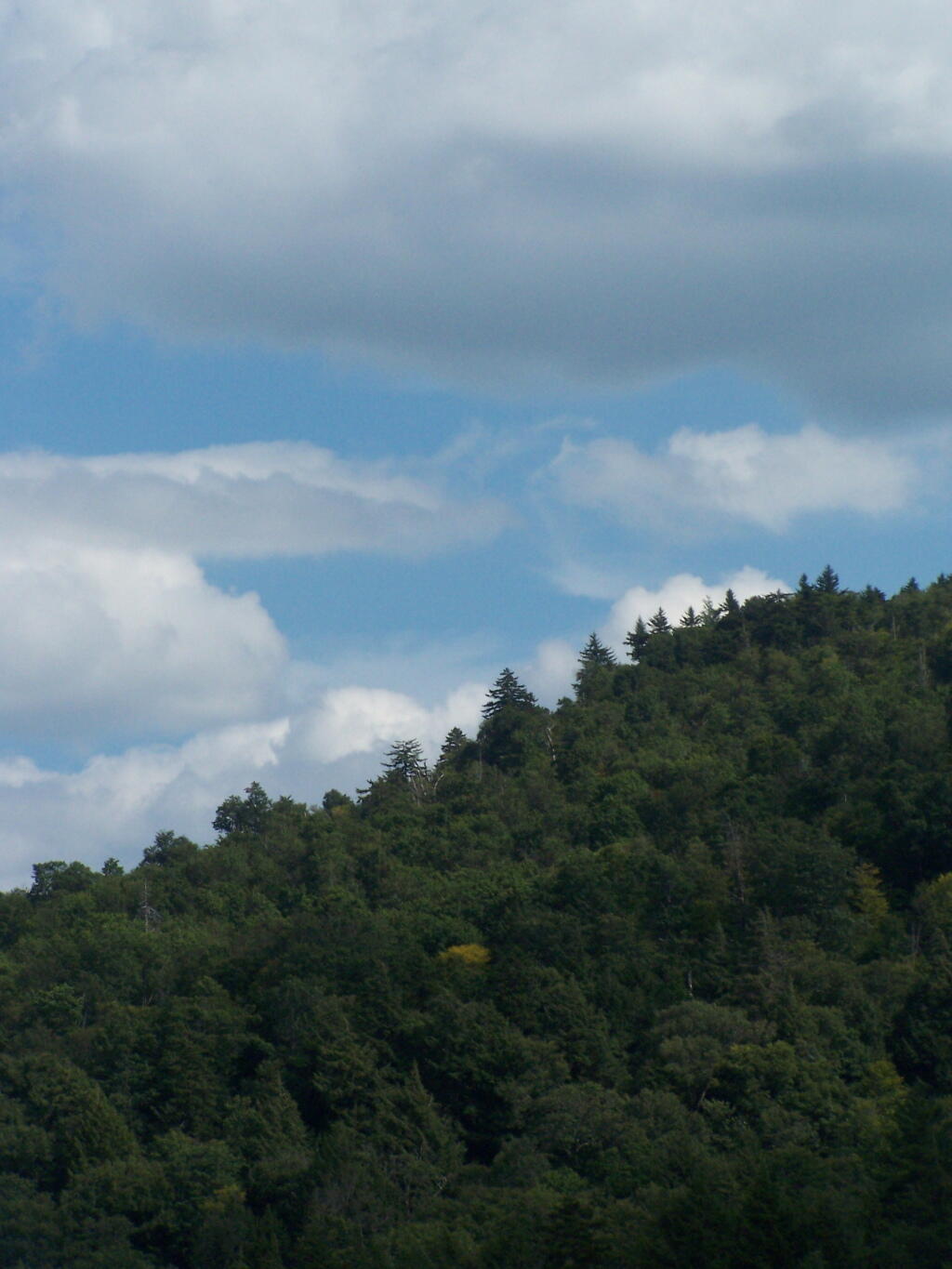
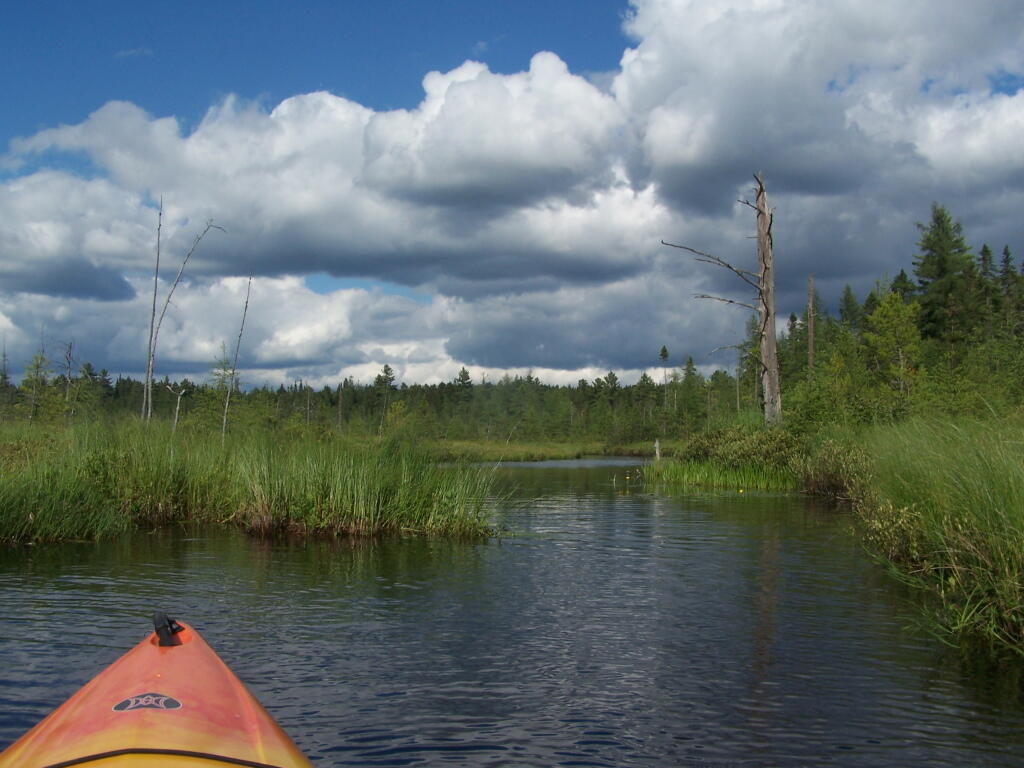
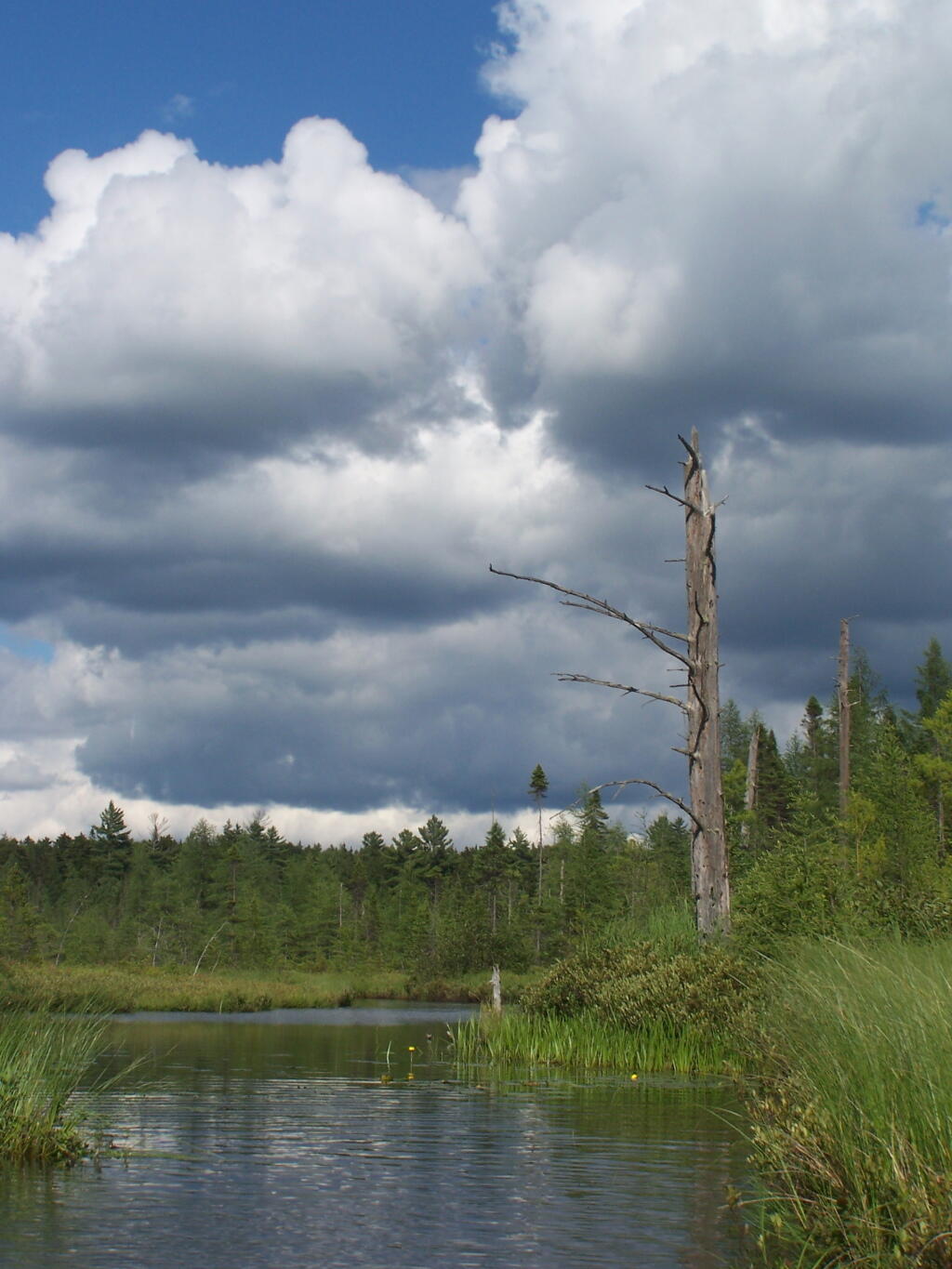
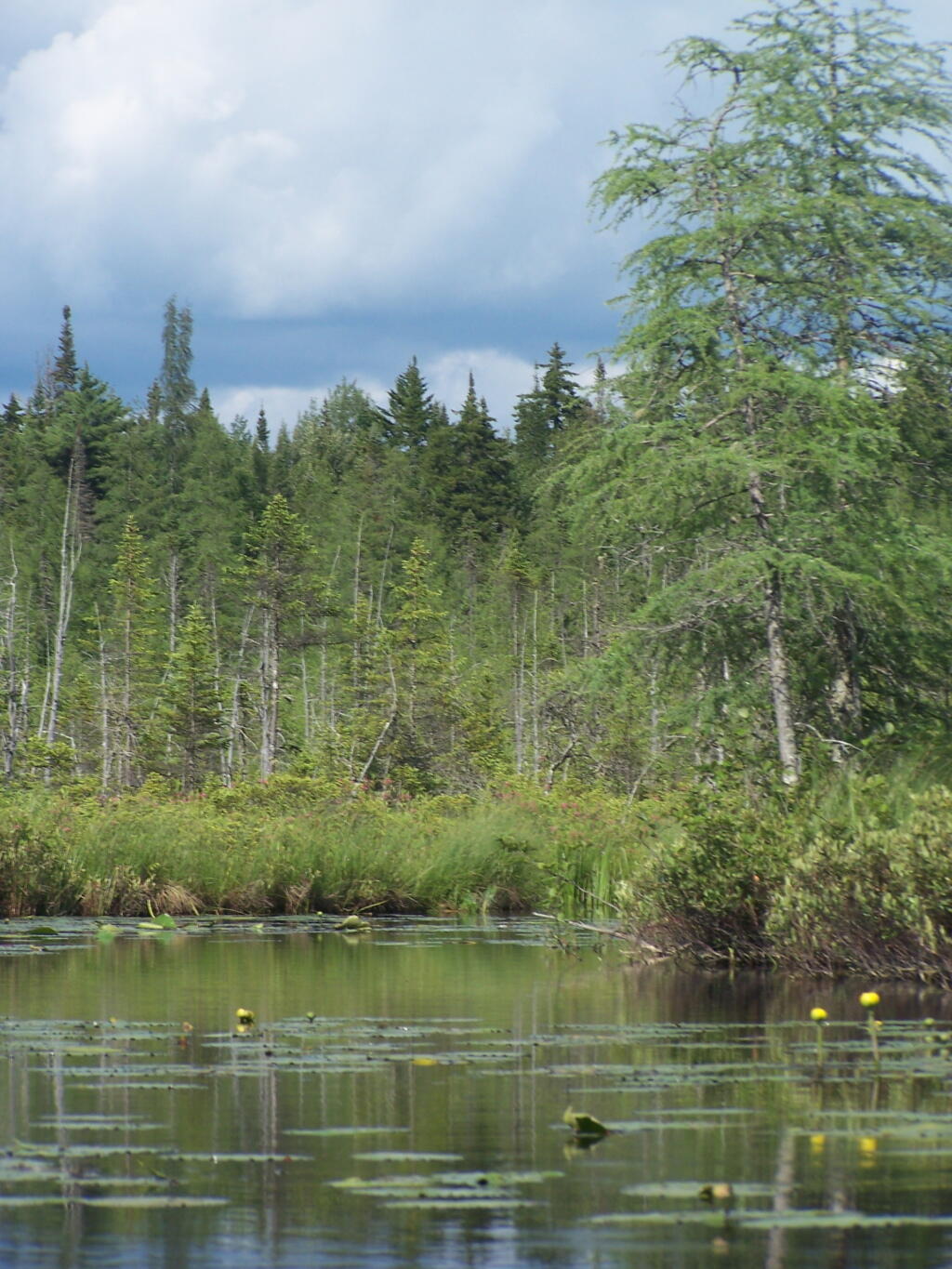
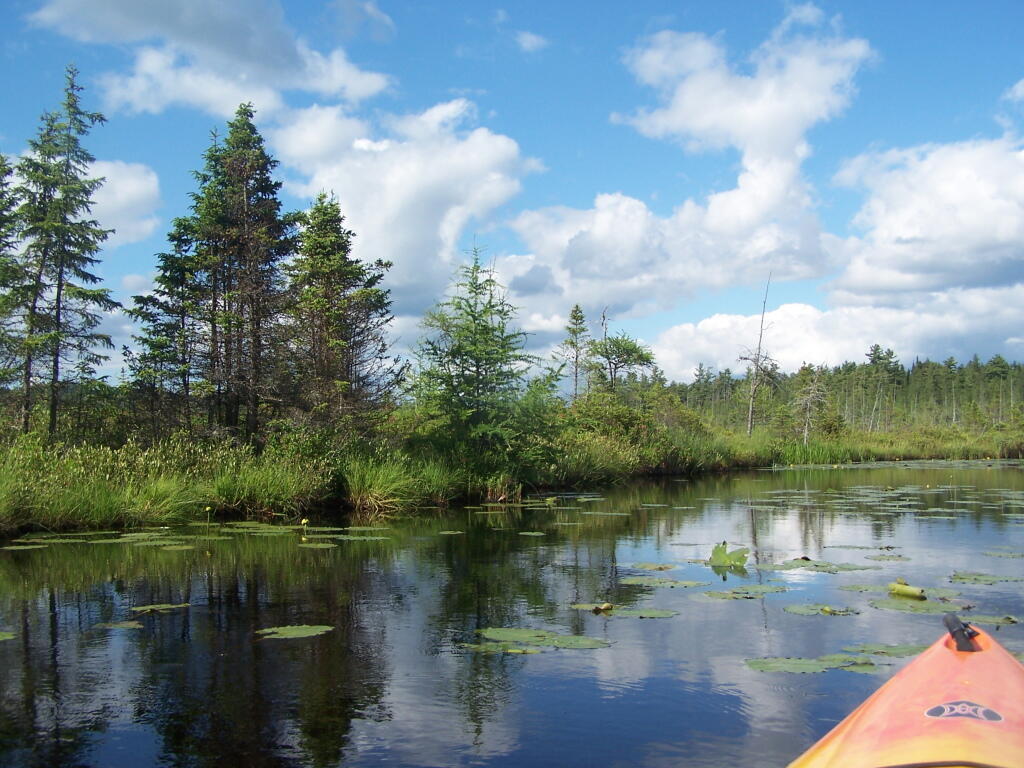
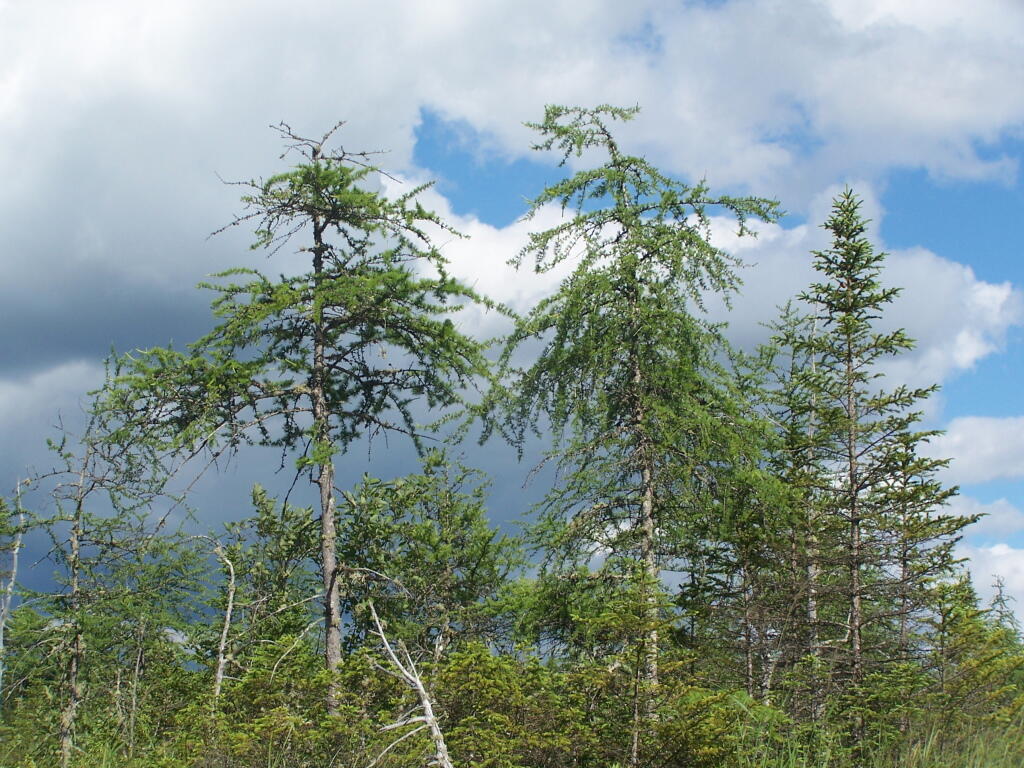
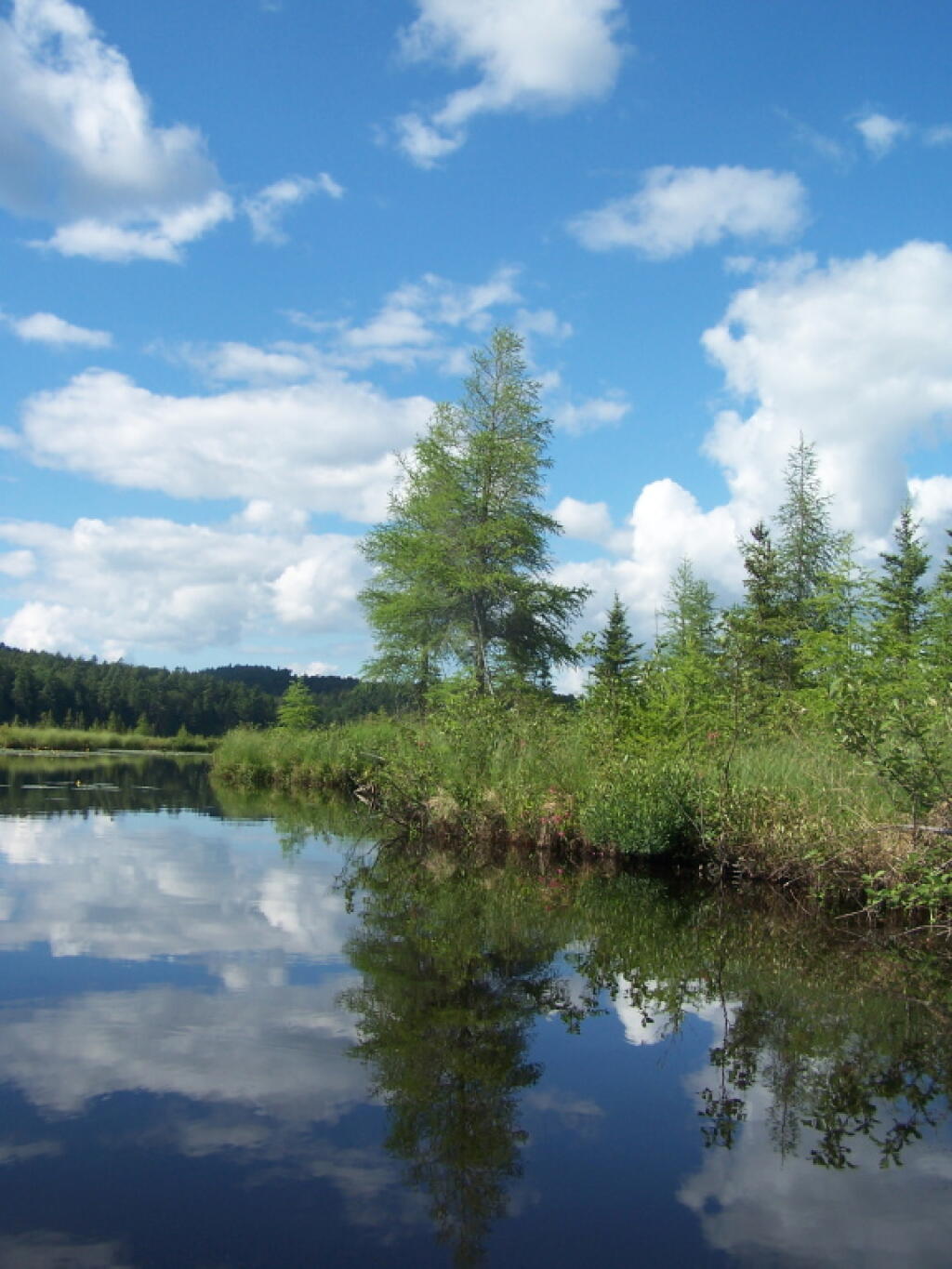
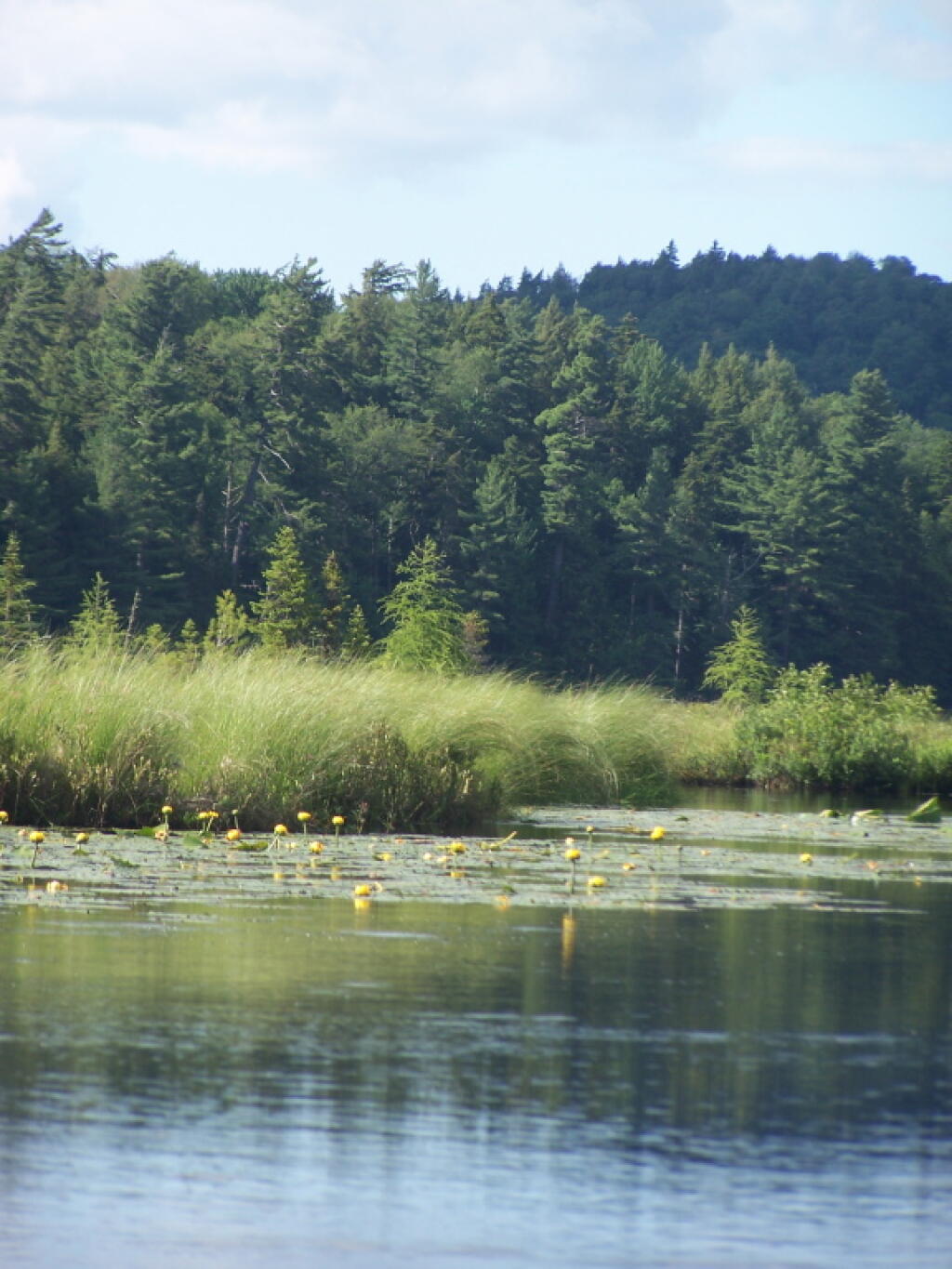
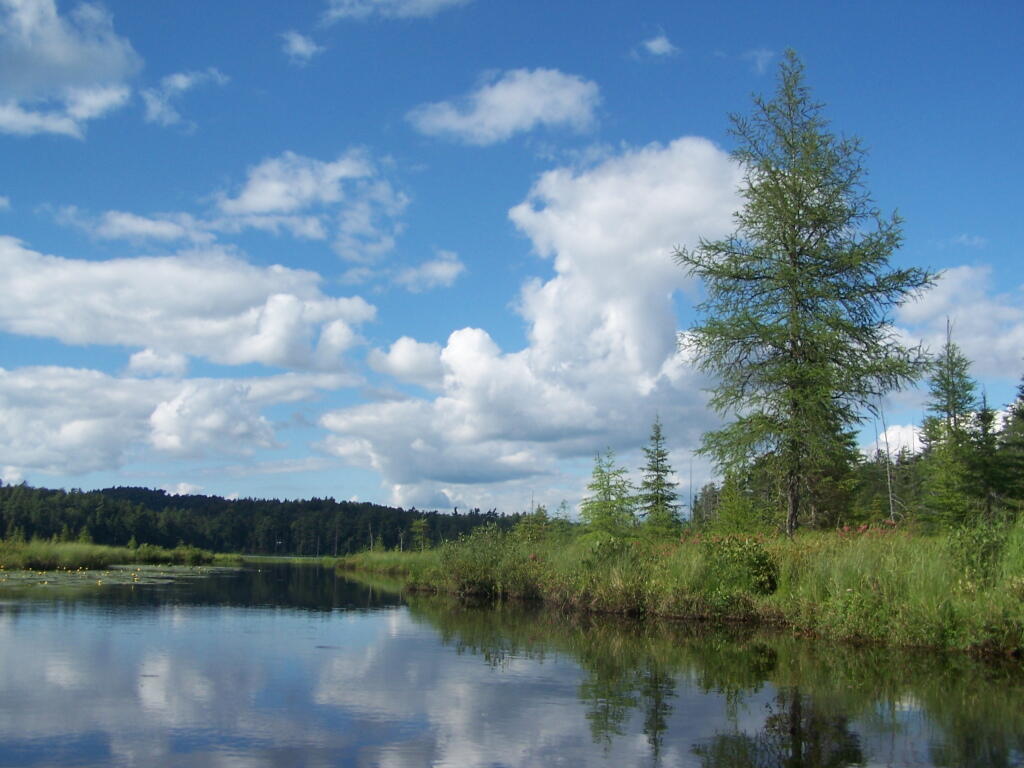
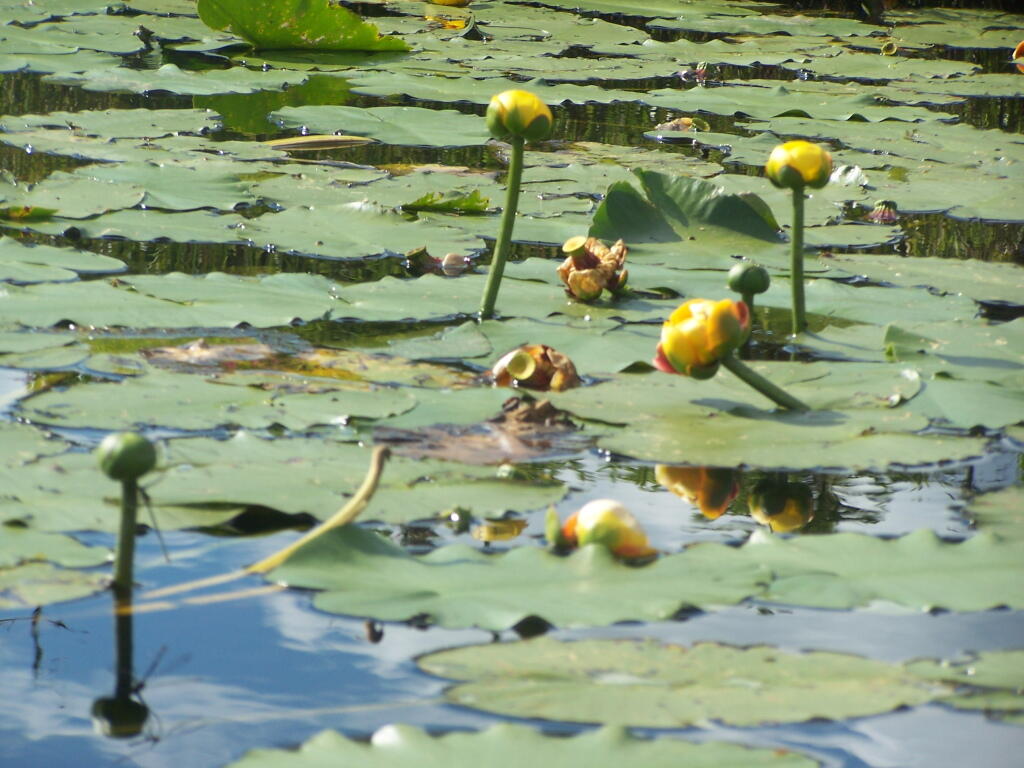
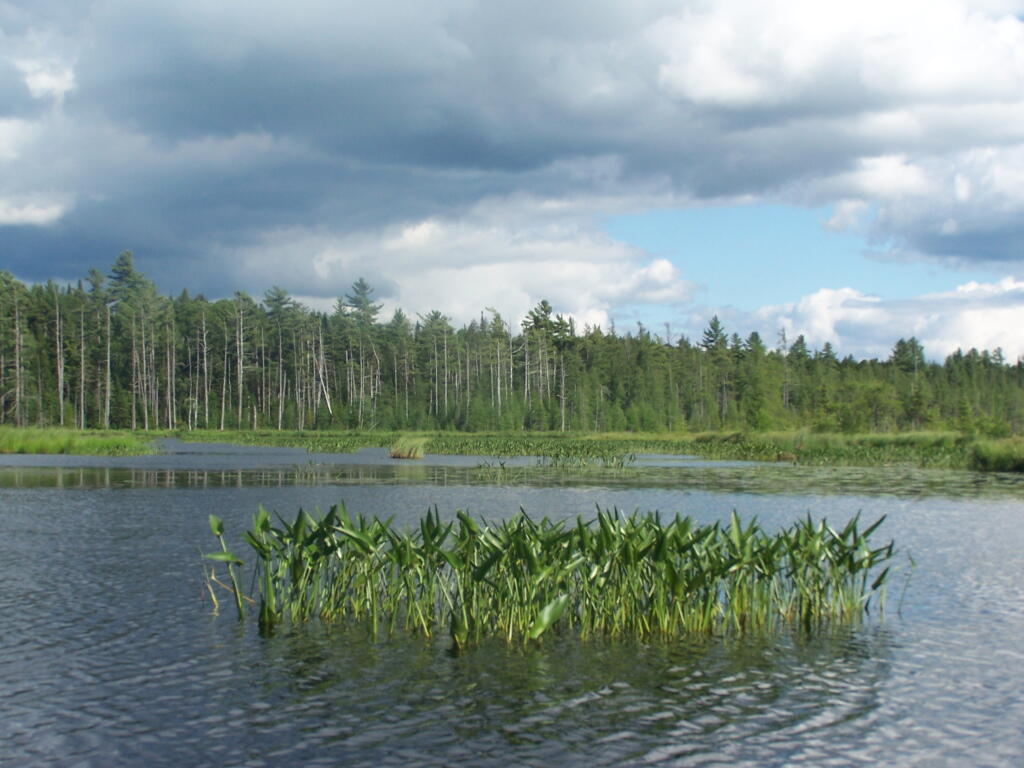
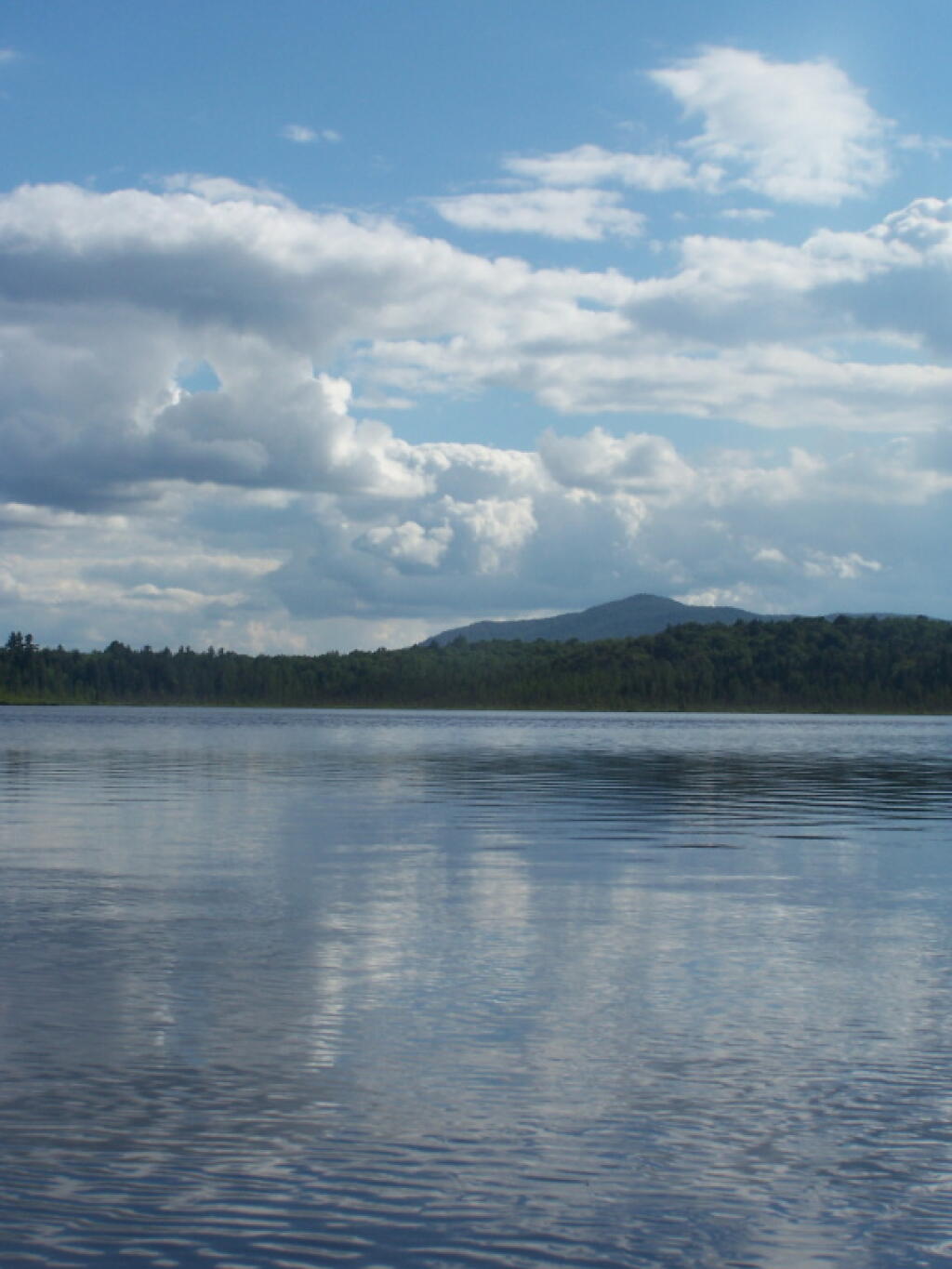
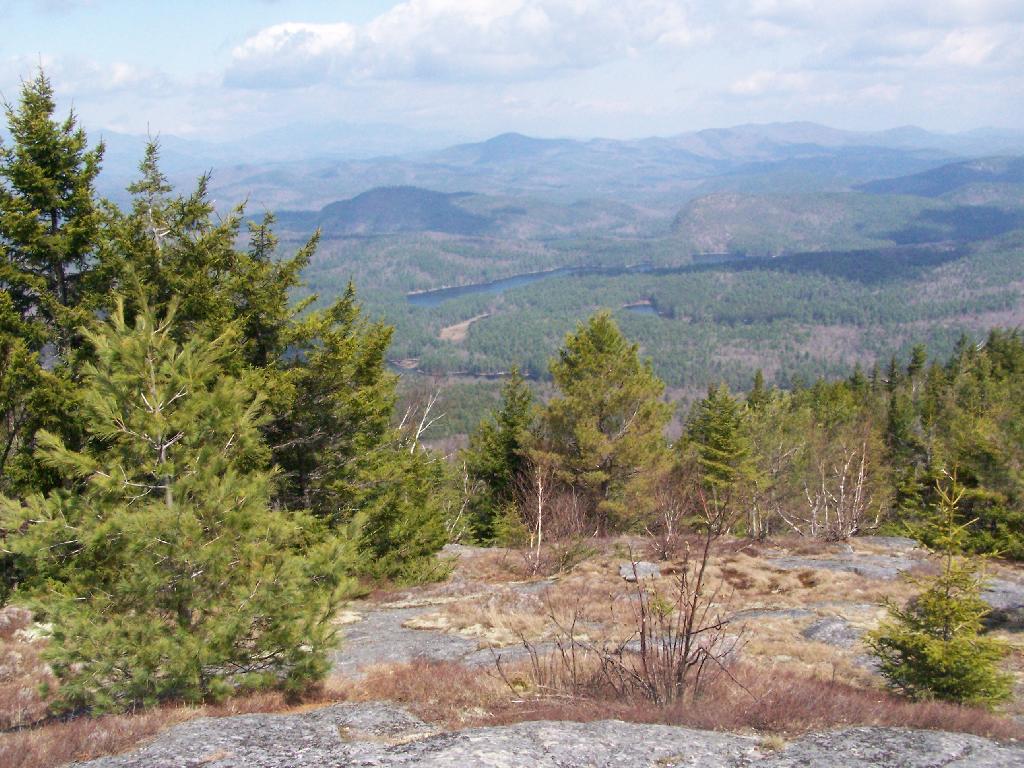
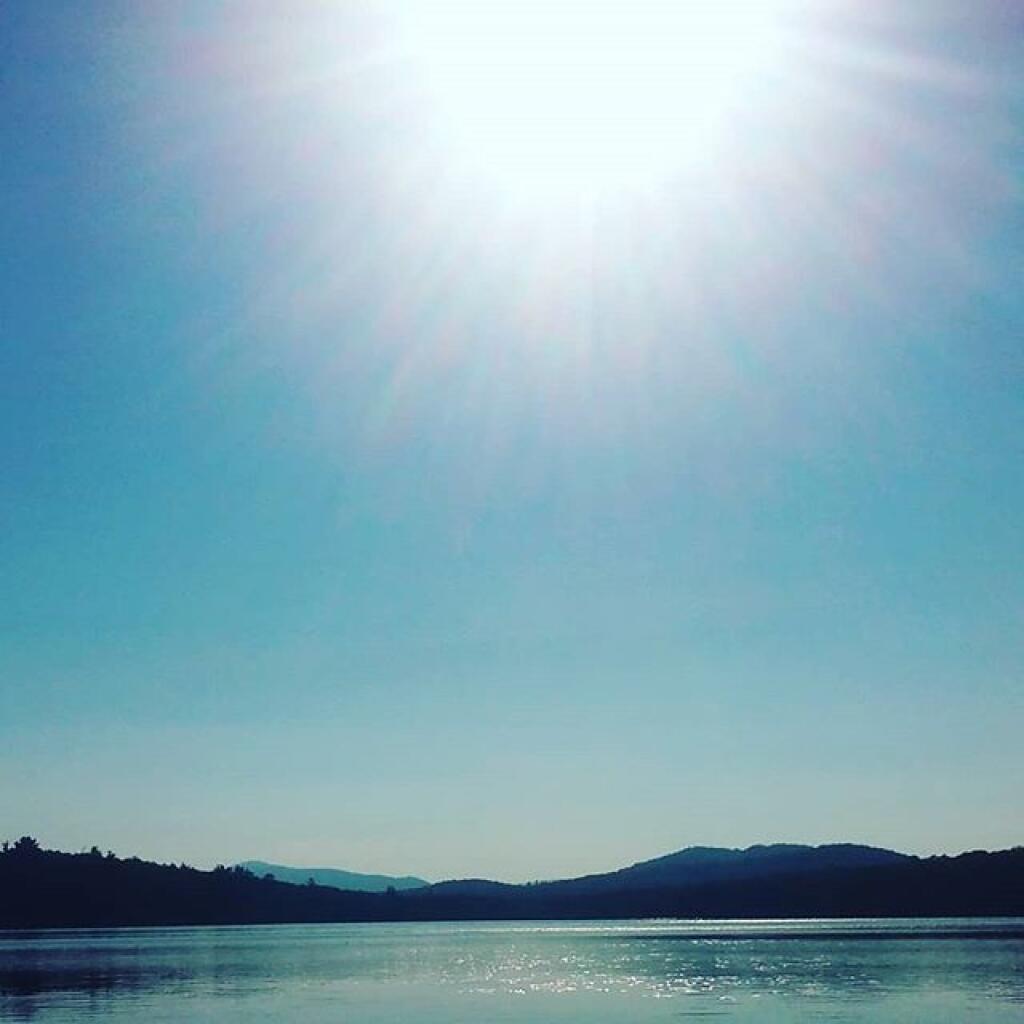
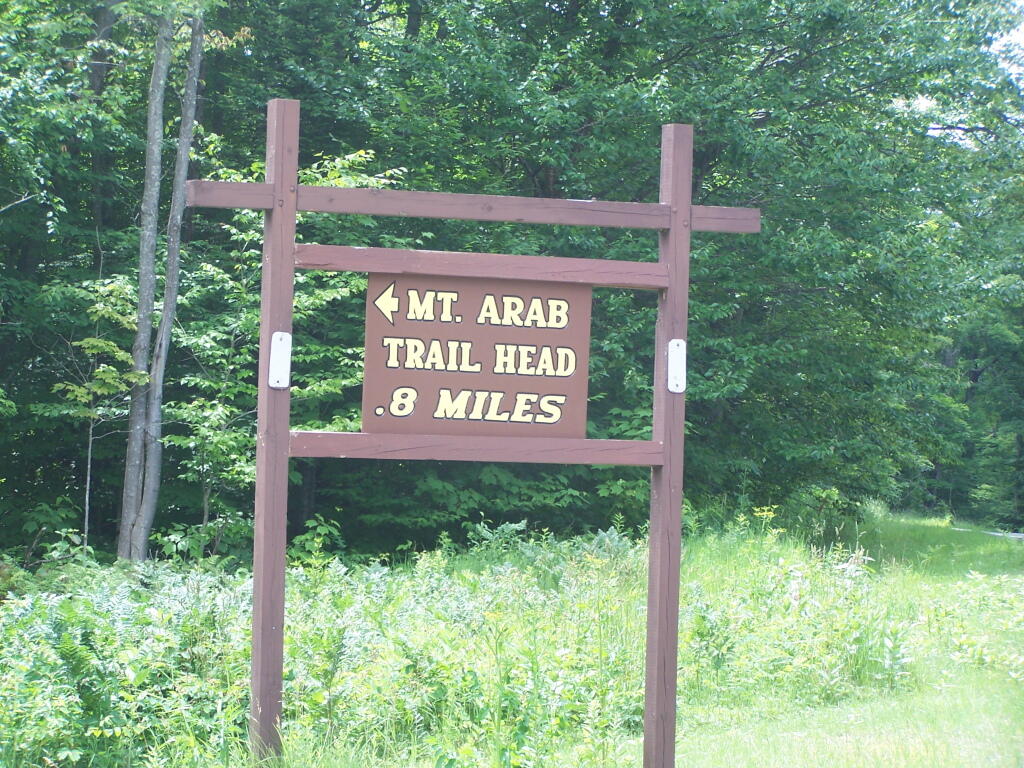
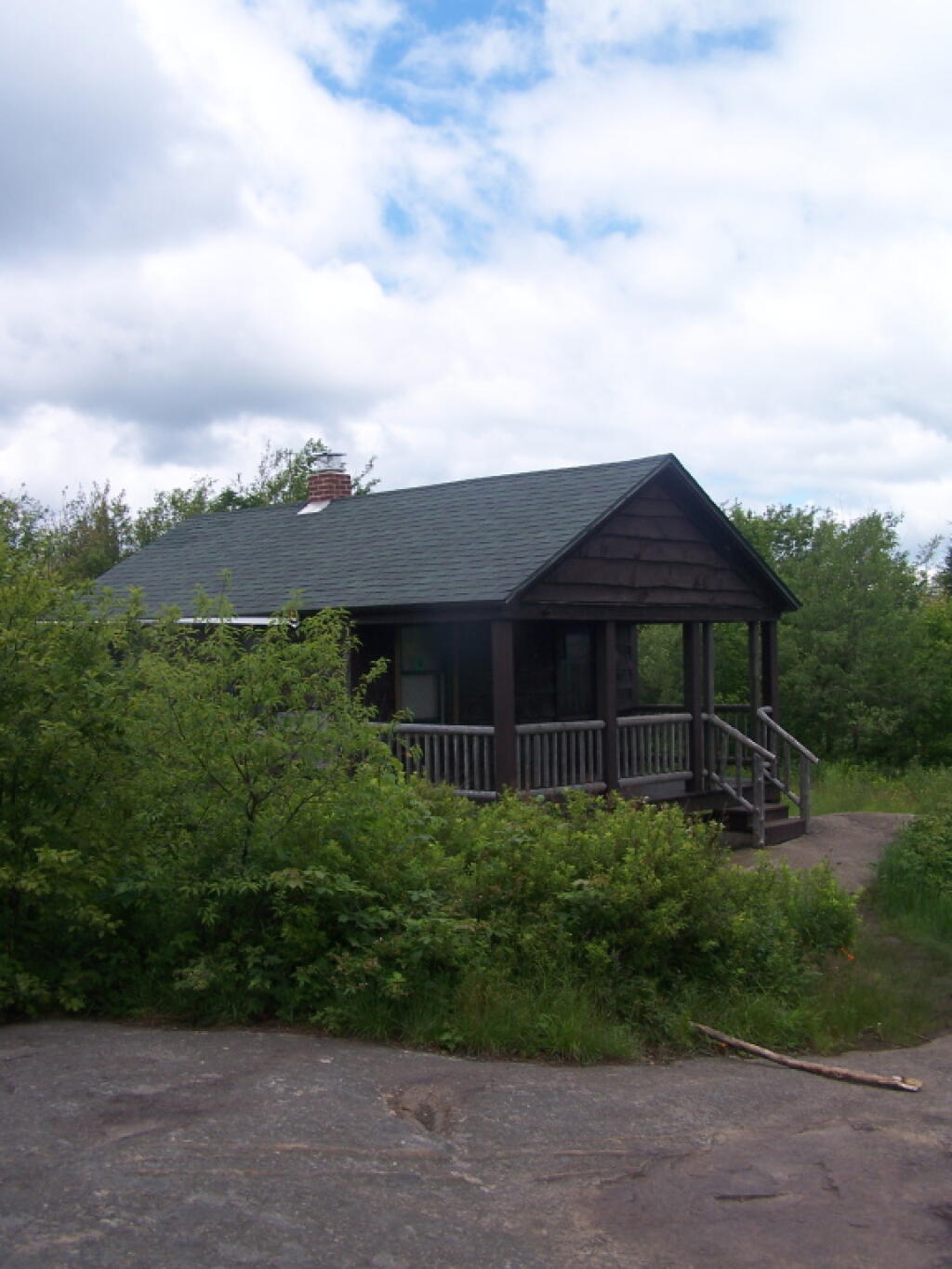
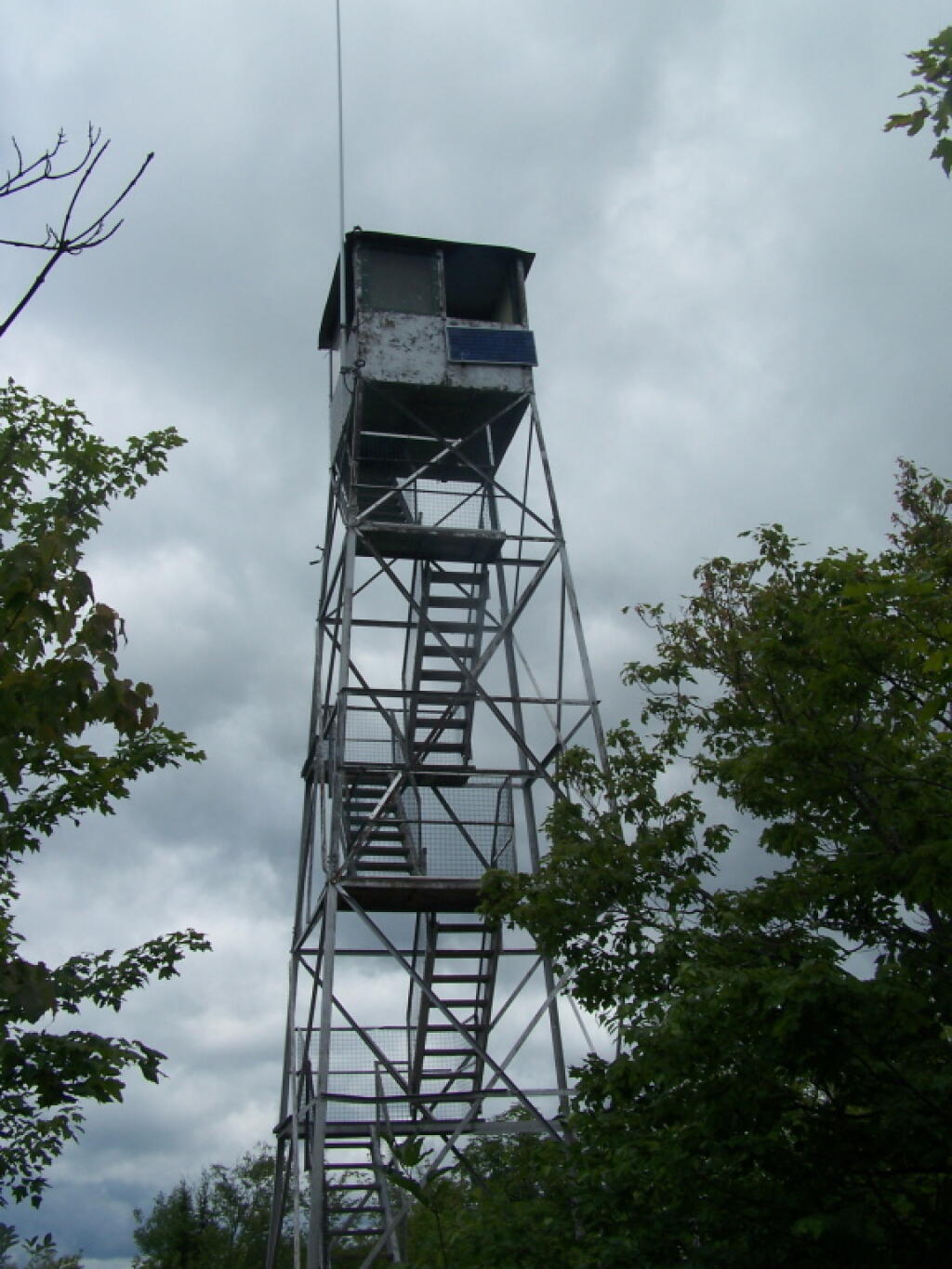
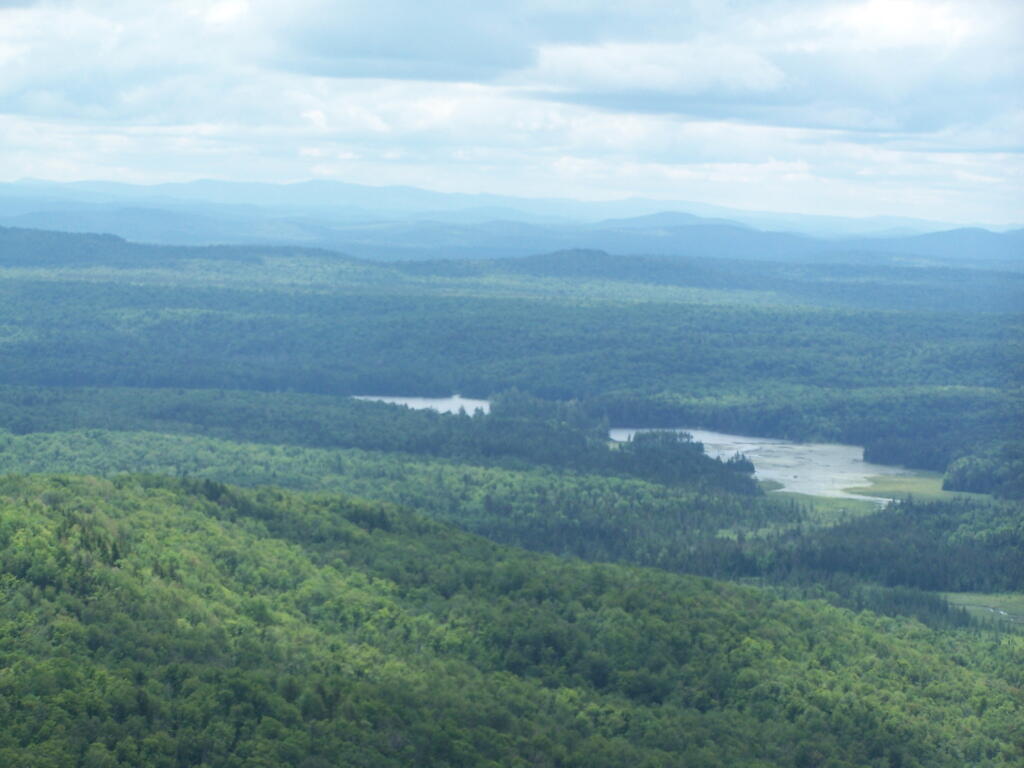
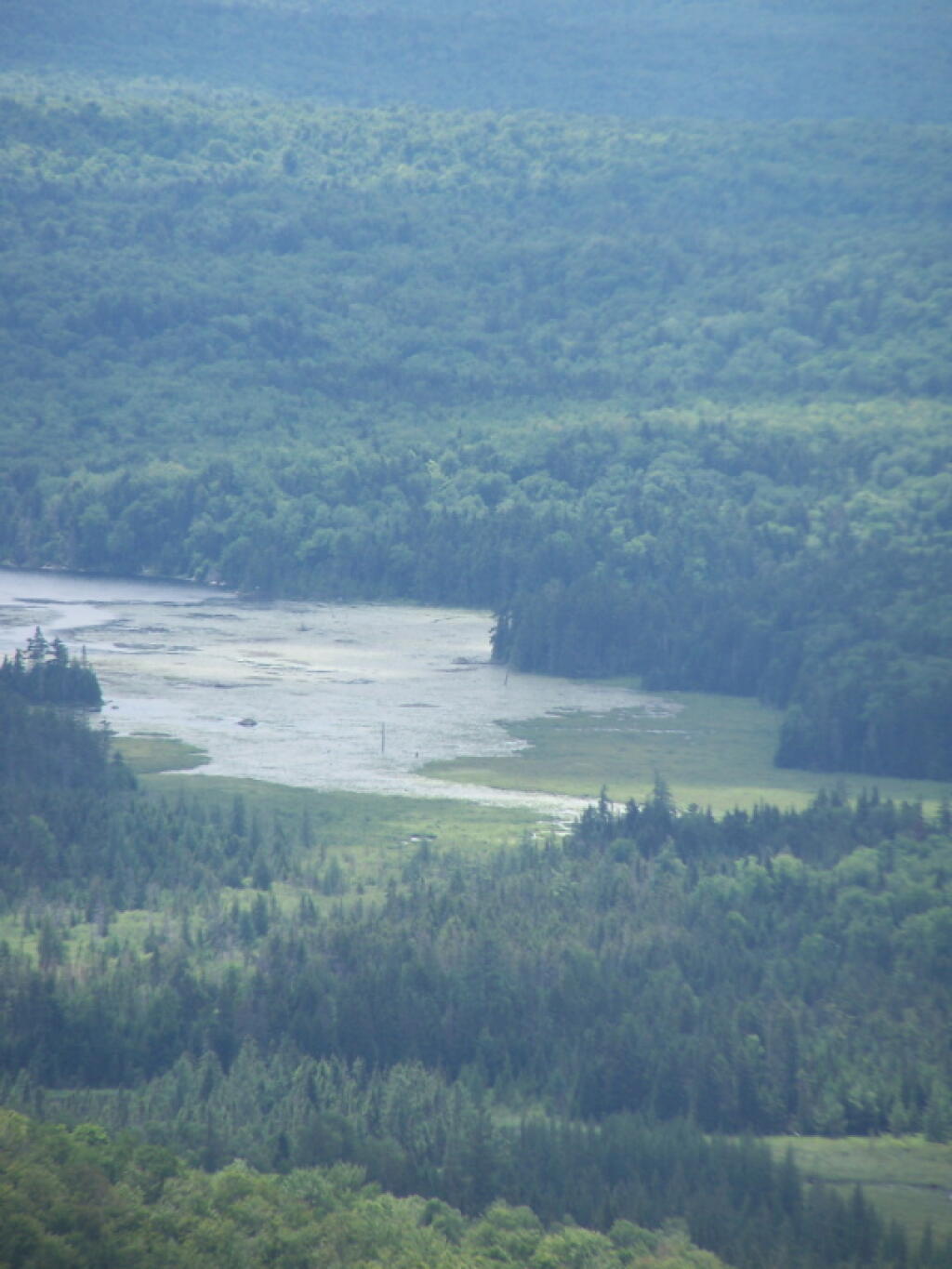
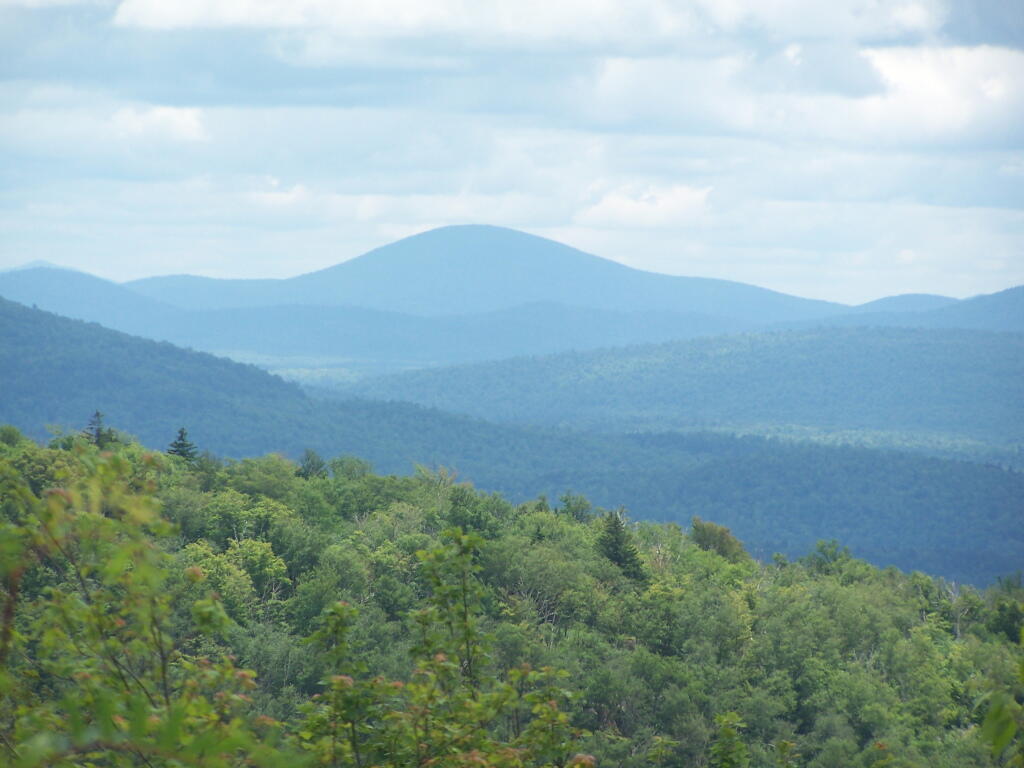
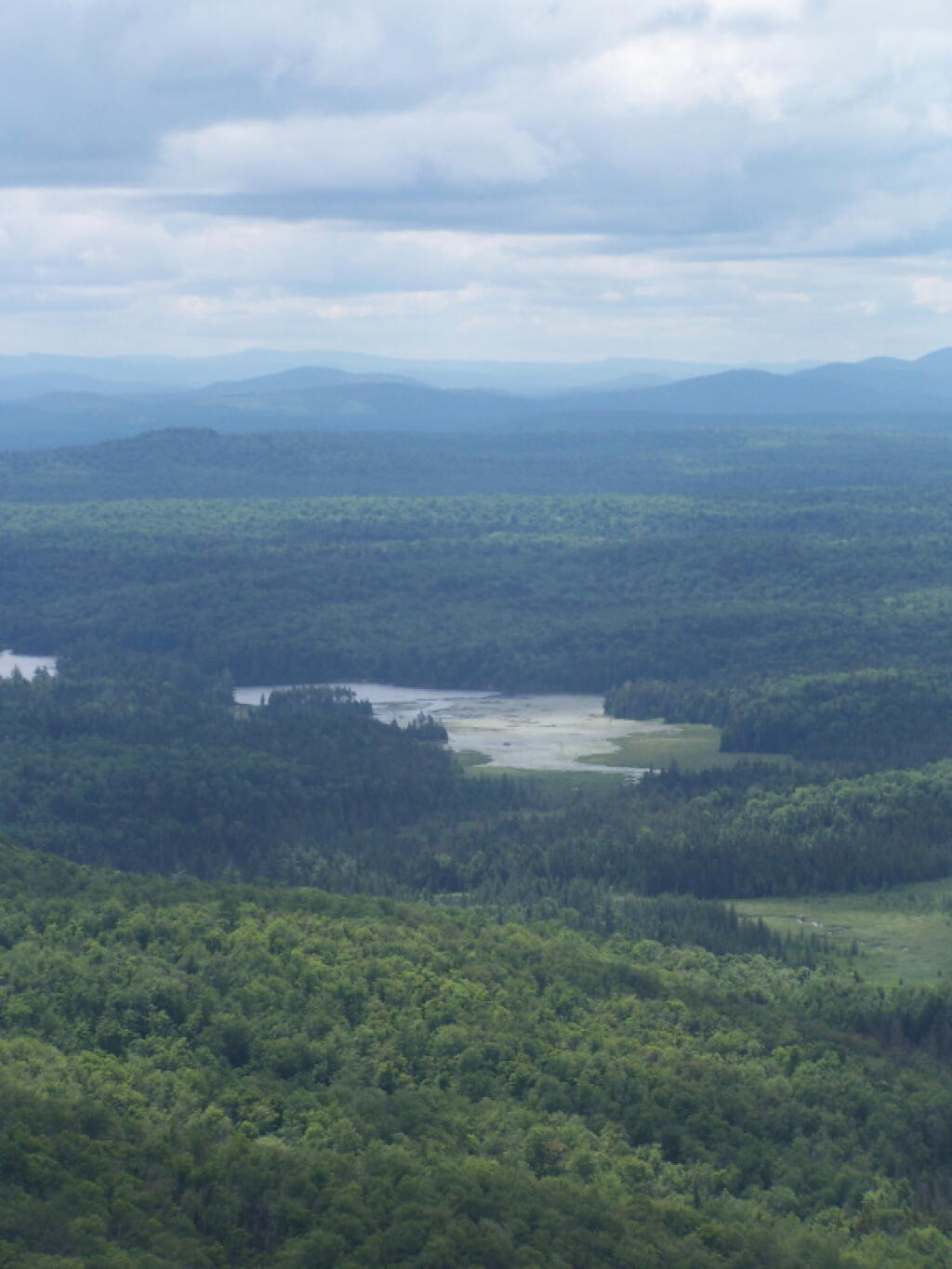
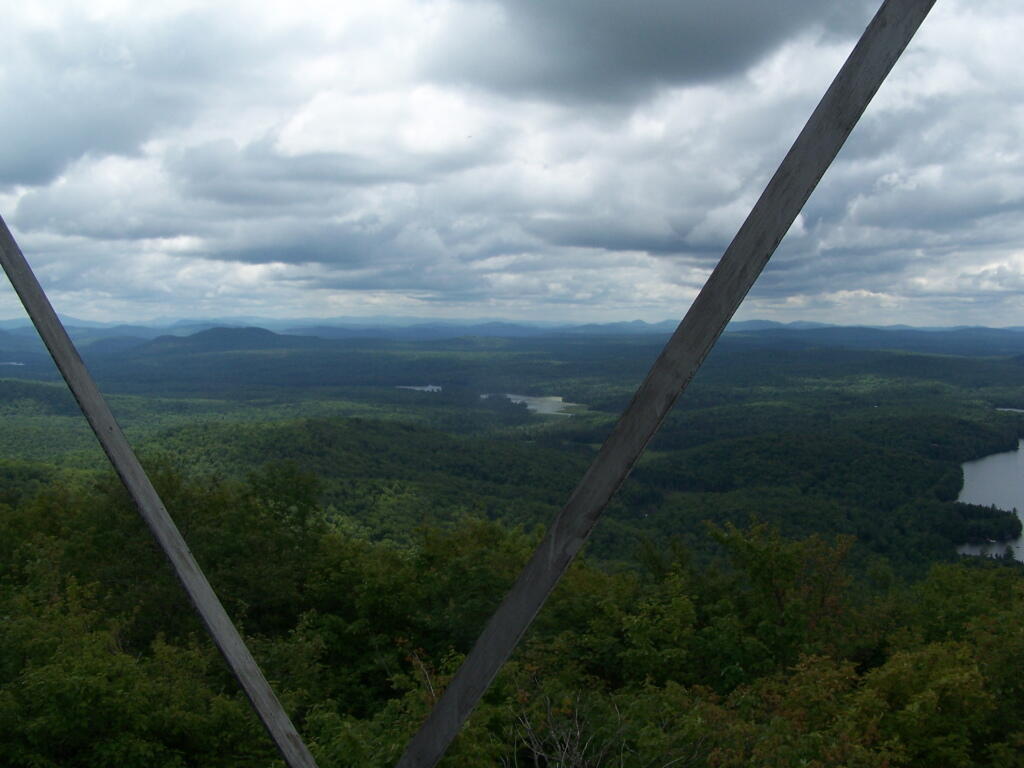
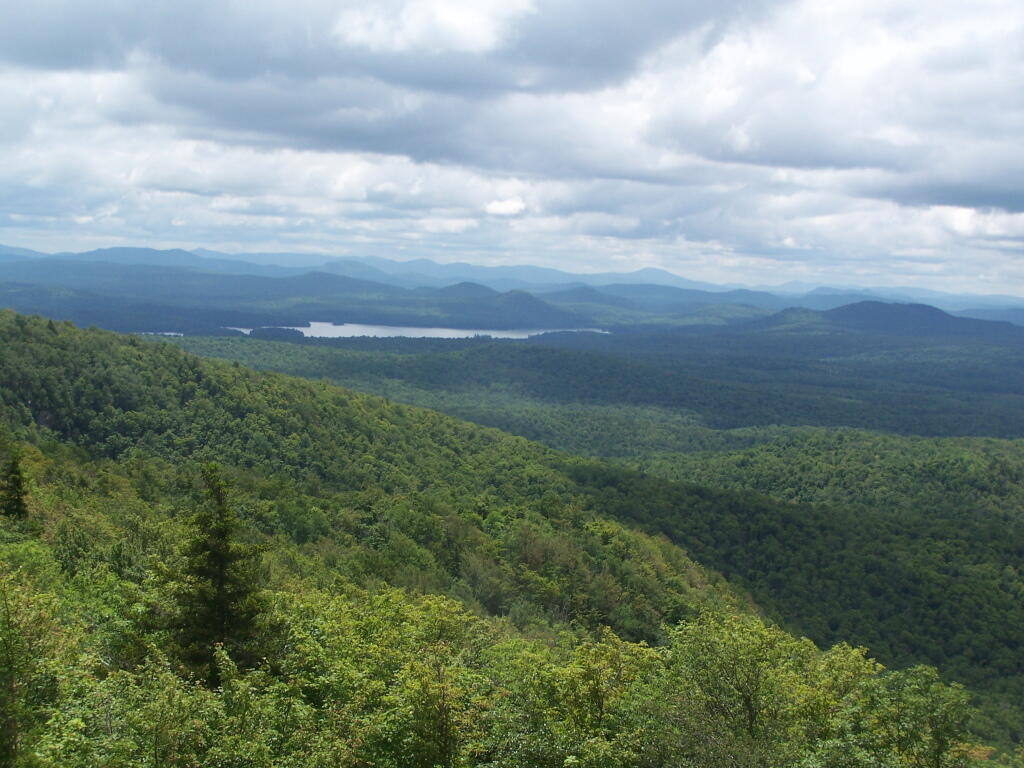
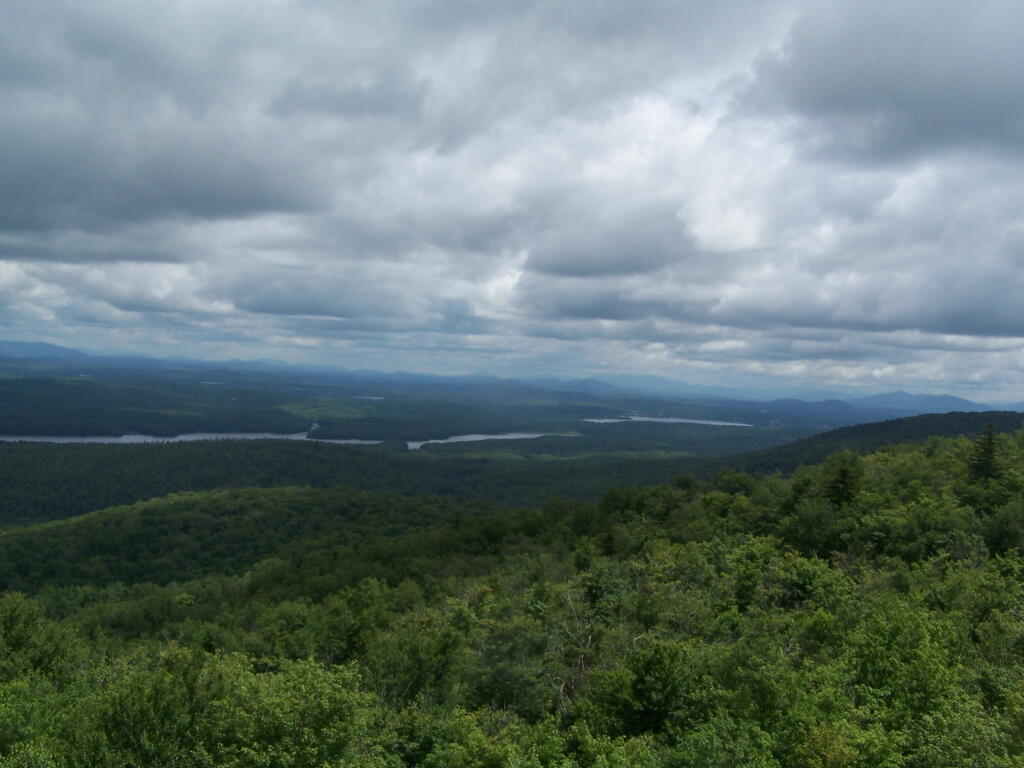
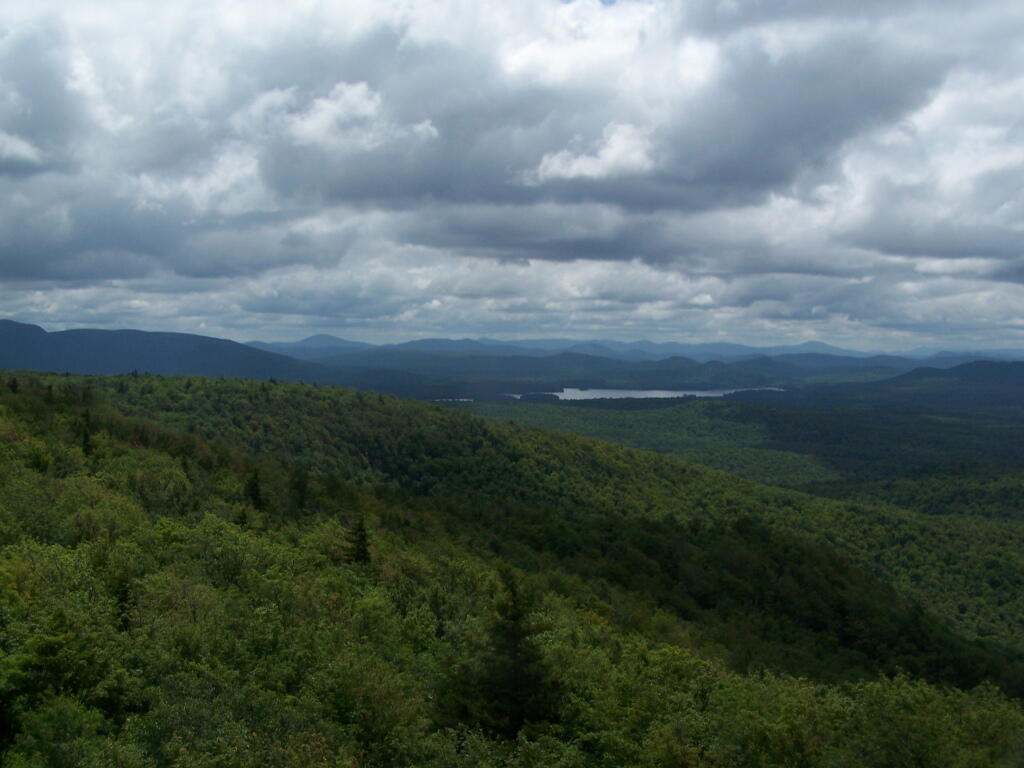
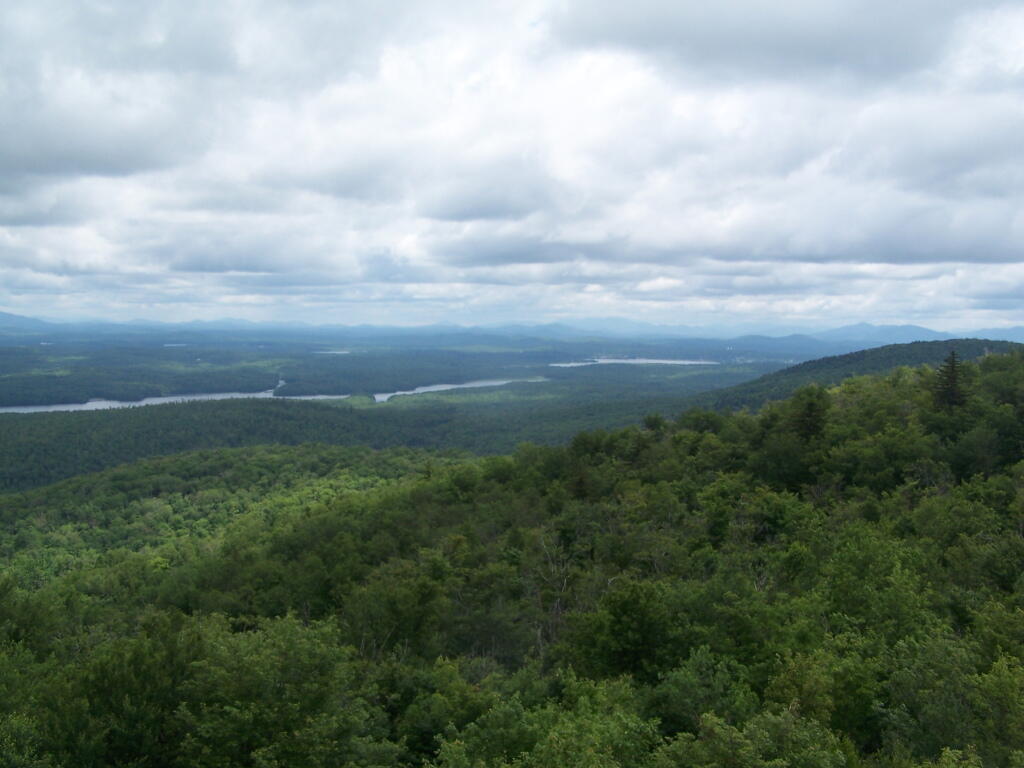
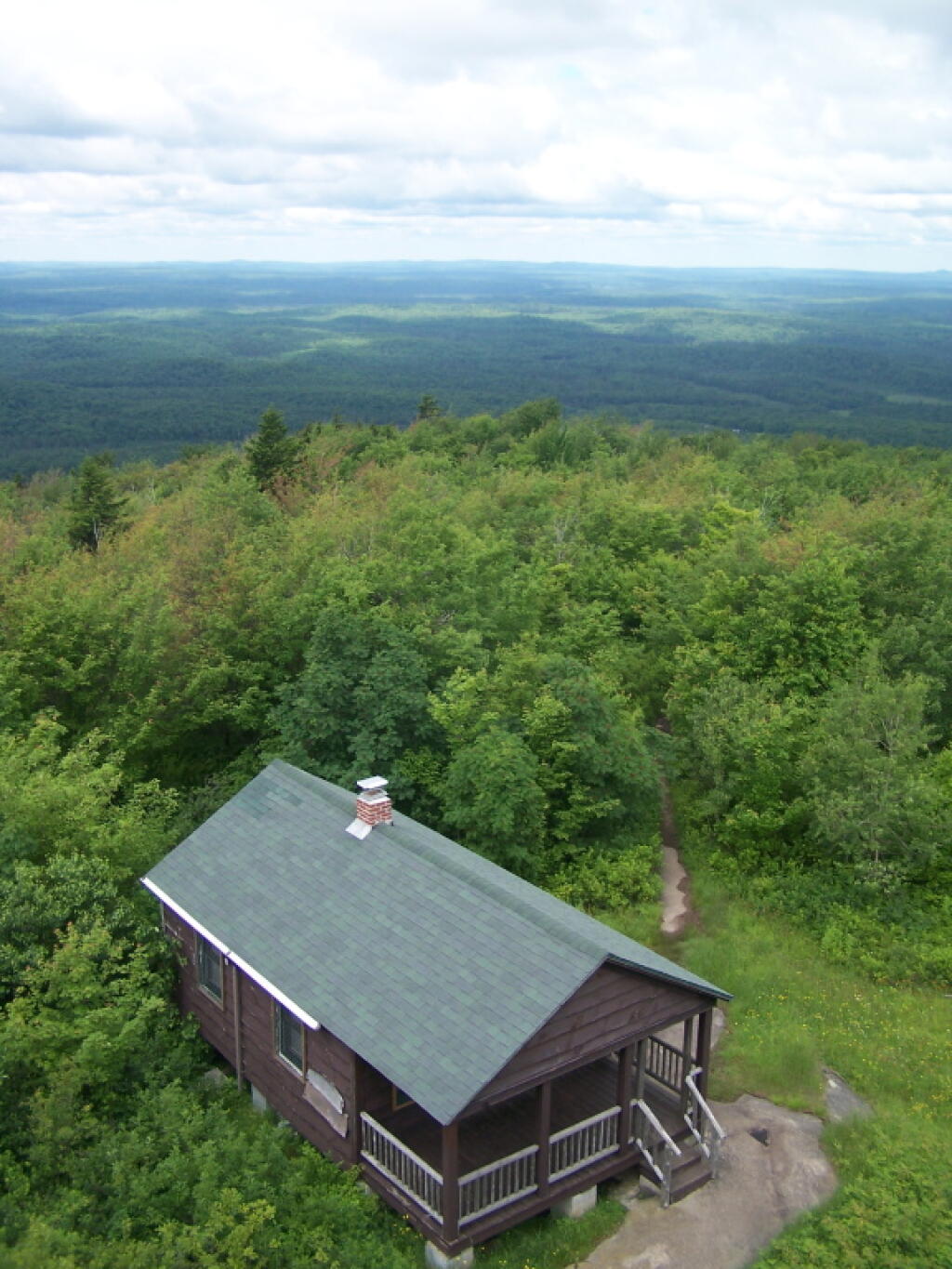
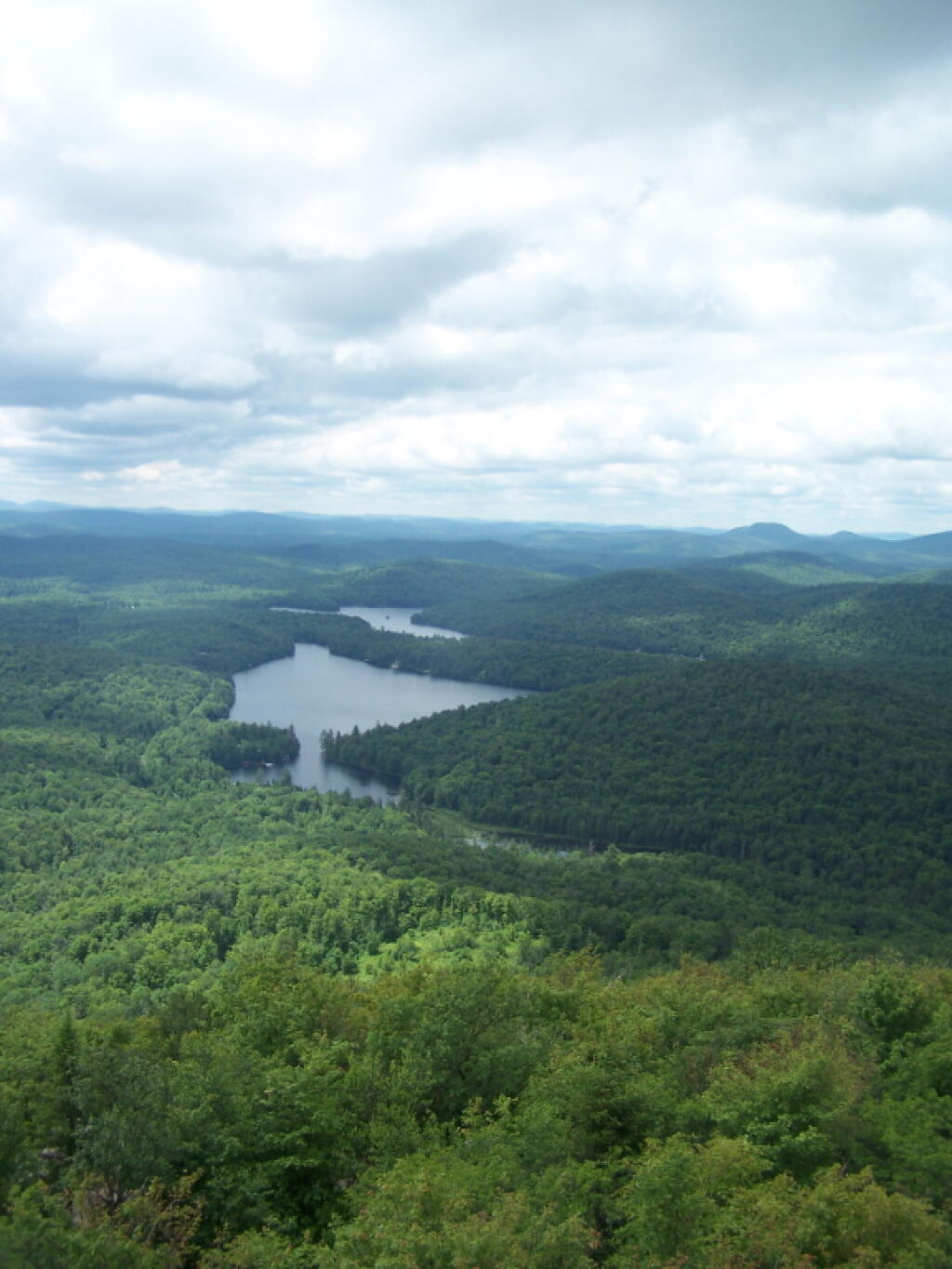
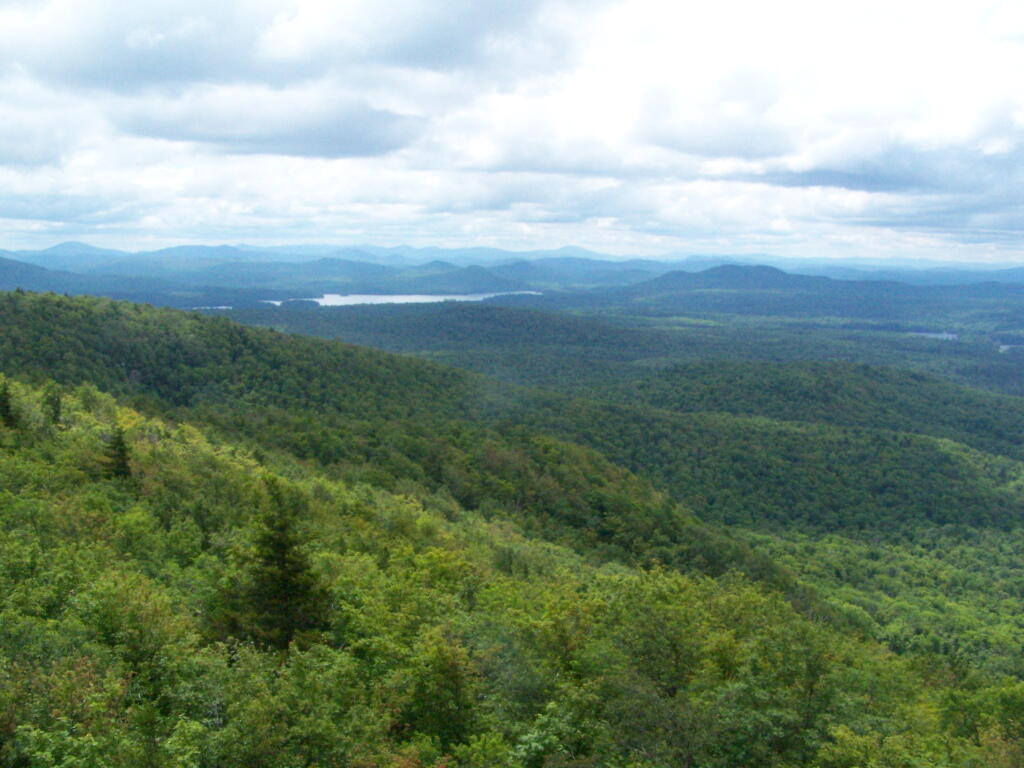
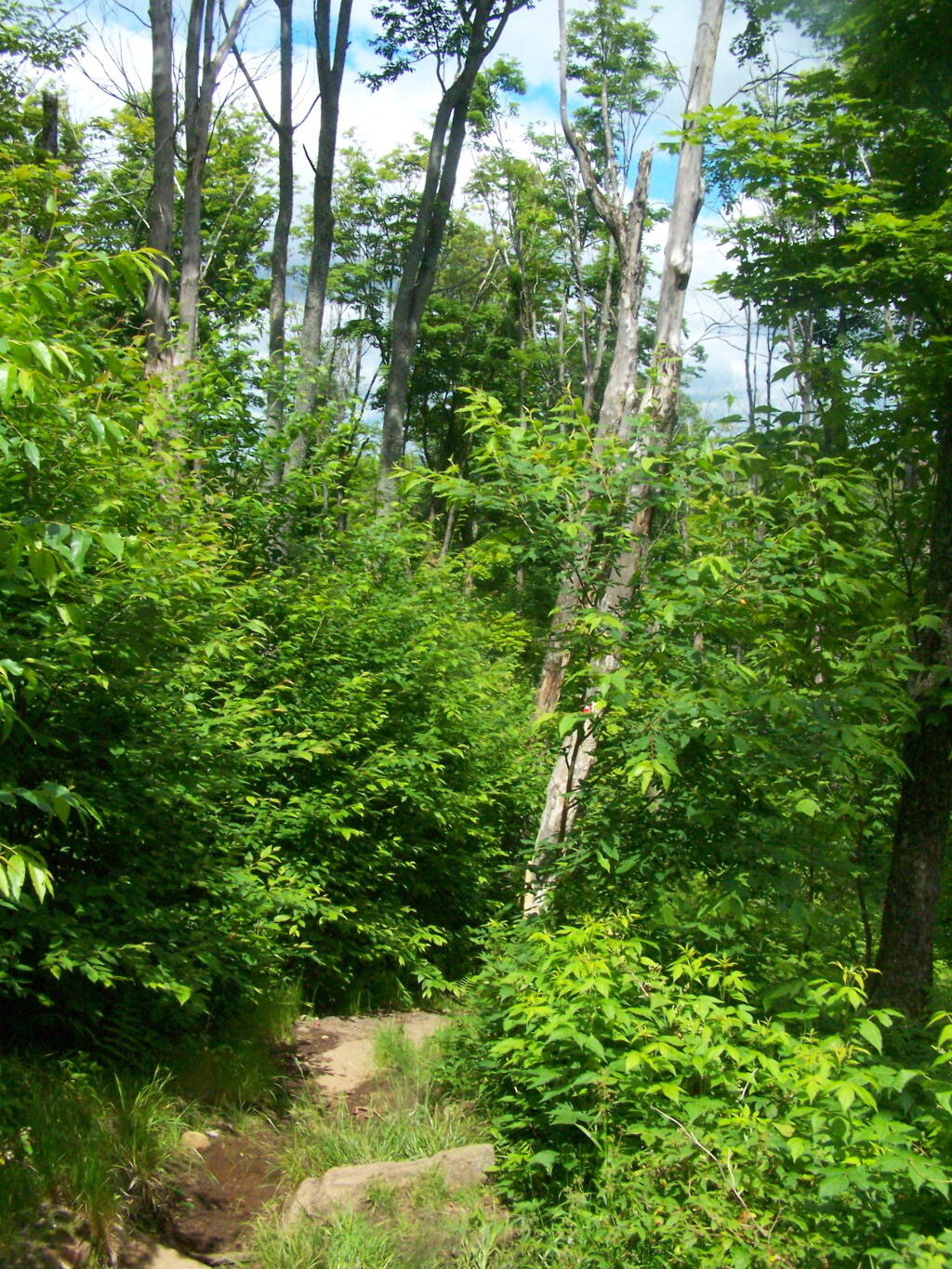
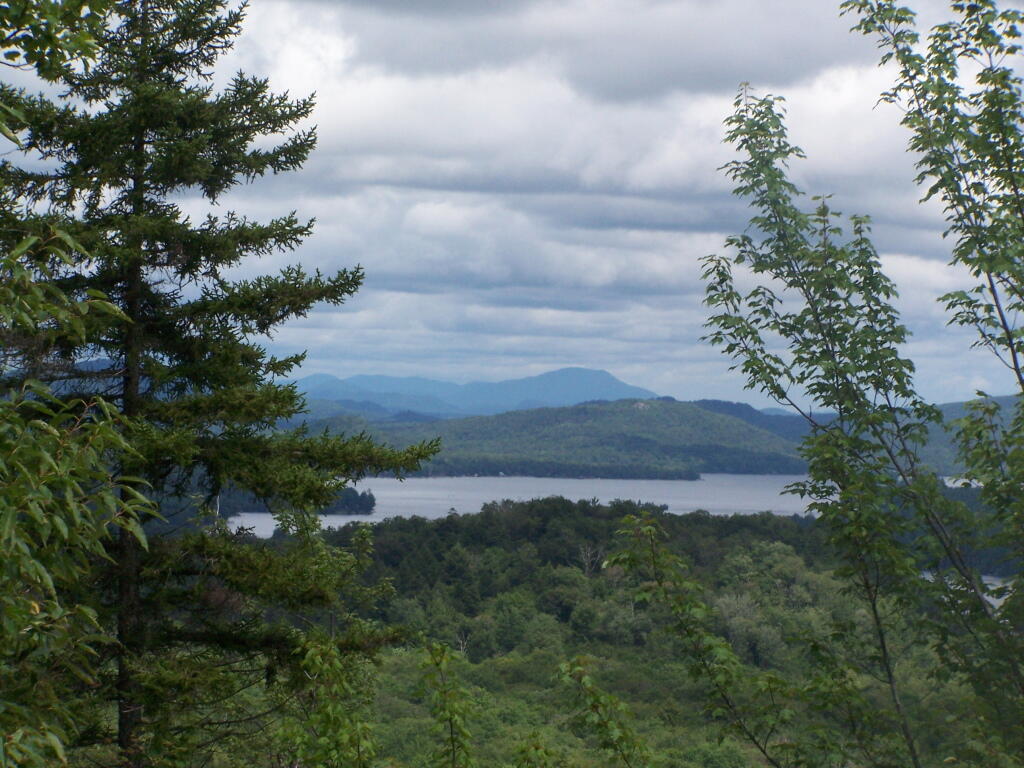
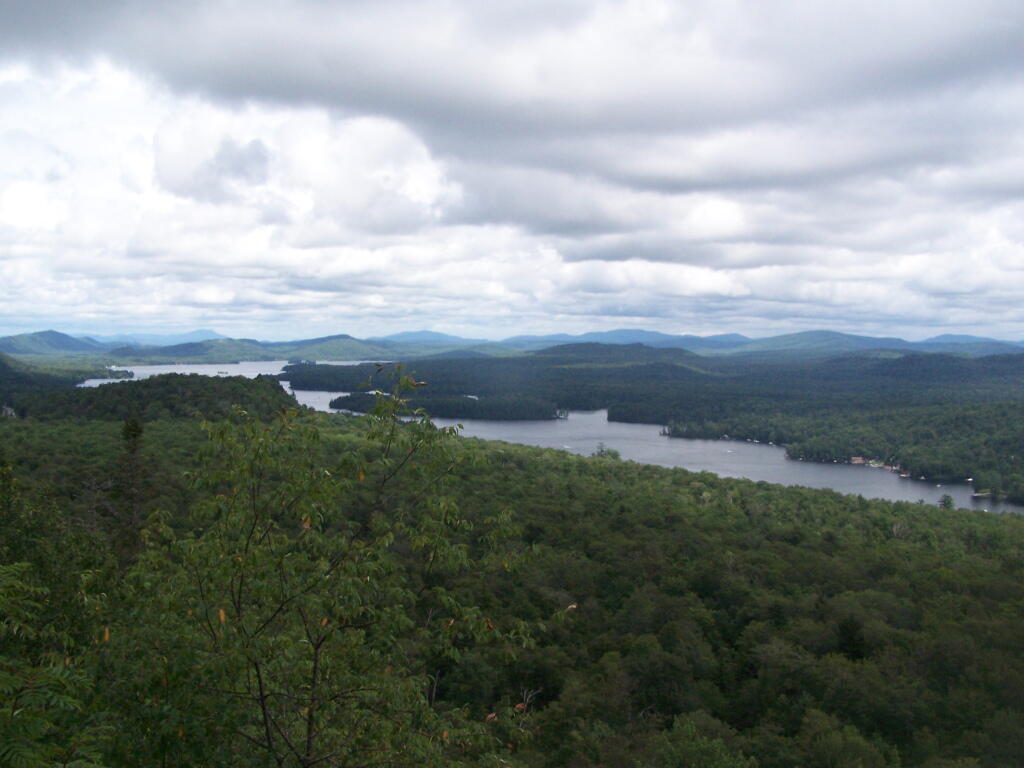
Barnum Pond, right behind the Adirondack Vistors Intreprative Center, offers some great views, and can be accessed for free from NY 30, one mile north of VIC and one mile south of Mountain Pond Camping Area. Click on the map below, to display a full-size version, perfect for printing and slapping in a plastic bag, to strap on your kayak.
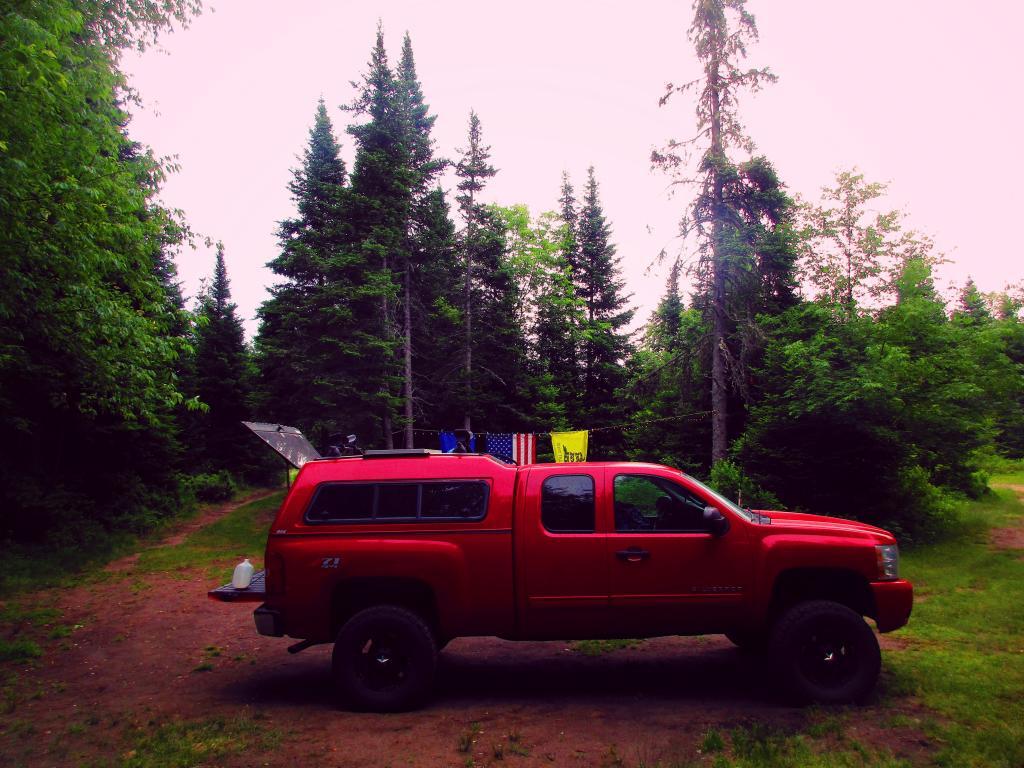
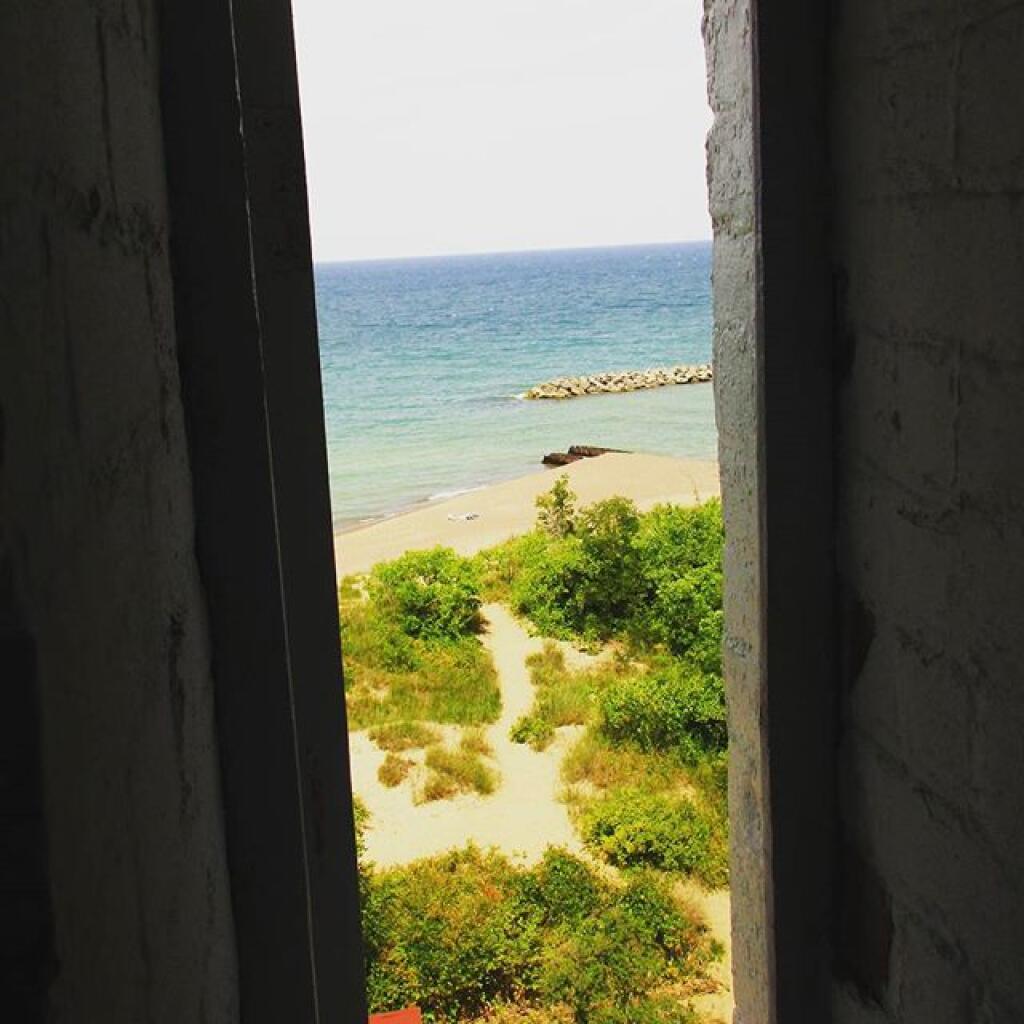
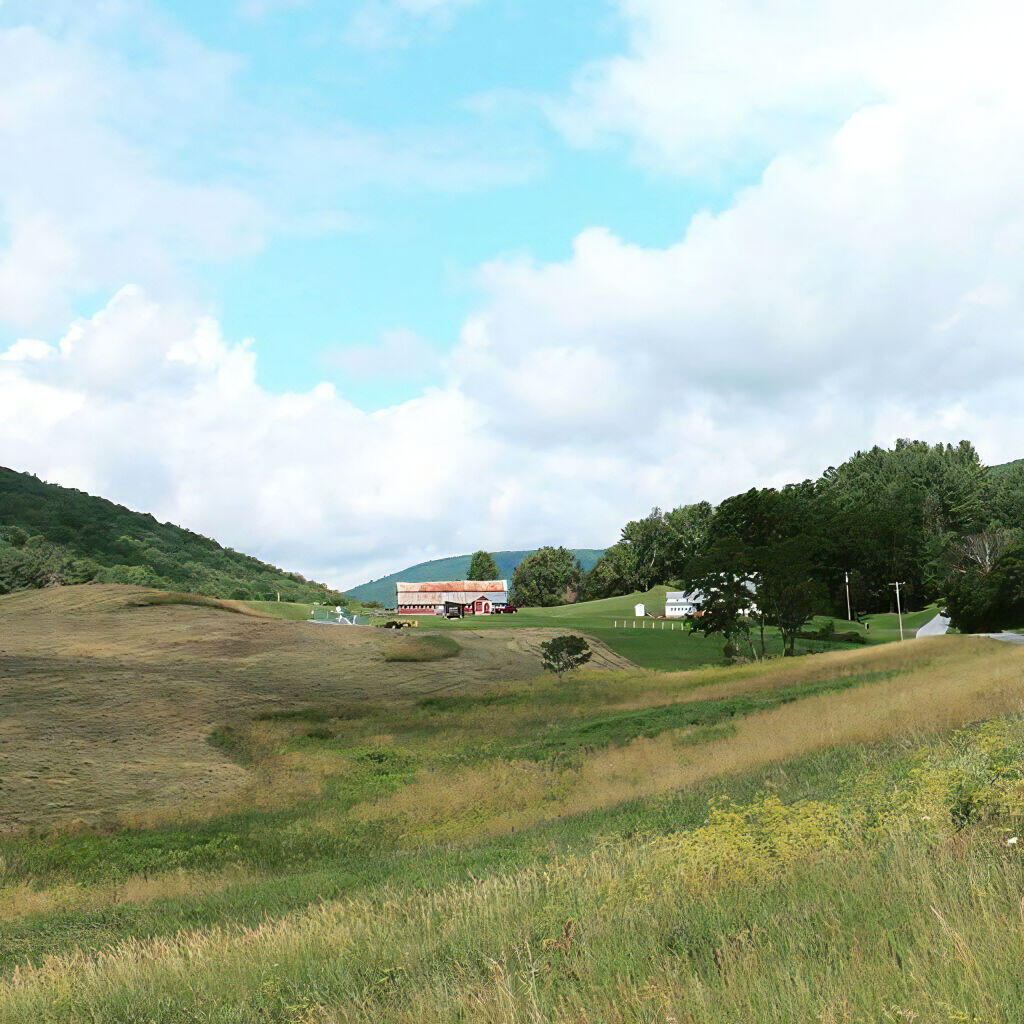
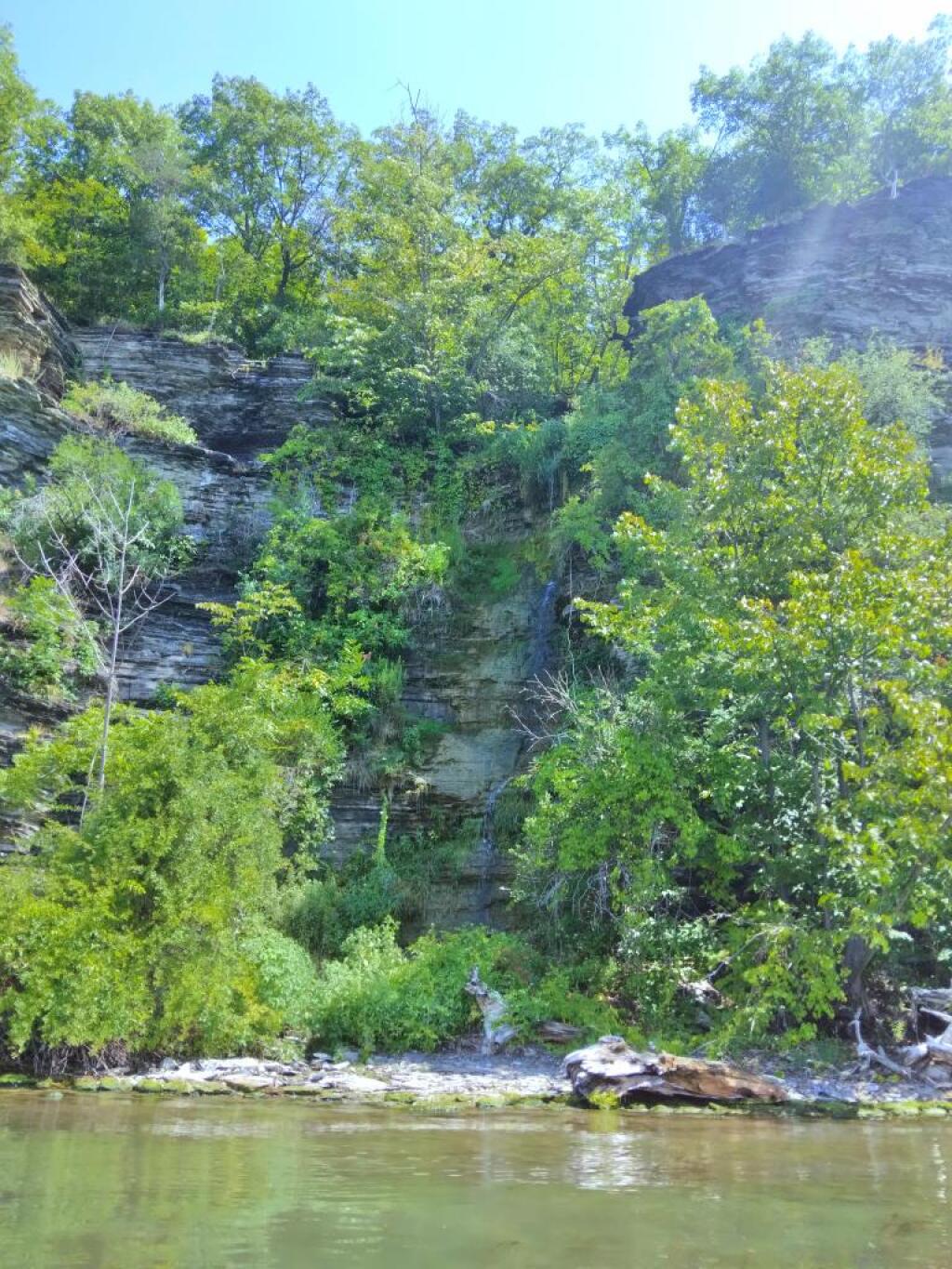
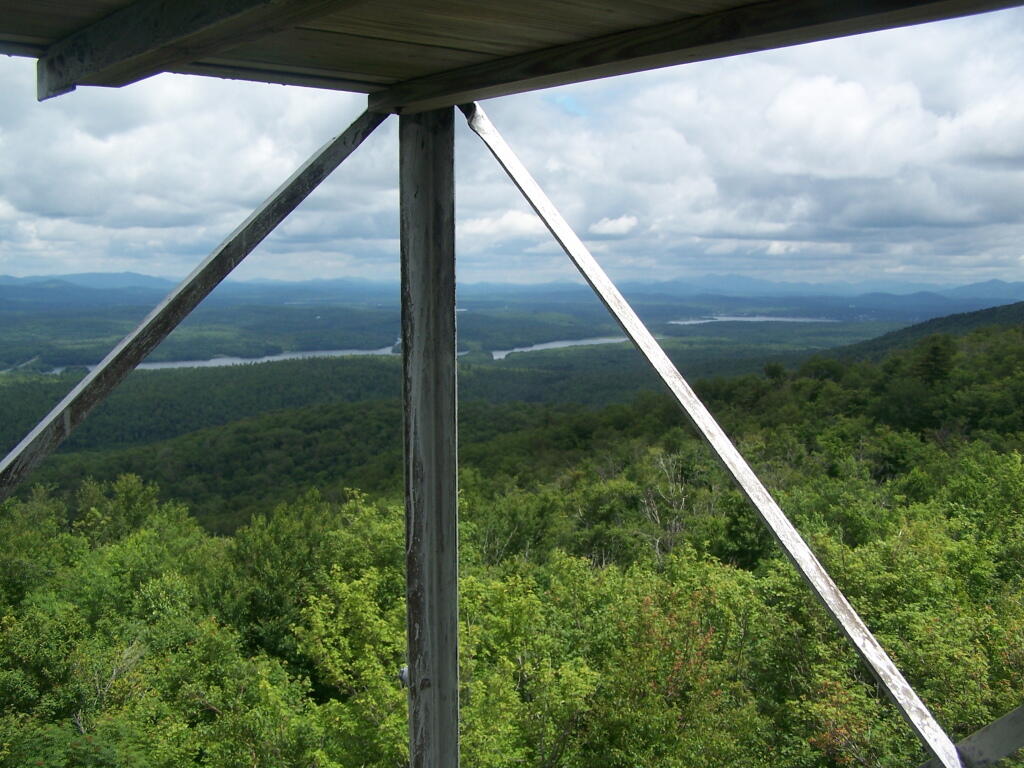
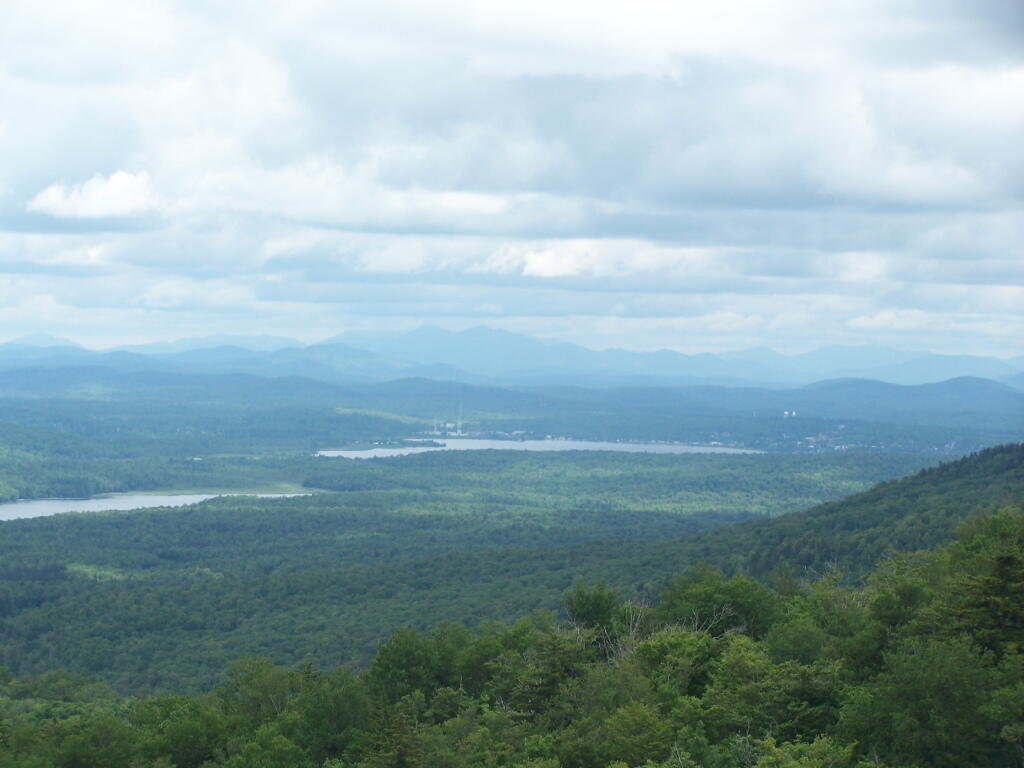
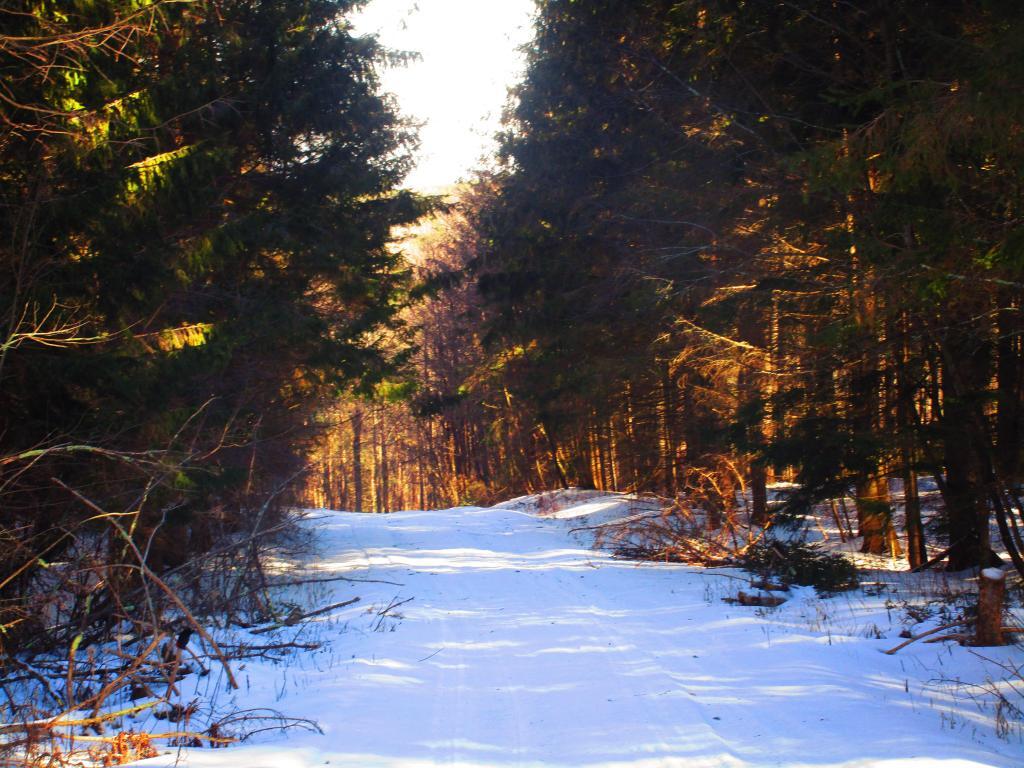
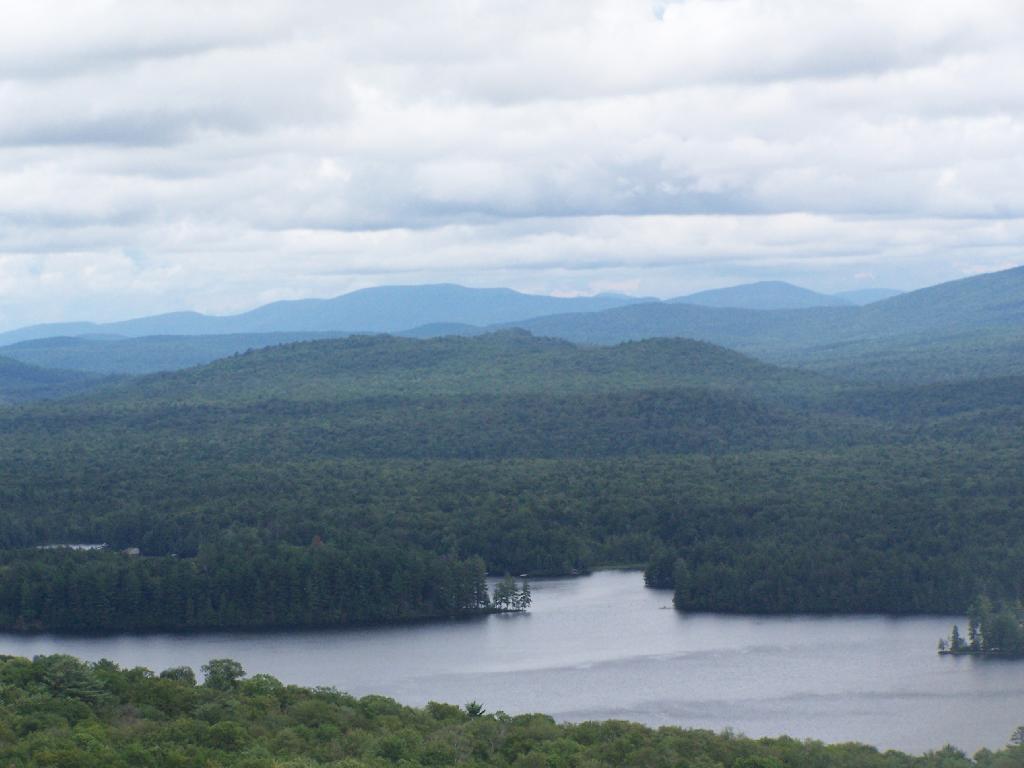
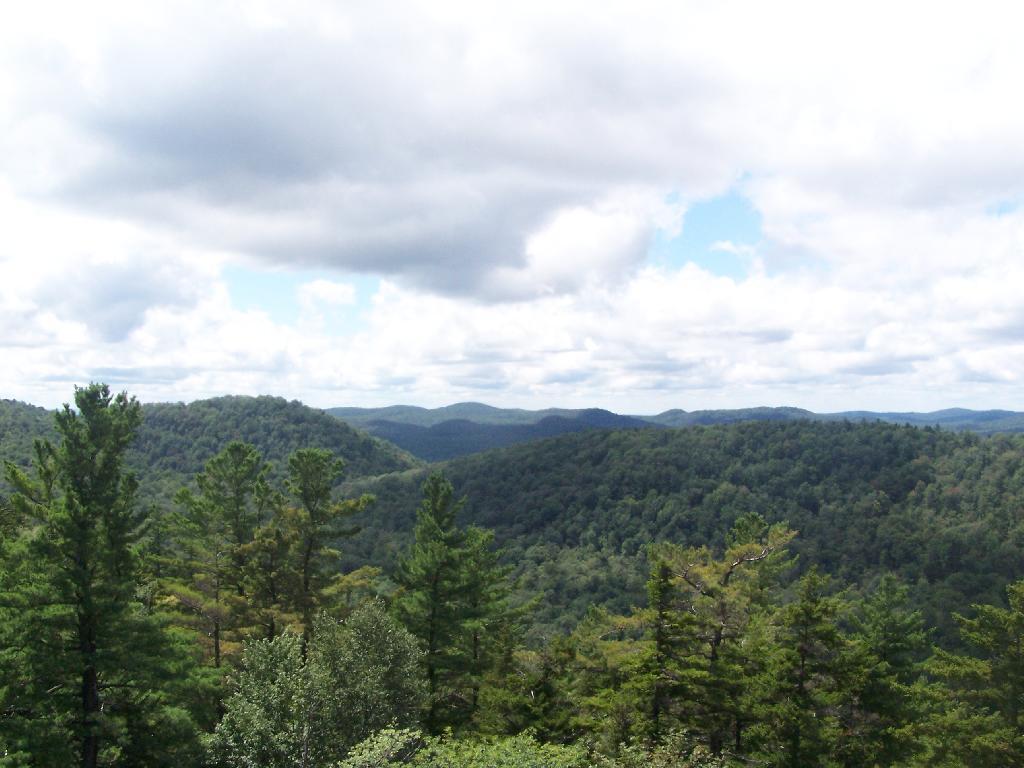
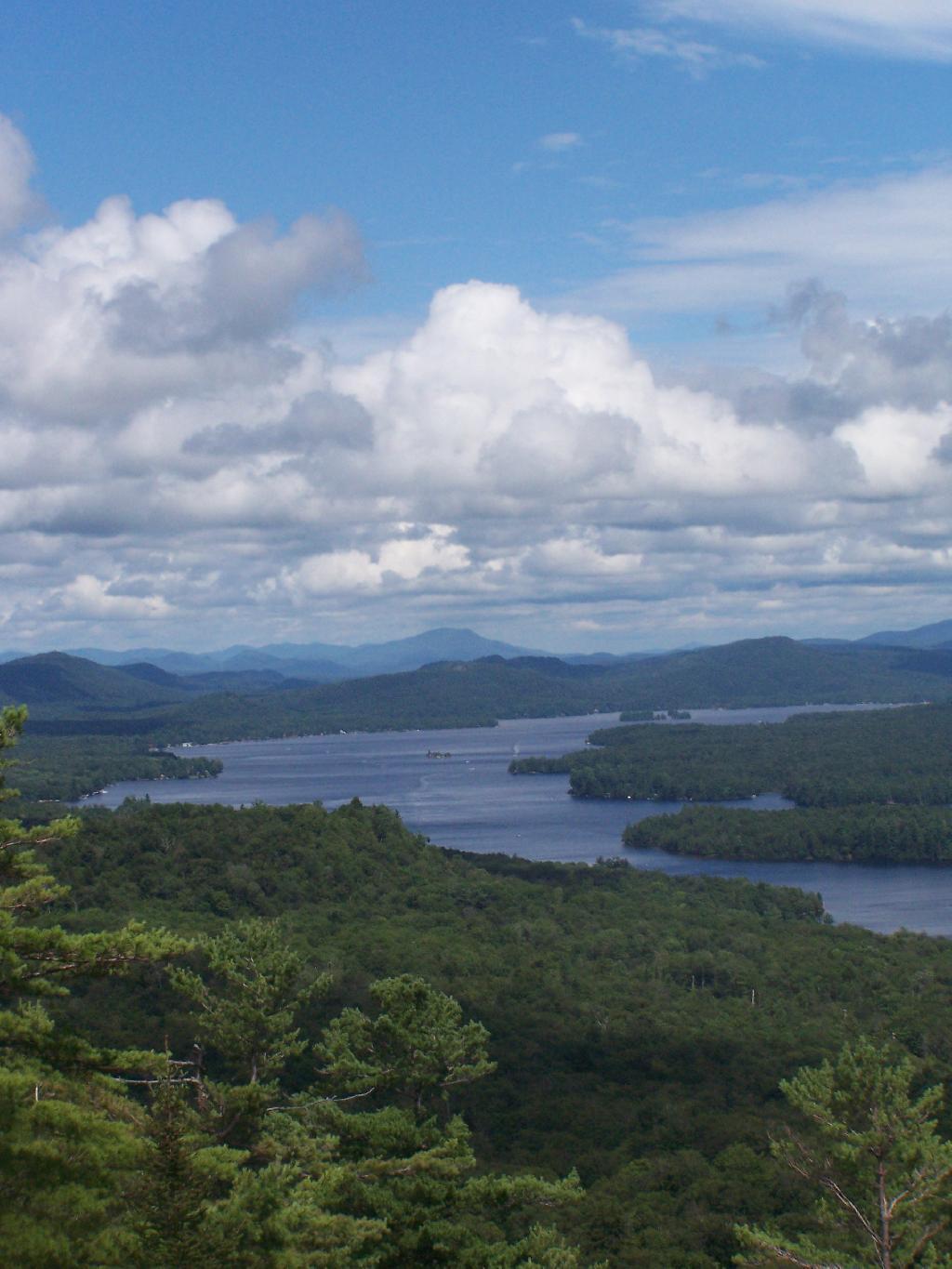
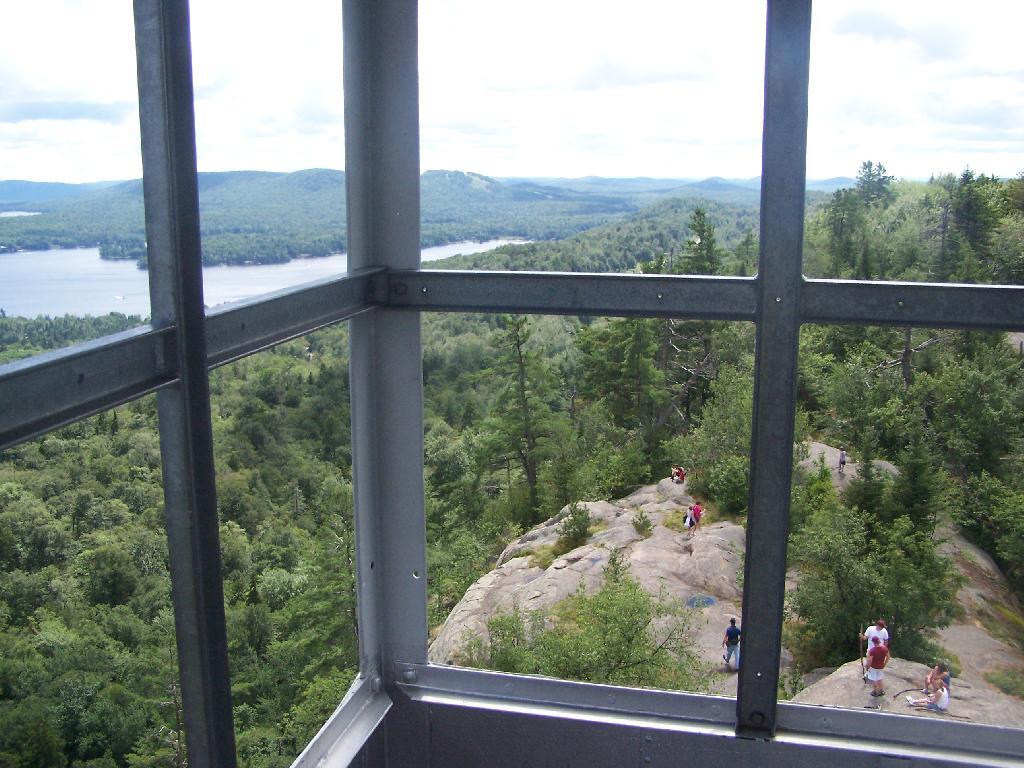
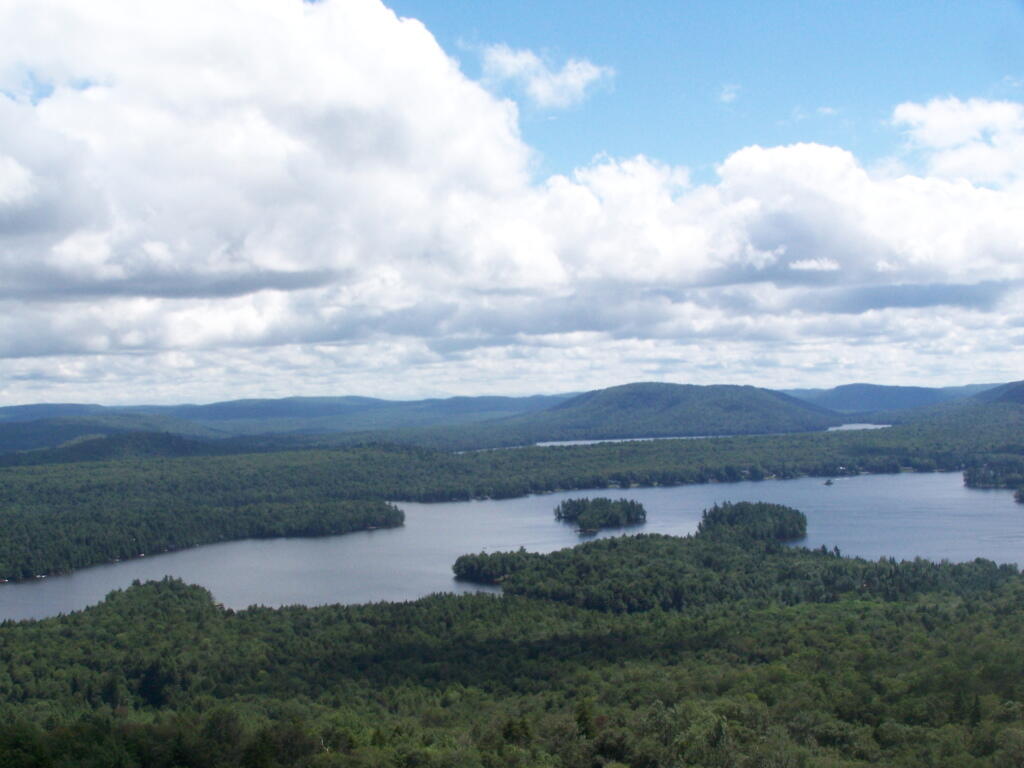
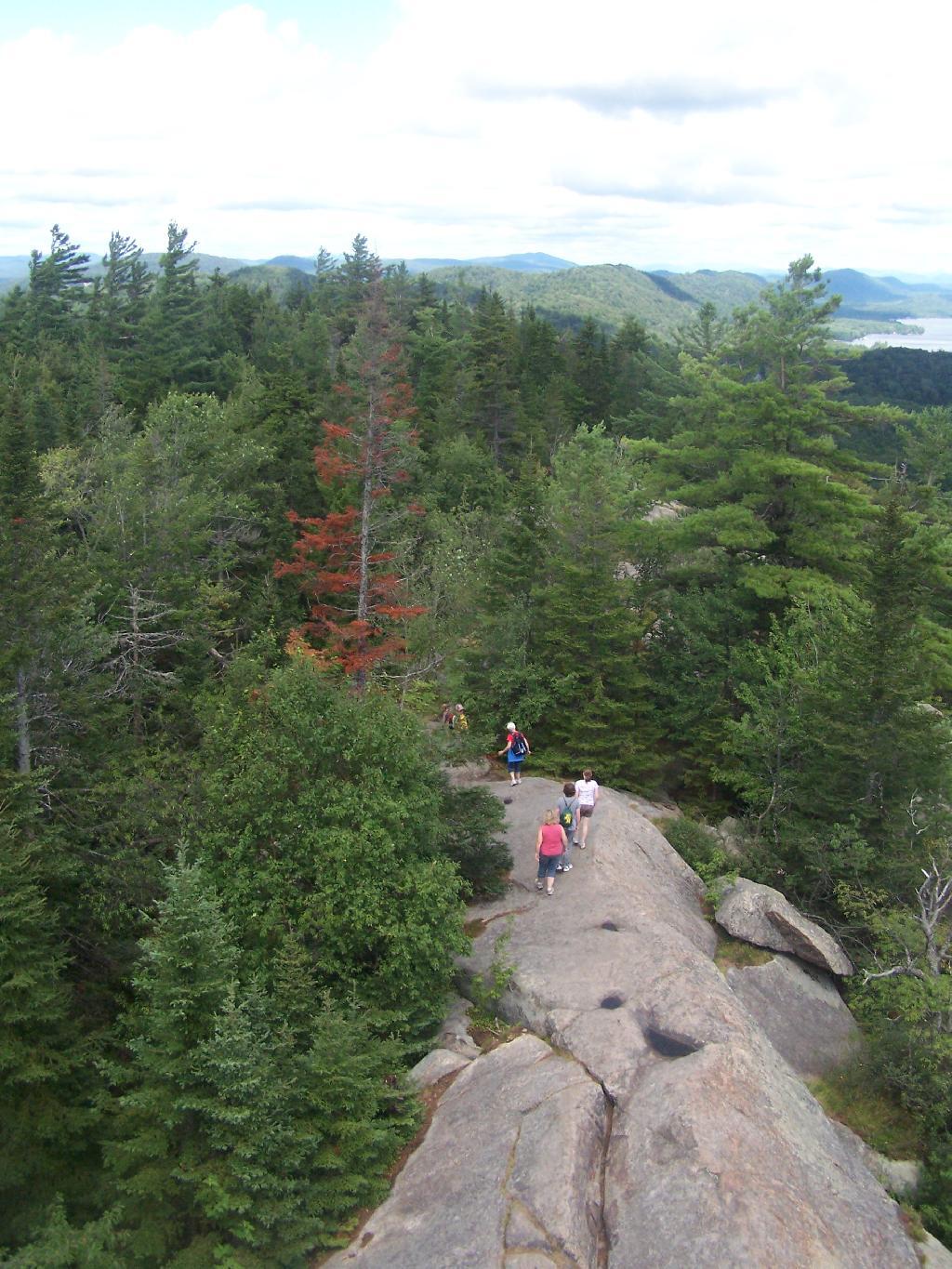
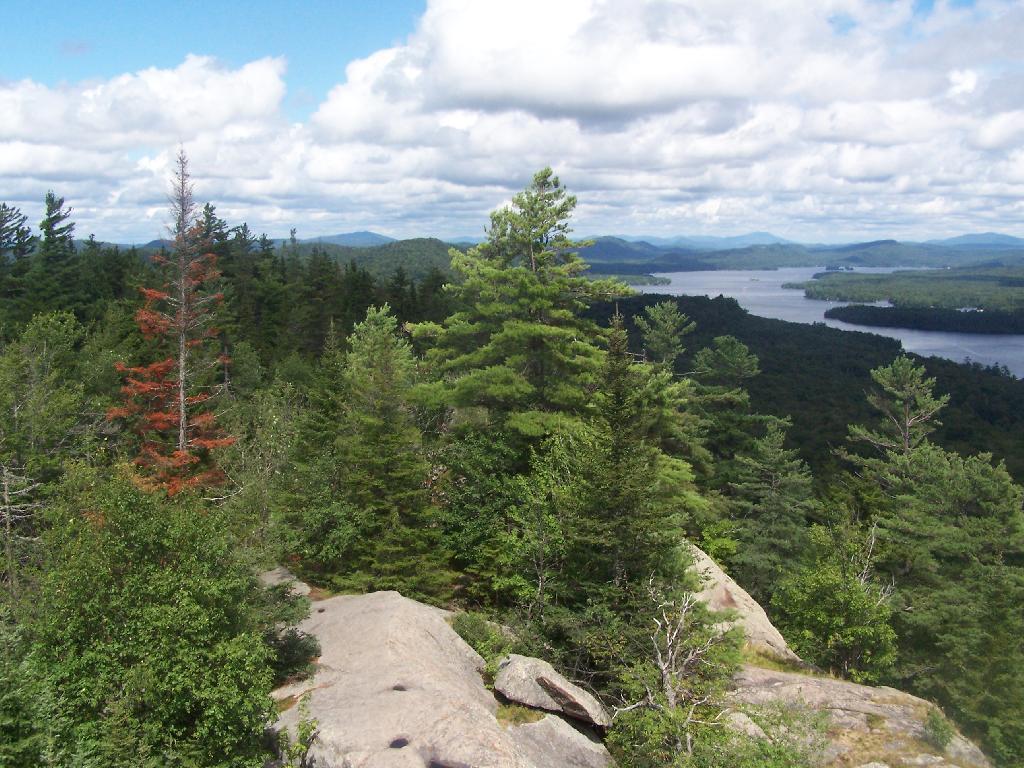
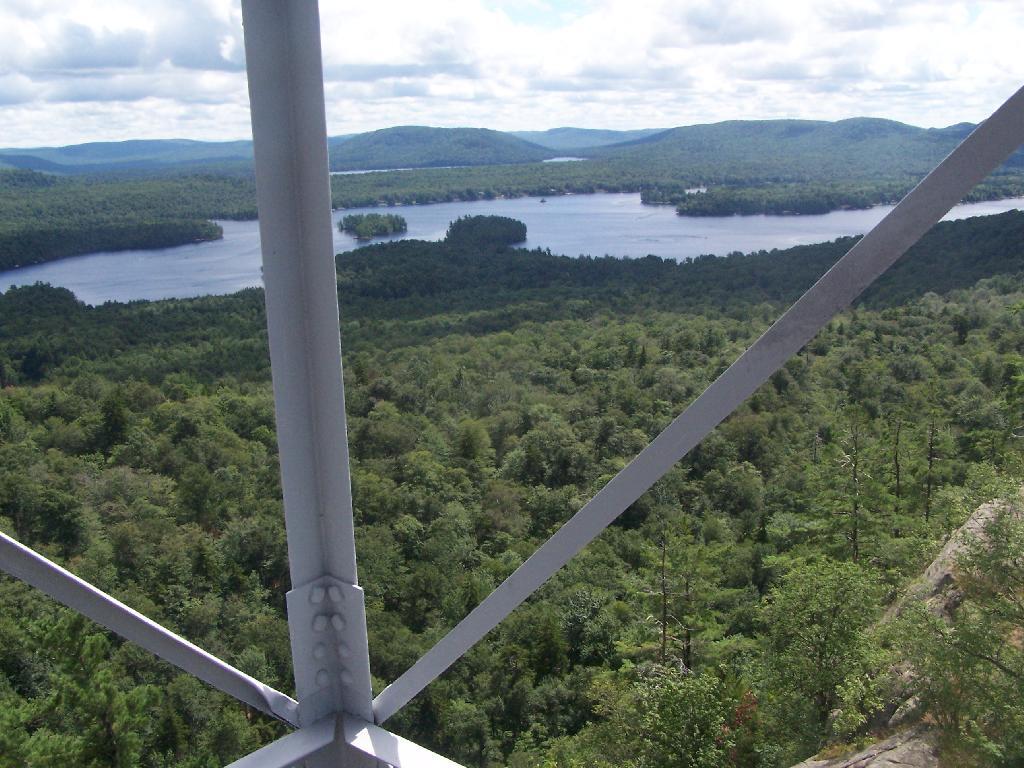
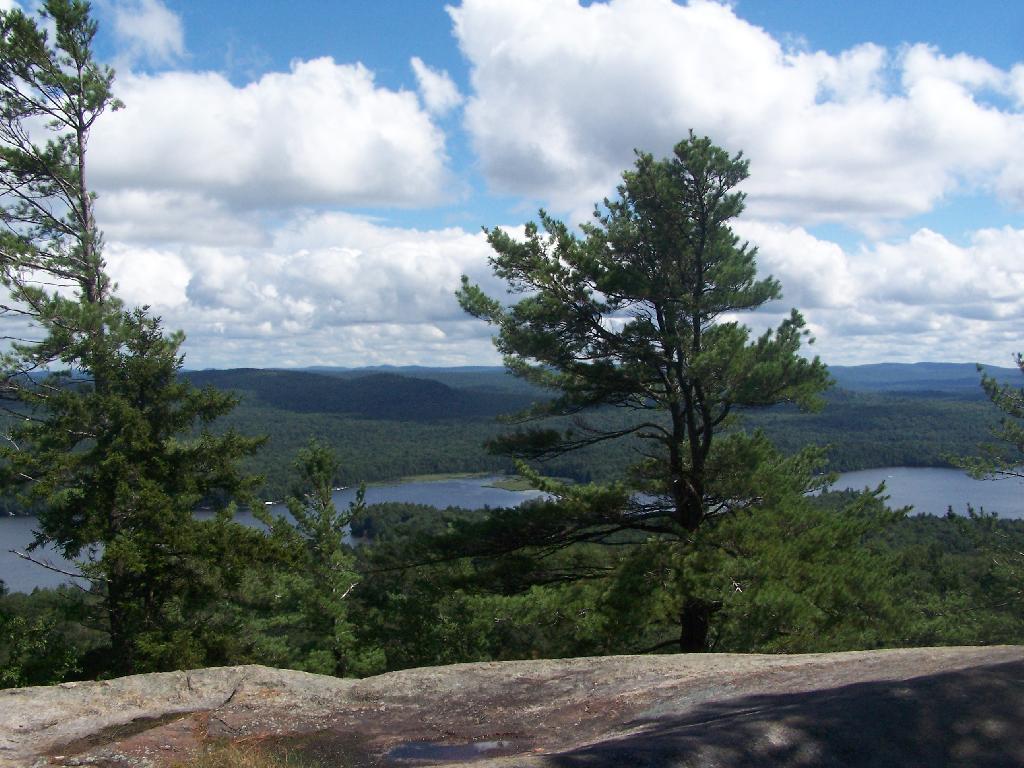
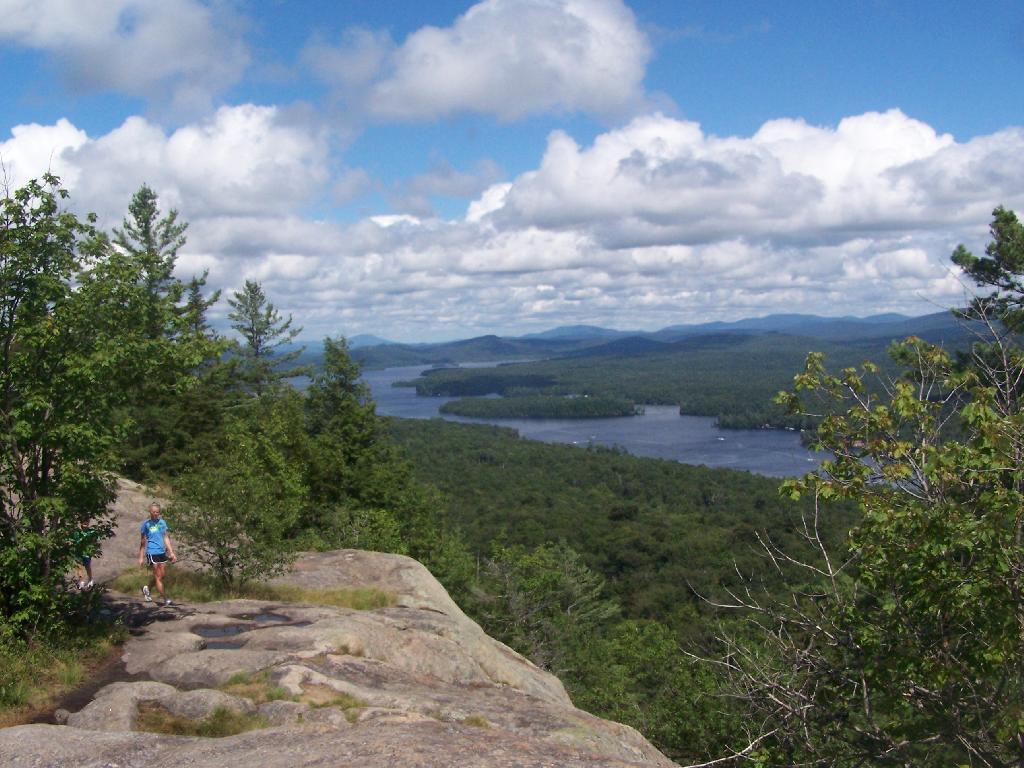
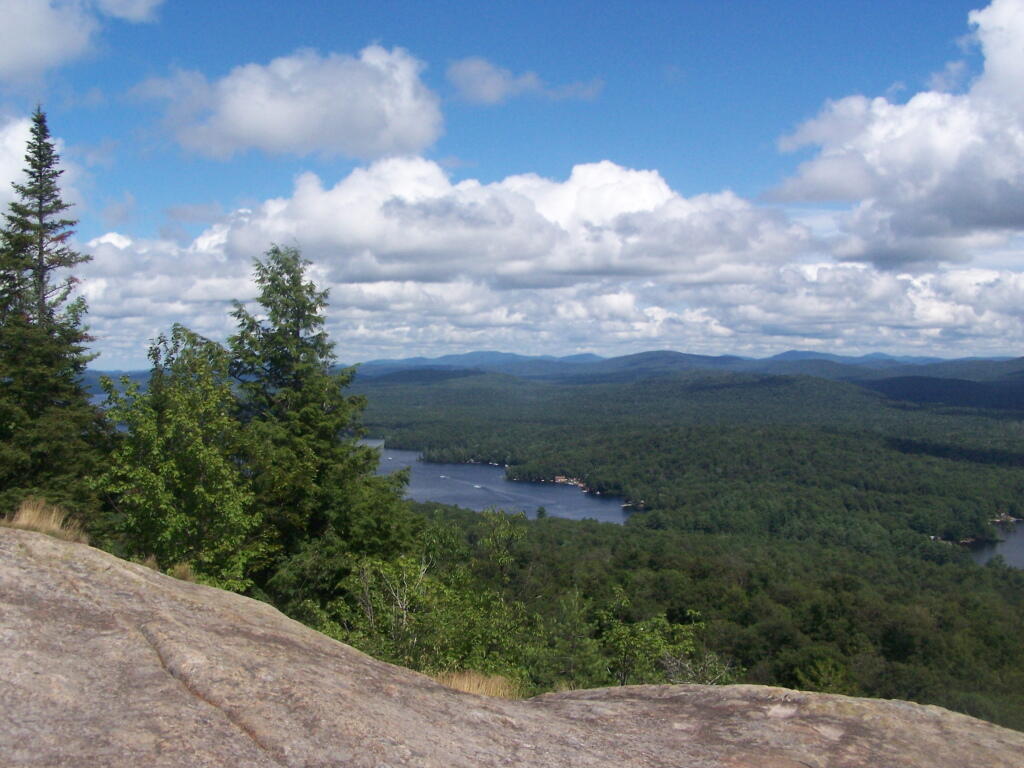
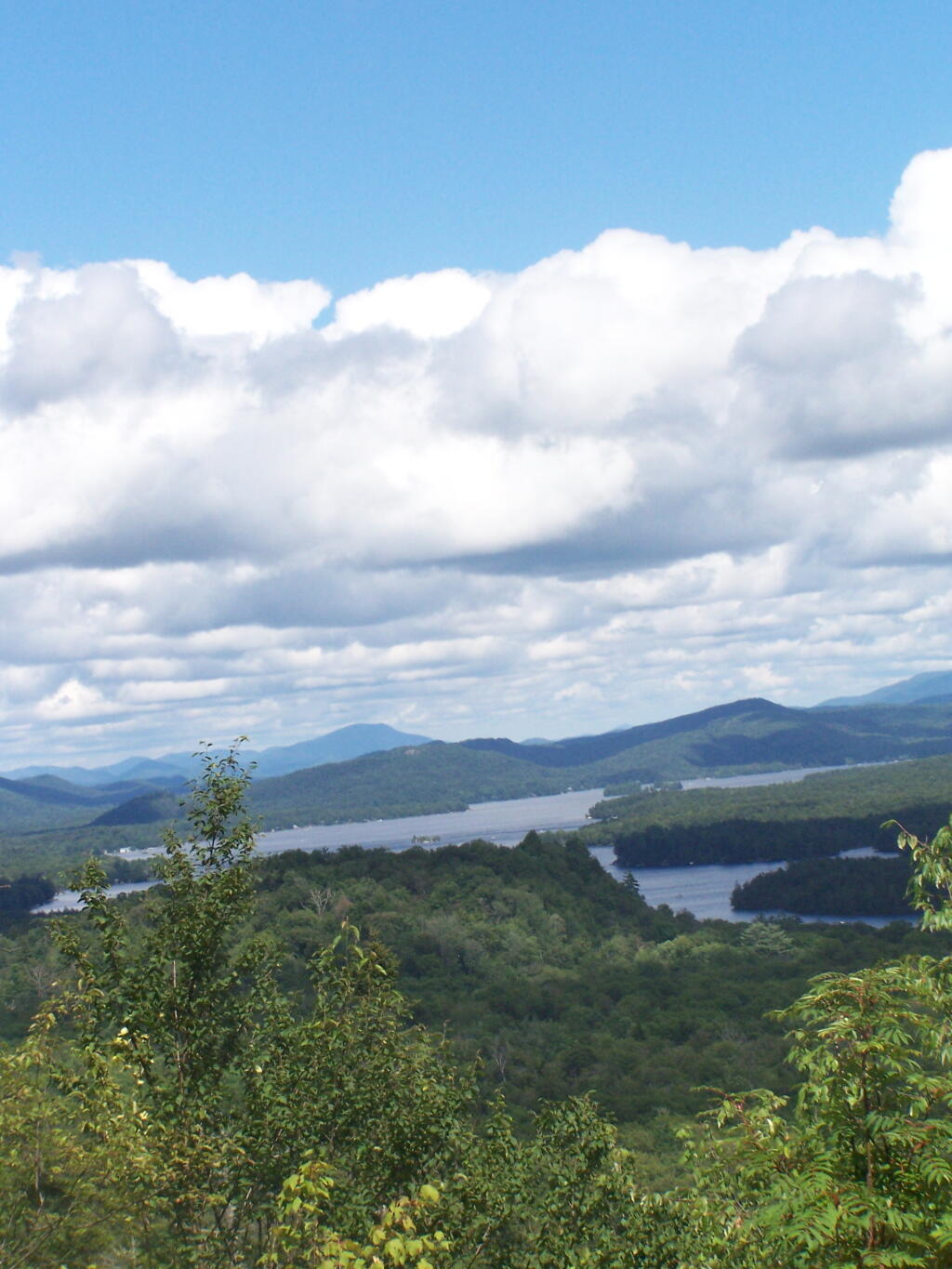
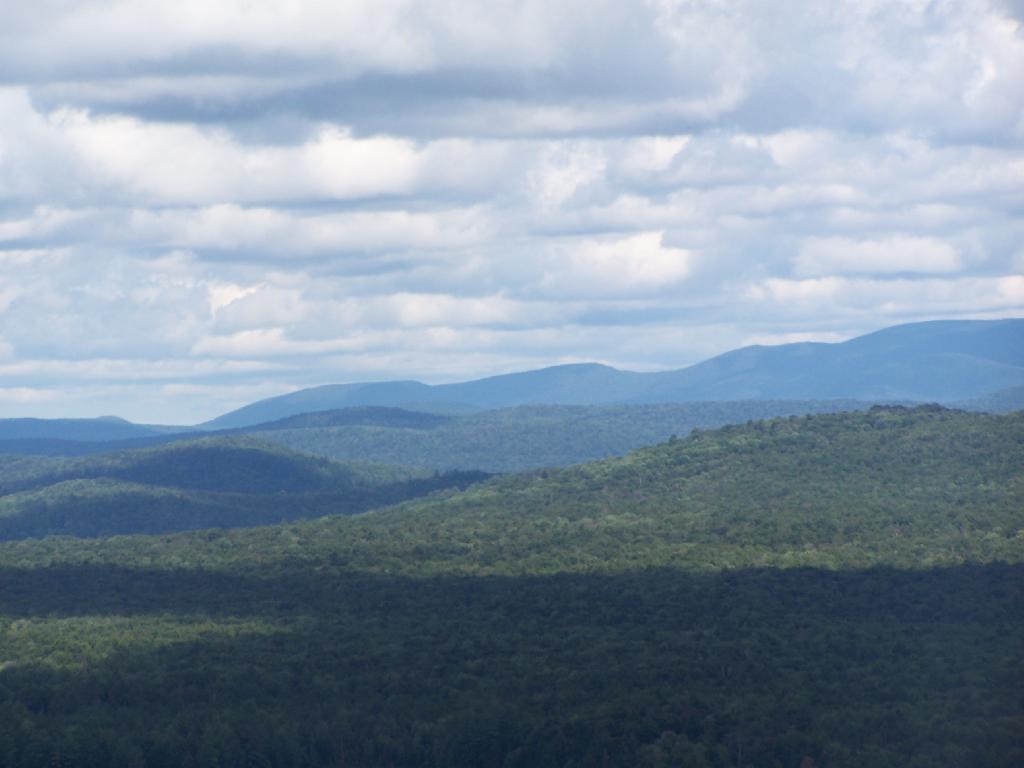
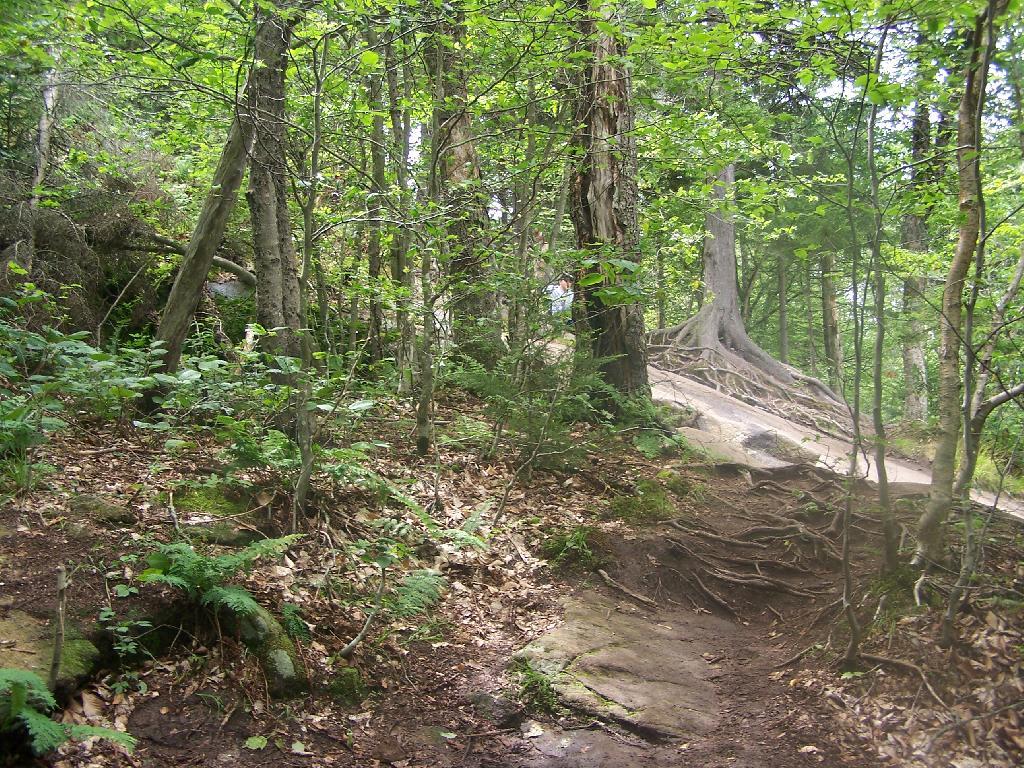
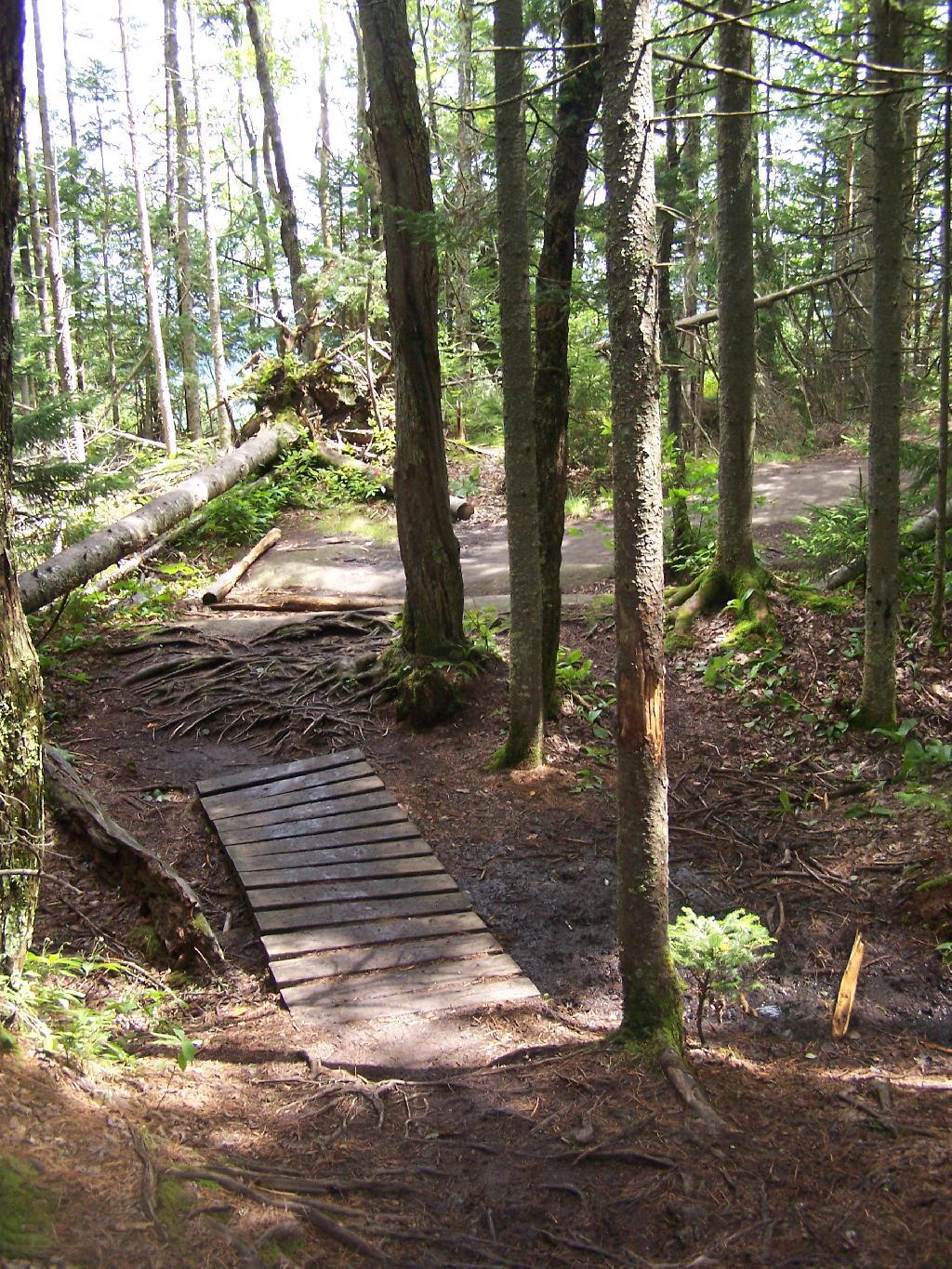
Here are some pictures I took while was paddling around this lake, proceeding from NY 30, along the Southern shore until I got to the Barnum Pond outlet, which you can continue on for about a mile until a beaver dam. You can portage around the beaver dam, if you choose, however a 1/2 mile below that is a series of man-made dams in Paul Smiths you must go around, to get down to Lower St Regis Lake.
If you visit here, consider camping at Mountain Pond.
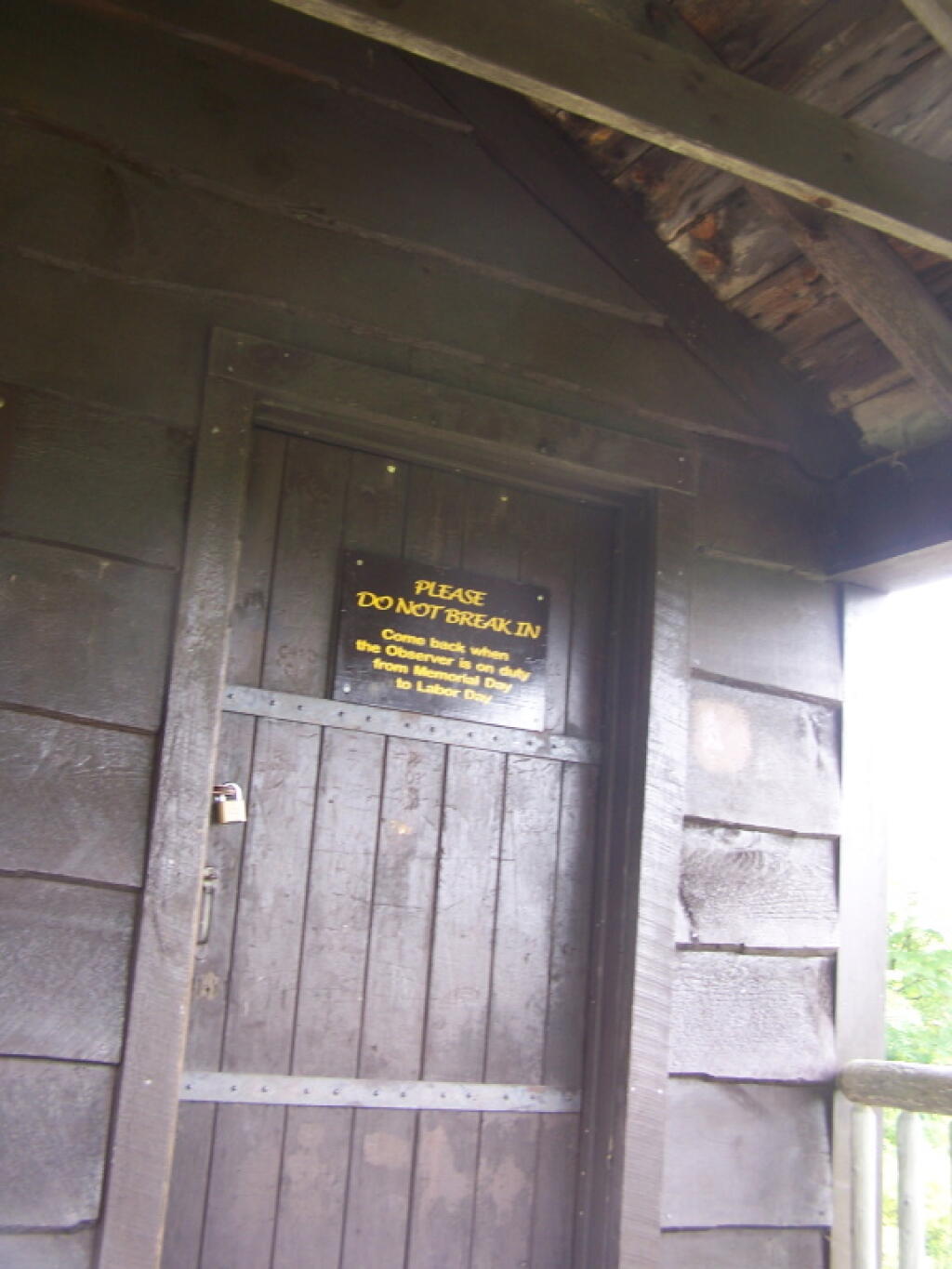
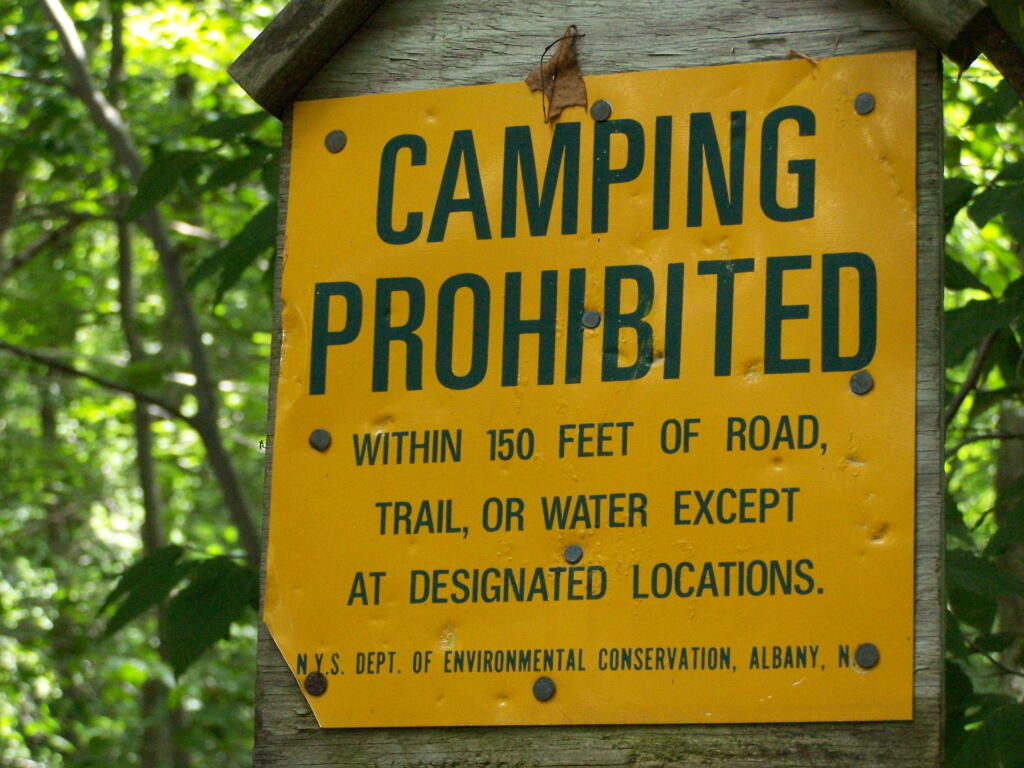
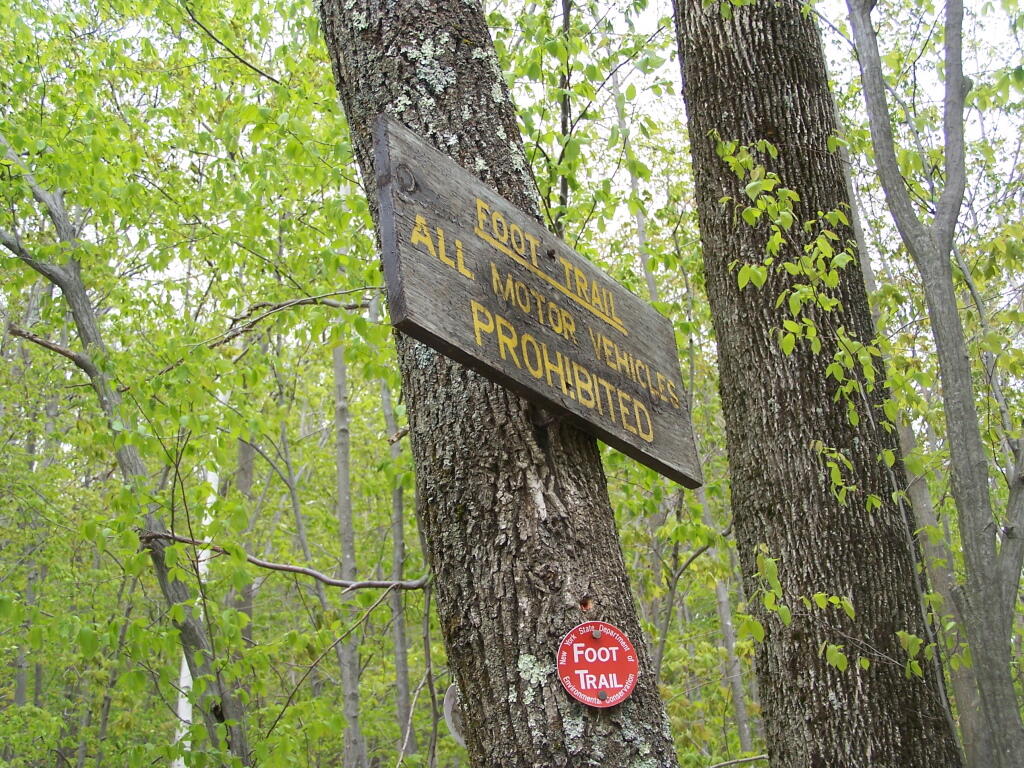
One question I have for the Department of Environmental Conservation, is why is almost all signs that they post phrased in the negative? Why emphasize what is prohibited, rather then what is allowed?
Couldn’t the DEC just have said:
HELP PRESERVE OUR FOREST!
Please camp more then 150 ft from trails, streams, roadways, except at designated locations. It’s the law!
That message is so much more friendly.
Federal Government vs State Government Signs.
And compare these two signs with the same message — one federal (Allegany National Forest) and one state (Black Dome Wilderness):
As all park land (including local parks, county parks, state forests and forest preserve) in NY State belong to all of the people, it is important that they remain in the hands of the people, for all to use and enjoy for all times. Only under specific circumstances can government take park land away from the people, and when they do, they must always replace it with some of comparable or greater value.
Today’s fodder is an excerpt from the Alienation Handbook put out by Office of Parks, Recreation, and Historic Preservation.
The following have been determined by the courts to be alienations:
The conveyance, sale, or lease of municipal parkland or recreational facilities to another entity, such as an adjoining property owner, a developer, or a school district, which results in the facility no longer being used for public park and recreation purposes.
The lease of municipal park or recreational facilities even though the resource may continue to be used for public park and recreational purposes.
The use of parkland by a municipality for a non-park purpose, such as for a water filtration facility, a landfill, a museum, senior housing, temporary parking of police or municipal vehicles, or street construction.
Restricting to local residents the use of recreational facilities that had previously been open to all persons.
Failure to keep a public park or recreational facility equally open to the public. A public park or recreational facility must be open to the public on an equitable basis. Where availability of public facilities is limited, such as with ball fields or marina berths, the use of facilities should be determined by some method which gives everyone the same opportunity for access, such as assignment on a “first-come, first-served” basis, or by using a lottery system.
These are considered to be non-alienations:
The construction and subsequent issuance of a revocable license for the operation of a park facility such as a cafe, snack bar, parking, or for a boat rental service which serves park patrons in connection with their use of the park.
A revocable permit for the use of park facilities for a special program or function, such as an arts and crafts fair, or a permit of greater duration for the temporary use of park facilities which are not otherwise being used by the public. The permit should contain a provision that it may be revoked at-will by the municipality. A temporary use should not be allowed to lapse into a permanent one.
The operation of a public park or recreational facility by a private concern. A public park and recreational facility need not be operated by a public entity, but may be a facility operated by a private, profit-making concern on behalf of a municipality under a lease or license agreement. To remain a public facility, the agreement must serve a public purpose, and must not result in exclusively private use. Also, the use must be one that is compatible and appropriate for the park or recreational area in question.
Charging ìuse fees, as long as they are reasonable and non-discriminatory. Where use fees are charged, whether by a public or private operator, they should not be in excess of those charged for comparable facilities in the area. A municipality may charge persons who are not residents of the community higher fees than it charges to residents, but case law suggests that non-resident fees should not substantially exceed the comparable fees assessed to residents.


![Untitled [Expires July 27 2024]](https://andyarthur.org//data/photo_005018_large.jpg)