Lisa Margonelli’s Oil on the Brain is a book that looks at the supply chain of gasoline from gas station to refinery to the oil well. While it briefly mentions natural gas wells and touches on other petroleum products, it’s main focus is on the supply of gasoline. It tells a straightforward, but unremarkable story. Most of the things you read about in the book, you already knew about from commonsense before you open the book.
You might suspect that such a book would take on an activist character and point out all of the evils of the oil industry. Or that the book would pass judgment on those who drive big gas guzzling cars. It does neither. It just lays out the struggles faced by the gas stations squeezed both by the oil companies and market forces, the difficulty of getting the fuel at a reasonable price just-in-time at the gas stations, the pollution problems at refineries, the all powerful NYMEX crude market that make people rich and broke in seconds, and the third world countries that suffer when poorly run oil wells pollute the landscape and leave them impoverished.
The thing is we all know such things. Most people are aware at some level the troublesome nature of petroleum, and how it pollutes. They realize that many of the refineries are older, polluting, and suffer many malfunctions that spew toxins into the air. Yet, modern society accept those costs are being acceptable. Non-environmentalists might not express such concern, but they hang over our heads and there is a certain public awareness.
Most interesting in the book was how Lisa Margonelli got exclusive access to the Strategic Petroleum Reserve, the NYMEX market, oil refineries, gas stations, and oil wells. She talked to the people, she captured the culture surrounding it. She didn’t villinize any one sector, but instead sought to shine light on this important industry that provides both energy and a major source of pollution.
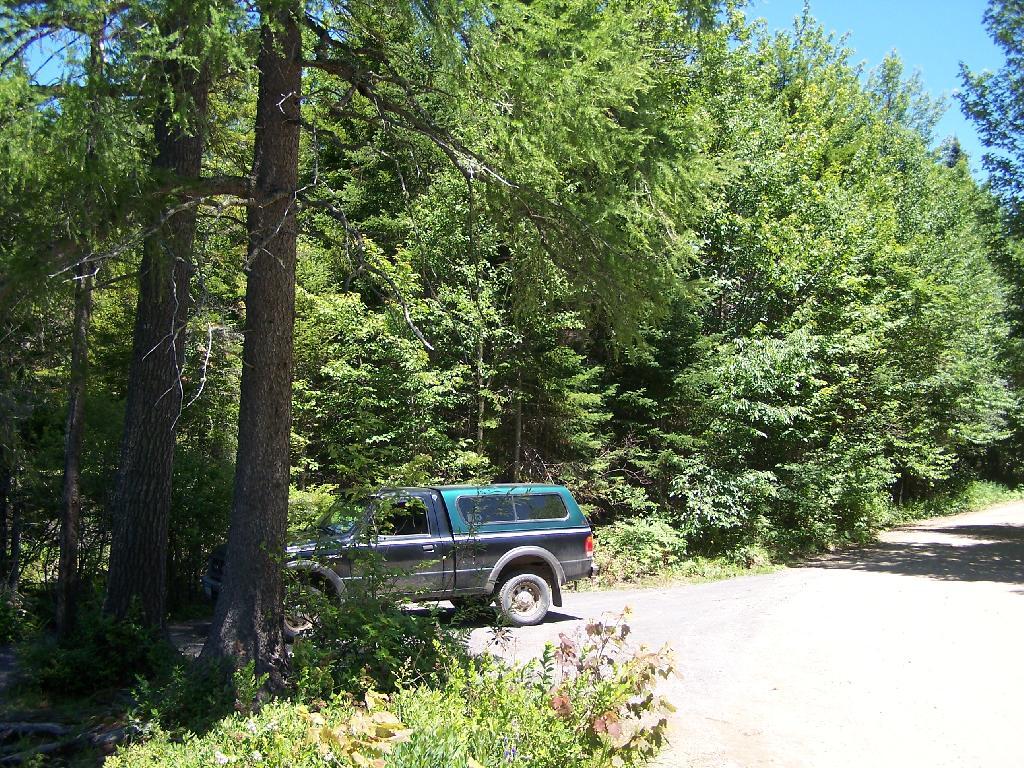
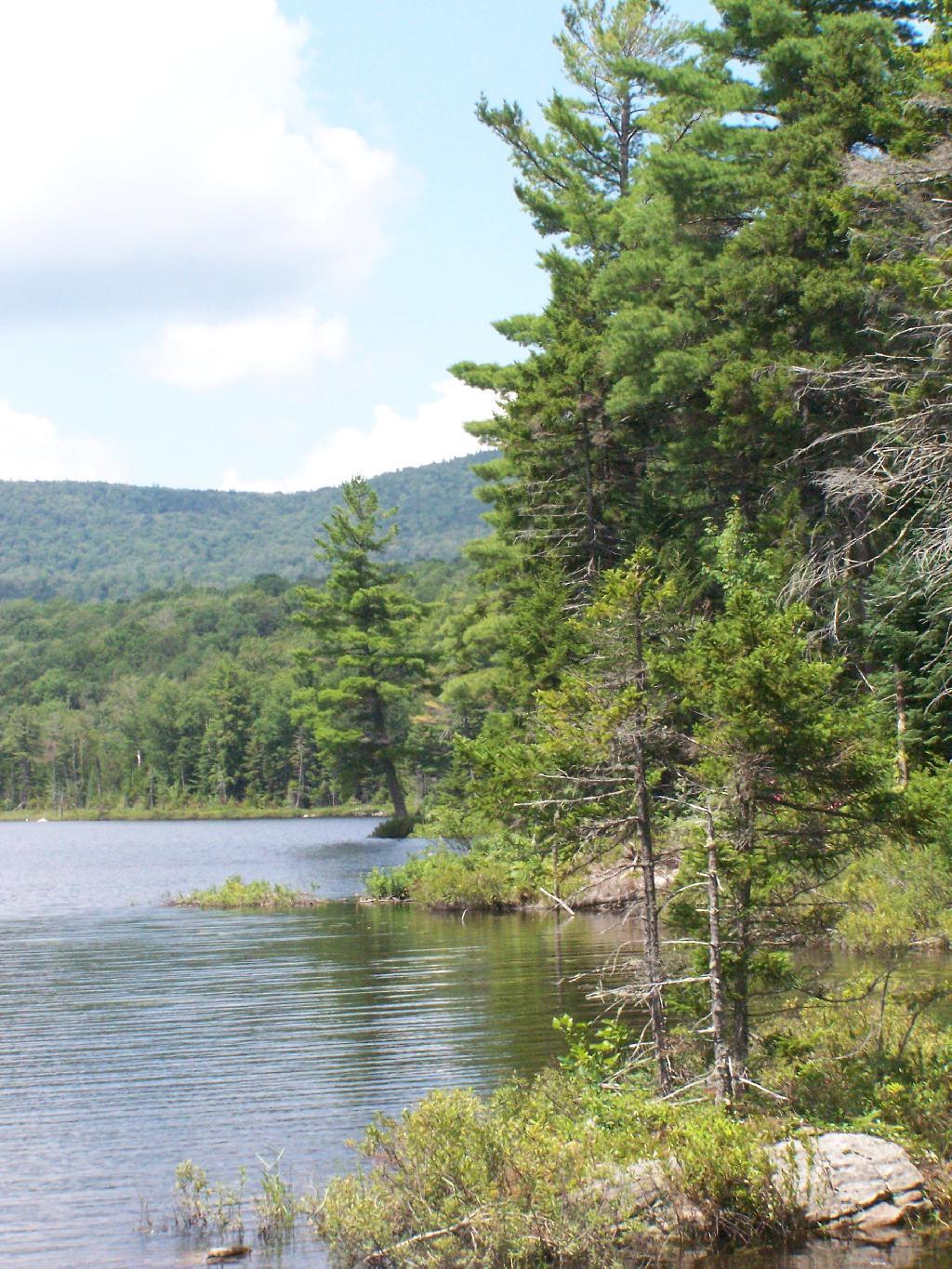
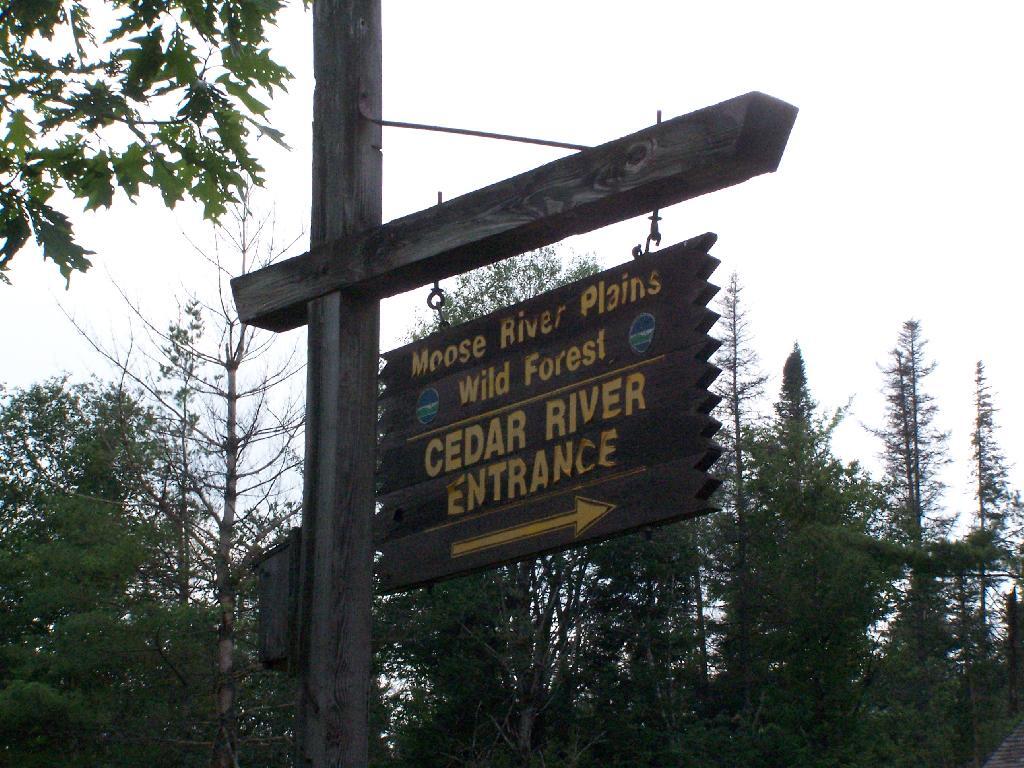
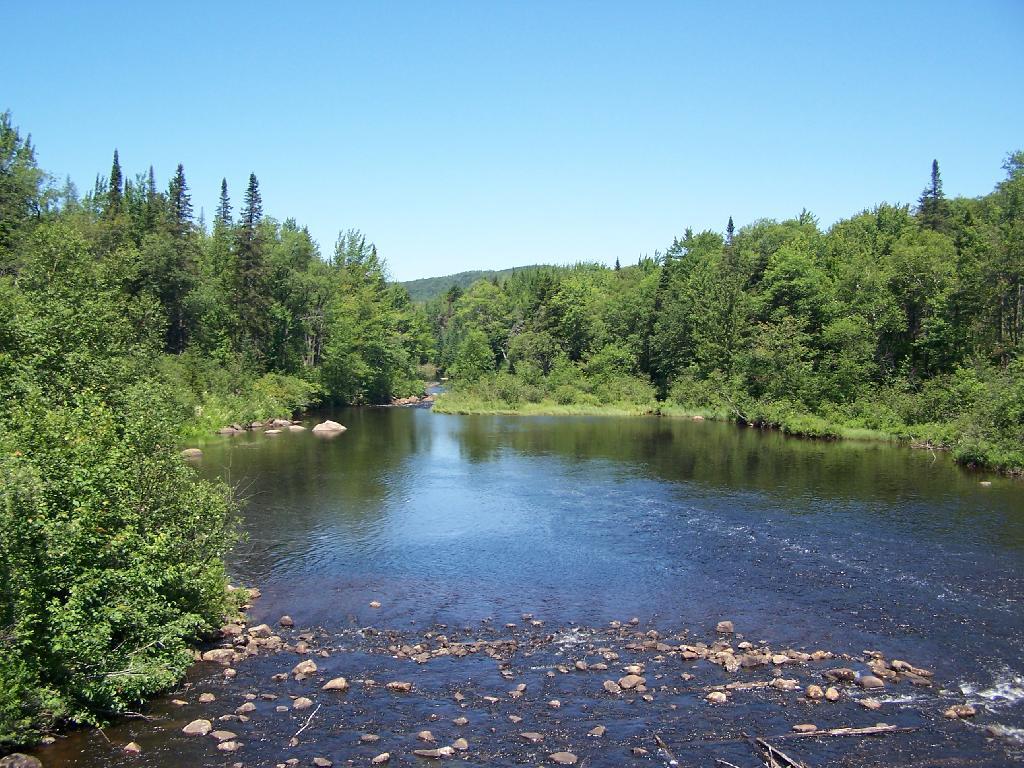
In preparation for my summer vacation I decided to drive through the Moose River Plains Wild Forest. This area has been subject to quite a bit of controversy over the years, in part from the environmentalists who do not believe “drive-in” camping is appropiate use of Adirondack Wild Forest, and most recently from the State DEC which threatened to close this 30 mile truck trail due to a lack of funds.
While my camera was broken while I was able to grab a few pictures. I will take more when I get back from my week up there.
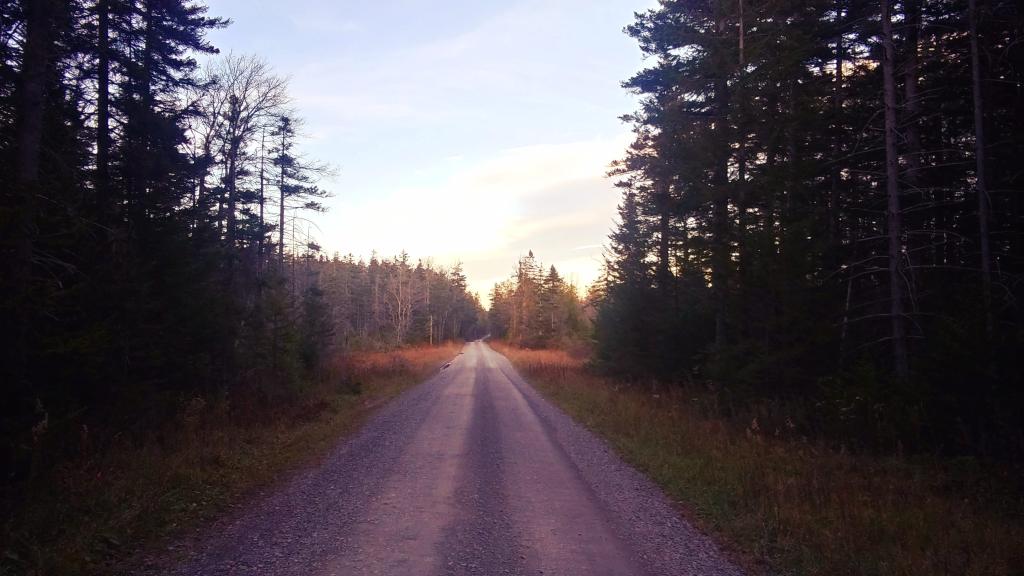
Here is the route. The first 5 miles of Cedar Plains Road from Indian Lake is black top, and rapidly transitions to rough dirt road.
Along the next 20 miles of Moose River Plains Road, there are about 150 campsites, used by tent campers and RVs alike. Many are located far off the roads, and provide a great deal of privacy. The landscape is one of hills, mountains, and deep valleys, and then eventually becomes open sandy plains as you head east. It’s over an hour drive from here to Inlet, via a very rough state truck trail.
I normally am not a fan of rain when I am camping. I don’t like getting wet, and rain can put a damper in plans to go hiking. I worry about rain washing out the roads, or making the mud so deep and slippery the roads become impassable and I’m stuck on whatever truck trail I am currently on.
My truck cap leaks. By at least one of the windows, the fiber glass has shrunk around the window — probably from my use of Sterno to heat the cap — and allowed water to leak in whenever it rains. The wet isn’t bad, but it does make it damp.
The windows can’t be open when it rains — at least heavily — because of the slant to make the truck cap more aerodynamic. It gets humid under the cap, with no air flowing around to make up for the moist air I breathe out.
I worry about severe thunderstorms, as the I know laying in the steel truck bed, in a severe thunderstorm offers no protection from lightening, and the fiberglass would tear and shatter if a tree came down.
Yet, worst of all, it can be entrapping. There is relatively little room, especially with gear. I might have enough room to sleep in the truck cap, but it really isn’t big enough for doing any real living inside, with nowhere to stretch or move, without flipping down the tailgate.
Regardless, I kind of like the sound of rain on the truck cap. I can be loud, but it also is so soothing.
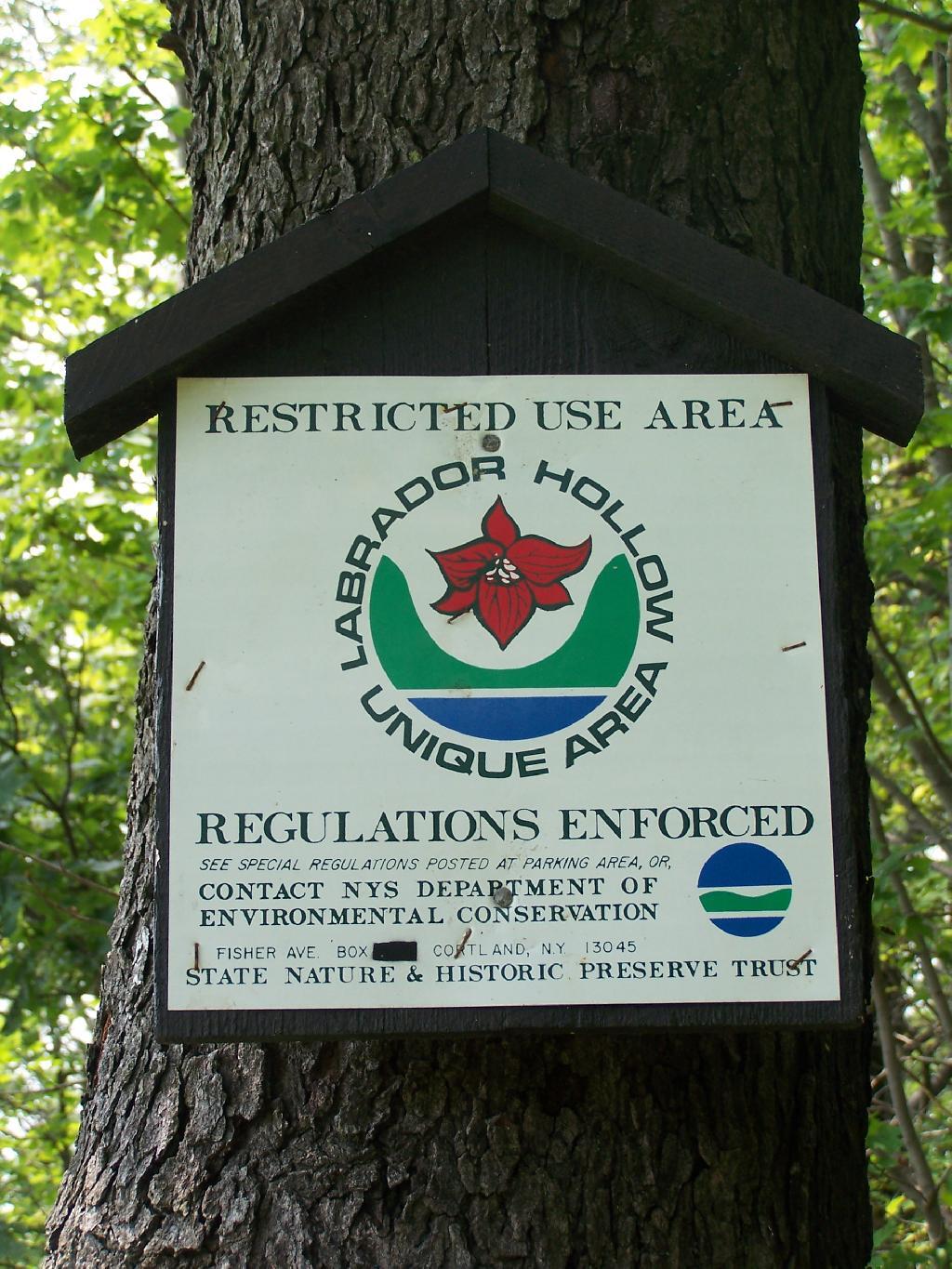
Labrador Hollow is a deep valley surrounded by large hills on both sides. It’s located on the border of Fabius in Ondondoga County (south of Syracuse), and Truxton in Cortland County.
At Labrador Hollow, there are three places you will want to check out:
Labrador Pond
Jones Hill Hang Gliders Cliff
Tinker Falls
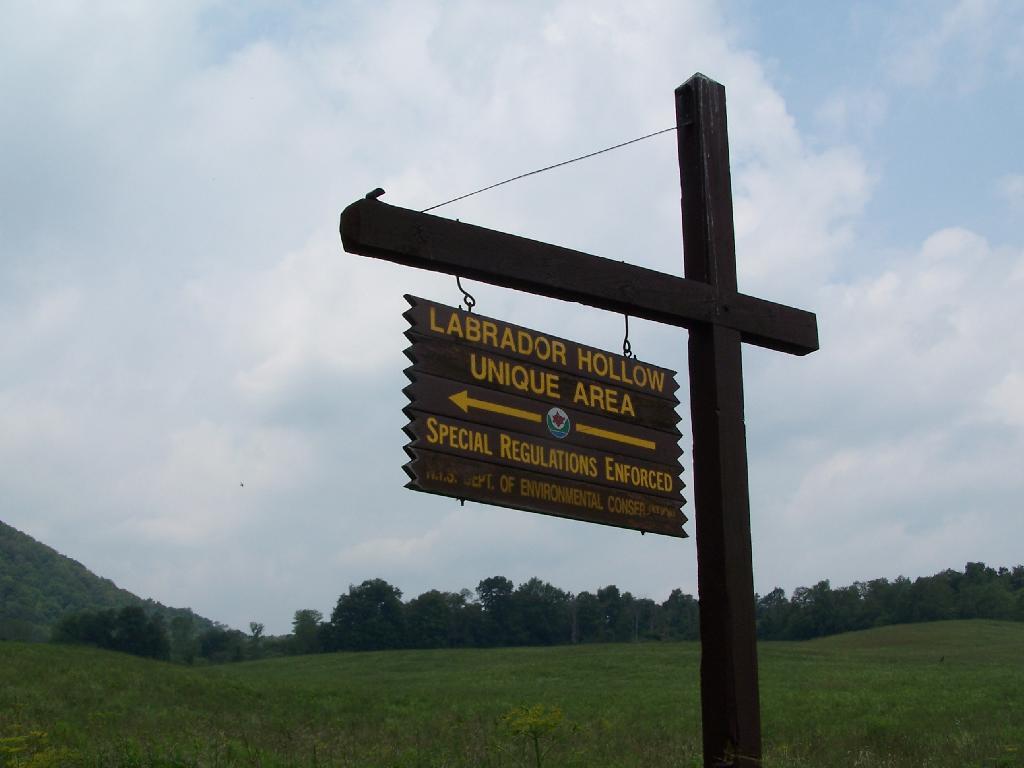
There are plenty of signs to guide you to the Labrador Hollow Parking area by the pond.
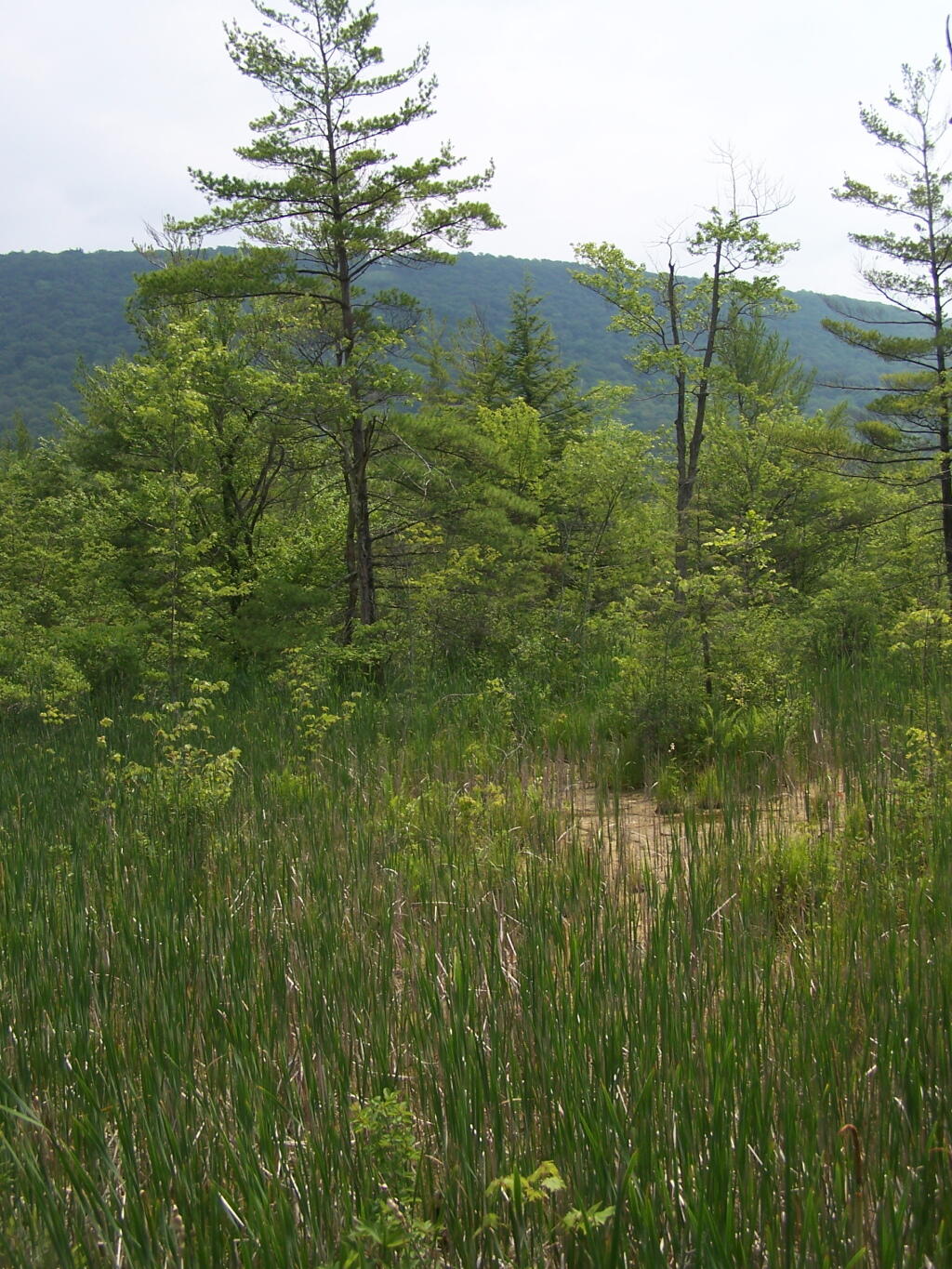
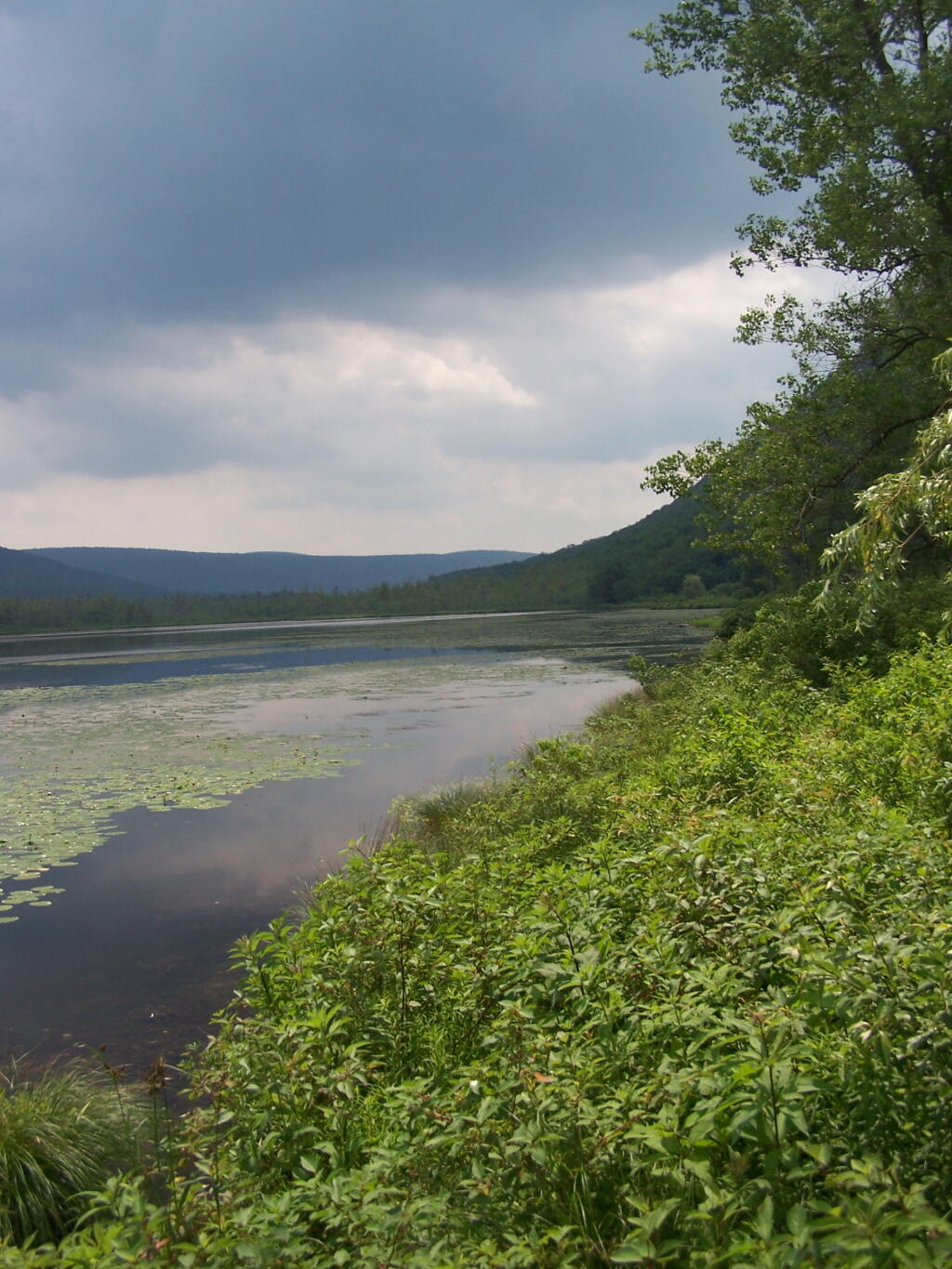
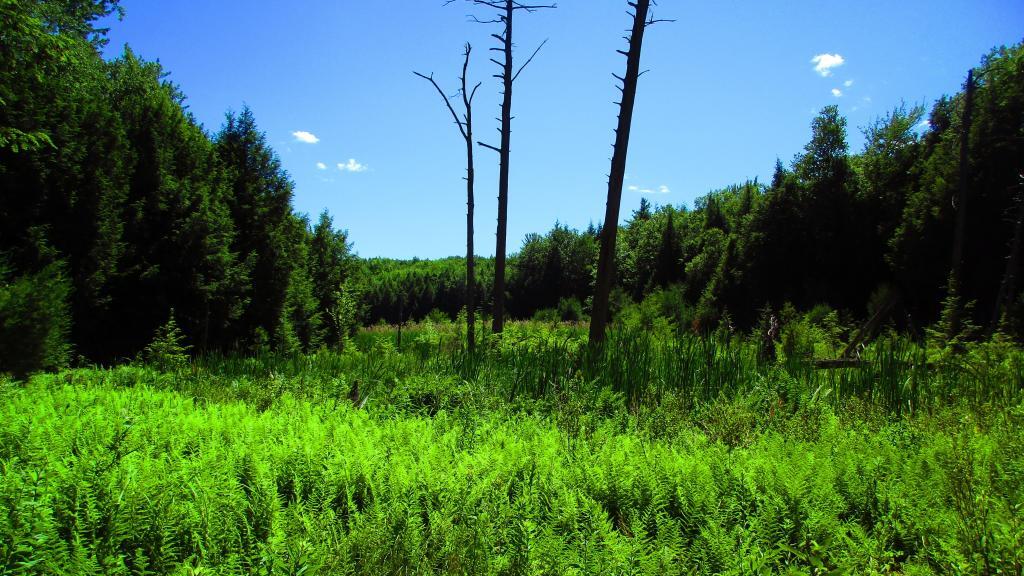
Through the marshy area, there is a 1/4 mile board walk which provides up close and personal views to the unique wildlife of the area.
You usually don’t get a chance to be right up in a marsh like this, unless your deep in the mud with your boots, or it’s less grown up and you could paddle a canoe or kyack. So despite being a little out of place, it does give you a unique experience.
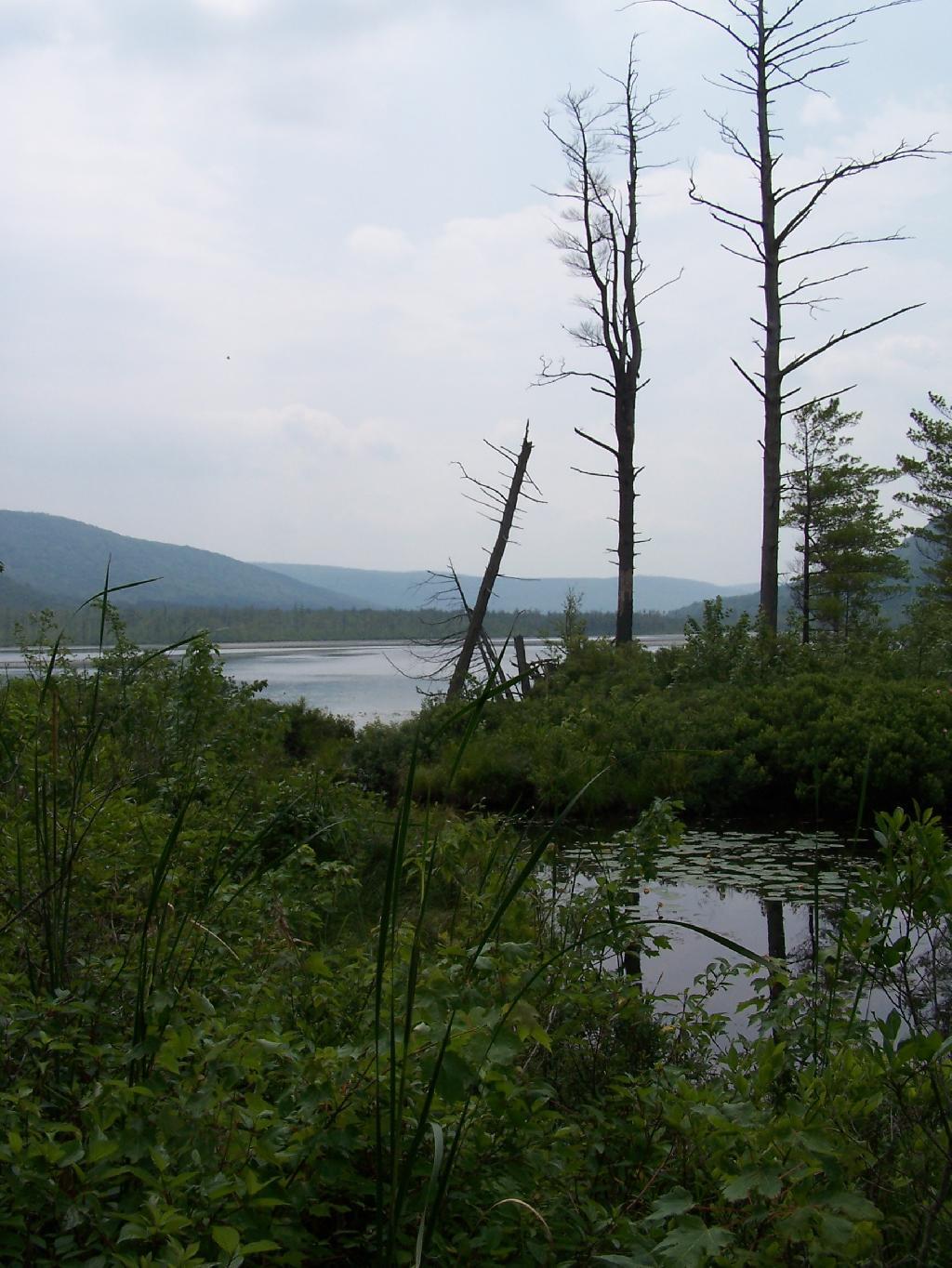
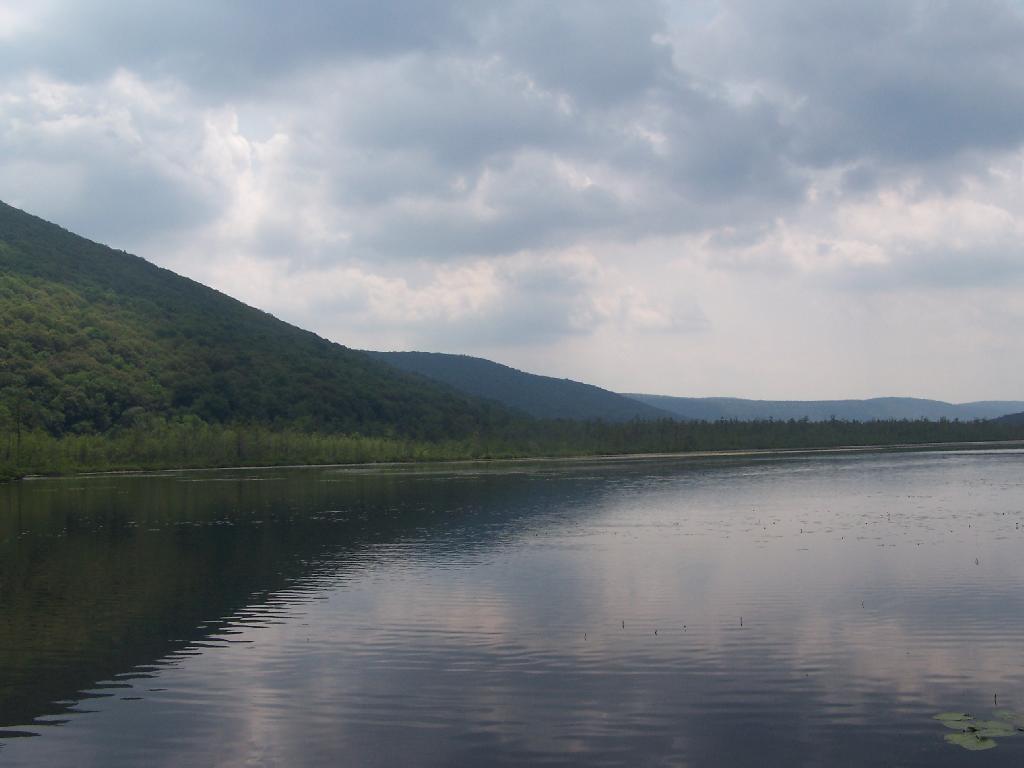
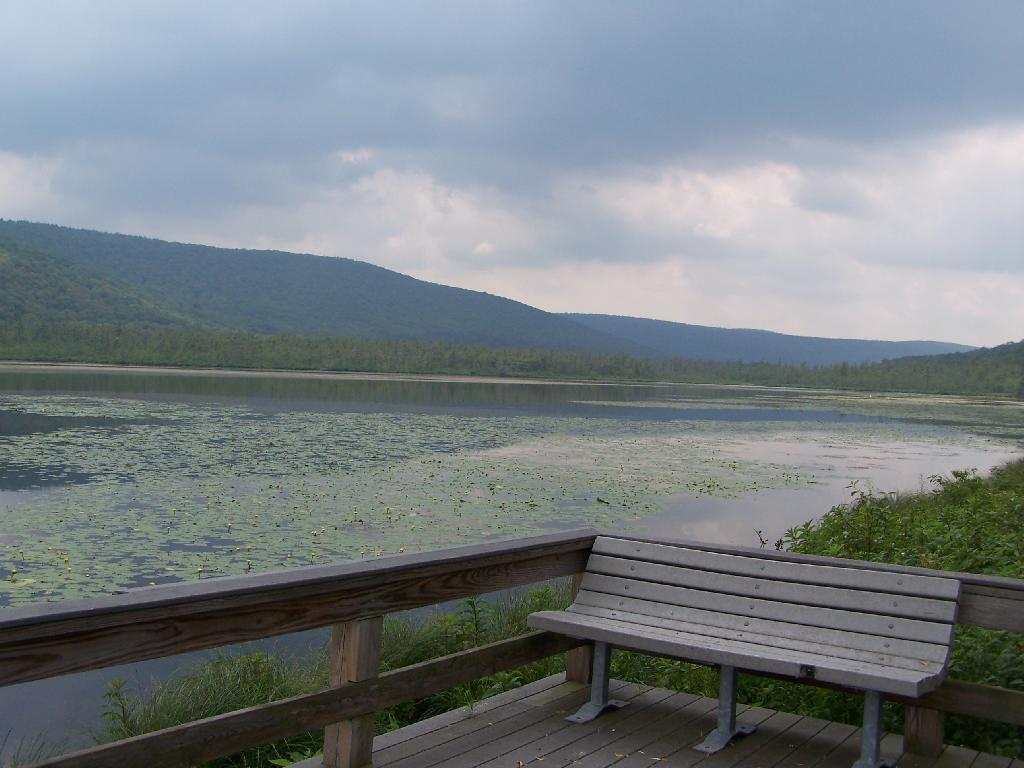
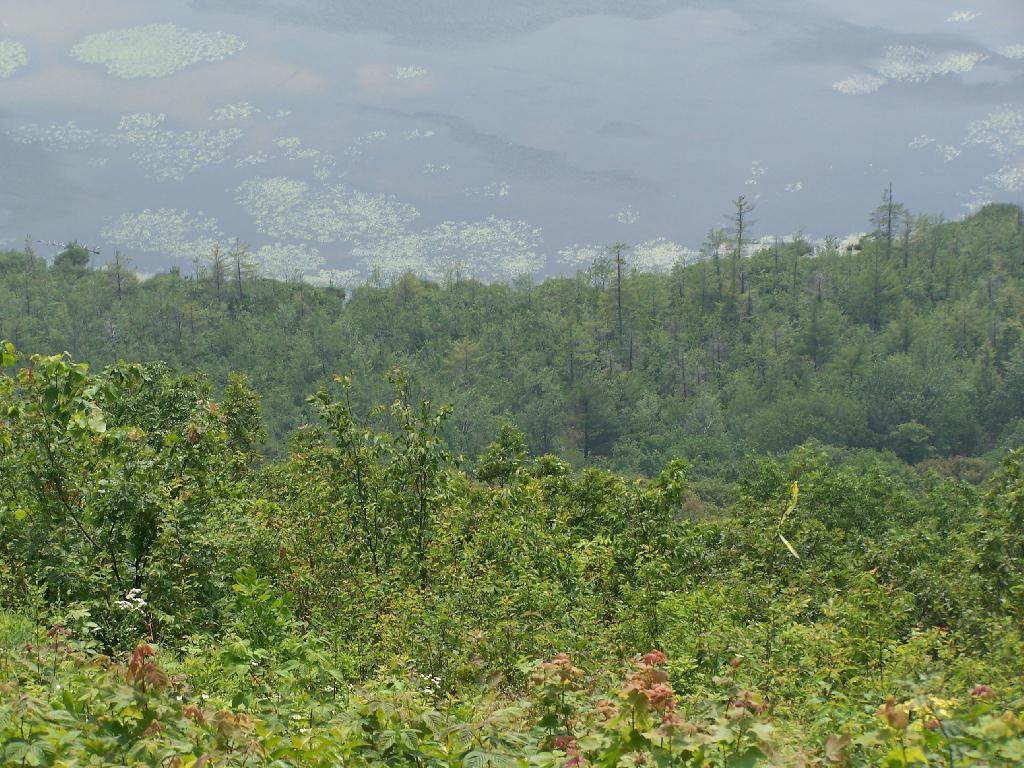
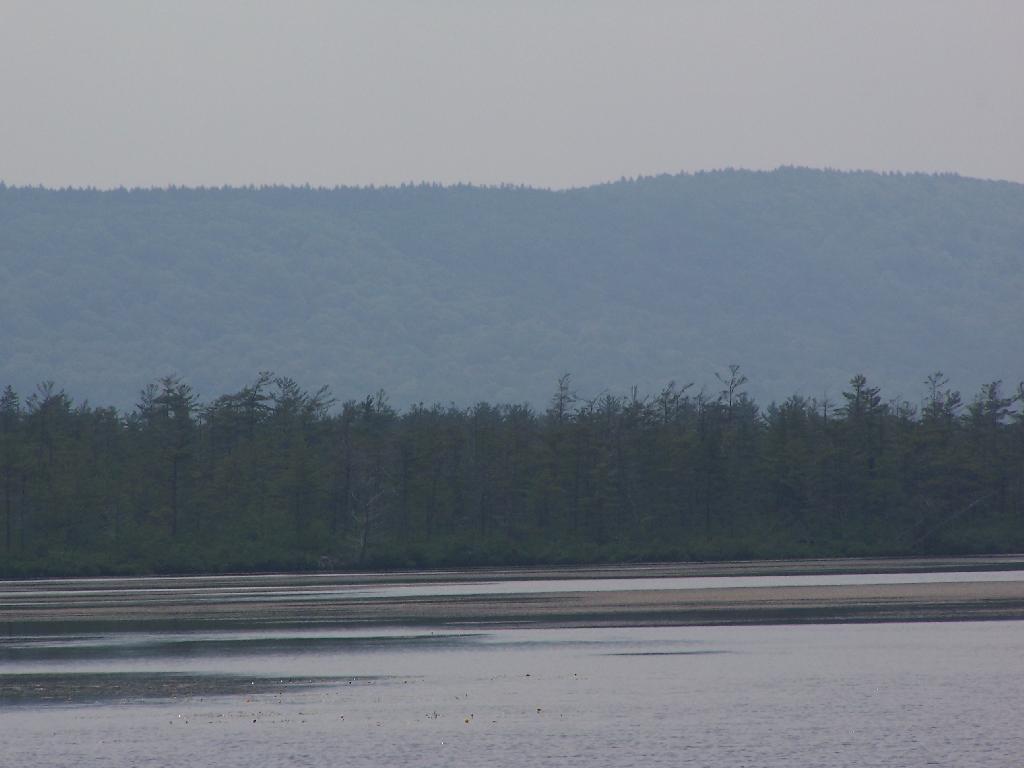
Looking at Labrador Pond through the marshlands.
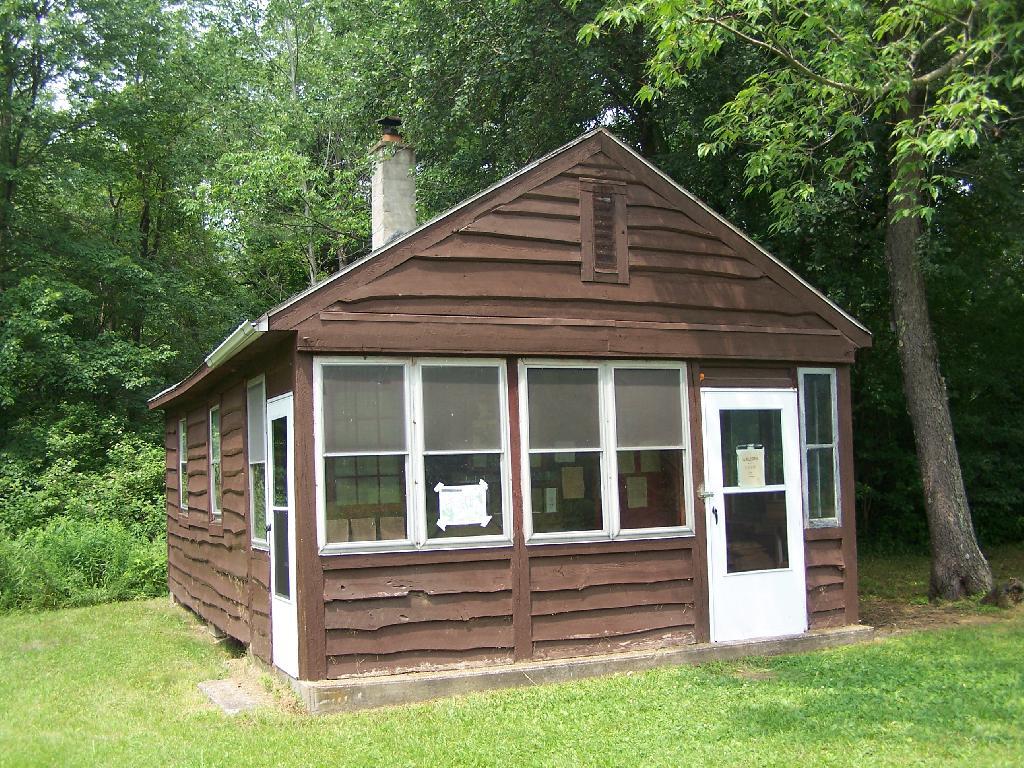
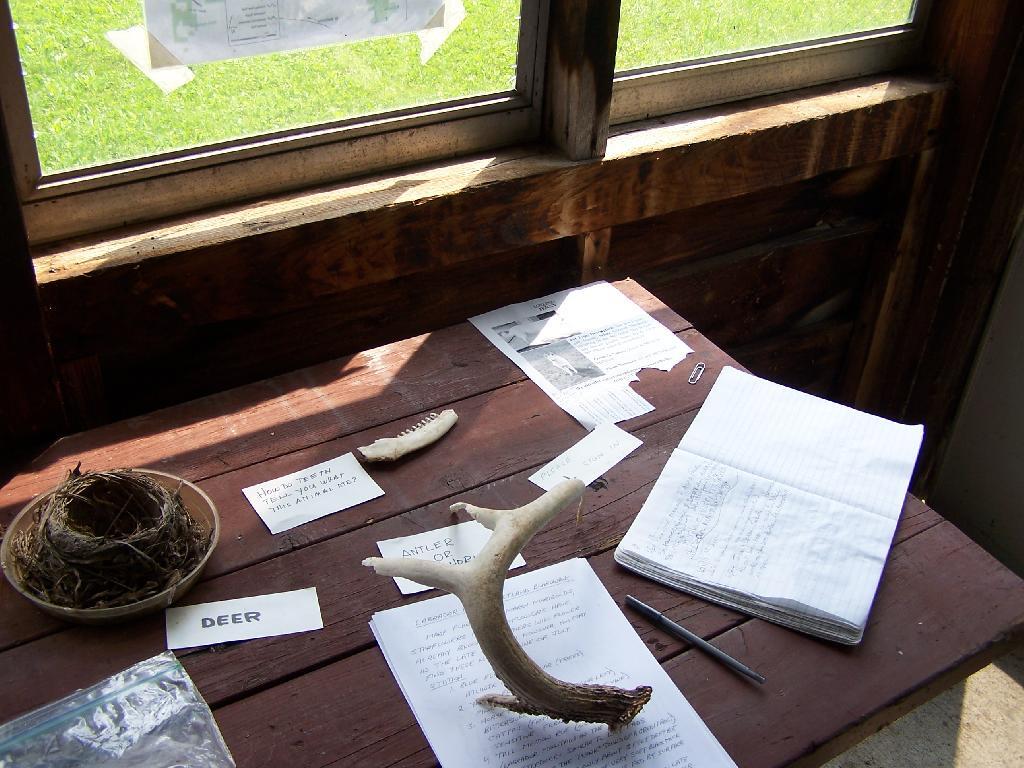
There used to be a firetower on Jones Hill, which is now a nature center down by Labrador Pond.
An open section is mowed, so you can sit dwon by the lake and enjoy the views.
Then I drove over to the Kyack/Canoe launch for the pond, on the western side along Labarador Hill.
Besides the kyack launch, there is a series of benches and a boardwalk that extend out into the lake.
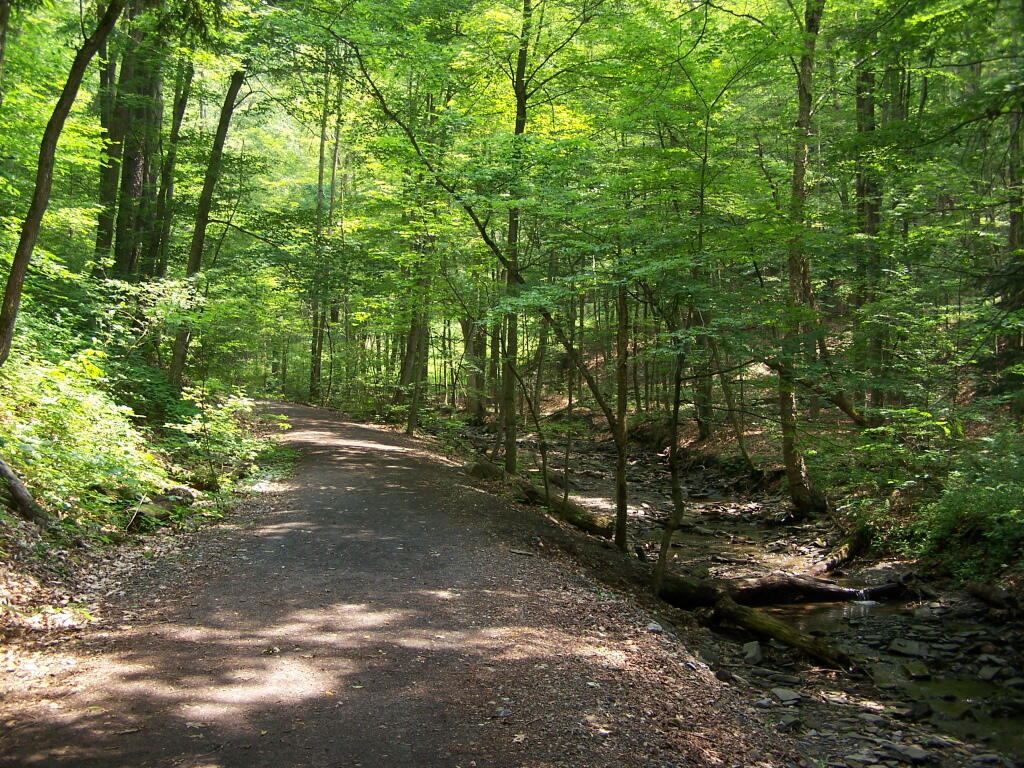
Later I drove around to the Eastern side of the lake, then hiked down to Tinker Falls, an accessiable water falls. The trail is an easy 1/4 mile walk that is only slightly inclined.
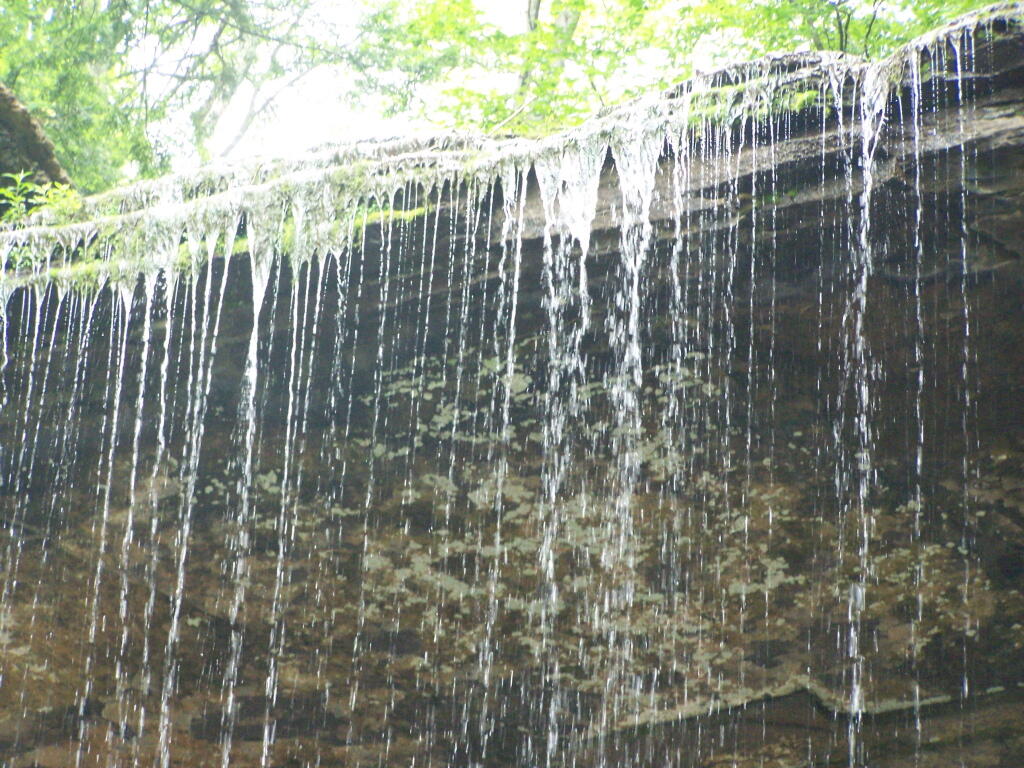
The falls aren’t big, being maybe 60 feet at the most, but they are still pretty and simple. I wouldn’t confuse it with Niagara Falls or even the Kaaterskill Falls. By afternoon, a lot of people where playing in the falls, trying to stay cool.
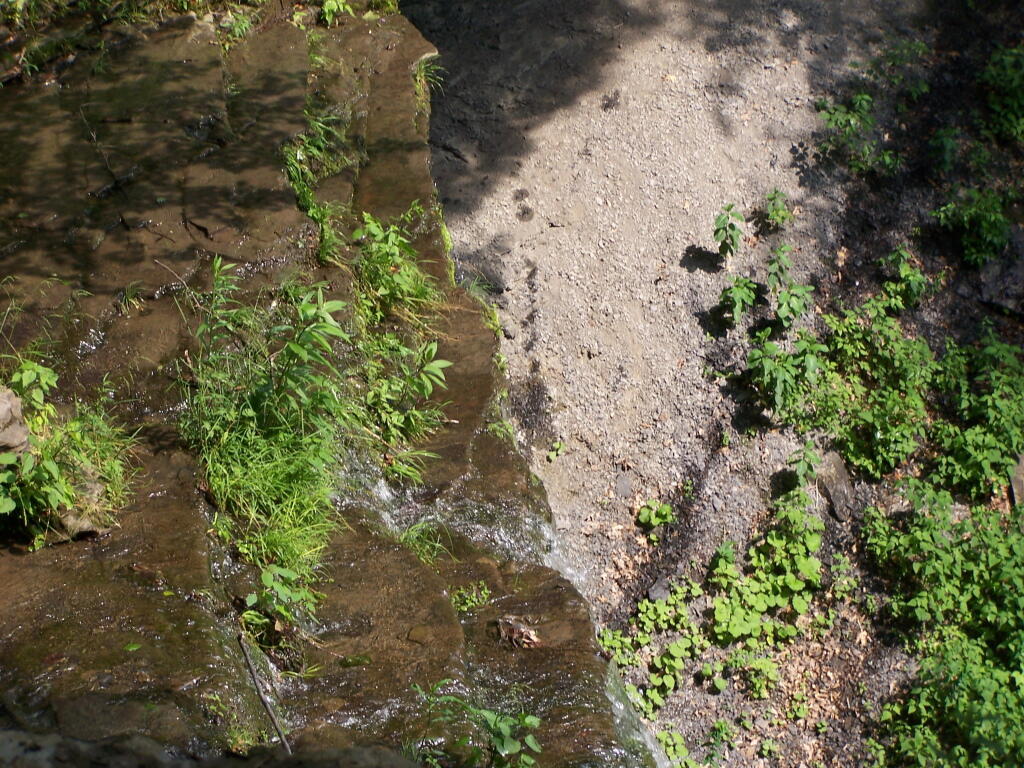
Here is the view from the top of Tinker Falls, accessed from the Finger Lakes Trail or the orange spur to the Finger Lakes Trail.
I then proceeded to hike up to the Hang Gliders launch spot by the Orange Blaze Connector trail which hooks up with the Finger Lakes Trail. This is route I took, it’s slightly longer and steeper then the old woods road route.
You can also follow the old woods road, which goes directly up to Hang Gliders spot on Jones Hill.
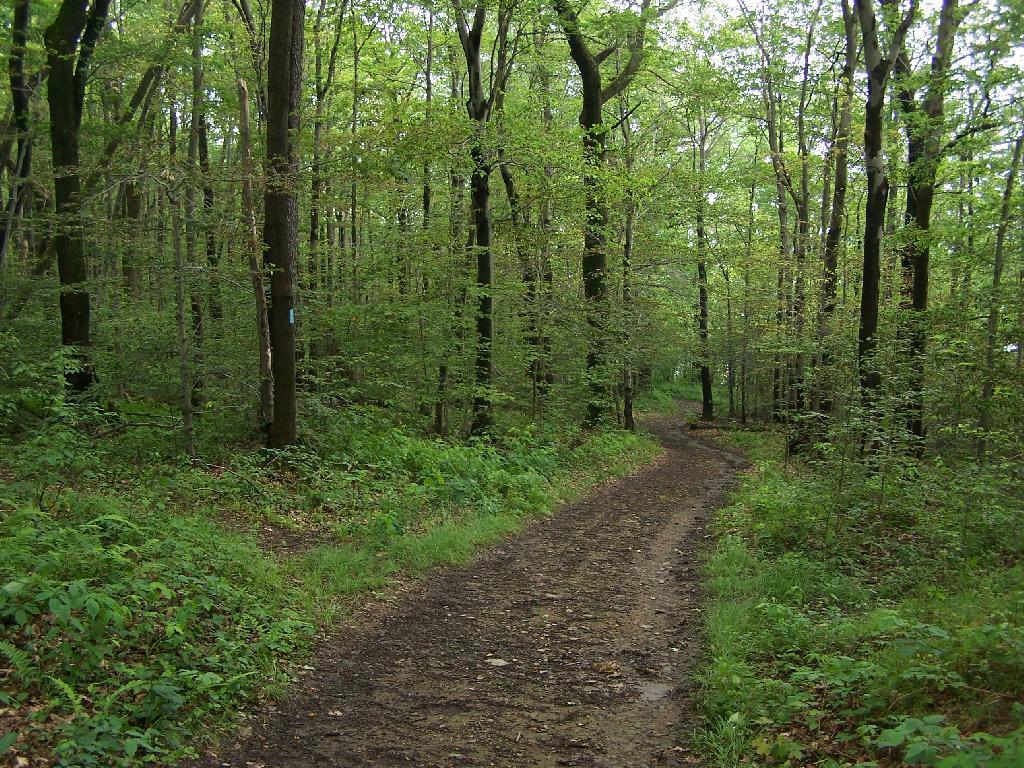
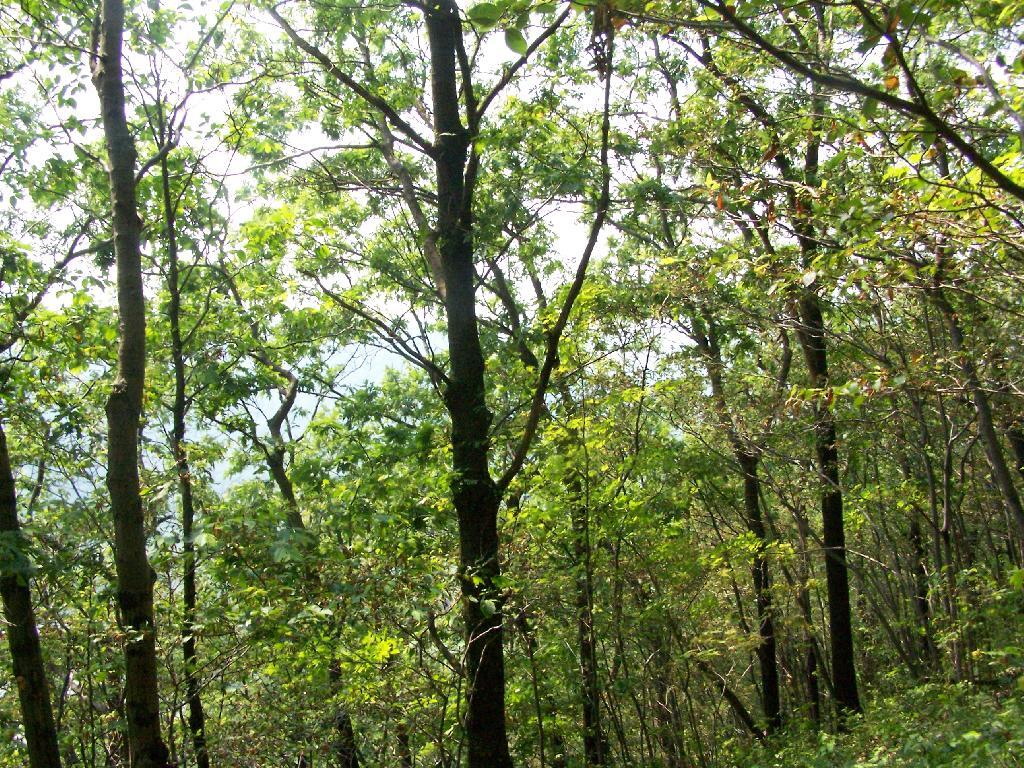
Part of the Finger Lakes Trail runs along the edge of Jones Hill, although there aren’t any real views this time of year.
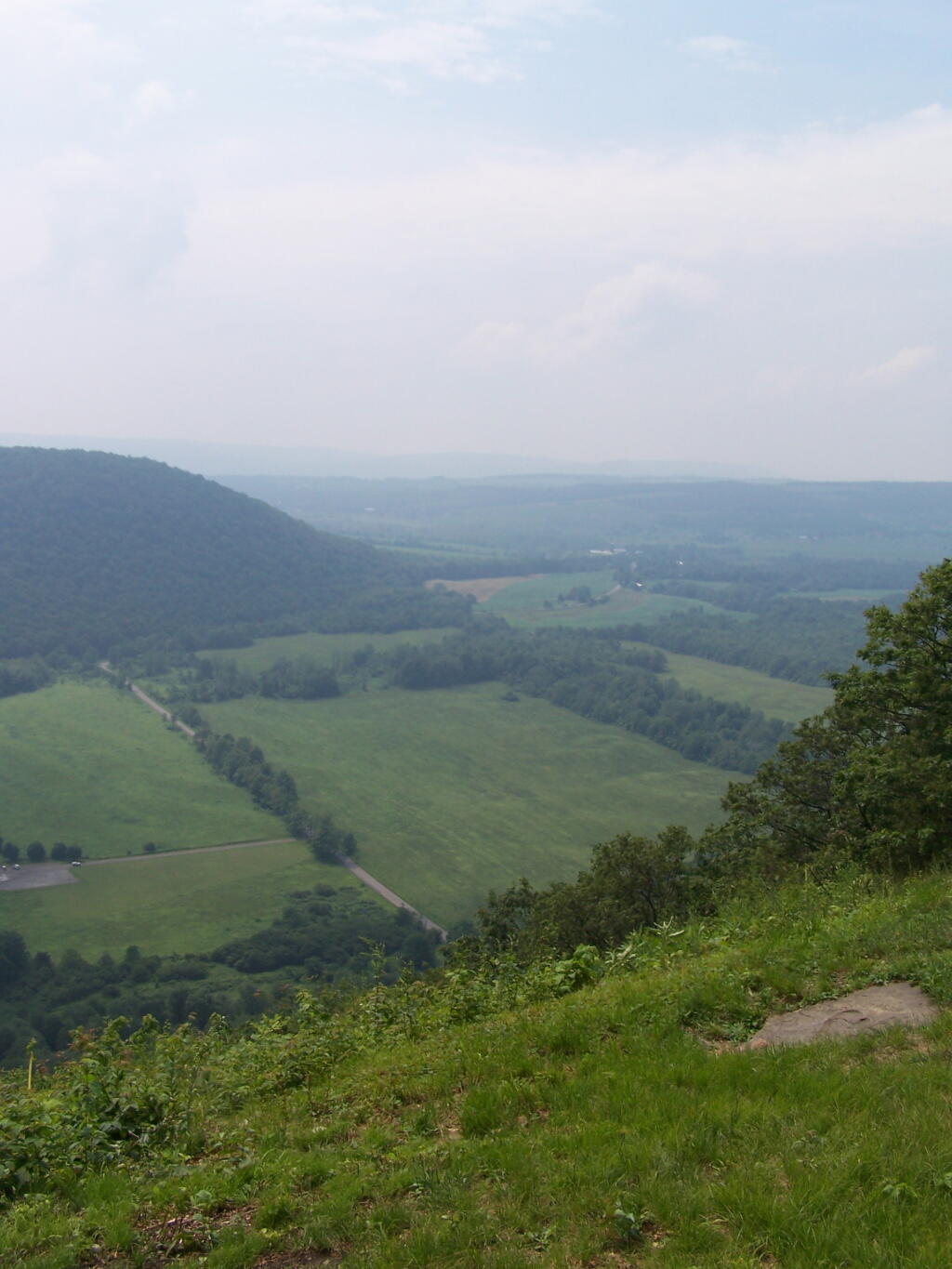
Arriving at Hang Gliders clearing. It was very hazy out, with limited views.
Looking down at Labrador Hollow and towards Labrador Hill.
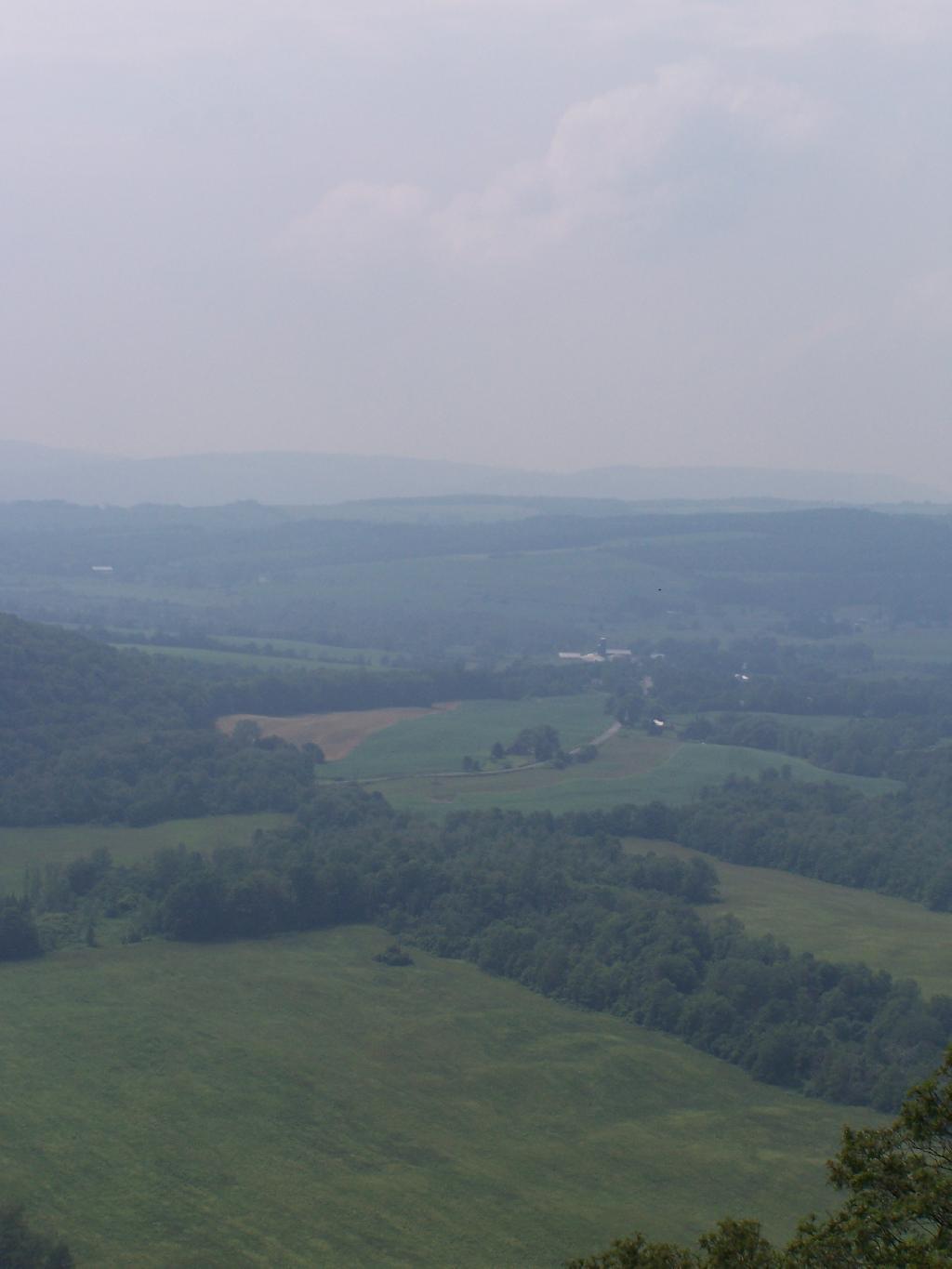
Farms in Fabius, with very poor views.
I want to come back on a clear fall day. Maybe this fall I will go back out and explore this area again in the future.
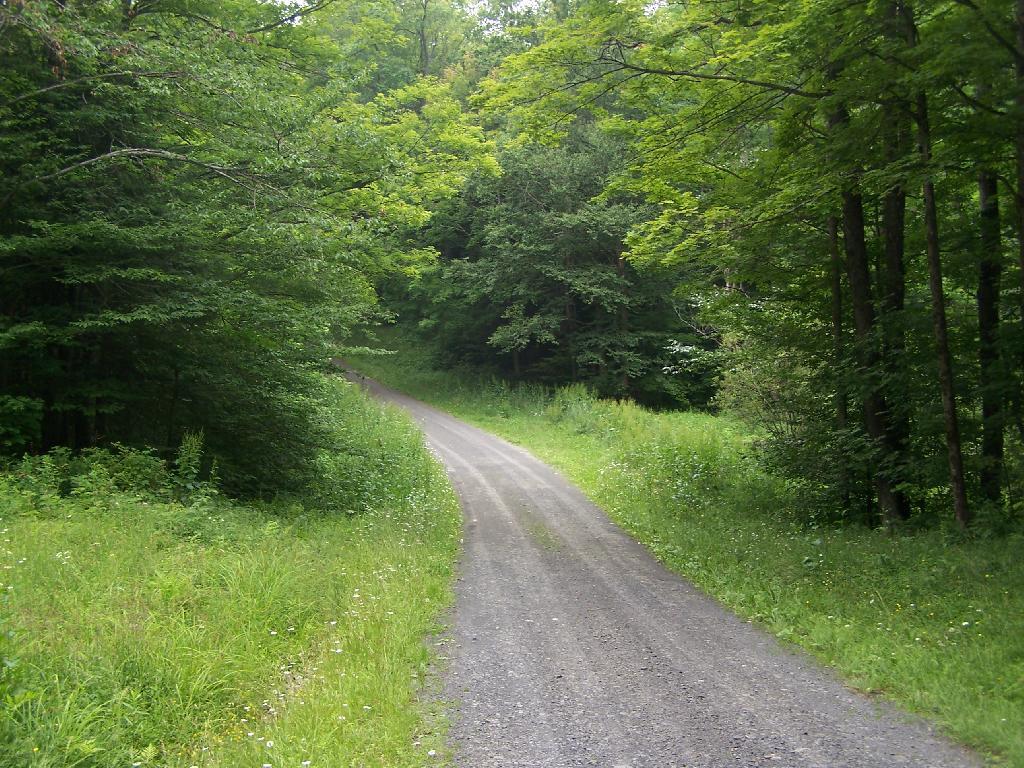
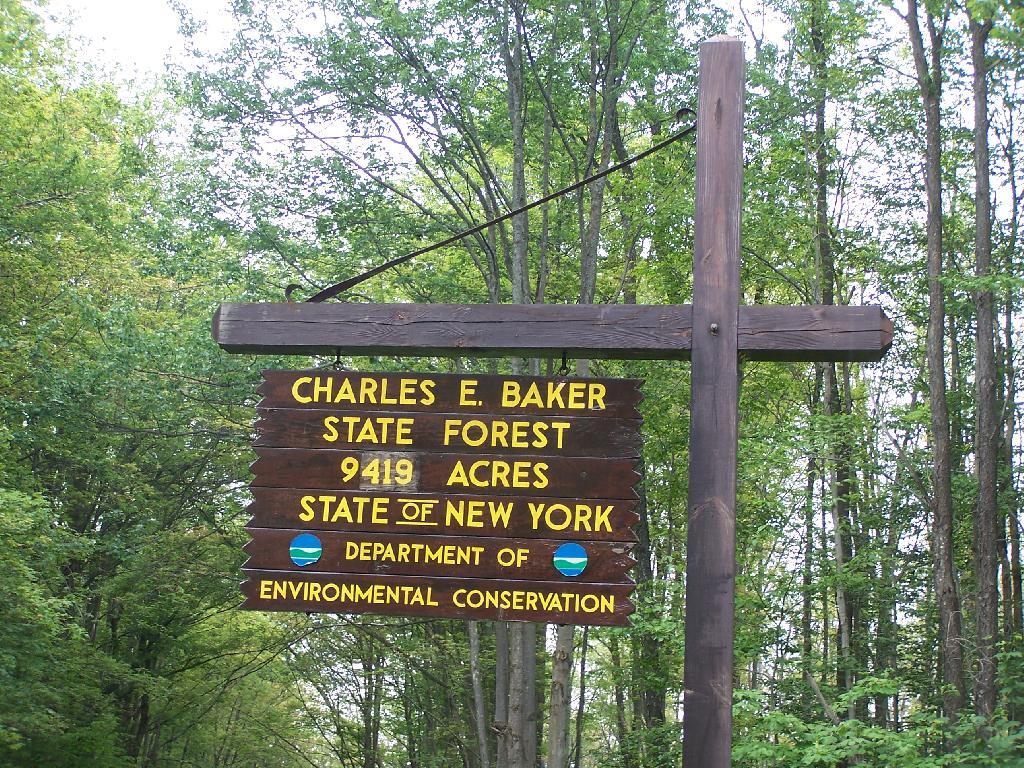
The Brookfield Auto Trail is located in the Charles Baker State Forest, a large state forest and popular equestrarian area that gets much use. Much like you would expect in such an area, there is a lot of mud, lot of horses and horse flies. I did a drive through of the truck trail, but was under impressed by it all.
CNY Hiking did a great write up about it, so I won’t go through all of it, but I will make some brief comments about it. CNY Hiking has pictures from all of the stops, and a copy of the map and associated tour pamplet that is also avaliable at the main-horse Assembly Area on Moscow Road.
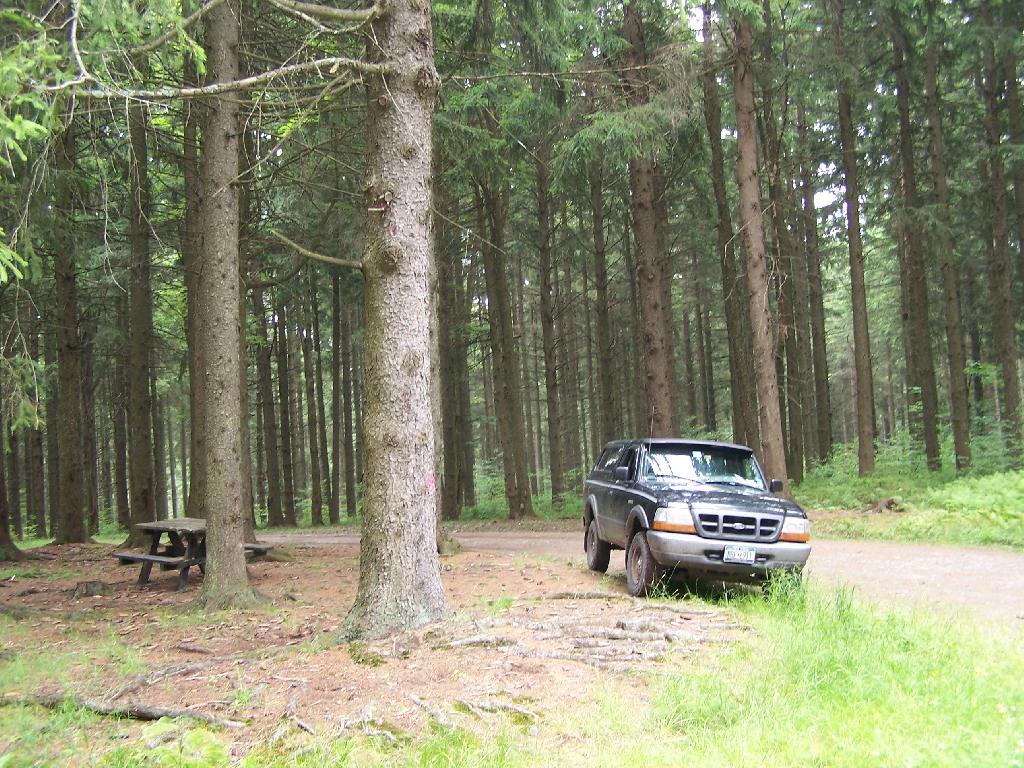
Next to the Assembly Area is a Camping Area, with 21-sites closely put together. I was not a big fan of them, simply because they where too dense, particularly for equestrain use. They should have been far more spread out, like along the many miles of truck trail, or at least with a little more privacy.
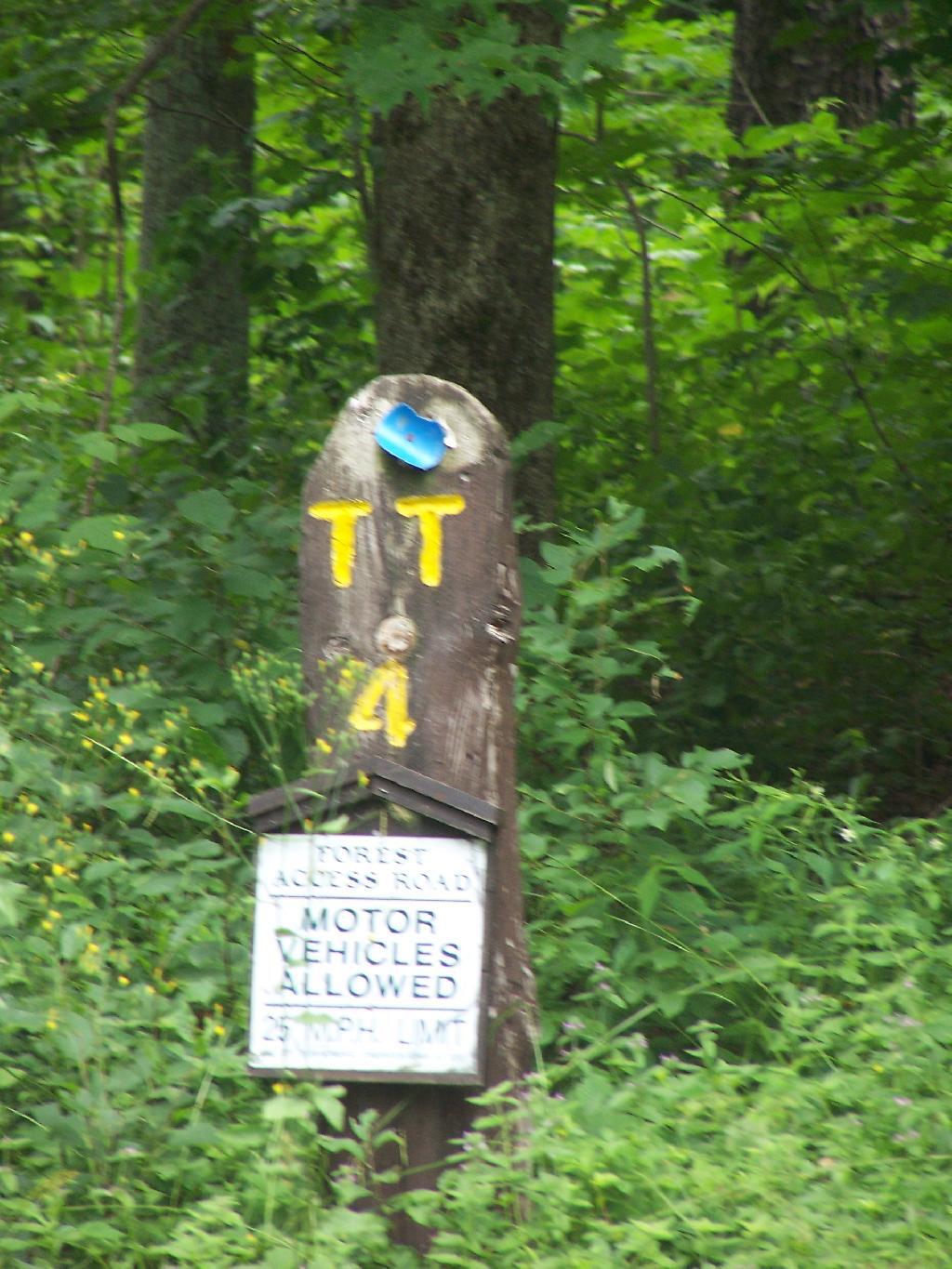
Almost all the miles of truck trail where easy to follow, and nice and smooth. The trails where gravel and well maintained, although some of the markers had disappeared into the grass.
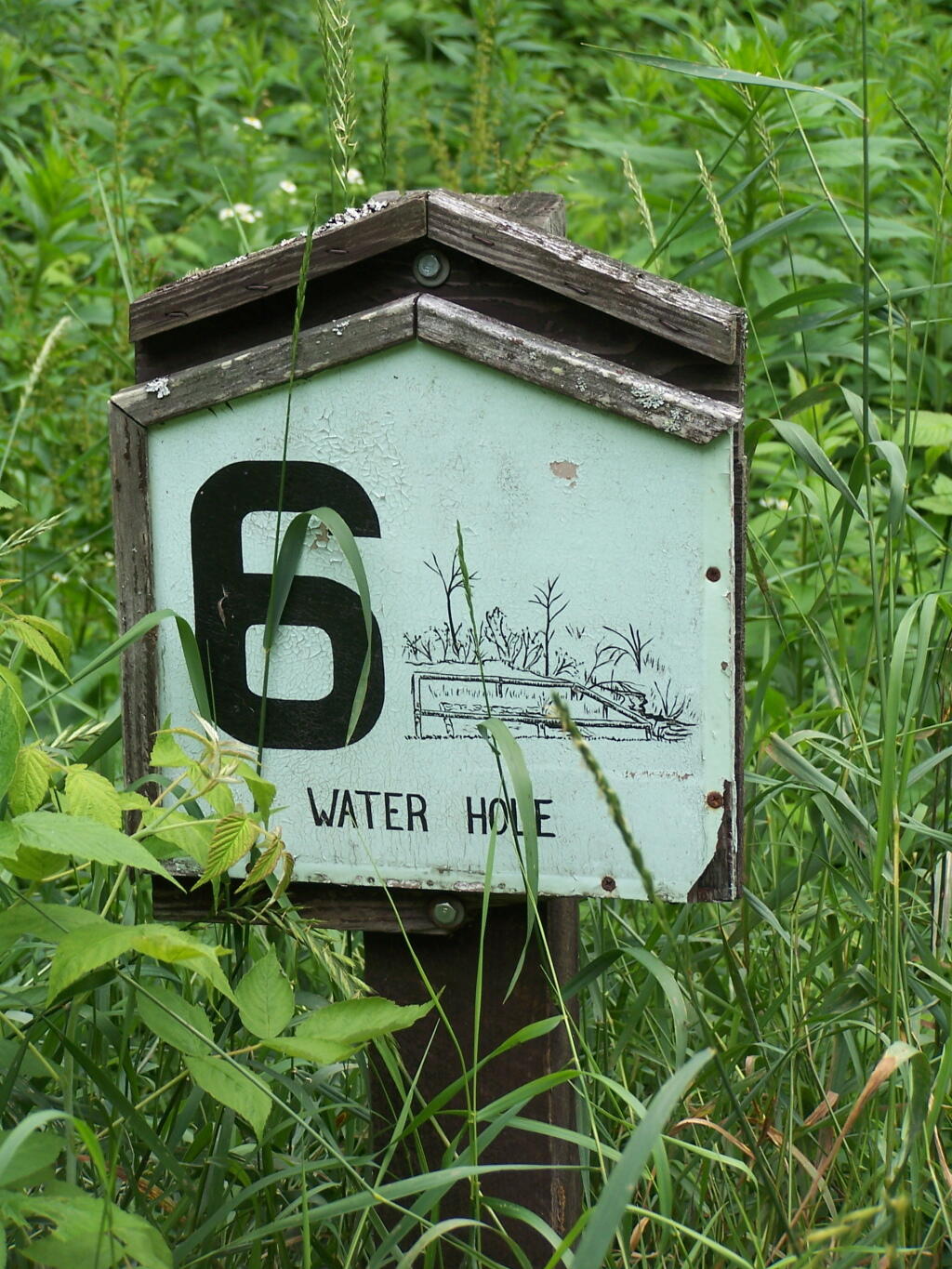
Many of the stops are moderately interesting, although there are no great vistas in the entire route, which is relatively flat except for a few moderate hills and valleys. One of the more interesting stops is the No 6. Water Hole, dug originally for firefighting.
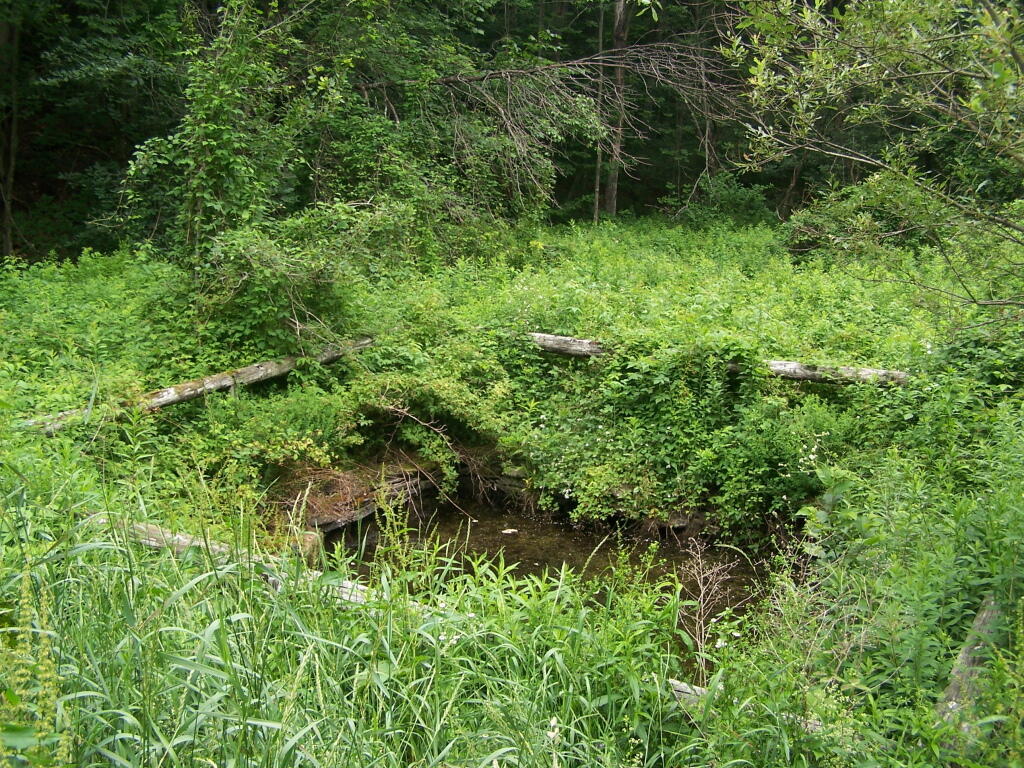
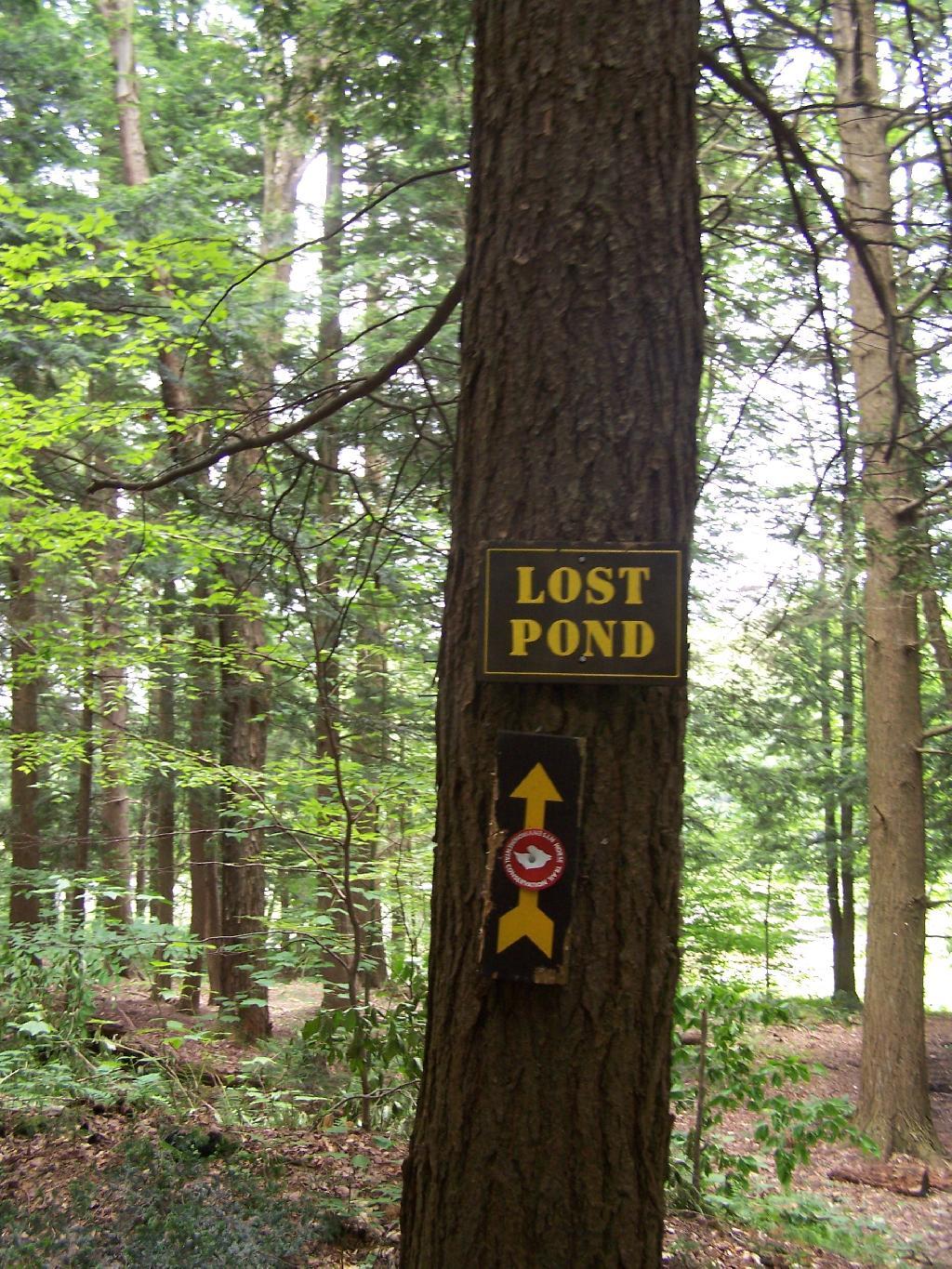
There are no large ponds at Charles Baker, although Lost Pond is a man-made pont in one of the valleys. It is very rough country around there, and muddy from the horseys.
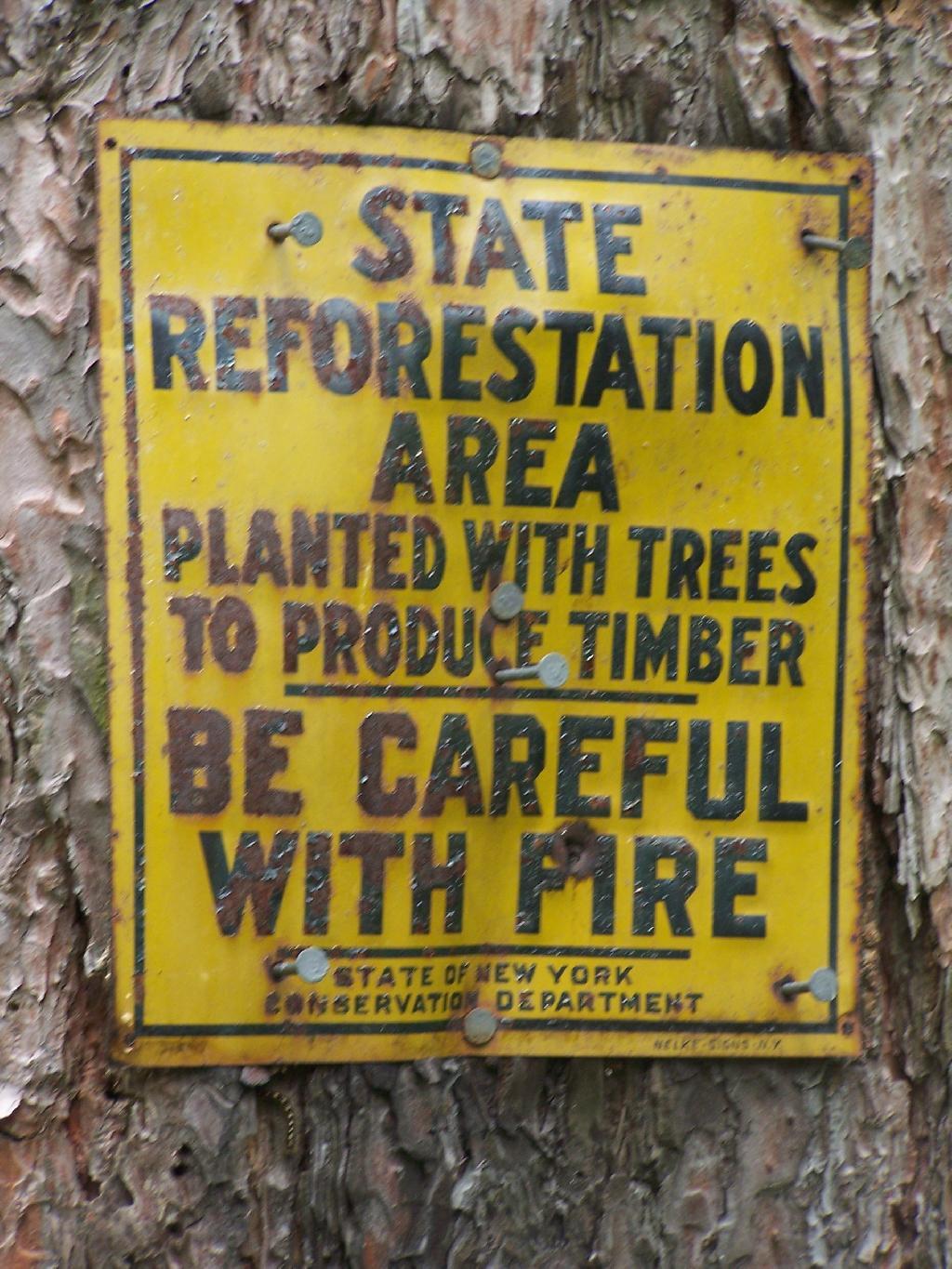
Along Truck Trail Number 6, there is this fascinating old marker nailed on to one of the White Pines in the planation.
The best part of the Charles Baker Auto tour is no more, the old firetower site. The fire tower was demolished in 1978, and supposedly was a very popular end to the tour, with views of the valleys surrounding the Charles Baker State Forest.
Here is a map of the route, although I also recommend you see the CNY Hiking Write Up.
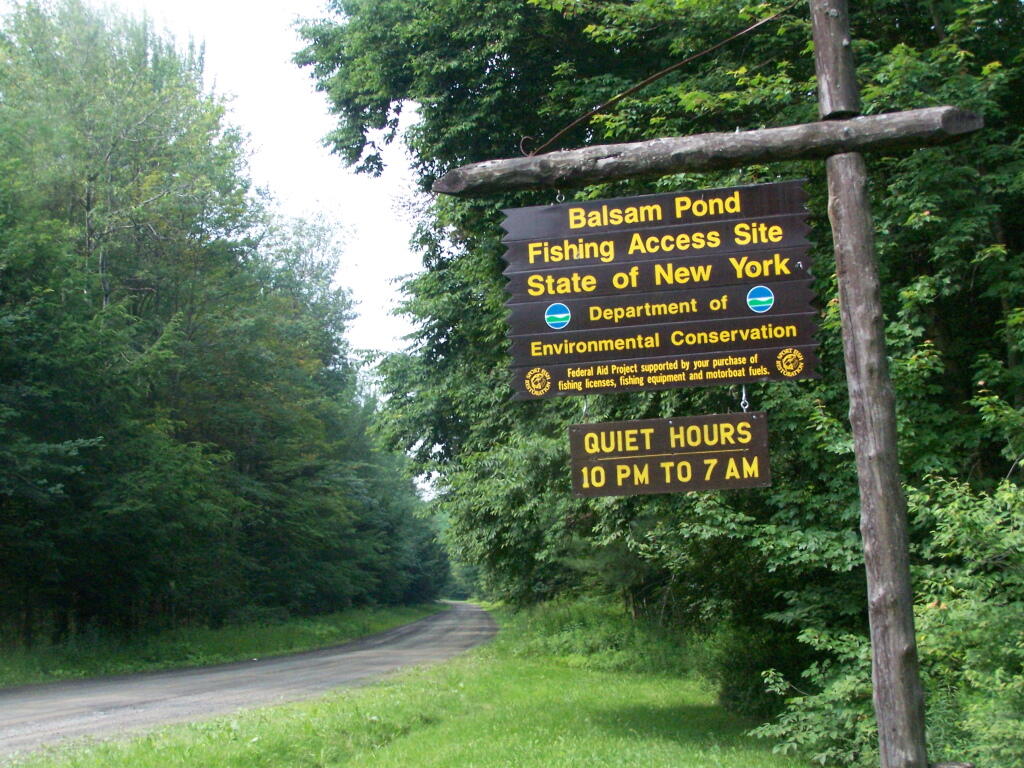
For the first weekend of summer, I decided to go out to Central NY for a weekend. The original plan was to spend one day at Brookfield Camping Area, but it was too crowded, so I decided to head south west to Balsam Pond in Chenango County, outside of Norwich and Pharslia.
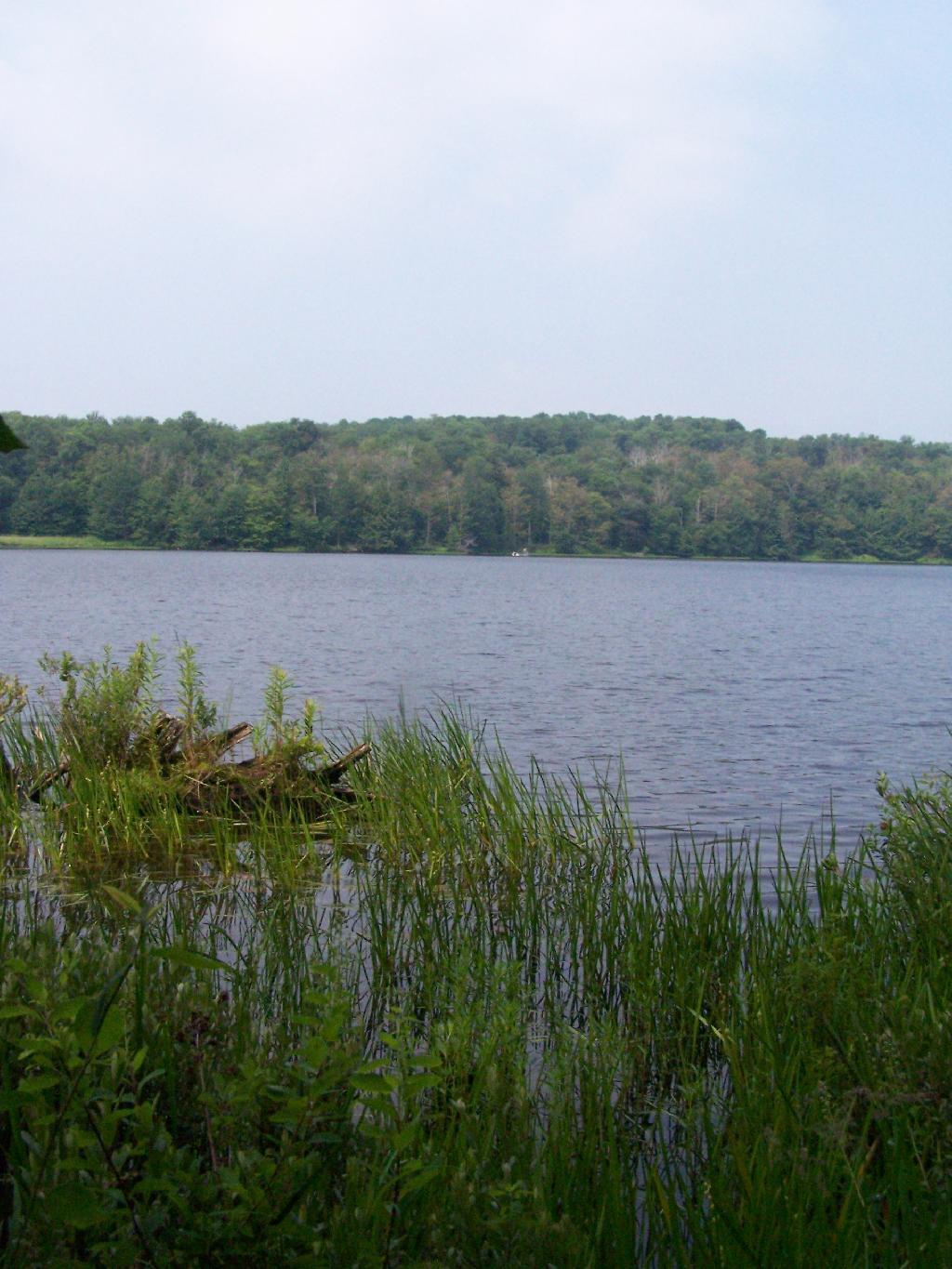
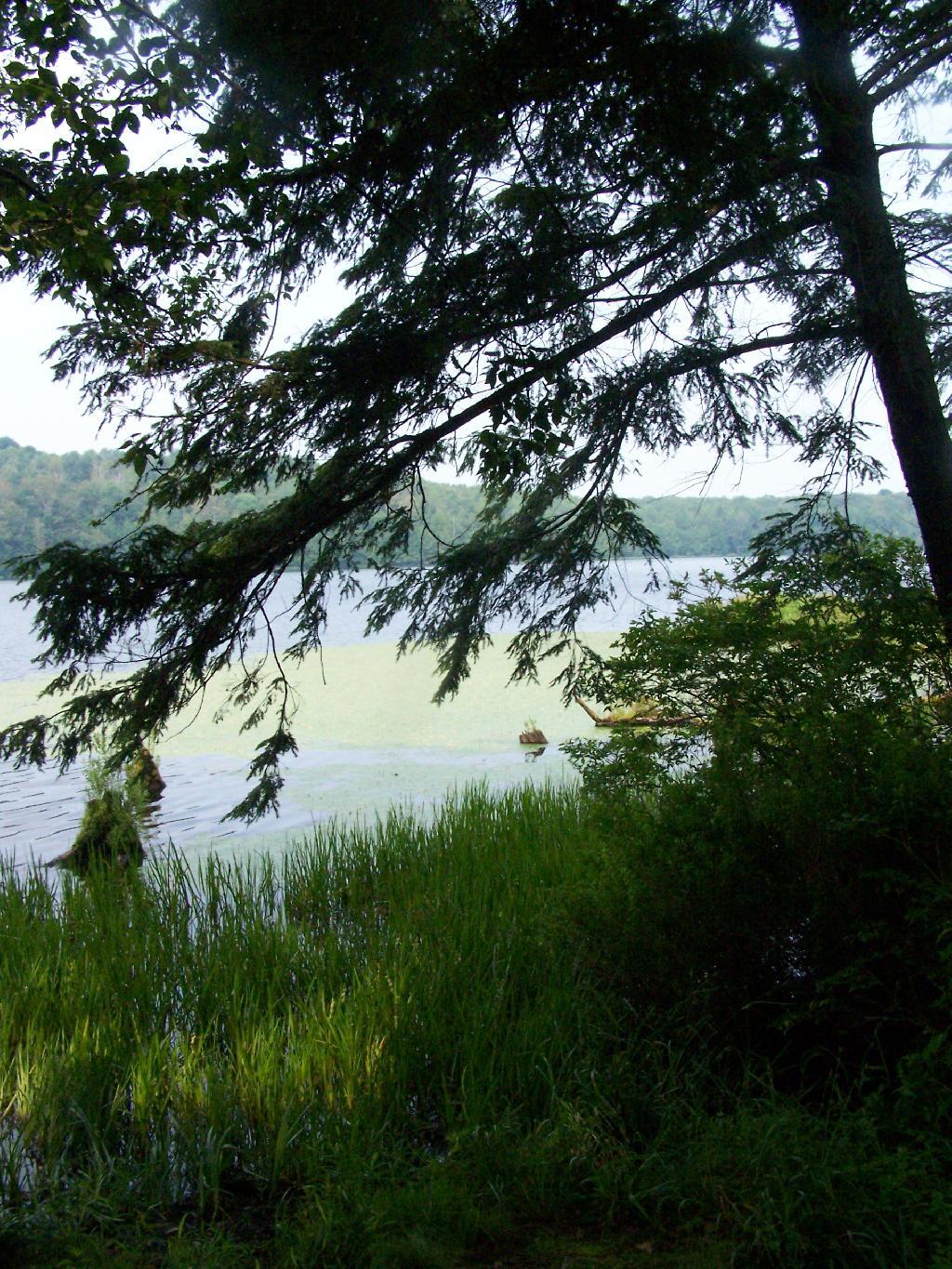
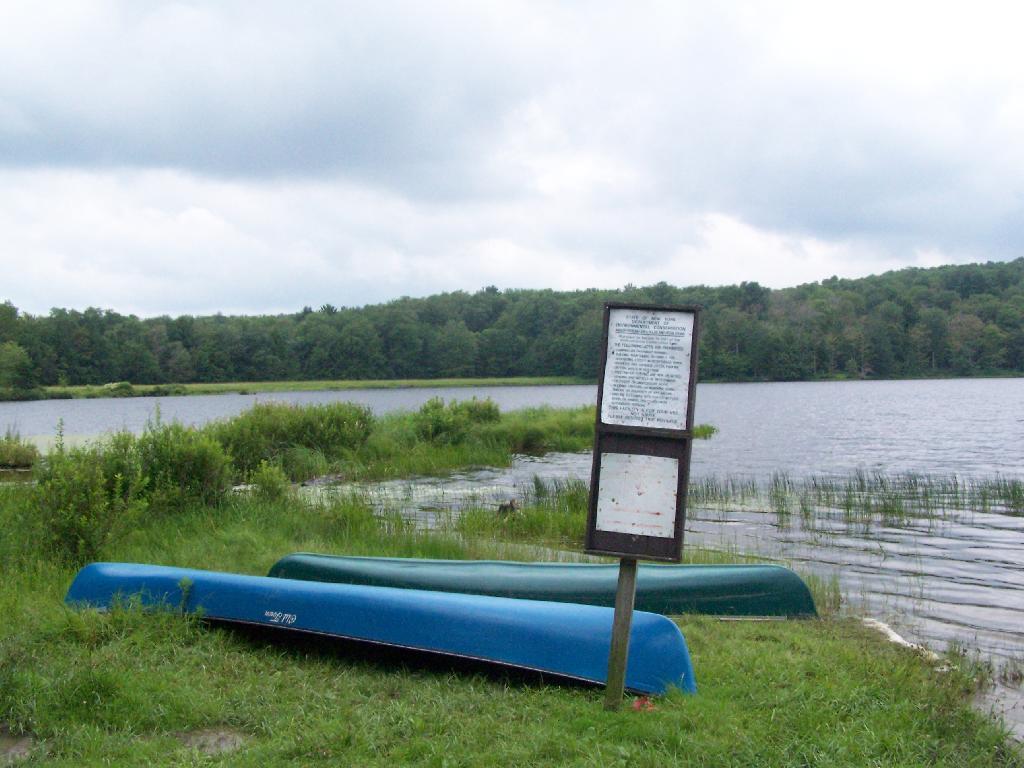
Balsam Pond is a man-made lake, popular for fishing and free camping. They also allow motor boats on the lake, so during the day, you’ll hear boats roaring up and down the lake.
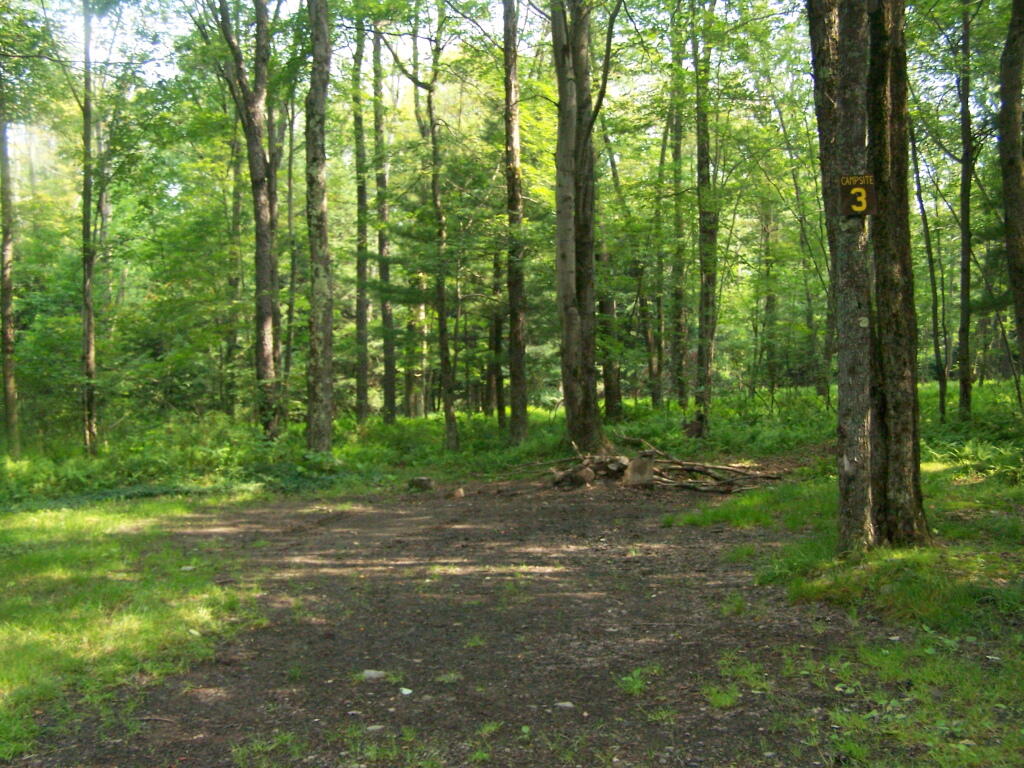
While the weekend was pretty rainy, Balsam Pond turned out to be quite nice, and popular but not full, as was the case last year. This time I choose to set up in Campsite 3.
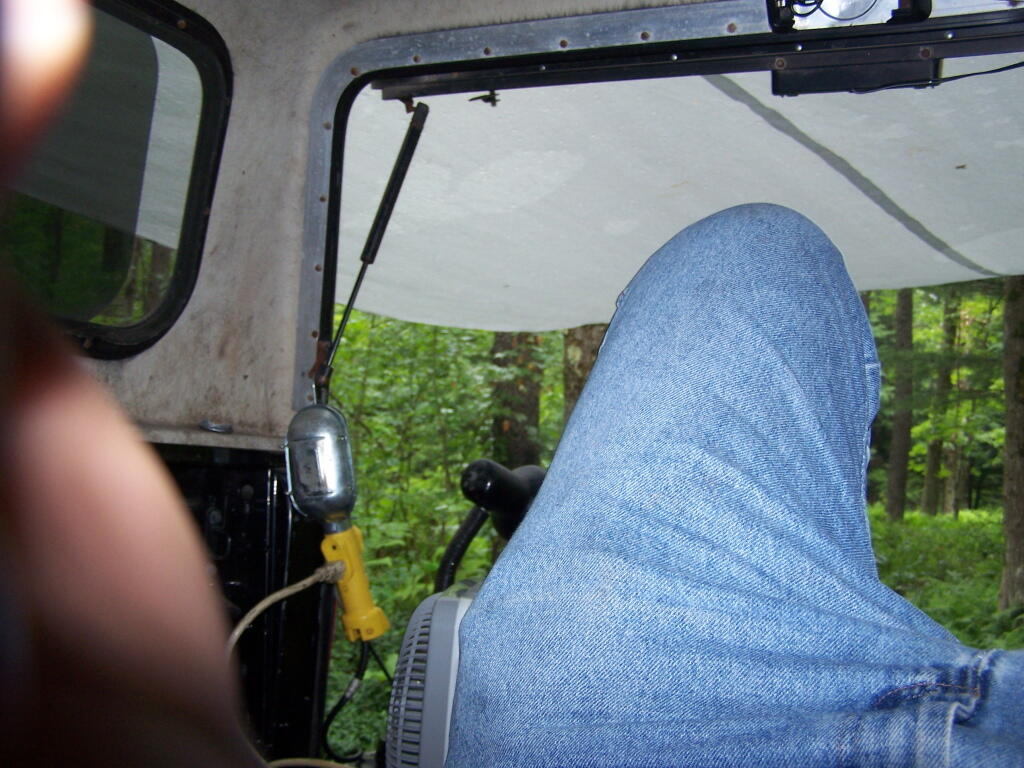
Soon after getting there, it was raining. I quickly got the tarp up, and was hanging out in the back of my pickup, reading a book.
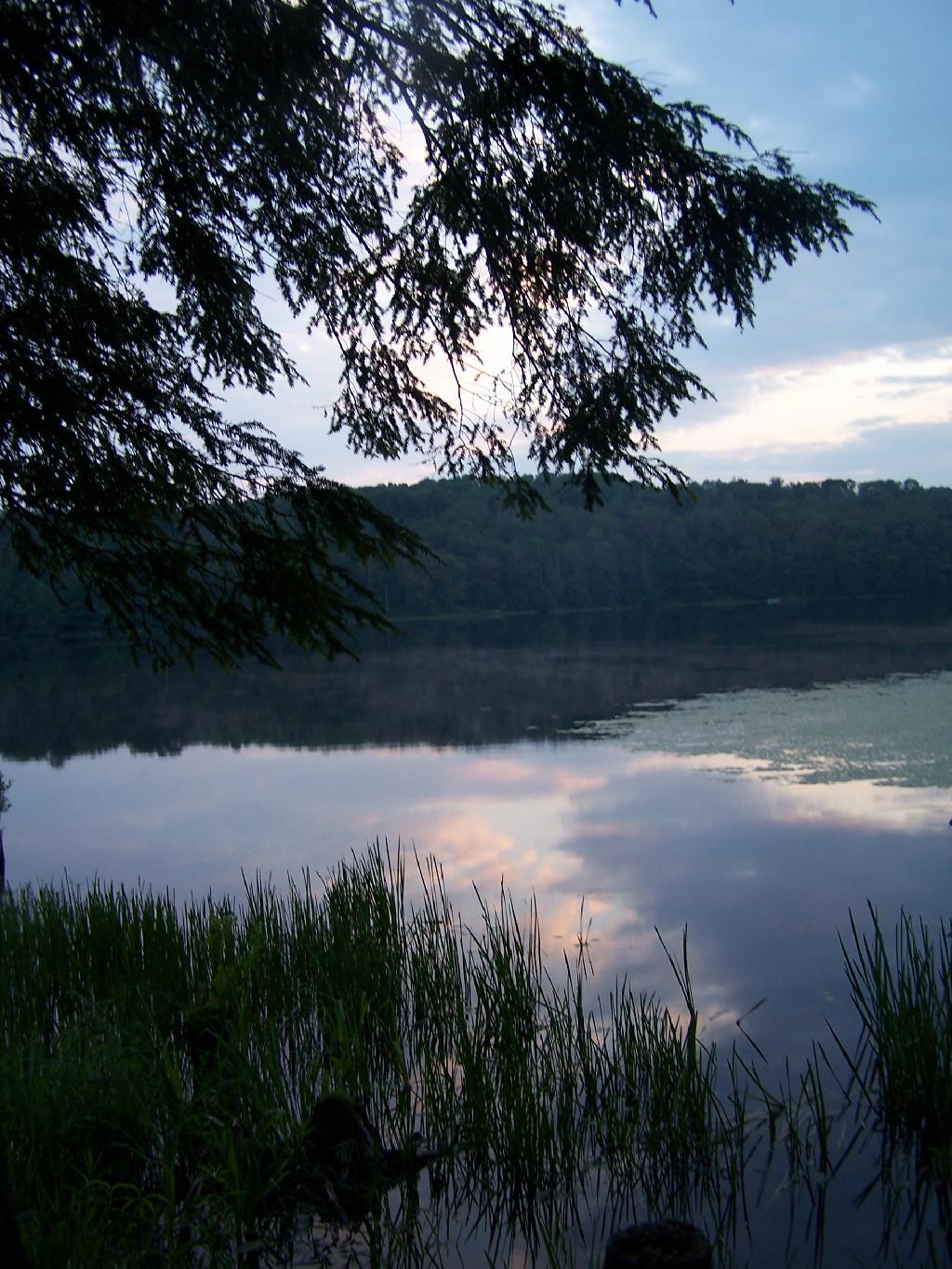
In the evening, the rain stopped, although the clouds remained as I walked down by the lake.
In the morning I got up, and hopped in the lake for a quick dip to get cleaned off. Hazy and cloudy in the morning, but no rain.
I drove up north to Truxton in Cortland County, to check out the ever so beautiful Labarador Hollow, but decided with the rain, not camp up there. There where some roadside campsites there, but no lake to cool off up there, so I ended up spending another day at Balsam Pond.
The next evening was nice, with not much rain, but very cloudy, damp and dark. But I got a nice fire going, and it didn’t involve burning too much plastic but mostly wood, under the Christmas lights.
Even by morning of the June 28th, the weather wasn’t perfect but so be it. This time of year, is not known for it’s perfect weather conditions after all.
Not afraid to question, criticize the establishment; their independent
Anti-tax sentiment, especially when it comes to fees and hurting the average Middle Class American
Anti-regulatory sentiment, and highlighting some of the abuses of our bureaucrats and their power grab
Pushing for change and reform, a new breed of politician
Tea Party Dislikes.
Too closely tied to Republican Party and Republican Candidates
Too caught up in conservative rhetoric
Takes libertarianism to it’s logical extreme — it takes questions of personal liberty to the extreme of corporate domination
Too anti-union, anti-fair labor practices
Unwilling to see when government can do the right thing
Indeed, if the Tea Party Movement could get away from all it’s conservative and libertarian extremist rhetoric, it would be something I could support.
If the Tea Party Movement could get behind moderate Democrats — those who progressive economically, but also libertarian or even somewhat conservative when it comes to social issues, it would be something I could support.
I don’t want to see our country ruined by a lack of a good government, nor do I want to see our country become a totalitarian state run by liberal activists.