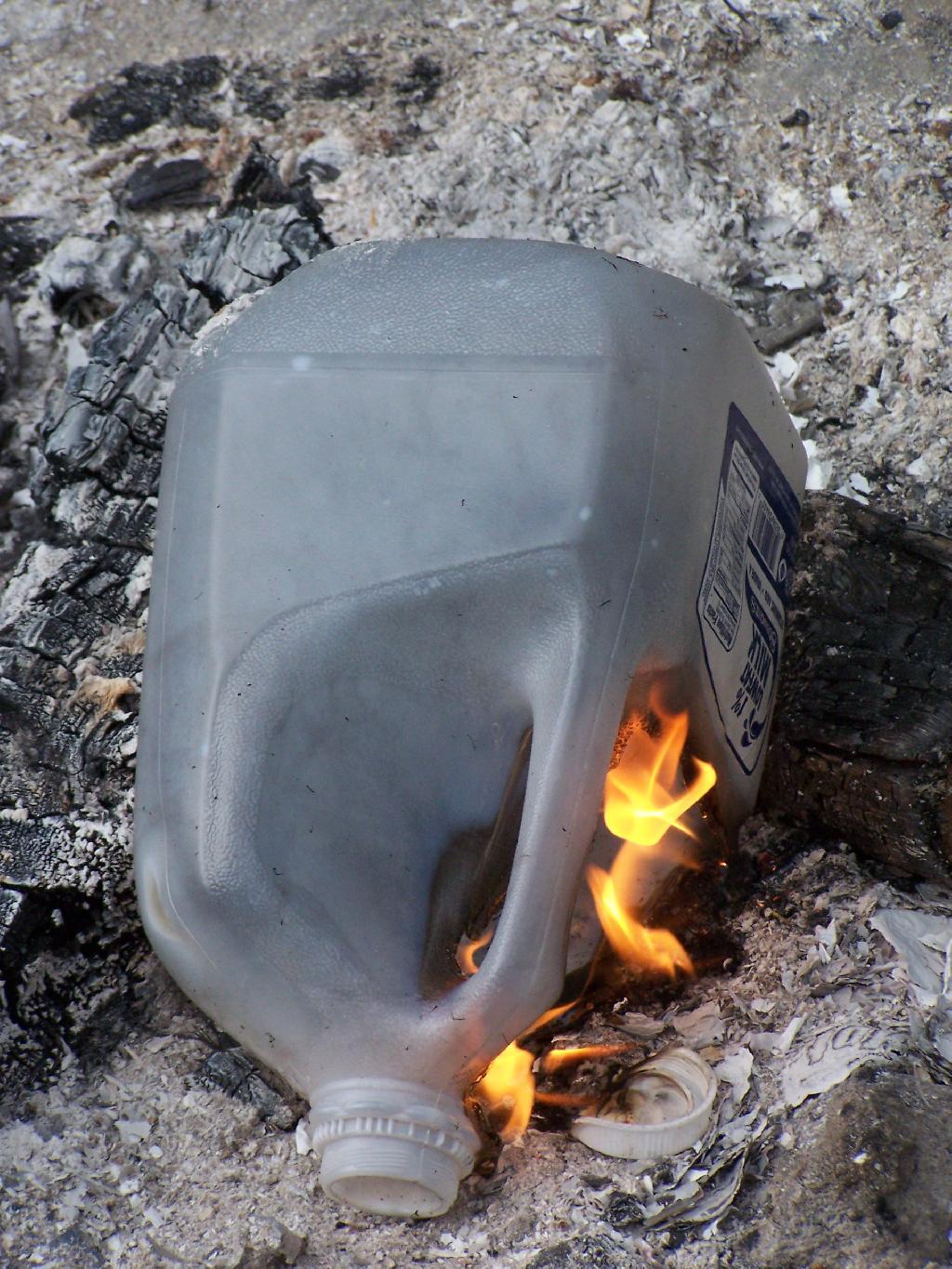
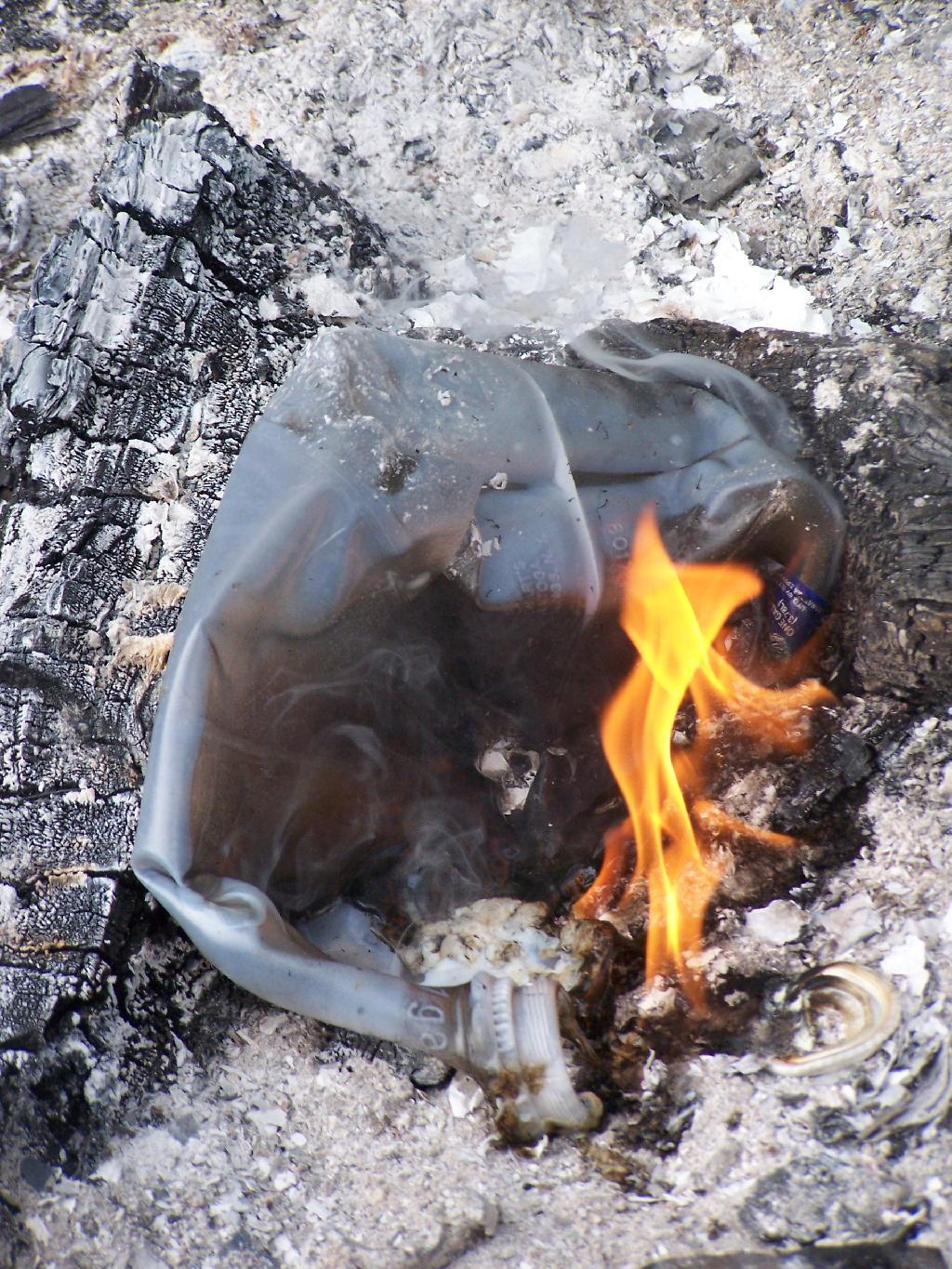
Step 1: Light the lighter and set the milk jug on fire.
Step 2: Milk jug starts to melt and burn.
Step 3: Milk jug collapses on itself.
Step 4: Milk jug 3/4 gone; reduced to melted plastic, carbon dioxide, hydrocarbons, and water!
Step 5: It keeps burning up and disappearing.
Step 7: It’s almost entirely gone.
Step 8: All that’s left is a little resin left in the coals.
The fire has almost completely disposed of this milk jug that was previously just trash that otherwise would have lasted forever in a landfill. The fire will eventually burn out, and what remains will be burnt up in the next fire.
The “Check Engine” light can indicate a variety of problems with a car engine that needs to fixed, but is not a critical safety issue that would prevent you from driving home or to the garage. You might have a spark plug that is misfiring or a oxygen sensor that is out of range, but neither of those problems in over the next 500-1,00 miles is going to seriously damage your car.
Ignoring them for months or years, will likely plug up your catalytic converter or scour the cylnder walls by detonation. Ignoring a check engine light for an extended period of time can do serious damage.
Therefore, it’s a serious mistake to:
Totally ignore the check engine light, and drive for the next year or two.
Panic, and pull off the road, and wait for a tow truck (the Check Engine light is not the Low Oil Pressure light).
Scrap the car and buy a new one.
One might argue that pulling off the road and waiting for the tow truck, when the Check Engine light is on, won’t do any harm to the car. It’s the safest option. This is true. Yet it will do real harm to your day, your plans, and you’ll have to pay a towing bill that otherwise you would otherwise avoid by temporarily ignoring the Check Engine Light, driving home, and dropping off the car at the garage later in the week.
Climate change should not be ignored, but should be dealt with in an appropiate fashion not to ruin people’s quality of lives. The solutions to climate change will not be found in radical changes in energy policy or massive new taxes, but gradual changes, that will ensure the harm inflicted onto the environment by our carbon-based economy will be minimized to an acceptable level.
That means a moderate changes but not radical changes:
A gradual decarbonization of electrical grid, by mandating a greater portion of the power purchased by renewables.
A gradual decarbonization of fossil fuels by blending them with renewables such as ethanol in gasoline, and wood waste in coal boilers
A gradual increase in energy efficency by mandating new efficency standards for a broad series of appliances, automobiles, and industrial facilities
People forget that the problem of climate change is not due to any one individual or for that matter, any one power plant or industrial facility. The problem is largely a problem of scale — we are consuming, as society, so much fossil fuels that we are dramatically changing the percentage of carbon dioxide in the atmosphere — a trace gas, but a trace gas that is likely to double in coming decades over historical levels.
We, as a society, have a moral obligation to slow the accumulation of carbon dioxide atmosphere.
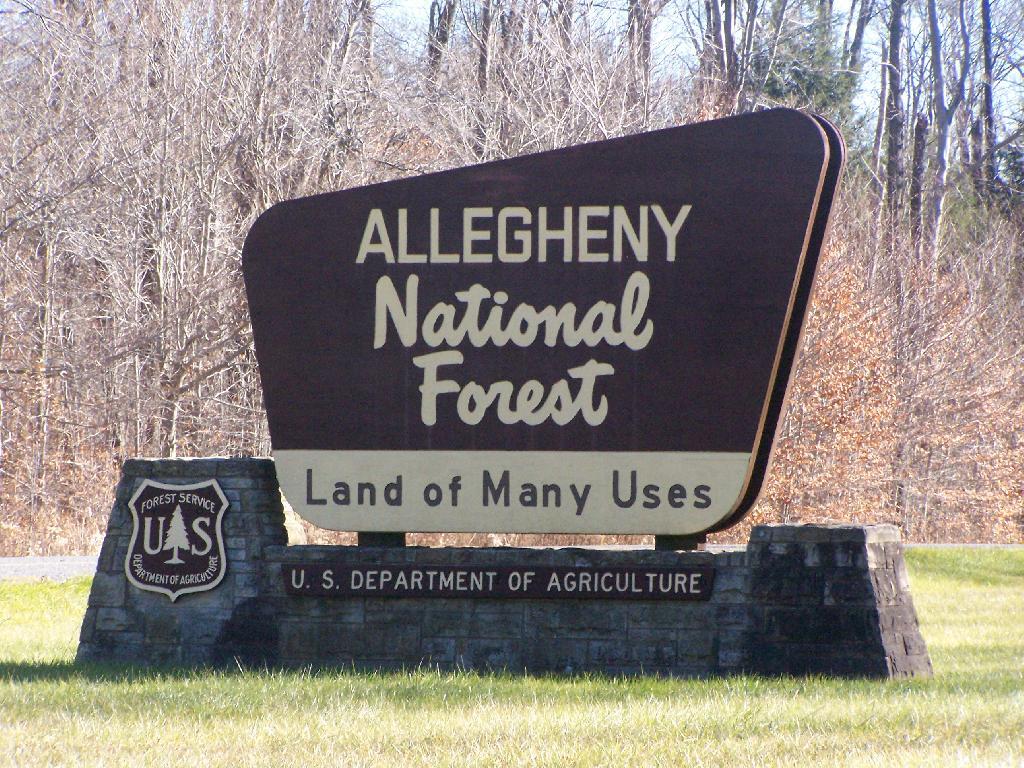
Last fall I spent two days camping in the Allegany National Forest, which is south of Salamaca, NY and west of Bradford, PA. Two days in mid-November provided a limited time to explore the area, in part due to the short days between sunrise and sunset, requiring me to back to camp no later then about 3:30 PM in the afternoon to gather wood and prepare for the coming sunset at 5 PM.
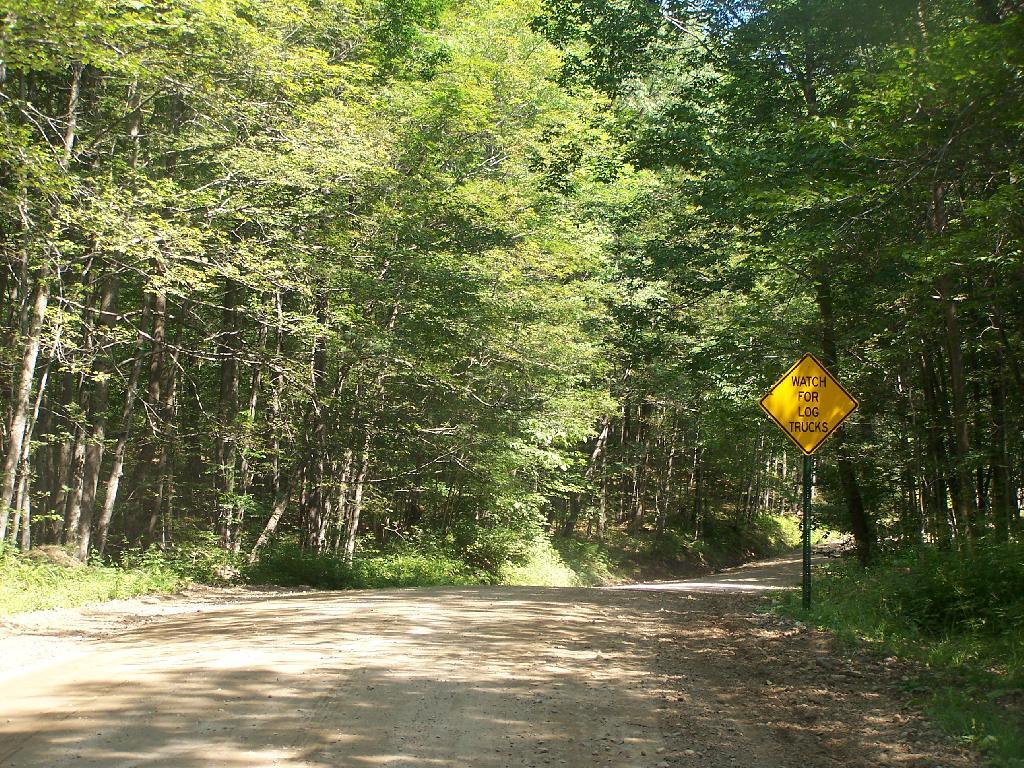
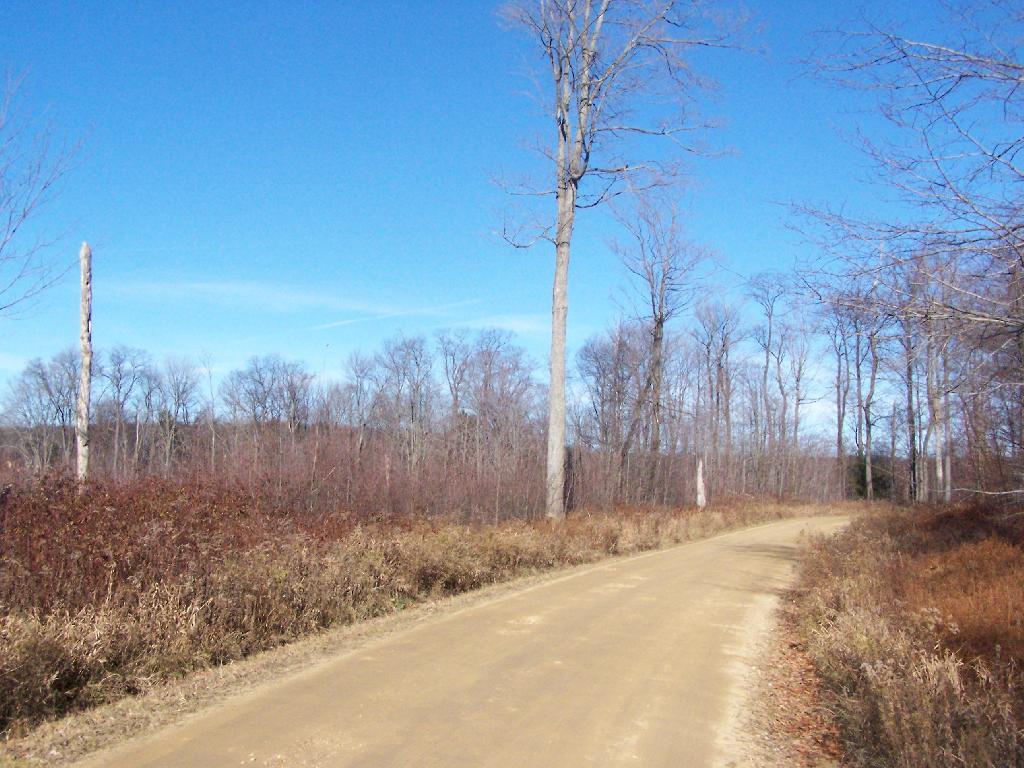
Throughout the Allegenheny National Forest there are many truck trails that pass oil and gas wells, provide access to timber stands used for logging, and also access to hunters, fishermen, hikers, and camping. Most of the forest is not mature stands of trees, and indeed the whole area has a very working-forest nature to it, by no means is it wilderness.
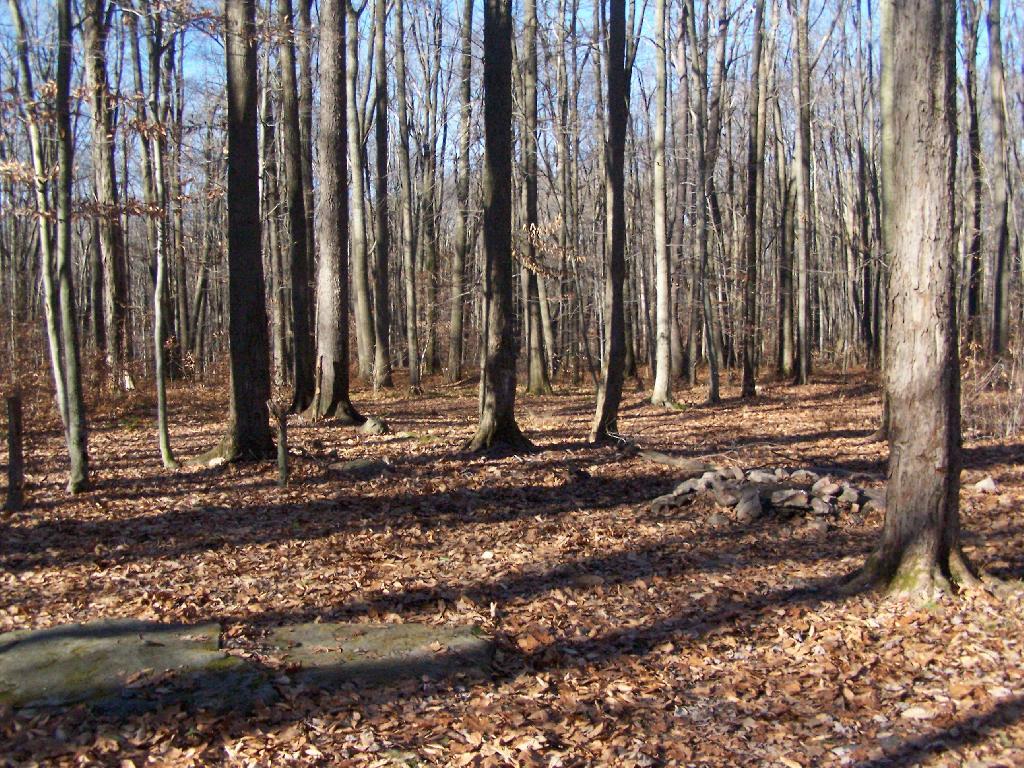
Camping is allowed along all of the dirt roads except for roads specifically designated scenic byways. It is strongly discouraged by that vehicle travel off the roads any further then neccessary to prevent erosion. Dotted along the roads are places where people have camped in the past, in fields and other desirable places. Campsites are very primative, and have only rock fire places left by previous users.
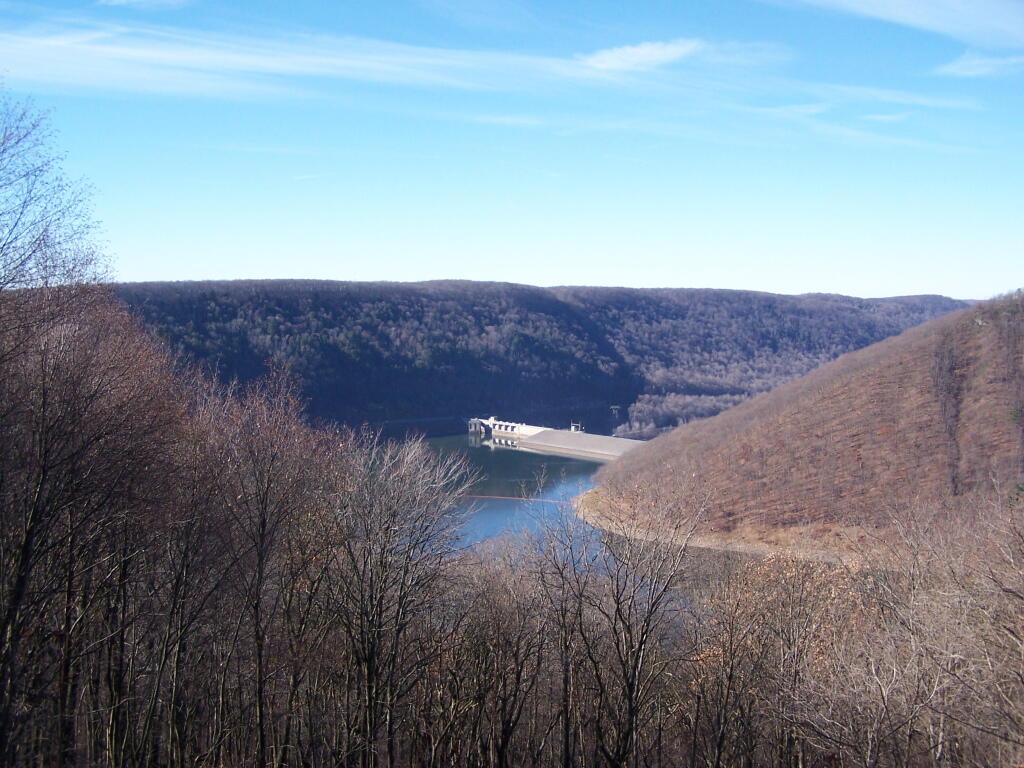
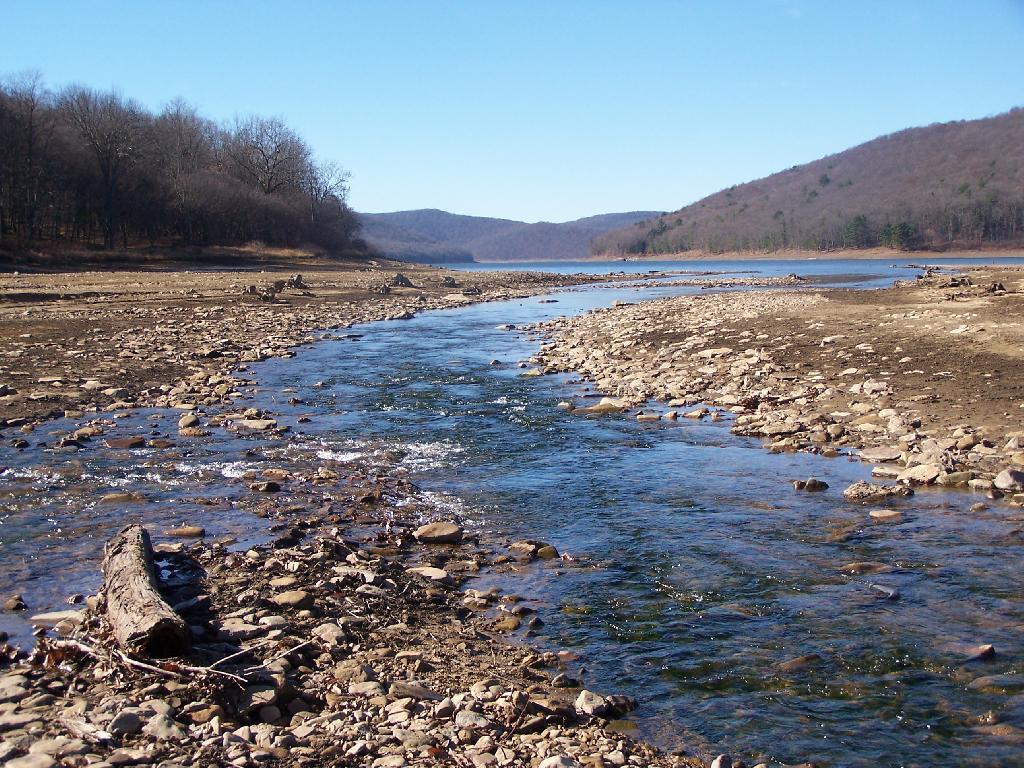
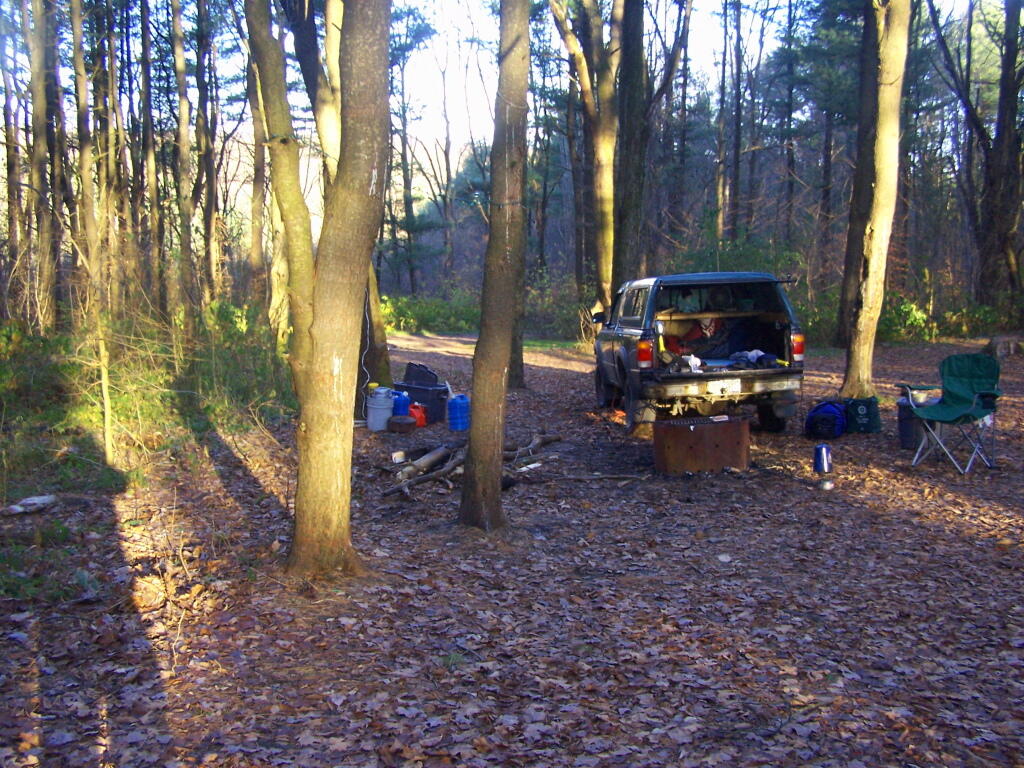
I camped off of Forest Service Road 154, quite a ways above the Allegeheny Reservior. It was a decent little site, pretty far back, and nice and hard, so I need not worry about sinking into the ground. I also felt wildfire danger was lower this time of year, as there was not the dry grass here, and the leaves where damp from dew.
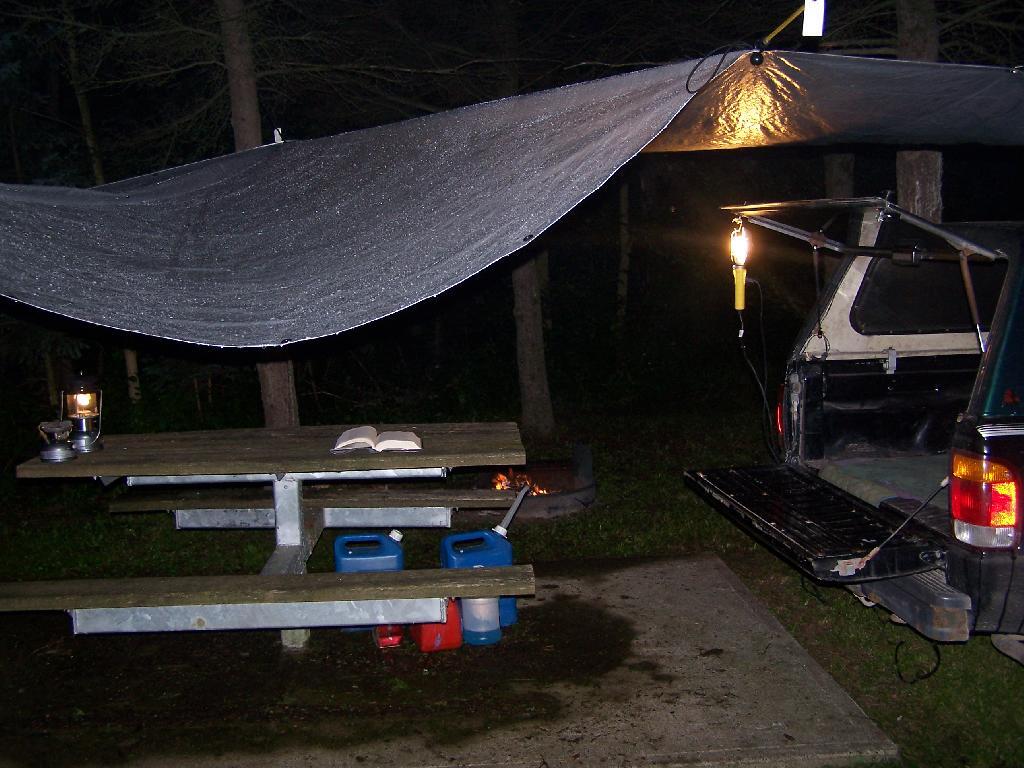
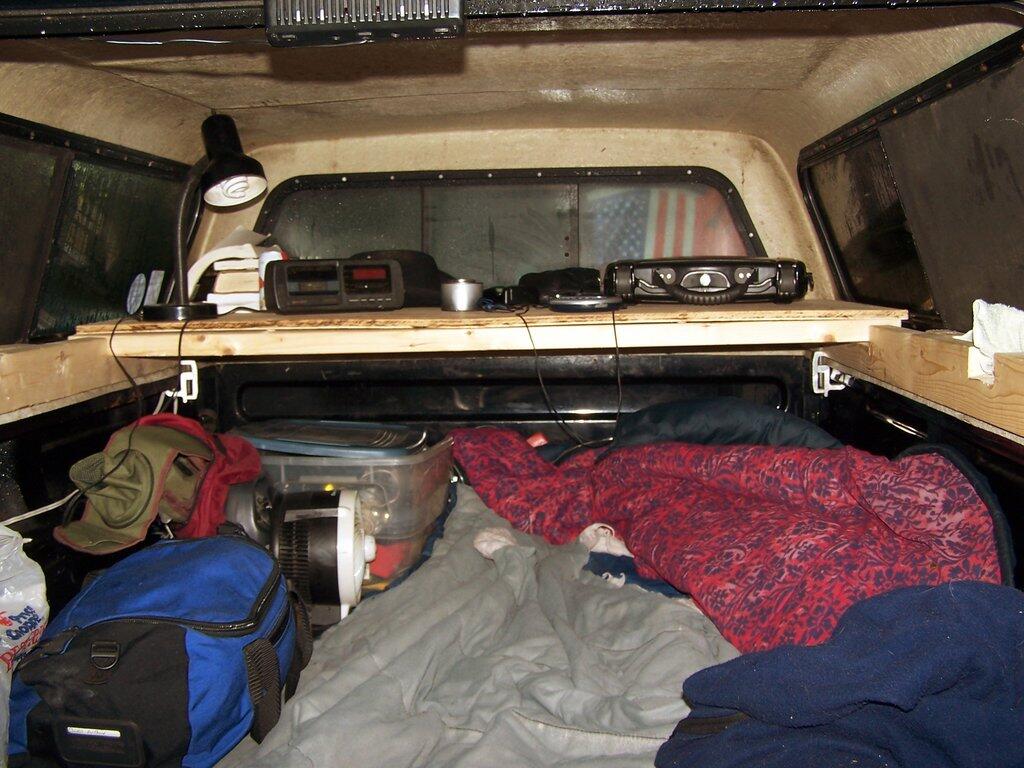
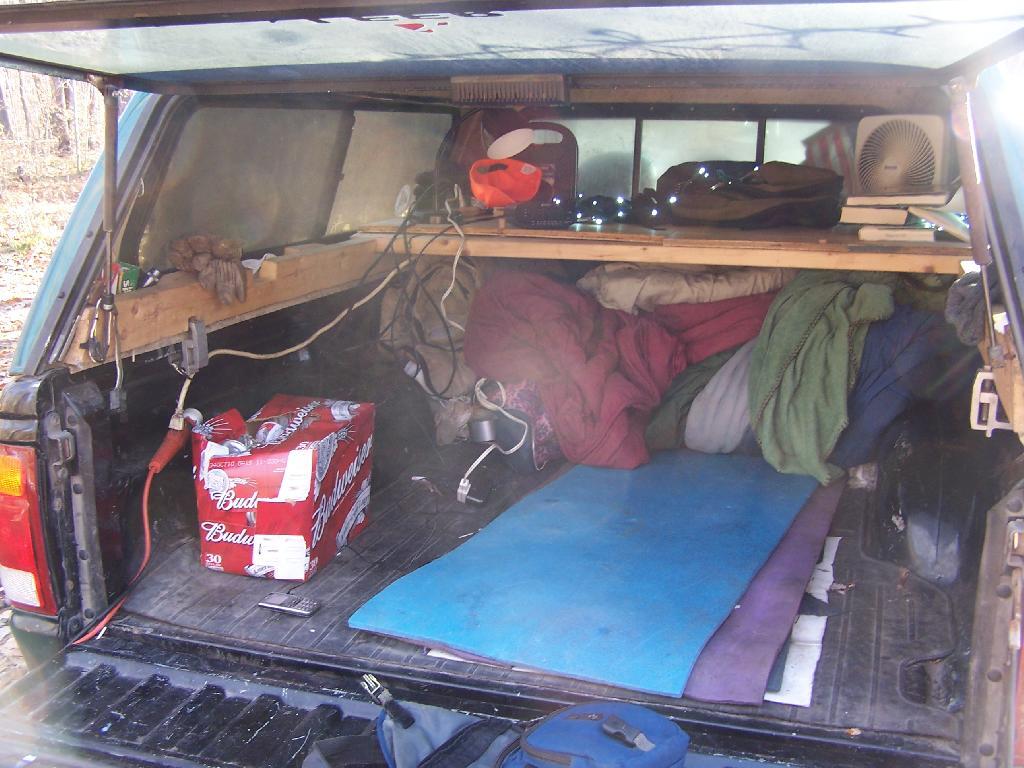
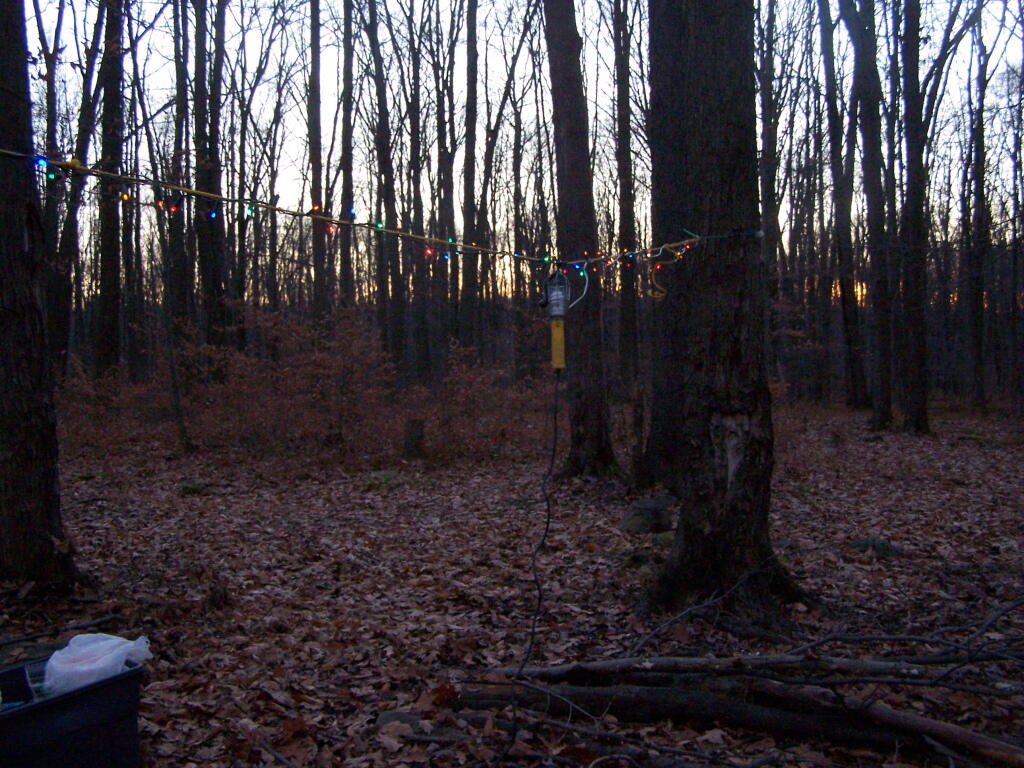
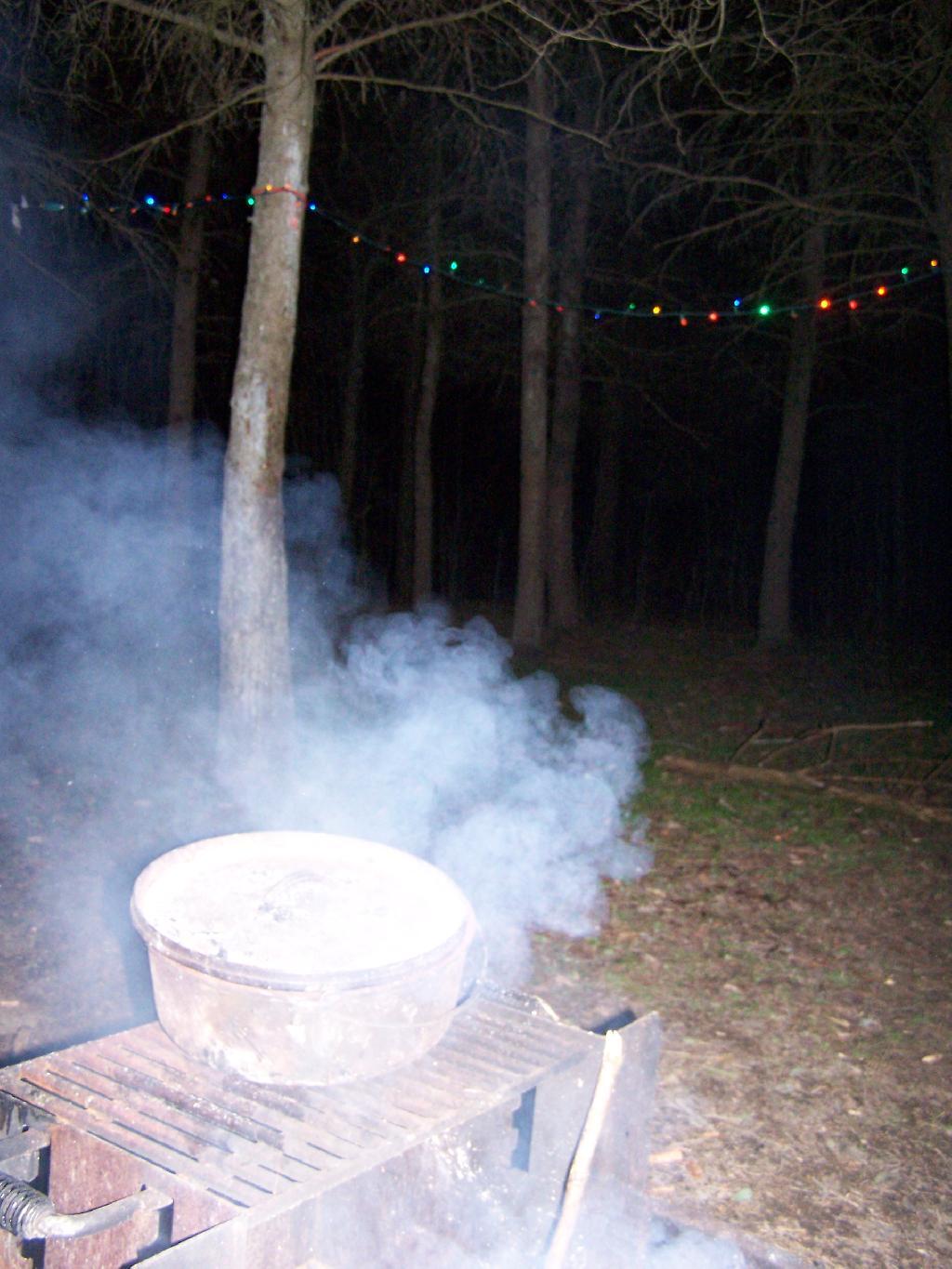
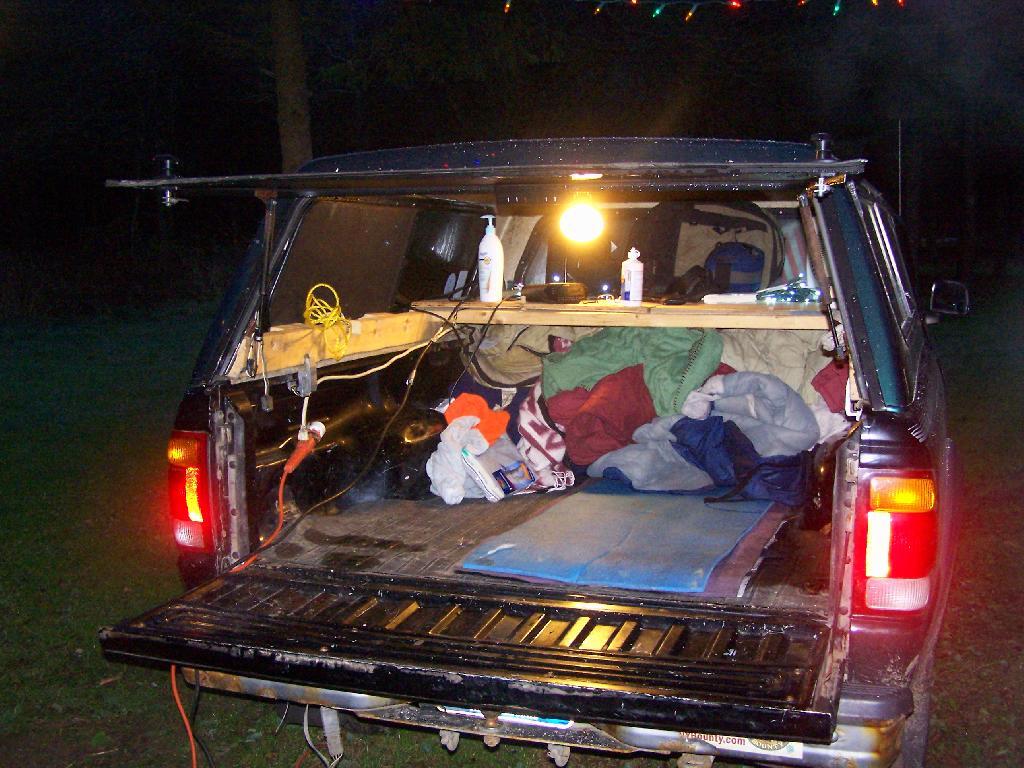
I strung a line out to hang up the Christmas lights I used for ambiance and background lighting at night, and built a campfire in the firepit. I was moving stuff between the cab and the back of the truck when I took this picture.
Inside my camping rig when I was camping up there.
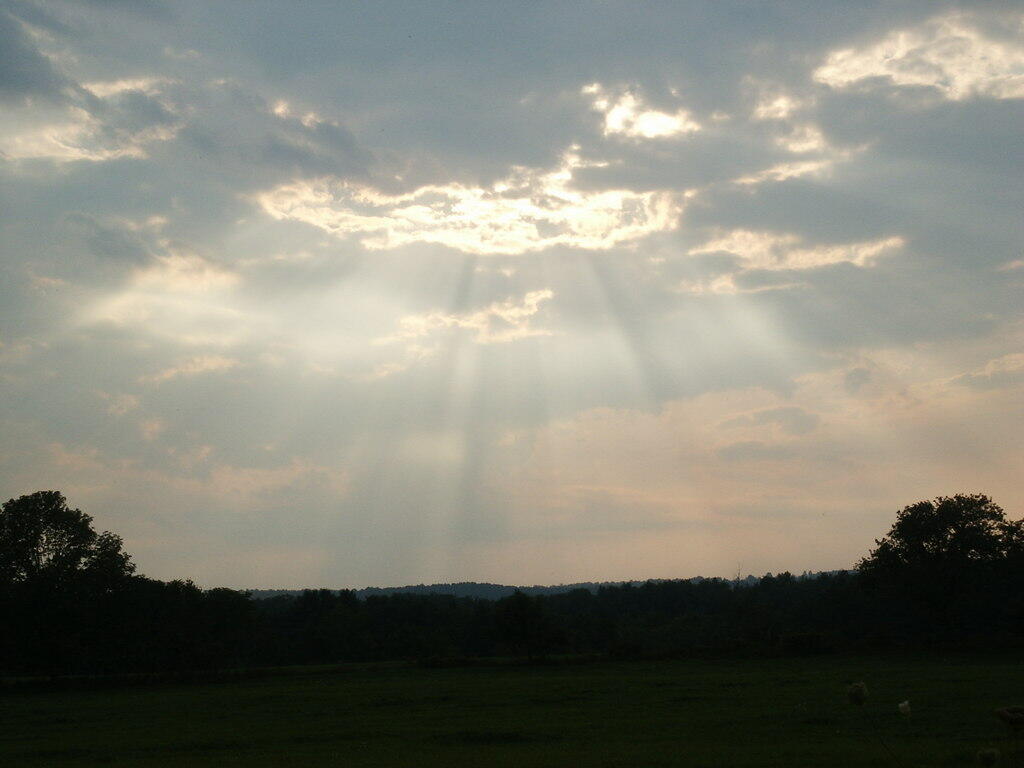
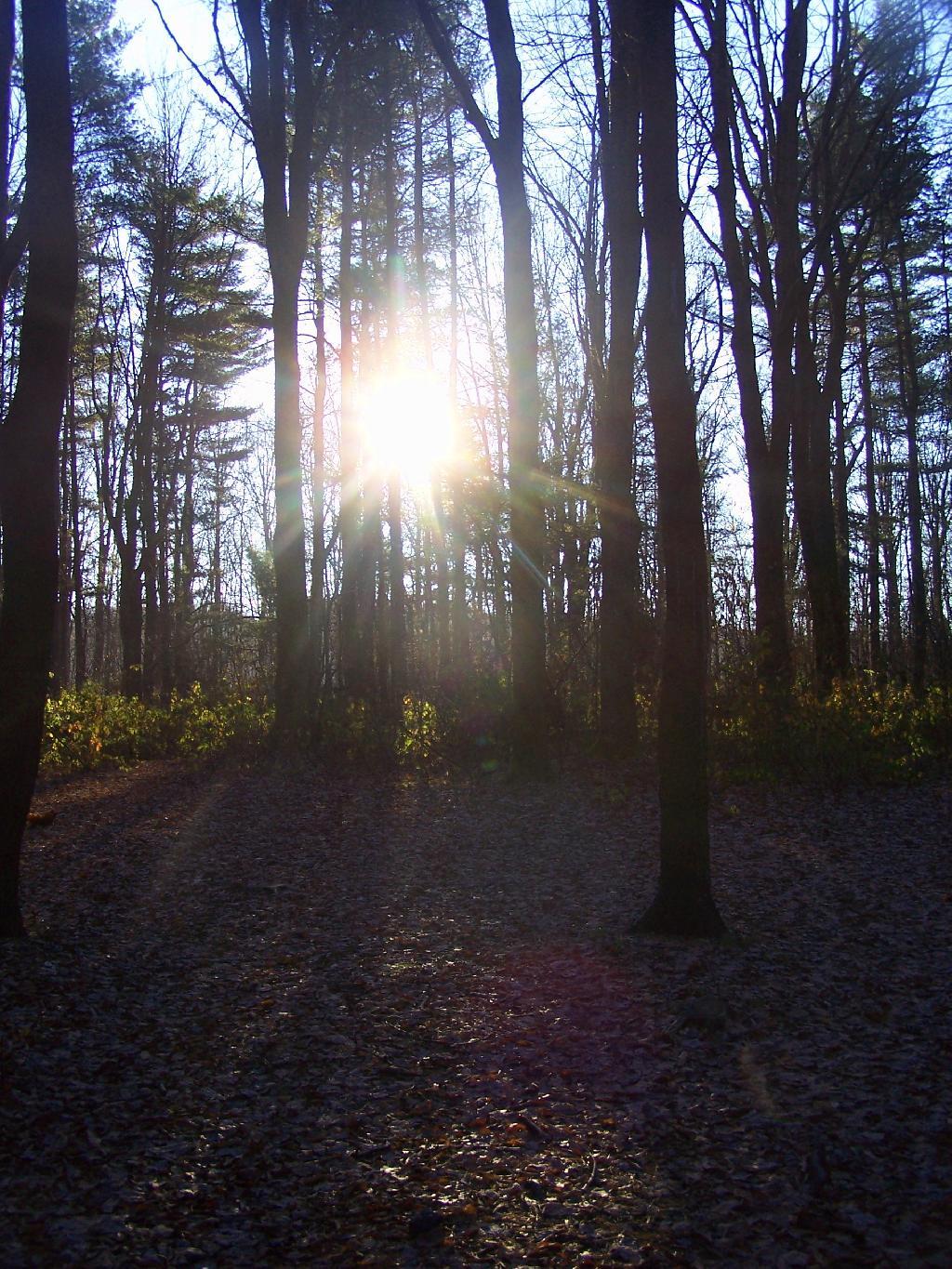
In the evening, watching the sun set, a little after 5 pm…
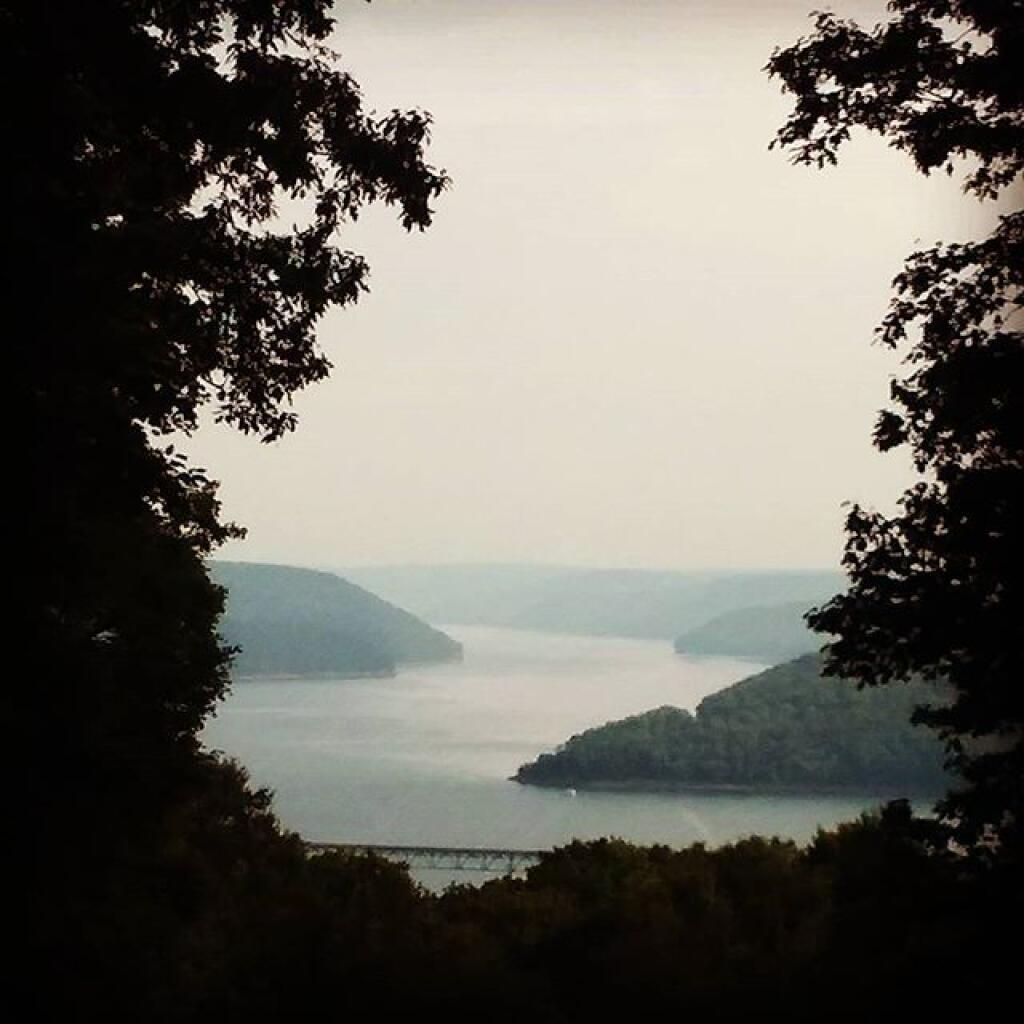
There are many things to see at Allegheny National Forest (all free) from the Rim Rock to views from Jakes Rocks to the views of Reservior. There probably was much more I could have seen had I spent more time camping up there.
… I hope you enjoyed this brief look back from my experiences camping up at the Allegheny National Forest in November 2010.
Stoney Pond State Forest is located in the highlands between Morrisonville and Cazenovia, and includes a camping area that requires a free permit in the summer. I camped there on November 7, 2010 on a very cold morning.
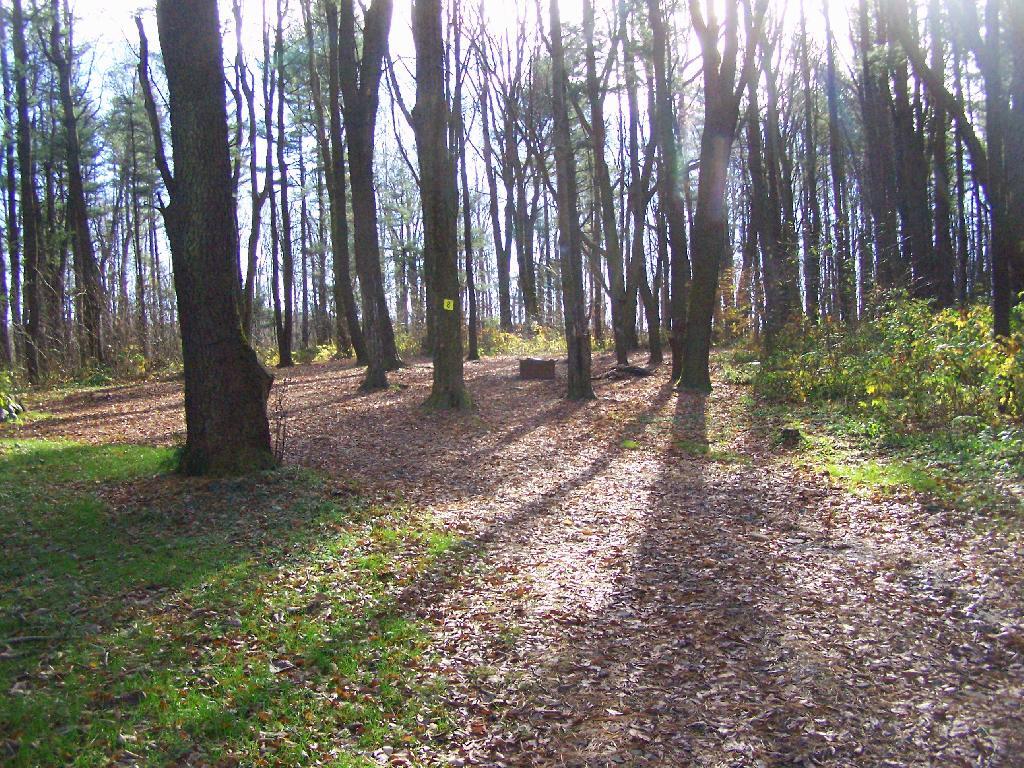
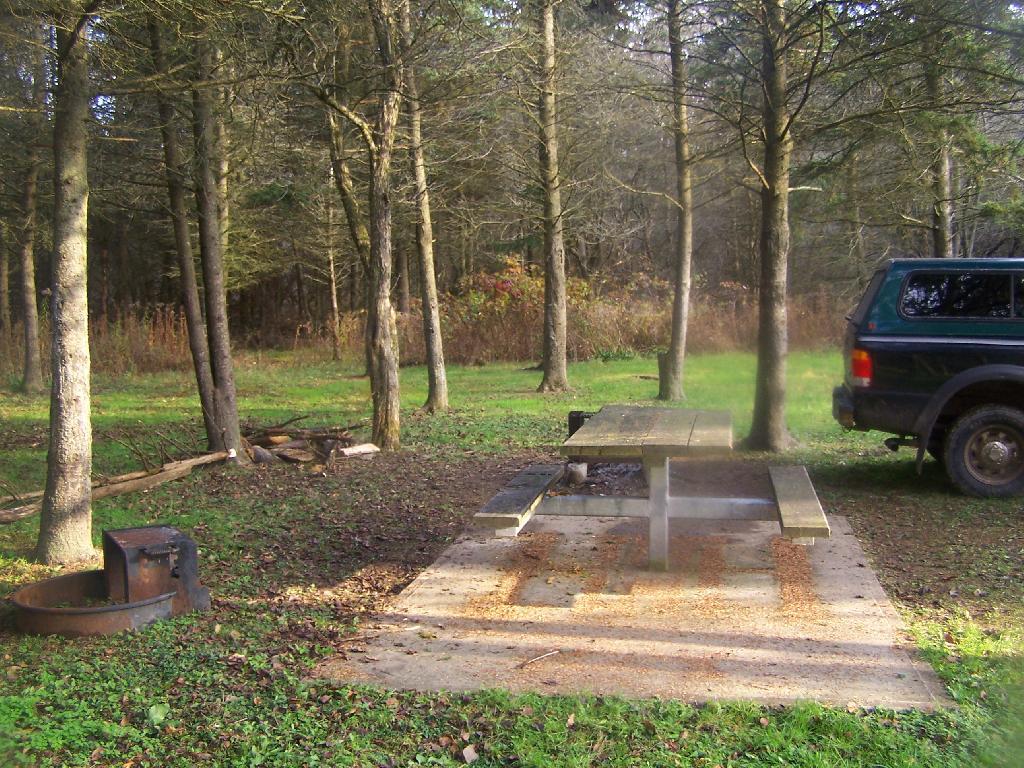
Waking up truck camping in November meant morning came real early, especially because I had to get going with night approaching fast. This was campsite number eight under the morning light. All of the campsites at Stoney Pond had these great round fire rings.
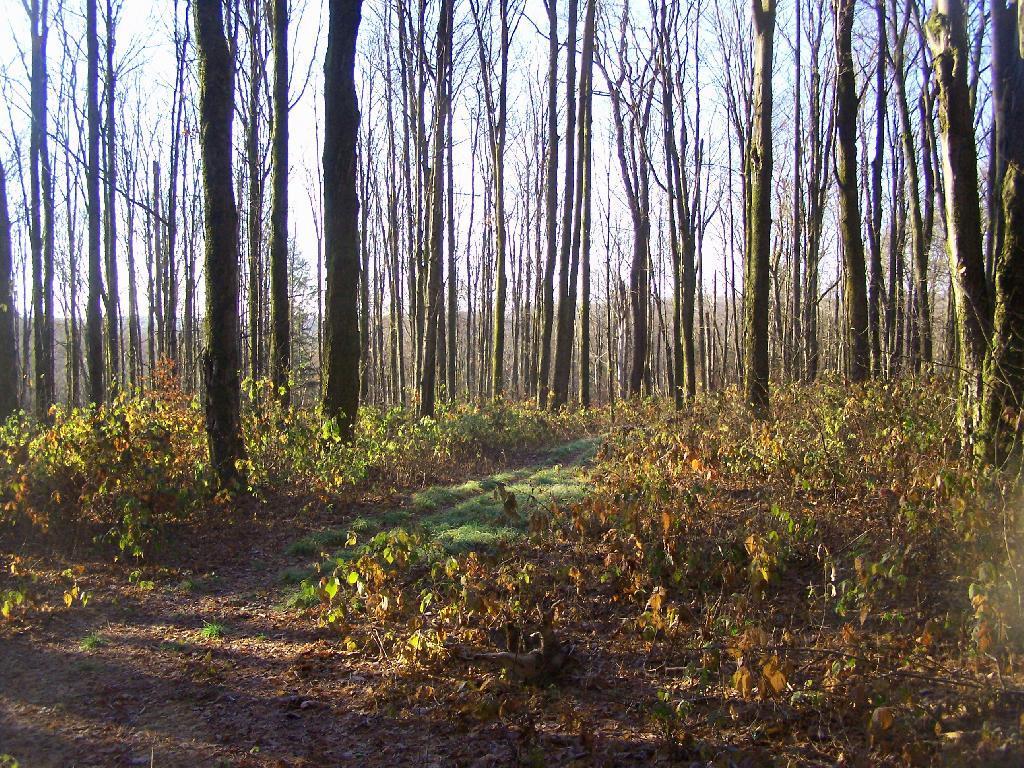
Walking Through The Woods. There isn’t much in the way of leaves on the trees right now.
Frost on the Leaves.
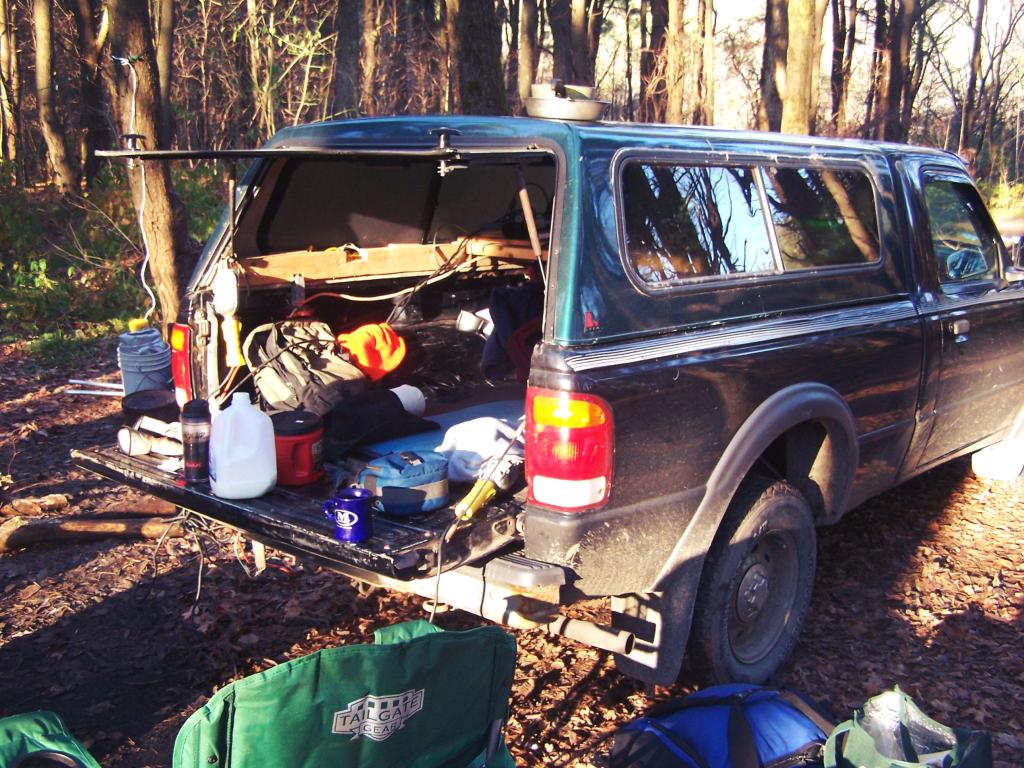
Truck Camping. In the morning, having my cup of coffee and getting ready to face the day’s adventures. I need to get a table, so I don’t have so much clutter on my tailgate — there are no picnic tables at Stoney Pond.
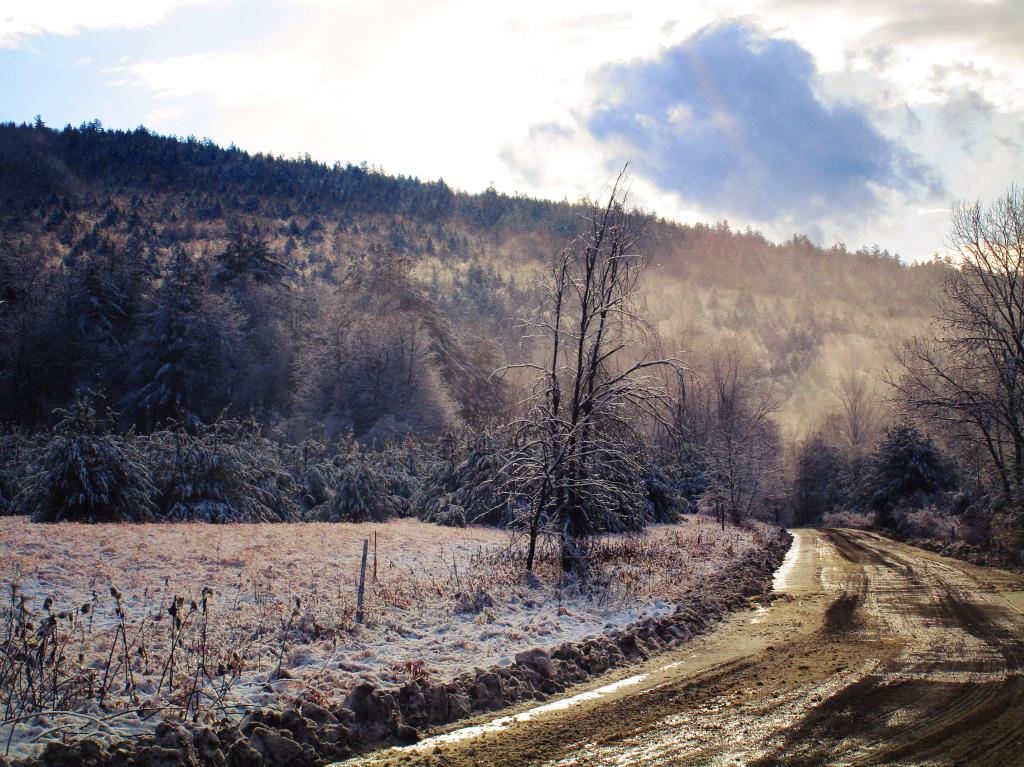
Icy Ruts. It was that cold in the morning that muddy ruts up there iced up.
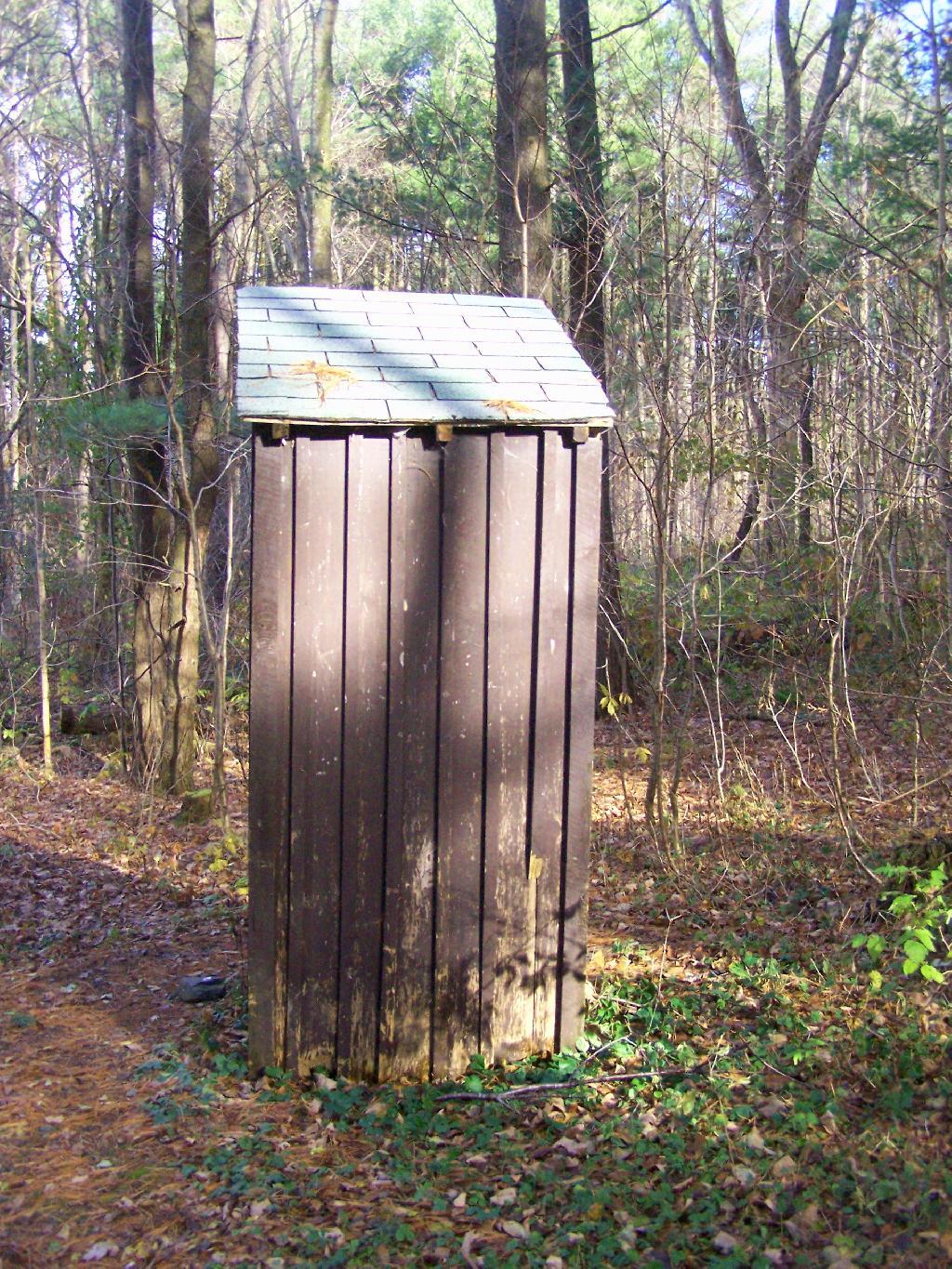
Outhouse. In the summer months they also have port-a-poties down by other campsites.
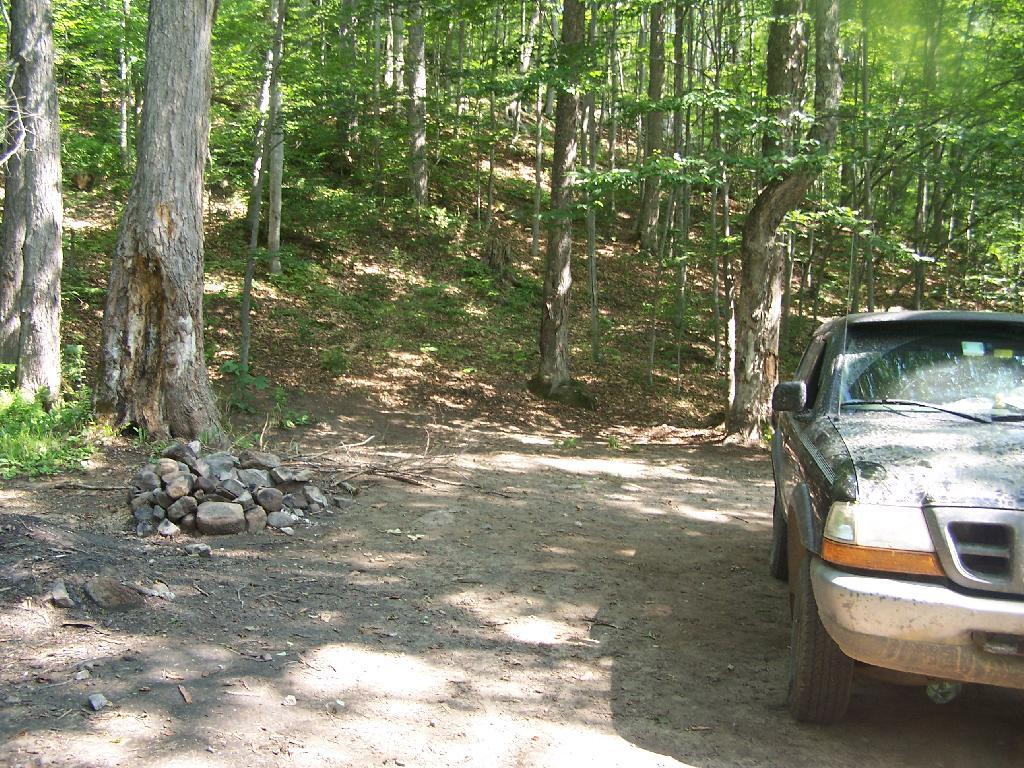
Campsite 8. This is where I camped at, as seen from the road. I liked this site a lot because it was well set back.
Campsite 4. Another really nice campsite, although a bit closely spaced.
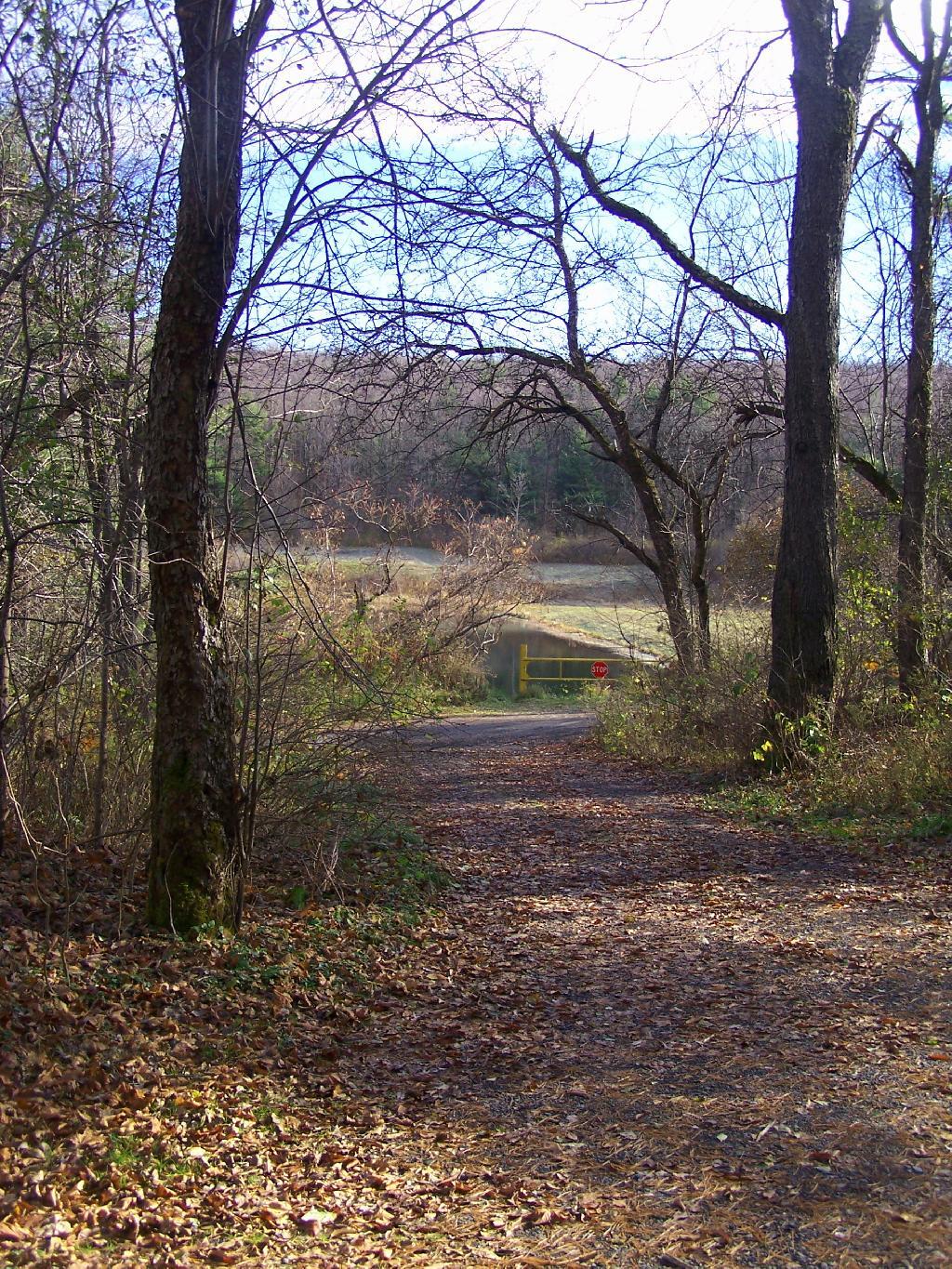
Path Down to Stoney Pond. There is a road that goes down to Stoney Pond for those wanting to launch a boat into it.
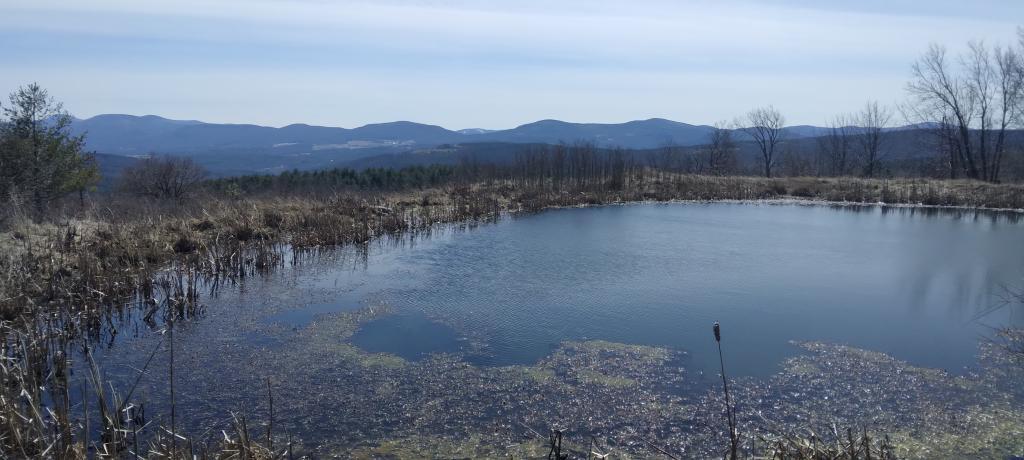
Stoney Pond. On on side, there is a sandy beach/boat launch.
Campground Roads. There is no charge to camp here, although they want you to call the forest ranger for a free permit in the summer to control usage.
Campsite 1. Not a very nice campsite, but I guess if you want a drive to place where you can camp, and other 15 sites are full, it can be used.
On my way down to Pennsylvania and on my way back to Albany, I spent a two nights camping out at Sugar Hill State Forest, lower Assembly area. While the area is primarily designed for equestrians, it does offer a person who seeks drive-in camping without a permit in Finger Lakes Region a place to stay.
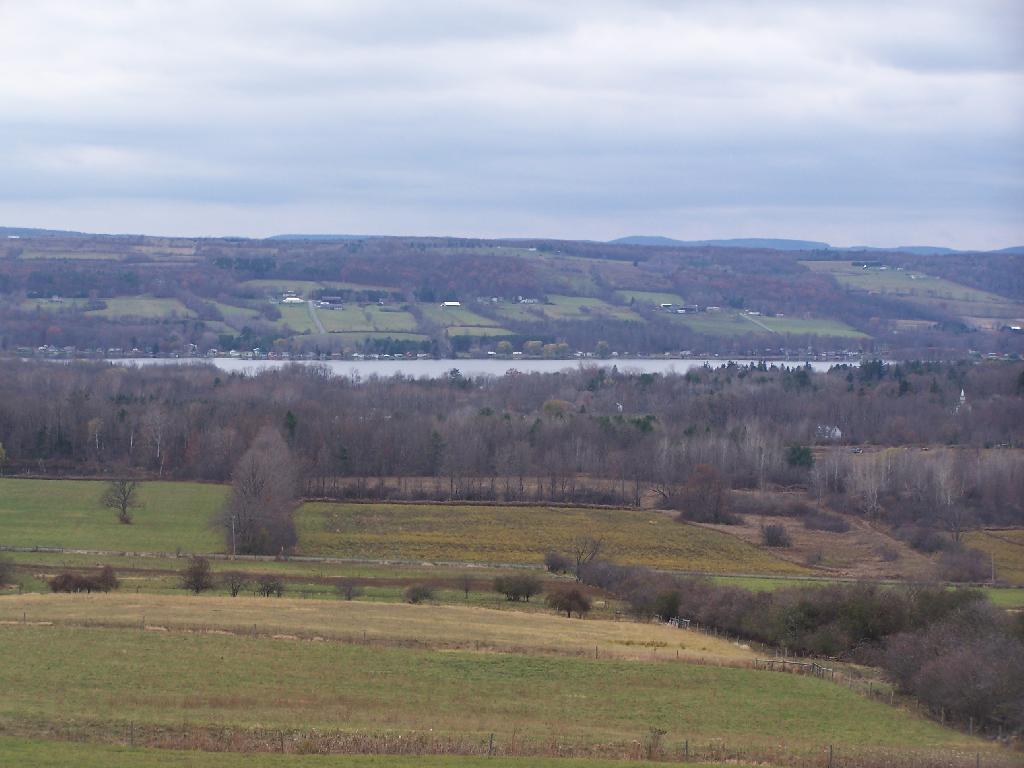
On the Sunday night driving down to Pennsylvania, there was nobody else around but a bow hunter I saw in the morning. On Friday night, there where a lot of horse owners, because the Upper Assembly-area was closed for the winter. I drove around, hoping to visit the fire tower a top the Assembly area. Unfortunately, it was closed for the year. I did get some interesting shots from Tower Hill Road, heading up there, looking down at Seneca Lake.
On the other side of the ridge from Tower Hill Road, you can see Keuka Lake. It looks a lot different this time of year then in other times of year. I do wish I could have seen it from the fire tower, although I guess the fire tower has limited views due to trees growing up. I could have hiked up to the tower, but it’s a ways back, with the road gated off.
Next I drove down to Birdseye Hollow State Forest / Sanford Lake. Got lost. I know this time of year you don’t need camping permits for it, but it looked it was only tent sites. Things where pretty grown up, and it was getting late. I ended up driving back up the hill, to Sugar Hill, and settling in at the Lower Assembly area. On Sunday night, all the horse campers had packed up and gone back home.
I proceeded to make baked zita in the dutch oven, over a warm open fire. Somebody had left firewood from the previous weekend, and there was ample dead and down wood nearby in the forest, so I really nice warm fire.
I like the campsites down at Sugar Hill, although I wish they offered more privacy. Yet, I guess that’s not how Assembly areas work at horse camps. That said, on a Sunday evening, there was nobody else around. It was a bit more crowded the following Friday, for my return trip. It was a nice night, and great meal.
Morning unfortunately came early, with the change of day light savings time, and it was dark when I set my alarm clock for 6:30 AM. Yet I knew I had a big day ahead, driving down to Pennsylvania, so I was before dawn. But eventually the sun rose over the pines of the Lower Assembly day, and it was a beautiful morning.
I packed up my gear, headed across a muddy truck trail to get packed up, took kind of a bath using a tea-kettle with hot water, and I was on my way to Pennsylvania. The camera lens kind of was fogged up from the cold.
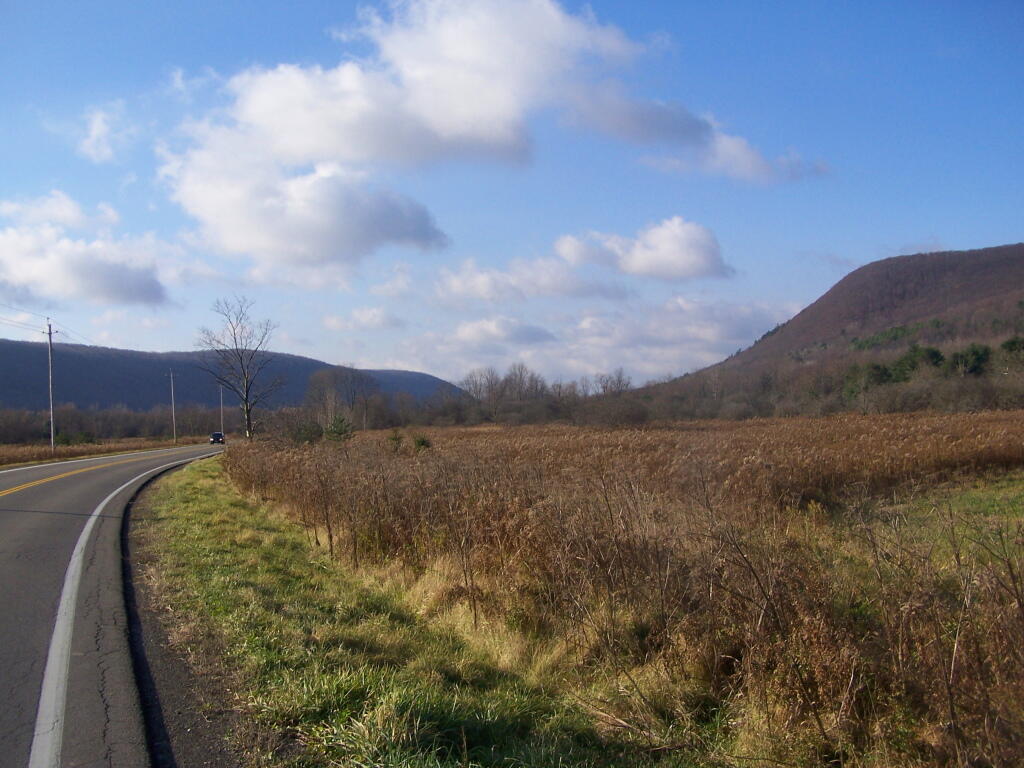
The drive to Pennsylvania was spectular, especially just South of Sugar Hill in Coon Hollow (really a wide valley), with beautiful farms lining the road, and tall mountains surrounding it.
As a side note, I also stayed here on Friday, November 12. There where a lot of equestrians that where using the area by around 9 PM, with lots of horse trailers. Many came late. This Lower Assembly area doesn’t get much use in the summer, compared to the Upper Assembly area, but this time of year with the Upper Assembly area closed, many where down here for the weekend. Weekdays, you’ll probably be alone camping here — especially in the winter.
In the Adirondack Park there are several parcels of timberland that are so-called Conservation Easements that are privately owned and logged, but allow public use. Many of these Conservation Easements were entered into about a decade ago under the George Pataki Governorship, as an effort to increase public access to Adirondack lands but still allow timber companies to log existing Adirondack timber areas.
Perkins Clearing Road, an easement road in Perkins Clearing, owned by International Paper/Lyme Adirondack Timberlands, LLC
Many conservation easements:
Are actively logged by timber companies.
Allow the public to hike on and explore.
Have road-side campsites for people to camp.
Allow hunting, fishing, paddling, and public enjoyment.
Give timber companies lower taxes and better protection of their lands by regular ranger patrols.
High quality roads maintained by a unique partnership between Timber Companies and the State.
Outside of the Adirondack Park, most State Forests are regularly harvested and actively managed for timber resources by the state. Inside the Adirondack and Catskill Parks, the state constitution specifically prohibits the taking and sale of timber on public lands. Therefore, if the state wants to keep using existing timber lands for continued timber harvest, the only way they can do it is keep the timber lands privately owned, but managed by state for a public purposes of conservation and recreation alike.
Looking at the Perkins Clearing Easement from Pillsbury Mountain.
One can argue that the forever wild provisions of the state consitution are outmoded, a byproduct of the degregation of our forest lands from the mispratices of the industrial revolution. Many of the early timber harvests tragically did not consider the impact of errosion or inappropiate clear cuts in sensitive areas. Some areas should have been off limits, but at the time our state nor did industry follow good practices. We are now stuck with the state constitution we have.
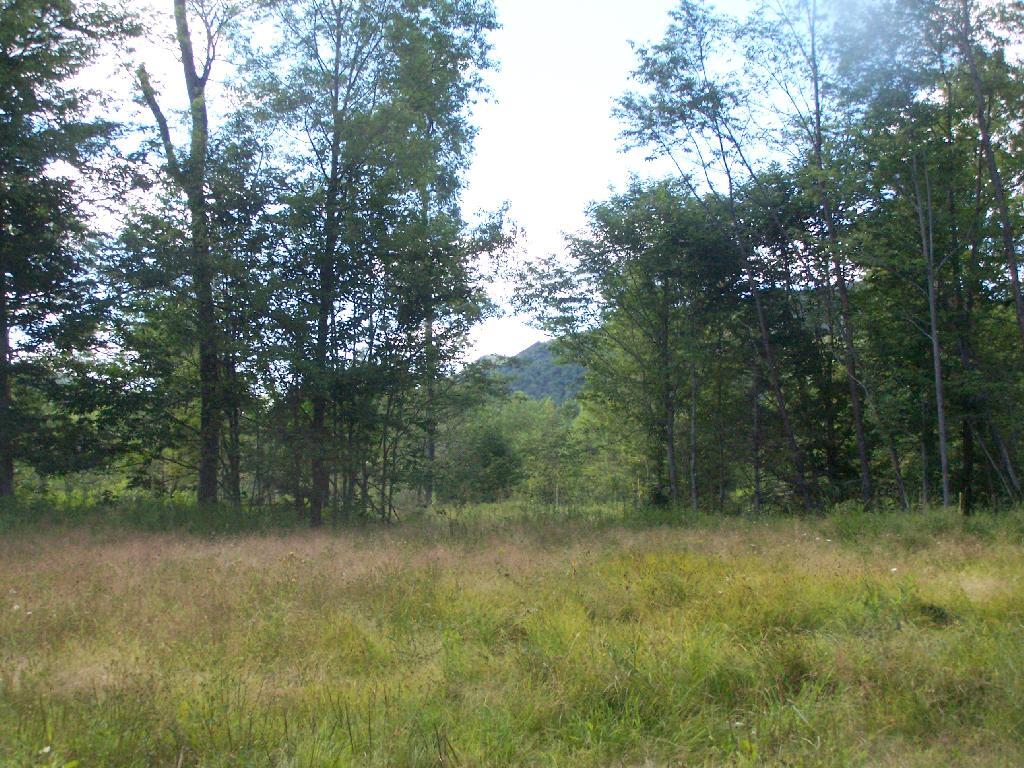
A selectively logged parcel, made into several meadows that will eventually revert back to hardwood forest and become a future timber crop.
It is good to see our state is protecting important pieces of timber land, yet also allowing economic development associated with responsible timber practices and recreational use of these parcels. Yet, it does seem like an end run of constitution’s forever wild doctrine, to have essentially public lands (although on paper privately owned), and allow timbering on them by private companies.
Designated Road Campsite inside of the Perkins Clearing.
It is unlikely our consitution will be amended for true public ownership of working timber parcels in Adirondacks. The high level of protection for true public lands in the Adirondack Park will continue, and while Conservation Easements might allow an end run around the consitution, they do benefit all parties — those who want the jobs and profit from logging and those who want more public lands for recreation.
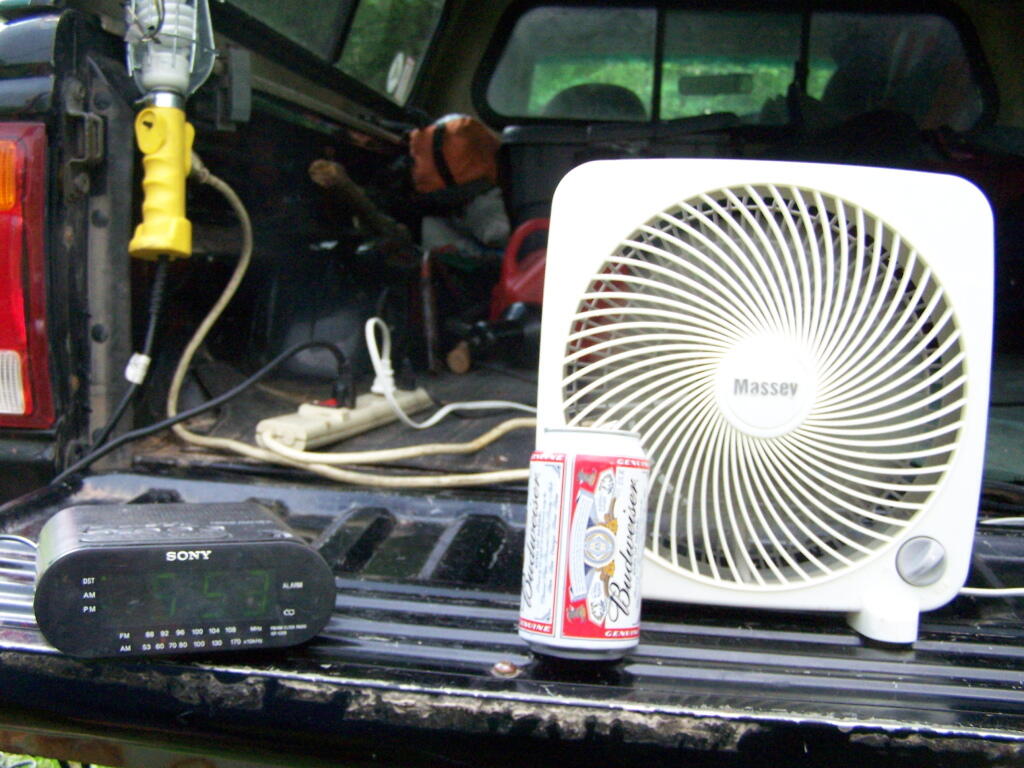
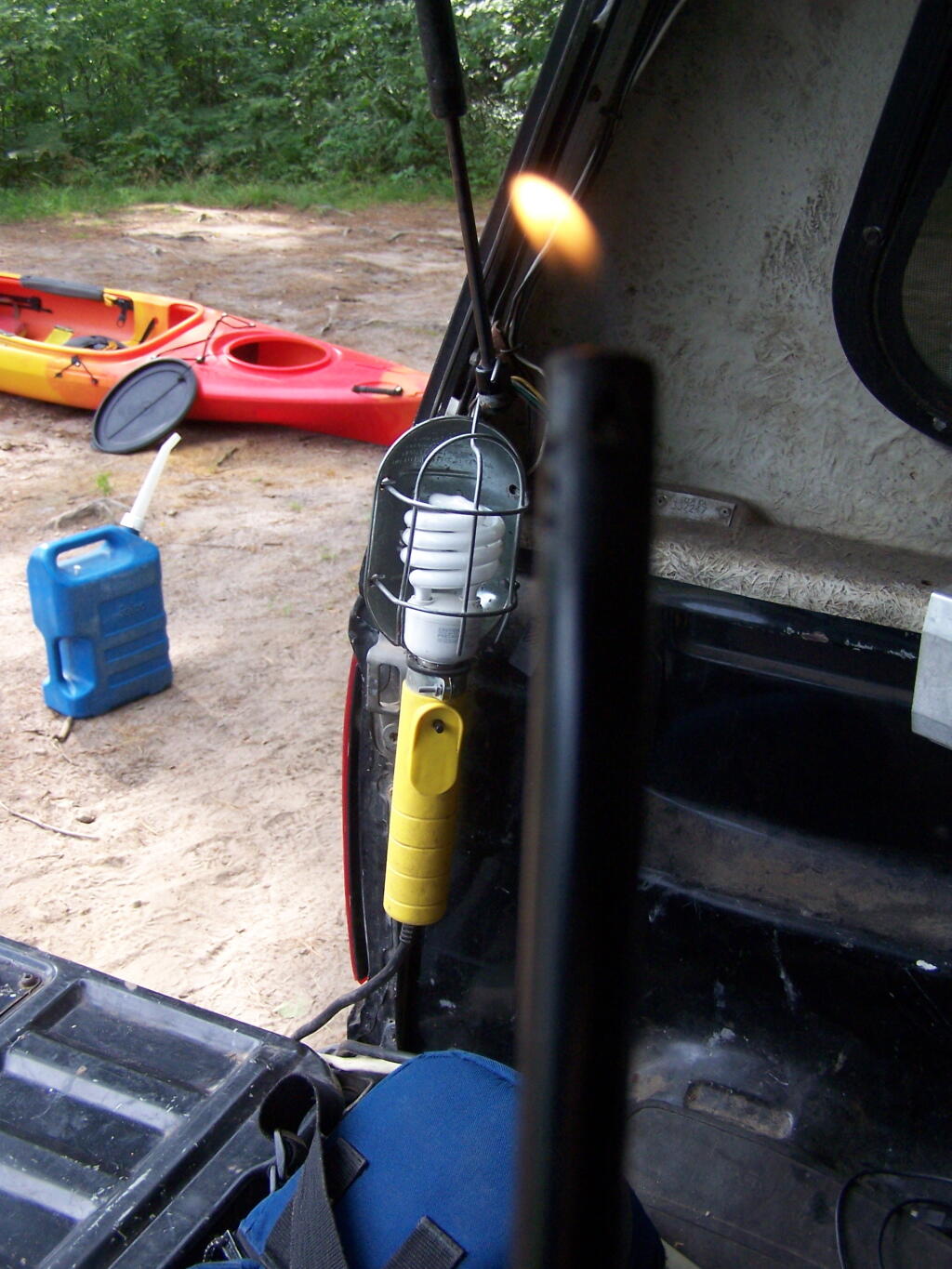
For wiring in my system, I use two sets of surge strips. One is plugged in the cab of the truck, directly to the inverter. This is used for charger and cords I want in the cab. When parked and camping, I then use a 12 foot extension cord / lead lamp cord, to run power out to the bed. There is another surge strip plugged in there. From there, is were I plug in all the appliances to the bed, along with the two other lead lamps that I use when camping.
Compact Florescent:
My Set Up & What You Need to Know.
Whether or not you believe in global warming or the price of your utility bill, compact fluorescent are a technology you want to embrace when truck camping. Truck battery technology — whether or not you have a deep cycle or starting battery is limited in the amount of current it can retrieve, prior to requiring you to start up the truck and generate more current.
Low-cost, high-efficiency compact florescent lighting (CFL) is the most important invention when it comes to truck camping. You can get a lot of light on your campsite using CFL technology, with minimal battery drain. For example conventional incandescent bulbs versus florescent lighting:
40 watt incandescent = 9 watt florescent
(50 watt incandescent estimated output of camp lantern)
60 watt incandescent = 12 watt florescent
100 watt incandescent = 24 watt florescent
You can therefore, produce a lot of light using compact florescent lamps compared to camp lanterns. You can have the best lit campsite around town! I swear any time I camp at Moose River Plains, people wonder why my campsite has so much light.
I typically use two lead lamps I bought at home depot for $9 with 24 watt florescent bulbs. The fixtures are rated for 75 watt incandescent bulbs, but with the cooler and lower energy consuming florescent bulbs, you can get more light output out of these fixtures then you normally would. Moreover, your saving your battery by the lower electricity consumption.
For inside the truck cap, I use a desk/reading lamp outfitted with a 9-watt compact florescent light. I have used bigger lamps, but under in the intimate space of the truck cap, you don’t need more light for reading other activities. Why waste energy, that you can conserve, and avoid having to start the pickup on up?
Other Electrical Appliances.
When I’m camping, I always bring a portable (desk) fan, a clock radio/alarm clock. I also often bring my laptop, charger, along with chargers for things like my mp3 player, cell phone, and portable weather radio. I could also bring more devices, and indeed I have plenty of current with an 800 watt inverter (remember 742 watts = 1 horsepower) to power almost anything within reason I could bring camping.
The Truck Radio:
One Other Appliance Not to Forget.
While the truck’s radio is built into the truck, it can be a great source of entertainment. Just roll down the windows, and crank up the tunes up! Be aware however that the radio uses a lot of electricity compared many of the appliances you might plug into your inverter.
ou might find it more energy efficient (meaning less idling the truck), if you get a portable boombox that you can plug into the truck. Many use a lot less wattage then a conventional car radio, and you can direct the sound where you want.
![Old Canal Warehouse in Chittenango [Expires November 19 2023]](https://andyarthur.org//data/photo_005914_large.jpg)