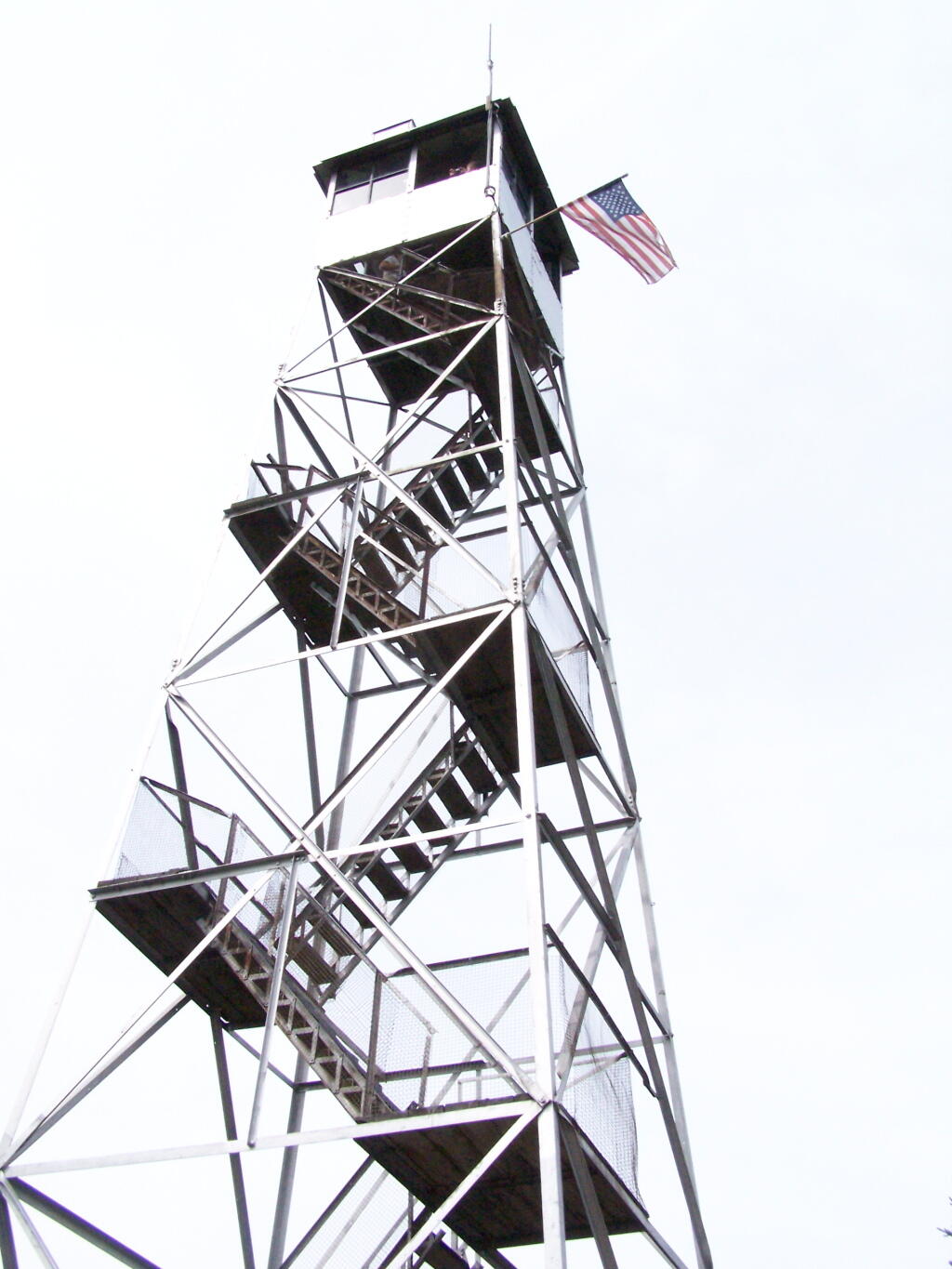
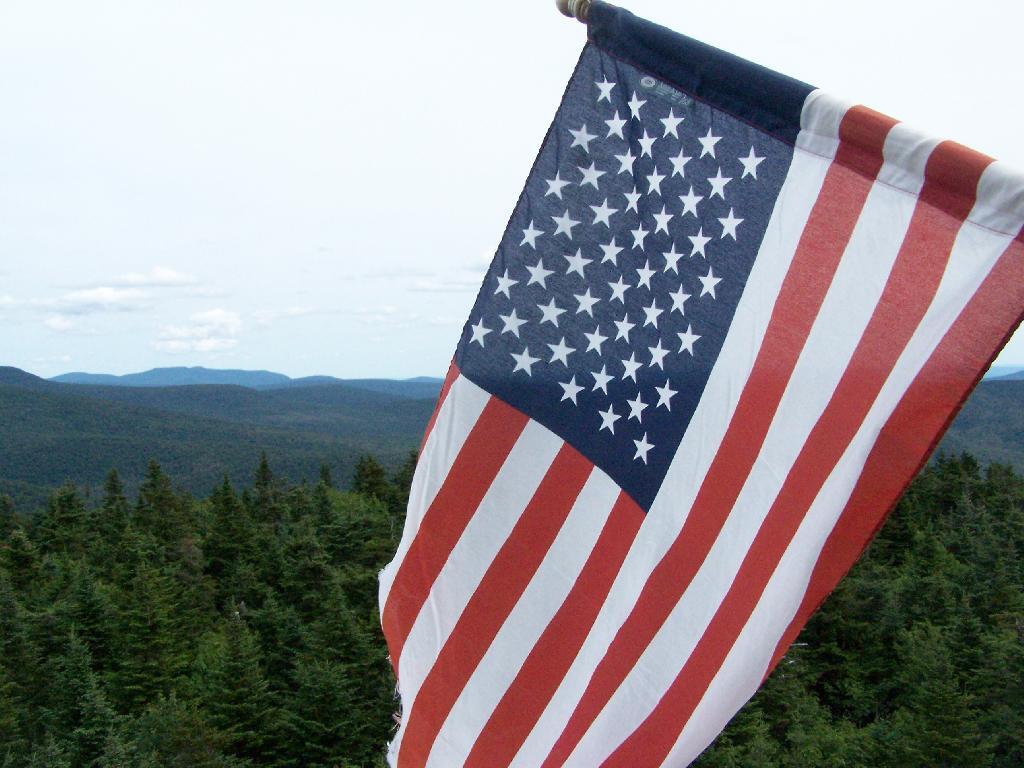
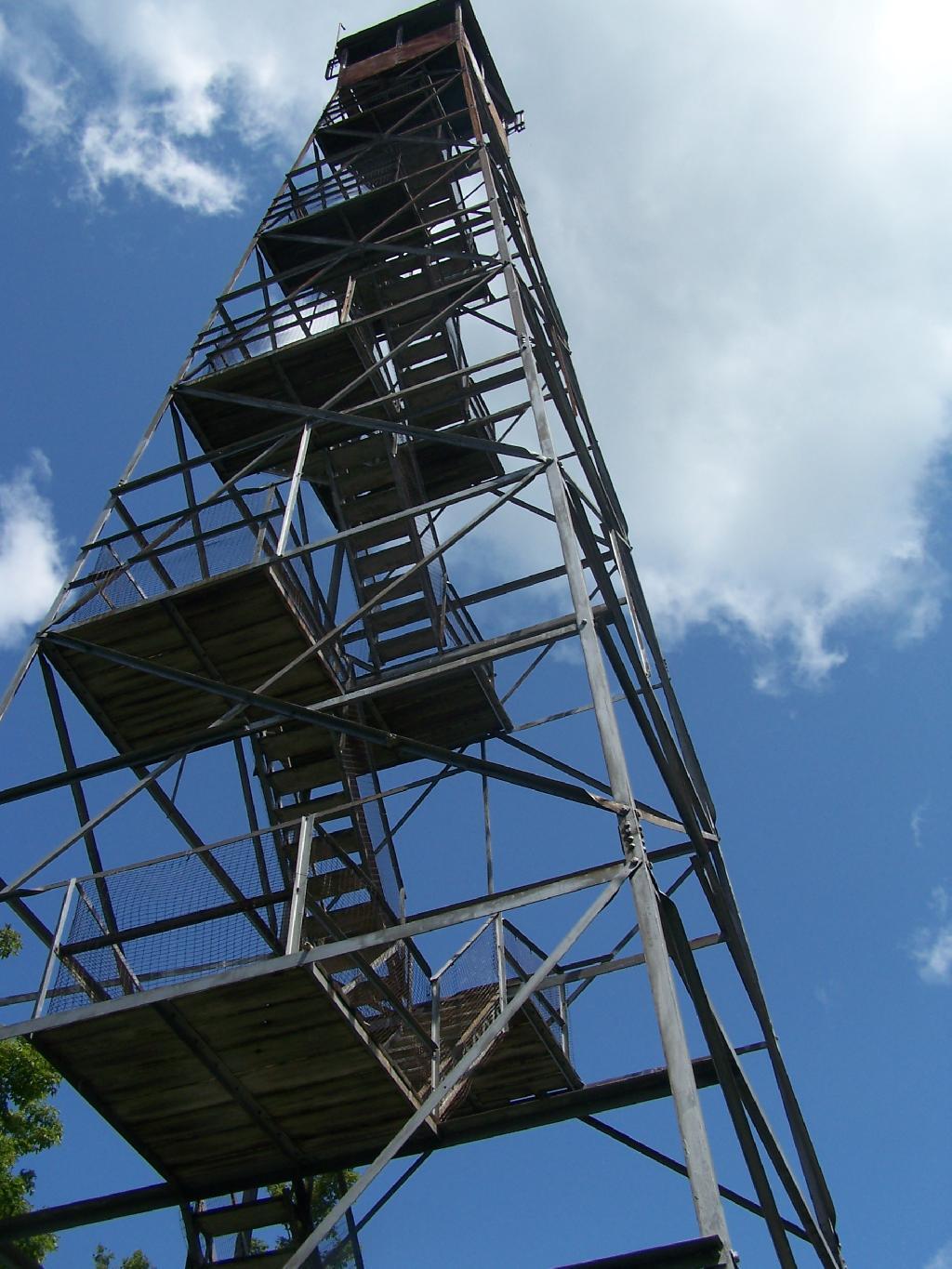
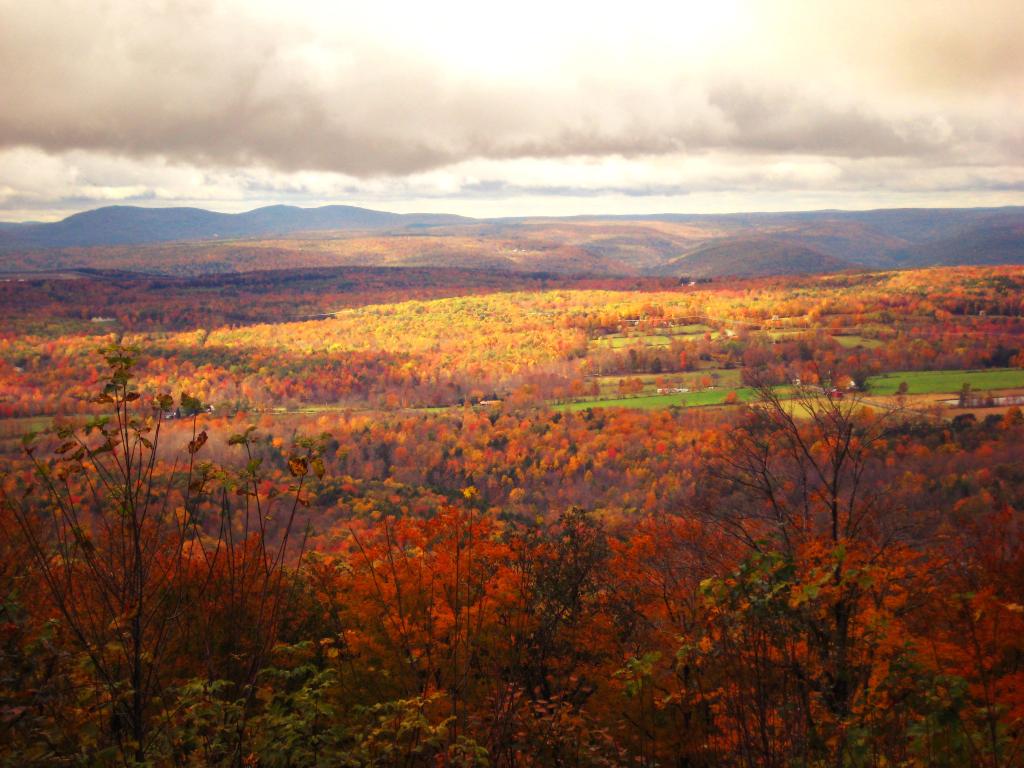
Kane Mountain is located next to Canada Lake, which is just north of Caroga Lake on NY 10. I hiked up there one evening, after spending the day hiking in the South-Central Adirondacks. It is a wonderful, quick hike, perfect after a long day of hiking or outdoor activities as one heads back to the Mohawk Valley or Albany as the case may be.
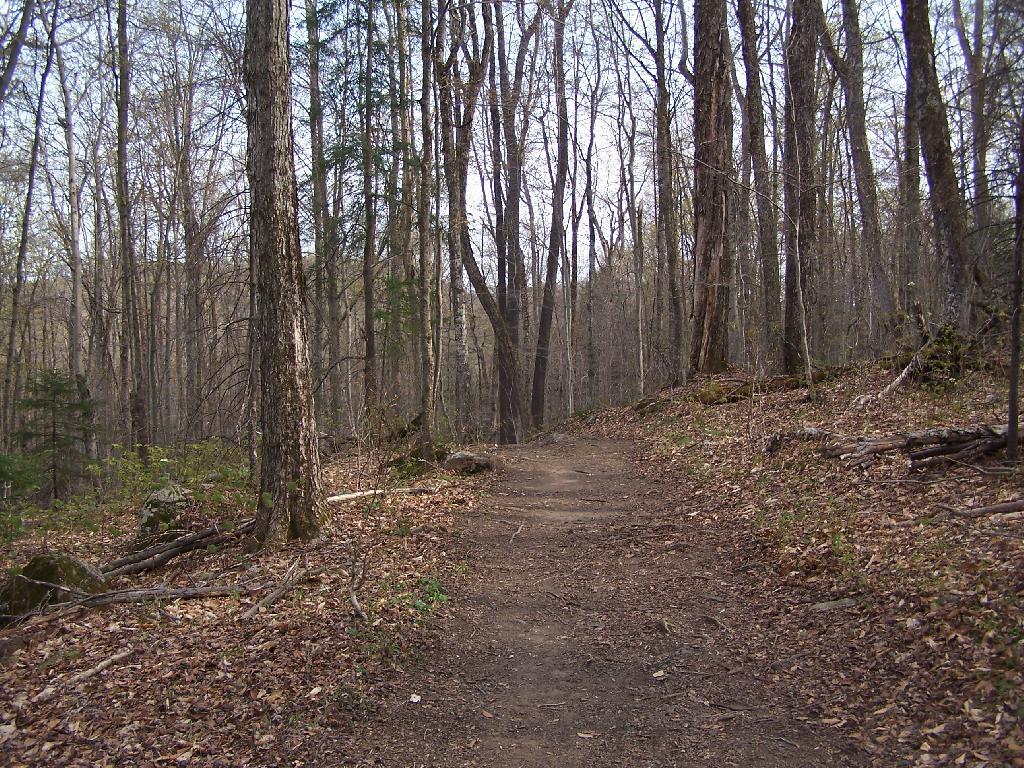
The trail up Kane takes you up about 500 feet in elevation over a 1/2 mile. It’s an old woods road, and well traveled, so don’t worry about hiking after dark if you have a flash light or even just moonlight.
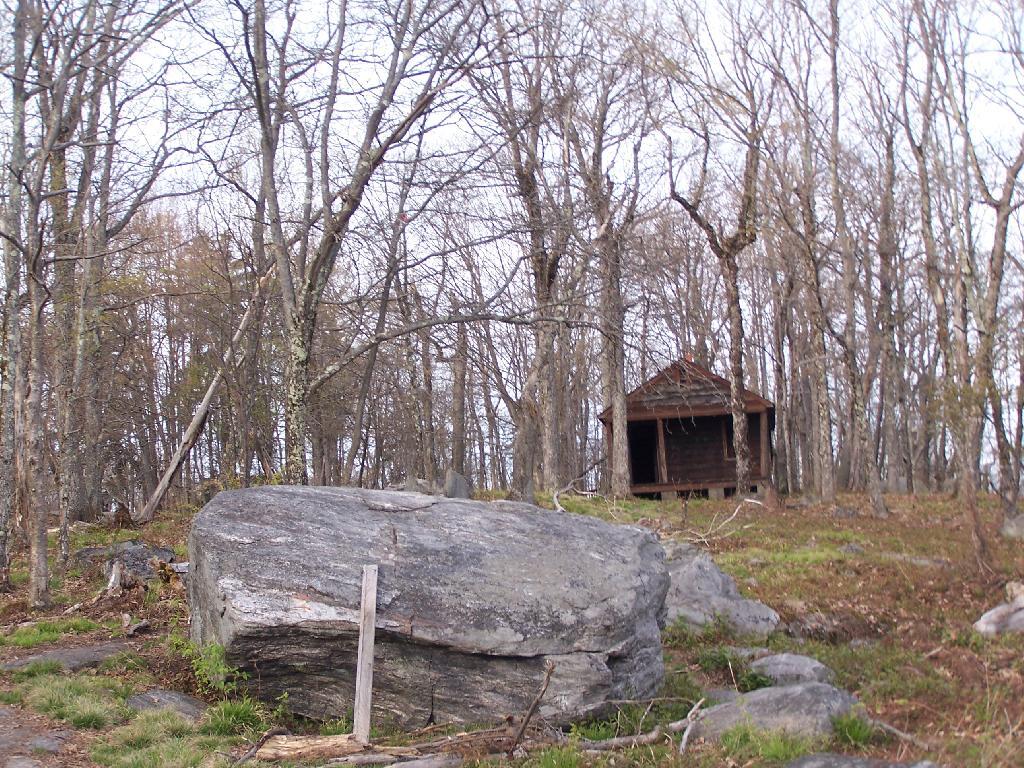
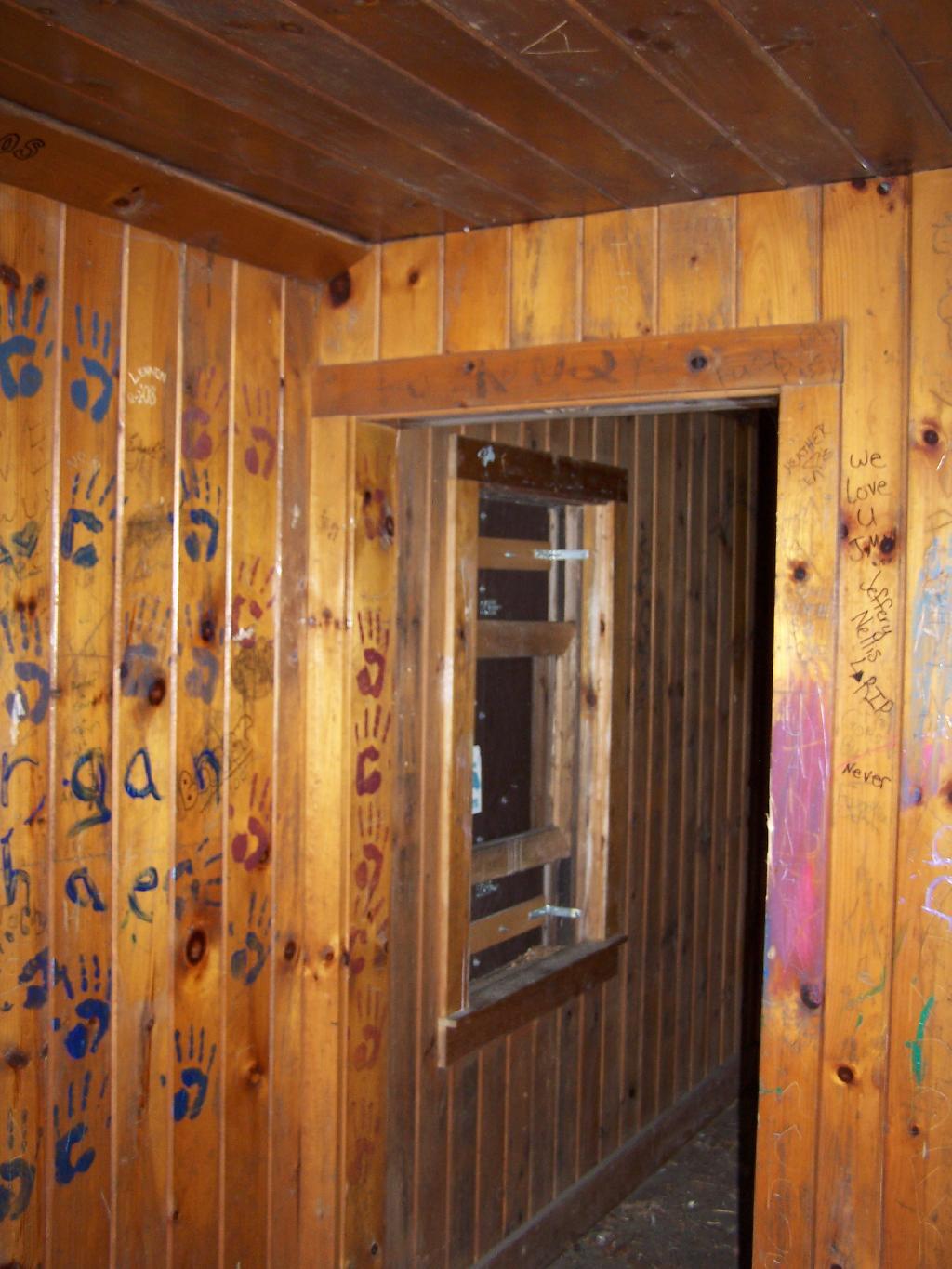
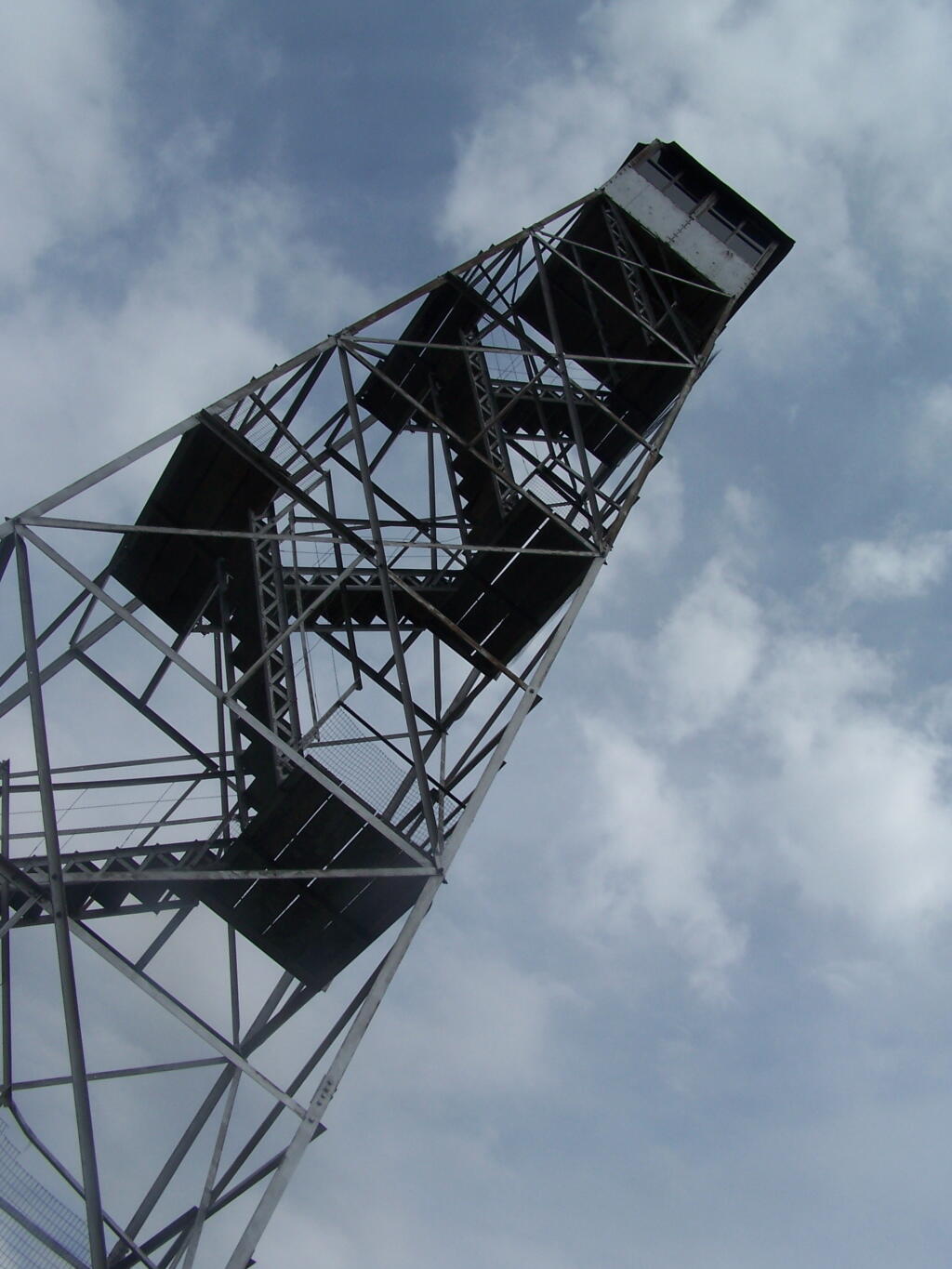
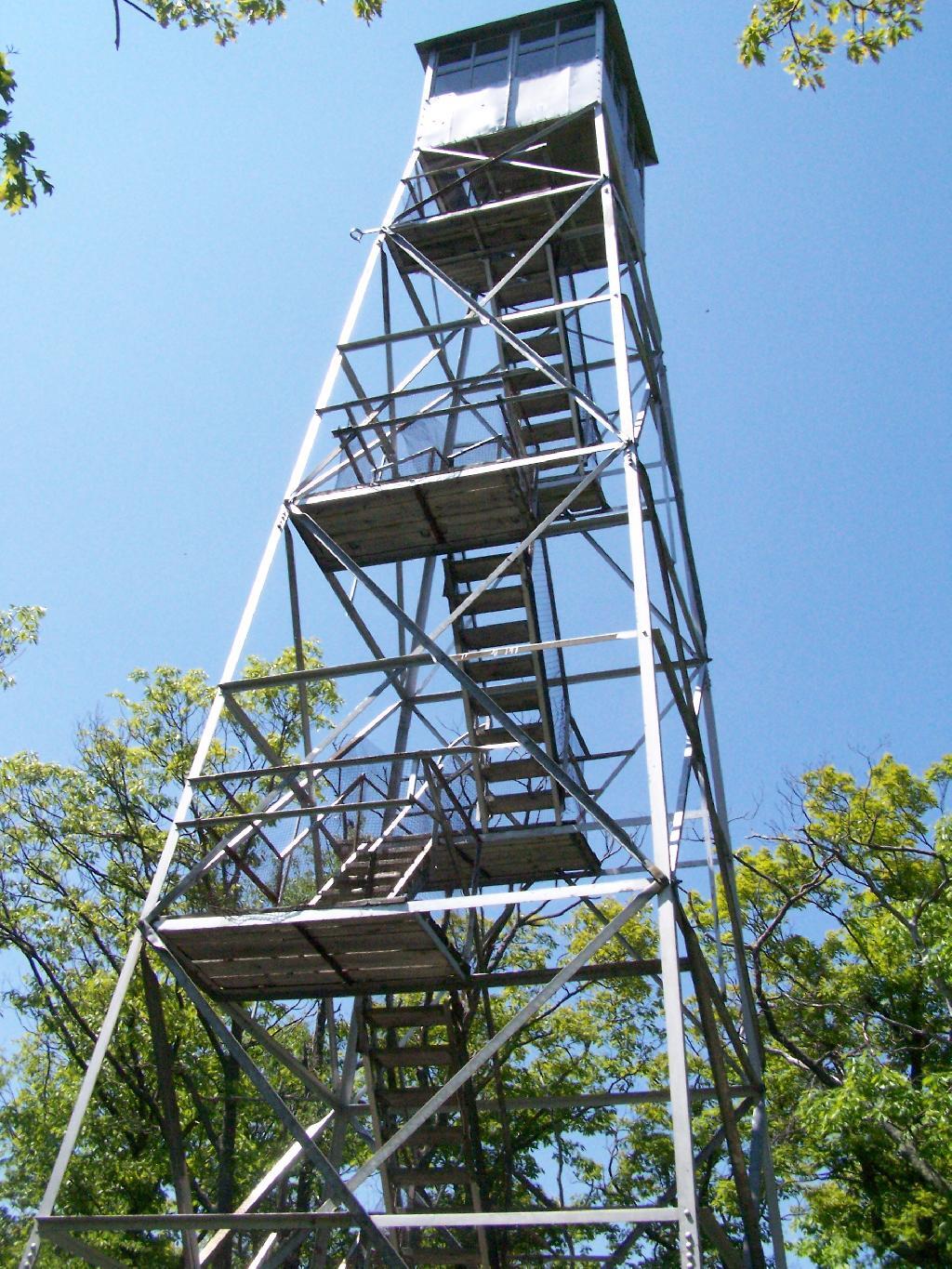
Reaching the top of the mountain you reach the Firetower and an old Forest Ranger’s cabin, which sadly has been broken into and vandelized. It still was interesting to walk in and take a look at the cabin, including the tiny little woodstove that once was there. The bunks and other furniture where long gone from it.
Remind me again why people have to be such pigs?
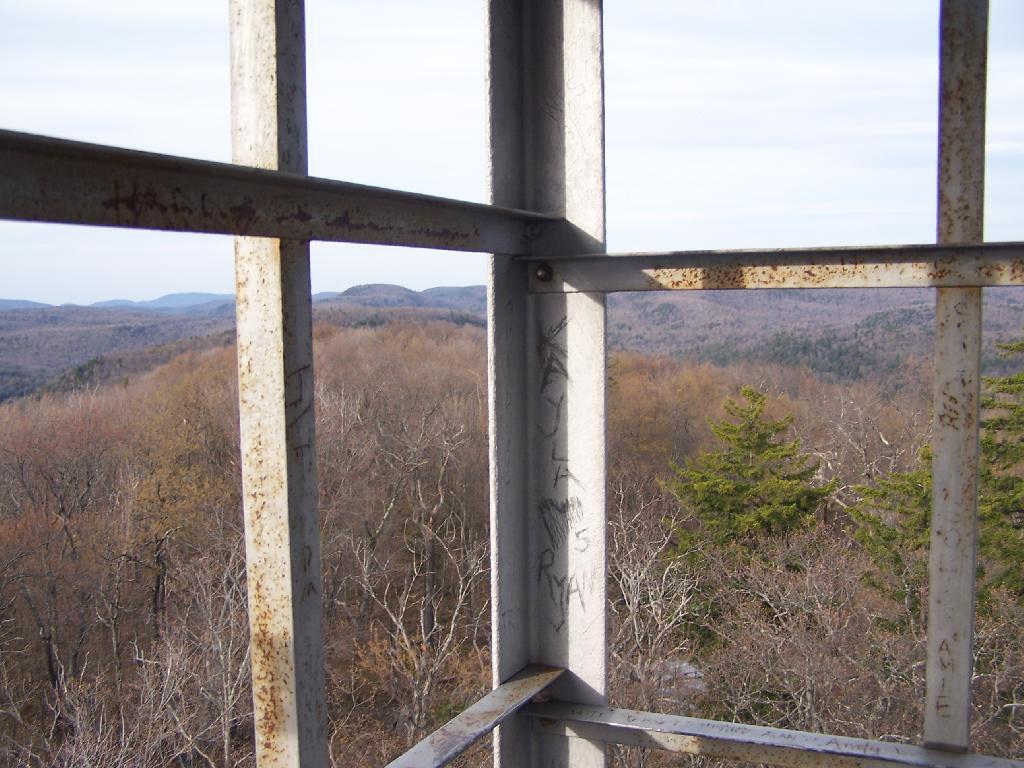
The Fire Tower has some really interesting views out of it, and it is an interesting place to watch the sun set from in the evening. Here is looking from the windows of the observer station, which have the glass removed.
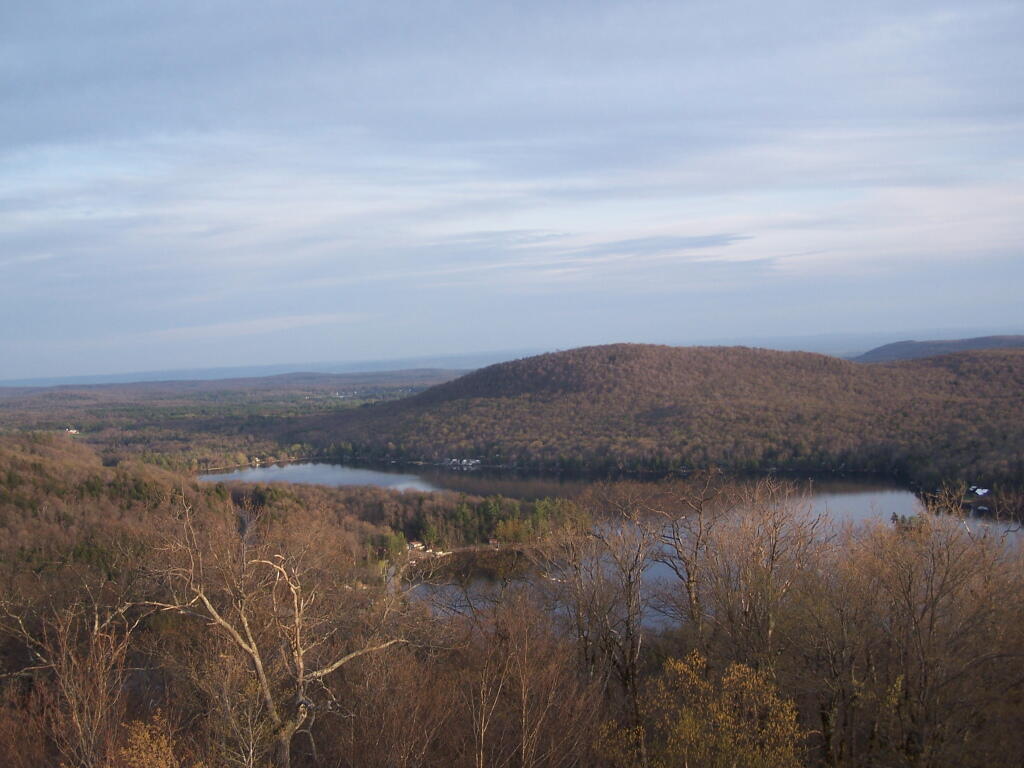
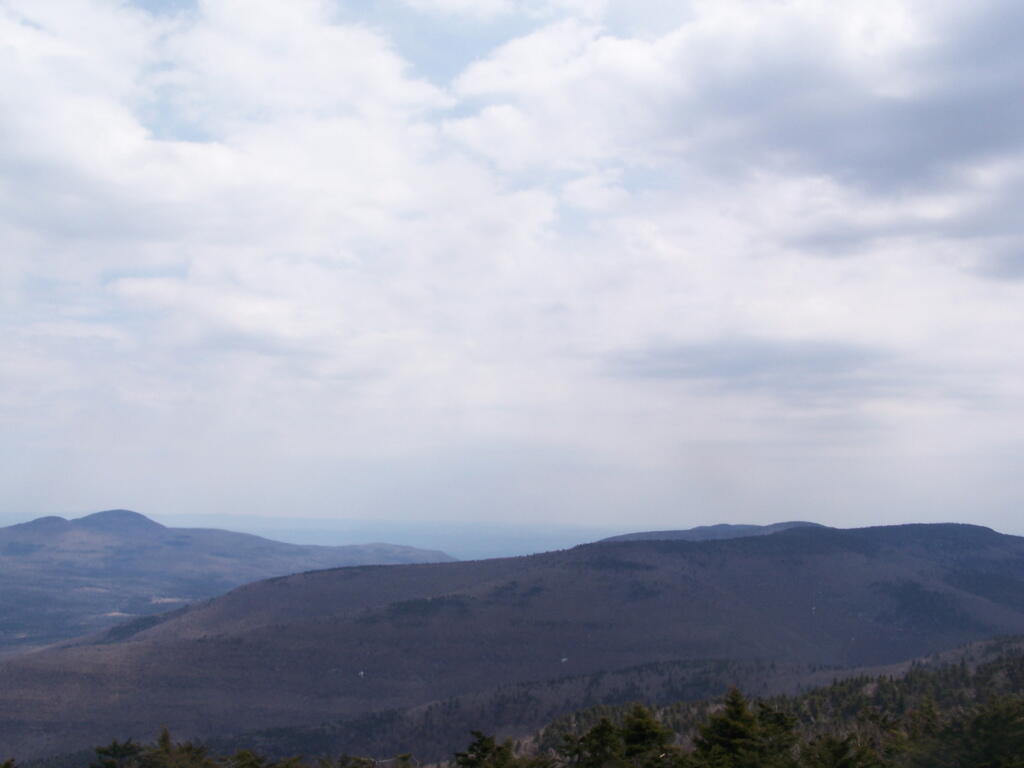
Looking due South, you can see Canada Lake, Sheely Mountain, and the Mohawk Valley to the South. Once you get South of Sheely Mountain, the area around Caroga Lake is relatively flat until you get to the other side of the Mohawk Valley, with the ridges Schoharie High Lands.
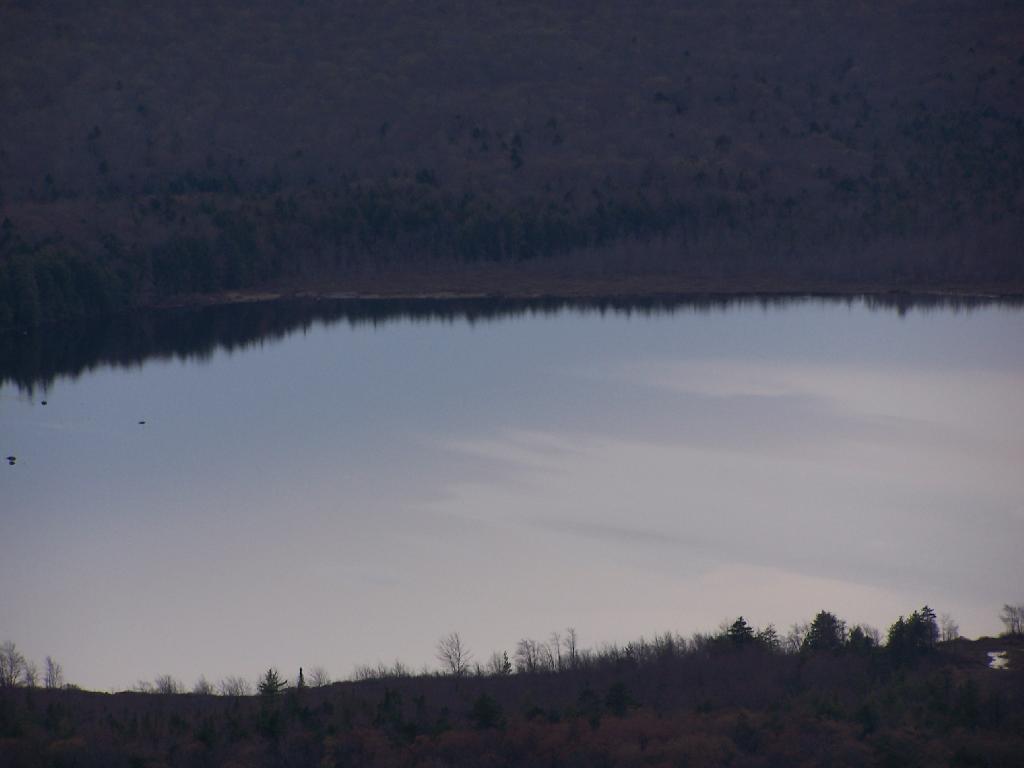
The light flickers over West Lake, which is connected to Canada Lake.
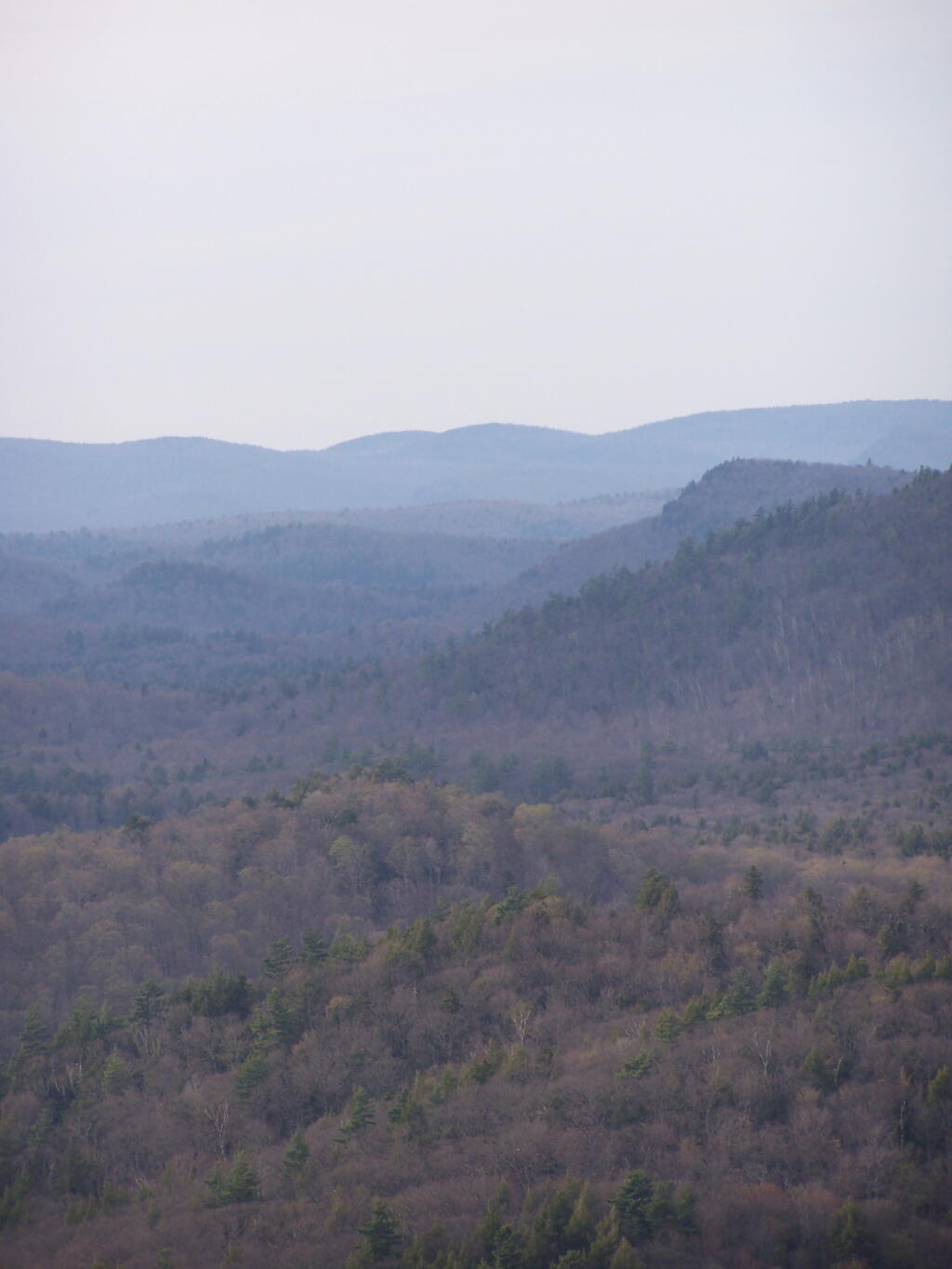
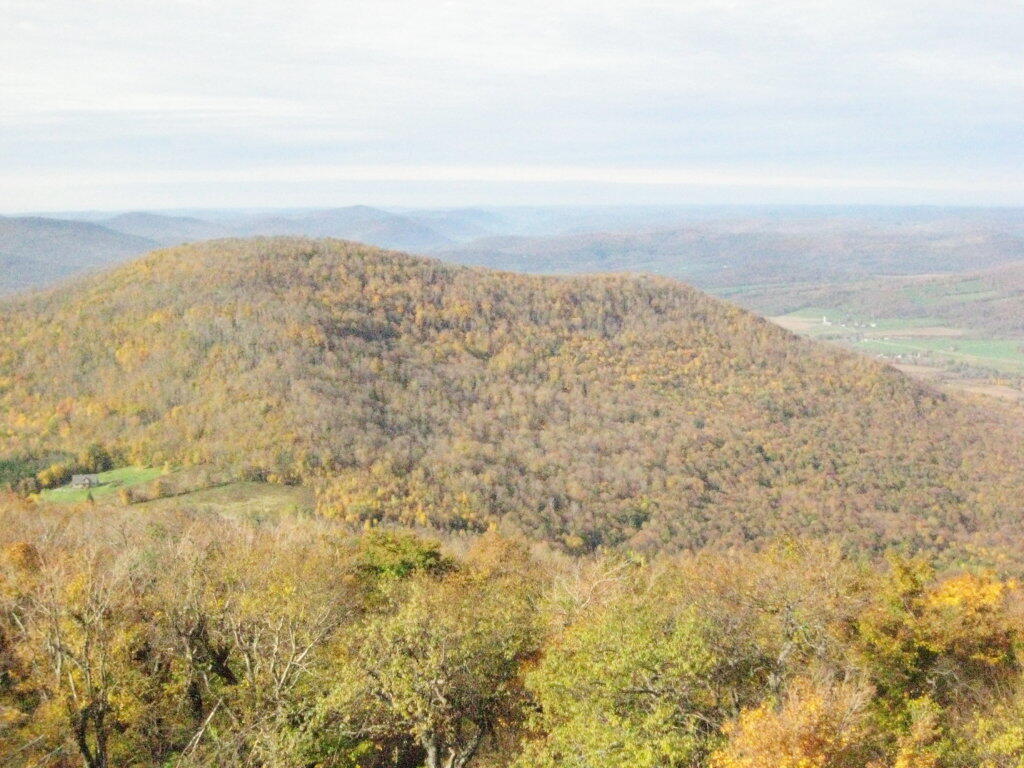
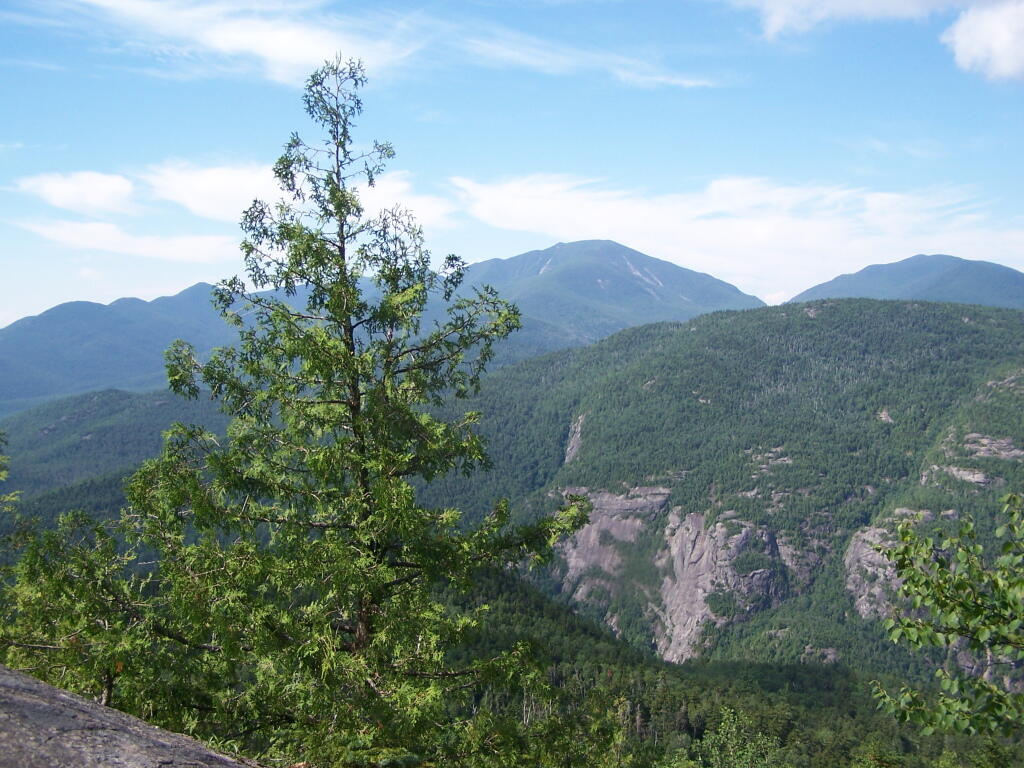
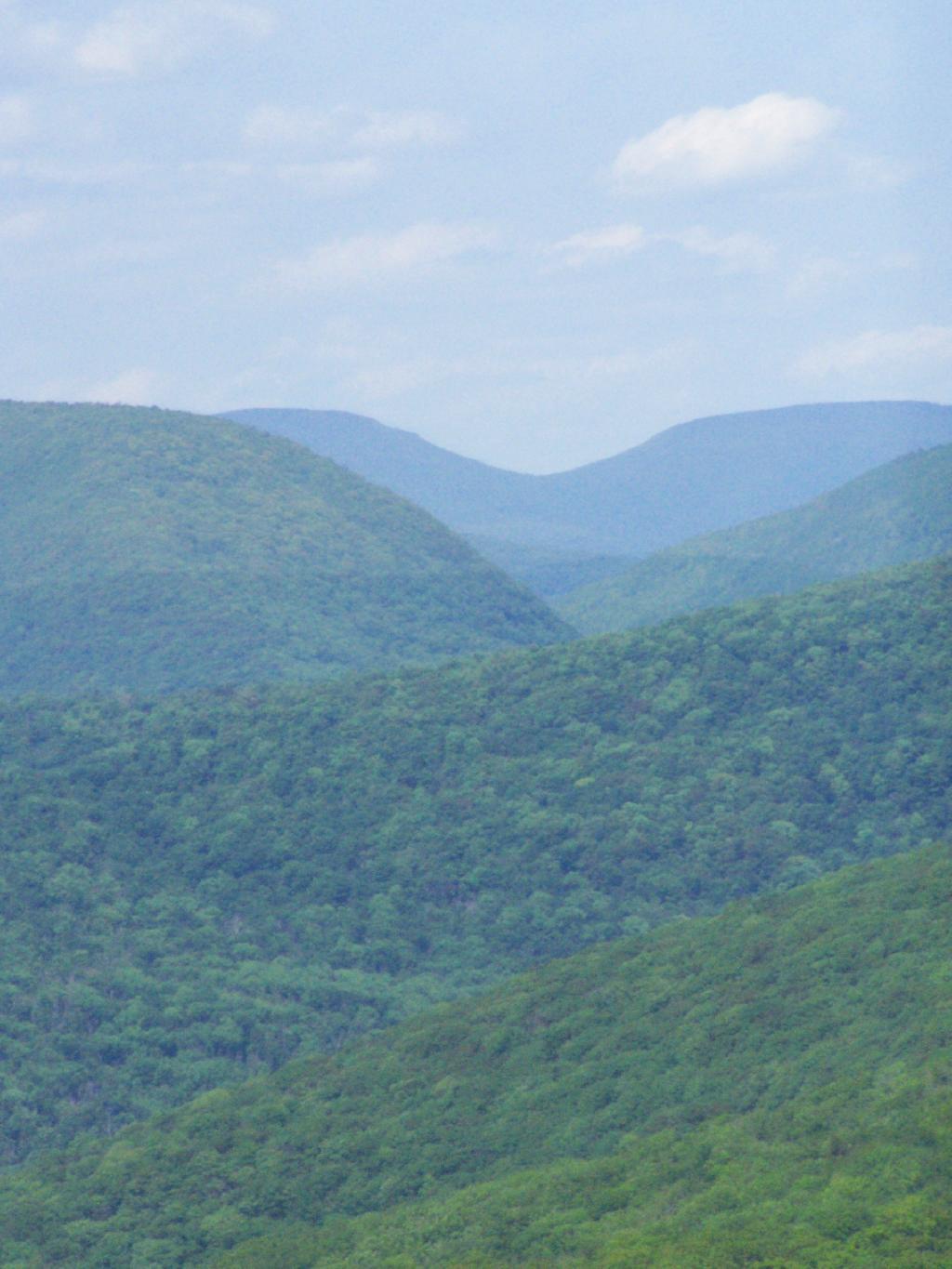
Looking at the Southern Adirondacks, heading North along the NY 10 Coridoor. Until recently visiting this portion of the Adirondacks, I always generally viewed these lands as relatively flat, but instead as this picture shows, actually is fairly rugged, with peaks in the 2,000-2,500 elevation range, which is about 500-1,000 above the valleys below. Not flat exactly.
Watching the setting sun from the Fire Tower.
Through the tower windows in the cab as the sun sets.
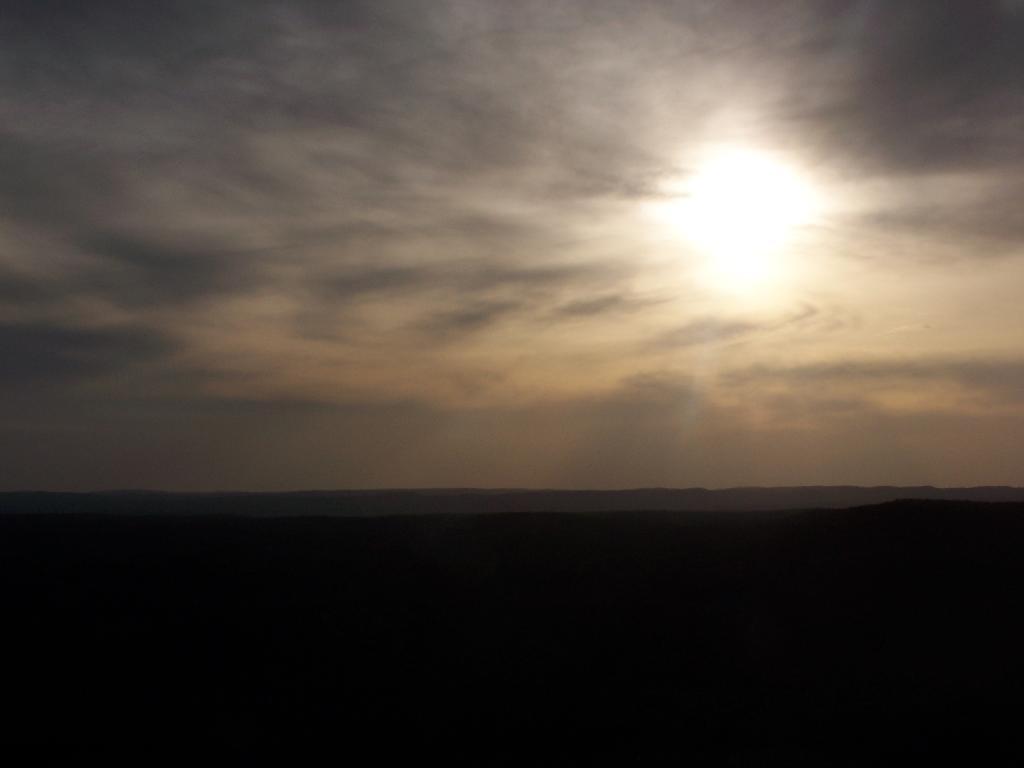
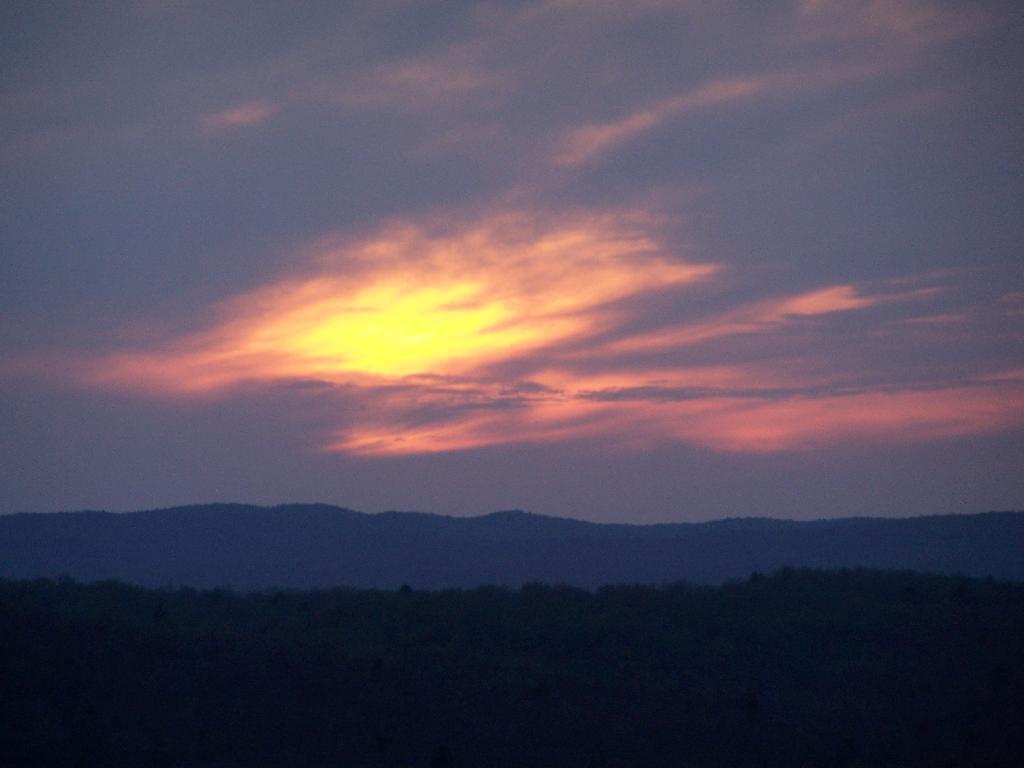
Due to the clouds, it wasn’t a perfect sun set, but just before the sun disappeared into the clouds, here is what I saw.
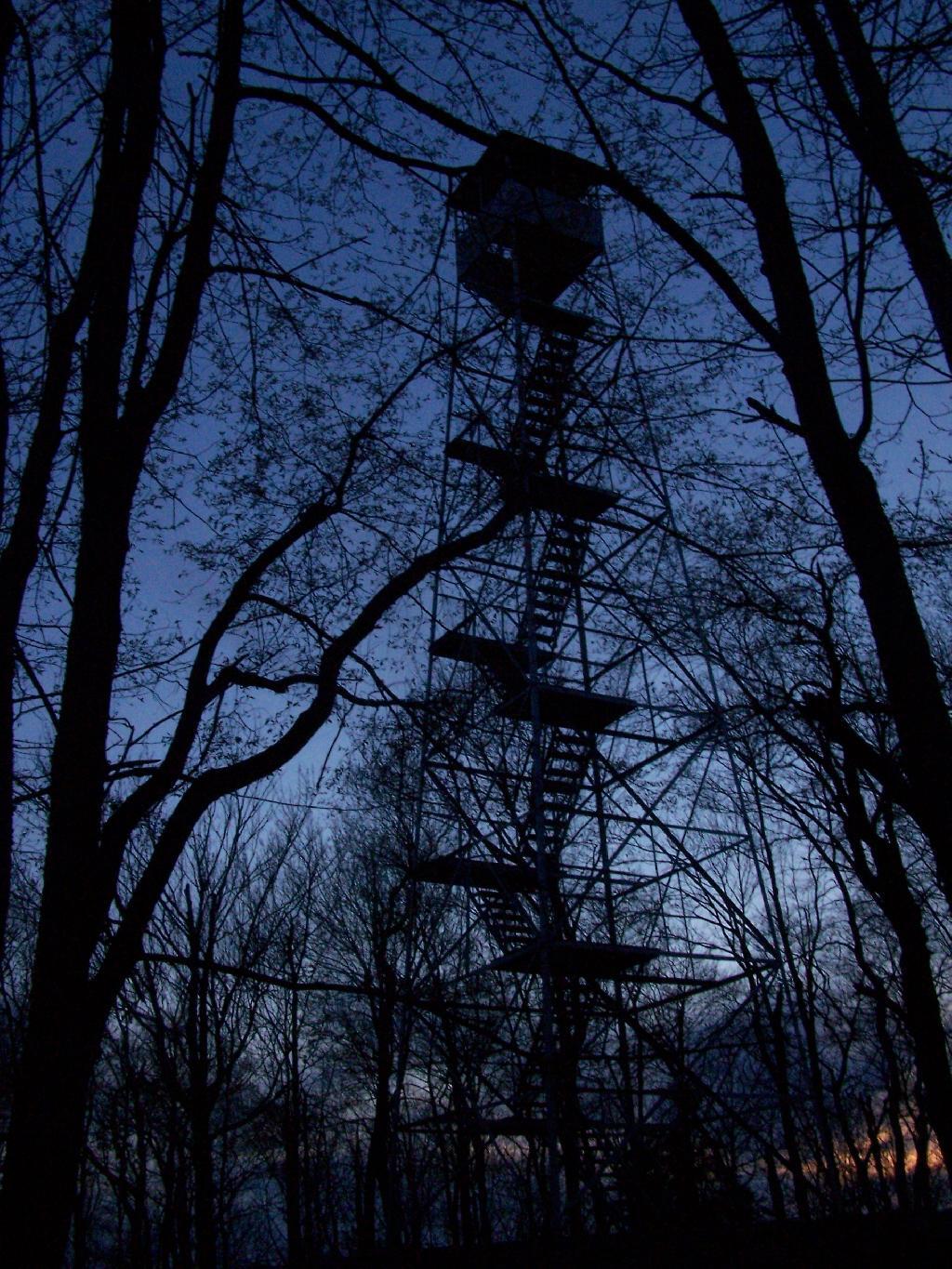
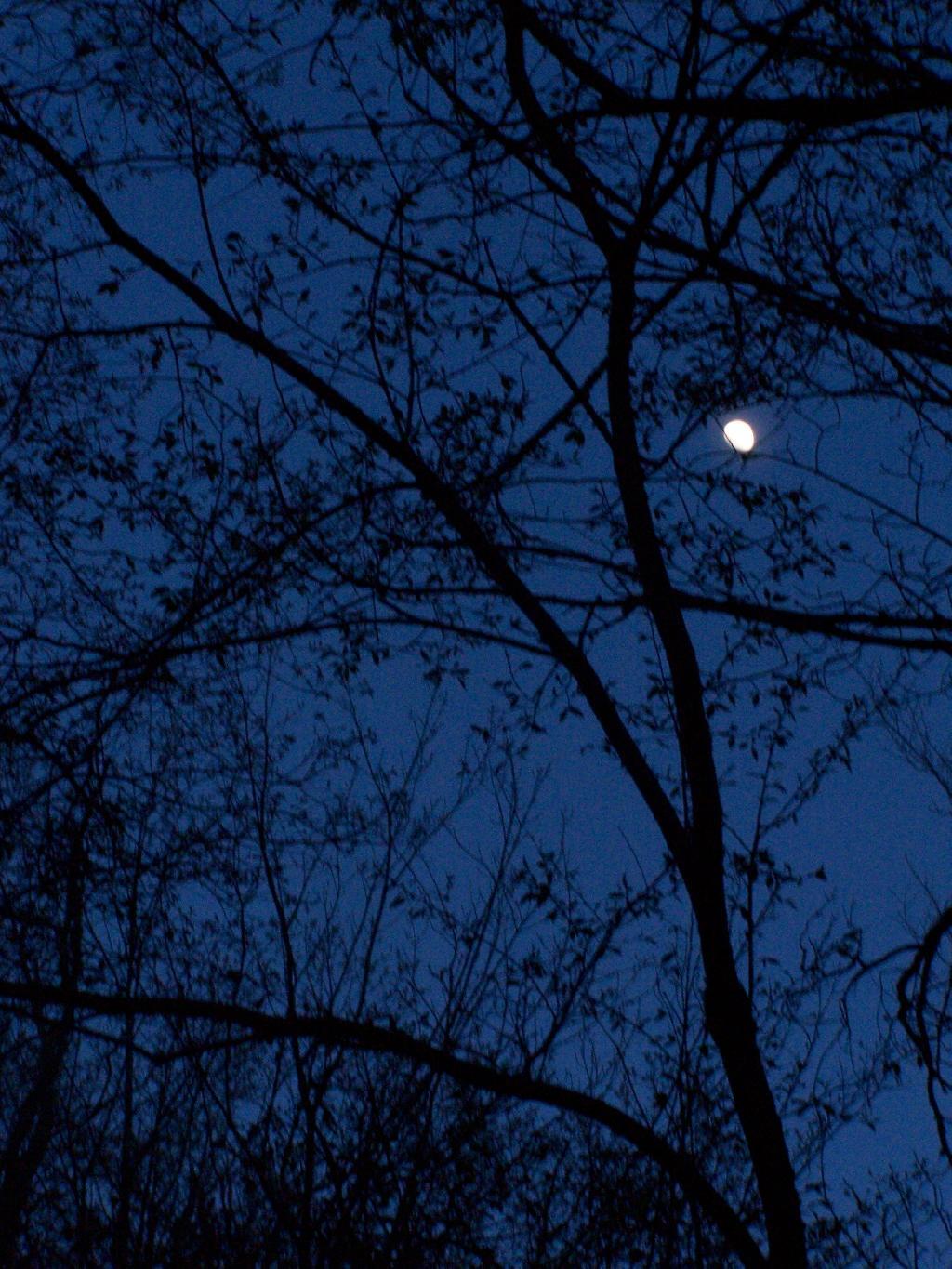
After sunset, looking at the fire tower by the last light of the day.
This past year I have spent a great deal of time hiking up mountains and visiting fire towers. Here are pictures of the second five fire towers I visited this year, along with a short description and maps in the second part of this series.
June 29, 2009 & June 30, 2009:
Sugar Hill Fire Tower
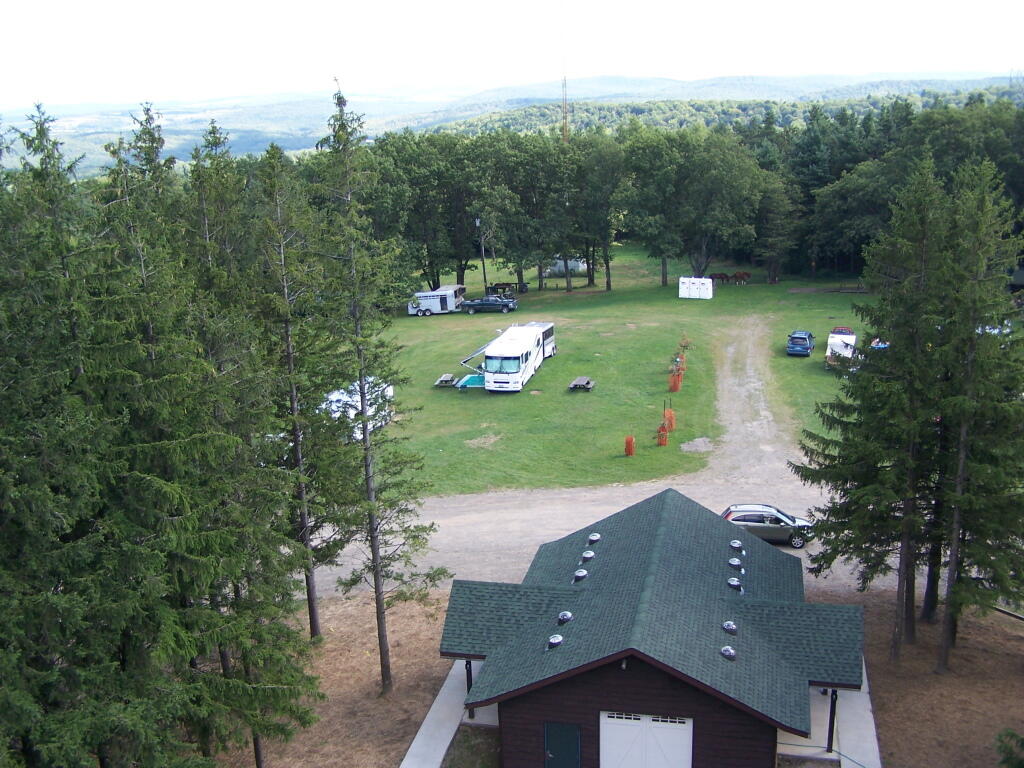
The Sixth Tower I visited, was Sugar Hill State Forest / Horse Camp is located outside of Watkins Glen. It’s an equestrian facility with 50 miles of trail, along with a small hiking/no horses area. They have free camping, and 3 equestrian lean-tos and one hiker lean-to on the Finger Lakes Trail. A definitely cool place to visit if your in the Finger Lakes.
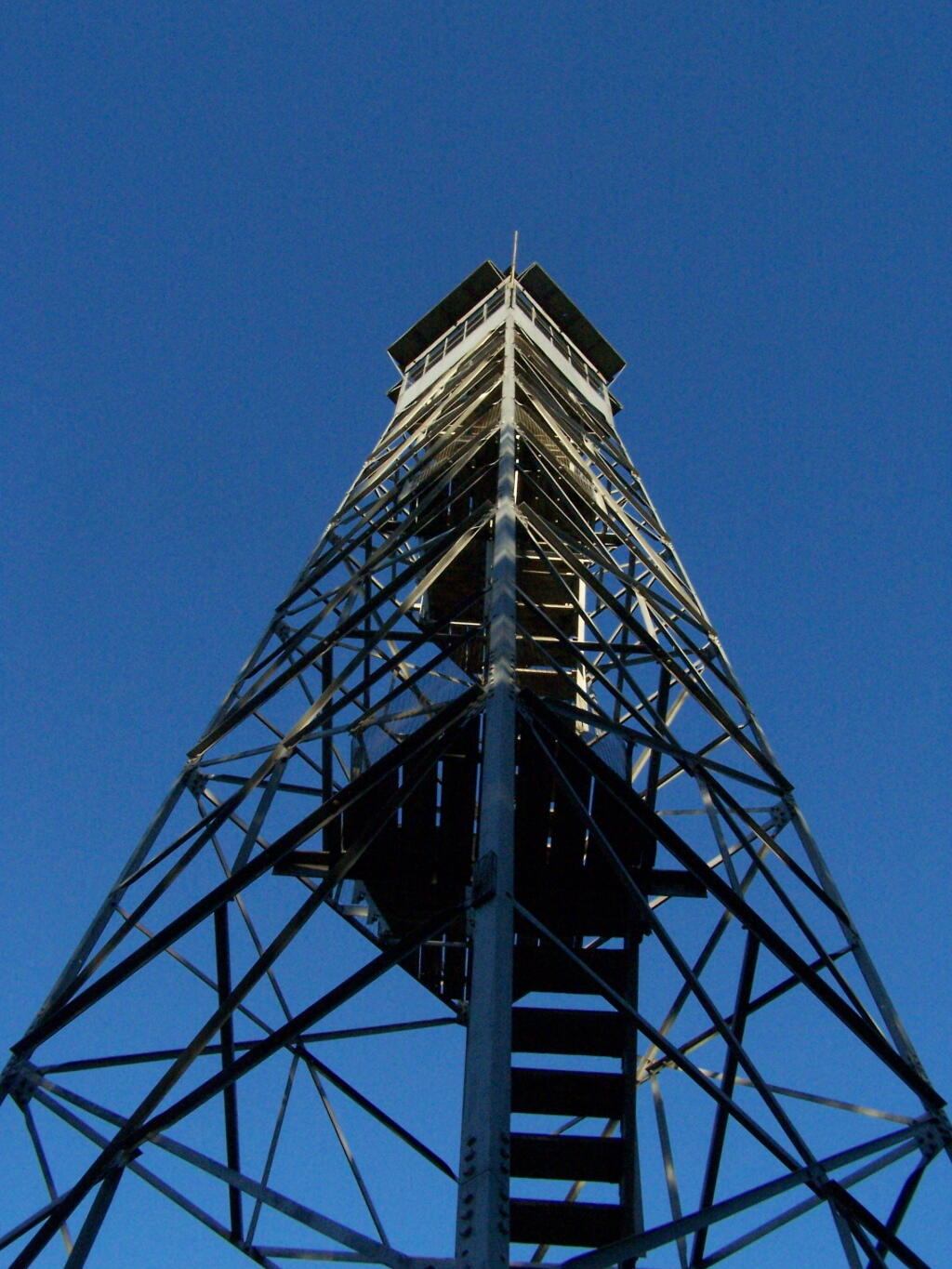
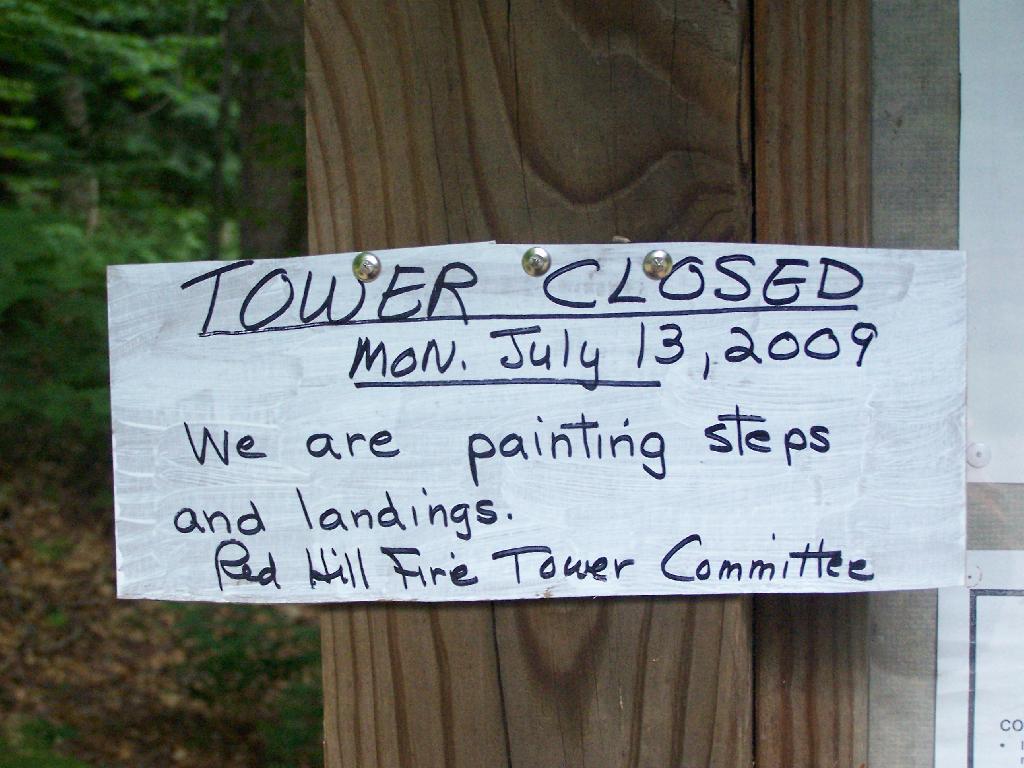
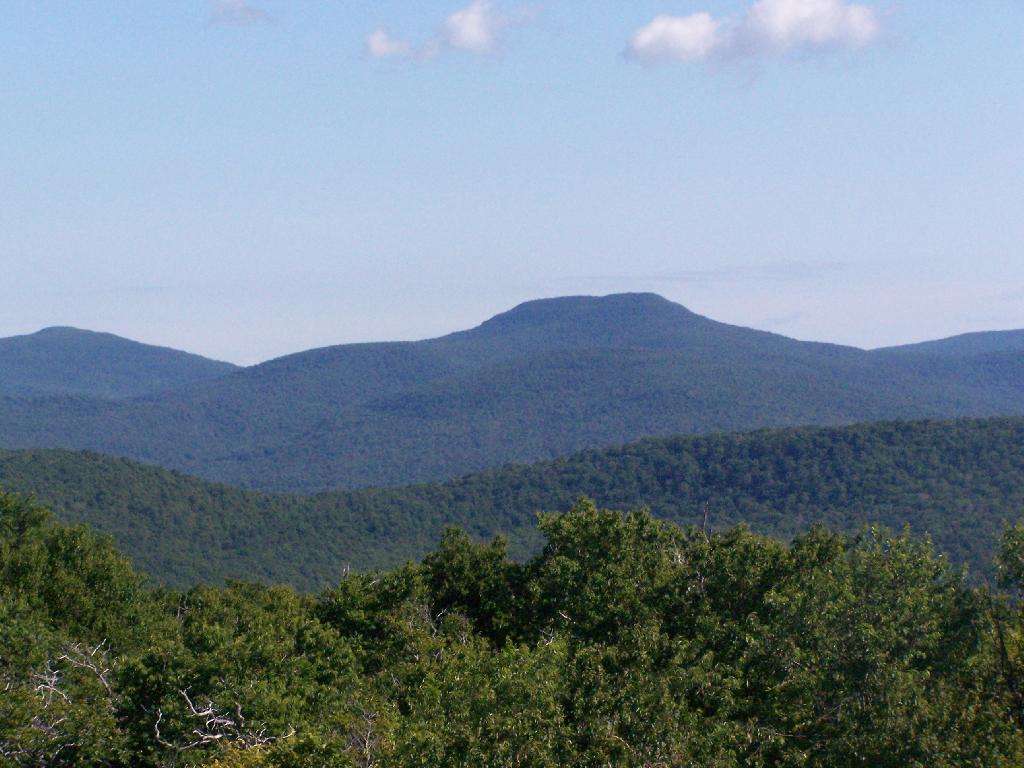
The seventh tower I visited, Red Hill Fire Tower is located south west of the Catskills, barely in the park, with views of the south-western Catskills, the High Peaks, and down towards the Delaware River in Pennsylvania.
The Eightieth Tower I visited, was Balsam Lake Fire Tower is located in about 10 miles south east of Margretville in a very rural portion of the Catskill Mountains. It is the only tower in the Catskills actively staffed by DEC Fire Rangers on weekend (mostly acting as guides).
August 7, 2009 & October 10, 2009:
Leonard Hill Fire Tower
The Nineth Tower, Leonard Hill Fire Tower is currently inaccessible, pending renovation. They have removed the bottom to flight of stairs to discourage people from climbing the tower. That said, the DEC Forest Ranger has cleared out a camp site/viewing area directly to the west of the Tower for those who want to enjoy the amazing view due west of the Western Catskills and Upper Schoharie Valley.
October 11, 2009 & October 12, 2009:
Mount Utsayantha Fire Tower
Mout Utsayantha was the Tenth Tower I visited. This fire tower is on a public village park, above Stamford, NY. You can drive right up to it — I visted it twice one weekend. It gives you amazing views of the western Catskills, the area around Summit and Emmenece State Forest, the Upper Schoharie Valley, and on clear days out towards Oneonta.
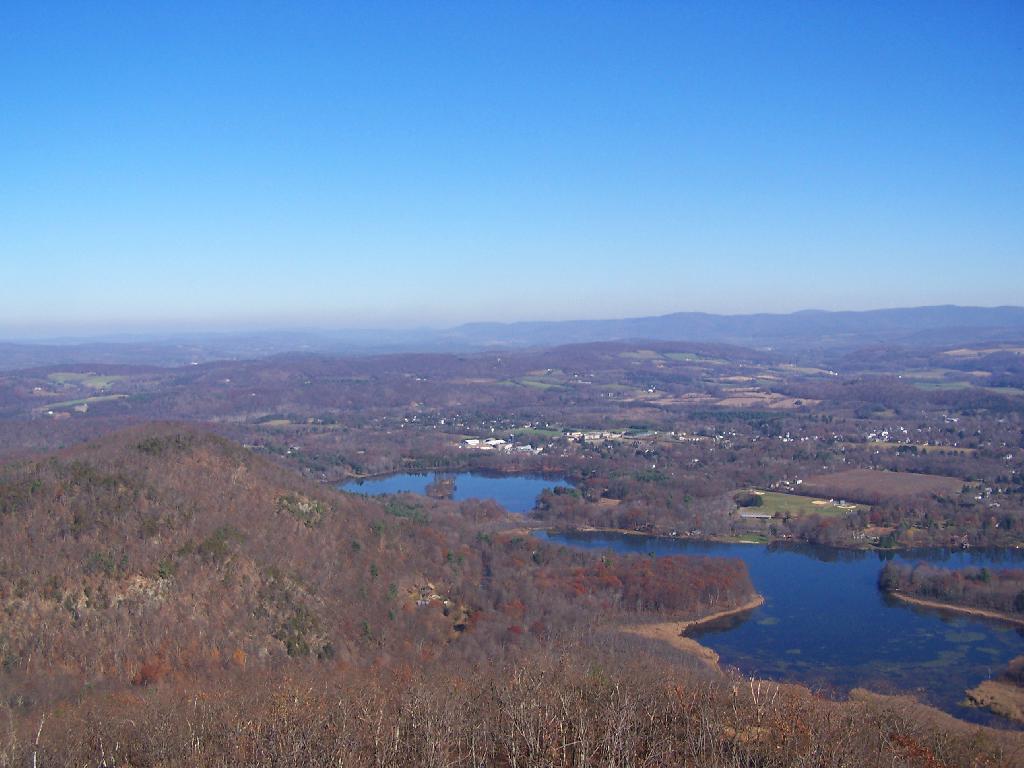
The Eleventh Tower: Rising 1,000 feet above the low lands of Pine Plains, this firetower gives you beautiful views of small towns, lakes, farmlands, mountains, and a five state region of the Hudson Valley on clear day.
This past year I have spent a great deal of time hiking up mountains and visiting fire towers. Here are pictures of the first five fire towers I visited this year, along with a short description and maps.
The first fire tower I climbed this year was Overlook Mountain Fire Tower outside of Woodstock. This tower is nearby the remains of the Overlook Mountain House and has some rather awesome views.
The second fire tower I climbed this year was Hunter Mountain Fire Tower outside of Hunter. This is the second highest mountain in the Catskills at 4040 feet. The views are less exciting compared to other mountains I’ve been up. I took the much steeper Beecker Hollow Trail, but one can take the longer horse trail in from the west side, if you don’t mind stepping in horse manure.
The third fire tower I climbed was Hadley Mountain Fire Tower in the Adirondacks near Hadley and NY 9N. This has some amazing views of the Great Sacanadaga Lake along with the Southern Adirondacks.
April 19, 2009 & August 2, 2009:
Beebe Hill Fire Tower
The fourth firetower I climbed this was Beebe Hill in the Taconics near Exit B3 of the NYS Thruway Berkshire Spur. It has great views of Northern Columbia County’s rolling country. There also is the Chance of Thunder Lean-to nearby the fire tower, so you can climb it up at night like I did one beautiful Saturday in August.
The fifth fire tower I climbed this was Mount Tremper in the Catskills. Despite having almost no views until you climb the tower, it does have some interesting views of the interior Catskill Mountains. It was a somewhat hot and hazy day when I climbed the mountain.
I left around 10 AM from Albany on my first day of my vacation to the Finger Lakes, to head out to Balsam Pond in Chenango County. About a three hour drive, I figured it would break up the trip rather then go all the way out to Finger Lakes National Forest.
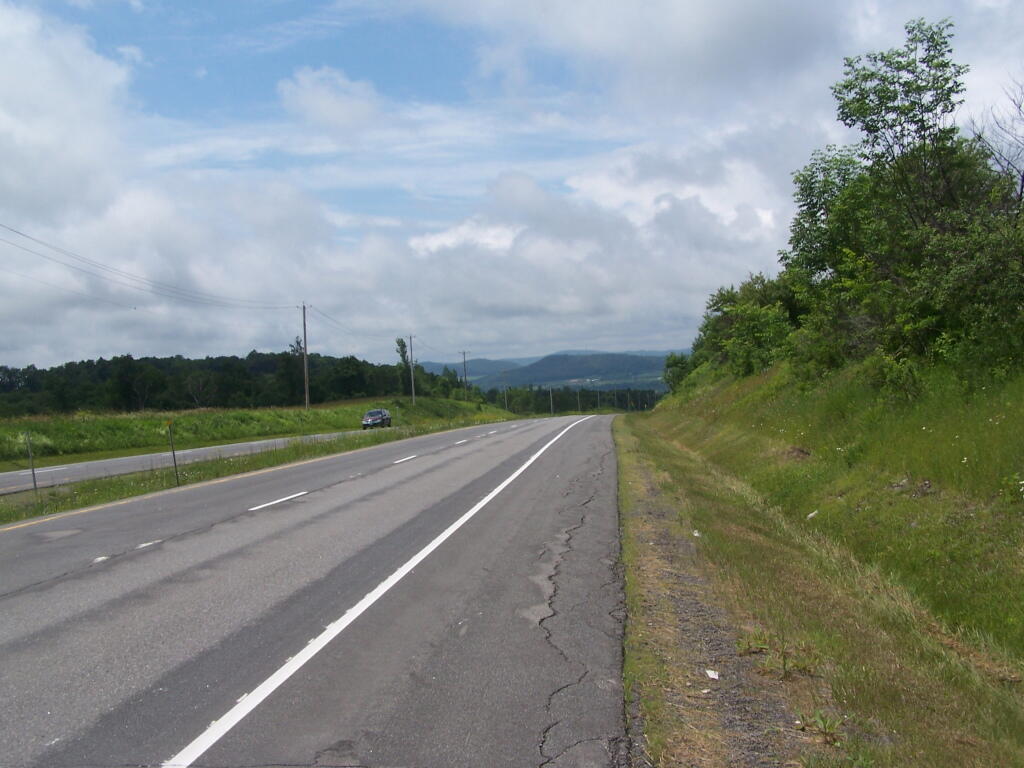
I decided to take beautiful Route 20 to Route 12 to Norwich. It was a nice drive down, but got long after a while. Many miles of dairy farms, open lands, and forests. From Norwich out to East Pharslia, it’s a relatively short drive, and Balsam Lake is located near from there. I also took a side trip to check out Brookfield State Horse Camp. This drive-in equestrian facility also offers free camping (in a field), and 130 miles of horse trails.
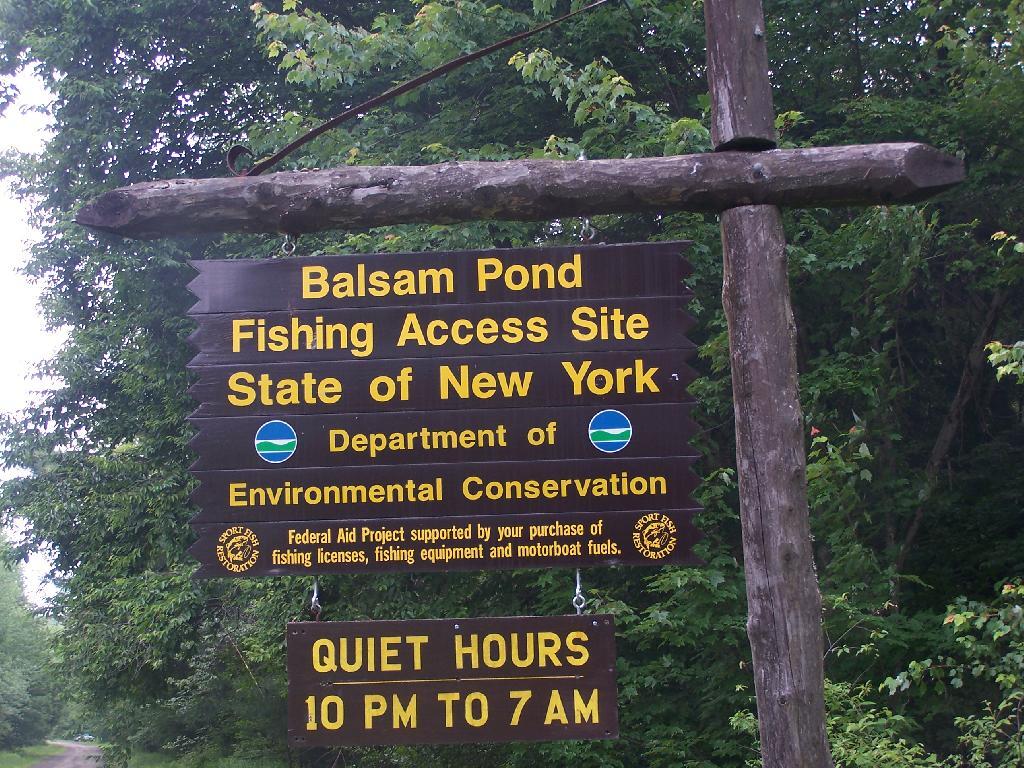
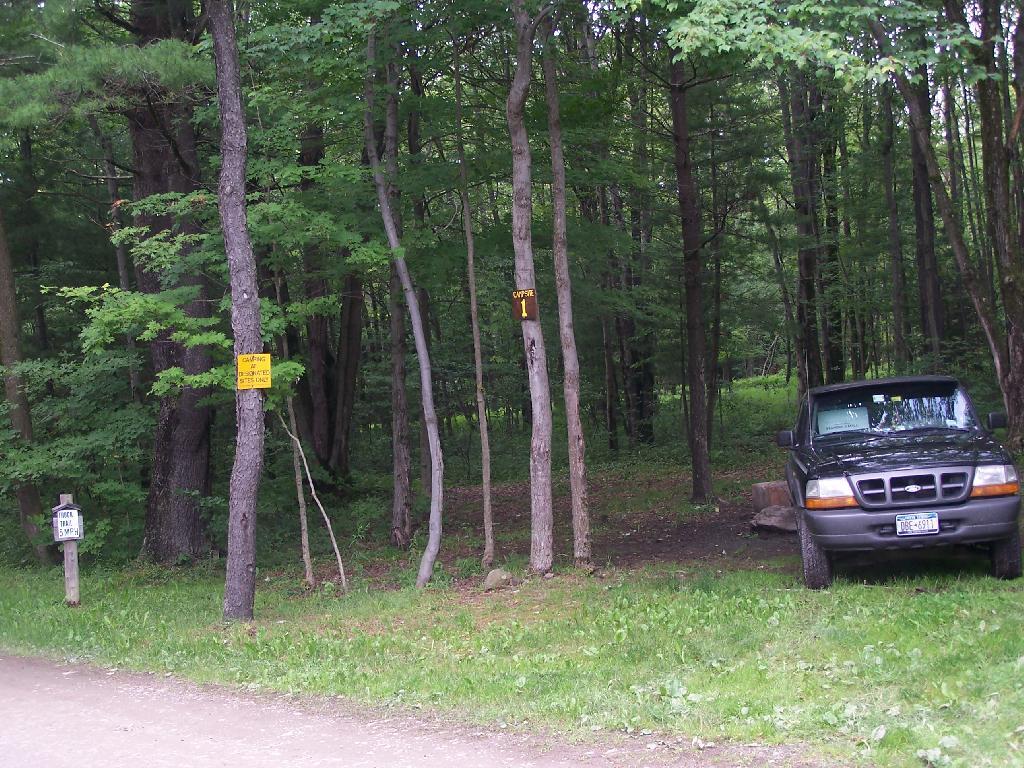
The sign for Balsam Tyler Road is missing, and I drove past it at first, but quickly realized my mistake, seeing a pickup truck towing a boat leaving this road.
There is 10 campsites there just off Balsam Tyler Road near the Public Fishing Area sign. About 6 of them where actively used, all near the lake.
I took site Number 1. I wanted to have some quiet and not be bothered by the children down the ways which where noisy like children.
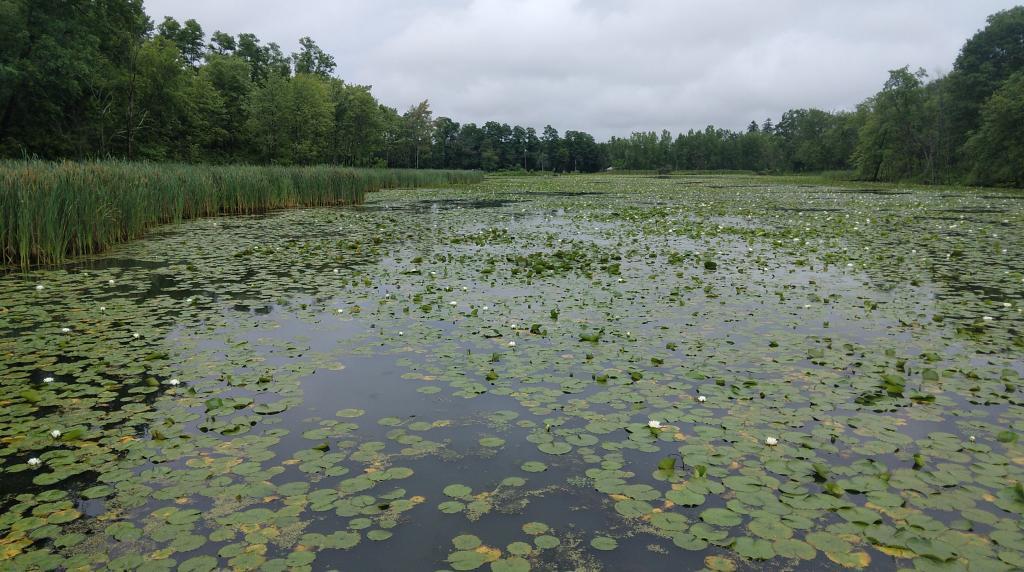
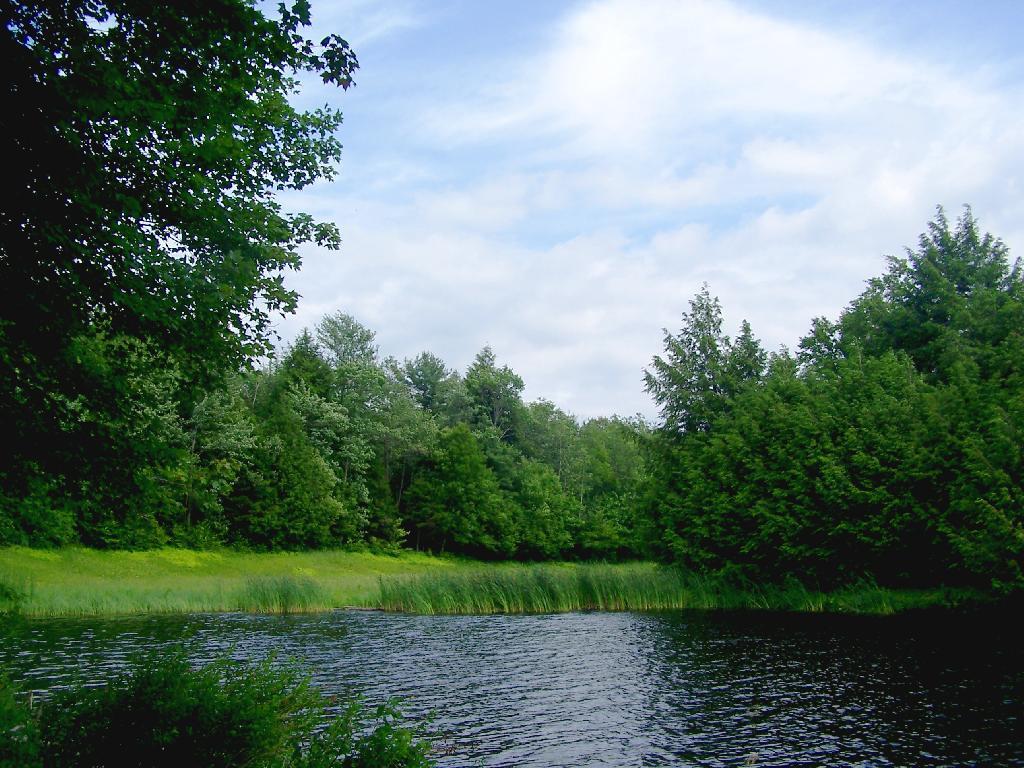
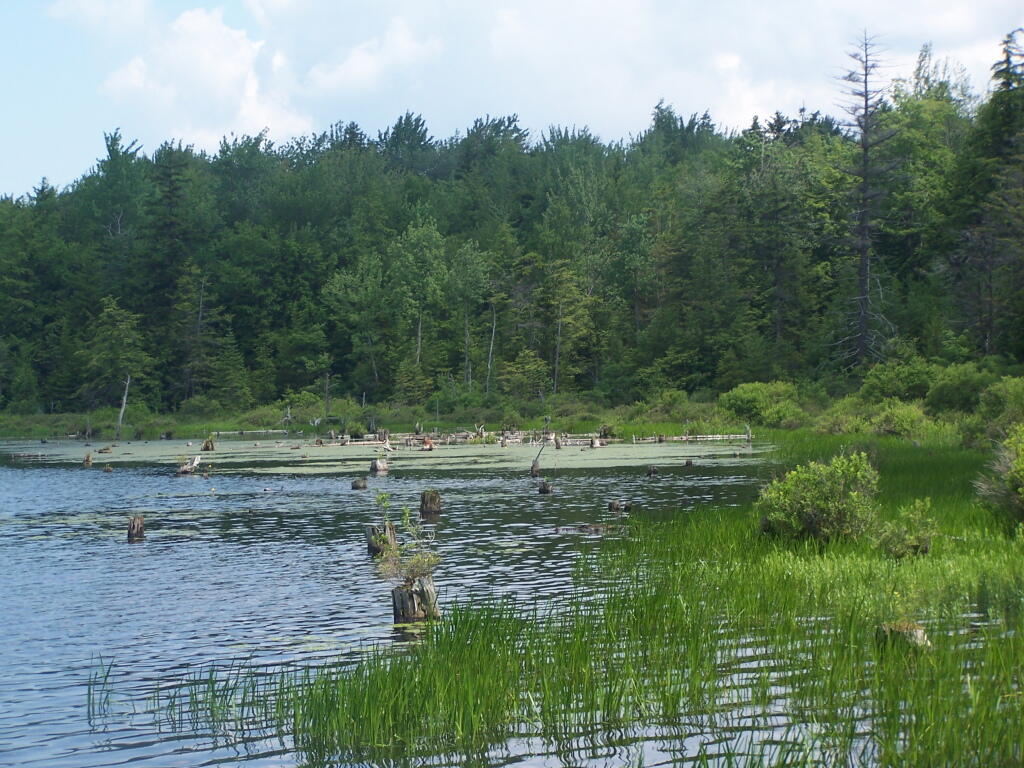
The pond looked quite nice. They allow motorized boats and fishing on the pond. Evidence of people not using the outhouse made me a little worried about the water and getting beaver fever. Needless to say, I boiled well any water I got out of there.
The pond was fairly large, man made with an earthen dam. Very popular with the locals.
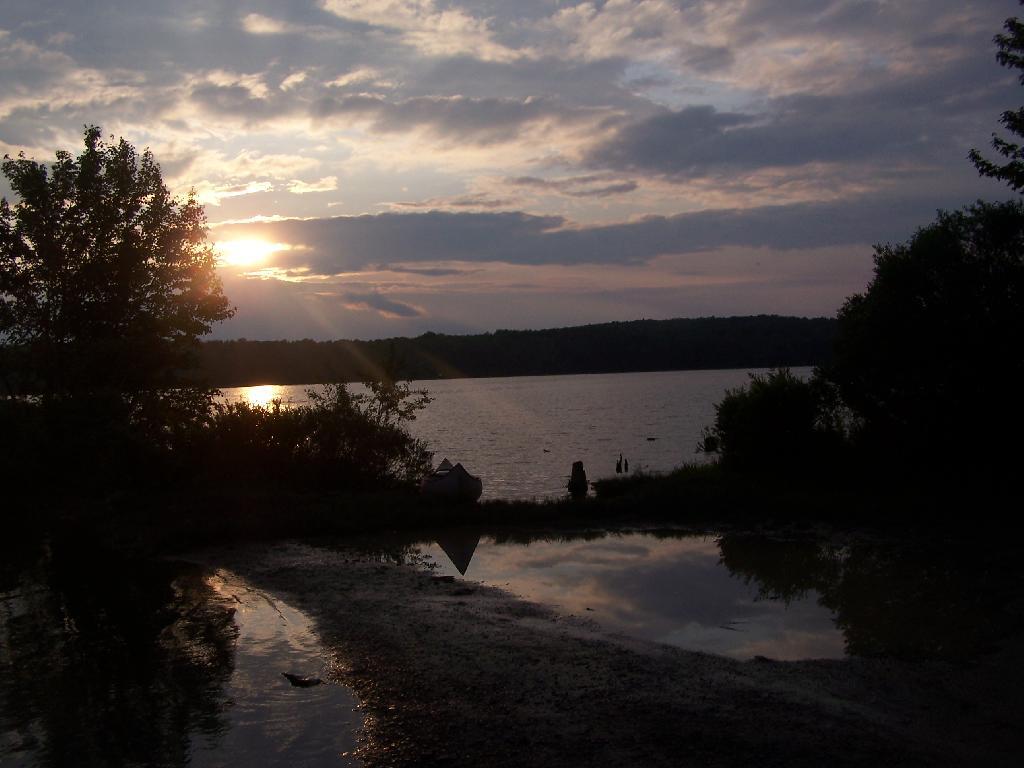
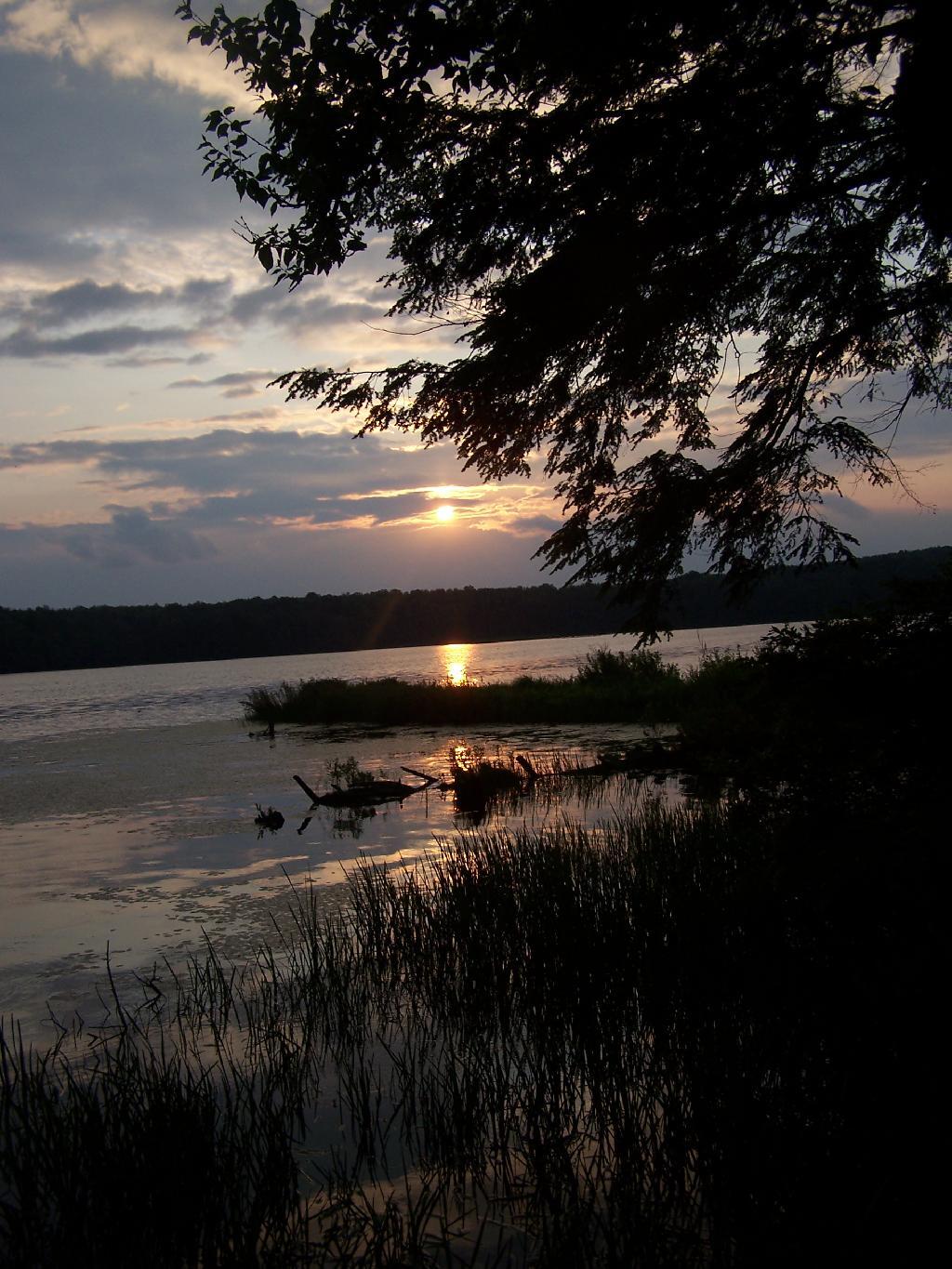
Beautiful sunset through the clouds.
I sat down by the lake as night fell.
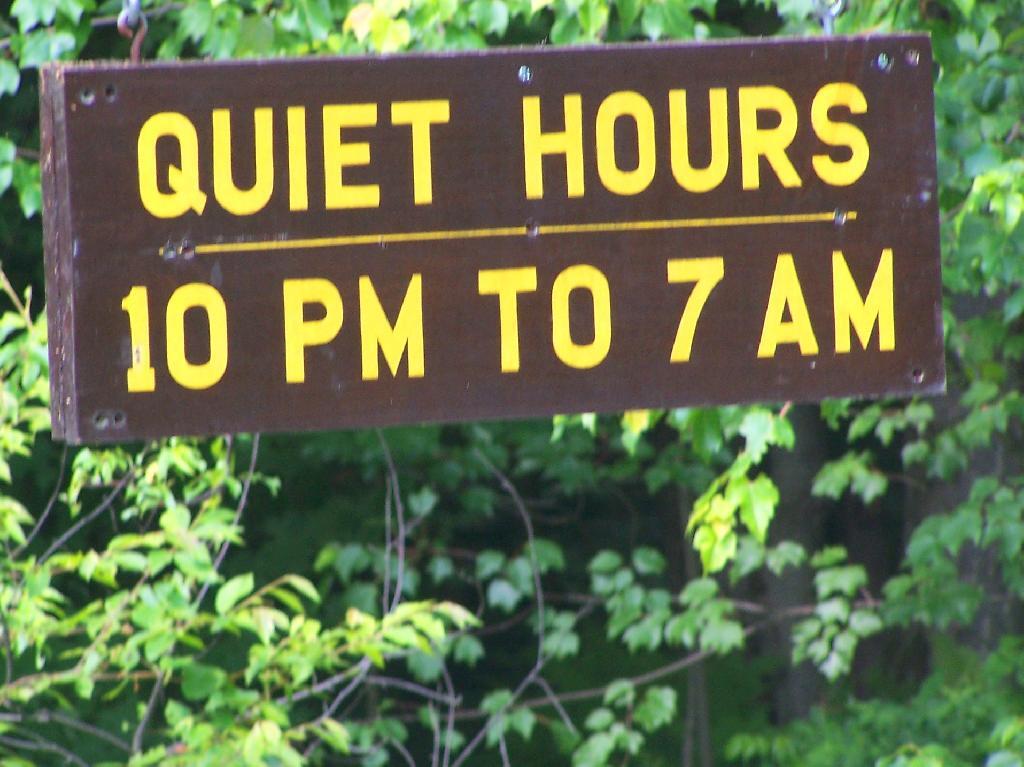
Fortunately the kids where good about being quiet once Quiet Hours came. It was real quiet and nice up there.
The next morning was quite nice.
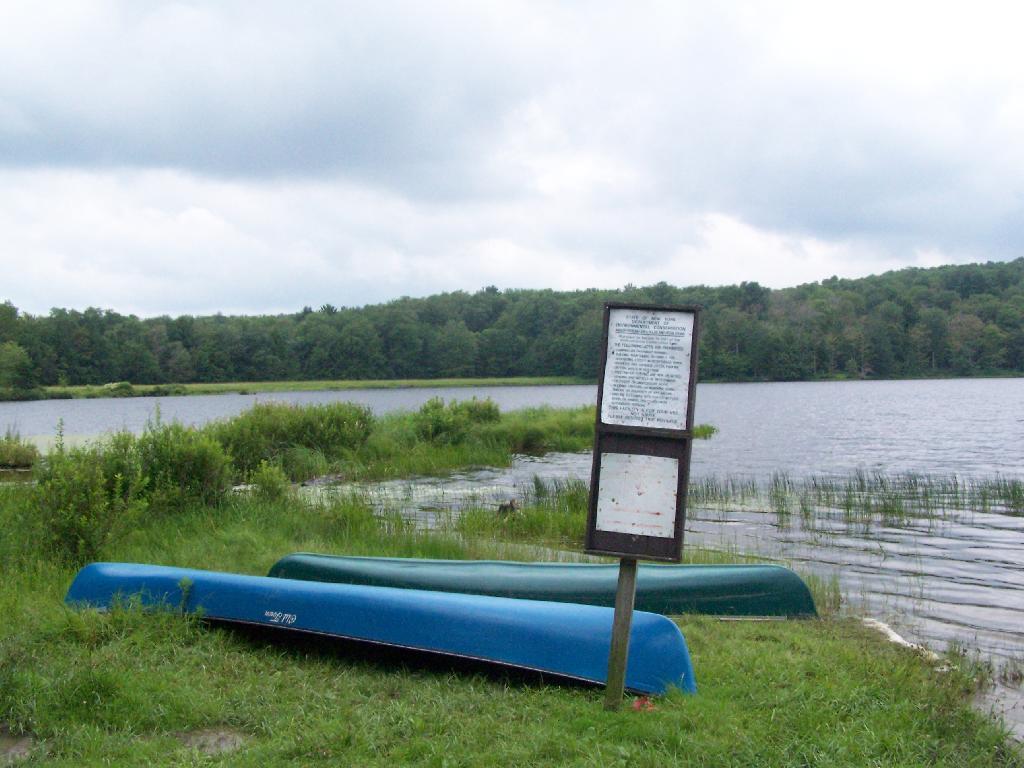
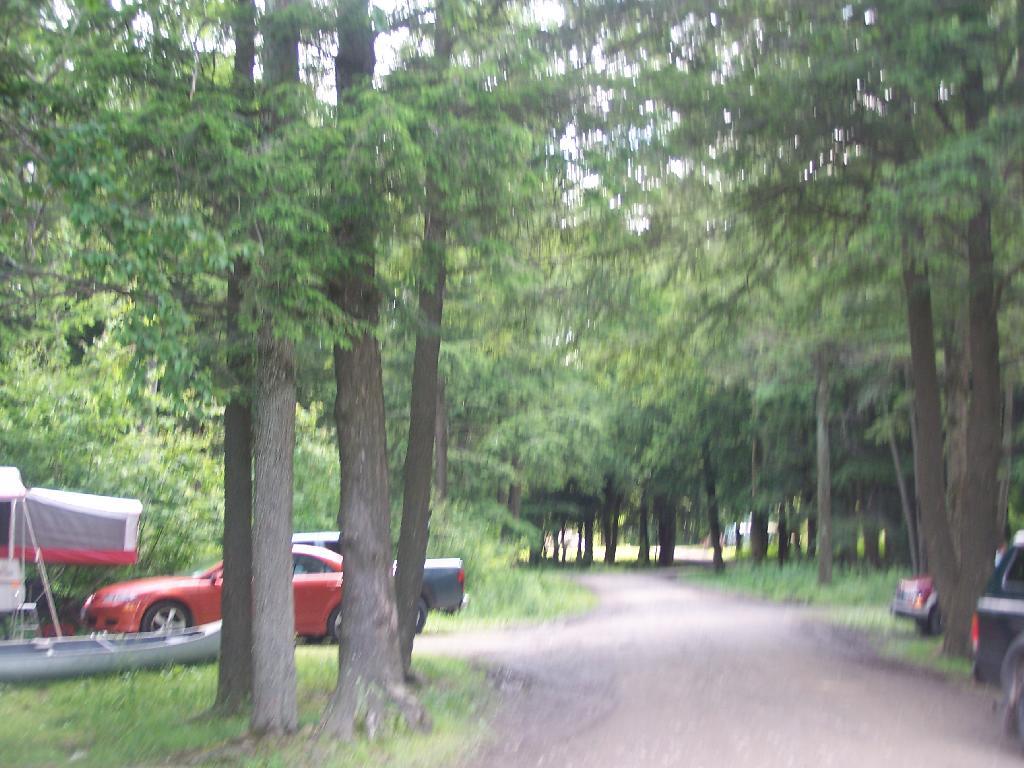
Lots of people camping here. Appologizes for the blurry photo, I always get nervous photographing other people’s stuff.
I went for a short walk in the evening. An overview of the lake and surround areas.
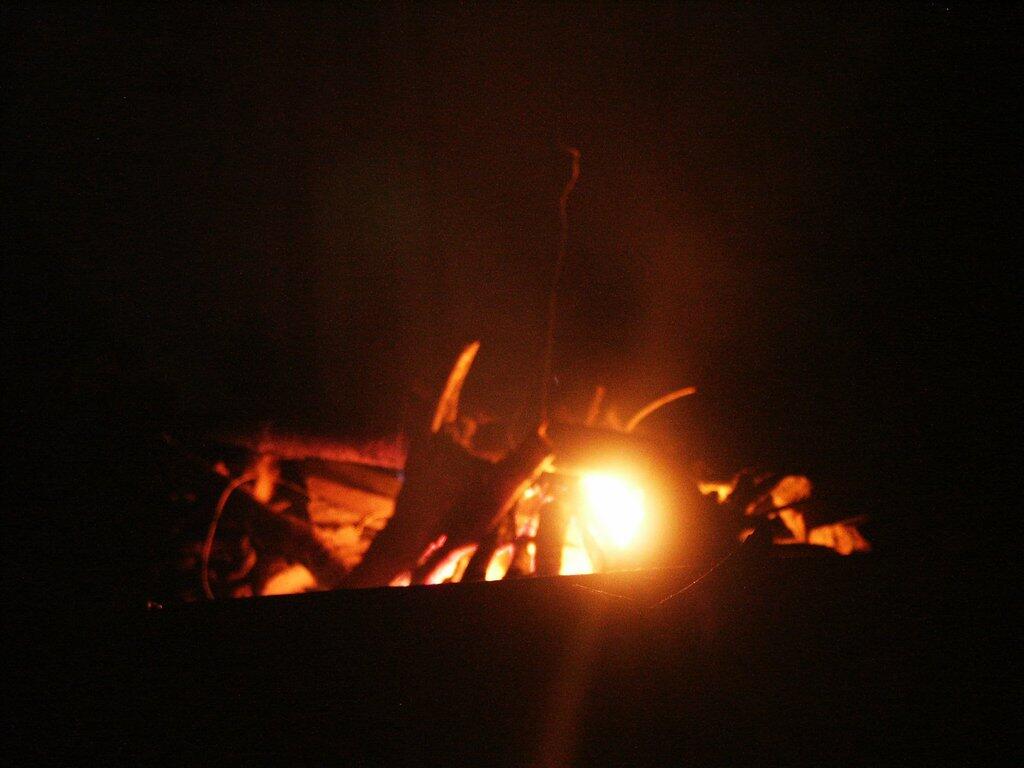
It amazes me how much trouble adults have building fires for cooking or campfires. I spent much of my younger years building campfires for Boy Scouts, and often build fires when camping, so I guess I have more experience then many others. Let me suggest a few tips.
No 1: Collect Plenty of Wood
Ideally you should have enough firewood for your whole camp or cooking fire before you start out. Most important is to have plenty of small wood, tinder, the size of a match stick or smaller, along with kindling, which is slightly larger, the size of small branches, before you light your first match.
Make sure to have the wood, particularly the tinder and kindling within easy reach. You don’t want to run out of wood when your building your fire, as it will likely go out when your search for more wood, particularly in the first critical minutes of your campfire.
No 2: Lots of Tinder Only At First
The second biggest mistake when starting a fire is to try to add too much wood at once. It might look purty to build a teepee out of kindling on top of your pile of tinder, but it totally unnecessary and probably will lead your too small of pile of tinder to burn out without igniting the kindling. This mistake is probably the most common in fire building.
There is nothing wrong with starting with a big pile of tinder at first, with nothing bigger on it. If your kindling is wet, then you might want to a few amply spaced pieces over a big pile of tinder to help dry it out, but be careful not to put too much on it.
No 3. Add Kindling Cautiously When Tinder Burning
Once you have gotten the tinder burning sufficiently, then start by adding kindling slowly to the fire. Assuming it is not wet, it should ignite relatively easily. Make sure to keep plenty of tinder burning, do not let it go out while you add kindling.
When your adding kindling, the tinder fire should be flashy and have plenty of tinder to be burning. If the tinder is burning out before or while you are first adding the kindling, the fire is going to go out. Fires at the tinder stage are delicate beasts, you have to constantly maintain them. Once the kindling is burning well, one can add fuel wood relatively easily, just making sure the kindling doesn’t burn out in the process.
No 4. Be Aware of How Wet Your Wood Is
Wet wood will burn, but it will require a lot more heat from the fire to burn, and will take longer. Drier woods with sap like white pine will burn quickly, hardwoods will burn slower and hotter, and punky wood (rotted) will burn slower and cooler. These are facts one should consider when building a fire.
Teepee fires are ideal for campfires where you want lots of light and quick combustion of wood. Log cabin-style fires, and criss-cross fires are better for heat and coals when cooking. Regardless of the style of fire you choose to build, you will get best results if you don’t start laying the fire out in the style you desire until you start burning fuel wood.