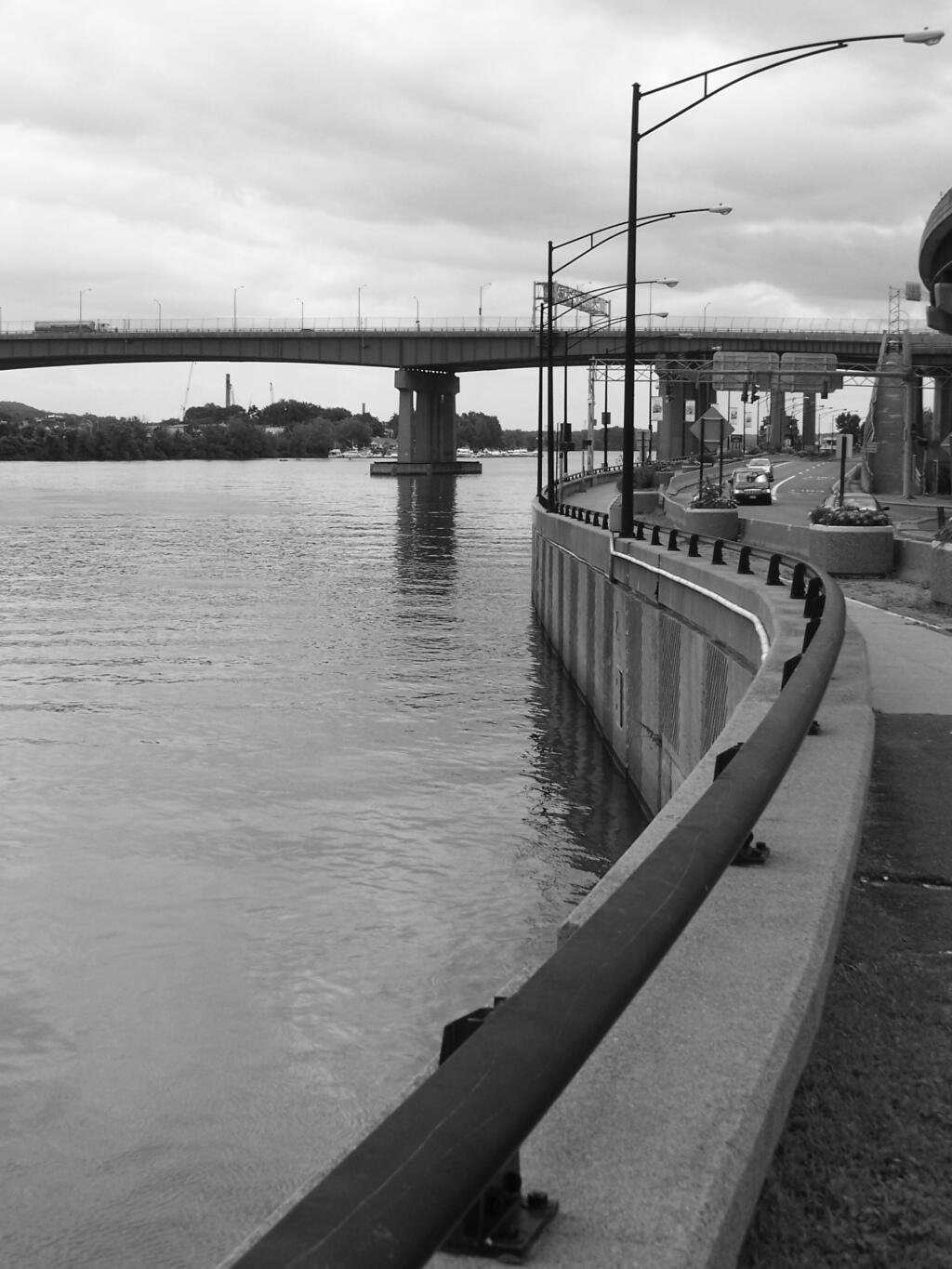
Since the start of the replacement of the Lake Champlain Bridge, the NYSDOT has had an EarthCam WebCam focused on the bridge construction, so the public could watch the construction progressed. EarthCam allows one to either link or download the individual web cam images, snapped every five minutes, so I thought it would be interesting to put together an essay containing pictures of the bridge construction, every hour.
Friday, August 26, 2011, was a particularly interesting day, as that was the day the lifted the central archway on the Lake Champlain Bridge. A full-day project, it shows the bridge without the central archway in the morning, and by 9 PM the same night, full hoisted into place. The pictures are quite remarkable and beautiful to say the least.
As much as I despise air pollution, noise from the cars, wrecked landscapes from where they drive, I really do like cars.
Nothing speaks freedom like the open road. Nothing expresses your personality and who you are like your car. Nothing can bring you such beauty as the automobile or bring you just great experiences.
From the dirt road in the Adirondack Forest Preserve to an open rural highway in the Northern Tier, nothing can quite bring you their like an automobile.
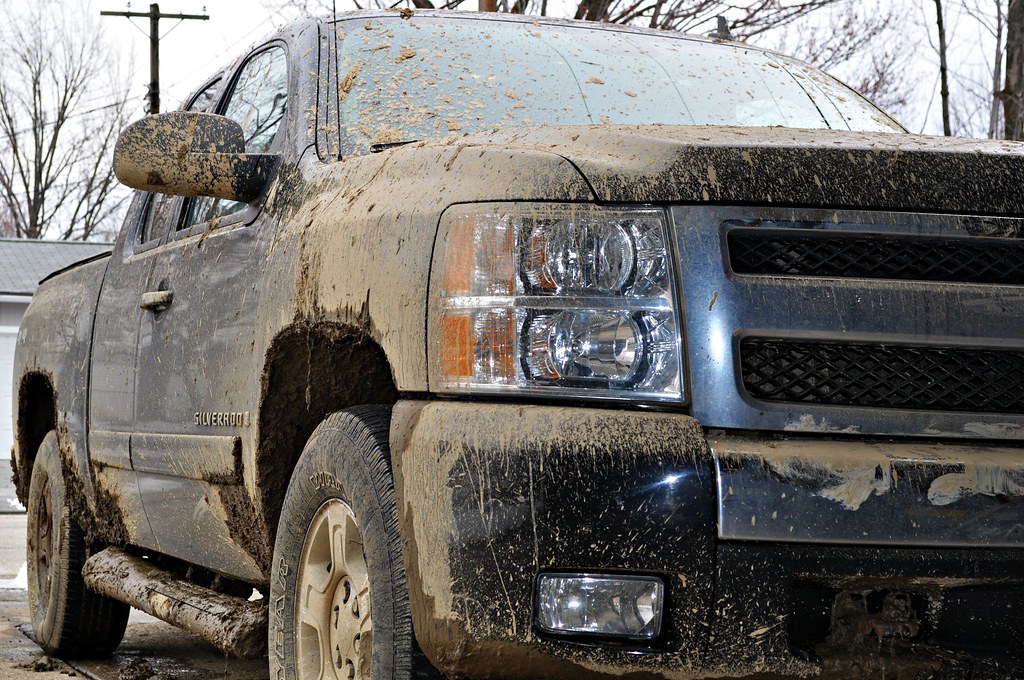
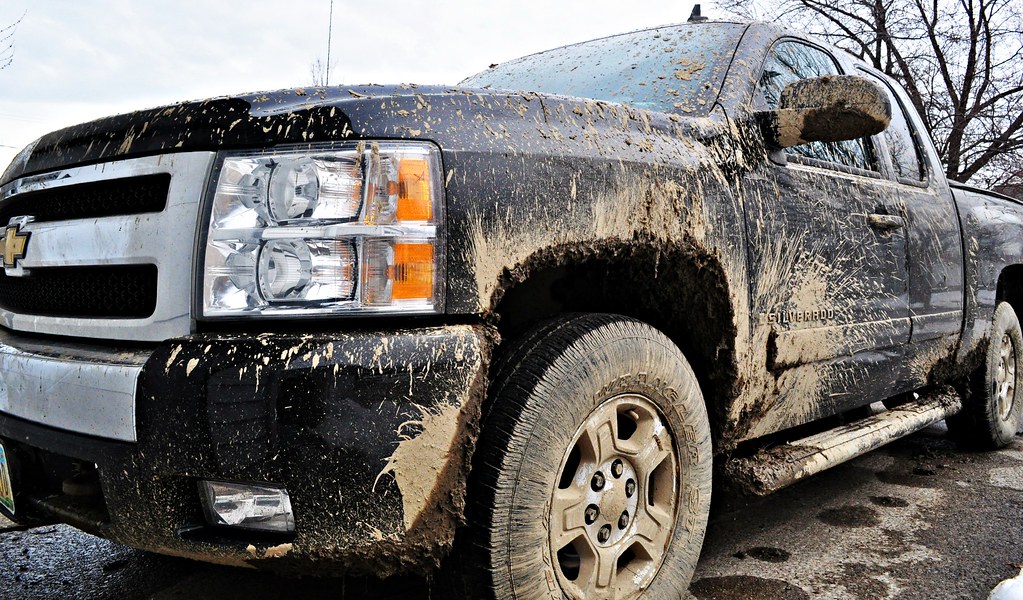
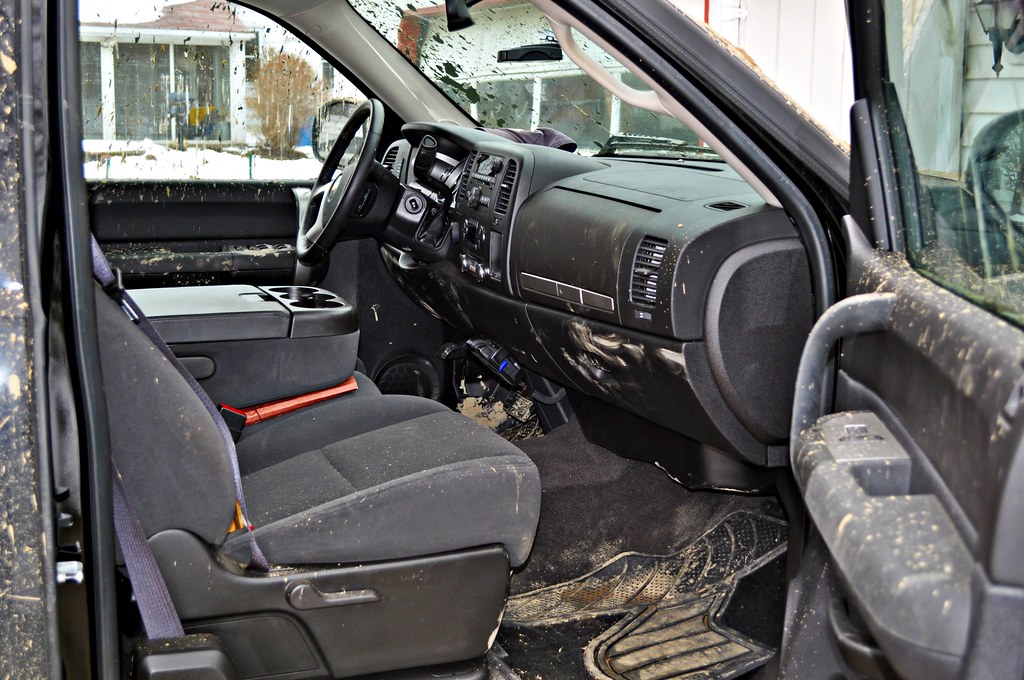
My particular passion is pickup trucks. The bigger the better. The better the 4×4 system, the more room in the cab, the more room in the bed, the more lovely.
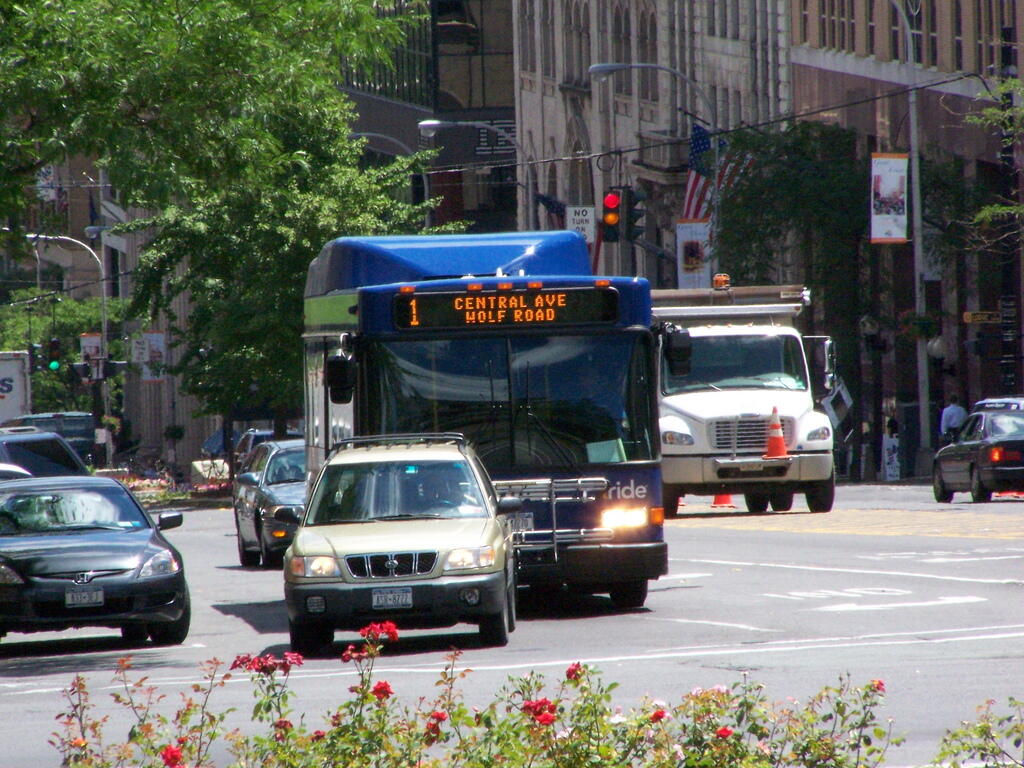
Yet, I am well aware of the problems of automobiles, and especially their uses of in urban areas. I walked along Washington Avenue Extension, as a pedestrian, and I was a aghast at their noise, pollution, and swarming motions they made.
Automobiles make urban areas ghastly places to be.
There are too many automobiles in the city. Off the beaten track, in Rural America, they truly are wonderful things.
Automobiles destroy cities, but they are also the best way to get away from the cities.
Ross Farrell
110 Watervliet Avenue
Albany, New York 1220
(via electronic mail)
Dear Mr. Farrell:
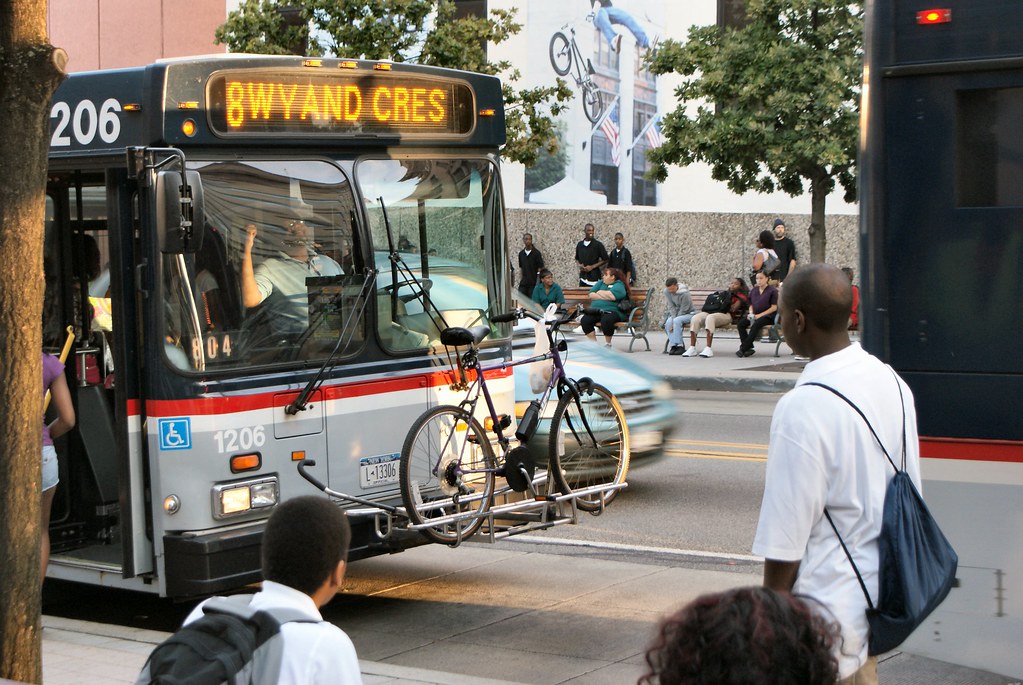
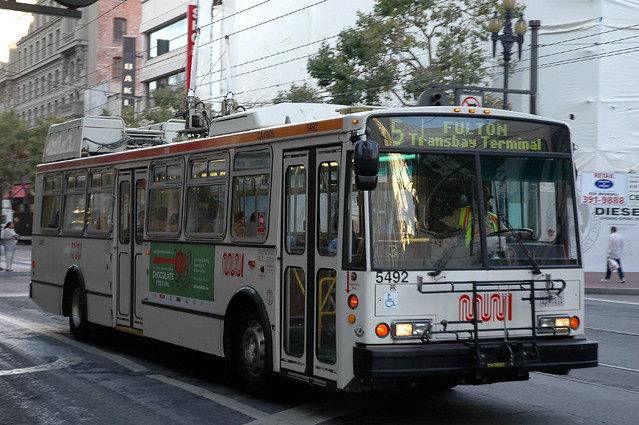
I am writing you with my comments and concerns about the proposed CDTA Albany County Route Restructing. I am a regular rider of the Route 18 and Route 19 CDTA buses to and from Downtown Albany where I work for the NYS Assembly. I ride over 3,000 miles per year on CDTA, which allows me from having to avoid driving my big pickup truck in the city or paying for parking.
During session nights I frequently work after 9 PM or have a risk of working after 9 PM. Continuing service until 11 PM, reduces my need to drive downtown except for rare occasions. I was quite happy to see service expanded to later nights.
Public’s Right to Know.
1) I would urge CDTA to extend the comment period for the Albany County Route Restructuring until at least August 21, 2011.
2) CDTA must disclose proposed schedules and further details on proposed route changes, rather a broad overview of plans. The public must have right to review detailed plans, and offer suggestions for improvements — such as start times, routing, placement of bus stops. Simply putting GIS data online might be valuable to interested users, and would avoid unnecessary Freedom of Information Law requests.
3) The public has the right to know about plans for so-called suburban and express bus service. Will the Route 19 service be canceled or reduced? How will it interact with Route 18 local service?
Unlawful Segmentation of Albany County Bus Service Plan.
4) The exclusion of “Suburban Bus Service” and “Urban Bus Service” in the proposed Albany County Route Restructuring is an unlawful segmentation of the Albany County Restructuring Project under both the National Environmental Policy Act and the State Environmental Quality Review Act.
CDTA, unlike the Metropolitan Transit Agency, is not exempt from SERQA. Any negative declaration given to this proposed restructuring is therefore illegal, and could be subject to Article 78 CPLR action by citizens against CDTA. See Concerned Citizens for the Environment v. Zagata, 243 AD2d 20 (3d Dept 1998) and Aldrich v. Pattison 107 AD2d 258 (2d Dept 1985).
Route 18 Improvements: Needed and Sensible.
5) I support the expansion of Route 18 service until 11 PM. However details are not provided. Will the service go all the way to Price Chopper until 11 PM, or will the buses turn around at the Four Corners ? How frequent will the service be? CDTA should disclose such information to the public on it’s website.
There should be at least hourly service in evenings, with last bus leaving Albany around 11 PM, and the service should go all the way out to Price Chopper, and allow easy transfers between Route 13 and Route 18 until the last buses run in the evening.
Later night service is handy for the many legislative employees who work late into the evenings, and need a convenient way to get home after the last 9 PM bus runs out to Delmar. It also is great for those of us who attend functions after work, and do not wish to drive home after having a couple of drinks.
6) I support the plan to consistently route buses through Delmar via Cherry and Delaware. This will make it less confusing, and adds additional services to the many apartments along these roads.
7) I support having the Route 13 and Route 18 hub out of Price Chopper in Slingerlands. Will this occur all day long, including evenings? Will Route 18 buses become Route 13 after layover, to allow riders to continue on the same bus, after a short layover to destinations off of New Scotland Ave?
8) I am not opposed to reducing service to Grove Street to the Route 19 Express service. Grove Street in Slingerlands has minimal ridership.
9) I am neutral on expanding service to Sundays. For senior citizens or those without cars, this is a good thing.
10) While not part of this plan, I would encourage a rationalization of the times that the Route 19 Express service runs. I would encourage the Route 19 start times to change to the following: 7:15 AM depart Voorheesville (arrive at Orange and Broadway at 7:57 AM), and 8:15 AM depart Voorheesville (arrive at Orange and Broadway at 8:57 AM). The schedule times that Route 19 bus runs in the evening are acceptable, but consider possibly running a 6 PM bus if revenue hours permit it.
.. As a kid, I always loved those marble tracks, where you would drop a ball, and it would bounce all around, until it came to a stop at the end of the track.
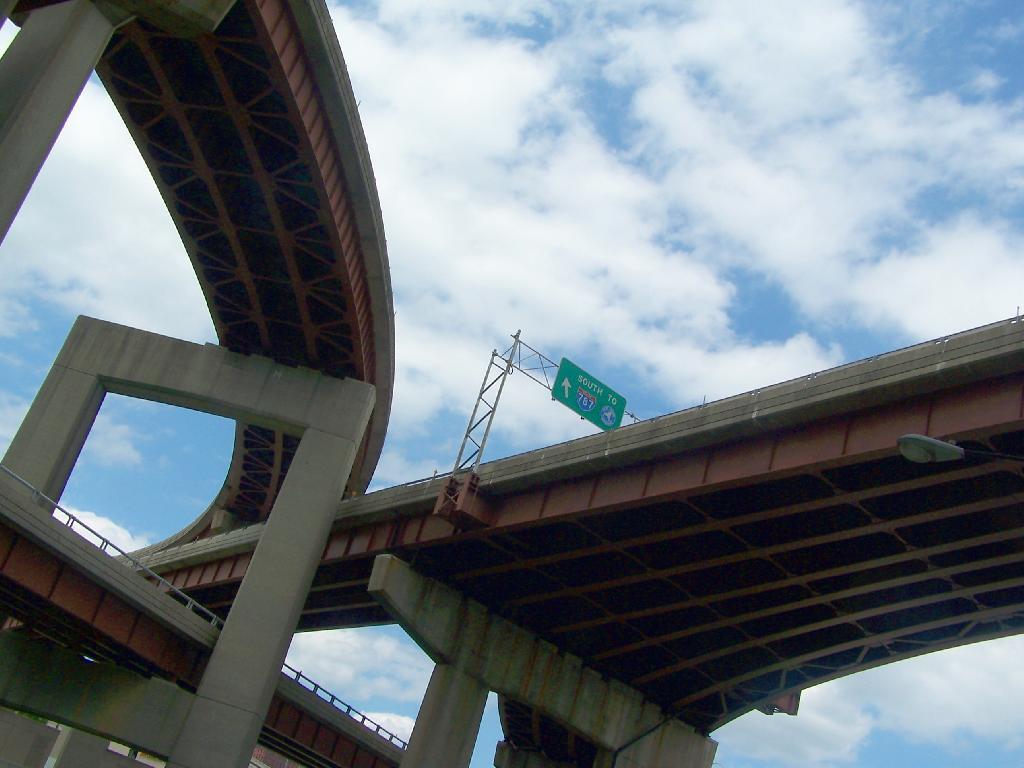
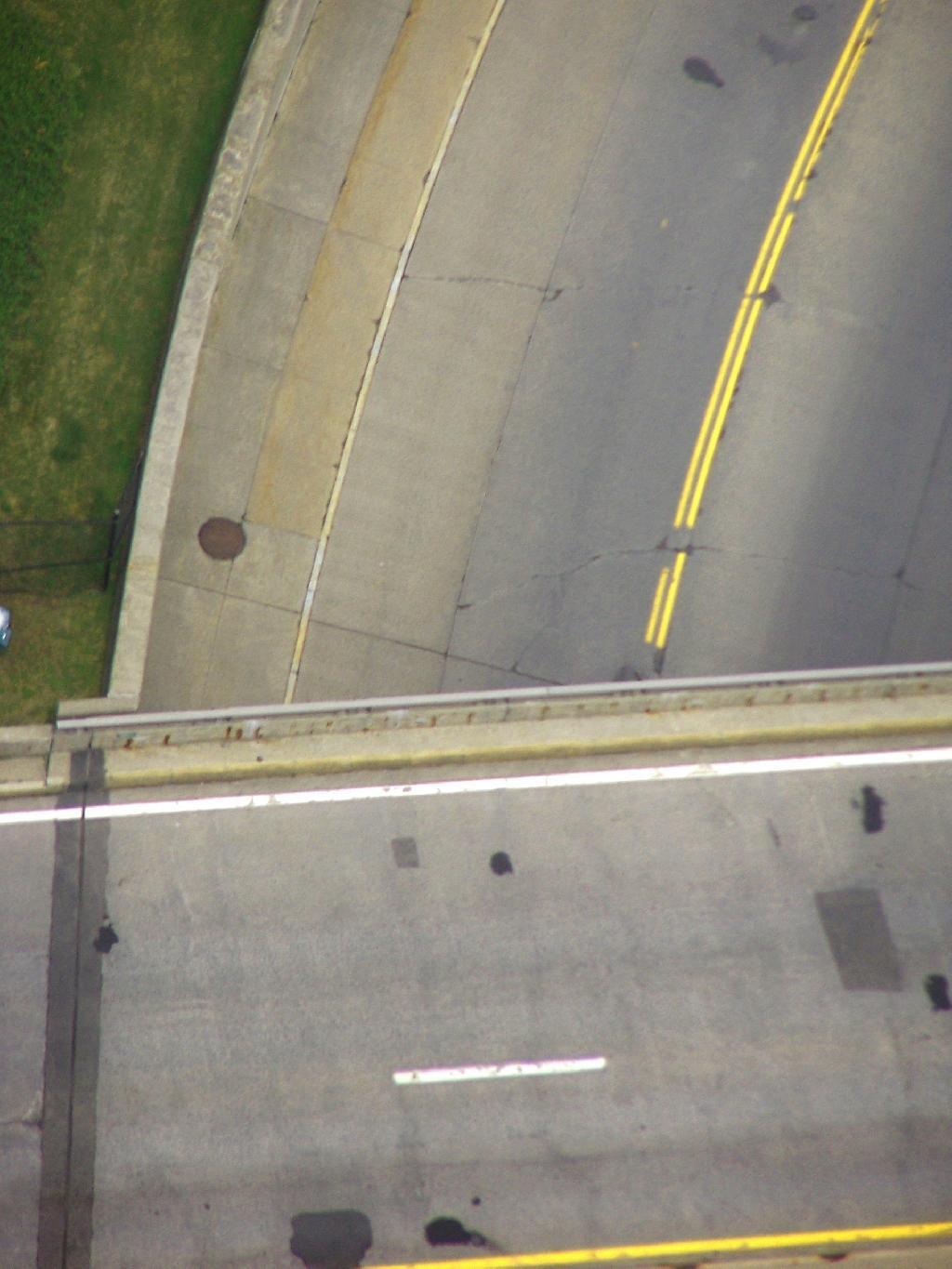
… I think it would be fun to drop a large boulder size marble on the top of the I-787 “Circle Stack” also known as a “Compact Urban Grade Seperated Interchange” in Downtown Albany, to find out where it would go.
I am a believer in off-street parking for all urban residents. I think single family or small apartment buildings offer more green space, and better protect people’s second largest investment — their automobile. On-street parking is troublesome for many reasons:
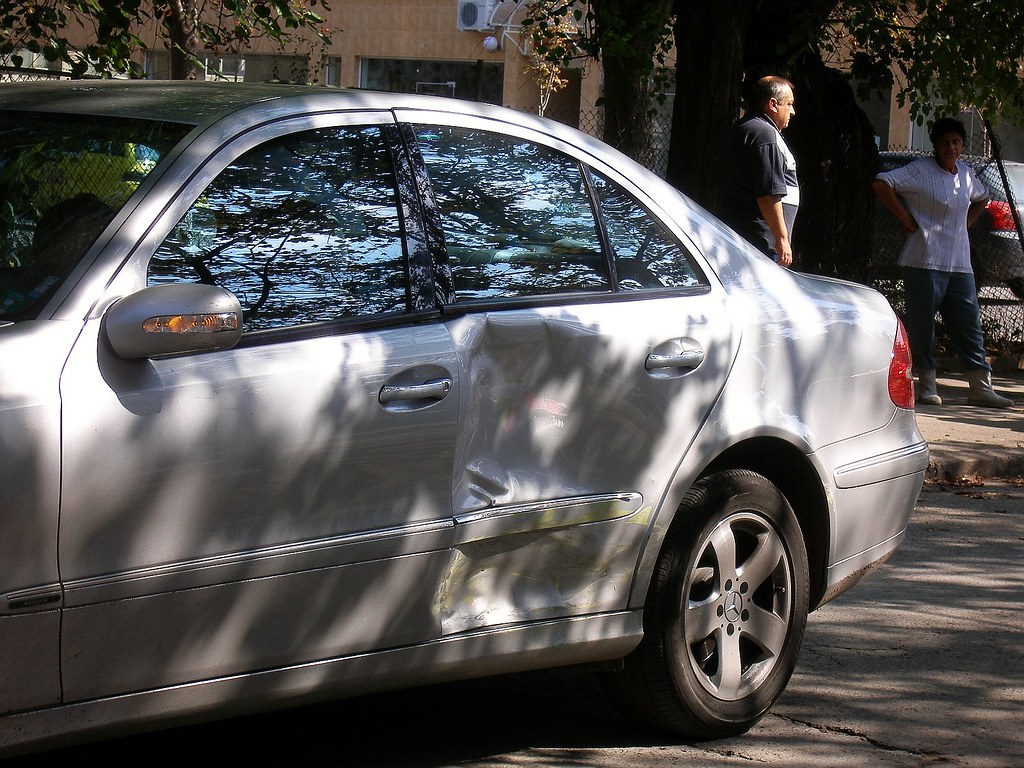
Cars get damaged from other cars parallel parking, accidents, vandalism.
Cars parked on-street take up room that could be used by pedestrians, bus lanes, bicyclists.
Cars parked on street have to drive around searching for a space.
Cars parked on street have to be moved every couple of days to allow for street cleaning and repair.
In contrast is the alternative off-street parking. Unlike some claim, providing off-street parking does not require people to be automobile dependent or even frequently use their automobile. Indeed, many more suburban areas like Albany or Delmar can provide an urban experience, not reliant on private automobiles.Good urban areas should include an off-street residential parking component:
Off street parking allows cars to sit for a weeks at a time, when they are unneccessary for urban trips made on foot, by bicycle, or by mass-transit.
It protects people’s investments in expensive automobiles while they are being used, and keeps people from having to move the automobiles for street cleaning.
At the same time, off-street parking should be intregrated with a quality urban environment, that allows automobiles to be largely reserved for recreational purposes.
Regular frequent transit within a couple of a blocks, with frequent trips to shops and other major employment.
Roads with side walks with trees to comfort the walker, and medians that are tree lined, to provide more beauty and enjoyment.
Small stores nearby to provide convience items, along with frequent bus service to larger shopping center for more specialized items and lower prices.
Off-street parking need not take up a lot of space. Off-street parking can be accomidated in many compact ways:
Short driveways/paths from alleys to garages behind houses.
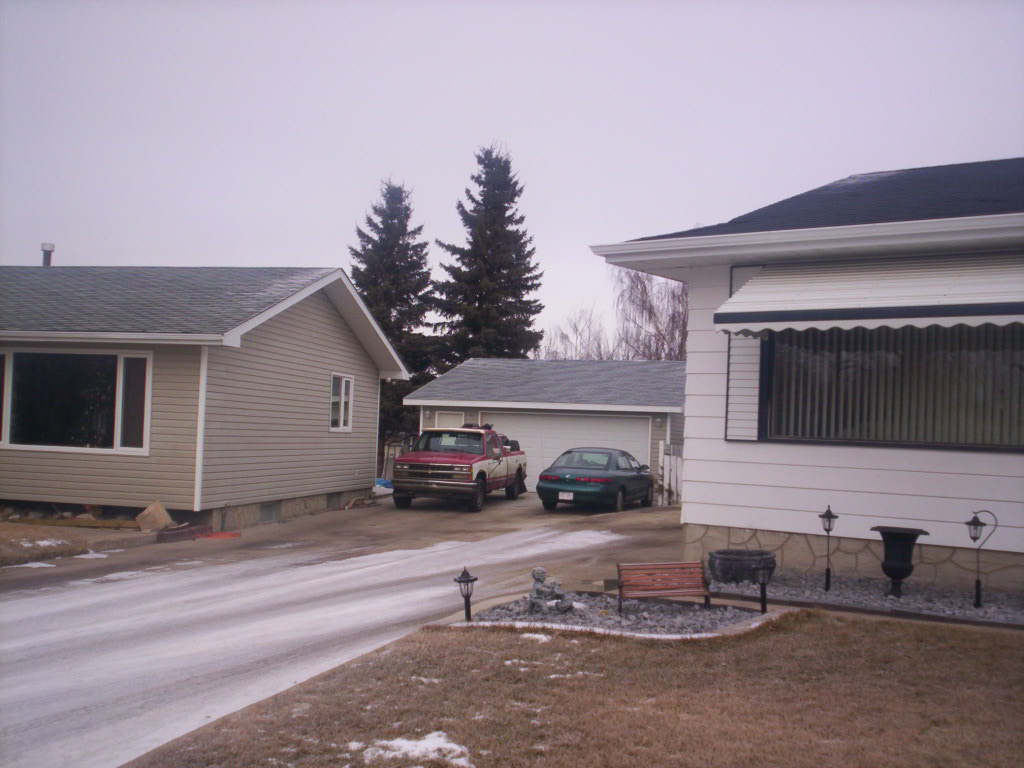
Short driveways between houses, just long enough to get a couple of cars off the street.
Small areas next to houses, just large enough to park cars.
While it makes a lot of sense to have off-street parking for the primarily recreational automobile, on-street parking should be kept too for the visitor or even the secondary “beater” automobile. While most residences should have off-street parking, it makes sense to allow additional people to come, using private automobiles if they so choose, for occassional events.
Sure a car will rust and decay, fall apart, and be another junker. One might say it’s a waste of money.
When cars are not being driven solely for pleasure, they are the most miserable beasts, forcing one to follow extreme restrictions and control measures, doing nothing but forcing us to labor for meaningless waste.
I’ve always wondered what the fascination with battery technology is, when the proven technology used by trolleys and streetcars for over 120 years is electricity via rail or wire. There are no limitations on range or power delivered electrified lines, and use avoid the inefficiency of power stored in a battery.
I could envision the car of a future being a gasoline engine with complete cylinder deactivation, where the complete engine is shut off by a solenoid disconnecting the rocker arms controlling the valves ala the Active Fuel Management widely used in General Motors pickup trucks today.
On major highways and other high traffic roads where “electric wires” are available, as sensed by a radio signal, the car would automatically pop up trolley poles through the roof like a power radio antenna. Electric consumption and billing information would be transmitted through a signal in the wire to the billing municipality, public authority, or power company.
An electric motor/generator in the transmission of the car would spin the drive train and engine, including pushing up and down engine pistons (using the exhaust in the cylinders and shut valves as a choosen) and flywheel. When braking or going downhill, the motor acting as a generator would put recovered power back into the electric line.
The nice thing about this system is there is no range or weight limitation, and uses existing technologies. You could power even semi-trucks or buses with this technology. Moreover, if you become disconnected temporarily from the electric line, the motion of engine’s pistons decompressing the exhaust left in the cylinders and the standard flywheel, would keep the car coasting until electricity came back or the solenoids reconnected the push-rods to the rocker arm and started feeding the engine gasoline once again (the later could happen basically instantly if there is such a power demand).
Because your still moving the pistons up and end down and compressing waste gases, the engine never gets cold, always has warm coolant to heat the inside of the car, and is always ready to burn gasoline at proper operating temperature whenever electricity is dropped.
I can not imagine a future where cars don’t have at least some kind of internal combustion engine that burns gasoline or diesel, at least part of the time. We have been refining Internal Combustion Engines for 110 years now, and the technology is so well engineered and reliable, that it seems likely that cars will use Internal Combustion Technology of some sort for at least another 110 years, if not longer. Internal Combustion Engines are only going to be come cleaner and less polluting as pollution control standards and technology improves, and they are only going to burn less gas or diesel in decades to come.