lands

Association for the Protection of the Adirondacks v. Alexander MacDonald

As I could not find this court case online, despite being public domain, I obtained a copy from the Research Librarian at the Bethlehem Public Library. I am posting this case in it’s entirety, as it’s key to understanding the core holdings in the case, that must be upheld whenever a proposed use is undertaken in the forest preserve.

The Association for the Protection of the Adirondacks et al., Respondents, v.
Alexander MacDonald, Conservation Commissioner of the State of New York, et al., Appellants

[NO NUMBER IN ORIGINAL]

Court of Appeals of New York

253 N.Y. 234; 170 N.E. 902; 1930 N.Y. LEXIS 820

February 11, 1930, Argued
March 18, 1930, Decided

PRIOR HISTORY.

[***1] Appeal from a judgment of the Appellate Division of the Supreme Court in the third judicial department, entered January 21, 1930, in favor of plaintiffs, upon the submission of a controversy under sections 546-548 of the Civil Practice Act.

Assn. for Protection of Adirondacks v. MacDonald, 228 App. Div. 73, affirmed.

DISPOSITION.

Judgment affirmed.
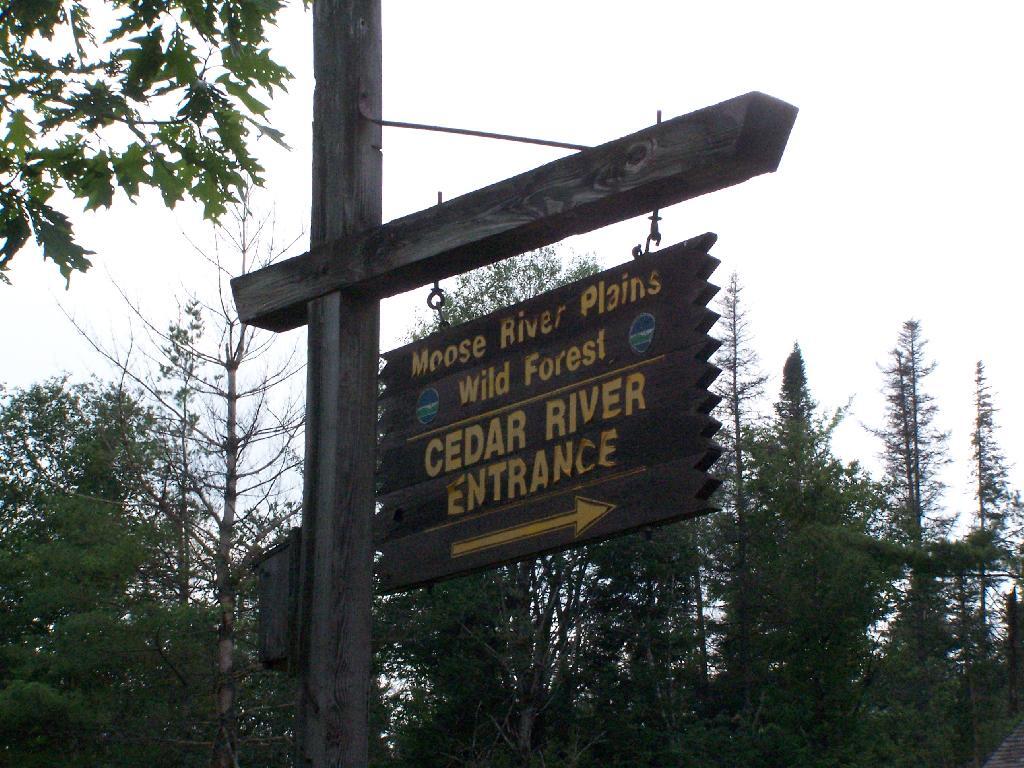
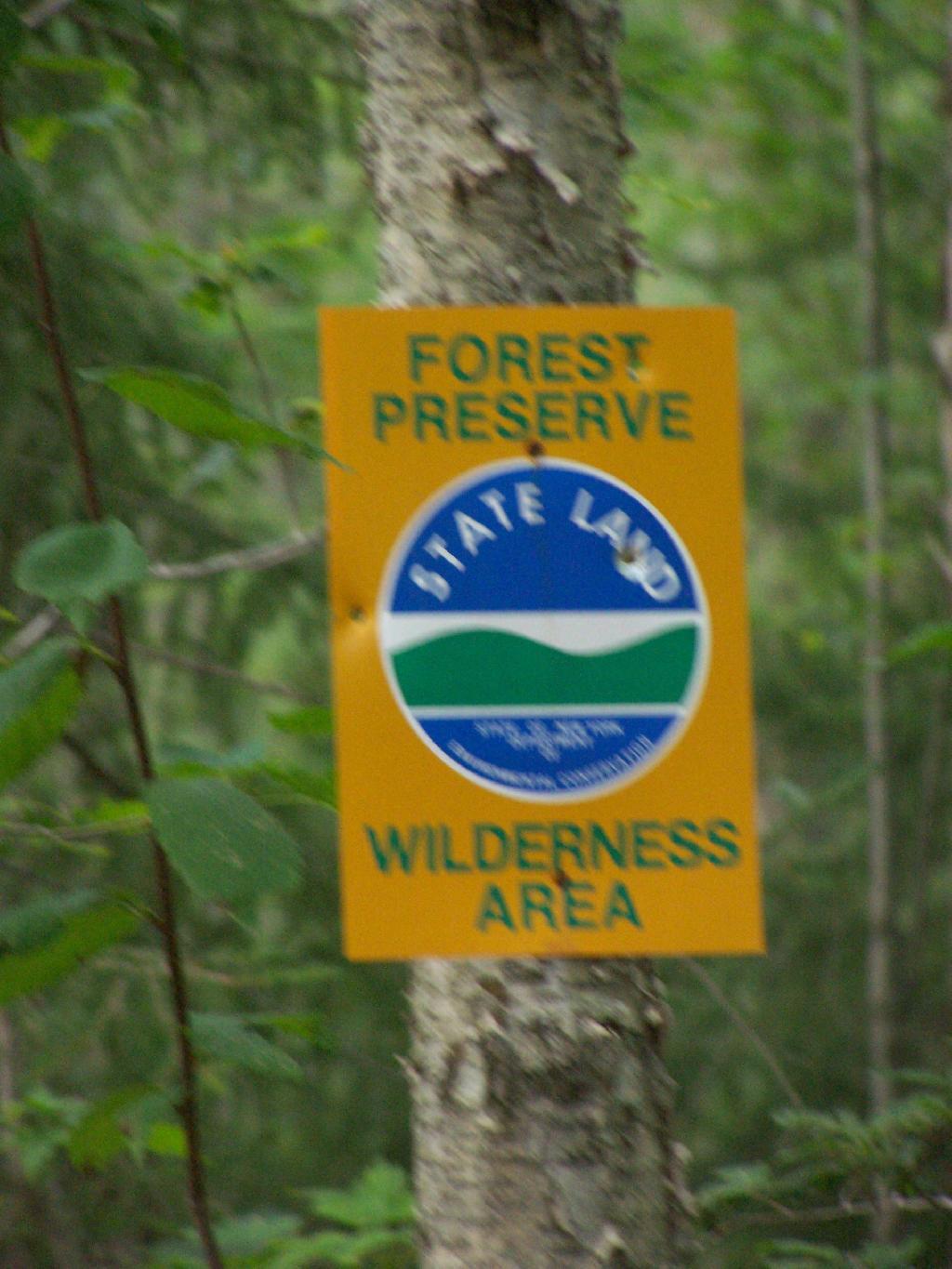
Cedar River Entrance Sign

OVERVIEW.

1929 N.Y. Laws ch. 417 was enacted to authorize the construction of a bobsleigh run in a forest preserve belonging to the state in order to provide facilities for the Olympic winter games. The officials planned to cut down 2,500 trees, and the association, a group that sought to protect state lands, objected, arguing that the state’s constitution prevented the cutting of the trees. The association obtained an injunction restraining the construction on the ground that the statute was void and unconstitutional, and the officials appealed. The court affirmed the decision, holding that ch. 417 was unconstitutional and that the timber on the lands in the forest preserve could not be cut and removed to construct a toboggan slide because N.Y. Const. art. VII, § 7 said that it could not be done. The court held that the constitution, like any other law, had to receive a reasonable interpretation, considering the purpose and the object in view, and the purpose of § 7 was that the forest preserve should be forever kept as wild forest lands and the timber could not be sold, removed, or destroyed.
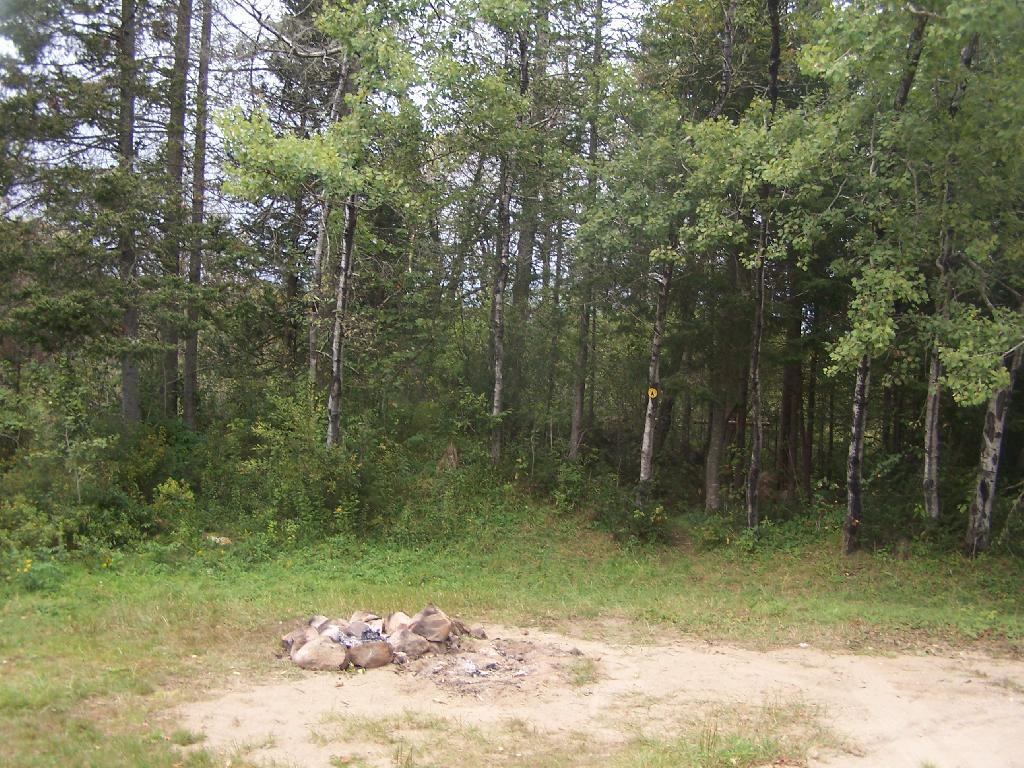
Campsite North of Powley Place

SYLLABUS.

Chapter 417 of the Laws of 1929, authorizing the Conservation Commissioner to construct and maintain a bobsleigh run or slide on State lands in the Forest Preserve in the town of North Elba, necessitating the removal of a substantial number of trees from the land set aside therefor, is violative of section 7 of article 7 of the State Constitution, directing that timber in the Forest Preserve shall not be “sold, removed or destroyed,” and is, consequently, void.

COUNSEL: Hamilton Ward, Attorney-General (C. S. Ferris of counsel), for appellants. Section 7 of article 7 of the Constitution was not intended to prohibit the cutting of a relatively small number of trees, [***2] or even a single tree, when such cutting will in no wise impair the forest or subvert the purpose for which the Forest Preserve was acquired and is now being maintained. ( People ex rel. Manhattan Ry. Co. v. Barker, 152 N. Y. 433; People ex rel. Jackson v. Potter, 47 N. Y. 375; People v. Adirondack Ry. Co., 160 N. Y. 225; Einsfeld v. Murray, 149 N. Y. 367.)

Wallace T. Stock, Frederick T. Kelsey and John W. DeWitt for Public Park and Playgrounds District of the Town of North Elba, amicus curiae. The constitutional provision must be given a broad interpretation consistent with the purposes of government and with the ascertained intent of the framers thereof and of the people. ( People v. Tremaine, 252 N. Y. 27; Koster v. Coyne, 184 N. Y. 494; Matter of Burns, 155 N. Y. 23; Rochester v. Quintard, 136 N. Y. 221; People v. Petrea, 92 N. Y. 128; Matter of Gilbert El. R. Co., 70 N. Y. 361; Goodell v. Jackson, 20 Johns. 693; People v. Fancher, 50 N. Y. 288; People v. Albertson, 55 N. Y. 50; People v. Lorillard, 135 N. Y. 285; [***3] Admiral Realty Co. v. City of N. Y., 206 N. Y. 110; Matter of Dowling, 219 N. Y. 44.) The intent of the People in adopting this provision of the Constitution was the preservation and use of the Forest Preserve as a great resort for the public for the purposes of health and recreation. (Black on Interpretation of Laws [2d ed.], pp. 20, 194; Wendell v. Lavin, 246 N. Y. 115; People v. Potter, 47 N. Y. 375; Sweet v. Syracuse, 129 N. Y. 316; Stradar v. Stern, 184 App. Div. 700; Waters v. Gerard, 189 N. Y. 302; People v. Mosher, 163 N. Y. 32; People v. Lyman, 157 N. Y. 368.) The proposed bobsled run is a proper and desirable use of the State’s forest lands, consistent with the Constitution. ( Matter of Watson, 226 N. Y. 384.)

Jacob Gould Schurman, Jr., George Welwood Murray, Samuel H. Ordway and Alanson W. Willcox for respondents. The history of section 7 of article 7 of the Constitution and the effect uniformly attributed to it, demonstrate the invalidity of chapter 417 of the Laws of 1929. ( People v. Adirondack R. Co., 160 N. Y. 225; Adirondack R. Co. v. Indian River Co., 27 App. Div. 326; [***4] People v. New York Central & H. R. R. R. Co., 161 App. Div. 322; 213 N. Y. 649; Newcombe v. Ostrander, 66 Misc. Rep. 103; 140 App. Div. 945.) The legislation in question cannot be sustained as an exercise of the police power or as a reasonable use of the Forest Preserve. ( Barrett v. State of New York, 220 N. Y. 423.)

JUDGES: Crane, J. Cardozo, Ch. J., Pound, Lehman, Kellogg, O’Brien and Hubbs, JJ., concur.

OPINION BY: CRANE
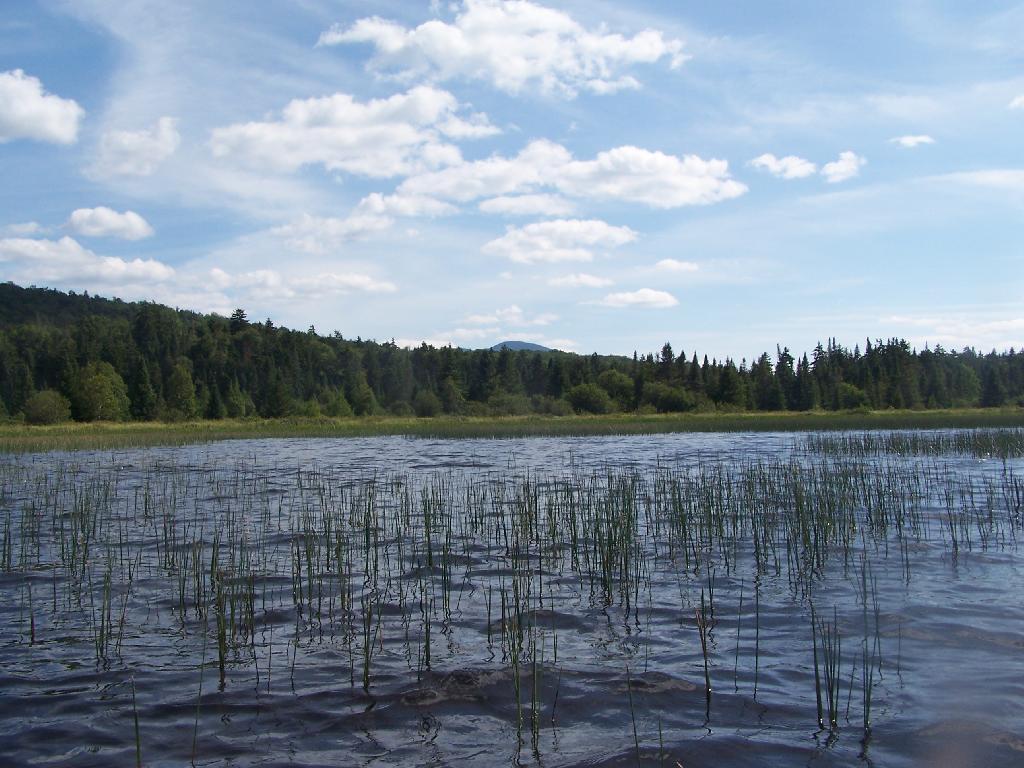
Marshy Flow and Pillsbury Mountain

OPINION.

[*236] [**903] By chapter 417 of the Laws of 1929 the Conservation Commissioner is authorized to construct and maintain a bobsleigh run or slide on State lands in the Forest Preserve in the town of North Elba, Essex county, on the western slope of the Sentinel Range.

The act was passed for the purpose of providing facilities for the third Olympic winter games, which are to be held at or in the vicinity of Lake Placid, in the year 1932. The bobsleigh run will be approximately one and one-quarter miles in length and six and one-half feet wide, with a return route or go-back road. As additional land will have to be cleared on either side of the run, the width in actual use will be approximately sixteen feet, and twenty feet where the course curves. It is estimated that the [***5] construction will necessitate the removal of trees from about four and one-half acres of land, or a total number of trees, large and small, estimated at 2,500. The Forest Preserve within the Adirondacks consists of 1,941,403 acres. The taking of four acres out of this vast acreage for this international sports’ meet seems a very slight inroad upon the preserve for a matter of such public interest and benefit to the people of the State of New York and elsewhere. The Legislature, recognizing the benefits of an international gathering of this kind, has sought in the public interest, by the [*237] enactment of the above law, to provide appropriately and in the spirit of hospitality, the necessary equipment and facilities for these games, and contests, incident to winter sport, of which tobogganing is a large feature. Winter sports of course must be held in a place where there will be an assurance of sufficient continual cold weather for snow and ice, and the vicinity of Lake Placid gives this assurance. The western slope of the Sentinel range, chosen for the toboggan slide, is the nearest and most appropriate place for its construction in connection with the center of attractions.

[***6] Considering the distinction of having one of the beauty spots of New York State selected as appropriate for the International Olympic winter games and the advantages afforded by Lake Placid and its vicinity, together with the good will promoted in the recognition by the State, through its Legislature, of the event, what possible objection can there be to the above law permitting this toboggan slide to be constructed on State land? One objection, and one only — the Constitution of the State, which prevents the cutting of the trees. This objection has been raised by the Association for the Protection of the Adirondacks, which has sought and obtained an injunction restraining the Conservation Commission of this State and the Superintendent of Lands and Forests from constructing and maintaining the bobsleigh run on the ground that chapter 417 of the Laws of 1929 is unconstitutional and void.

The constitutional provision is HN1section 7 of article VII, reading: “The lands of the state, now owned or hereafter acquired, constituting the forest preserve as now fixed by law, shall be forever kept as wild forest lands. They shall not be leased, sold or exchanged, or be taken by any corporation, [***7] public or private, nor shall the timber thereon be sold, removed or destroyed.”

The lands and trees proposed to be taken for the toboggan slide are within the Forest Preserve and covered [*238] by this provision of the Constitution. Taking the words of section 7 in their ordinary meaning, we have the command that the timber, that is, the trees, shall not be sold, removed or destroyed. To cut down 2,500 trees for a toboggan slide, or perhaps for any other purpose, is prohibited. Some opinions, notably those of the Attorneys-General of the State, cited on the briefs and by the Appellate Division, have even gone so far as to state that a single tree, and even fallen timber and dead wood, cannot be removed; that to preserve the property as wild forest lands means to preserve it from the interference in any way by the hand of man.

HN2The words of the Constitution, like those of any other law, must receive a reasonable interpretation, considering the purpose [**904] and the object in view. ( State of Ohio ex rel. Popovici v. Agler, 280 U.S. 379.) Words are but symbols indicating ideas and are subject to contraction and expansion to meet the idea sought to be expressed; [***8] they register frequently according to association, or like the thermometer, by the atmosphere surrounding them. The purpose of the constitutional provision, as indicated by the debates in the Convention of 1894, was to prevent the cutting or destruction of the timber or the sale thereof, as had theretofore been permitted by legislation, to the injury and ruin of the Forest Preserve. To accomplish the end in view, it was thought necessary to close all gaps and openings in the law, and to prohibit any cutting or any removal of the trees and timber to a substantial extent. The Adirondack Park was to be preserved, not destroyed. Therefore, all things necessary were permitted, such as measures to prevent forest fires, the repairs to roads and proper inspection, or the erection and maintenance of proper facilities for the use by the public which did not call for the removal of the timber to any material degree. The Forest Preserve is preserved for the public; its benefits are for the people of the State as a whole. Whatever the advantages may be of having wild forest lands [*239] preserved in their natural state, the advantages are for every one within the State and for the use [***9] of the people of the State. Unless prohibited by the constitutional provision, this use and preservation are subject to the reasonable regulations of the Legislature.

The laws developing the Forest Preserve and the Adirondack Park, up to the Constitution of 1894, are reviewed in the opinion of this court in People v. Adirondack Ry. Co. (160 N. Y. 225). By chapter 707 of the Laws of 1892 the State Park, known as the Adirondack Park, was created within certain of the Forest Preserve counties. Such park is to be “forever reserved, maintained and cared for as ground open for the free use of all the people for their health or pleasure, and as forest lands necessary to the preservation of the headwaters of the chief rivers of the State, and a future timber supply.”

Chapter 332 of the Laws of 1893, combining all previous acts, gave to the Forest Commissioners authority to sell certain timber on the Forest Preserve and also power to sell such of the lands as were not needed. They were also authorized to lease camp sites and lay out paths and roads in the park. Then came the Convention of 1894 with the debates indicating a change of policy regarding the sale and destruction of [***10] timber and the use of the lands. (Revised Record of the Constitutional Convention of 1894, vol. I, pp. 1100, 1148; vol. II, pp. 57, 1201; vol. IV, pp. 128, 137.)

At the time of the assembling of this Convention, the law of the State authorized the sale, lease, clearing and cultivation of lands in the Forest Preserve and the sale of standing or fallen timber thereon; also permitted the laying out of paths and roads through the property. (See chap. 283, Laws of 1885; chap. 475, Laws of 1887; chap. 707, Laws of 1892; chap. 332, Laws of 1893.)

With these laws before them and the statements in the debates revealing the depredations which had been made on the forest lands, and the necessity for restricting the [*240] appropriation of trees and timber, section 7 of article VII was adopted and became part of the Constitution January 1, 1895, where it has remained ever since.

No longer was the land or timber to be sold or even condemned for public purposes. ( People v. Adirondack Ry. Co., supra.) The forests were to be preserved as wild forest lands, and the trees were not to be sold or removed or destroyed. Whereas the Legislature had authorized the building of roads through [***11] these lands, this power was thereafter conferred not through legislation, but by constitutional amendments adopted in 1918 and 1927. The section with these amendments now reads: “Nothing contained in this section shall prevent the State from constructing a State highway from Saranac lake in Franklin county to Long lake in Hamilton county and thence to Old Forge in Herkimer county by way of Blue Mountain lake and Raquette lake, and nothing shall prevent the State from constructing a State highway in Essex county from Wilmington to the top of Whiteface mountain.” If it were deemed necessary to obtain a constitutional amendment for the construction of a State highway, the use to which the Forest Preserve might be put with legislative sanction was greatly limited. Trees could not be cut or the timber destroyed, even for the building of a road. This seems to be a fair conclusion to be drawn from the adoption of these constitutional amendments after the Constitution of 1894.

What may be done in these forest lands to preserve them or to open them up for the use of the public, or what reasonable cutting or removal of timber may be necessitated in order to properly preserve the State Park, [***12] we are not at this time called upon to determine. What regulations may reasonably be made by the Commission for the use of the park by campers and those who seek recreation and [**905] health in the quiet and solitude of the north woods is not before us in this case. The [*241] Forest Preserve and the Adirondack Park within it are for the reasonable use and benefit of the public, as heretofore stated. A very considerable use may be made by campers and others without in any way interfering with this purpose of preserving them as wild forest lands. (See “The Problem of the Wilderness” by Robert Marshall in “The Scientific Monthly,” Feb. 1930, p. 141.)

But the question still remains whether the construction of a toboggan slide, which requires the cutting of 2,500 trees, is such a reasonable use, or is forbidden by the Constitution.

Counsel for the appellants has very ably argued that as the underlying purpose of all these restrictions upon the State lands is to preserve them for the free use of all the people for their health and pleasure, the erection of a toboggan slide for sport is within this purpose. He has pressed upon our attention the fact that outdoor sports do [***13] much to maintain the health, the happiness and the welfare of the people of this State; and that if a branch of these outdoor sports is to a minor extent permitted within the public lands, the very purpose which the framers of the Constitution of 1894 had in mind will be accomplished; that it is the benefit to the people which this constitutional provision sought to preserve in the preservation of the forest. What can be more beneficial, asks counsel, than the establishment of forest sports, among which is classed this toboggan slide? We must admit much, if not all, that counsel has so eloquently pleaded in behalf of outdoor games. Perhaps much may be due to international sports, such as the Olympic games, lawn tennis, golf, even aviation, for creating good will among the nations, and a desire to establish those friendly relationships so vigorously claimed and earnestly sought for through treaties and world conferences. However tempting it may be to yield to the seductive influences of outdoor sports and international contests, we must not overlook the fact that [*242] constitutional provisions cannot always adjust themselves to the nice relationships of life. The framers [***14] of the Constitution, as before stated, intended to stop the willful destruction of trees upon the forest lands, and to preserve these in the wild state now existing; they adopted a measure forbidding the cutting down of these trees to any substantial extent for any purpose.

Tobogganing is not the only outdoor sport. Summer sports in the Adirondacks attract a larger number of people than the winter sports, simply for the reason, if no other, that the summer time still remains the vacation period for most of us. The same plea made for the toboggan slide in winter might be made for the golf course in summer, or for other sports requiring the use or the removal of timber. In other words, this plea in behalf of sport is a plea for an open door through which abuses as well as benefits may pass. The Constitution intends to take no more chances with abuses, and, therefore, says the door must be kept shut. The timber on the lands of the Adirondack Park in the Forest Preserve, or that on the western slope of the Sentinel range cannot be cut and removed to construct a toboggan slide simply and solely for the reason that section 7, article VII, of the Constitution says that it cannot be [***15] done. (emphasis added)

Consequently, chapter 417 of the Laws of 1929, permitting the erection of this bobsleigh slide and the destruction of the trees is unconstitutional, and the judgment should be affirmed, with costs.

Can You Sue the State For Failing to Protect Against Pollution?

Article XIV Section 4 states:

The policy of the state shall be to conserve and protect its natural resources and scenic beauty and encourage the development and improvement of its agricultural lands for the production of food and other agricultural products.

The legislature, in implementing this policy, shall include adequate provision for the abatement of air and water pollution and of excessive and unnecessary noise, the protection of agricultural lands, wetlands and shorelines, and the development and regulation of water resources.

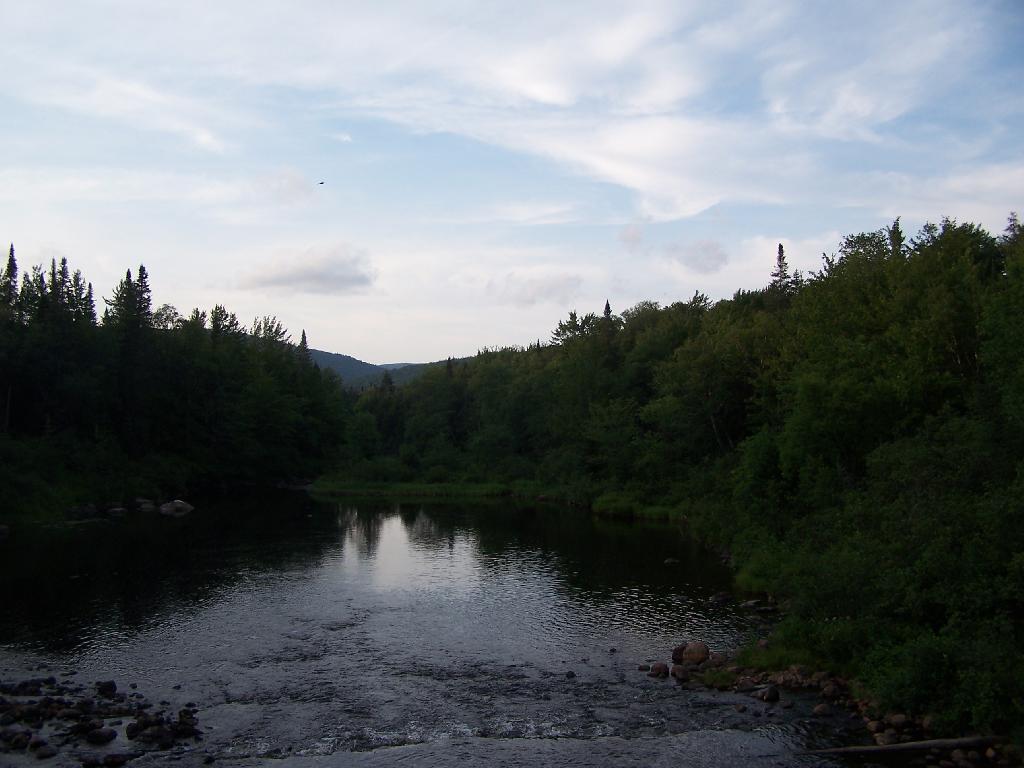
Cedar River Below Dam

While Article XIV Section 5 provides:

A violation of any of the provisions of this article may be restrained at the suit of the people or, with the consent of the supreme court in appellate division, on notice to the attorney-general at the suit of any citizen.

This would state affirmatively that the any citizen may sue the state for failing to “conserve and protect its natural resources and scenic beauty” and “encourage the development and improvement of its agricultural lands for the production of food and other agricultural products.”.

90% of Wild Forest is Actually Wilderness

A secret of the Adirondack State Land Master Plan is that well over 90% of the lands officially dedicated as Wild Forest are actually forever: wilderness, even though it’s not called that.

Wilderness Area

Here is why from Adirondack State Land Master Plan:

4. Public use of motor vehicles will not be encouraged and there will not be anymaterial increase in the mileage of roads and snowmobile trails open to motorized use bythe public in wild forest areas that conformed to the master plan at the time ofits original adoption in 1972.

That language basically makes it clear that no new roads or truck trails will be created in Adirondack Forest Preserve. Therefore, except for a handful existing roads, the vast majority of lands of Adirondack Forest Preserve will forever remain free of motor vehicles and snowmobiles (in winter). The milage of snowmobile trails and truck trails will only decline in coming years, strictly fitting into defination of “wild forest”.

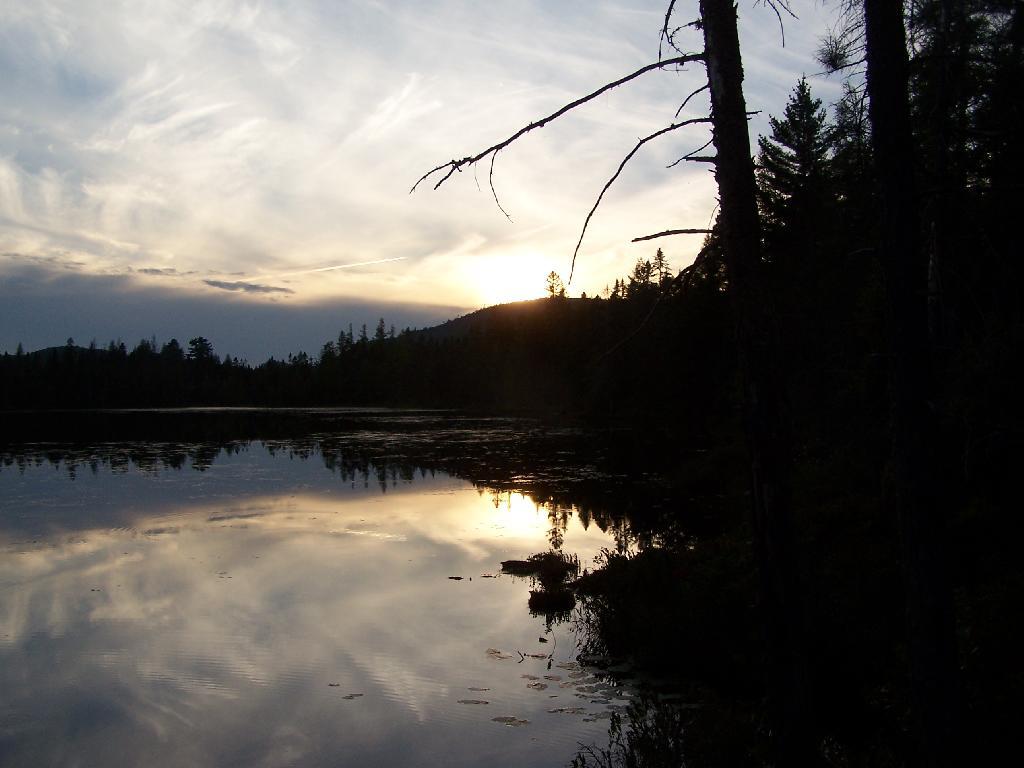
Helldiver Pond in Evening

Moreover per the consitution:

The lands of the state, now owned or hereafter acquired, constituting the forest preserve as now fixed by law, shall be forever kept as wild forest lands. They shall not be leased, sold or exchanged, or be taken by any corporation, public or private, nor shall the timber thereon be sold, removed or destroyed.

Therefore per the consitution, no timber may be removed or destroyed in the forest preserve, which means the consitution explicitly prohibits any new road from being constructed in the forest preserve, except where an existing road exists. You can’t build a new road through the forest without cutting timber.

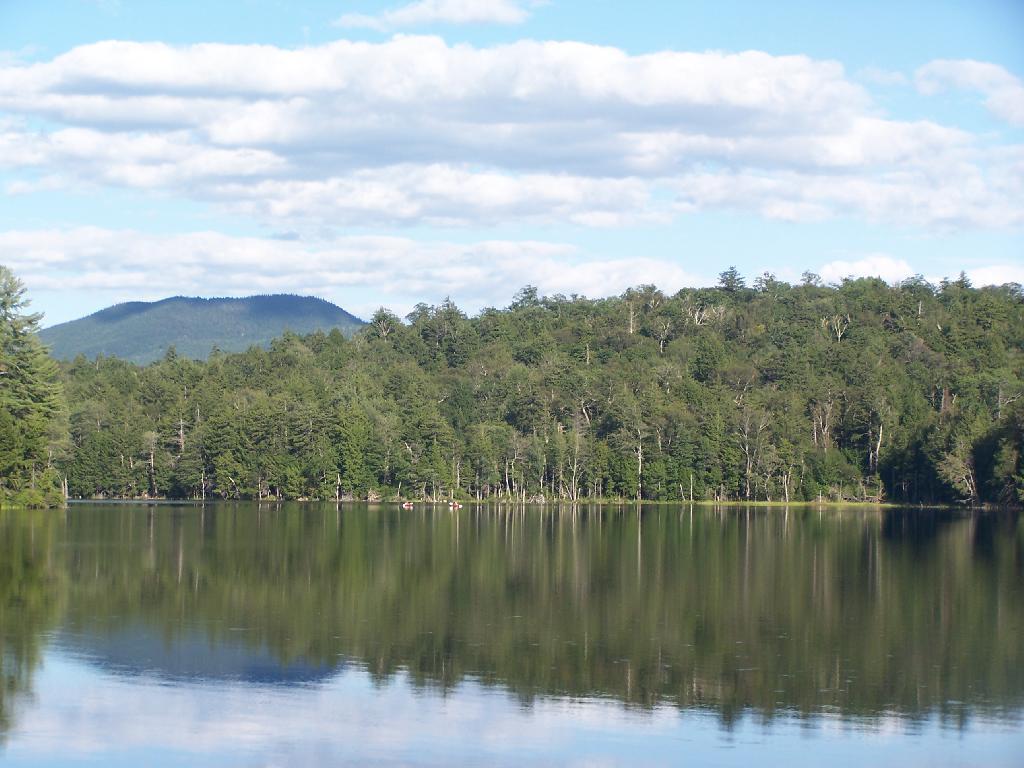
Across Mason Lake

The only constraint from designating all of Adirondack Wild Forest as wilderness, is some of the parcels are smaller, and there a minimal roads going to campsites, lakes, destinations, and private lands throughout the park, mostly low-speed forest preserve roads, with minimal use.

… no roads, no timber cutting = wilderness area

State Nature and Historic Preserve Deserves Enhanced Consitutional Protections

There are Three Classes of Protected State Public Lands in the New York State Consitution:

  1. Forest Preserve – Consitutionally Protected with No Land Bank
  2. State Forests and Wildlife Management Areas – Consitutionally Protected with Land Bank
  3. State Nature and Historic Preserve – No Consitutional Protection – Can Be Alienated By Legislature

Off the Cliff

State Forest Preserve.

The State Forest Preserve, inside of Catskill and Adirondack Parks is defined in Article XIV Section 1:

Article XIV Section 3

The lands of the state, now owned or hereafter acquired, constituting the forest preserve as now fixed by law, shall be forever kept as wild forest lands. They shall not be leased, sold or exchanged, or be taken by any corporation, public or private, nor shall the timber thereon be sold, removed or destroyed.

[exceptions not included]

This is the strictest classification of public land. No land swaps or non-forest preserve uses are permitted. Trees may not be logged except incidentially as part of maintence of these wild forest lands. This language is often seen as unflexible, and has required 10 admendments to the state consitution in the past 100 years, as no land bank is provided for in consitution.

Article XVI Section 1 Exception 3, passed in 1957, does provide for a limited “Land Bank” allowing for realignment of a limited number of miles of state highways for safety purposes, however it is very limited compared to compared the generous land bank previsions Article XIV Section 3 (State Forests).

… nor from relocating, reconstructing and maintaining a total of not more than fifty miles of existing state highways for the purpose of eliminating the hazards of dangerous curves and grades, provided a total of no more than four hundred acres of forest preserve land shall be used for such purpose and that no single relocated portion of any highway shall exceed one mile in length.

.

A lack of a land bank means even for minor non-forest preserve uses of current forest preserve lands, a consitutional admendment must be passed. This means a consitutional admendment must be drafted, passed by two successive legislatures (such as the 2011-2012 and 2013-2014 sessions) and signed into law twice, then approved by a majority of the state’s voters in a general election.A powerline cutting off 1/3rd of an acre of forest preserve, would require this expensive and lengthy procedure.

Through the Marshlands of the VIC

Wildlife Management Areas and State Reforestation Areas.

More flexible is the concept of Wildlife Management Areas (popularly known as “Public Hunting Grounds”), and State Reforestation Areas (popularly known as “State Forests”), as defined in Article XIV Section 3. These were added in the current form to the state consitution under the State Consitutional Convention of 1933.

Article XIV Section 3

1. Forest and wild life conservation are hereby declared to be policies of the state. For the purpose of carrying out such policies the legislature may appropriate moneys for the acquisition by the state of land, outside of the Adirondack and Catskill parks as now fixed by law, for the practice of forest or wild life conservation.

The prohibitions of section 1 of this article shall not apply to any lands heretofore or hereafter acquired or dedicated for such purposes within the forest preserve counties but outside of the Adirondack and Catskill parks as now fixed by law, except that such lands shall not be leased, sold or exchanged, or be taken by any corporation, public or private.

2. As to any other lands of the state, now owned or hereafter acquired, constituting the forest preserve referred to in section one of this article, but outside of the Adirondack and Catskill parks as now fixed by law, and consisting in any case of not more than one hundred contiguous acres entirely separated from any other portion of the forest preserve, the legislature may by appropriate legislation, notwithstanding the provisions of section one of this article, authorize:

(a) the dedication thereof for the practice of forest or wild life conservation; or

(b) the use thereof for public recreational or other state purposes or the sale, exchange or other disposition thereof; provided, however, that all moneys derived from the sale or other disposition of any of such lands shall be paid into a special fund of the treasury and be expended only for the acquisition of additional lands for such forest preserve within either such Adirondack or Catskill park.

All State Forests and Wildlife Management Areas are Consitutionally Protected but with a state-use land bank. Small portions of State Forests and Wildlife Management Areas (under 100 acres) may be traded for other areas of the land nearby. Alternatively, small areas of land may be sold for purchase of new Forest Preserve within the Adirondack or Catskill Parks. This allows the state the flexibility to re-route highways and build other needed state facilities, as long as the amount of public land is not reduced. The Consitution has never been admended for State Forests or Wildlife Management Areas.

While one could argue that the Adirondack and Catskill Forest Preserve should include similiar flexibility, not including a land bank for Forest Preserve means that large parcels are ensured never to be subdivided by roads, power lines, or other troublesome breaks of wilderness.

The important thing to note is that State Forests and Wildlife Management Areas can not be alienated in whole without a Consitutional Admendment. There will never be a net decrease in State Forest and Wildlife Management lands outside of the Forest Preserve, even if boundaries may change slightly due to public needs. To change State Forest and Wildlife Management Area boundaries, such as for re-routing of a state highway or constructing of a state facility, a bill of alienation with a home rule message must pass to successive legislatures, however no consitutional admendment is required as long as the bill of alienation involves less then 100 acres.

Almost Black Out

State Nature and Historic Preserve.

The State Nature and Historic Preserve came out of the New York State Consitutional Convention of 1967. It was approved by the People of New York State in the General Election of November 1969. It finally gave public parks limited consitutional protection, at least those parks maintained by the State of New York, and officially designated as “State Nature and Historic Preserve”.

Article XIV Section 4 (relevant sections)

… The legislature shall further provide for the acquisition of lands and waters, including improvements thereon and any interest therein, outside the forest preserve counties, and the dedication of properties so acquired or now owned, which because of their natural beauty, wilderness character, or geological, ecological or historical significance, shall be preserved and administered for the use and enjoyment of the people.

Properties so dedicated shall constitute the state nature and historical preserve and they shall not be taken or otherwise disposed of except by law enacted by two successive regular sessions of the legislature.

The State Nature and Historic Preserve was a good concept. Yet, before passage, it was well established in Case and Statutory Law under the Alienation Doctrine and clarified through 50 years of case law, most notably Williams v. Gallatin (229 N.Y. 248, 253). It didn’t make any real changes to the policy of state, and left land vunerable to alienation by two sucessive the state legislatures. Traditionally the State legislature has been resistant to abuse the Alienation Power, usually deferring to the opinion of local environmental groups, and acting consitent to statutory law. Most alienations exist as a land swaps and generally involve a de minis amount of land. Yet, that is no guarantee for the future.

Untitled

Strengthen the State Nature and Historic Preserve.

The State Nature and Historic Preserve should be strenghtened to have the consitutional protections afforded to State Forests and Wildlife Mangement Areas. There should be a consitutional bar for all large alienations, e.g. those larger then 100 acres. Large scale alienations of all public lands should require a consitituional admendment, not just those designated Forest Preserve, State Forest, or Wildlife Management Area.

Moreover, the DEC and the Office of Parks and Historic Preserve, should be compelled to add all lands it owns and maintains to the State Nature and Historic Preserve. Right now, it is not viewed as priority for most state agencies, as the State Nature and Historic Preserve offers no additional protections over the traditional parks.

NY State Nature and Historical Preserve

New York State has the well known Forest Preserve in Adirondacks and Catskills (provided for in Section 1) and State Forests and Wildlife Management Areas (provided for in Section 2) outside of the Blue-line designated Forest Preserve Boundaries. Yet, on November 4, 1969 the voters of New York State admended the consitution to add a new section that called for a new type of land — The State Nature and Historic Preserve — now managed by the new Department of Environment Conservation.

Article XIV Section 4:Protection of natural resources; development of agricultural lands.

The policy of the state shall be to conserve and protect its natural resources and scenic beauty and encourage the development and improvement of its agricultural lands for the production of food and other agricultural products.

The legislature, in implementing this policy, shall include adequate provision for the abatement of air and water pollution and of excessive and unnecessary noise, the protection of agricultural lands, wetlands and shorelines, and the development and regulation of water resources.

The legislature shall further provide for the acquisition of lands and waters, including improvements thereon and any interest therein, outside the forest preserve counties, and the dedication of properties so acquired or now owned, which because of their natural beauty, wilderness character, or geological, ecological or historical significance, shall be preserved and administered for the use and enjoyment of the people.

Properties so dedicated shall constitute the state nature and historical preserve and they shall not be taken or otherwise disposed of except by law enacted by two successive regular sessions of the legislature.

Since 1969, only 35 facilities have been added to the State Nature and Historic Preserve. While most of these properties are not contigous, they consist of some the most interesting public lands in NY State.

Zoom in to see the specific properties.

Here is a list of the properties, sorted by alphabetical order.

State Nature and Historical Preserve Acres
ALBANY PINE BUSH PRESERVE 1581.3
BARE HILL UNIQUE AREA 400.9
BOG BROOK UNIQUE AREA 131.7
BRANDOW POINT UNIQUE AREA 62.9
CAMILLUS FOREST UNIQUE AREA 351.5
CARPENTER FALLS UNIQUE AREA 38.2
CASTLE ROCK UNIQUE AREA 130.2
CROTON GORGE UNIQUE AREA 20.9
DAVID A. SARNOFF PINE BARRENS PRESERVE 2,572.5
EDGEWOOD OAK BRUSH PLAINS PRESERVE 729.6
HAWK WATCH TRAILWAY 5.0
HENDERSON SHORES UNIQUE AREA 890.3
JUNIUS POND UNIQUE AREA 105.1
KOWAWESE UNIQUE AREA 165.0
LABRADOR HOLLOW UNIQUE AREA 1464.4
LITTLE GALLOO ISLAND UNIQUE AREA 44.8
LONG ISLAND PINE BARRENS 581.2
MIDDLE GROUND FLATS UNIQUE AREA 372.4
MOUNT LORETTO UNIQUE AREA 211.0
NELSON SWAMP UNIQUE AREA 889.7
NEVERSINK RIVER UNIQUE AREA 6,579.9
OLD WESTBURY CONSERVATION-UNIQUE AREA 31.7
ONONDAGA ESCARPMENT UNIQUE AREA 52.3
RAYWOOD UNIQUE AREA 316.5
REINSTEIN WOODS NATURE PRESERVE AND ENVIRONMENTAL EDUCATION CENTER 270.6
ROME SAND PLAINS UNIQUE AREA 1,786.3
RUSH OAK OPENINGS UNIQUE AREA 230.6
SALMON RIVER FALLS UNIQUE AREA 112.4
SPLIT ROCK UNIQUE AREA 34.1
SQUAW ISLAND UNIQUE AREA 0.2
THE GULF UNIQUE AREA 605.5
ZOAR VALLEY UNIQUE AREA 995.6
Total State Nature and Historical Preserve 21,764.5

Camping Log

New York Land Cover

January – June 2011.

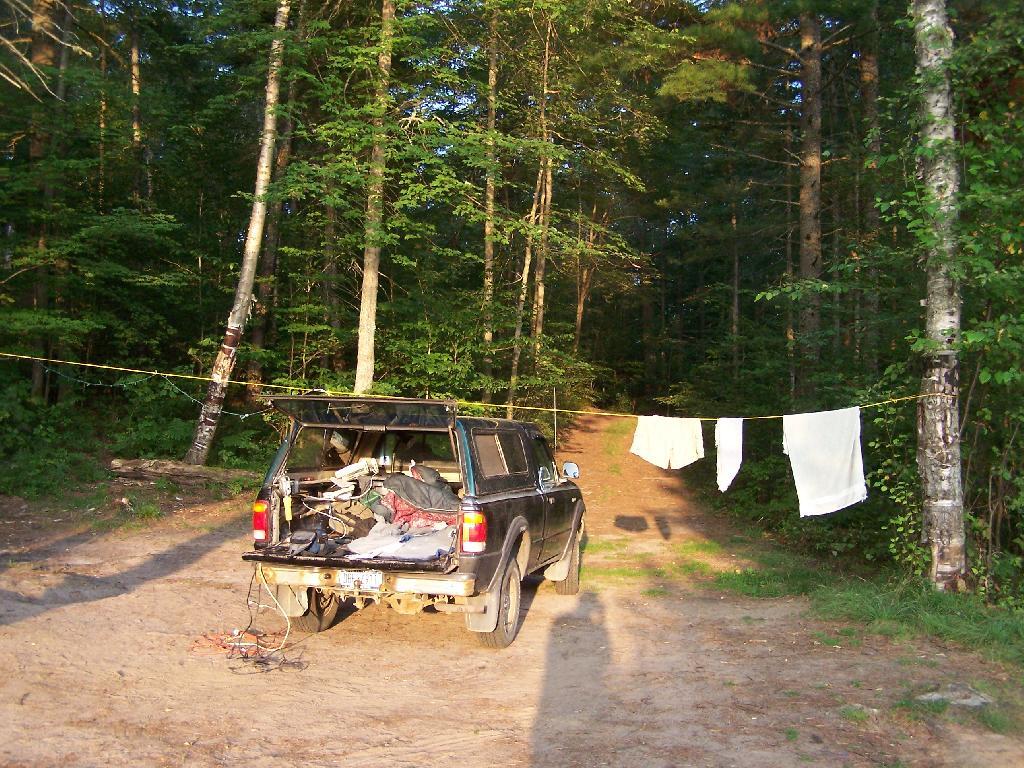
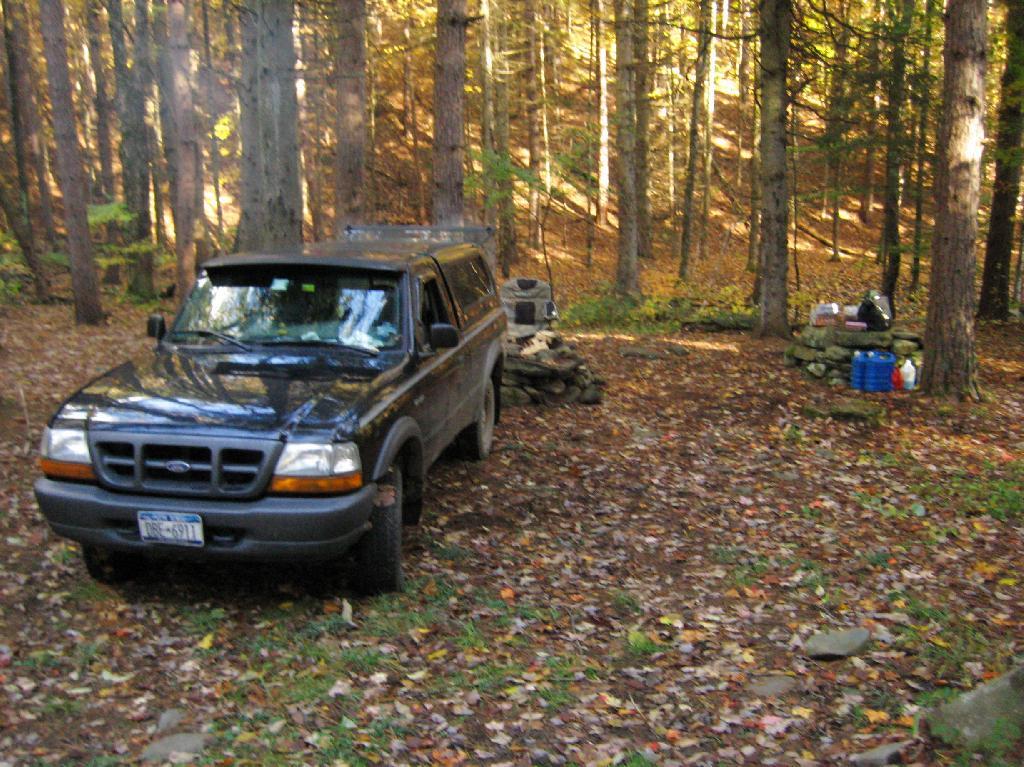
Roadside: 9, Tent: 1, Leanto: 0 nights …

Date Campsite Where Type Notes
06/19/11 Campsite On Forest Road 70 Near Lye Wilderness Forest Road 70, Green Mountains NF, Kelley Stand, VT Roadside camping (in pickup truck): no charge Hiked towards Big Alder, but couldn’t cross stream. Rainy day, did a little paddling in Powley Place. Nicer day on Memorial Day
06/04/11 Campsite On Back Side of Stockmans Island Stockmans Island, Hudson River State Park, NY Tent camping after paddling in on kayak Put in at Coxscakie Boat Launch, camped on an island in Hudson River.
05/29/11 Powley Place (Campsite 9) Piseco-Powley Road, Ferris Lake Wild Forest, Stratford, NY Roadside camping (in pickup truck): no charge Hiked towards Big Alder, but couldn’t cross stream. Rainy day, did a little paddling in Powley Place. Nicer day on Memorial Day.
05/28/11 Powley Place (Campsite 9) Piseco-Powley Road, Ferris Lake Wild Forest, Stratford, NY Roadside camping (in pickup truck): no charge Rainy day. Hiked around Powley Place.
05/27/11 Powley Place (Campsite 9) Piseco-Powley Road, Ferris Lake Wild Forest, Stratford, NY Roadside camping (in pickup truck): no charge Left work early, drove up there. Nice evening before the rain.
05/21/11 Cheney Pond Cheney Pond, Vanderwhacker Wild Forest, Newcomb, NY Roadside camping (in pickup truck): no charge Explored Vanderwhacker Wild Forest. Kayaked around Cheney Pond couple of times, explored Tawandus Ruins.
05/20/11 Fox Lair Campsite NY Route 8, Wilcox Lake Wild Forest, Bakers Mills, Adirondacks, NY Roadside camping (in pickup truck): no charge Much nicer this time, a little rain, things greened up. Got a little rain, very damp.
04/22/11 Fox Lair Campsite NY Route 8, Wilcox Lake Wild Forest, Bakers Mills, Adirondacks, NY Roadside camping (in pickup truck): no charge Woke up to 3” of cold wet snow and rain, decided to go home and abandon trip.
04/21/11 Gravel Pit Campsite NY Route 8, Wilcox Lake Wild Forest, Griffin, Adirondacks, NY Roadside camping (in pickup truck): no charge Cold morning, trees covered with ice. Hike up around part of 13th Lake near North Creek, NY
04/09/11 Moscow Hill Horse Camp Brookfield State Forest aka Charles Baker State Forest, Brookfield, NY Roadside camping (in pickup truck): no charge One other camper here, no equestrians this time of year. Wanted to camp on Cherry Ridge, however too much snow there.

Getting Out and Stretch

March – December 2010.

Roadside: 28, Tent: 2, Leanto: 1 nights …

Date Campsite Where Type Notes
12/4/10 Old NY 8 Wilcox Lake Wild Forest, Griffin, NY Roadside camping (in pickup truck): no charge Very cold. Ice and snow on truck in morning. Kind of close to NY 8, but all the best campsites taken by hunters.
11/12/10 Lower Assembly Area Sugar Hill State Forest, Watkins Glen, NY Roadside camping (in pickup truck): no charge Woke up surrounded by Horse Trailers and equestrians in morning. Assembly area was closed this time of year, but horse trails still widely used.
11/11/10 Informal campsite on Forest Road 151 Allegheny National Forest, Near Sayre, PA Roadside camping (in pickup truck): no charge Second night at Allegheny National Forest. I liked the site I stayed in the previous day a lot, and the days where too short (sunset at 4:45 PM), so no time to waste searching for a site.
11/10/10 Informal campsite on Forest Road 151 Allegheny National Forest, Near Bradford, PA Roadside camping (in pickup truck): no charge Many sites in Allegheny National Forest. This one I particularly liked, so I decided to stay there.
11/09/10 Aspah Run Camping Area Aspah, near Wellsboro, PA Roadside camping (in pickup truck): paid primitive area Decided due to a lack of a time due to early sunset, would have done roadside/back country camping, but for $10, and being alone, it was fine.
11/08/10 Aspah Run Camping Area Aspah, near Wellsboro, PA Roadside camping (in pickup truck): paid primitive area Camped here, because I didn’t want to camp back country, and didn’t know the area well enough.
11/07/10 Lower Assembly Area Sugar Hill State Forest, Watkins Glen, NY Roadside camping (in pickup truck): no charge Originally wanted to camp at Birds Eye Lake or something like that, but the map I had got me lost, and I couldn’t find the road campsite up there.
11/06/10 Campsite 7 Stoney Pond State Forest, Madison, NY Roadside camping (in pickup truck): no charge Frost/ice on puddles in morning. Some snow in some places.
09/05/10 Campsite 56 Moose River Plains, Inlet, Adirondacks, NY Roadside camping (in pickup truck): no charge Rain showers, enjoyed staying in a very private and quite campsite up in the sandy plains.
09/04/10 Campsite 56 Moose River Plains, Inlet, Adirondacks, NY Roadside camping (in pickup truck): no charge Hiked to Mitchells Pond. More rain. It was kind of wet and cold.
09/03/10 Campsite 56 Moose River Plains, Inlet, Adirondacks, NY Roadside camping (in pickup truck): no charge Kind of wet and rainy, hung out in camp, did a little exploring of the plains. Also, paddled in Cedar River Flow for a while. Enjoyed the very private drive in site here.
09/02/10 Campsite 2 Moose River Plains, Inlet, Adirondacks, NY Roadside camping (in pickup truck): no charge I left work at 5 PM…. but with traffic, and wanting to get a pizza to eat on the way up, didn’t get to Moose River Plains until after 9 PM. Very dark, very tired, just wanted a place to collapse.
08/28/10 An Designated Campsite Big Pond, near Margretville, NY Kayak in Primitive Campsite: no charge Did a little hiking an exploring around Ashfield Pinnacle, then drove south to Big Pond. Lantern did not work, a very dark night.
08/27/10 Betty Brook Campsite Burnt-Rossman Hill State Forest, Schoharie, NY Roadside camping (in pickup truck): no charge Nice night after work…. drove around Mallet Pond State Forest, looking for campsites and interesting places to explore.
08/14/10 Mountain Pond Campsite 4 Mountain Pond, Paul Smiths, NY Roadside camping (in pickup truck): no charge Last day of NY 30 Kayak vacation. Mountain Pon was nice, very remote, just off of NY 30.
08/13/10 Floodwood Road Campsite 3 Floodwood Road, Fish Creek Ponds, NY Roadside camping (in pickup truck): no charge Crowded, stayed down by Poliwog Pond… wouldn’t go there again.
08/12/10 Horseshoe Lake Campsite 8 (about a ½ mile from lake) NY 421, Horseshoe Lake, NY Roadside camping (in pickup truck): no charge Couldn’t get a site right on Horseshoe Lake. Discovered Lows Lake – amazing.
08/11/10 Wakely Pond Campsite 7 Moose River Plains, Inlet, Adirondacks, NY Roadside camping (in pickup truck): no charge Wanted to paddle Cedar River Flow and enjoy camping up near water …
08/10/10 Undesigned Campsite, west side of road Mason Lake, Spectulator, NY Roadside camping (in pickup truck): no charge First day of kayak vacation, as I drove up from work, decided to go somewheres not too far away …
07/31/10 Undesigned Campsite, west side of road Mason Lake, Spectulator, NY Roadside camping (in pickup truck): no charge Hiked to Pillsbury Mountain Firetower, then camped down at Mason Lake.
07/18/10 Otter Brook Campsite (MRP Number 110) Moose River Plains, Inlet, Adirondacks, NY Roadside camping (in pickup truck): no charge Camped by the Otter Brook Bridge, at a rather large campsite. Not my favorite campsite, and it poured out.
07/17/10 Wakely Pond Campsite 8 Moose River Plains, Inlet, Adirondacks, NY Roadside camping (in pickup truck): no charge Camped down by Cedar River Flow, in a drive in site, a short way from the Flow, but also pretty private.
07/16/10 Wakely Pond Campsite 8 Moose River Plains, Inlet, Adirondacks, NY Roadside camping (in pickup truck): no charge Camped down by Cedar River Flow, in a drive in site, a short way from the Flow, but also pretty private.
07/15/10 Wakely Pond Campsite 8 Moose River Plains, Inlet, Adirondacks, NY Roadside camping (in pickup truck): no charge Camped down by Cedar River Flow, in a drive in site, a short way from the Flow, but also pretty private.
06/27/10 Balsam Swamp Camping Area Site 3 Balsam Pond, East East Pharsalia, NY Roadside camping (in pickup truck): no charge Came back to here, after exploring Labrador Hollow.
06/26/10 Balsam Swamp Camping Area Site 3 Balsam Pond, East East Pharsalia, NY Roadside camping (in pickup truck): no charge Stop over between Burnt-Rossman and Labrador Hollow. Liked camping here in the past.
06/25/10 Duck Pond Campsite Burnt-Rossman Hill State Forest, Summit, NY Roadside camping (in pickup truck): no charge Camped up a Duck Pond for a change, after driving out here after work.
06/05/10 Leonard Hill Informal Overlook and Campsite Leonard Hill, Broome Center, NY Roadside camping (in pickup truck): no charge Camped up by the Firetower at an informal campsite, watched sun set, weather turned to rain by morning …
06/04/10 Betty Brook Campsite Burnt-Rossman Hill State Forest, Schoharie, NY Roadside camping (in pickup truck): no charge Camped at Betty Brook, very humid, drove down to Utsaythana Firetower.
05/15/10 Alder Pond Campsite 2 Alder Pond, Balsam Lake Wild Forest, Margretville, NY Tent campsite…. short backpack in: no charge Camped at one of the campsites around Alder Pond.
04/03/10 Betty Brook Campsite Burnt-Rossman Hill State Forest, Schoharie, NY Roadside camping, in a tent Didn’t have the cap on my truck yet, but wanted to roadside camp.
03/21/10 Cotton Hill Lean To Cotton Hill, Middleburgh Short backpack into a leanto There was about a foot of snow up by Cotton Hill Leanto on first day of spring, but due to abnormally warm weather, wasn’t all that cold until late into the night.

Campsite

August – October 2009.

Roadside: 3, Tent: 0, Leanto: 0 (thru August 2009) …

Date Campsite Where Type Notes
10/11/09 Betty Brook Campsite Burnt-Rossman Hill State Forest, Schoharie, NY Roadside camping (in pickup truck): no charge First really cold evening of the year, very much fall like. I didn’t bring my warm coat with me.
10/10/09 Betty Brook Campsite Burnt-Rossman Hill State Forest, Schoharie, NY Roadside camping (in pickup truck): no charge Fairly cold night, but not as bad as one might have thought. On way out, stopped at Leonard Hill to take some pictures.
08/08/09 Betty Brook – informal campsite along road Burnt-Rossman Hill State Forest, Schoharie, NY Roadside camping (in pickup truck): no charge After hiking Slide Mountain and Balsam Lake Firetower. Dead tired …