It seems like as one gets older that the time goes by quicker and quicker. Days and months that once seemed like they could last forever, quickly recede into the past, and the world continues to change in ways that only a few years ago seem unimaginable.
The past summer disappeared in a blink of the eye. While it originally seemed like it would last forever, it is now gone. It’s already started to get colder out. When I was younger, time never seemed to disappear so quickly. The youthful innocence of yesterday has disappeared.
I don’t really know how to react to all these changes in my life. I just take them in one day at a time.
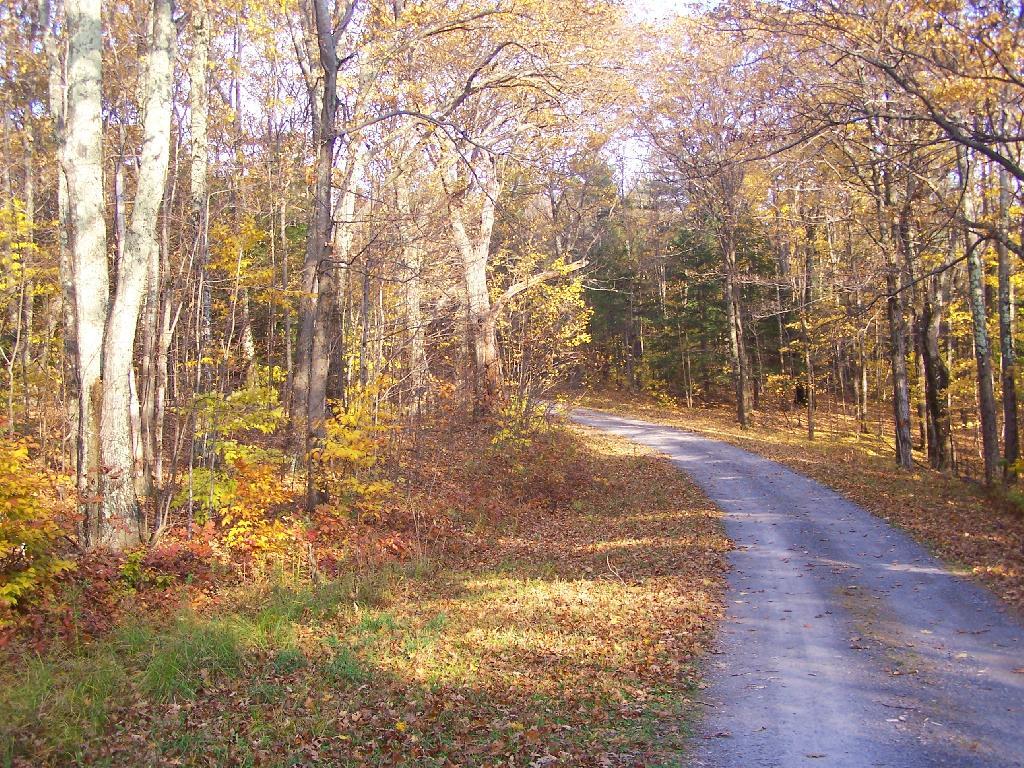
I got up early this past Sunday morning to drive out to Partridge Run. While the morning did not work out for photography, I drove out to Beaver Road and parked my pickup down at the Lower Pond, and went out for a walk around the pond.
Something hit me about this area. It’s not like I haven’t been here, dozens of other times. Yet, somehow it’s different at this hour of morning. It’s quieter, more peaceful, more open. It’s also true that it’s been a number of weeks since I’ve been up to Partridge Run, and somehow it’s solitude touched me at the deepest level.
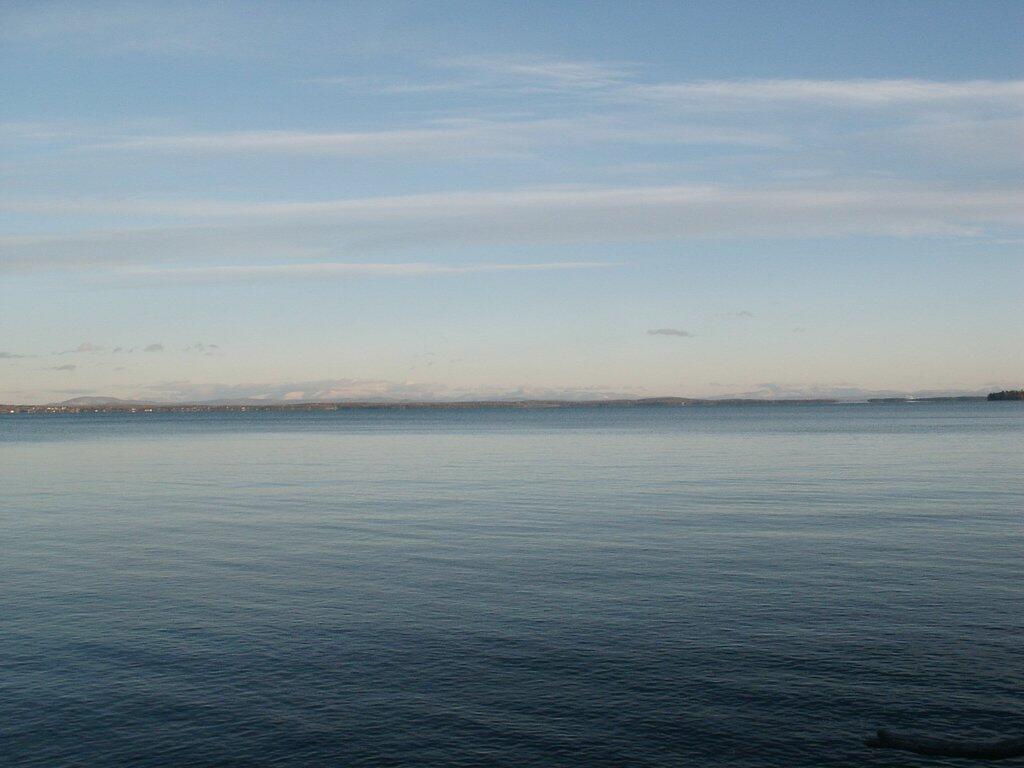
There is nothing up here, but mountains, the pond, and the set of three, Great Blue Harrons that spent the night sleeping on the shore. The sky lets pieces of blue appear between the clouds, any to d the sun continues to try to peak out in the east. The weather may not be perfect, but it sure is beautiful up here.
I honestly do not know what I would do if there was not places like Partridge Run to go up and explore, and find some solitude. The world would be so empty, so lacking just largely unrefined spaces for people to go and be just for a couple of hours.
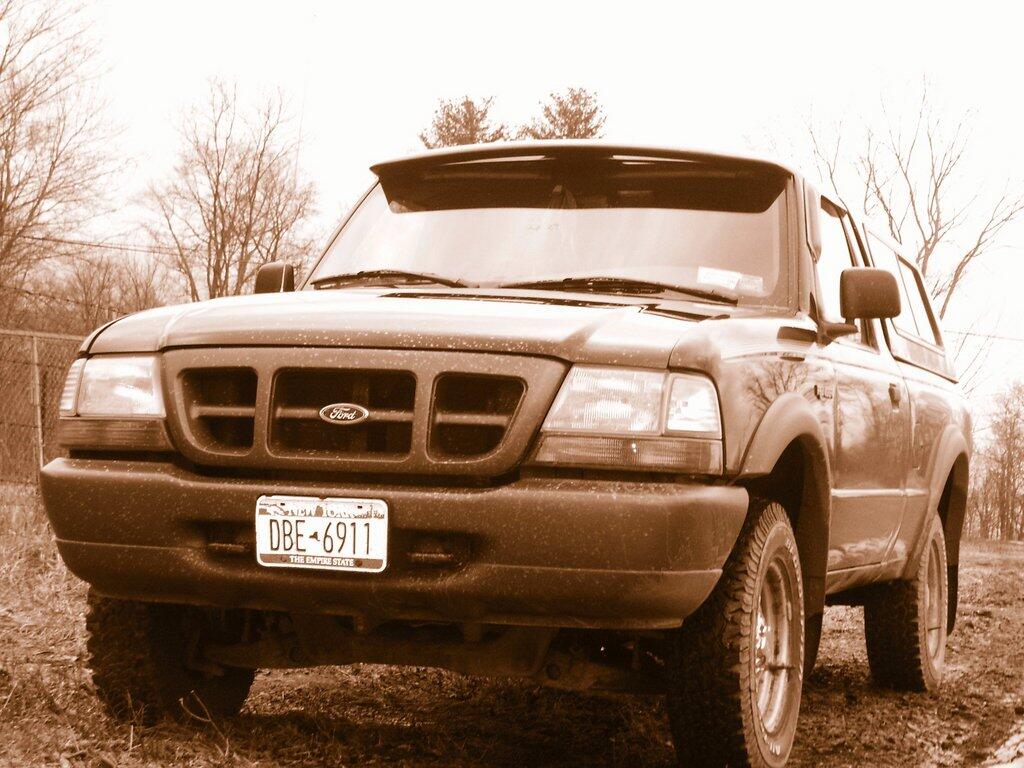
I do like my Ford Ranger. It’s big enough and powerful enough for me needs right now, but I would love to have a little bit more space for camping, and in a year or so I think it will reach it’s end of cost-effective life at 13 years of age. Maybe not, but I’ve been saving for three years and the reality is full-size trucks now have fuel economy in the range of compact trucks of a decade ago.
— Andy
It’s probably no secret to anybody who reads my blog that I’ve been coveting a bigger pickup truck, with an extended cab, bigger bed, and a better off-road capacity. As I’ve also noted, I’ve been saving a big chunk of every paycheck to have enough money next year or the year after to buy that truck.
Yet, I realize it’s kind of silly. I still have a decent 1998 Ford Ranger regular cab short-bed, with only 95,000 miles on it. Driving only for pleasure, I probably will have less then 5,000 miles on it before the year’s end. It might be a bit old and rusty, but it still runs well with minimal problems. But I still want a bigger truck.
It’s not totally rational. I know I am buying into the consumerist mindset that I one level I supposedly reject as being vapid. But it would be so much more fun then my current Ford Ranger. Who wants to put money to upkeep a truck that I don’t really like that much, when I could be putting towards getting a new one?
It’s probably not a good attitude to have. I probably will drive more carelessly with my Ford Ranger and not maintain it as well as I should, secretly hoping that it will die, so I have to buy a new pickup. I need to avoid that attitude, as the truck is something I want to keep working,I also want to avoid financing as much as possible.
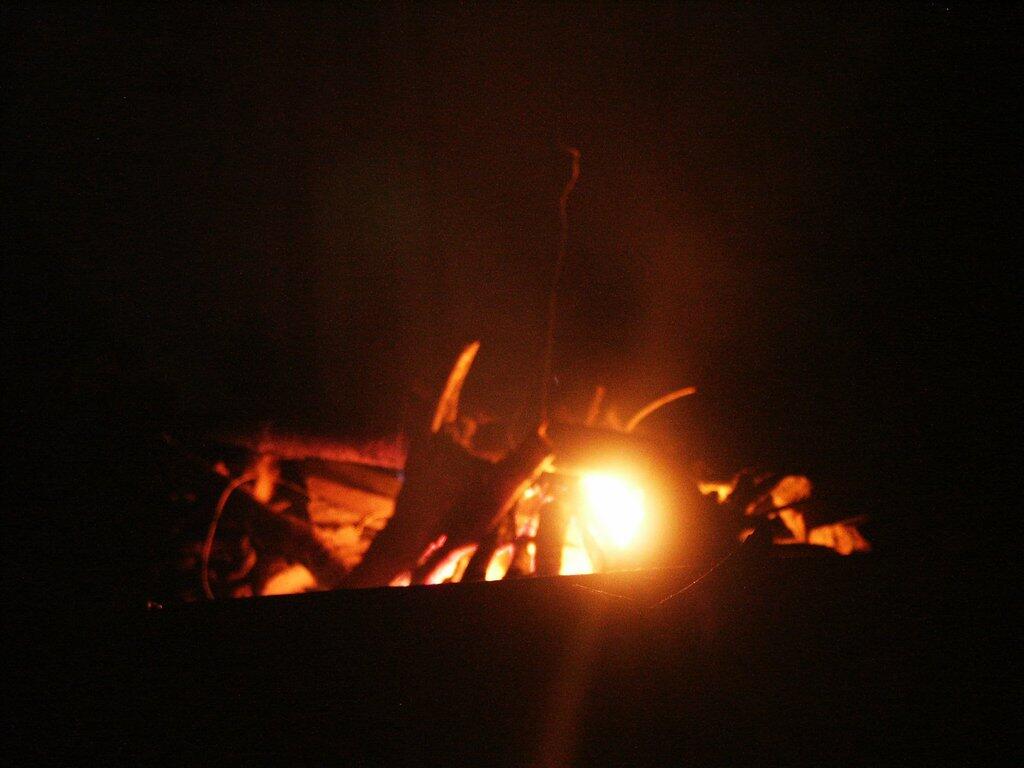
It amazes me how much trouble adults have building fires for cooking or campfires. I spent much of my younger years building campfires for Boy Scouts, and often build fires when camping, so I guess I have more experience then many others. Let me suggest a few tips.
No 1: Collect Plenty of Wood
Ideally you should have enough firewood for your whole camp or cooking fire before you start out. Most important is to have plenty of small wood, tinder, the size of a match stick or smaller, along with kindling, which is slightly larger, the size of small branches, before you light your first match.
Make sure to have the wood, particularly the tinder and kindling within easy reach. You don’t want to run out of wood when your building your fire, as it will likely go out when your search for more wood, particularly in the first critical minutes of your campfire.
No 2: Lots of Tinder Only At First
The second biggest mistake when starting a fire is to try to add too much wood at once. It might look purty to build a teepee out of kindling on top of your pile of tinder, but it totally unnecessary and probably will lead your too small of pile of tinder to burn out without igniting the kindling. This mistake is probably the most common in fire building.
There is nothing wrong with starting with a big pile of tinder at first, with nothing bigger on it. If your kindling is wet, then you might want to a few amply spaced pieces over a big pile of tinder to help dry it out, but be careful not to put too much on it.
No 3. Add Kindling Cautiously When Tinder Burning
Once you have gotten the tinder burning sufficiently, then start by adding kindling slowly to the fire. Assuming it is not wet, it should ignite relatively easily. Make sure to keep plenty of tinder burning, do not let it go out while you add kindling.
When your adding kindling, the tinder fire should be flashy and have plenty of tinder to be burning. If the tinder is burning out before or while you are first adding the kindling, the fire is going to go out. Fires at the tinder stage are delicate beasts, you have to constantly maintain them. Once the kindling is burning well, one can add fuel wood relatively easily, just making sure the kindling doesn’t burn out in the process.
No 4. Be Aware of How Wet Your Wood Is
Wet wood will burn, but it will require a lot more heat from the fire to burn, and will take longer. Drier woods with sap like white pine will burn quickly, hardwoods will burn slower and hotter, and punky wood (rotted) will burn slower and cooler. These are facts one should consider when building a fire.
Teepee fires are ideal for campfires where you want lots of light and quick combustion of wood. Log cabin-style fires, and criss-cross fires are better for heat and coals when cooking. Regardless of the style of fire you choose to build, you will get best results if you don’t start laying the fire out in the style you desire until you start burning fuel wood.
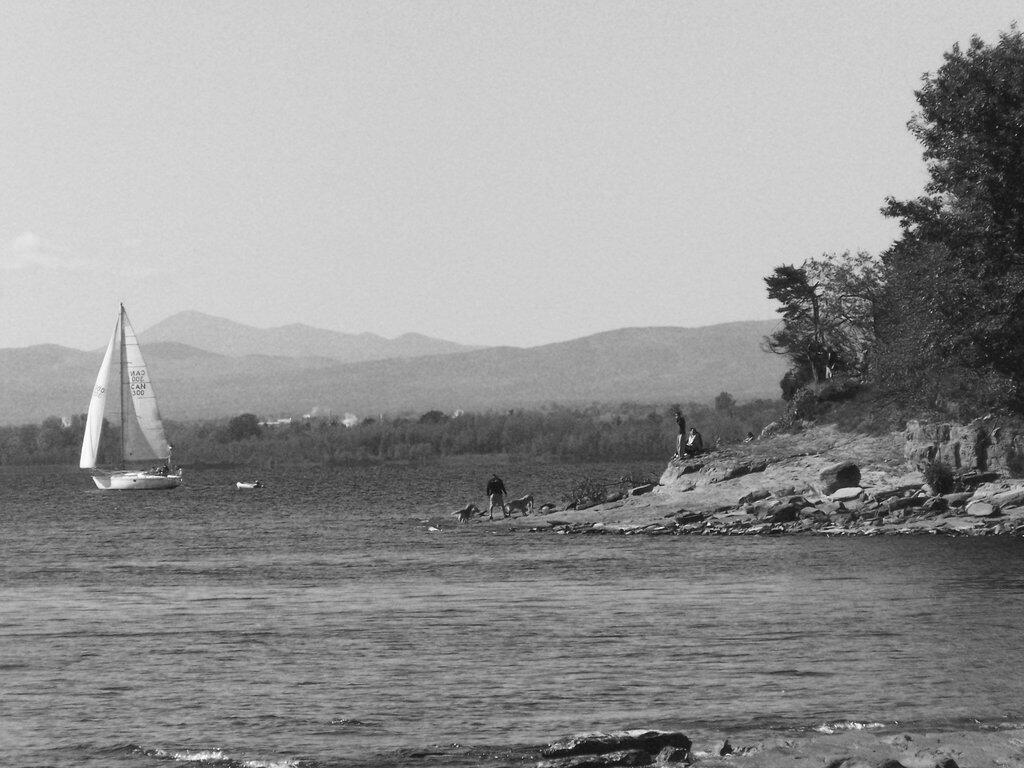
About 8 miles from where I live there is the Henry Hudson River Park in the Town of the Bethlehem. I’m not a big fan of urbanized parks, but this one is fairly rural and sits on the beautiful Hudson River. You can sit down there, and watch the boats and barges go up and down the river, and the people walk around.
It’s a peaceful oasis not too far from craziness of the city. It’s a quick refreshment that is still affordable to go down and enjoy, regardless of the gas prices. It’s some beauty that is accessible with out consuming lots of gasoline. It’s the kind of place one wants go after a long stressful day. I might even have ridden my bike down here, had it not been for my bike being in the shop.
I need a place to go sometimes to clear my head, and enjoy the peace of the river. This is one of those great places. To think, to find some of myself in the river currents as the go floating down and away. To explore. To throw some pebbles to in the river. Just to be myself.
A colleague of mine recommended I take a look at Thomas Friedman’s book on globalization called, The World is Flat. Admittedly, reading the first few chapters of his book I was quite cynical. I felt that Friedman was overly obsessed with the promise of high technology, and ignorant of the hard material realities of our lives made out of silage, corn, cattle, concrete, steel, coal, and oil.
Friedman didn’t even mention such things until later chapters of his book in passing. His version of globalization entirely focused on information as being the ultimate resource that people cared about. The quick and innovative ways of moving information is what is flattening the world and making it more equal. Friedman attributes more and more of our lives to the quick movement of information across our globe, and the ability collaborate on information intensive tasks.
Friedman is right in noting how information technology is changing our lives and the way products are moved around our country. There is little guess work on how much of a product is needed any more nor where any product is at any one time. This means less wastage and more predictability. Supply chains can be globalized and efficient in cases where this makes sense such as limited resources of certain natural resources in certain areas. It also means outsourcing and global collaboration.
There is no reason why certain tasks that can be easily put into electronic format must be done in house or down the street anymore. As Friedman notes, with the Internet there is no difference between data transmitted from across the street or information transmitted from across the world. And unbeknown to many Americans, millions of Chinese and Indians are coming to age, and getting the knowledge needed to preform these tasks. There literally will be hundreds of millions of Chinese and Indians who have grown up in the Internet age and will be able to do many of the tasks Americans might otherwise do.
Global collaboration is an exciting possibility. We should be tapping into the knowledge and unique experience of all of what the world has to offer to us. With inexpensive fiber optic technology being able to transmit information worldwide at minimal cost, it can bring a lot of information to us virtually for free. This is much different then just a generation ago when making a long distance phone call across the United States was an expensive luxury. There is a lot fewer limitations on the movement on information but not necessarily product, especially in an era of high oil prices.
At the same time, those hundreds of millions of Chinese and Indians will be able to tap into American products and services that might otherwise unavailable in their country. Specialties that Americans develop and refine, and take advantage of our unique culture, that can be transmitted over the Internet may someday be very valuable in an increasingly globalized world. Friedman argues that our culture and education must be changed to adopt the folkways of globalization.
I disagree. People should learn to embrace other cultures and understand their differences. Societies that choose to engage or partake in a specific activity should not be penalized for being uneconomic. There are many reasons why peoples are across do things differently from belief to compatibility with varying environmental factors where people live. There need not be any forced culture.
As a whole Friedman makes some interesting points but puts too much faith in technology. Technology is not energy and technology does not feed or cloth us. The best computer program in the world won’t fix the worlds problems and our lives can not be digitized and sent over a fiber-optic cable. Energy comes from coal or oil, and is a finite resource that comes under increased demand as China and India comes to age.
I have a story to tell and a life to share.
I want people to read and experience a little piece of my world.
I have a desire to express.
I want to be an individual.
It’s not because I want to impress anyone.
It’s not for a girl friend, a boy friend, my boss or anyone else.
I just want to develop a sense of identity.
Some kind of meaning.
Reflect upon my own priorities in life.
I want to figure out right and wrong.
I want to be able to look back and see what I’ve done wrong
and right.