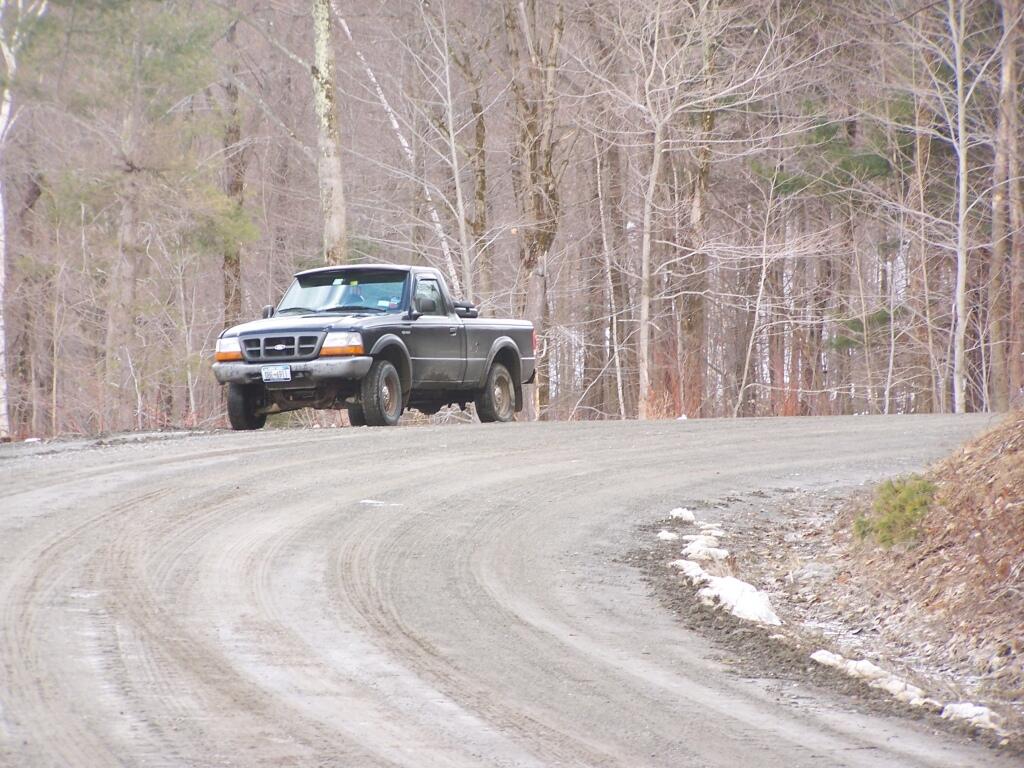
This may shock you but I do not care if gas prices are $2 a gallon or $10 a gallon tomorrow. While like most drivers I would prefer to pay less for gasoline, I am largely insulated from the high cost of gasoline. My truck gets around 20 miles per gallon of fuel and costs about 20 cents to drive a mile in fuel. Yet, I don’t really care much one way or another. My next truck might even consume more fuel then my existing one. I’m thinking of getting either a full-size extended-cab truck like a F-150 or Chevy Silverado — although many now have similar fuel rankings.
Higher fuel prices might even help me buy a bigger truck at a lower price. There will be less of a demand for full size truck should gas prices continue to go up. That’s all fine with me as I am all for saving more money when it comes to buying a new truck. Did I mention my 20 mile per gallon pickup truck uses less fuel then most Toyota Prisus on the road today? It gets fantastic gasoline mileage sitting in first gear with the engine turned off — for days at a time.
… I don’t really drive that much.
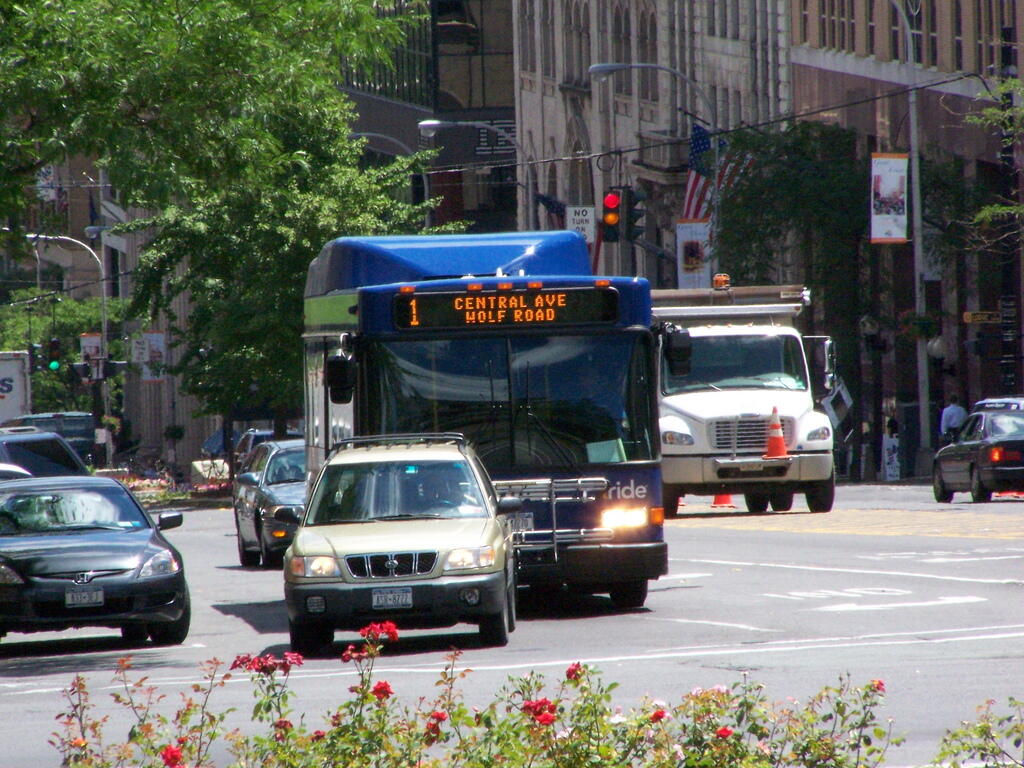
I take mass transit or my bike to get around town. I live within 3 miles of the city and can get around it faster on my bicycle then I can by car. I have yet to get a parking ticket for illegally parking my bike—all it takes is a tree or a lamp post to tie it up and find parking. No searching for parking spots! I do drive sometimes on the weekends. Yet, I drive sparingly and my average weekly mileage is about 75 miles (basically 150 miles for bimonthly camping trips). That means that even at 20 cents a mile, it only costs me about $15 a week in fuel (or at $10/gallon that equals an affordable $38 week in fuel). I haven’t changed my motor oil since January. Best of all driving is fun when I get behind my truck after a week of idling it, the truck feels so powerful.
Mass transit is not perfect in Albany. Yet it is doable by understanding it and knowing when and where the buses run. Throwing a bike on the bus makes it even easier, as there is greater flexibility at finding and catching a bus. There might be sometimes
That’s one idea I have to help the city’s finances and improve solid waste practices in the city. Here’s my idea in a nutshell:
Offer a $100 rebate to all those who choose to opt-out of city garbage collection and into a pay-as-you throw program at the transfer station at the landfill.
The reality is the city through property tax bills is charging citizens approximatively $200 a year to collect and dispose of their trash. That gives the city a $100 profit per resident, plus gives the mayor something to smile about, while giving citizens back their check.
While this is a bargain compared to many of the commercial haulers, it’s unfair to those who are aggressive recyclers, and buy things in less packaging.
If people where to receive the rebate, they would have to haul their trash and recyclables to the city landfill’s transfer station in their cars.
The city would take recyclables for free.
Trash would assessed a $1 for a 30/gallon bag.
Please let me know below what you think of this idea.
I believe it could promote recycling, force people to think more about consumption, save face for the mayor, and give back more money to residents.
About a month ago I went down to Storm King Mountain to go for a hike on this historic mountain and explore some of the lower Hudson Valley. I drove over the Storm King Bypass Highway, stopped and took a few pictures. The views in this area on a warm spring day where truly fantastic, and I was inspired for a long time to come.
I took Route 9W and Route 32 all the way down to Storm King. I looked out over West Point then drove up to the Overlook on the Bypass. I went up to the parking lot and took the steep trail up the mountain, somewhat afraid of heights. I looked around and my breath was taken away. I walked further and looked around some more. I was inspired.
I looked down at the sweeping and inspirational views of the Hudson River. The river was so powerful as where the mountains. The river winds through this area. I hike further on the mountain and got inspirational views to the west, and then to the North. I wrapped around to the south side of the mountain and looked south on the river. More beauty.
There was no escaping the industrial landscape though. The river was dotted by power plants, bridges, and the Newburgh oil terminal. None of these things where pretty, but necessary for our lives so dependent on electricity and fossil fuels.
I couldn’t believe that the plan originally was to blow this mountain up and make it into a massive pump storage plant, inaccessible to all but Consolidated Edison employees. This would have destroyed such beauty, despite the real benefit the plant would have had to reducing air pollution and carbon dioxide emissions.
I went down the easy trail back to the parking lot. Not as impressive of a view, but an easy hike on back. With a broken boot it was a bit painful and resulted in blisters on my foot. Still I enjoyed the beauty. On the way back home I visited Bear Mountain State Park Overlook, and then went across the Bear Mountain Bridge, and took Route 9D north. More amazing views.
This week starts daylight saving time, when we set our clocks back an hour to make the days appear an hour longer then usual. That means that we will have to get up an hour earlier to make it through our usual schedule, but we also will get an extra hour of sunlight in the evening. The first few weeks of savings time promise to be dark in the morning, but the extra light in the evening is greatly appreciated.
The actual energy savings is questionable with so many Americans dependent on artificial cooling to make their houses cool at night. But the benefit is far greater then less energy use. It means that we have more time in the evenings to get out and explore the natural world. There is nothing quite as comforting as seeing natural light and getting some of that warm fresh air in a spring or summer evening.
It’s terrible that so many of us are imprisoned in fortresses all day that keep as away from the natural world we all are so dependent on. But with daylight savings time, we have more time to get outdoors before darkness overtakes the sky and makes it difficult to work outside without the help of the moonlight or bright flashlights. That extra day light regenerates us and allows us to have more time outdoors, that we might otherwise spend indoors.
If people learned to embrace the heat and avoid their demands for air conditioning all the time, then daylight savings time would decrease energy use. If people where sensible, then daylight savings time would mean less use of artificial lighting, and less use of electronic toys. Daylight savings time is really an asset for all Americans, especially if they choose to embrace it’s benefits.
Many people in our country are ignorant about electricity and the consumption of energy, even though they spend a significant amount of money purchasing electricity. Today I hope to shed a bit of light on this important issue.
Measuring Energy Consumed.
A watt is a precise measure of energy consumed to do a task. It is similar to horsepower and kilowatts, which are used to calculate larger amounts of energy consumed. There are:
Approximately 750 watts per each horsepower
Exactly 1,000 watts per kilowatt
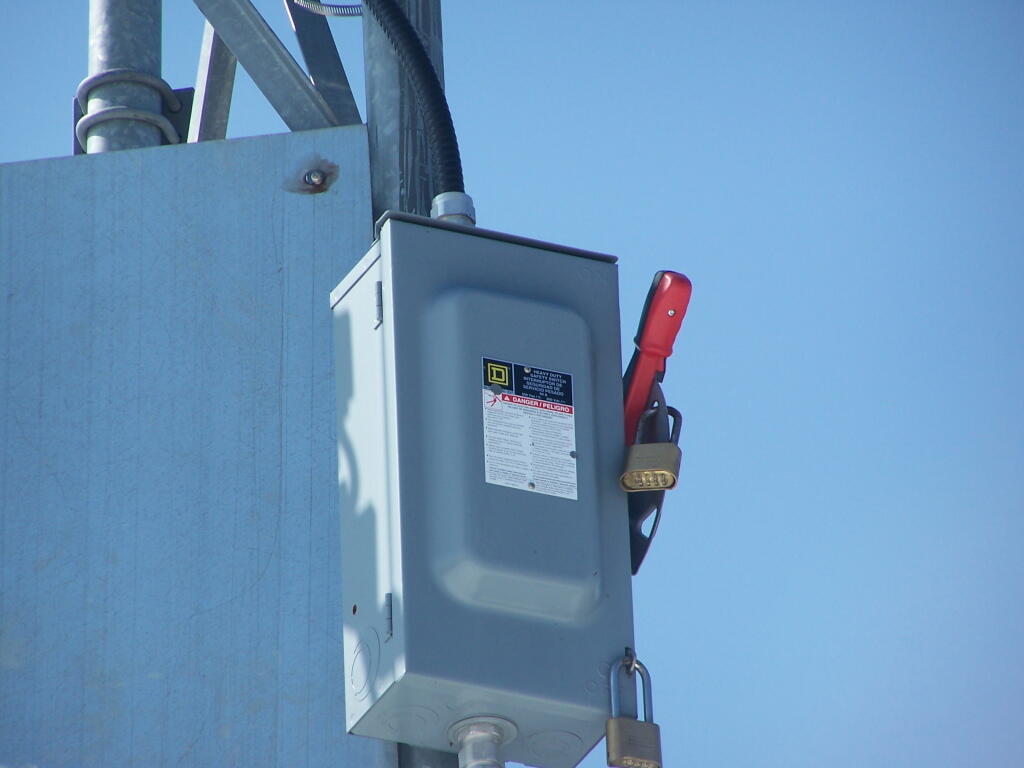
Every appliance tells you how much electricity, under peak use, is consumed to make it work. A light bulb might consume 100 watts, an electric hair drier might consume 1100 watts of energy. This information can be used to compare the efficiency of similar devices, and how much it will cost you to use the device.
The Kilowatt Hour.
Many of us who carefully read our electricity bill will notice that the rate we pay is based on a connection charge around $17 a month plus the number of kilowatt hours consumed. A kilowatt hour (Kw/h) is:
An average of 1,000 watts consumed over an hour
If you had only one appliance in your house, a 100 watt light bulb left on constantly, then your electric bill would state you have consumed 73 Kw/h of electricity over the month. There are on average, 730 hours of time per month.
Convert 100 watts to kilowatts equals 0.1 kilowatts
0.1 kilowatts times 730 hours equals 73 Kw/h of electricity.
Few people leave 100 watt light bulbs turned on 24 hours a day, 7 days a week in a month. Most of us turn lights and appliances on and off, and unplug them from the wall when they are not being used. Therefore, to understand how much electricity you really are using you must calculate the time an appliance is being used over a month.
A clothing iron might use 1,100 watts of power when the heating element is on, as indicated by the red light on the iron. An iron might have it’s heating element on about half the time it is plugged in. If you iron your shirts and pants 7 days a week, 5 minutes a day, that is 35 minutes a week. As the iron is only on half of that time, it’s consuming power 15 minutes a week.
Therefore, your electric use for ironing your clothes would equal:
0.833333 hour a day times 30.4 days times 1.1 kilowatt equals 2.8Kw/h
Few of us are are that crazy about ironing, but that gives you an idea of the electricity consumed by your iron if you where to use it that much. Being concerned about energy use, you purchased a 26 watt compact florescent light bulb that is on 4 hours a day. Believe it or not, in a month a compact florescent light will consume more energy, because it’s used far more in a day, despite it’s much lower wattage.
4 hours a day times 30.4 days times 0.026 kilowatt equals 3.16 Kw/h
Therefore, despite the fact the 26 watt compact florescent bulb is used much less, because it on much longer, it’s energy consumption is much higher then that of the far greater wattage clothing iron. Replace it with a regular 100 watt light bulb and it would be four times higher.
4 hours a day times 30.4 days times 0.1 kilowatt equals 12.6 Kw/h
Heating appliances consume the most electricity, followed by cooling appliances, large motors, then small loads like electronics and lighting. Your light bulbs and clothes iron are probably one of the smallest consumers of electricity in your house, especially if not left on for long hours. Other sources add up to much more quickly.
What You Pay.
Everybody is charged about $17 a month for the privilege of being connected to the electrical grid. On top that you are charged per kilowatt hour for a variety of fees, that add up to about 15.5 cents per kilowatt/hour consumed. Depending on how many kilowatt hours you consume, it can add up be a significant amount of money.
The cost of the clothing iron’s electricity would be about 44 cents a month. The compact florescent will cost you 49 cents a month versus the regular light bulb at $1.95 a month. Indeed, as this shows in New York, a 26 watt compact florescent bulb can easily pay itself back in a month and a half. Remember, however your biggest electricity consumers are those devices that are high wattage and used a long time.
It is most worthwhile to consider upgrading older appliances in your house, such as electric hot water heaters and refrigerators. It’s possible with New York State’s electricity cost, that your pay back in energy savings would be less then a years’ time.
What The Environment Pays.
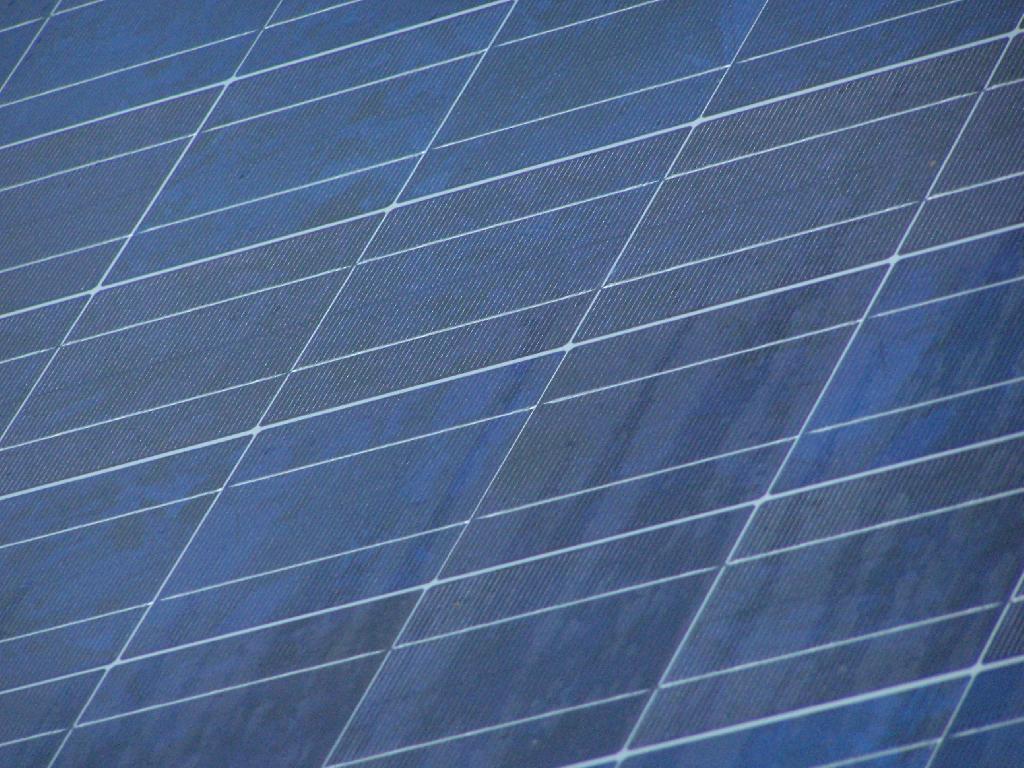
It takes close to pound of coal to produce a kilowatt hour of electricity. That coal had to be removed from the earth by blasting off mountain tops, or sending miners into dangerous mines subject to collapse. For every megawatt or 1,000 kilowatts of energy produced it takes 1/2 ton of coal to be mined, causes 6 pounds of sulfur dioxide to be released into the environment, and over one ton of carbon dioxide to be released.
That’s a lot of resources and pollution just to make your light come on. While many of our New York power sources are cleaner then coal, all of them have significant environmental impacts. Dirtier sources of power can be utilized less with less demand. Power plants can usually reduce their output and consumption of resources when there is less of a demand for their services. Breathe easier by using less electricity.
Think About Energy.
Think about energy. It matters. Energy production is one of the greatest polluters in our country, and if we all choose to find ways to consume less electricity, we will have less pollution. Energy is also one of our biggest expenses, so if you find ways to conserve, you can save real money these days.
I rather amazes me how some people can run up these huge debts so quickly on credit cards through frivolous shopping. Some people are given the privilege and convenience of using a credit card only to get caught up in consumerism and outspend their ability to repay.
I have gotten offers frequently for credit cards throughout college, but those quickly ended up in the recycling bin. I felt credit cards where a waste of money and an unnecessary temptation that I did not want in my life. Yet, as I have grown older my opinion on these seemingly endless source of credit for people has changed.
I now see having a credit card as an important way to build credit by using the card for small purchases. I did not borrow any money for college so I have essentially no credit score and it’s something I want to build so some day I can have the money to buy land and money to build a farm.
Recently, I went searching for a credit card online and shifting through the variety of offers. Unfortunately, I found that the number of offers I could get where quite limited, with a limited credit history. The cards with good perks where either declined for me or required a yearly fee. It turns out that nowadays getting a credit card has gotten more difficult.
Ultimately, I settled on a very basic Capital One card, the one that’s so heavy advertised to college students including myself. It was free to get and use as long as you pay the balance back right away. The ceiling on the card was very low, but that’s fine for me. I don’t plan to use my card to finance anything expensive — it simply is a tool for me to build credit.
There is one additional benefit to having a credit card. It’s great for limited emergencies, when you run upon a situation where you need more money then is directly available in your bank account. When I have my card I will very rarely use it for this purpose. I believe a credit card should only be used for emergencies until you can get the funds from a savings account or other guaranteed place that ensures that it’s paid off as soon as possible.
It horrifies me to see how some people use credit cards for thoughtless consumption. Yet, I realize there are many legitimate uses of credit cards to build credit scores and bona fide emergencies. I believe that with restraint, that’s often so lacking in our society, credit cards are a good thing.
There is a view in our society that shopping at the Thrift Shop for clothes will somehow get you an inferior product, or will make you feel inferior. Yet, for some things, its make sense to look at a good thrift shop, and try to find out what you get can at a reasonable price.
Thrift Shops not only save you money on the clothes, they also save useful material from going to the landfill. Many people buy expensive clothing to wear for one or two occasions, only to stuff it in the dresser or hang it into their closet to be forgotten.
Some people have funny feelings about buy used clothing. It feels funny to think somebody else has worn a pare of clothing before you have put it on. Of course, our society is full of all kinds of creepiness and weirdness, if you only think about it. Be assured however, that used clothing places must either carefully wash or dry clean all their clothing before selling it.
When we choose to make do with what we have existing on our planet, and not demanding the extraction of new materials from the ground, its good for all of us. And while we cant survive entirely by shopping at the thrift shop, for the occasional blazer or suit pants, it might just fit the bill. And your saving the environment and a money at the same time.