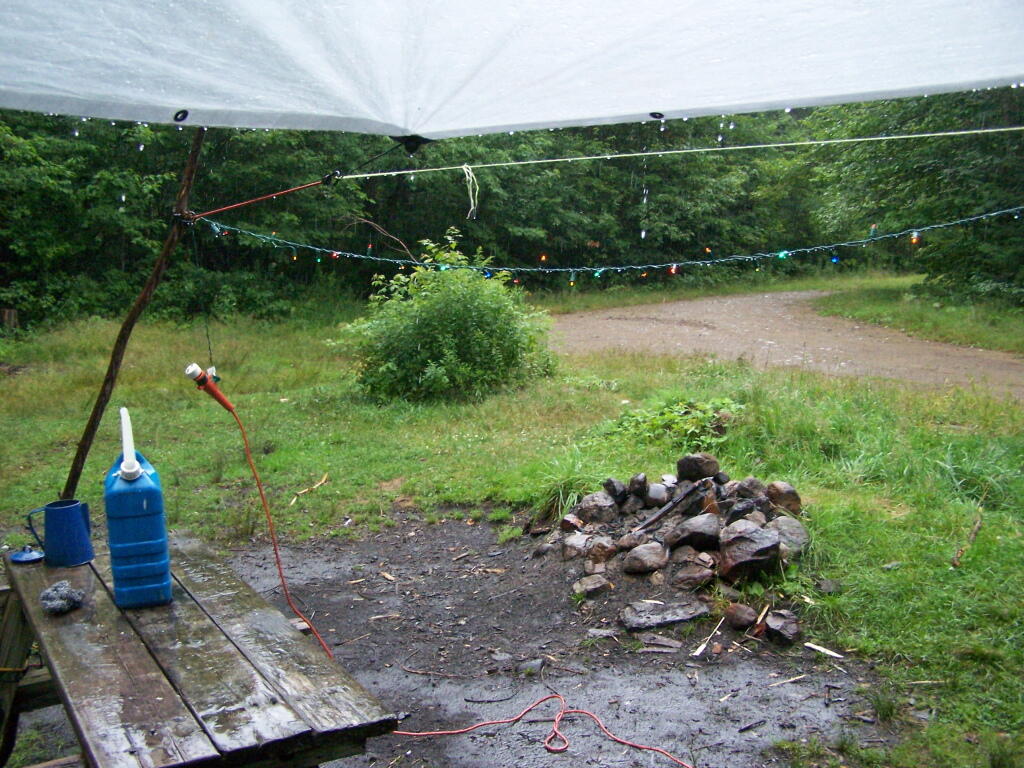
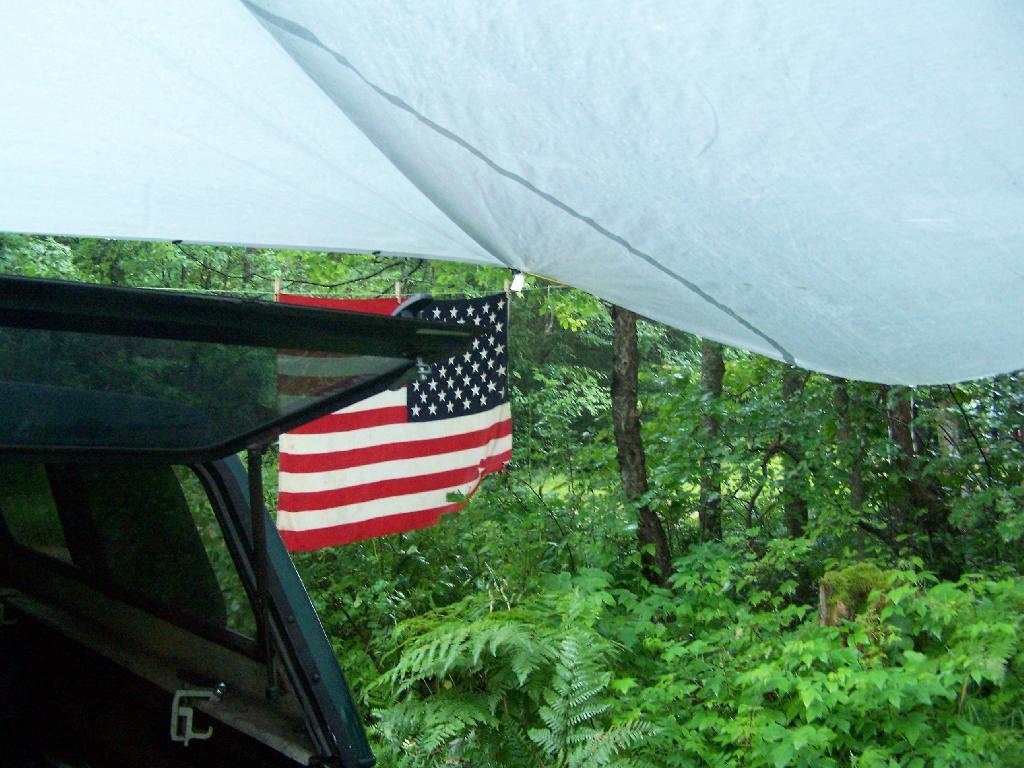
I had originally planned on exploring Moose River Plains, on Friday July 23 during my vacation. It however rained and rain, and I had to hide out under the tarp the whole time. So I spent most of the day camping out and reading.
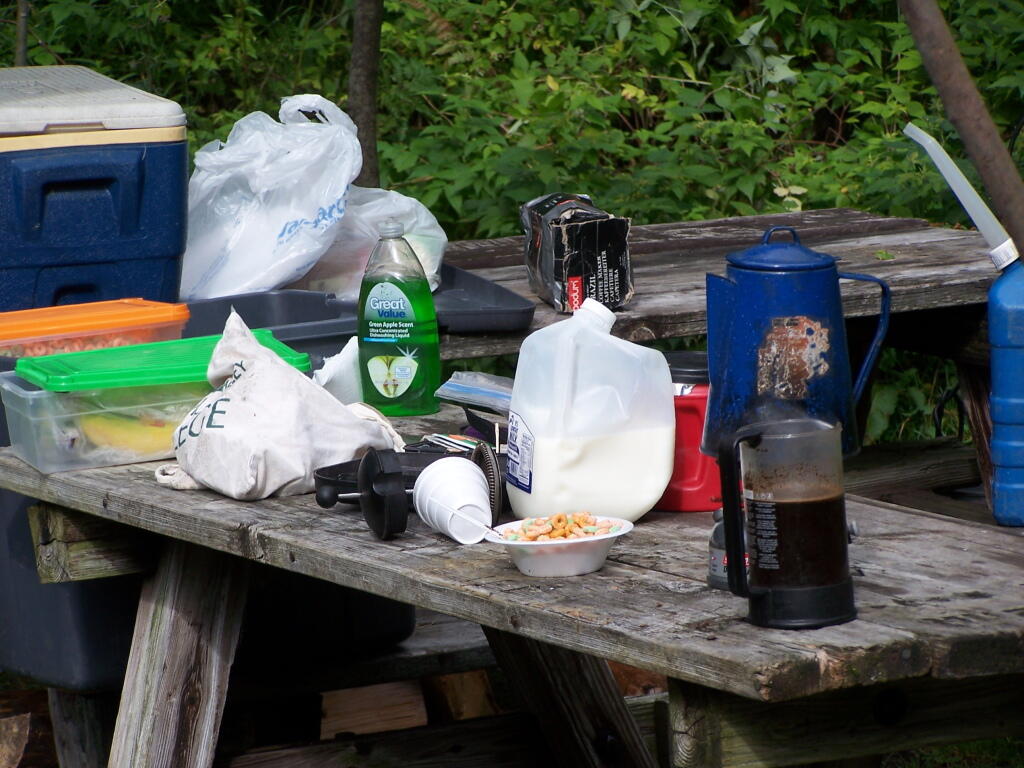
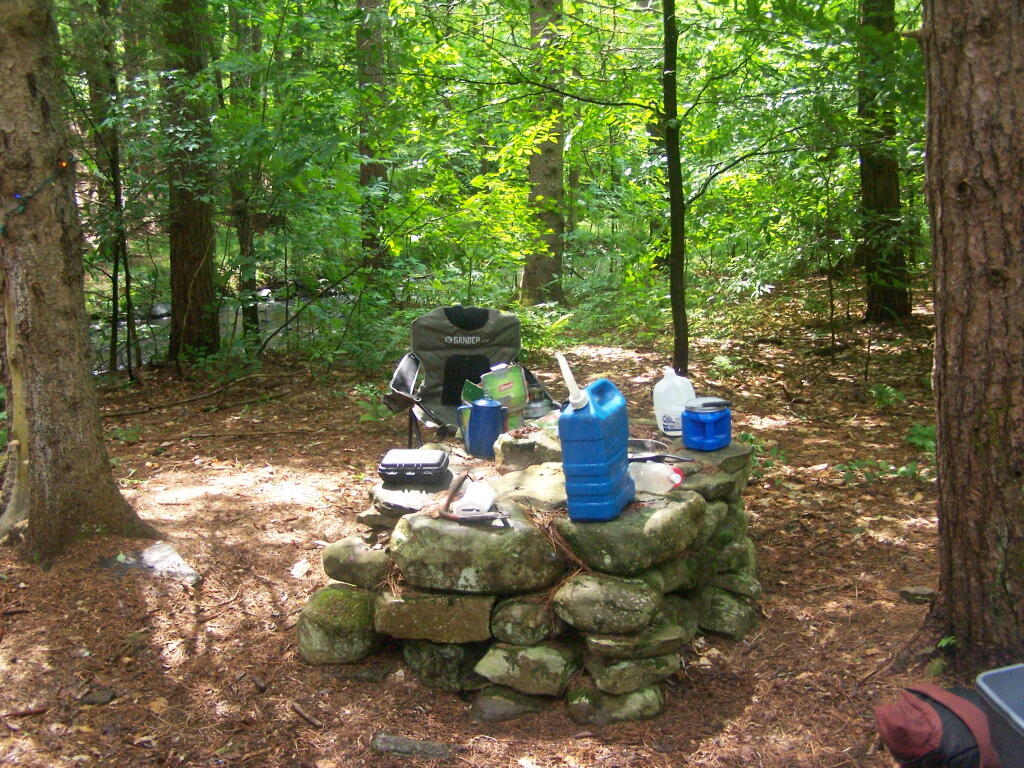
Getting Breakfast Ready. Yes, I have lots of cheap trashy plastic crap that I use for camping. And I use styrofoam bowls and plastic silverware as much as possible, because clean up only involves using some matches and a fire.
Cearel in Plastic Box. I stored all of my food in these 10 plastic boxes that I got at Walmart for $10. It helped things from getting all smashed up, and made organization much easier.
It just poured and poured. It was a real rainy Friday. I ended up driving down to Indian Lake to buy some more ice and food, and to check the internet.
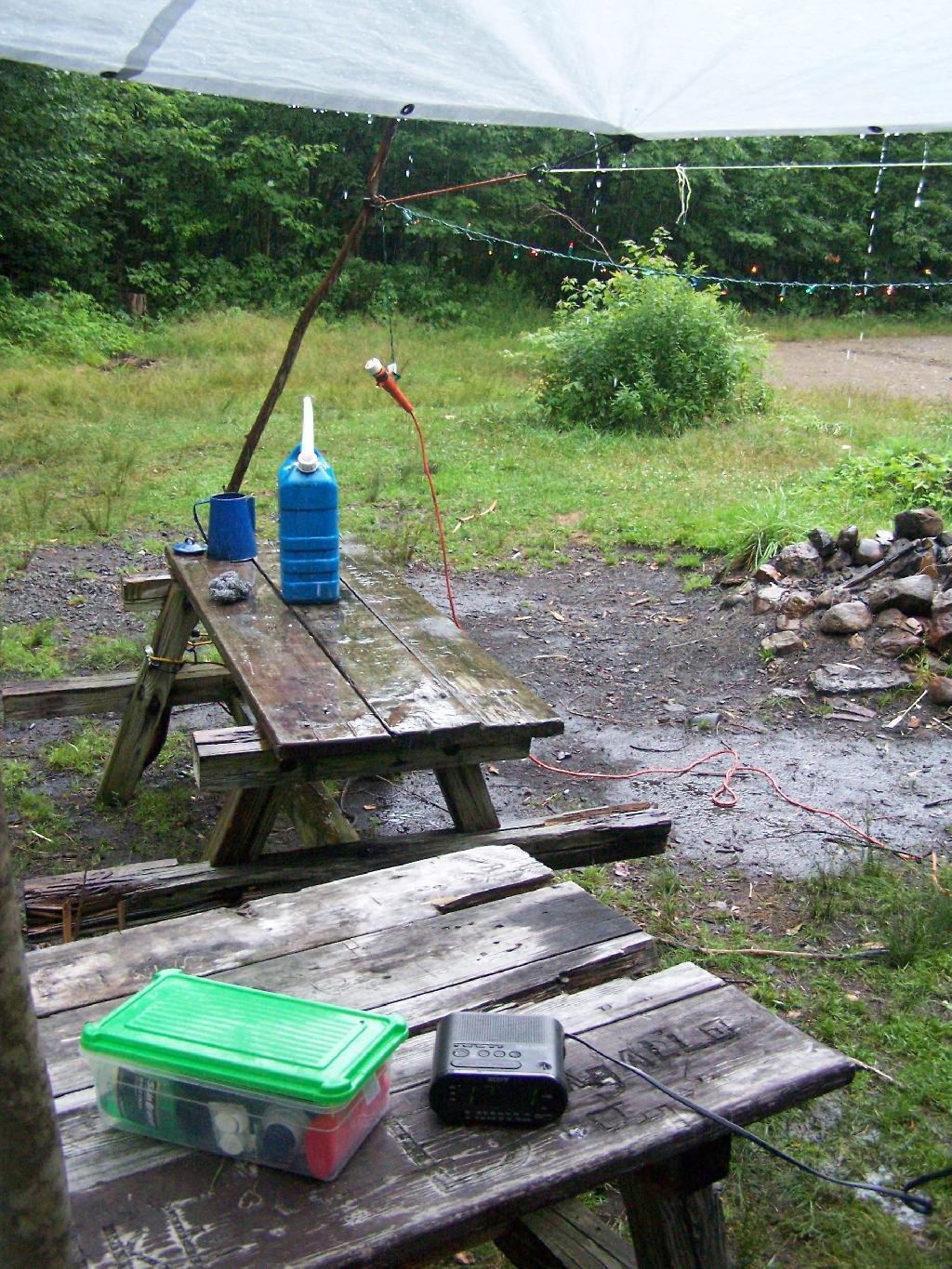
I spent a lot of time listening to radio in the rain and reading books.
After a while, all the rain started to make the tarp sinks due to the wet. Eventually, even the Christmas lights shorted out.
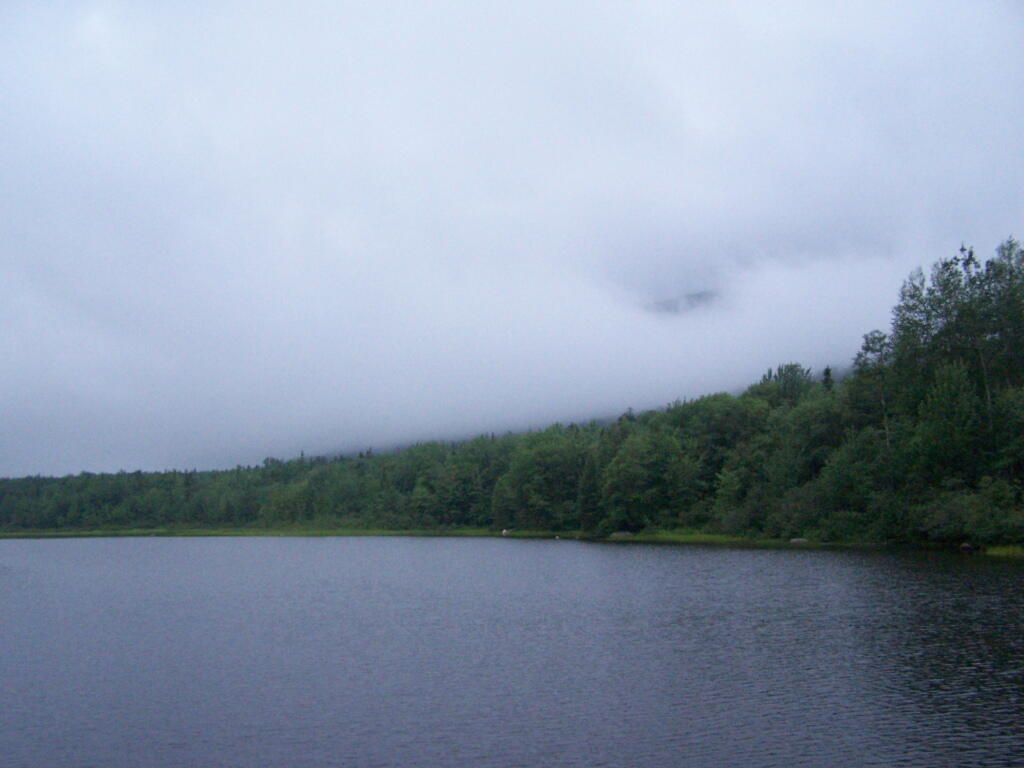
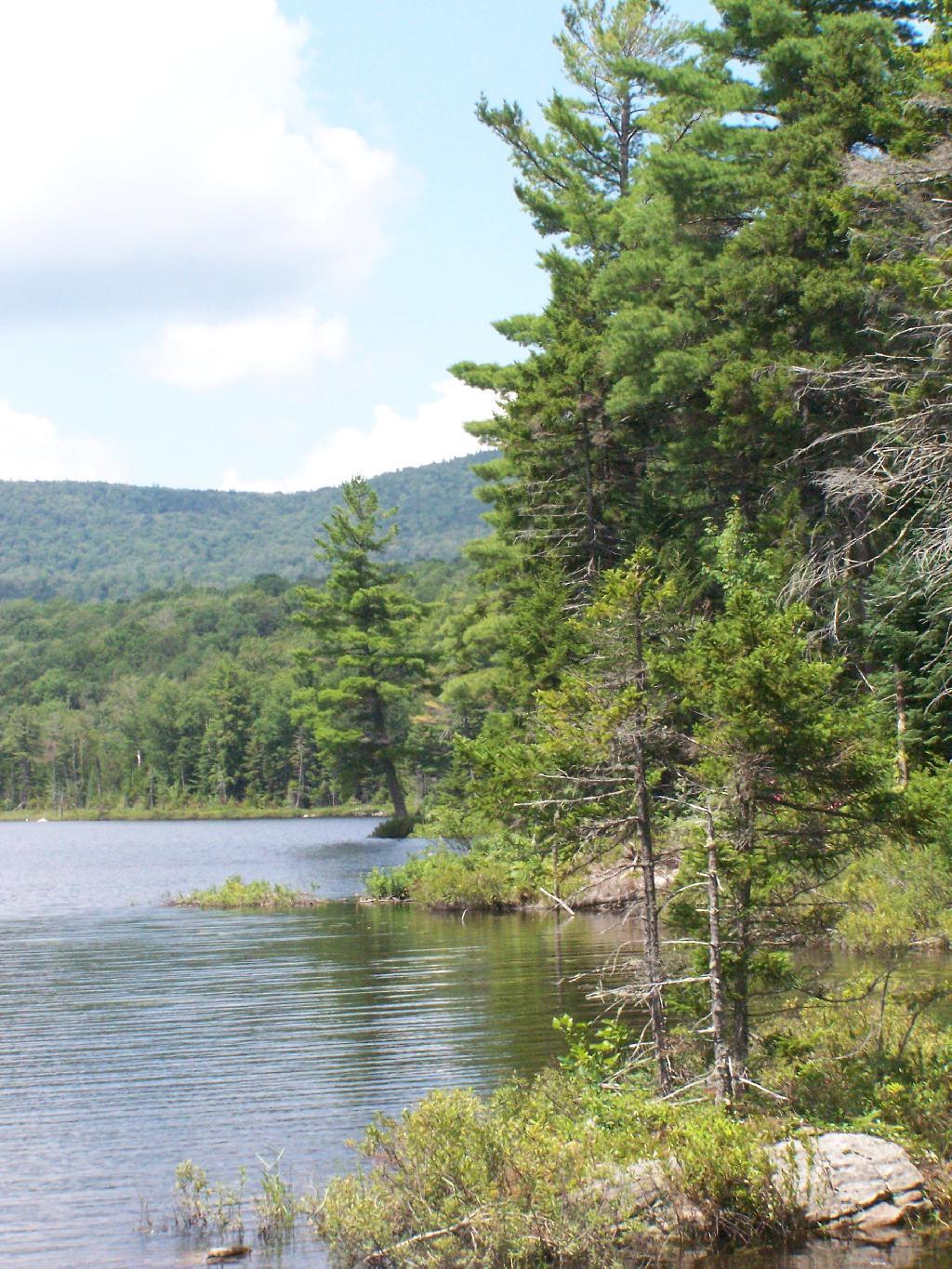
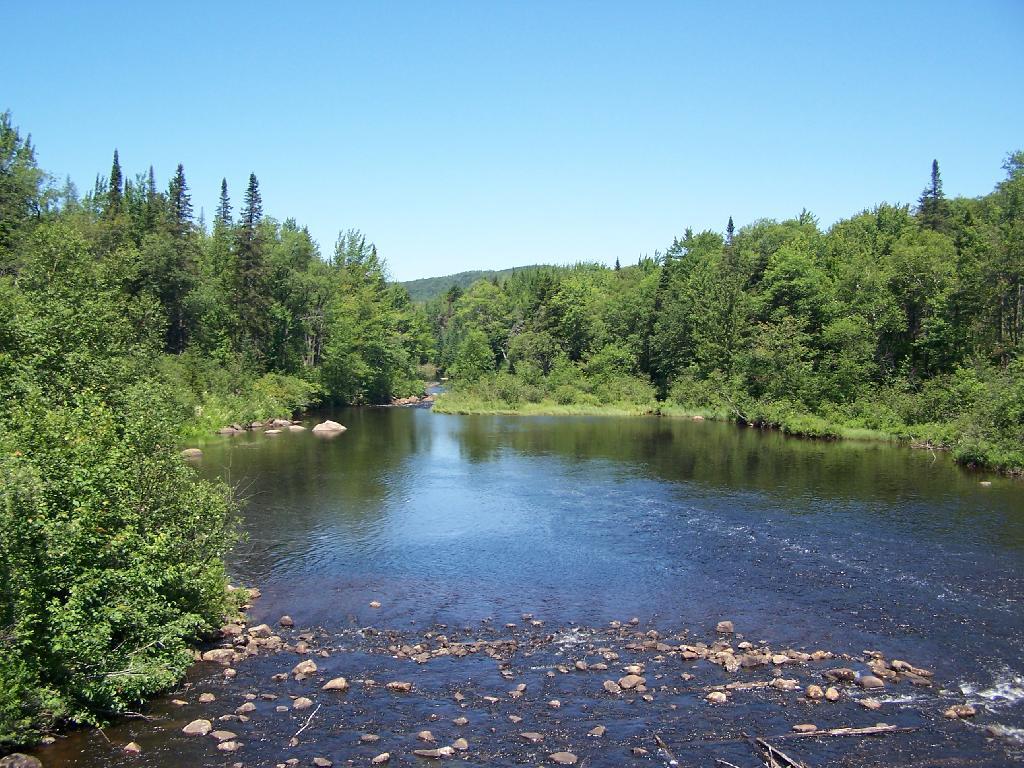
But by evening, things started to clear out at the Cedar River Flow. It was refreshing after Friday’s long day of rain.
That was Day 3 at Cedar River Plains. It was wet, but nice to take a quiet break for a while.
The Cedar River Flow at Moose River Plains has 10 roadside campsites along with an Assembly-area. It is popular for kayaking, camping, and exploring nearby mountains and trails such as Wakely Mountain. There are also about 20 campsites that you can paddle in along the lake, and over 150 campsites located up in Moose River Plains, a 30-60 minute drive up a rough dirt road from here.
You enter via Cedar River Road.
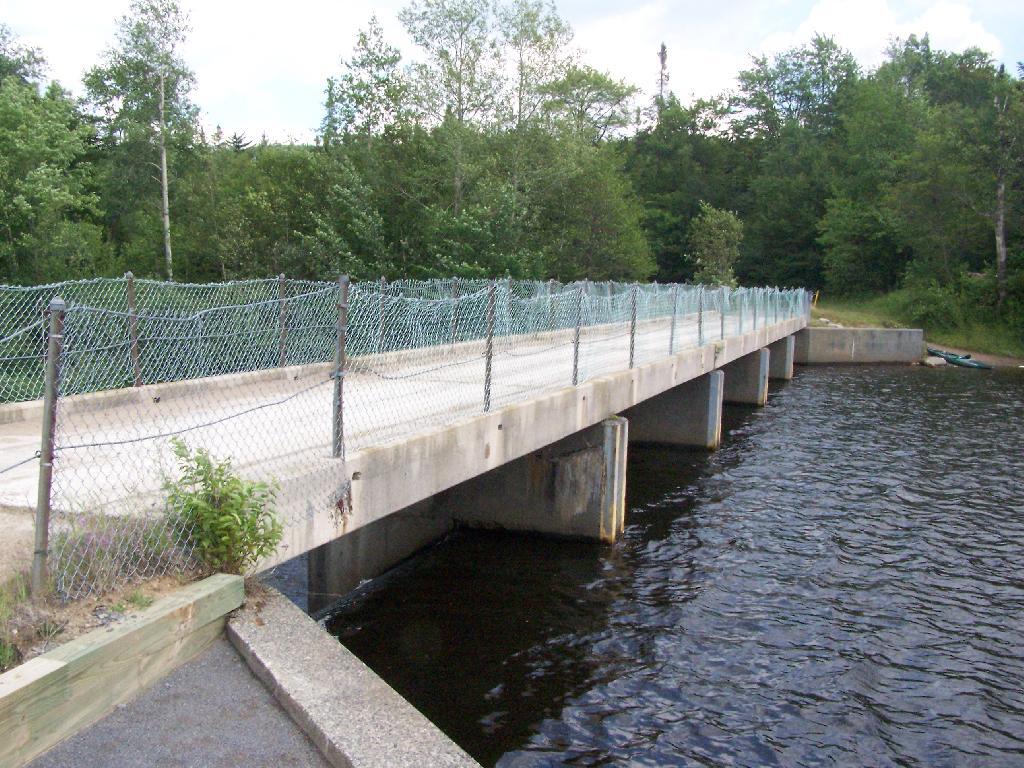
Half of the campsites at Cedar River Flow are located across the Wakley Dam.
Wakley Dam Bridge. It looks fairly secure. Heck, people drag their big fifth-wheel RVs across this bridge all the time, so it has to be pretty sturdy.
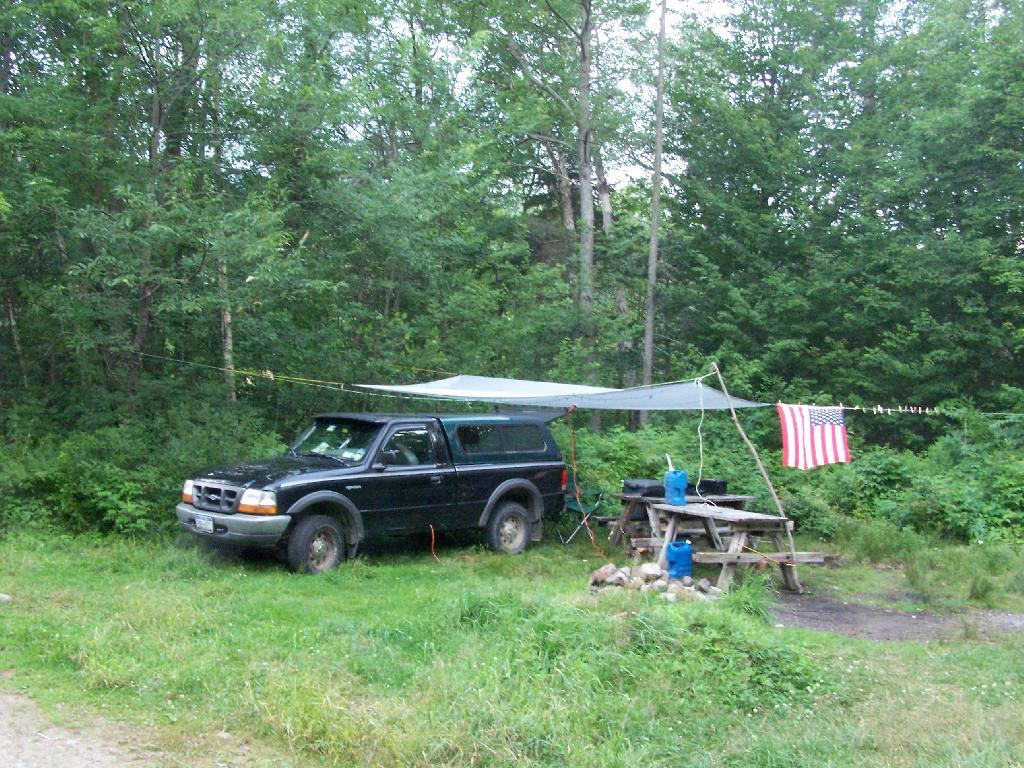
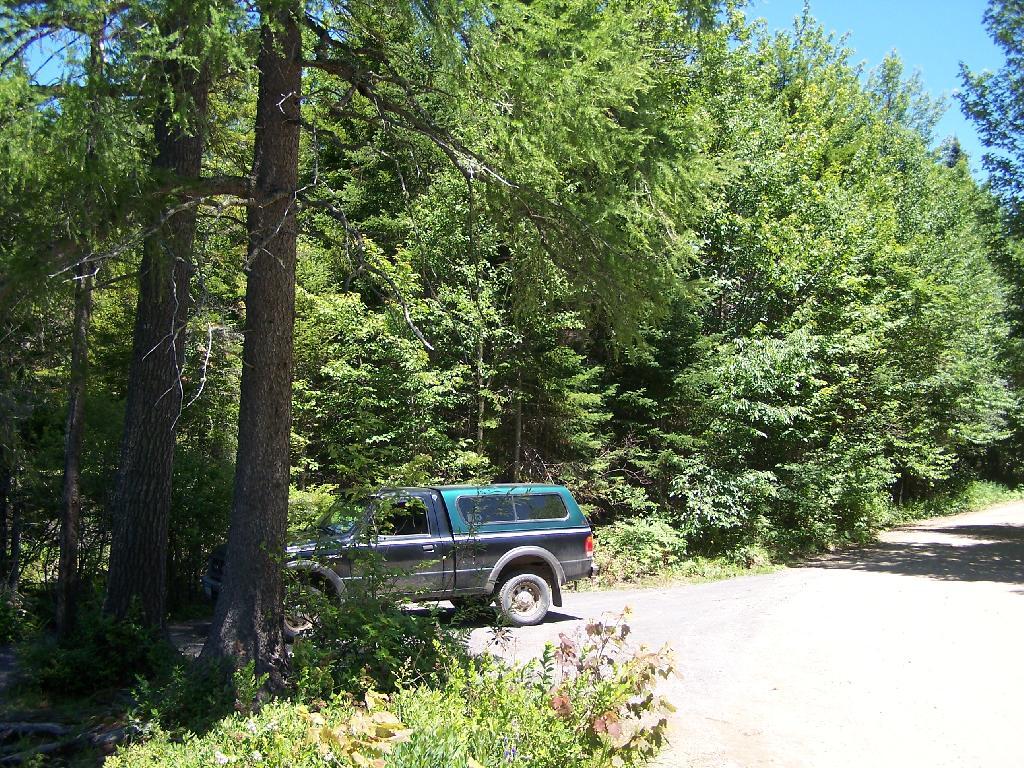
I camped out at Campsite No 9.
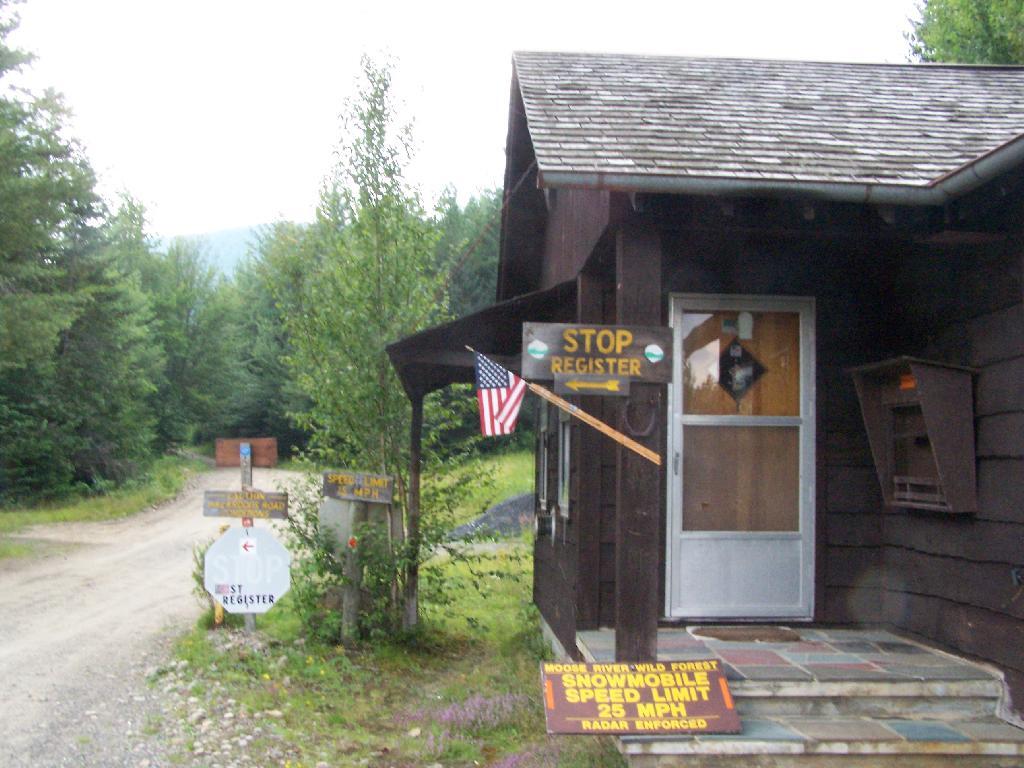
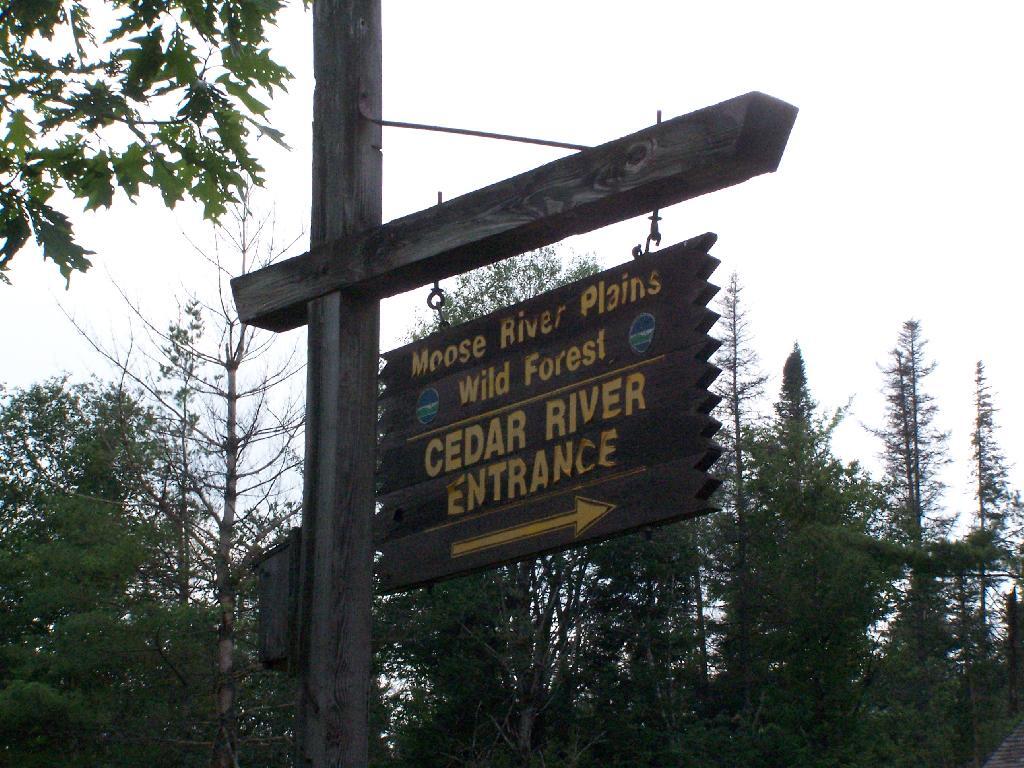
At Cedar River Flow is the Entrance to Moose River Plains, where you have to register your vehicle in case you get lost or your car or truck is otherwise found abandoned.
Sitting back and having a beer at Moose River Plains in the afternoon.
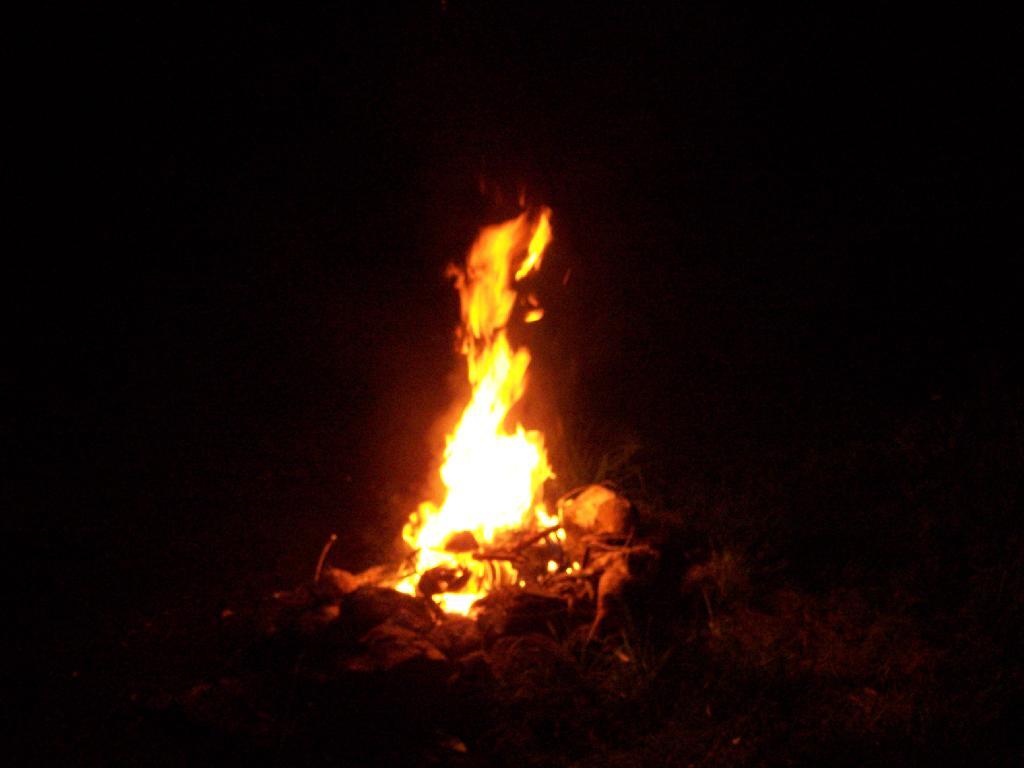
A big ass Campfire. Sigh!
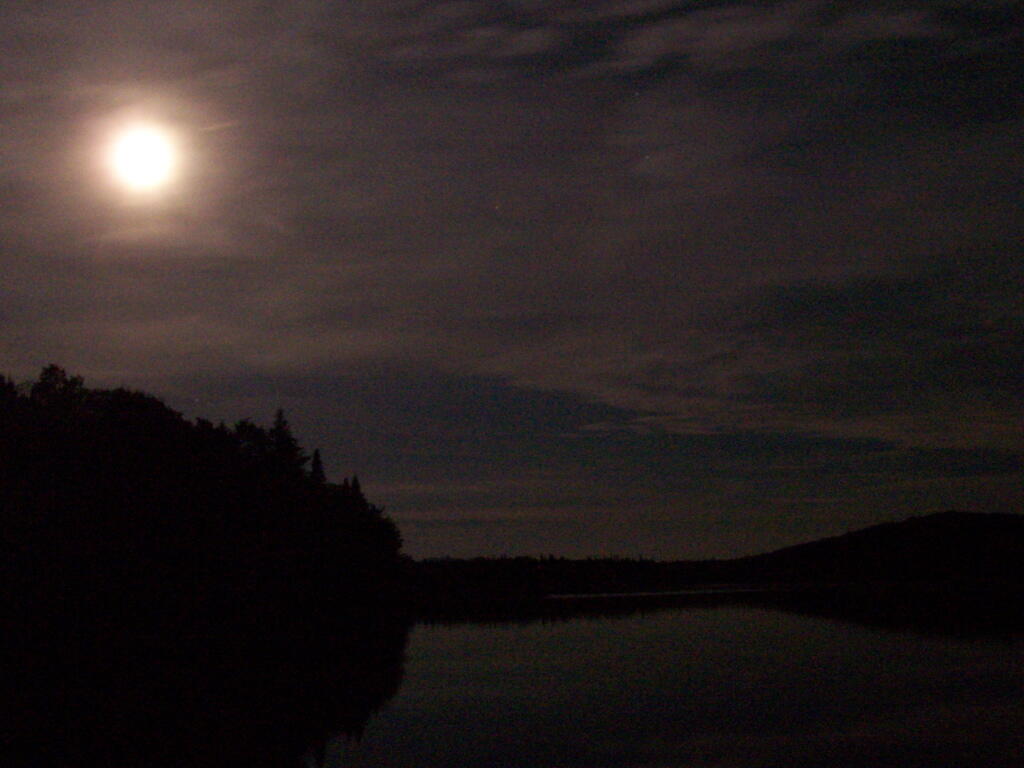
One of the neat things is walking out on Wakely dam at night and looking up at the stars. Here is moonlight on Cedar River Flow.
Here is a map of the Cedar River Flow. The camping area is located on the Northern End by the dam.
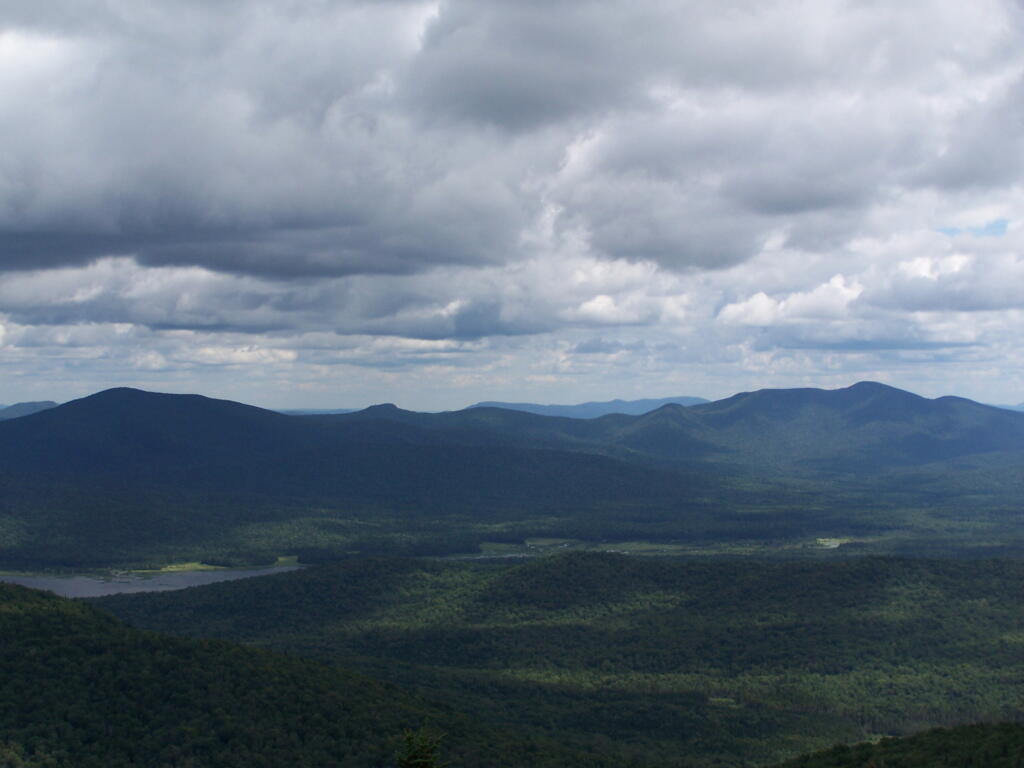
In preparation for my summer vacation I decided to drive through the Moose River Plains Wild Forest. This area has been subject to quite a bit of controversy over the years, in part from the environmentalists who do not believe “drive-in” camping is appropiate use of Adirondack Wild Forest, and most recently from the State DEC which threatened to close this 30 mile truck trail due to a lack of funds.
While my camera was broken while I was able to grab a few pictures. I will take more when I get back from my week up there.
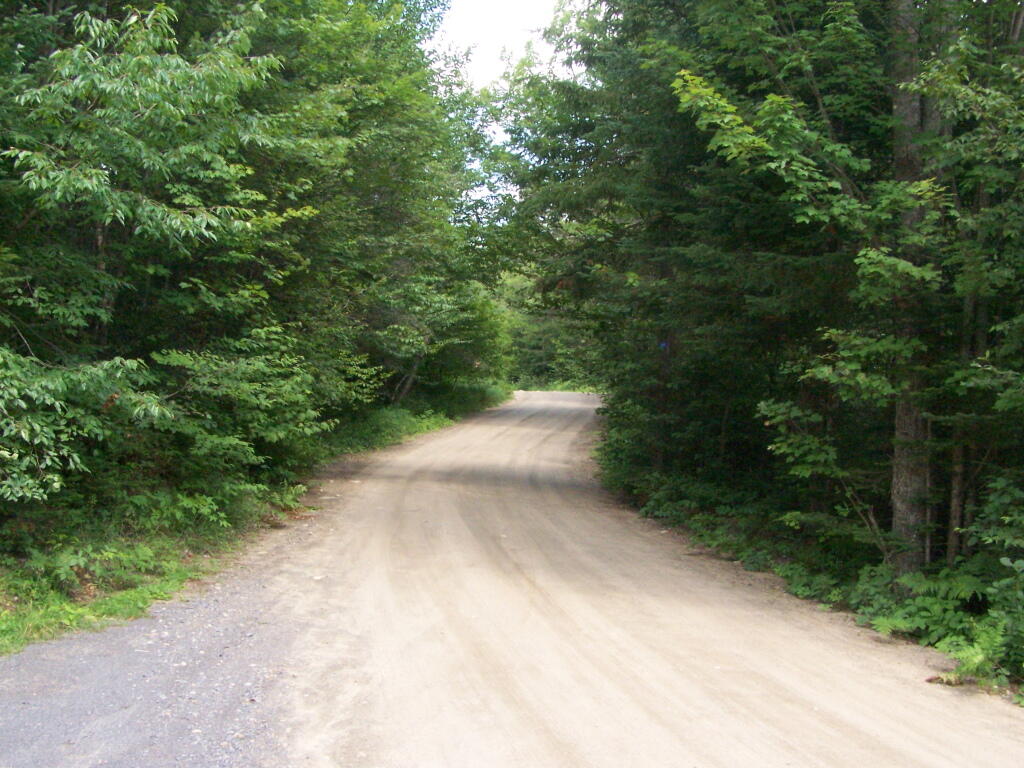
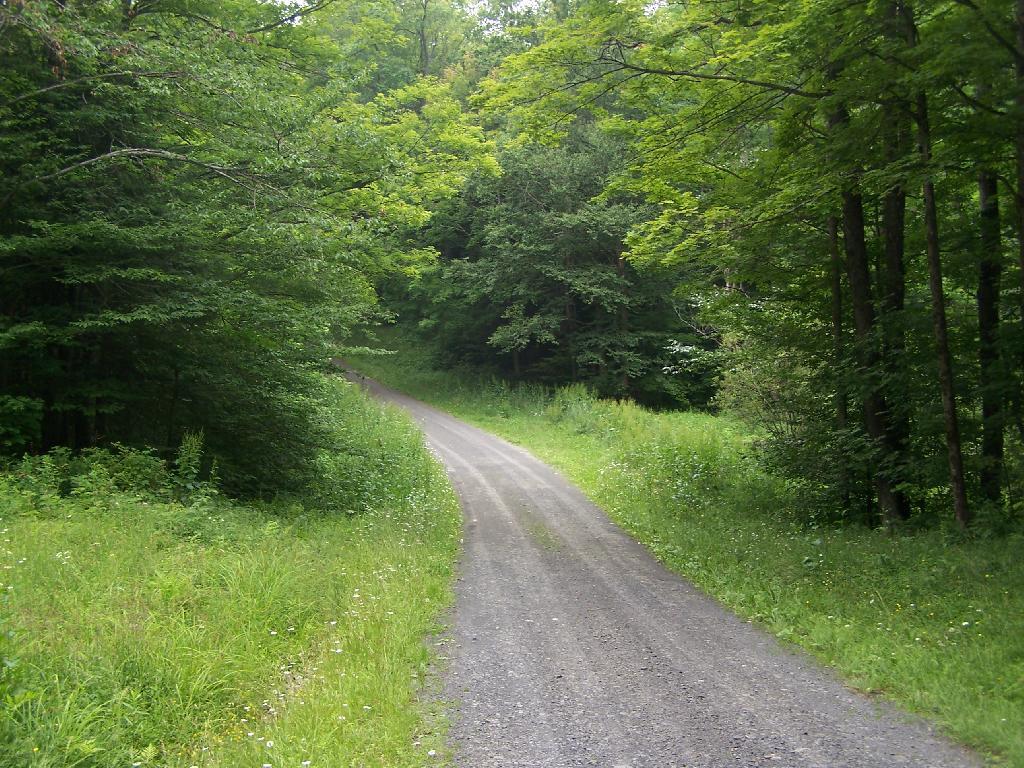
Here is the route. The first 5 miles of Cedar Plains Road from Indian Lake is black top, and rapidly transitions to rough dirt road.
Along the next 20 miles of Moose River Plains Road, there are about 150 campsites, used by tent campers and RVs alike. Many are located far off the roads, and provide a great deal of privacy. The landscape is one of hills, mountains, and deep valleys, and then eventually becomes open sandy plains as you head east. It’s over an hour drive from here to Inlet, via a very rough state truck trail.
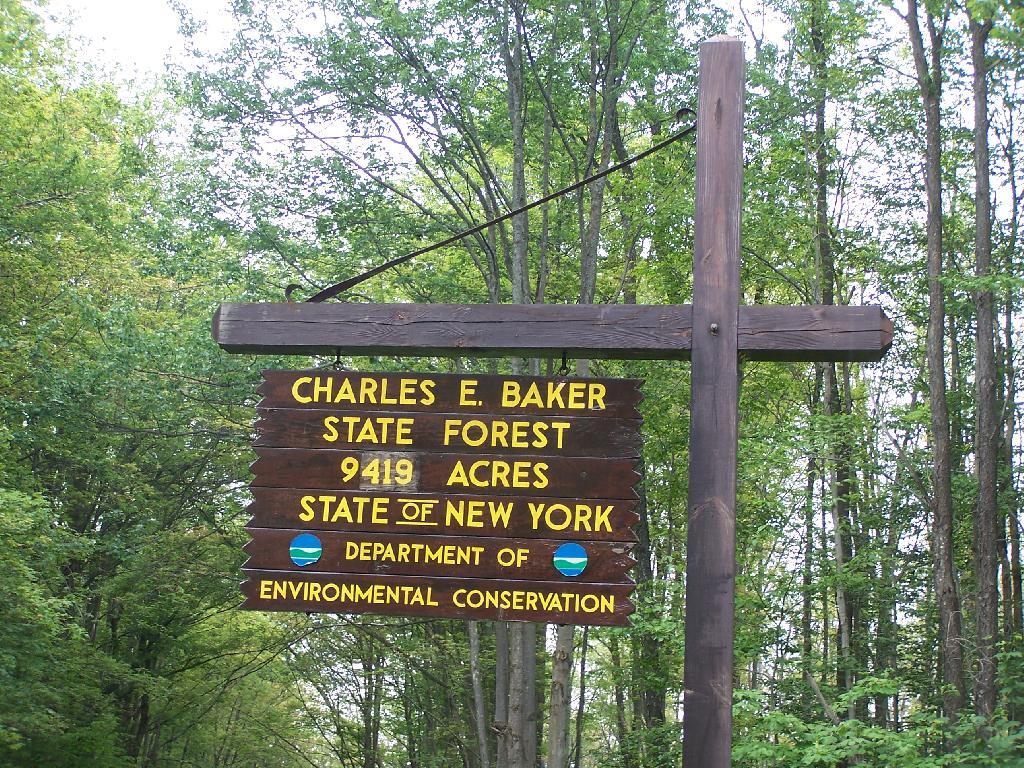
The Brookfield Auto Trail is located in the Charles Baker State Forest, a large state forest and popular equestrarian area that gets much use. Much like you would expect in such an area, there is a lot of mud, lot of horses and horse flies. I did a drive through of the truck trail, but was under impressed by it all.
CNY Hiking did a great write up about it, so I won’t go through all of it, but I will make some brief comments about it. CNY Hiking has pictures from all of the stops, and a copy of the map and associated tour pamplet that is also avaliable at the main-horse Assembly Area on Moscow Road.
Next to the Assembly Area is a Camping Area, with 21-sites closely put together. I was not a big fan of them, simply because they where too dense, particularly for equestrain use. They should have been far more spread out, like along the many miles of truck trail, or at least with a little more privacy.
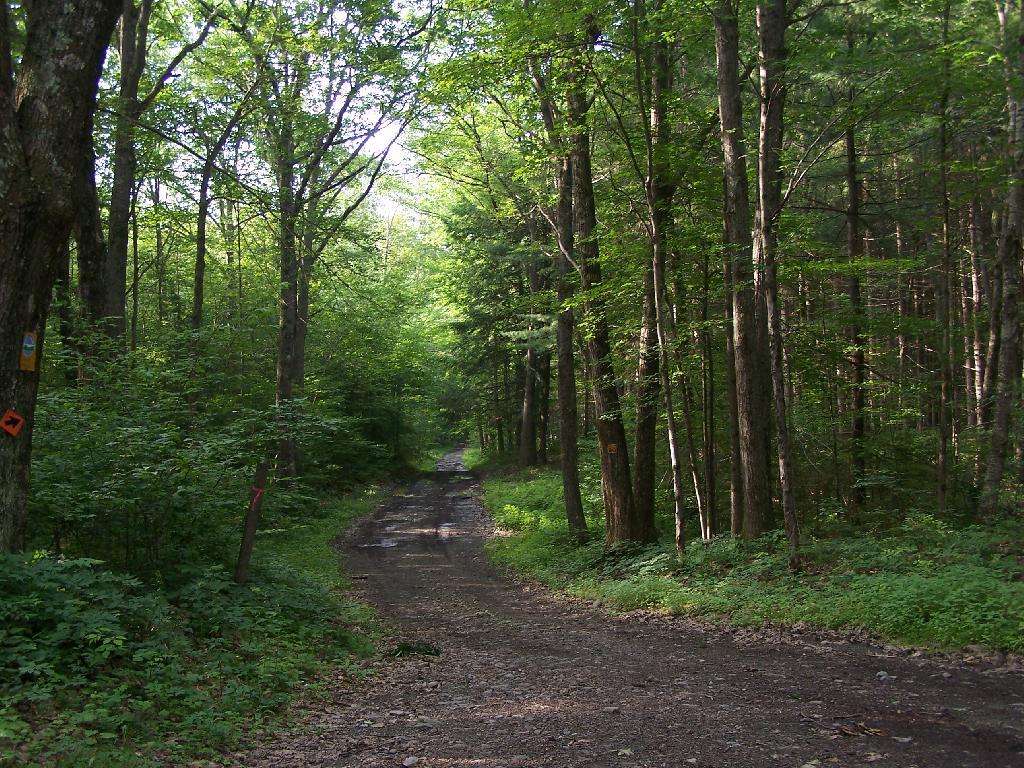
Almost all the miles of truck trail where easy to follow, and nice and smooth. The trails where gravel and well maintained, although some of the markers had disappeared into the grass.
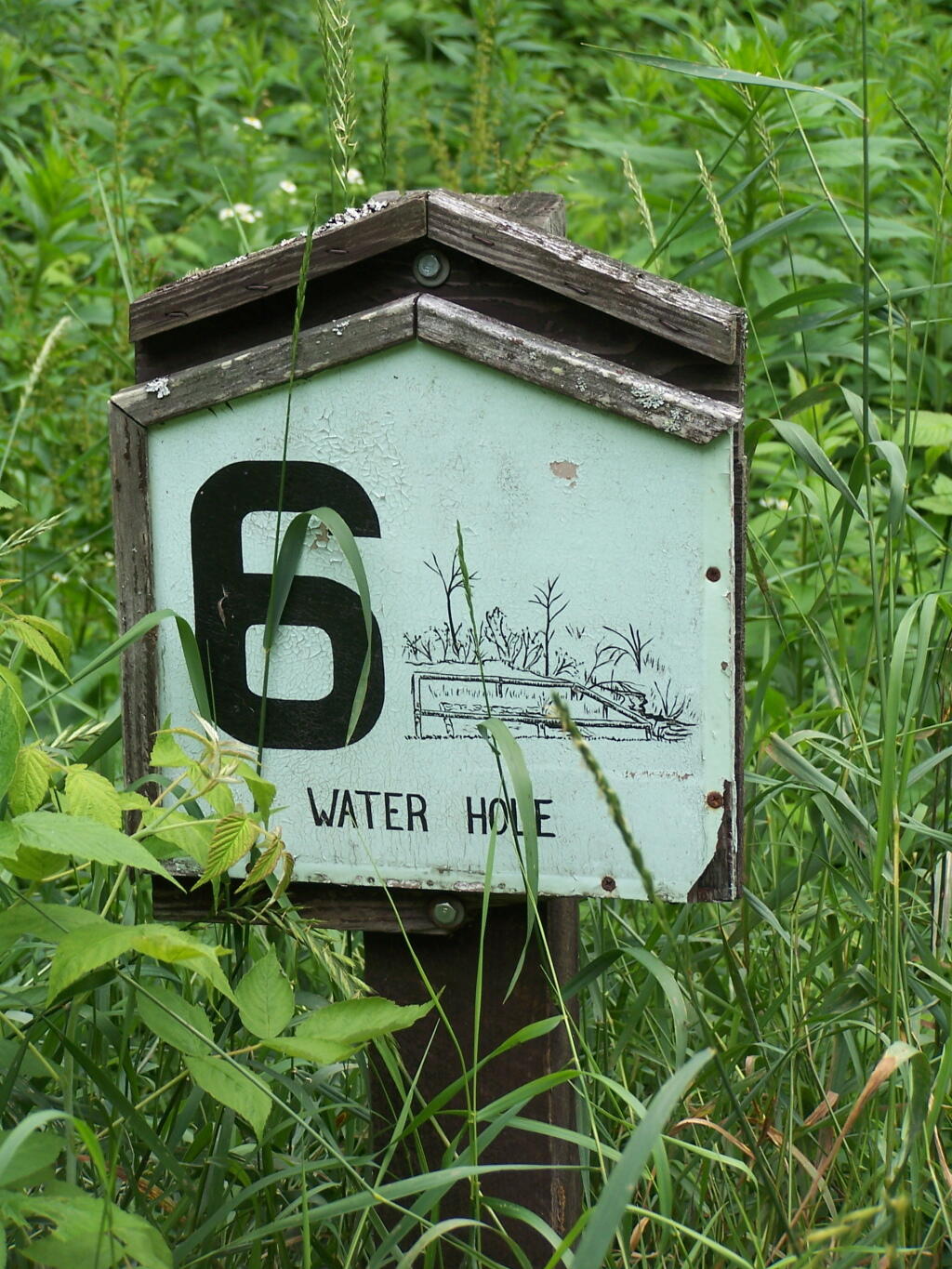
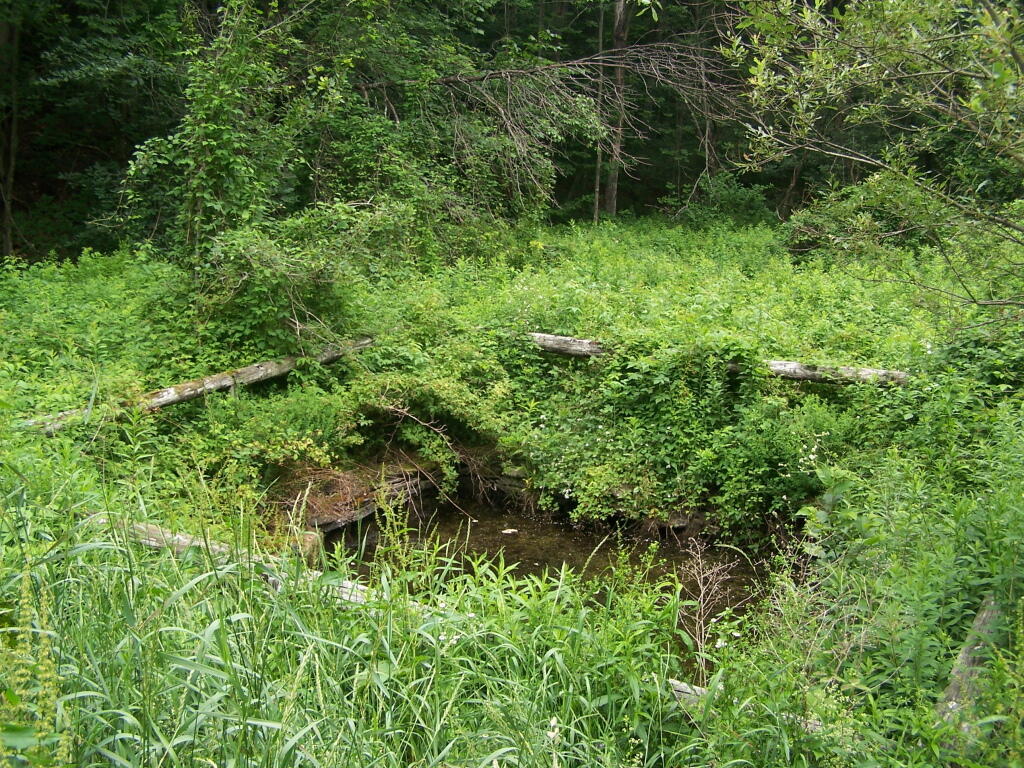
Many of the stops are moderately interesting, although there are no great vistas in the entire route, which is relatively flat except for a few moderate hills and valleys. One of the more interesting stops is the No 6. Water Hole, dug originally for firefighting.
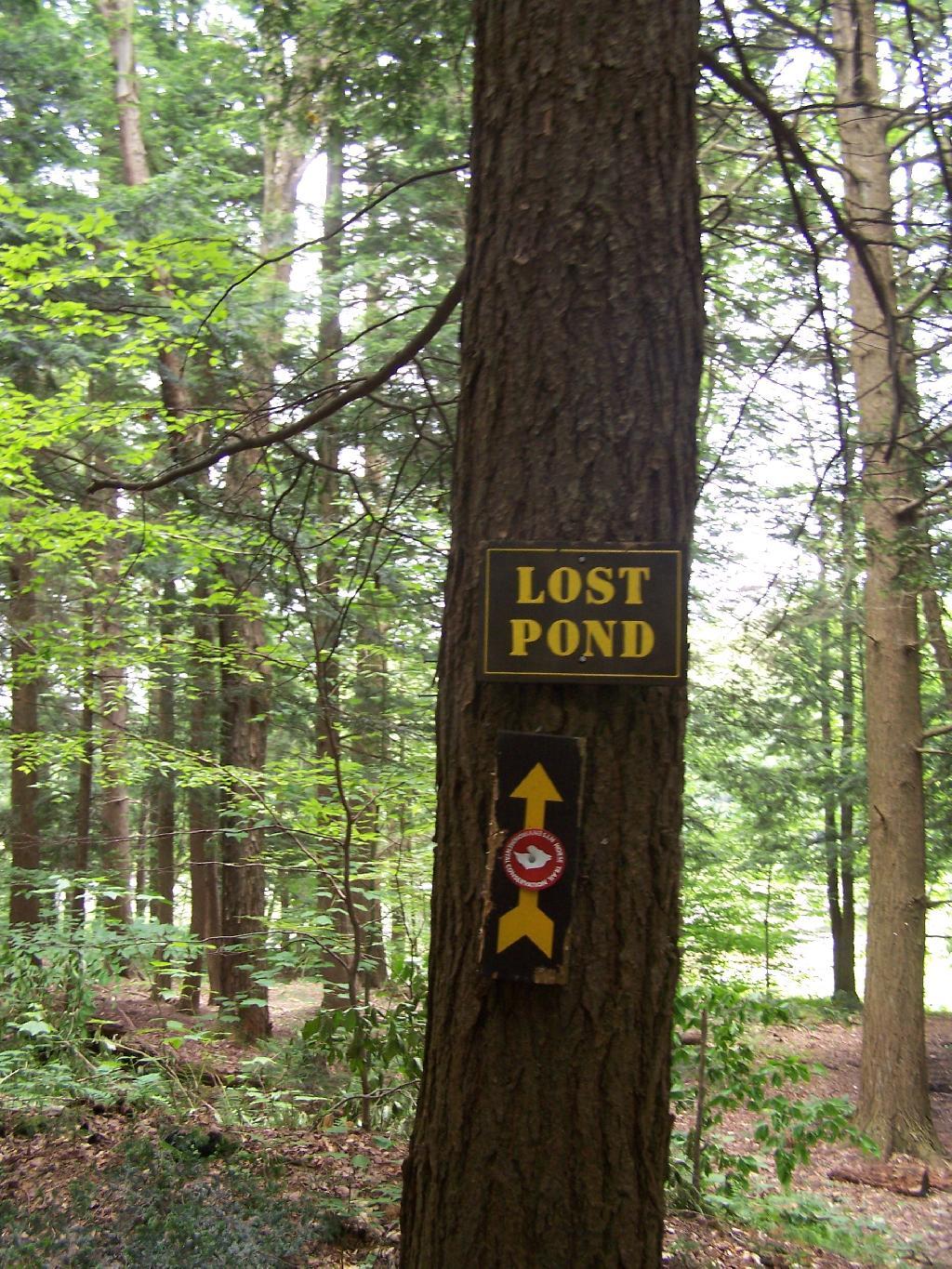
There are no large ponds at Charles Baker, although Lost Pond is a man-made pont in one of the valleys. It is very rough country around there, and muddy from the horseys.
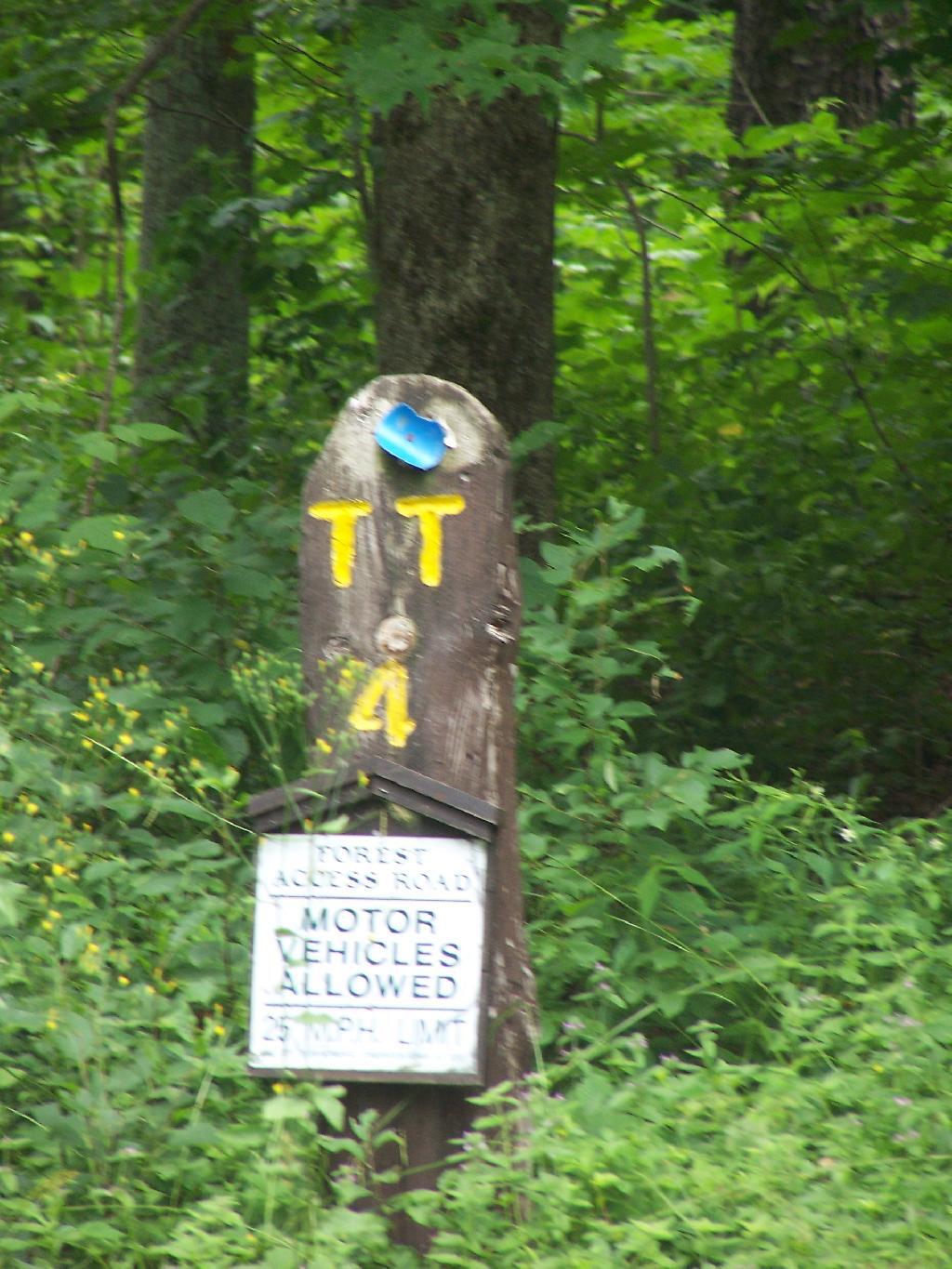
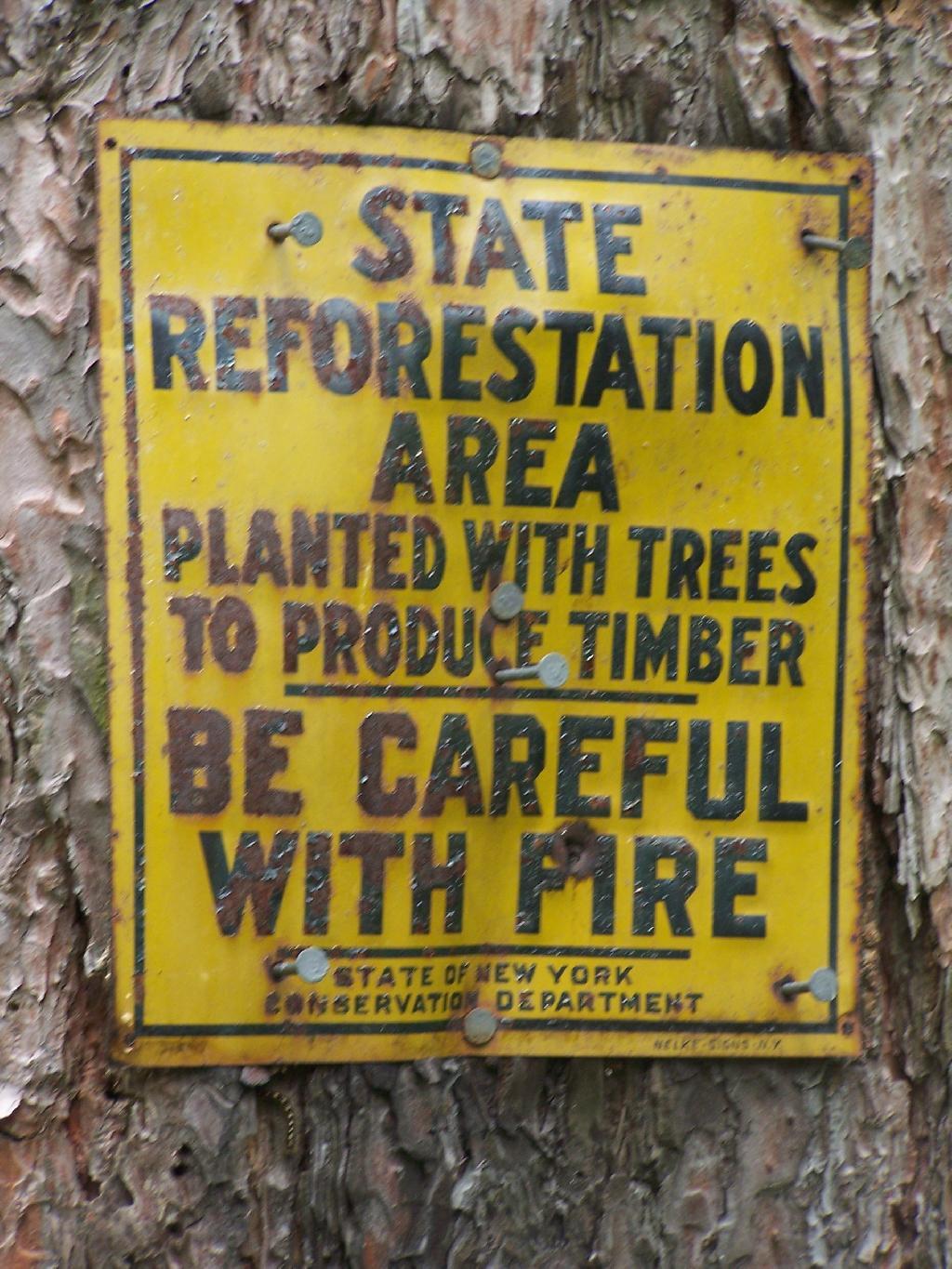
Along Truck Trail Number 6, there is this fascinating old marker nailed on to one of the White Pines in the planation.
The best part of the Charles Baker Auto tour is no more, the old firetower site. The fire tower was demolished in 1978, and supposedly was a very popular end to the tour, with views of the valleys surrounding the Charles Baker State Forest.
Here is a map of the route, although I also recommend you see the CNY Hiking Write Up.
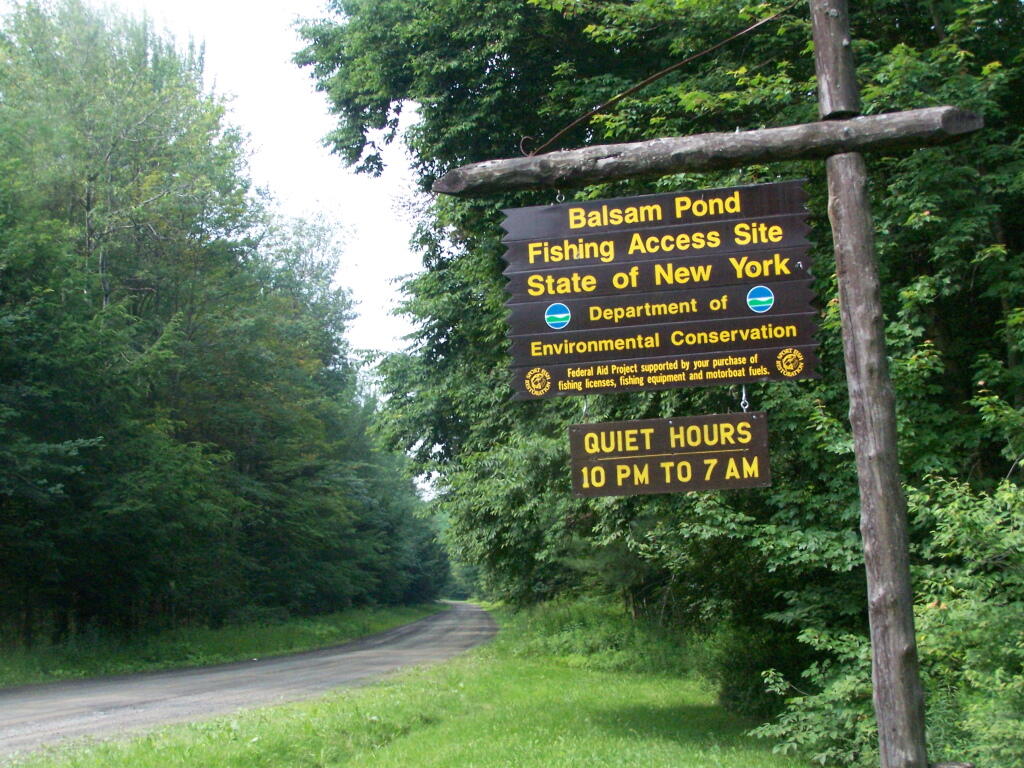
For the first weekend of summer, I decided to go out to Central NY for a weekend. The original plan was to spend one day at Brookfield Camping Area, but it was too crowded, so I decided to head south west to Balsam Pond in Chenango County, outside of Norwich and Pharslia.
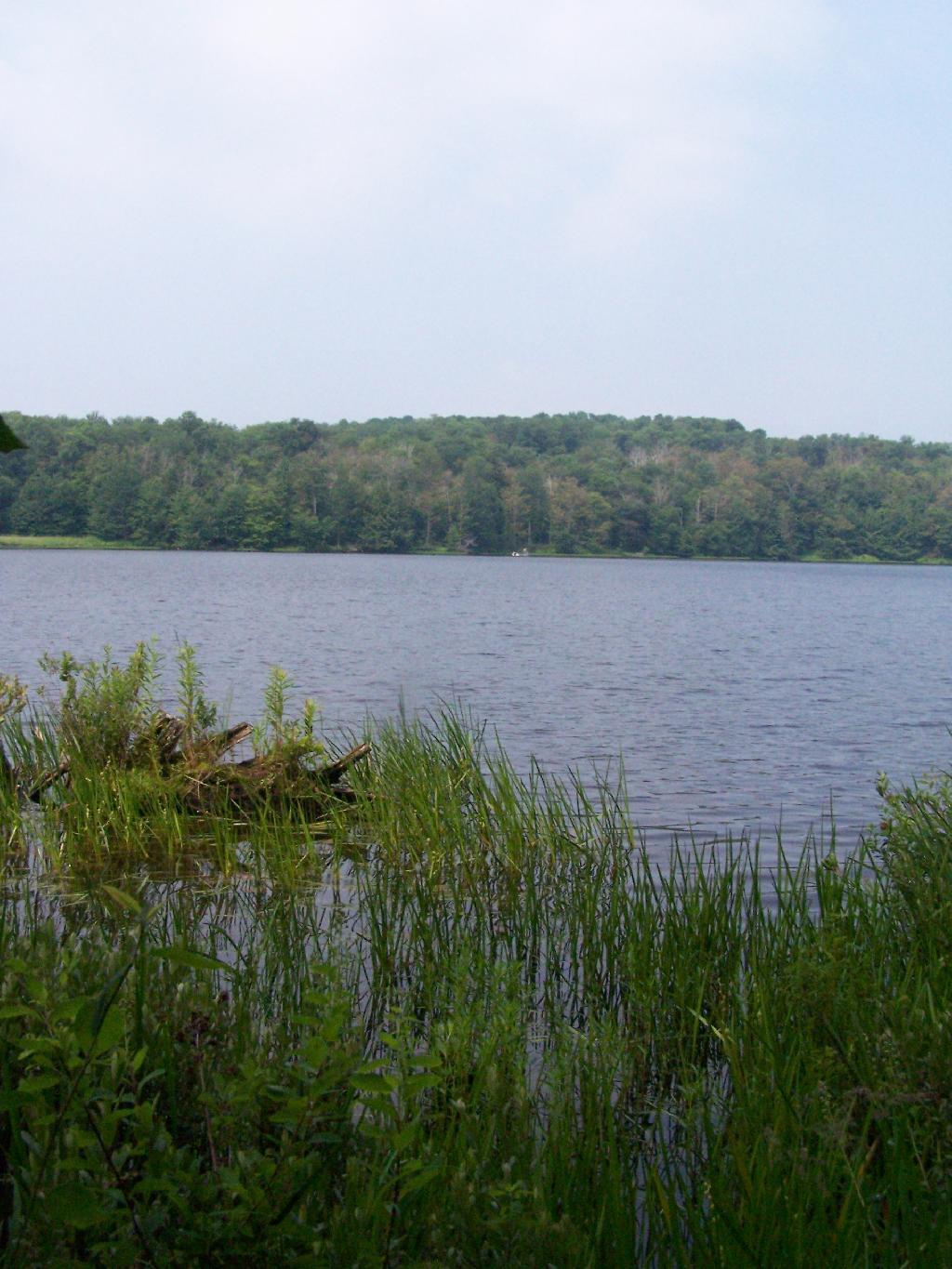
Balsam Pond is a man-made lake, popular for fishing and free camping. They also allow motor boats on the lake, so during the day, you’ll hear boats roaring up and down the lake.
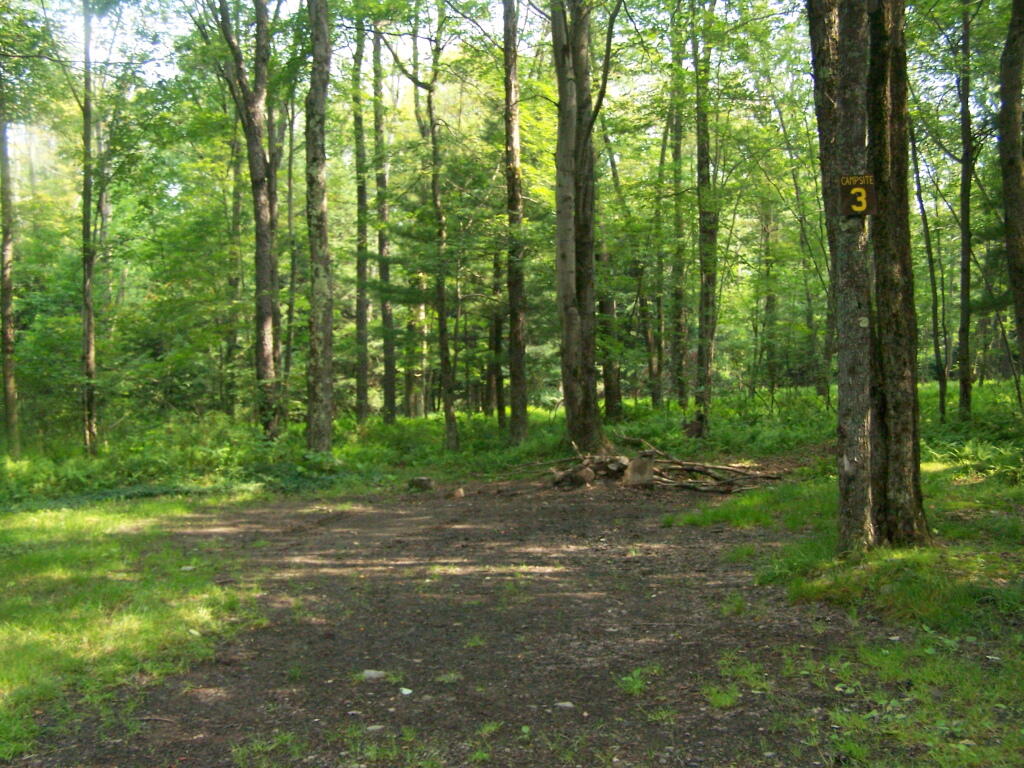
While the weekend was pretty rainy, Balsam Pond turned out to be quite nice, and popular but not full, as was the case last year. This time I choose to set up in Campsite 3.
Soon after getting there, it was raining. I quickly got the tarp up, and was hanging out in the back of my pickup, reading a book.
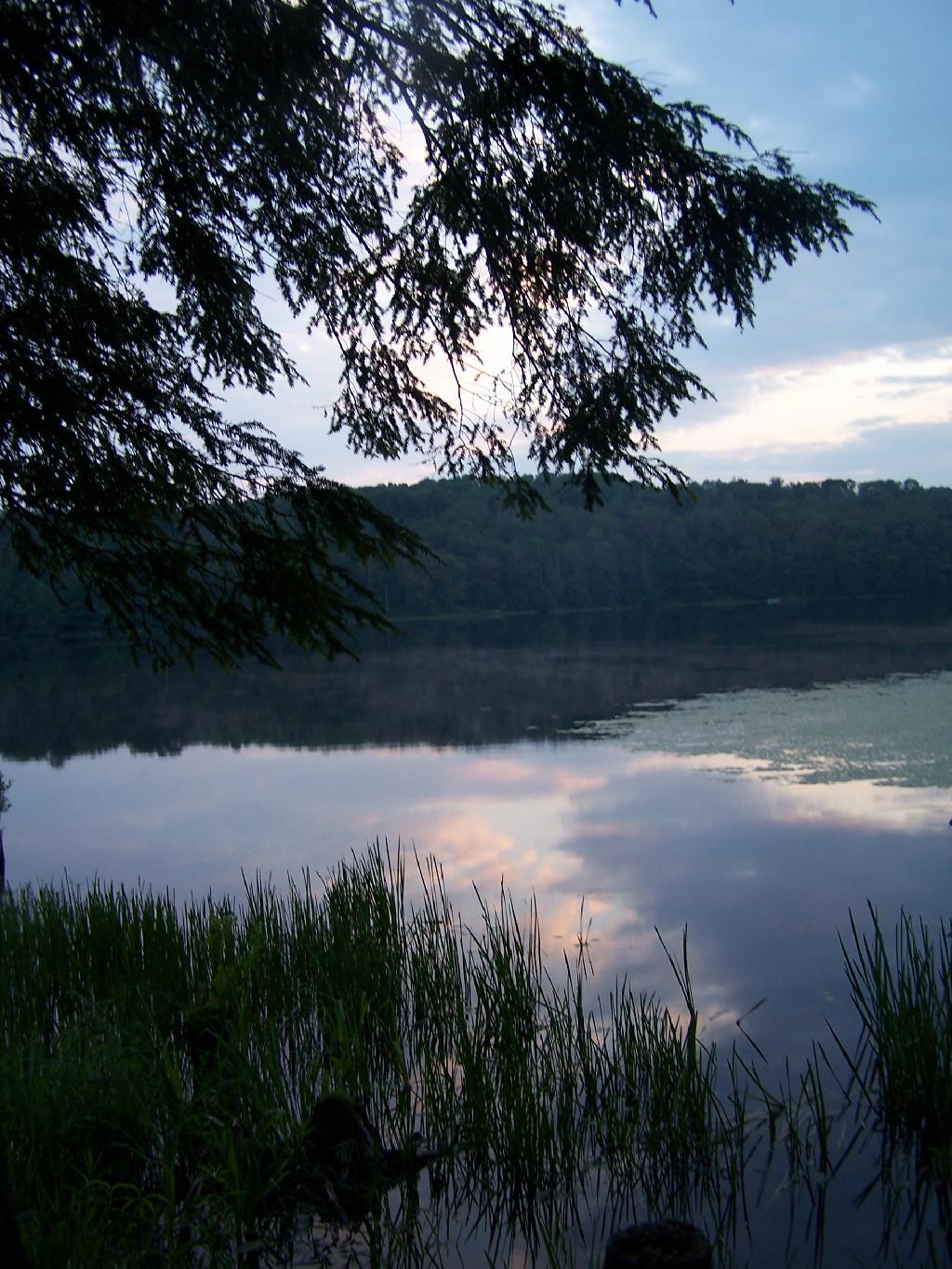
In the evening, the rain stopped, although the clouds remained as I walked down by the lake.
In the morning I got up, and hopped in the lake for a quick dip to get cleaned off. Hazy and cloudy in the morning, but no rain.
I drove up north to Truxton in Cortland County, to check out the ever so beautiful Labarador Hollow, but decided with the rain, not camp up there. There where some roadside campsites there, but no lake to cool off up there, so I ended up spending another day at Balsam Pond.
The next evening was nice, with not much rain, but very cloudy, damp and dark. But I got a nice fire going, and it didn’t involve burning too much plastic but mostly wood, under the Christmas lights.
Even by morning of the June 28th, the weather wasn’t perfect but so be it. This time of year, is not known for it’s perfect weather conditions after all.
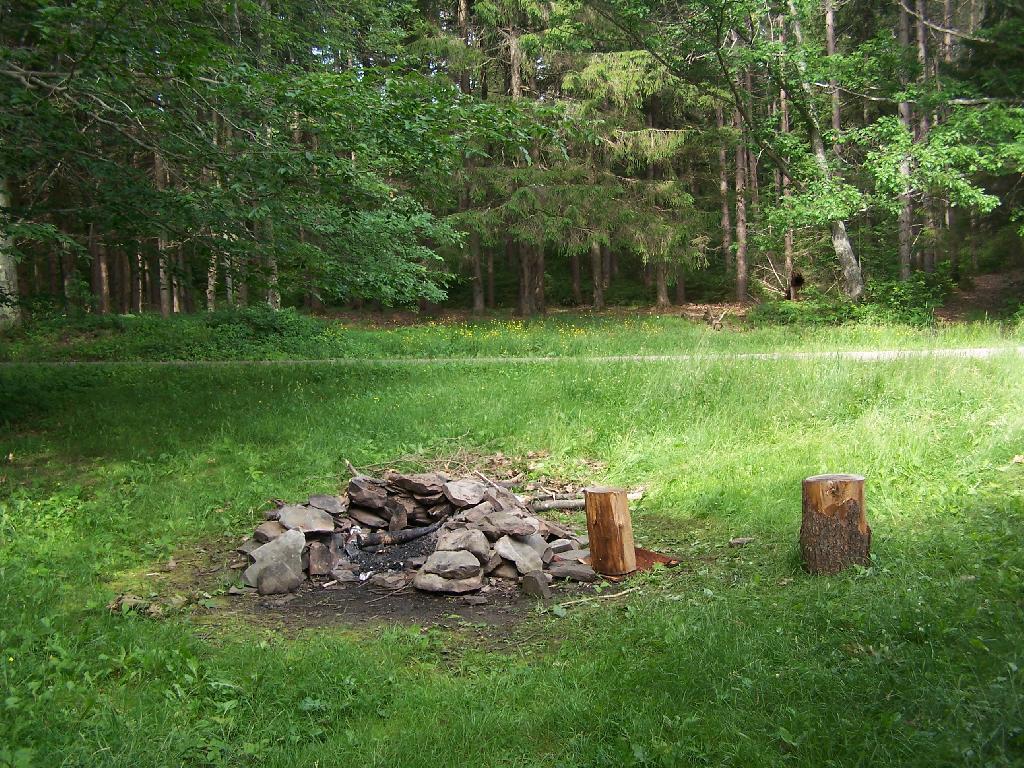
On the maps of Burnt Rossman, and in the plan for this area, there is a primative campsite. While unmarked there, there are two developed campsites along the pond with stone-built campfire places, and some places where horses have been staked down in the past.
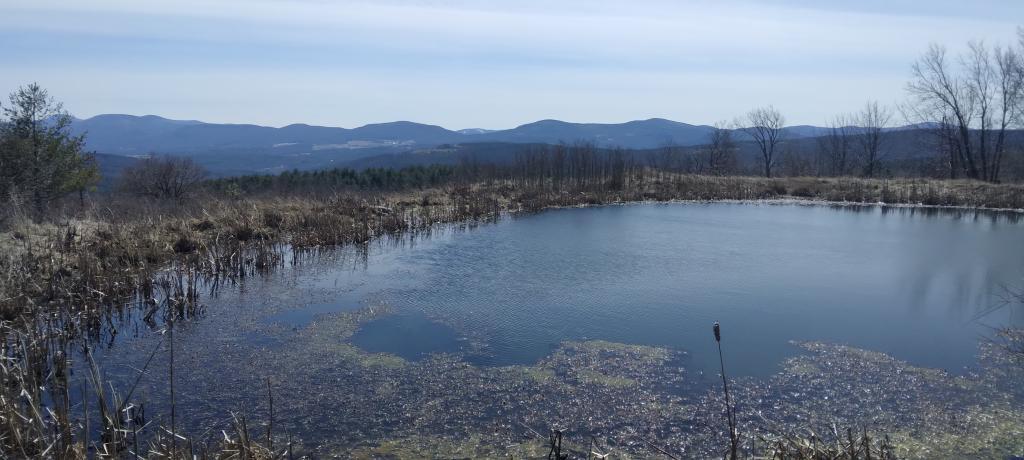
Duck pond which is mostly a swamp, is quite pretty in the evening. The bugs really weren’t that bad.
Cleaning up after dinner in the evening.
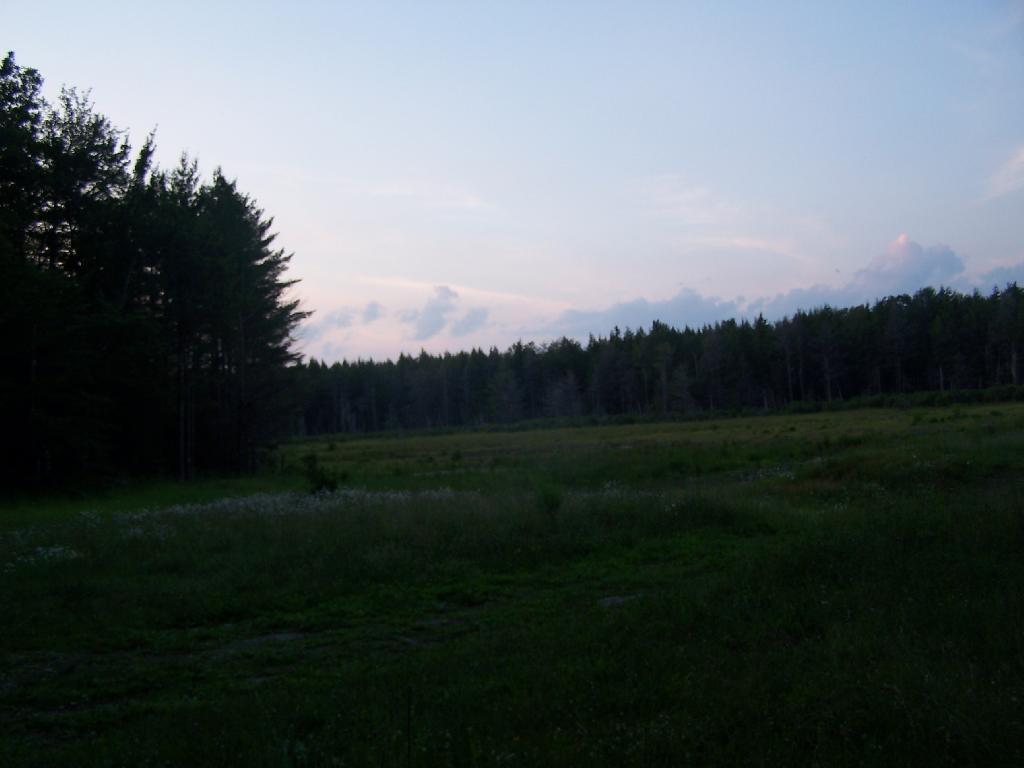
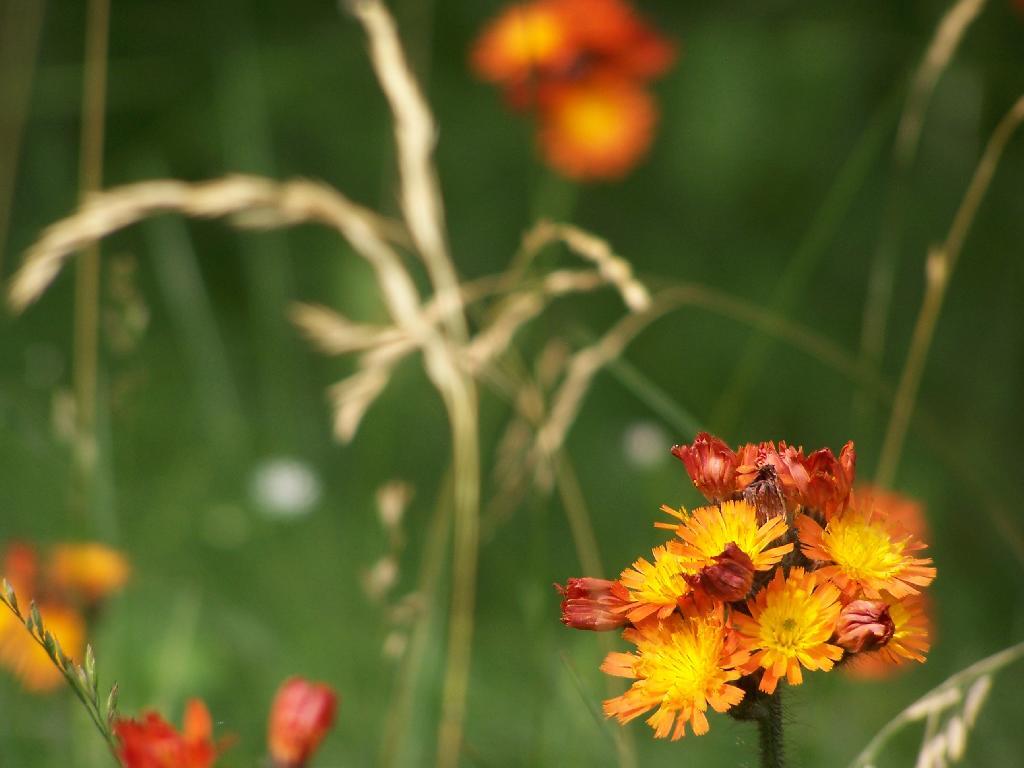
The wildflowers where in full bloom in late June when I was camping out there.
Near the campsite is a monument commemerating Charles Hopkins, the first Forest Ranger who maintained these 13,000 acres of state land.
In the morning, I drove south toward Blenhium on the rather rough part of the Duck Pond Truck Trail, which becomes much rougher after Duck Pond.
While I camped out there all night, I only saw one car in the morning driving by.
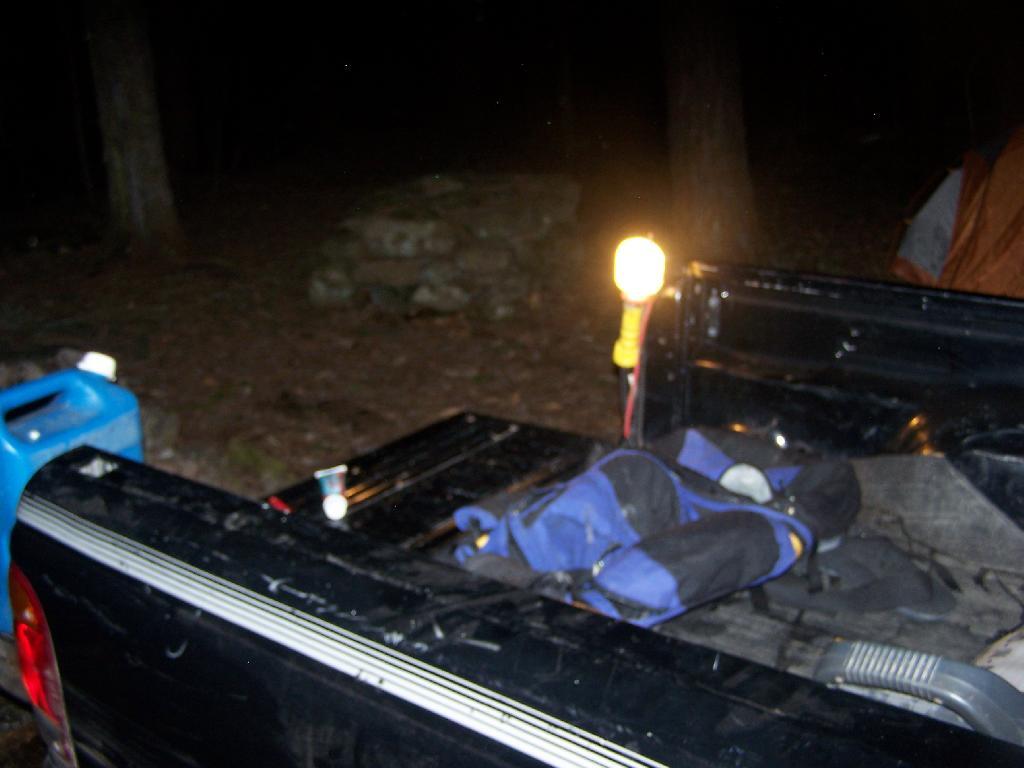
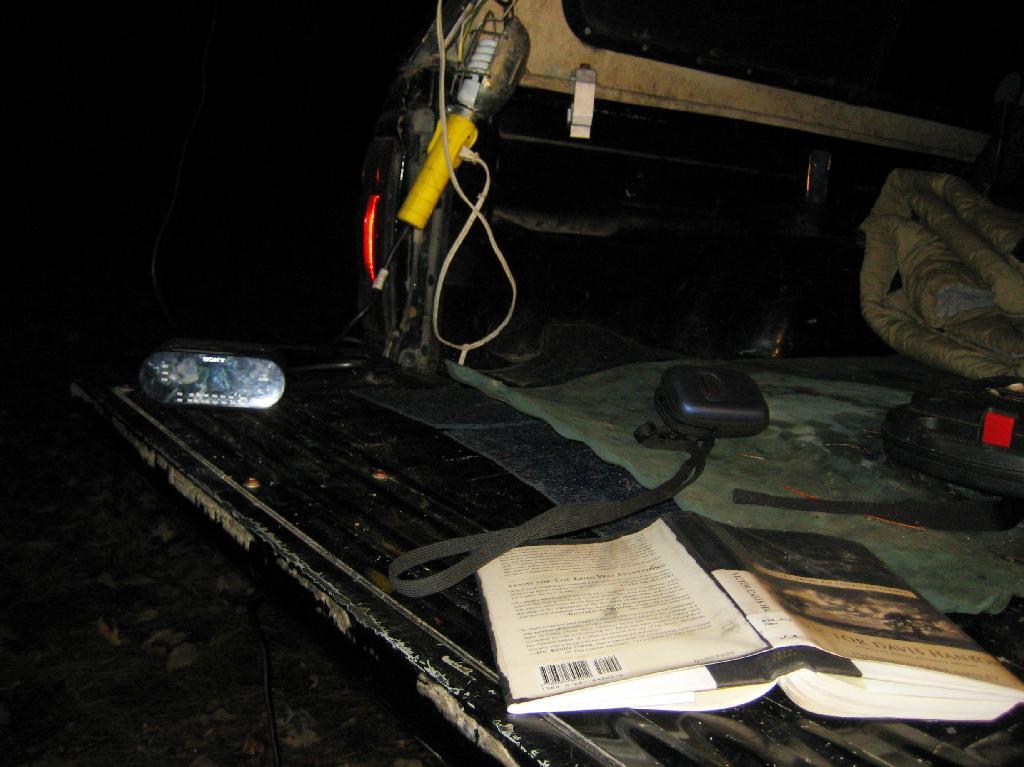
I have camped out plenty of times in the past in lean-tos and in tents in the wilderness. Yet, it’s not a regular thing, but more of an occasional thing. I much prefer camping out in my truck for the simple fact: I like having electricity.
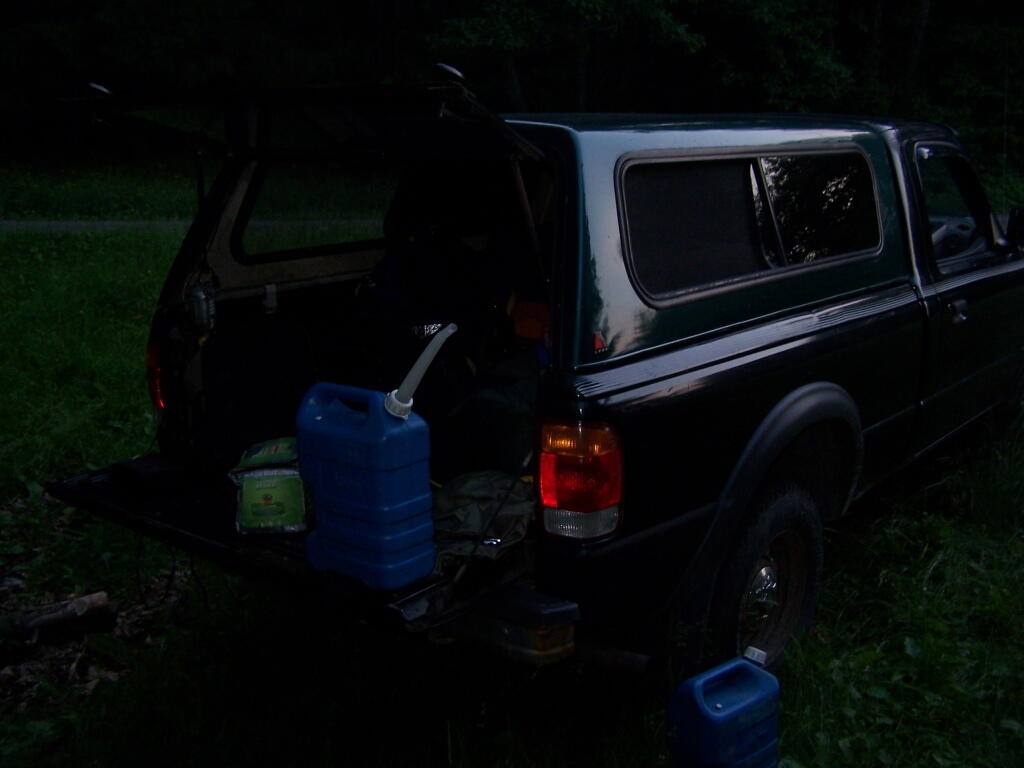
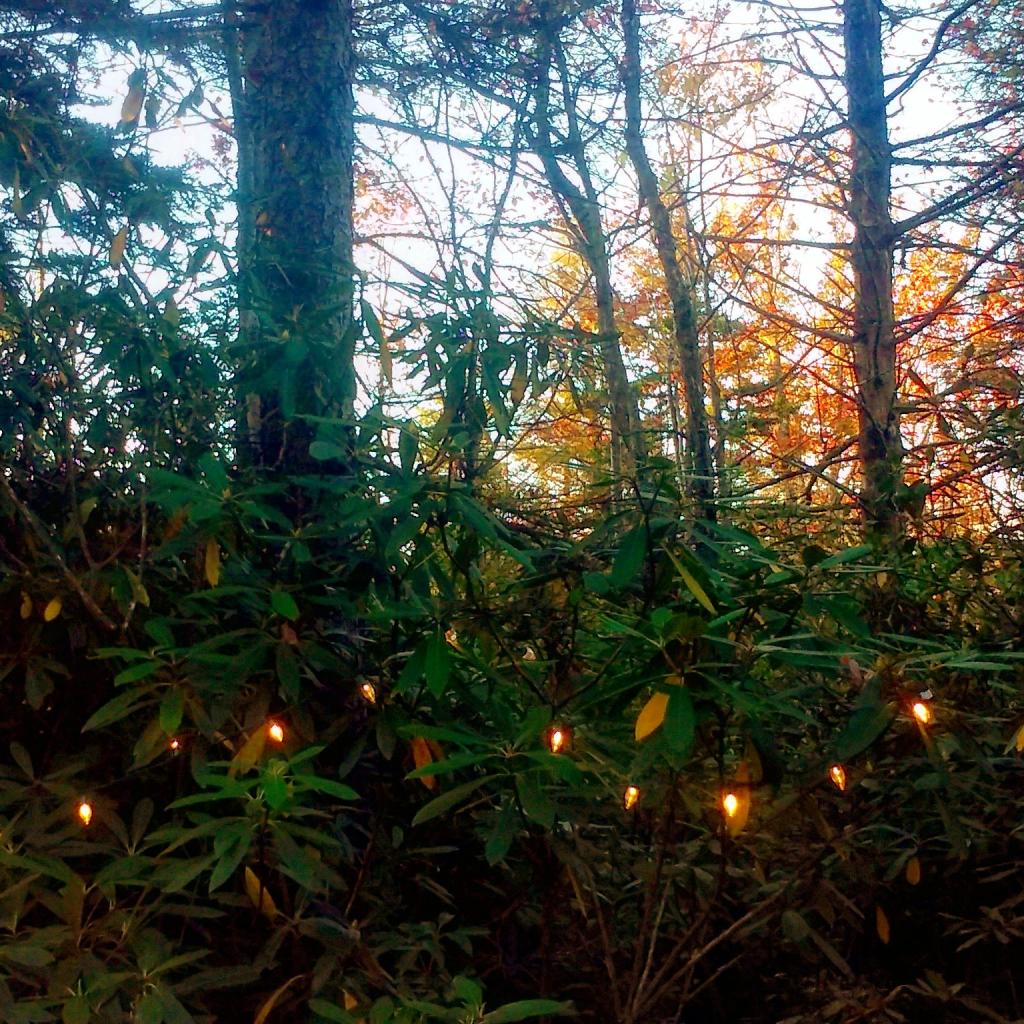
As I’ve noted in the past, my truck has a 800-watt inverter hooked up to the battery, which provides electricity for my clock radio and lighting. I usually bring a string of LED Christmas lights for charm, but then also have a desk lamp with a 9-watt florescent light (equivalent to a 40 watt incandescent), along with two other 26-watt florescent lamps (each equivalent to a 100 watt lights).
It turns out that those lamps put out a lot of light. When I hear a bump in the night, or just need to run outside, I can turn on the lamps, and instantly have a lot of light. While a florescent lamp the size of 100-watt incandescent bulb might not seem that bright, as in a large well-lit room, in a darkly lit woods, they are very bright.
I usually use just a well focused 40-watt equivalent florescent bulb in my desk lamp for reading in the woods. I find it hard to read with a flicker of my white gas lantern, which also tends to be dimmer then the electric light, especially after white gas lamp starts to run lower on fuel, and needs to be pumped up again.
Indeed, one my favorite things to do when camping is reading. It one of few places I can enjoy the quiet without the distractions that are normally around. I find to read at night for hours, I need a good source of light to do it without eye strain I get with a lantern.
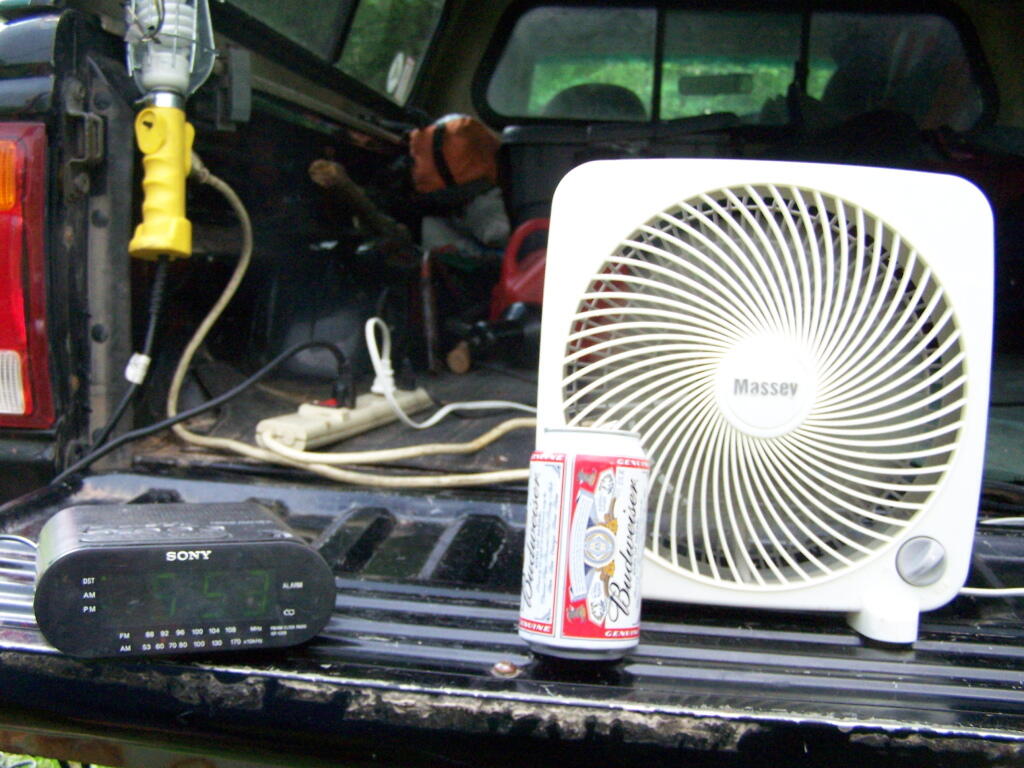
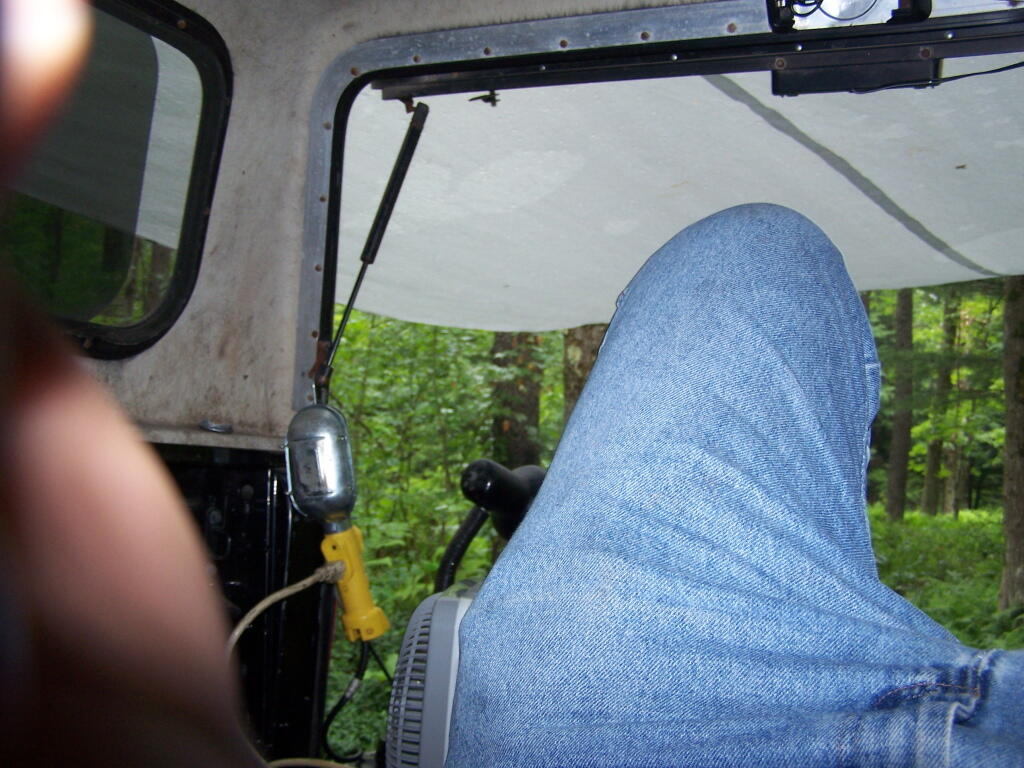
Electricity also powers my truck’s radio, along with a clock radio, chargers, and even a portable fan. It’s nice having music at night, and a fan to cool you. I like listening to the radio throughout the night, as it proves to be a good companion. You can get some of the strangest radio programs — right-wing christian talk shows — when your up in the woods.
Some people will say camping in the back of a pickup truck, with half a dozen things plugged is not real camping. Yet, it provides enjoyment, and a chance to get away from it all, and still provide the light and power I need or at least want to have a night.



![Untitled [Expires August 8 2024]](https://andyarthur.org//data/photo_004387_large.jpg)