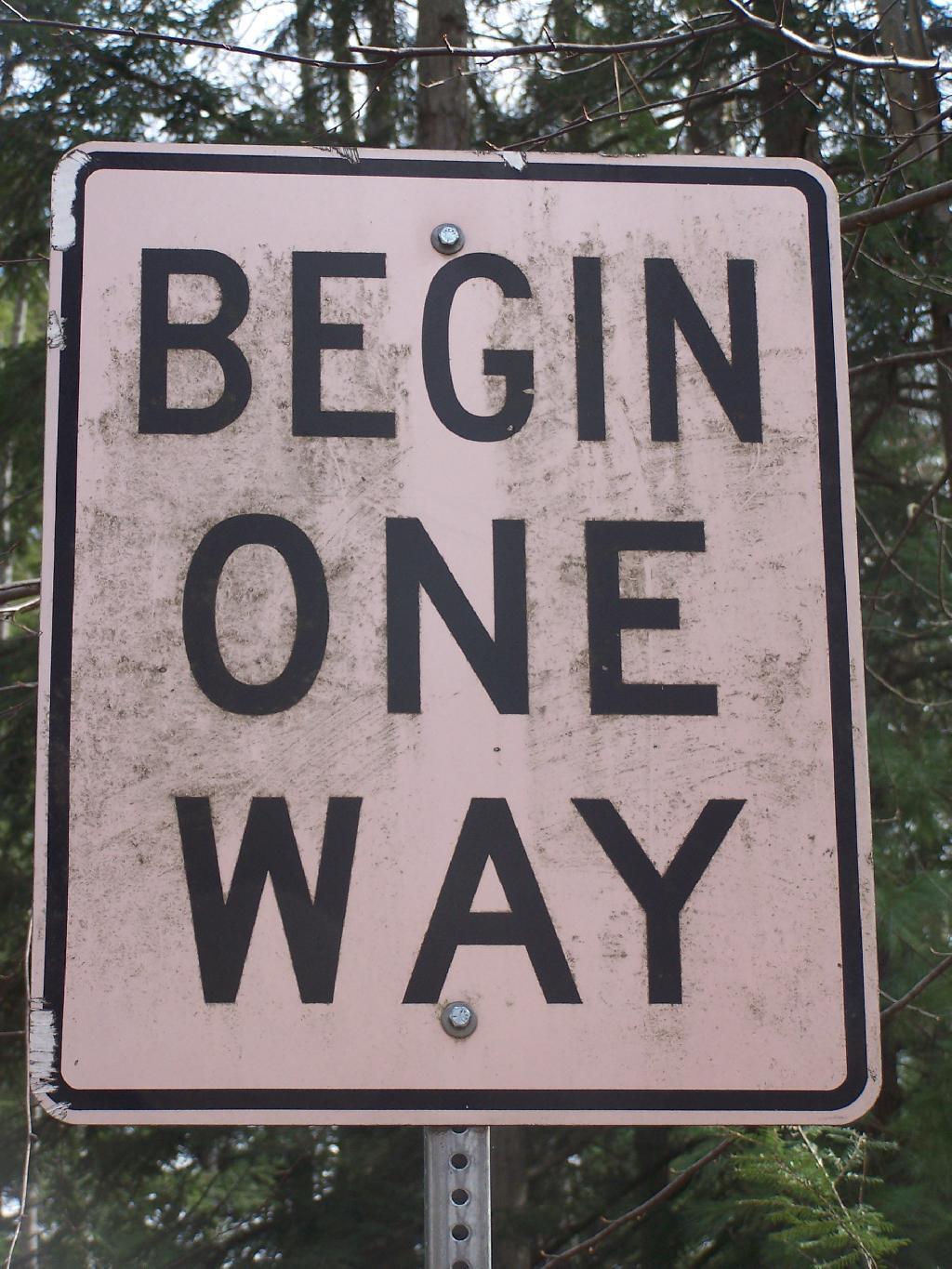
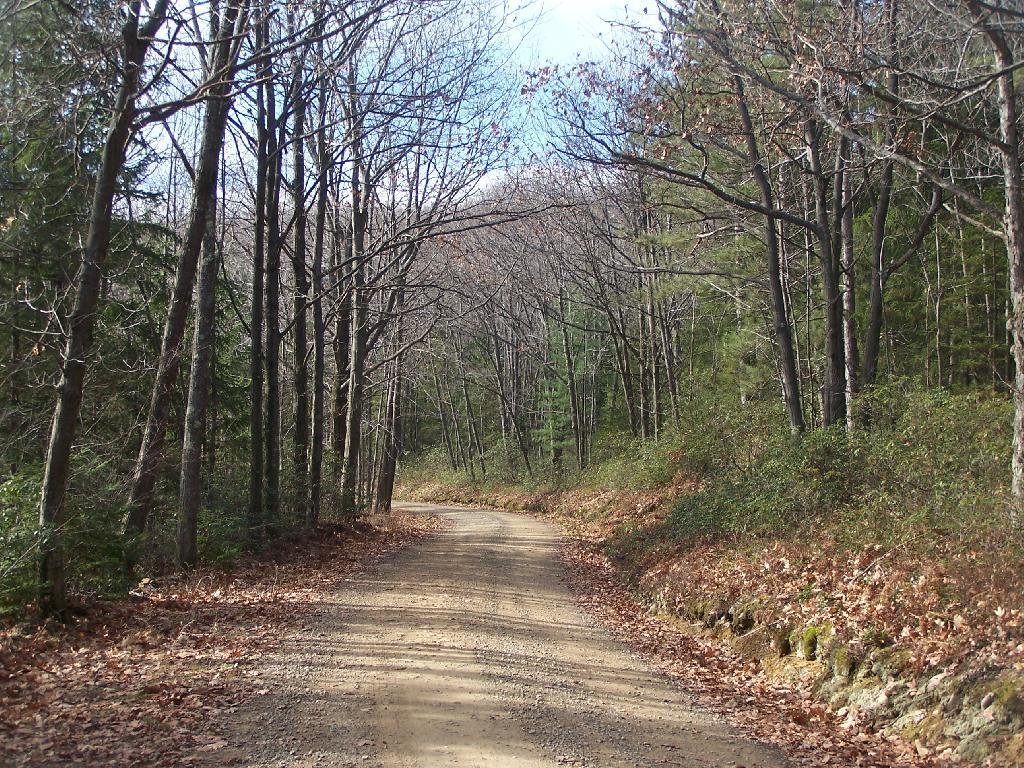
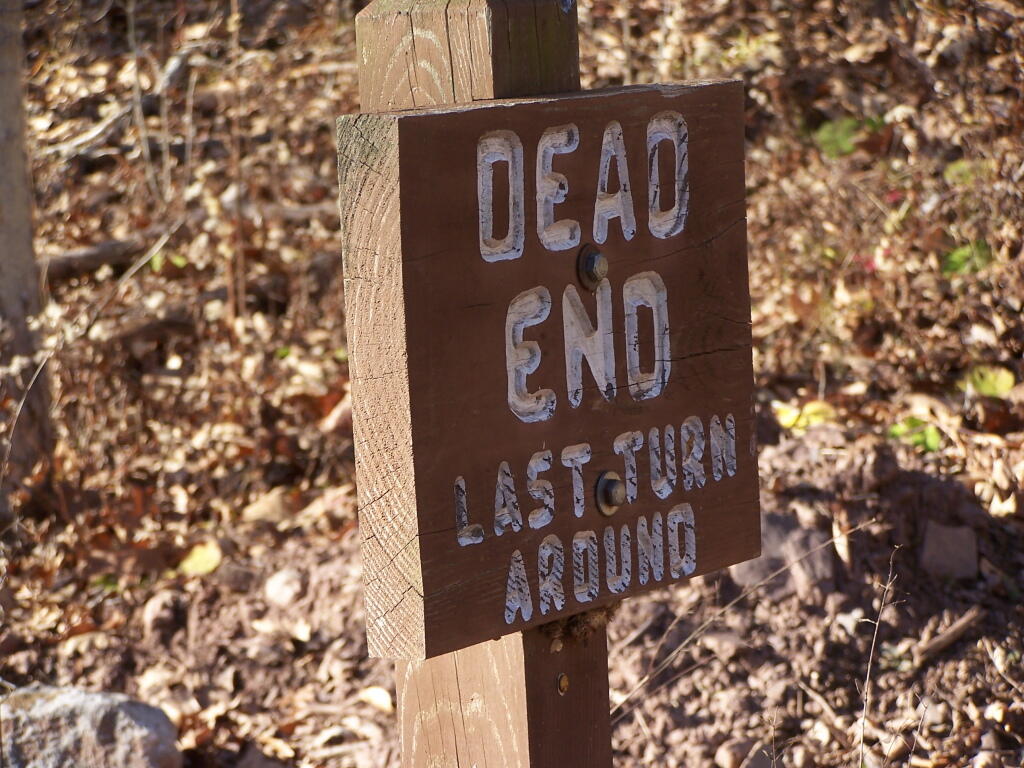
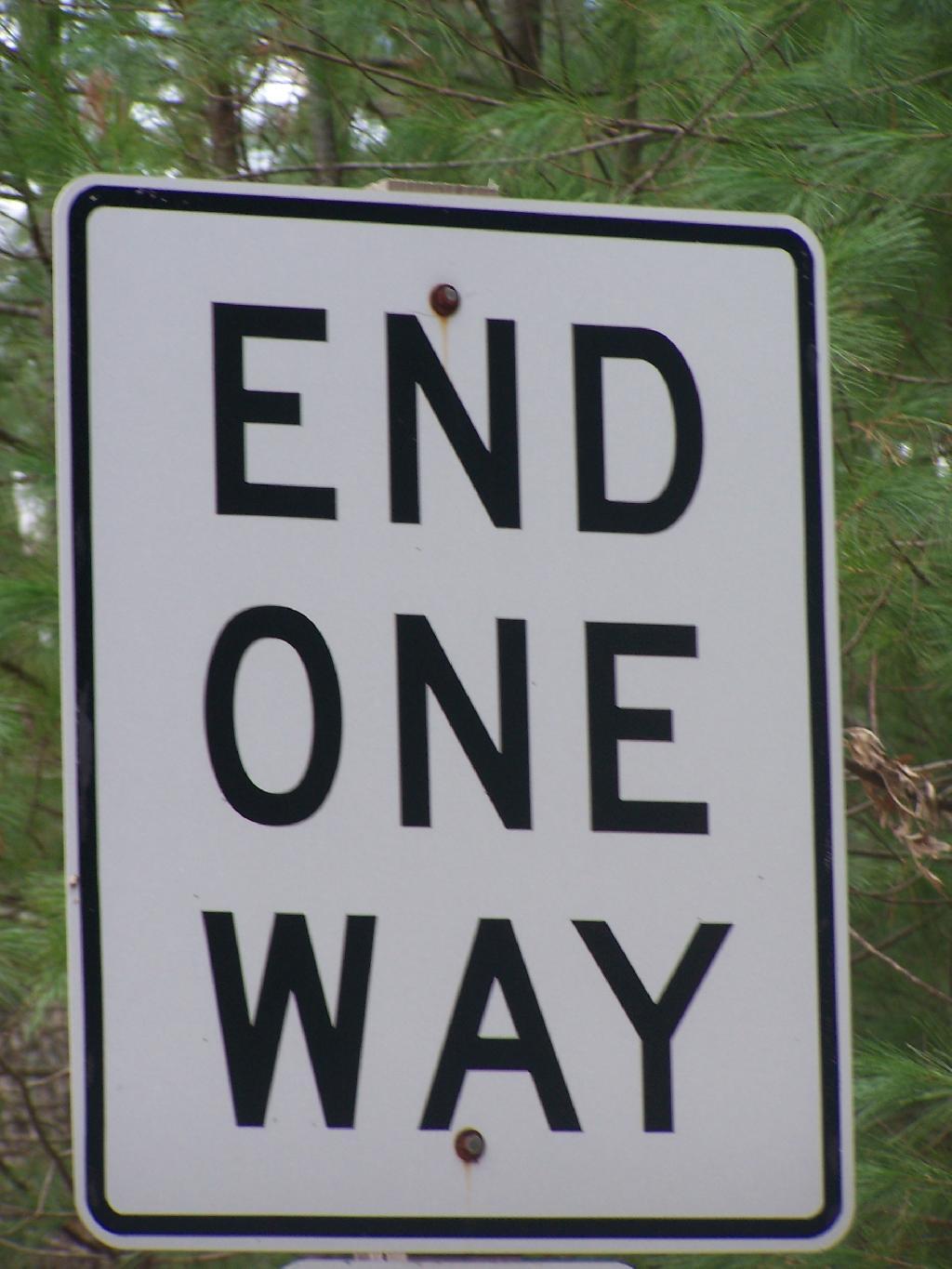
Some struck me about these two signs along a short section of a one-way road at Colton Point State Park. They seemed to mean so much more then just their simple meaning for traffic, but something about life we all live.
We all begin one way, set off to find our way through the wilderness of life, with little more then a rough sketch where want to end up.
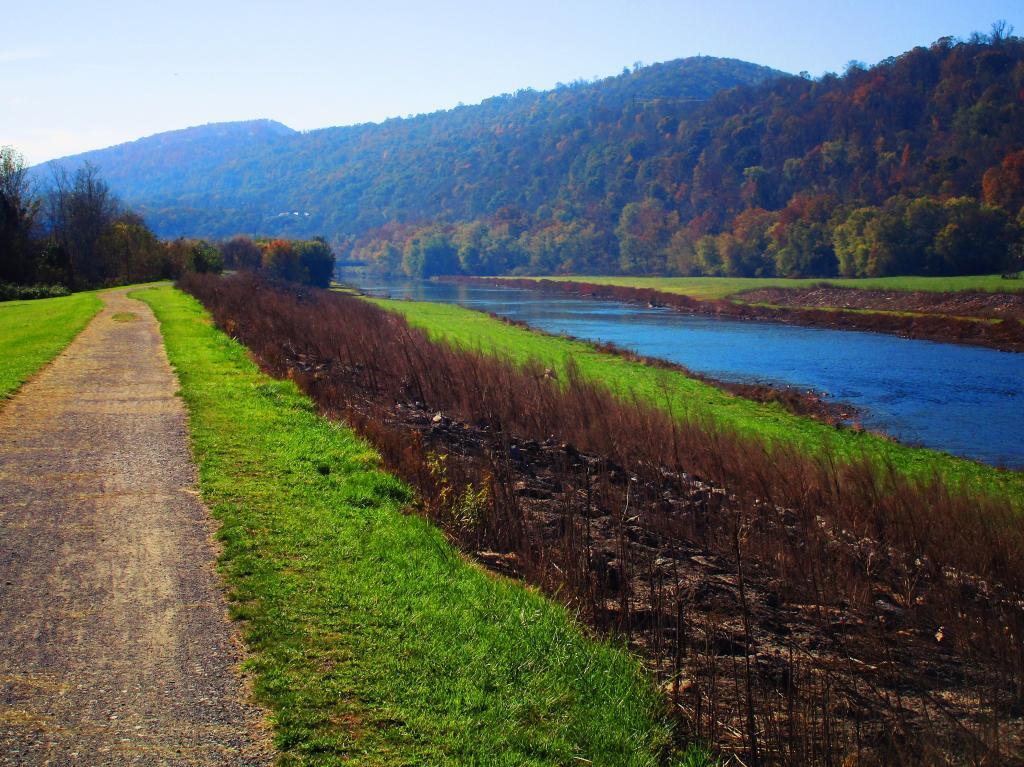
We wander through the wilderness, seeking that destination that we know want to reach, but even when the road is straight and narrow, it’s not always apparent on where will eventually end up.
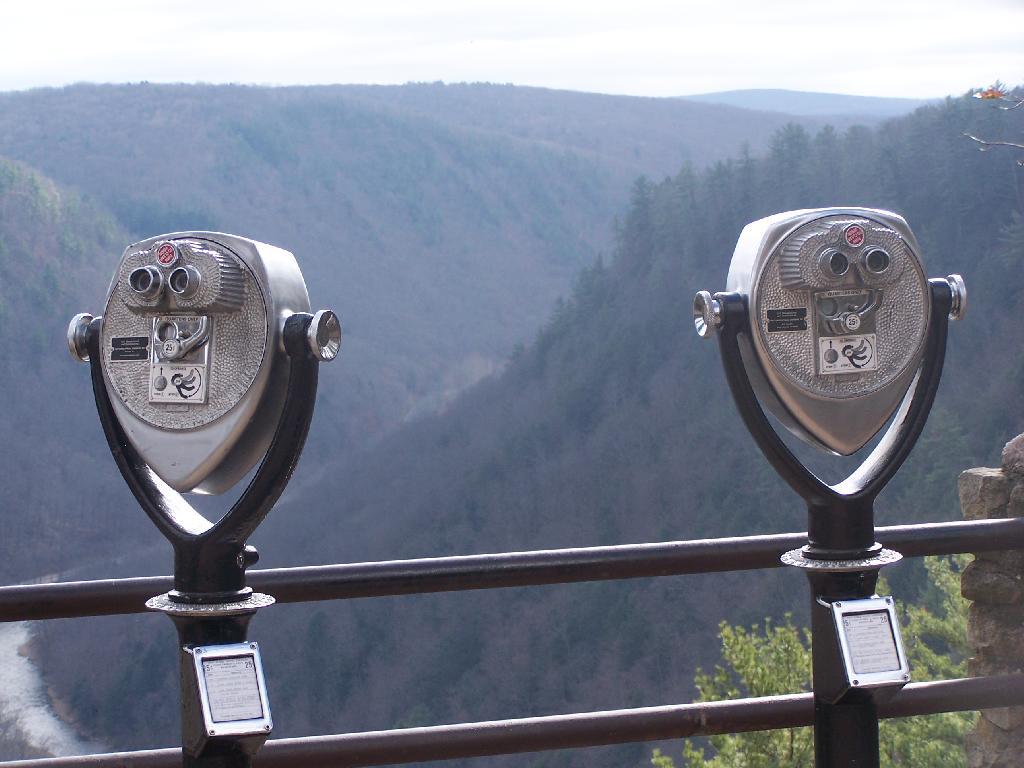
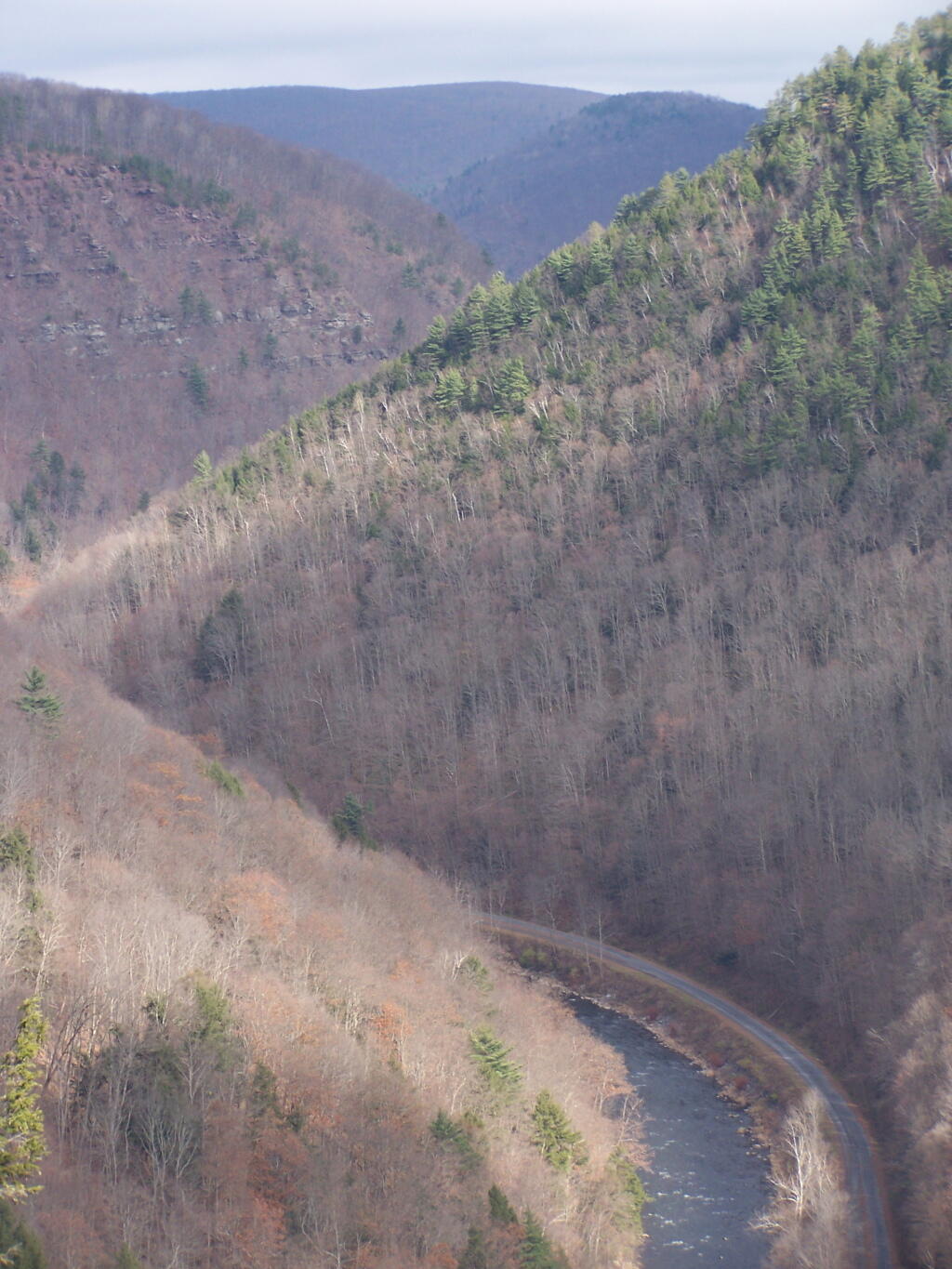
We sometimes stop to check our way. We get out our binoculars and try to look to see if our destination is in site. It’s not always clear.
We glance off into wilderness the vista.
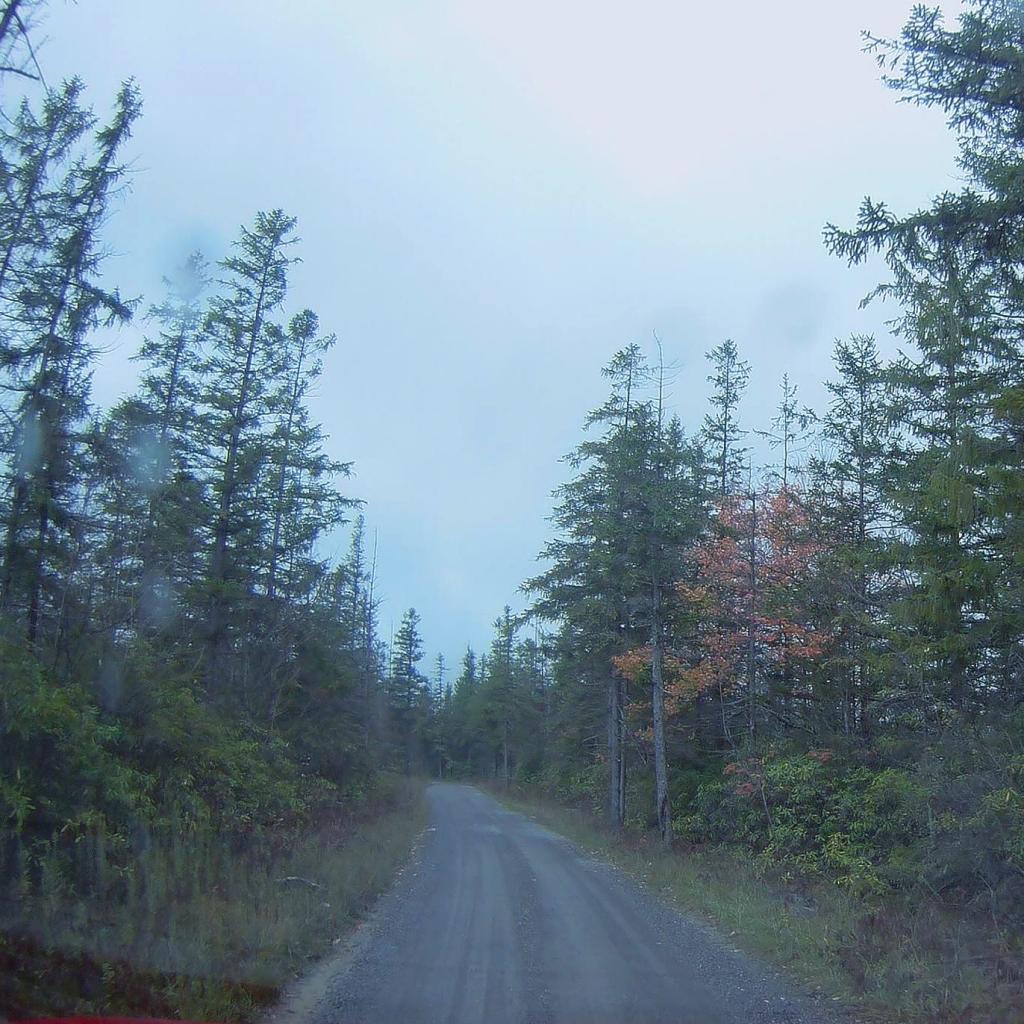
As we kick some dirt up along the road.
Trying to avoid the dead ends that seem to come upon as every few minutes.
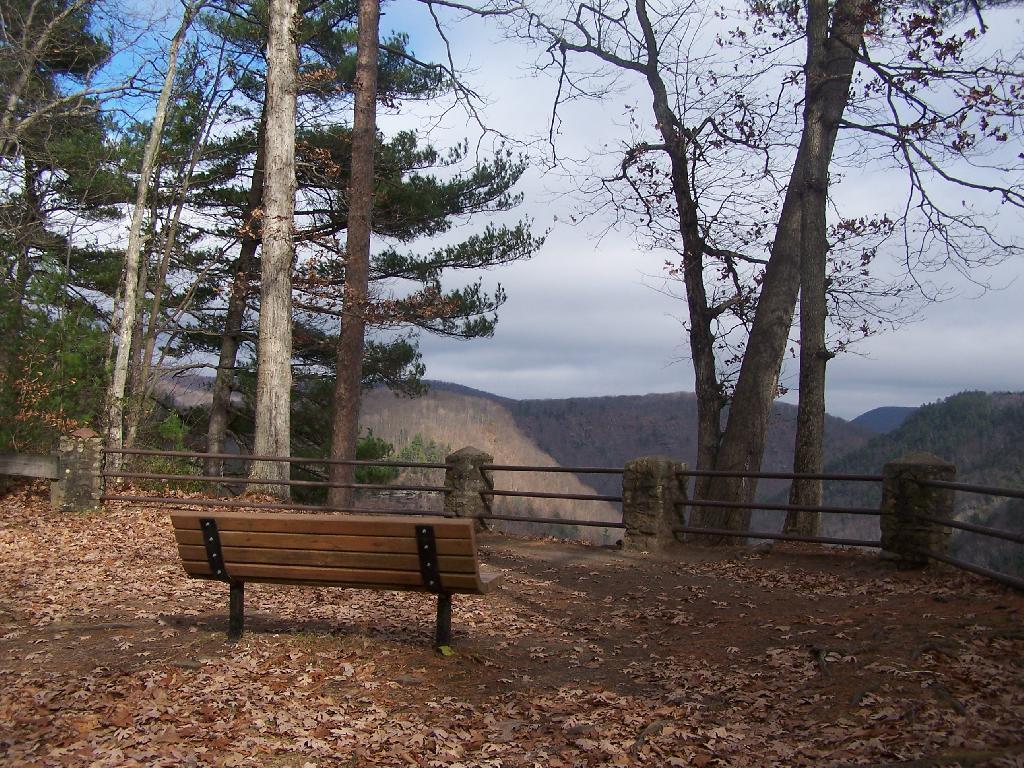
We stop for a minute on a park bench.
And peer down into the canyon as a changed indivdual.
And eventually we end one way. Was it the same way we started? No! I really doubt that. We have changed. We may have ended one way, but we ended a different way then we started.
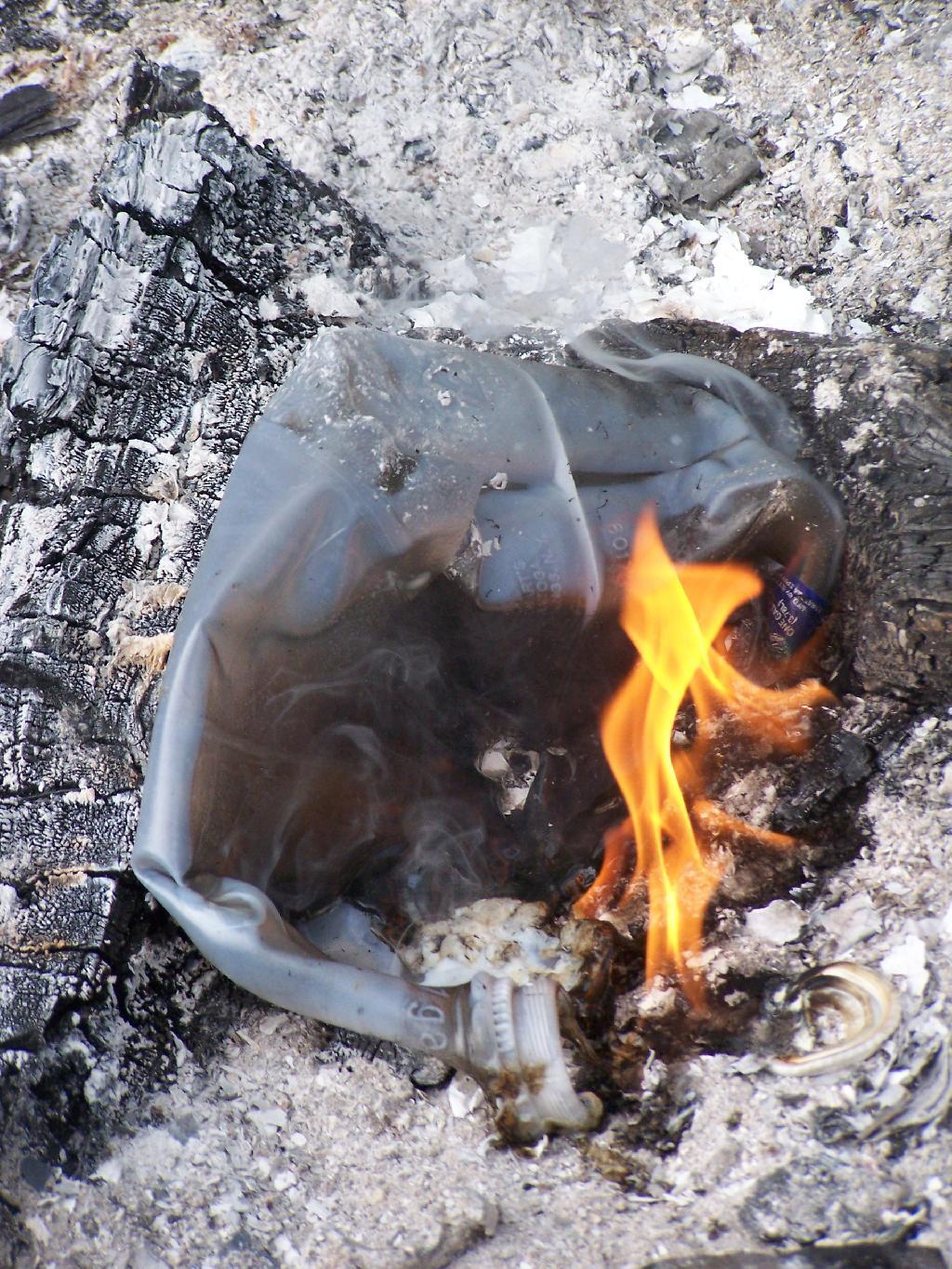
Step 1: Light the lighter and set the milk jug on fire.
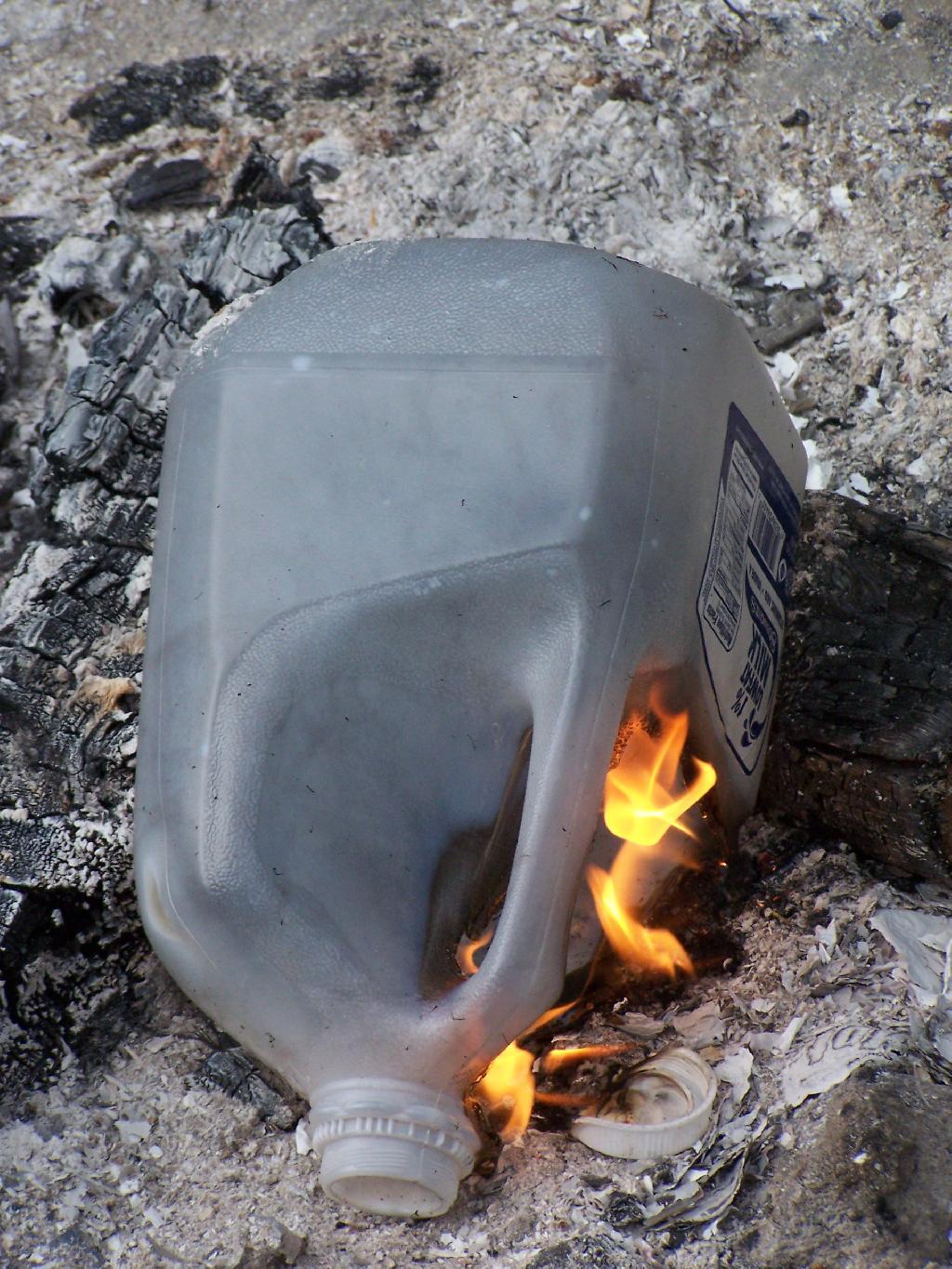
Step 2: Milk jug starts to melt and burn.
Step 3: Milk jug collapses on itself.
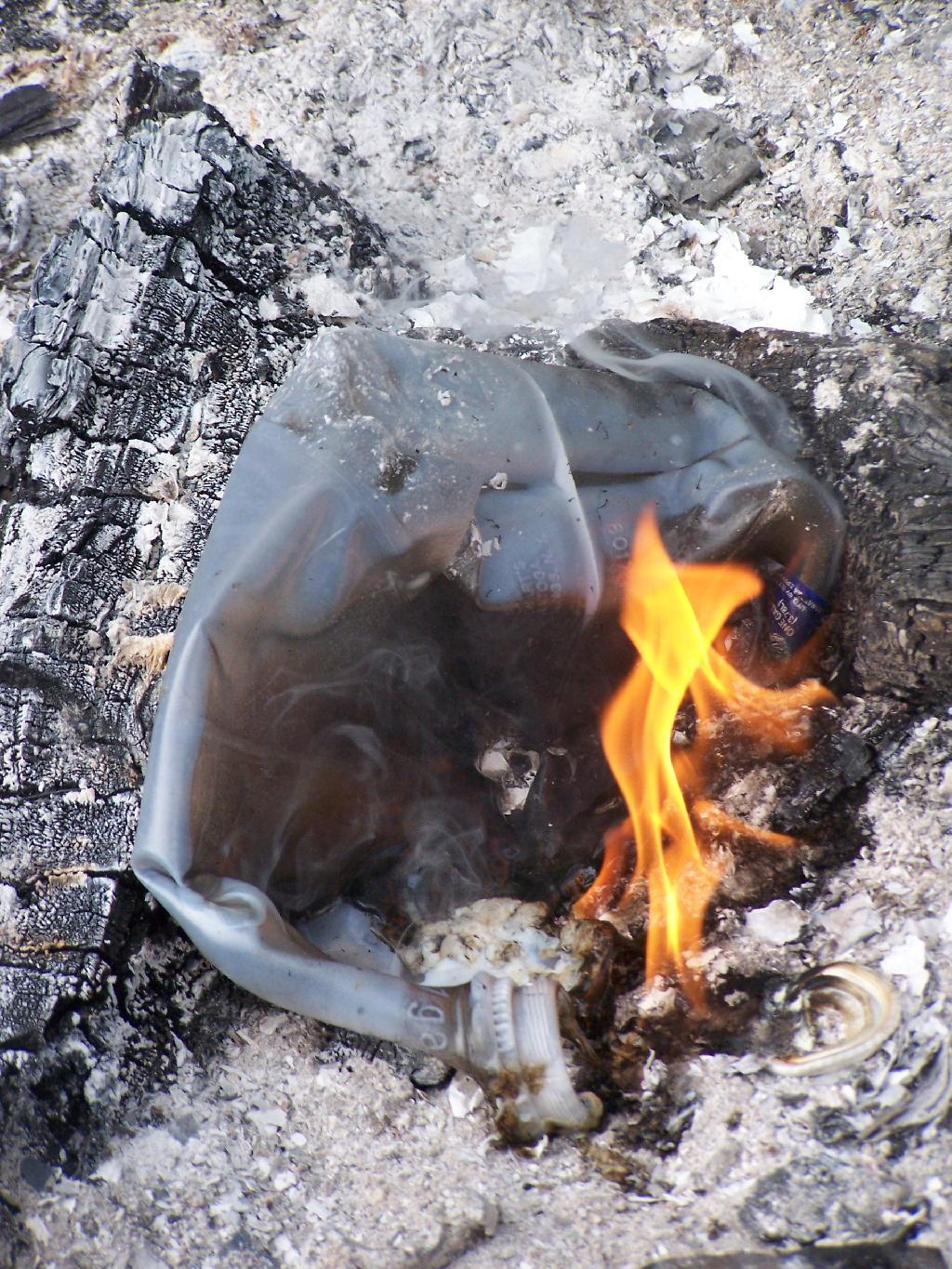
Step 4: Milk jug 3/4 gone; reduced to melted plastic, carbon dioxide, hydrocarbons, and water!
Step 5: It keeps burning up and disappearing.
Step 7: It’s almost entirely gone.
Step 8: All that’s left is a little resin left in the coals.
The fire has almost completely disposed of this milk jug that was previously just trash that otherwise would have lasted forever in a landfill. The fire will eventually burn out, and what remains will be burnt up in the next fire.
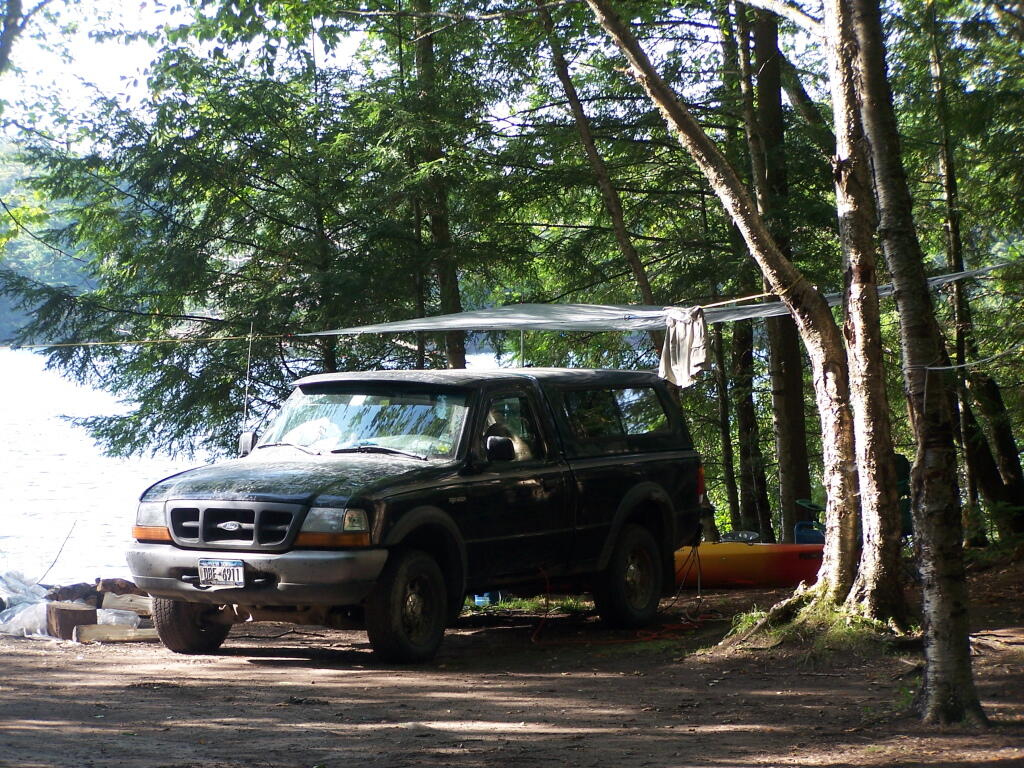
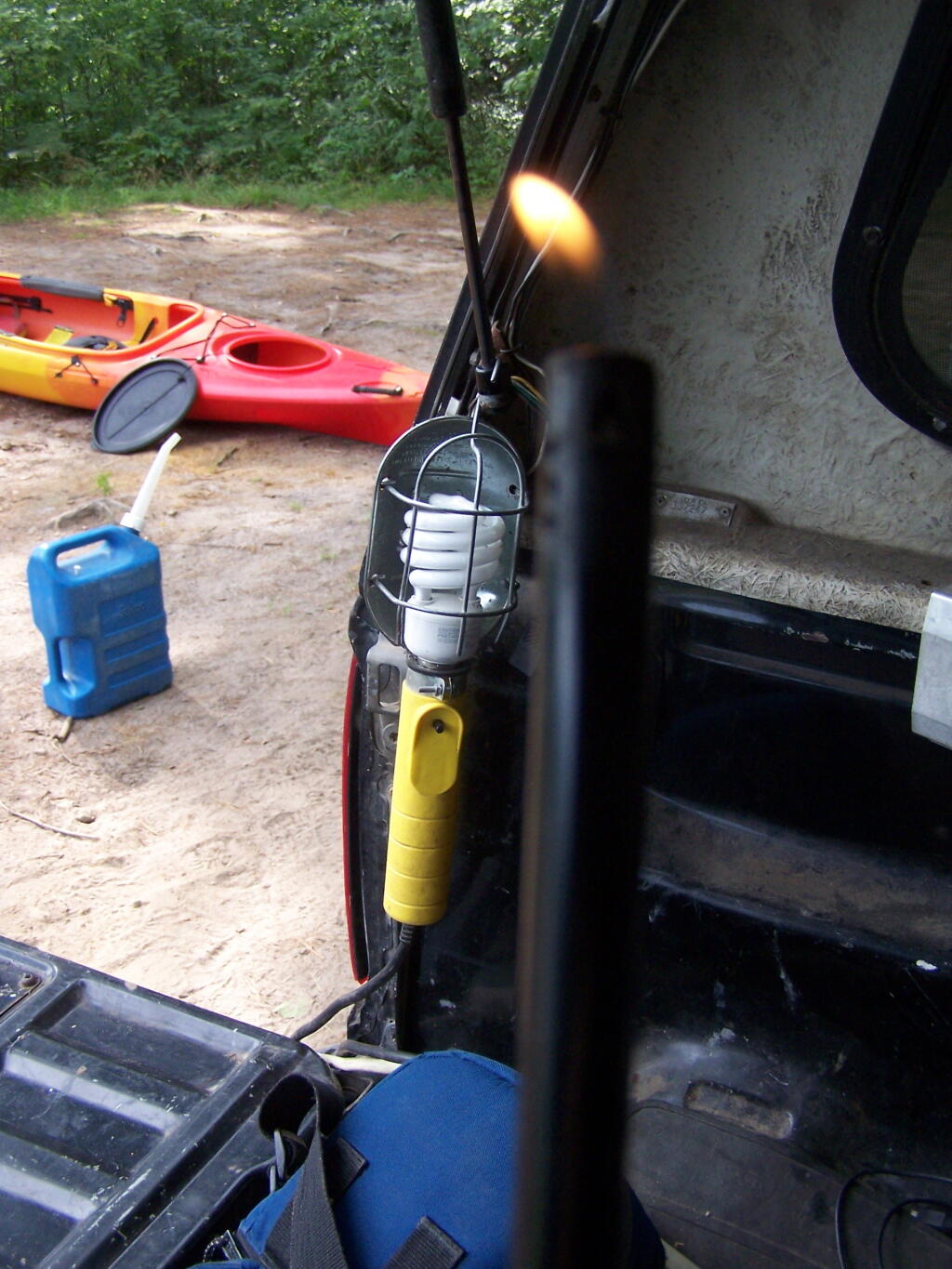
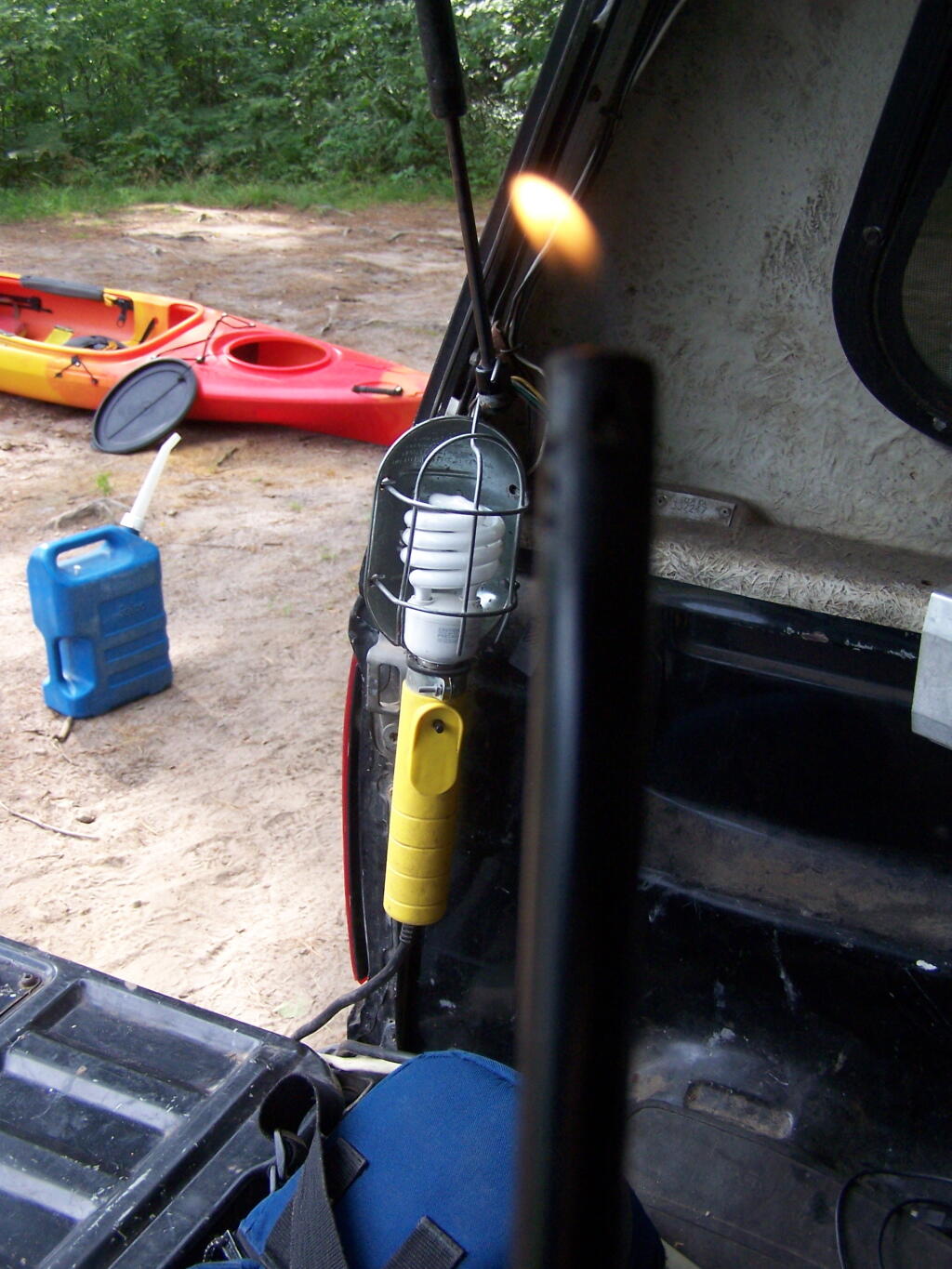
I was wondering about how expensive it is to generate electricity with my pickup truck to power my accessories in the evening compared to the 16 cents a killowatt hour electricity I have at home from National Grid (including the 1.8 cent a killowatt hour surcharge for wind-hydro power).
Figuring…
The inverter and wiring has a maximum output of 800 watts. In an hour, it can produce up to 0.8 a kilowatt hours of electricty.
The truck battery has a reserve capacity of 120 minutes at 50 amps draw at 12 volts.
Gas is $2.75 a gallon. A Ford Ranger uses approximently 1/2 oz of gasoline per minute idle, and it takes 256 minutes or 4 hours, sixteen minutes idling per gallon.
Idle the truck 20 minutes an hour to keep the battery charged. That means each hour it uses 10 oz of gasoline, or 1/12 a gallon of gasoline.
Adds up to…
About $1.50 a kWh for electricity. While it takes more then hour to produce that killowatt hour energy, that’s what the net cost is. It’s 10 times the cost of utility plant, but that’s to be expected.
A pickup truck’s engine and alternator is not designed as a dynamo to efficently generate electricity. The primary goal of the alternator is keep the battery charged up, and the battery is designed mostly to provide a high amperage output to the starter, to quickly spin a cold engine with significant resistance from congealed oil in the winter.
Alternators are at best 50-60% efficent at converting engine power to electricity, and that’s on top of an engine that is probably about 20% efficent at putting power to drive line. That means the entire system is about 10% efficent, far below the 30-40% that most utilities can create electricity at.
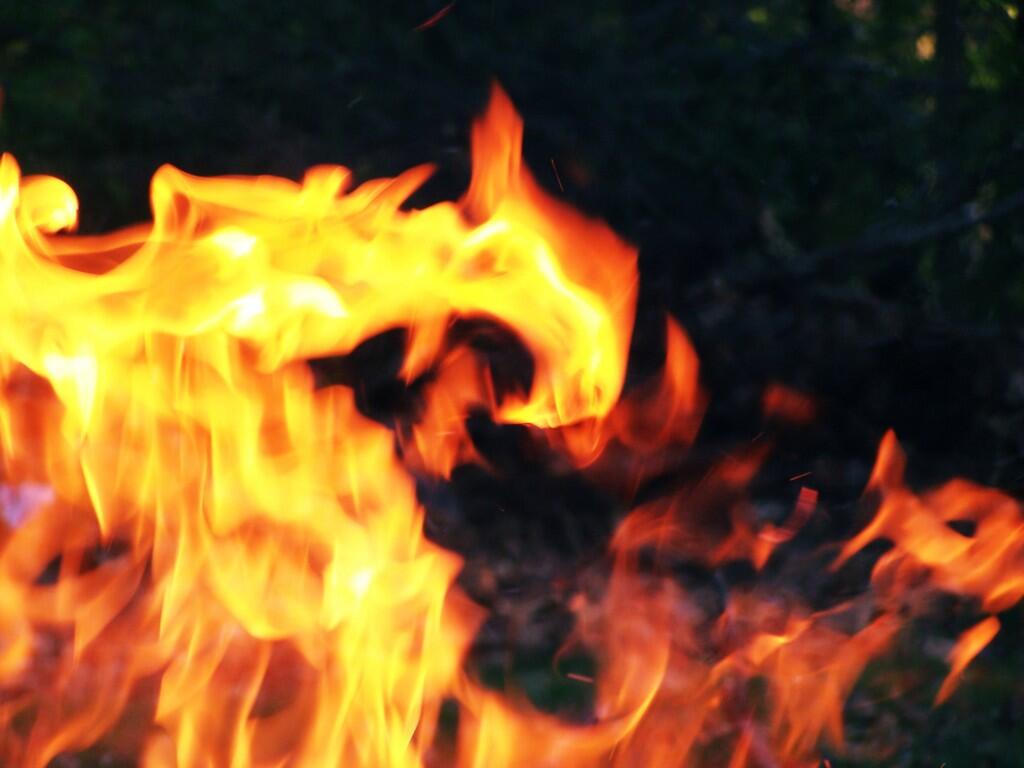
Anybody who has read this blog for a little while knows I am at least a little bit of a pyromanic. I like starting campfires, watching them burn, and I really like watching trash burn. While I’m against destruction of valuable or useful property, burning waste material and campfires under controlled conditions is so much fun.
People say burning trash is bad, it pollutes and it smells pretty nasty, especially if you have a smoldering fire with lots of plastic. It’s hard to disagree, although after ones burns trash for a while, you hardly even notice the smell of trash smoke. Indeed, in our vast rural areas, the impact is pretty low.
And I still think it’s a lot of fun.
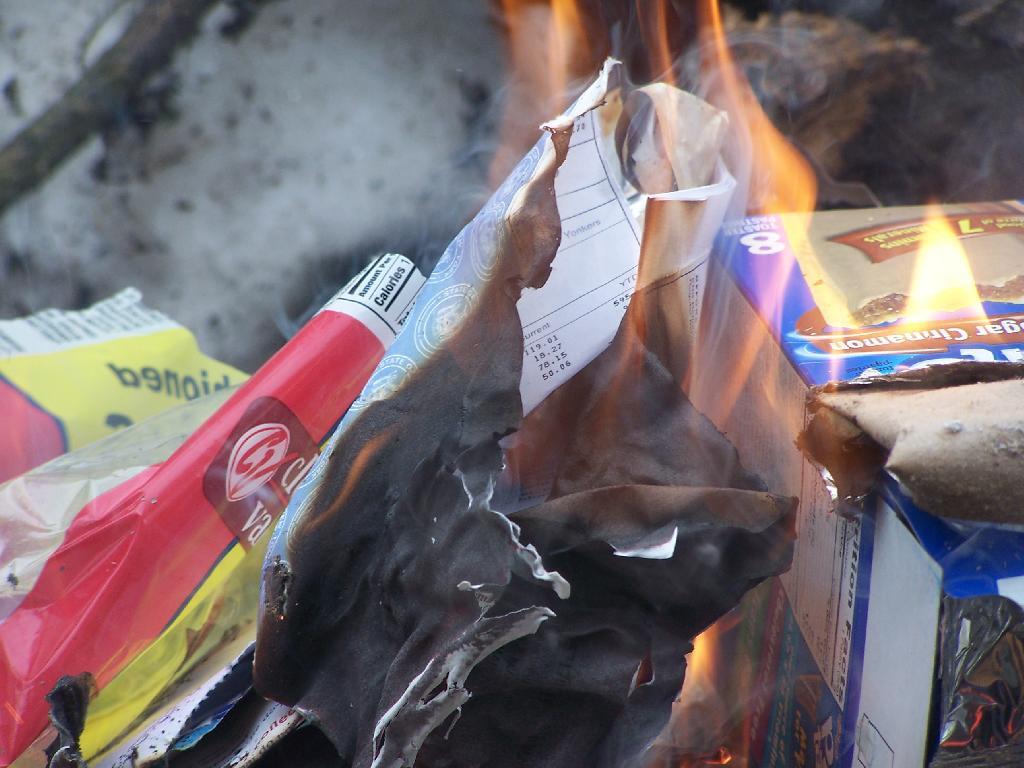
I love watching paper burn, the faces, the pictures, the text blacken up and burn with flashy yellow flames.
I love watching plastic deform in the fire, drip, melt, and burn, with bright and colorful flames. The color varies on the plastic, vinyl chlorides burn blue and green.
I love watching as the flames rip through the trash bags and chew their insides. Watching the destruction of waste, converted into soot and into smoke.
Hell, I’m such a pyromaniac. It gives me such an increadible high!
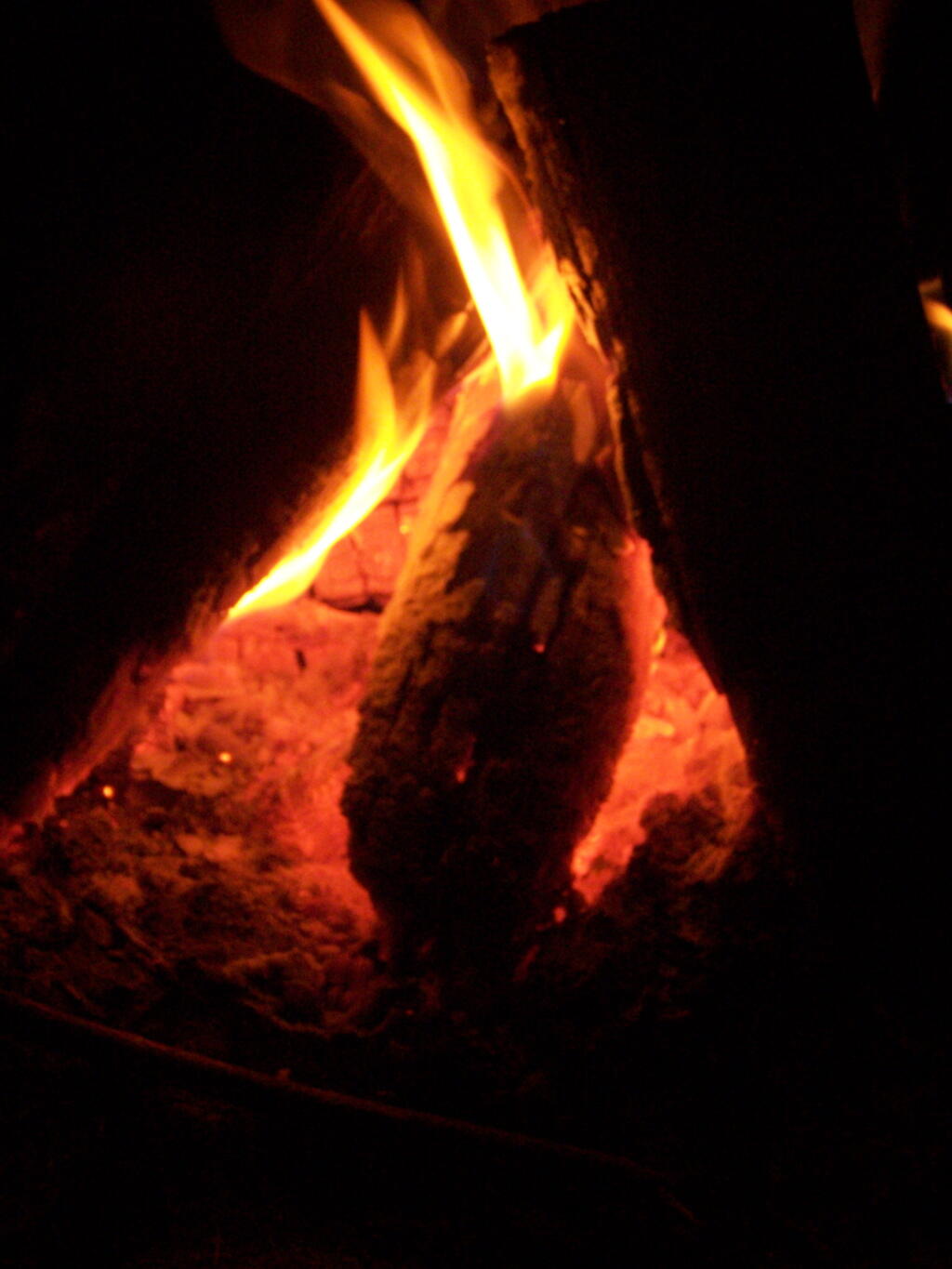
Burning wood and campfires is fun. The flicker of the flames and coals can mesmerise one. Yet, it lacks the drama and the fun of burning trash. Their simply aren’t the neat compounds and materials in wood, that make trash burning so interesting to watch. Their isn’t the statification of watching your waste material disappear before your eyes.
I really like watching trash burn. While no longer legal anywheres in NY State, I still burn trash when I’m camping in hot campfires. I also keep my “burnable” trash in summer, and burn it when camping. It’s destroyed almost instantly, but with all the beauty of a trash fire. I don’t litter, I carefully seperate unburnables and makes sure not leave any trace behind.
Some day I am going to own a place out in the country, and probably not in New York State. As a real country boy, I’m going to have my burn barrels, I will burn all of my burnable trash, far away from the neighbors who might otherwise complain about the smell that I actually kind of like. I’m not against recycling, and indeed I will seperate out cans and glass, but I sure love to watch and see my garbage burn.
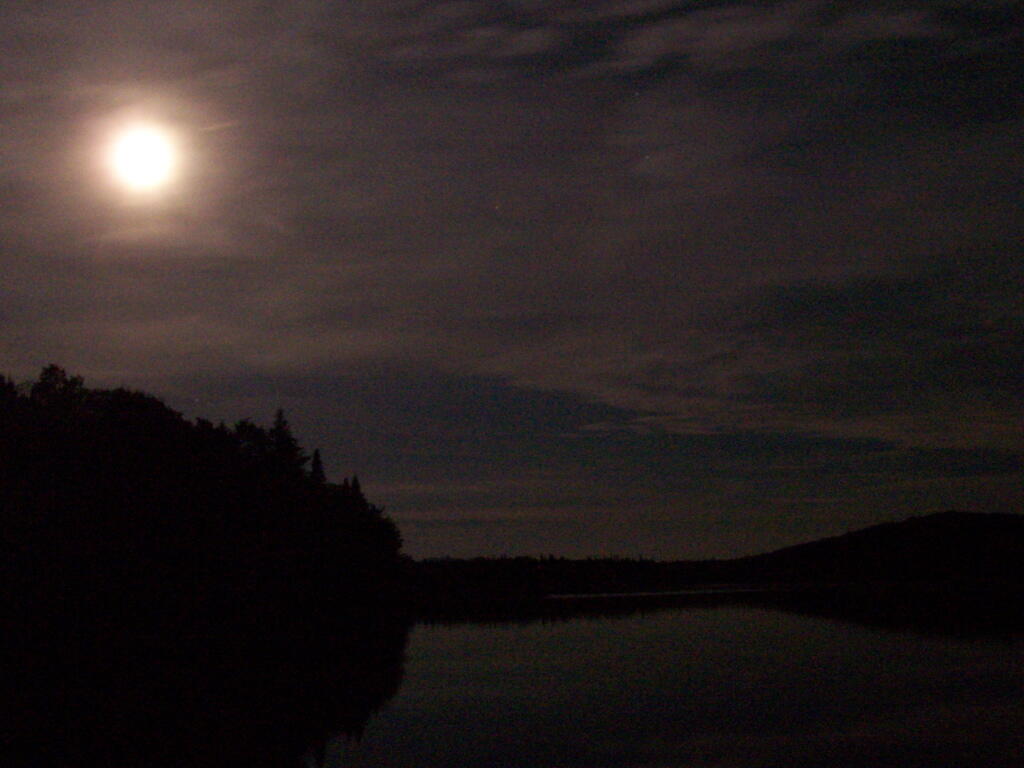
One thing that everybody should experience at least once in their lifetime, is to walk across Wakley Dam at a Full Moon. Wakley Dam, located at the Cedar River Flow, crosses the river and provides access to 5 of the primative campsites at Cedar River Flow portion of Moose River Plains.
When you across the moonlit lake, across the lake towards Little Moose Mountain in the distance, and towards Sturges Hills, you’ll take in a deep breath, as you try to comphrend what moonlit beauty you are looking at. You’ll look up towards the sky, with millions of stars, uncompromised by distance city lights. There are no cities nearby, indeed, the nearest town is the Hamlet of Indian Lake, 12 miles away on a rough dirt road.
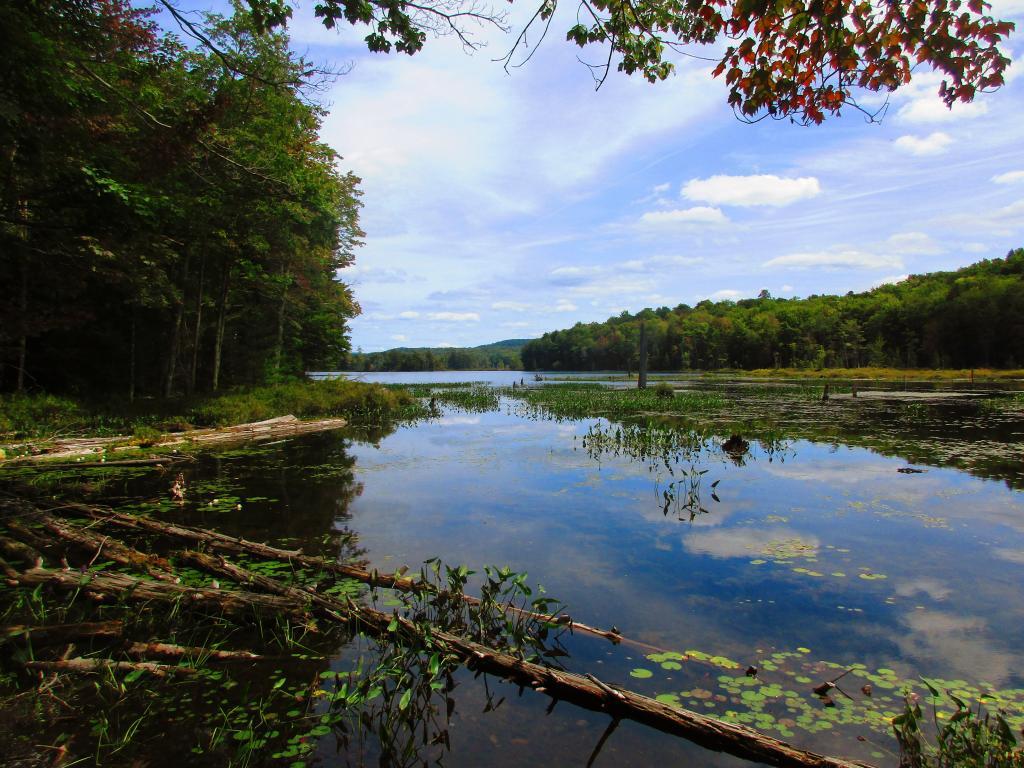
… Cedar River Flow is amazing in the day time.
It’s even more amazing at night …
![Untitled [Expires November 23 2024]](https://andyarthur.org//data/photo_005996_large.jpg)
![Untitled [Expires August 8 2024]](https://andyarthur.org//data/photo_004387_large.jpg)