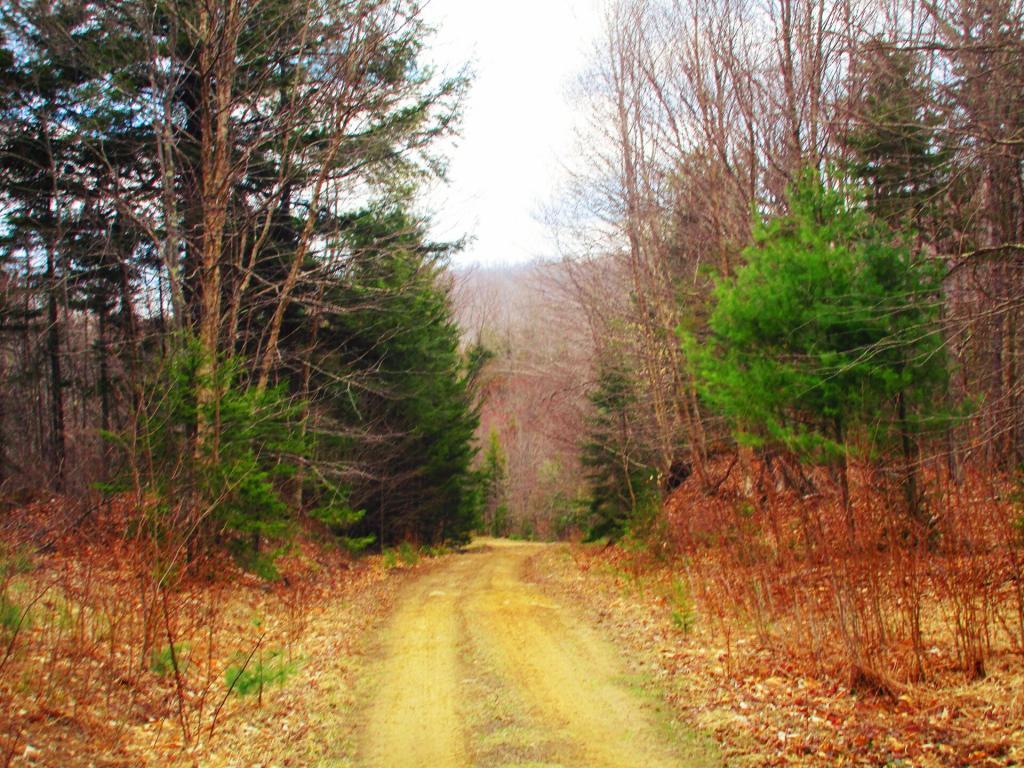
Balsam Swamp is a sprawling state forest that stretches almost 5.5 miles east-west across 4 towns. The area is very rural, and the landscape surrounding the State Forest is predominantly forested. Balsam Swamp State Forest is comprised of a mix of native hardwood forests, hemlock swamps, and conifer plantations. There are no designated recreational trails on the forest, but there is ample opportunity for self-guided day hikes to explore the diversity of habitats represented on this State Forest. Additionally, the western section of Balsam Swamp State Forest is adjacent to Five Streams State Forest to the south.
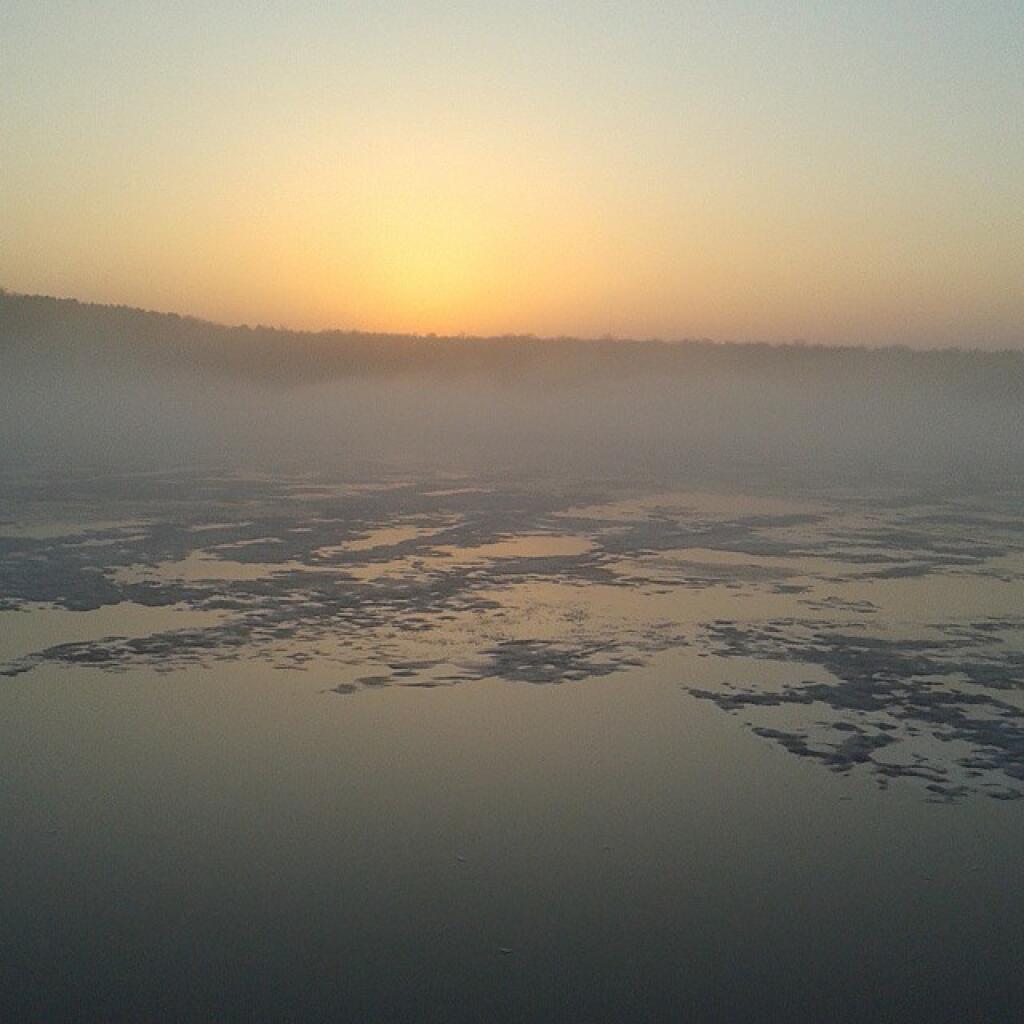
The main attraction of this forest is Balsam Pond. The impoundment is approximately 152 acres and is a popular destination for fishing and paddle boat sports. Balsam Pond is a warm water fishery that contains a mix of largemouth bass, smallmouth bass, chain pickerel, yellow perch, brown bullhead and sunfish. Tiger muskellunge have been stocked in the past with the last stocking occurring in 1995. However, there have been very few reports of anglers catching any of the adult tiger muskies. A shallow gravel boat launch is suitable for launching small fishing boats.
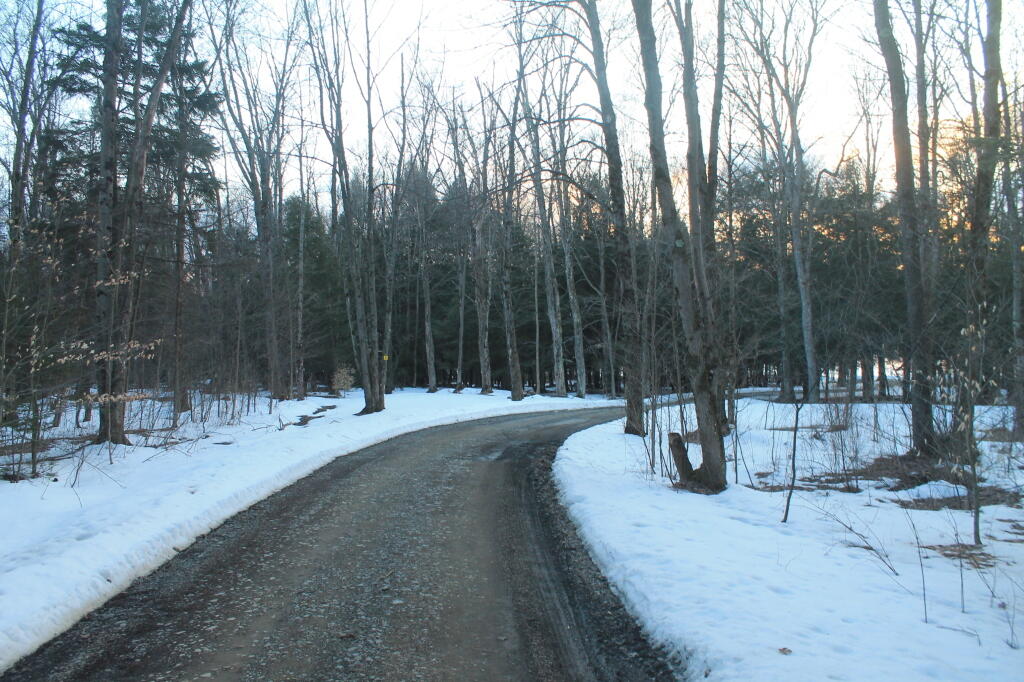
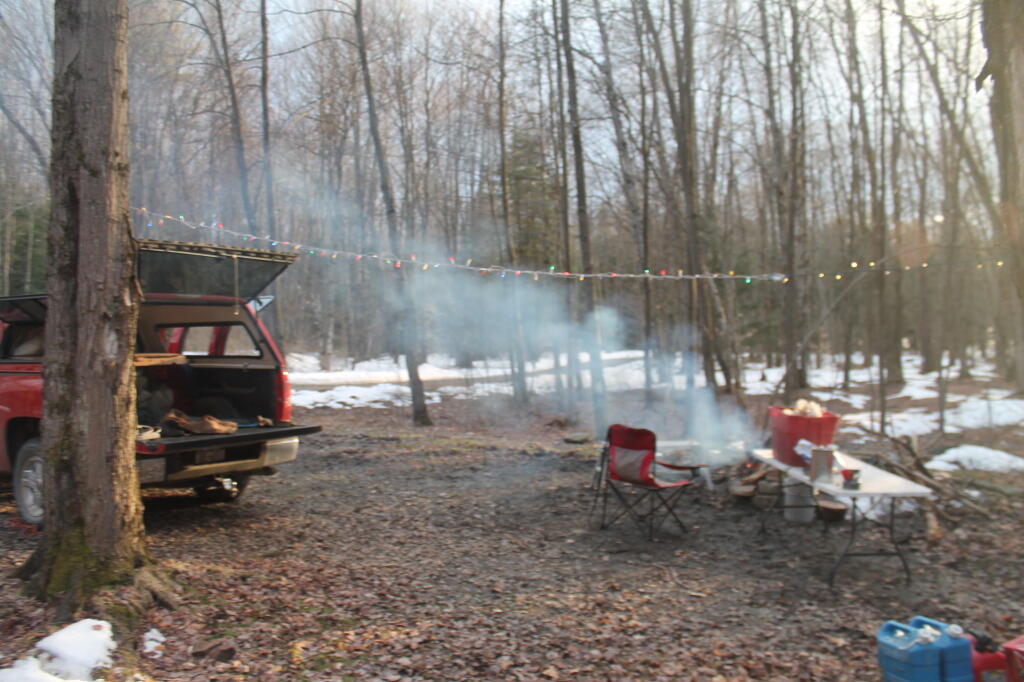
A small rustic camp ground is also located at Balsam Pond. Camping spaces are available at no cost on a first-come, first-serve basis and there is no running water or electricity. A fire ring, outhouse, and picnic table are provided for each camping space. A sign on Balsam-Tyler Road in Pharsalia designates the entrance to the boat launch and camping facility. This is a carry-in carry-out facility. Please do not litter.
Most organic chemicals are strings or carbon and hydrogen linked together, two of the most common chemicals on earth. Benzene, xylene and toluene are exclusively those compounds. They’re very good solvents often make up a portion of plastics and oil and gas turned into fuel because they burn well. At proper stoimetric ratios when burned all they create is water vapor and carbon dioxide.
Likewise even the famously poison cyanide is just carbon and hydrogen with a nitrogen atom tacked on. That’s why automakers have to limit cyanide emissions and why cigarette smoke contain cyanide – it’s not intentional to poison smokers. Wood smoke and candles also contain cyanide gas – especially with the carbon monoxide rich yellow flames from combustion.
We often think that toxins like benzene, toluene, xylene or even cyanide are man made but often they’re as commonly natural as man made. They’re not elemental toxins like lead or mercury – they’re actually made up from much more common building blocks from the earth.
Much like not having internet access at home, I think I wouldn’t want to have a better washing machine or drier at home
Simply said it’s more efficient to a laundromat to wash your clothes unless you have a large family with young dirty children
And it keeps the process separate from your home, discourages wasteful use of resources – when your paying you reuse your jeans only wash when necessary
By using the laundromat you avoid having to buy a washing machine or dryer, you are not responsible for any repairs to the machine
Washing machines require a high voltage feed, and a lot of water fed from a public water supply or a deep well, a pressure tank and often a water filter
Washing machines take up a lot of space that has to heated and cooled, they’re not a good fit for the small house on an off grid property
Washing machines have to be purchased, repaired and ultimately disposed off – I’m sure the tubs make good fire pits but I’m sure you can find an old tub at the junkyard
I find I spend about $5 a week or roughly $260 a year at the laundromat (not a big expense when you consider the utility and equipment costs of doing it at home and the neccesity to live on grid)
It time when I can use the free wi-fi to get the files I need
Or run to the grocery store to stock up the pantry or get books from the public library
I’ve never had a problem with people bothering my clothes in the washer or dryer – I mean I guess that’s an issue in some places but I don’t know wear fancy clothes and when I eventually own land it will be near a small town
Road hikes are good this time of year, especially hardened gravel seasonal use roads that are closed to motor vehicles. Not likely to see many people this time of year for example hiking Piseco-Powley Road or West Road in Wells but you will see a lot of wildlife. Might not even need boots in such roads to the extent their snow free.
It’s a lot of fun to look at off-grid properties and hunting camps on the Internet. I do spend too much time dilly-dallying on my phone, looking at Land and Farm real-estate, as I found Zillow wasn’t exactly a great site for looking for places that aren’t your typical suburbanite development. Hunting camps and cabins, especially without electricity and running water out of the middle of nowhere tend to be quite affordable, especially in less expensive parts of country. Honestly, some of the properties I’ve looked at aren’t really accessable year round, might have restrictions on their use, or are too far from any kind of useful work, but it’s still interesting to explore and dream of the world of tomorrow.