The greatest Christmas gift is something that lasts forever. It’s not something whose wrapper you chuck in that 55 gallon drum and celebrate by breathing in that thick black toxic plastic smoke. That is far from happiness. It has to be something far greater then material stuff.
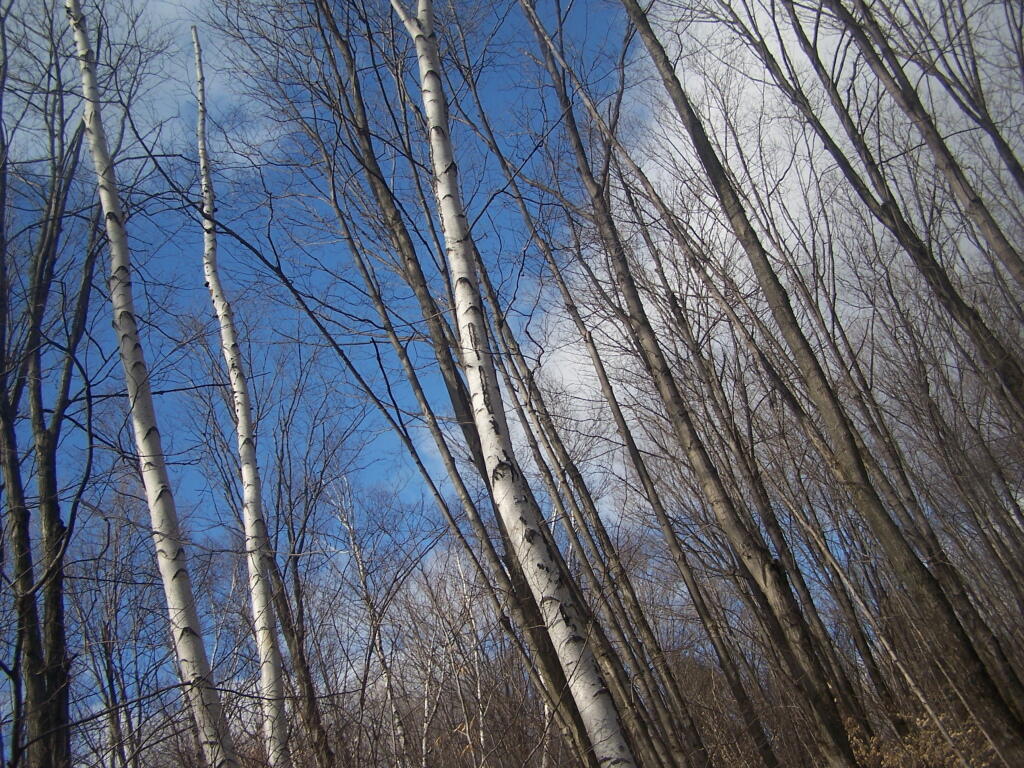
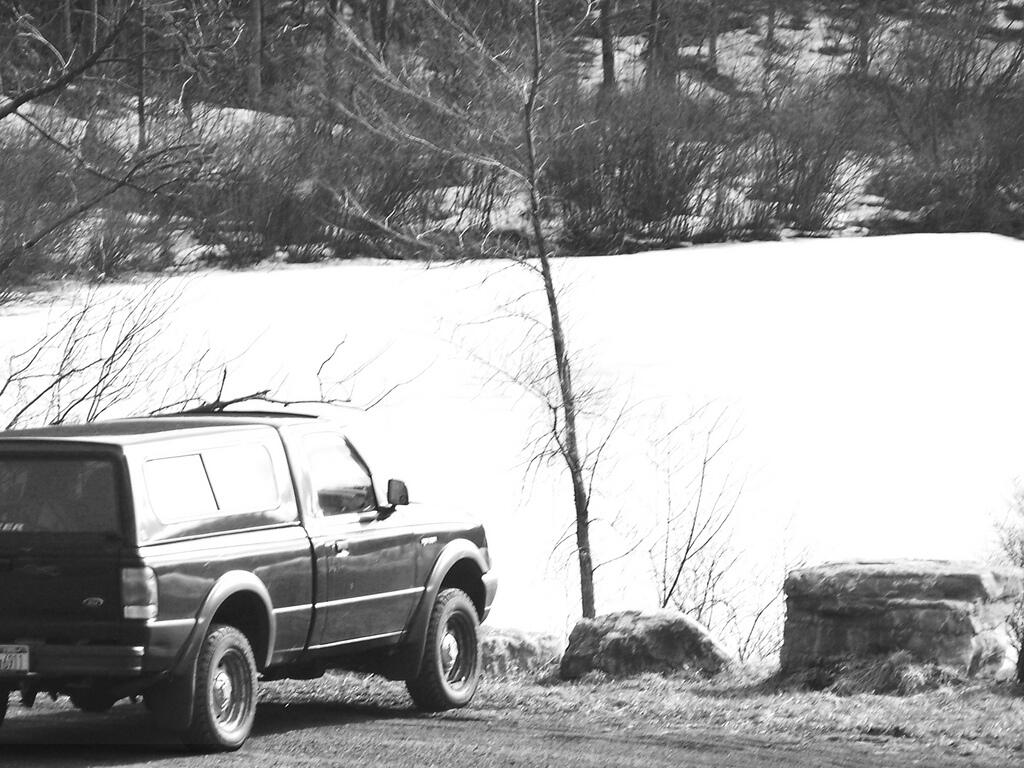
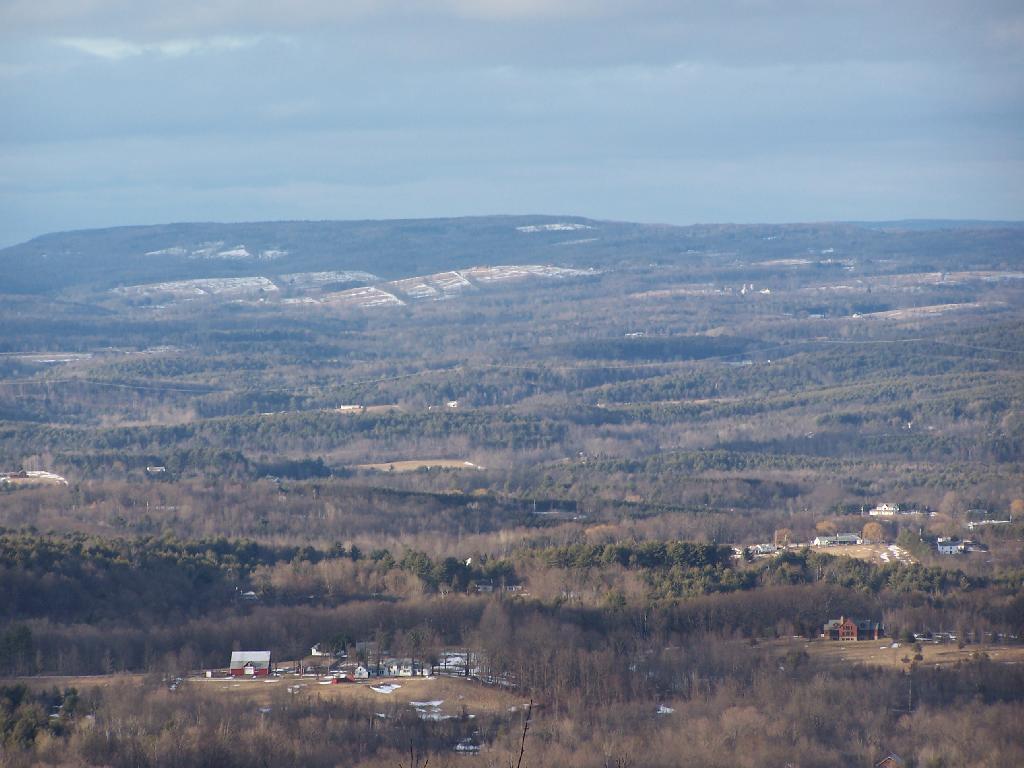
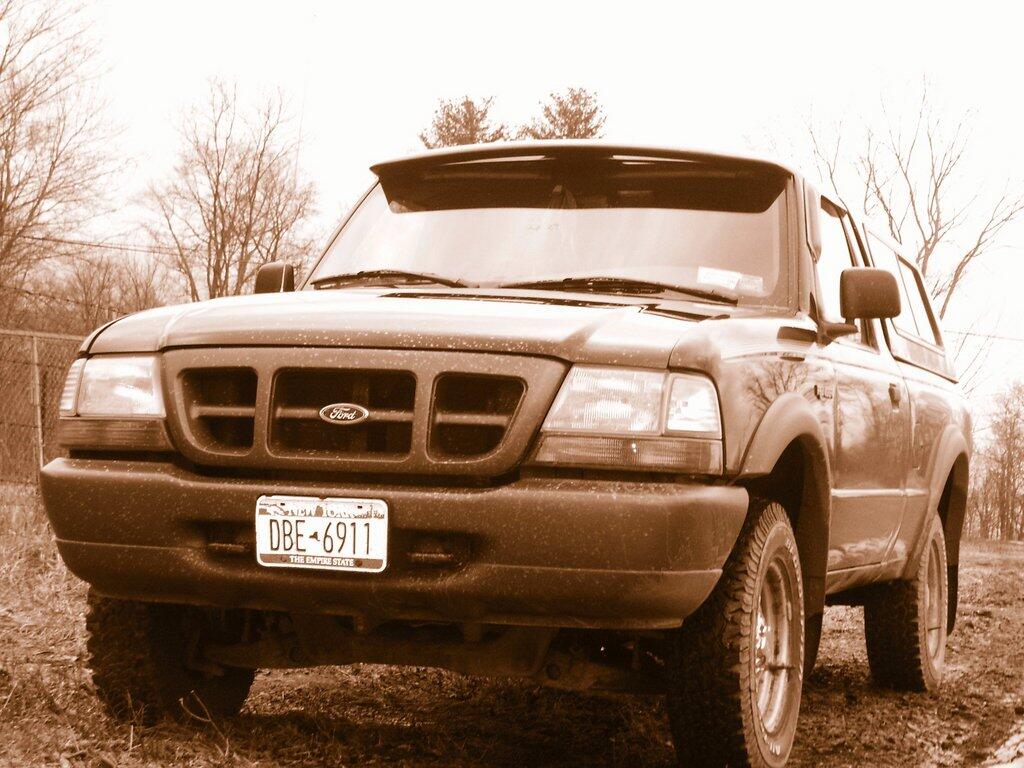
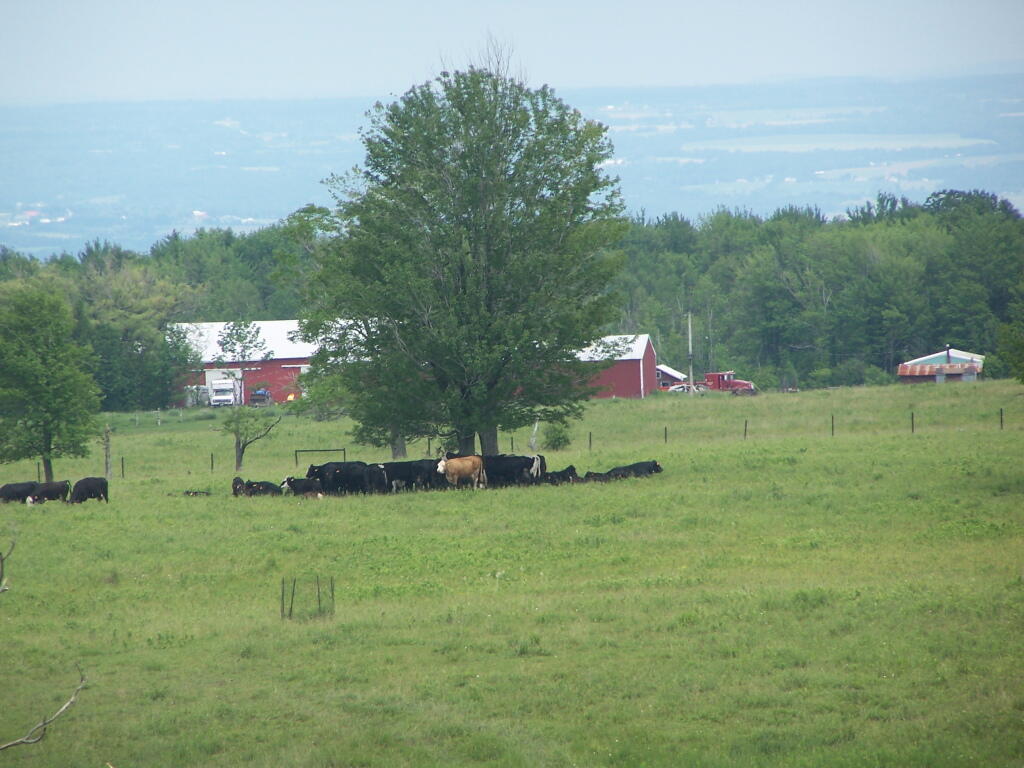
To me it is Patridge Run. Every Christmas morning I go out to that place, going for a nice long walk in the snow, and ride around on snow covered roads with my 4×4 truck and my dog on my side. This is a place of true greatness, of natural happiness far more then what one consumer gift might be. It’s about being natural.
The gift of Christmas is also about being with your family and eating together. It might be a factory farm turkey, or it might be something more natural like venison if your lucky enough at your hunt. The important thing is to be together, to reflect, to be truly part of our earth. The gift is about love.
It’s also the candlelight service and church. It’s about the hope that such a service instills upon us, as a baby more then 2000 years who was born to help us forever cope without weaknesses. A baby not unlike you and I, a king no richer then the typical person on the street.
Christmas should forever last in our minds. It should not be about trash preserved forever in a landfill or toxic smoke produced by our consumerism. We all like stuff, but we should try to dig deeper then plastic bags, and go back out in the same nature that created all of us including Jesus Christ.
It seems that one of the protectors of our environment and the rural life is the lack of economic opportunity in our wild areas away from the cities. Jobs and economic growth are necessary for population growth and subsequent suburbanization. The lack of purchasing power reduces consumption, which in turn reduces the damage on our environment.
This is clear from looking at economic and environmental statistics. Suburbs only spring up when there are jobs available. Areas with the most rapidly increasing pollution seem to have the most growth. Solid waste intake to incinerators and landfills is an extremely accurate predictor of GDP growth: the more money you have to consume, the more you have to toss.
Likewise, the old has to be preserved when there is not money to create new. Would have the city of Albany torn down all those historic houses to build the Empire State Plaza, where it not for the riches of New York City? Much of New England, which has suffered from high taxes and lack of opportunity enjoys that mistake of yesteryear: it makes sense to preserve when there isn’t the money to replace. People spend large amounts of money in beautiful crafty stores that we see in New England.
Likewise, the economic hardship of rural life instills a sense of pride in the land the people work. Rural people for the most part choose to live in rural areas, and not cities. People who work a farm all their life have to give up certain things, like vacations and nice automobiles. They choose to make the farm come first and the rest of their life come second. It is their choice that helps preserve open space and make things as beautiful as they are.
It is hard to deny the farmer or the laborer better wages for their toils. Don’t they deserve what city people can get? Such a notion denies the benefits are gotten from rural life and living in a small community. These people enjoy cleaner air, closer relationships with neighbors, stronger values, and a more free life. So before you start asking for an improved rural life with more opportunity, look at what you have now.
What causes humans to change their course? Below are listed several possibilities, roughly in the order they most often occur in. It is important to note that none of these items always happen, but when they do it is usually in this order.
Environmental Change
Scientific Discovery
Technological Innovation
Public Awareness of a Problem
Political Change
Corporate/Institutional Change
Usually the first three are largely accidental or beyond the control of humans. Public awareness is often spawned by scientific discovery, and occasionally technological innovation is spawned by public awareness (switching the order of the list around slightly). Public awareness is probably the most interesting, as it has the greatest instigator of change in the public.
The last two are less likely to happen right away, or be the root cause of change. Politics and corporations typically change in reaction to one of the first four, particularly the fourth one, as awareness is necessary to institute any change.
What causes individuals to change their course? This implies the micro-level of investigation and causes specific to each person changing and not humans as a larger group.
Social Pressures
Personal/Moral Pressure
New Laws or Regulation (Governmental)
Corporate/Institutional Regulation Changes
The first two are done by the autonomous individual to maximize his personal comfort or fully engage in social situations. They involve questions of conscience, and nobody is forced to change under these conditions.
The second two are generally required, unless you move or otherwise act outside of the justification of control. Outside includes at home where nobody is watching, physically moving out of the jurisdiction, or quitting the employment or moving away from the social conditions that force one to act in a certain way.