This evening, I found myself reclining in the bed of my SuperDuty, buffered from the cold steel by a salvaged rubber mat. Above me, the stars shifted behind the flickering warning of a distant thunderstorm, a quiet backdrop to the mental inventory of a life in transition. As I sat there playing with the bed lights, the reality of my next big chore loomed: the spray-in bedliner. It is a biting, begrudged expense—essentially “pissing money down a tube”—yet it is the final tax on a dream of durability.
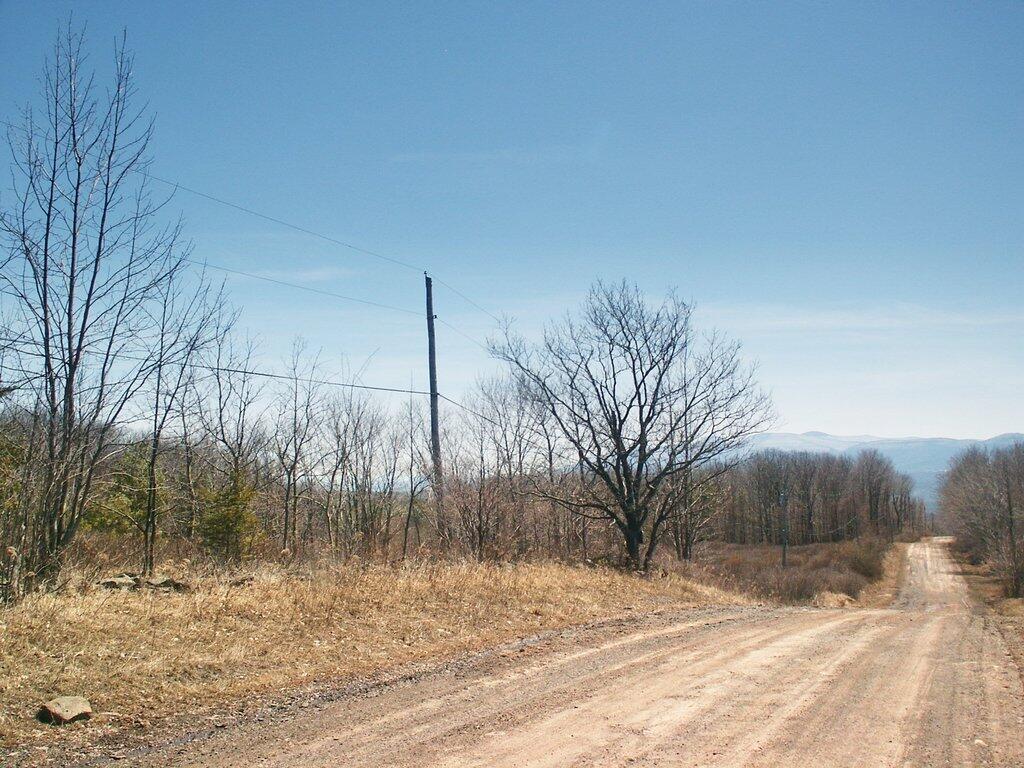
There is a common modern delusion that vehicles are assets to be managed for depreciation. In reality, a truck is pure consumption, a machine destined for a landfill in fifteen years. But it is a consumption with a noble purpose. We don’t buy these machines to preserve value; we buy them to reach the vast, unpaved spaces of America that a bus or a bike simply cannot touch. This truck is the entry fee for a decade and a half of dirt roads, scenic vistas, and small towns that smell of paper plants and dairies.
The financial sting of the SuperDuty is real—writing a cash check for a heavy-duty rig leaves a visible dent in any net worth calculation. Between the recent market volatility of the Iran War and the looming costs of the camper shell and electrical gear, the “pain of price” is a constant companion. Yet, as the markets recover and the truck stands largely paid off, that pain is beginning to fade into the background. In a few months, the cost will be a mere blip on the radar, a necessary hurdle on the path toward a larger goal.
That goal is a simple, off-grid retirement. I look at this truck and I see the bridge to my next chapter. It is the tool that will carry me until I file for my state retirement in fourteen years, when I finally trade my rundown apartment for a cabin in the wilderness. While I still have the physical strength to homestead, I want a life away from the commercialism and the reach of government workers—a place for fires, livestock, guns, and no utility bills.
Some people look at my income and suggest a different path: a plastic house in the suburbs and a sensible, aging sedan. They prioritize the appearance of wealth and the safety of the status quo. I prefer my current trade-off. I’ll keep the modest apartment and the “expensive” truck because they offer something suburban life never could: immediate access to the wild. I don’t have the off-grid cabin yet, but with this SuperDuty, I have the next fifteen years of weekends spent living that future in the present.
The Pentagon has met with senior executives of Ford Motor and General Motors to gauge whether the auto industry could help the military acquire vehicles, munitions or other hardware more quickly and at lower costs, according to three people familiar with the talks.
The conversations are in the very early stages, and relate to the possible production of components by the companies, not entire weapons systems. No specific projects are currently being negotiated, the people said.
The discussions with automakers underscore Trump administration efforts to revamp military procurement as the war in Iran and U.S. support for Ukraine in its war with Russia deplete supplies. The idea is reminiscent of World War II, when G.M., Ford and other automakers supplied the military.
Lake Washington was expanded and put into service as a reservoir in 1907, although it had been providing water to its predecessor, Monell's Pond, since 1852. The dam has been raised many times since then to increase capacity.
In 2016 the city briefly declared a water emergency and started using Browns Pond, its backup supply, when levels of perfluorooctane sulfonate (PFOS) near the federal Environmental Protection Agency guidelines of 200 parts per trillion (ppt) were found in the lake. A pond on the Stewart Air Guard Base from which Silver Stream, one of Lake Washington's tributaries, rises, had levels of 5,900 ppt.