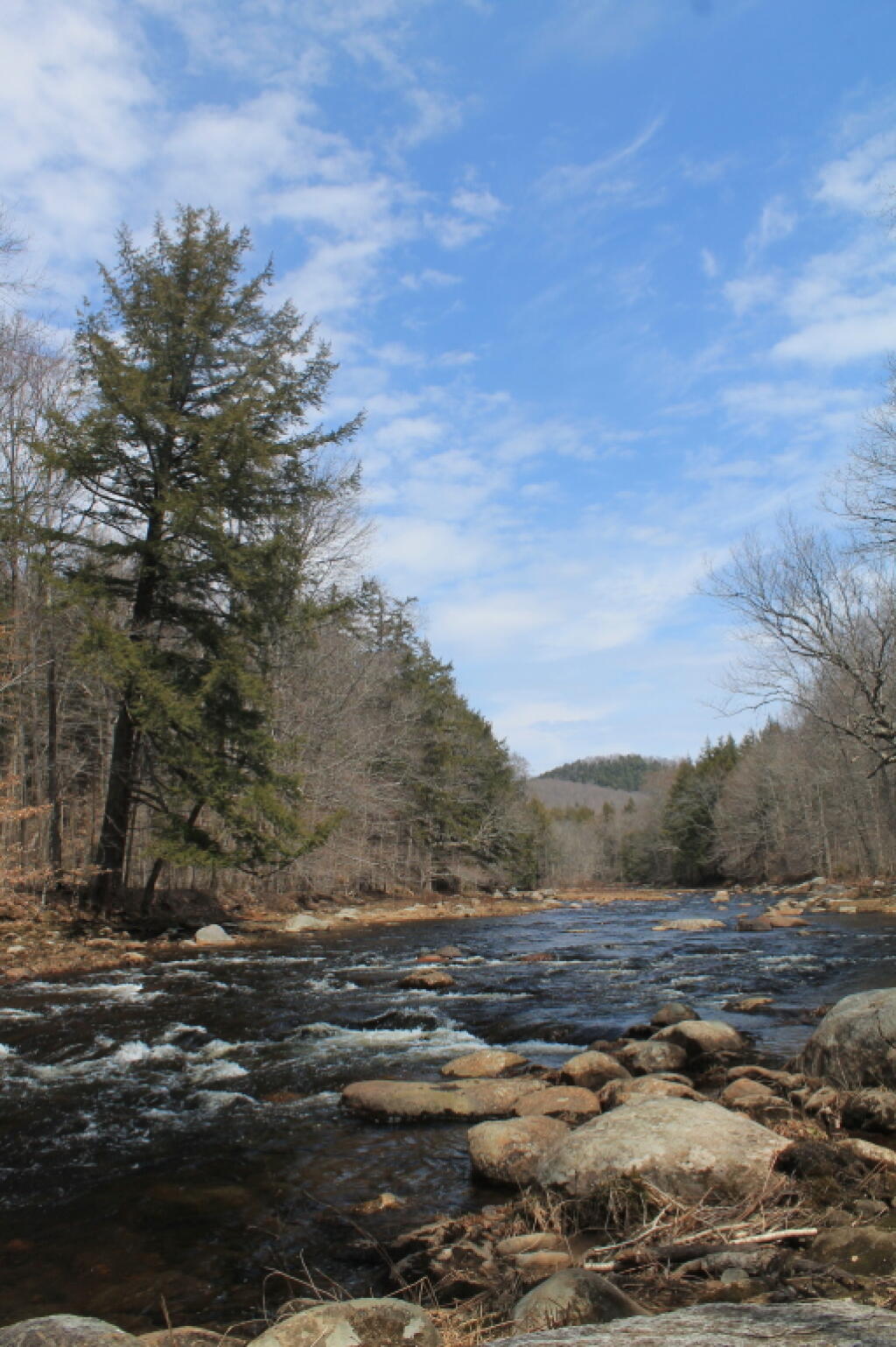
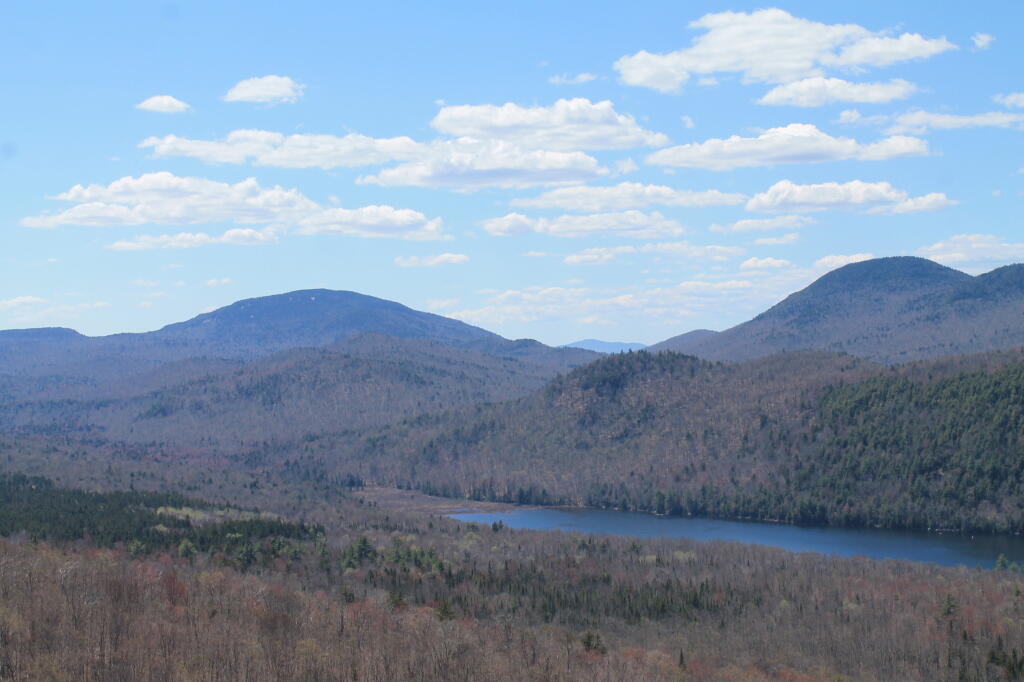
For an outdoorsman who values quiet over amenities, Burnt-Rossman Hills State Forest is a premier destination in the Schoharie Valley region. Spanning over 10,000 acres, it offers the kind of rugged solitude that is increasingly hard to find in the Catskills.
Primitive Camping and Solitude
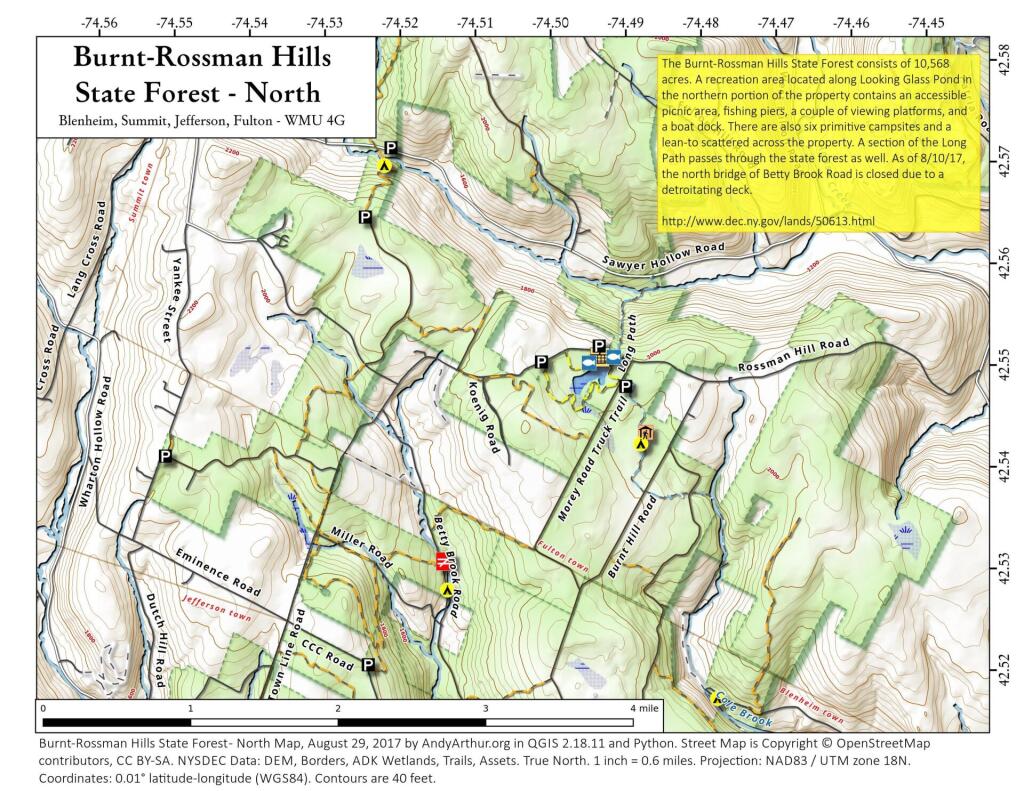
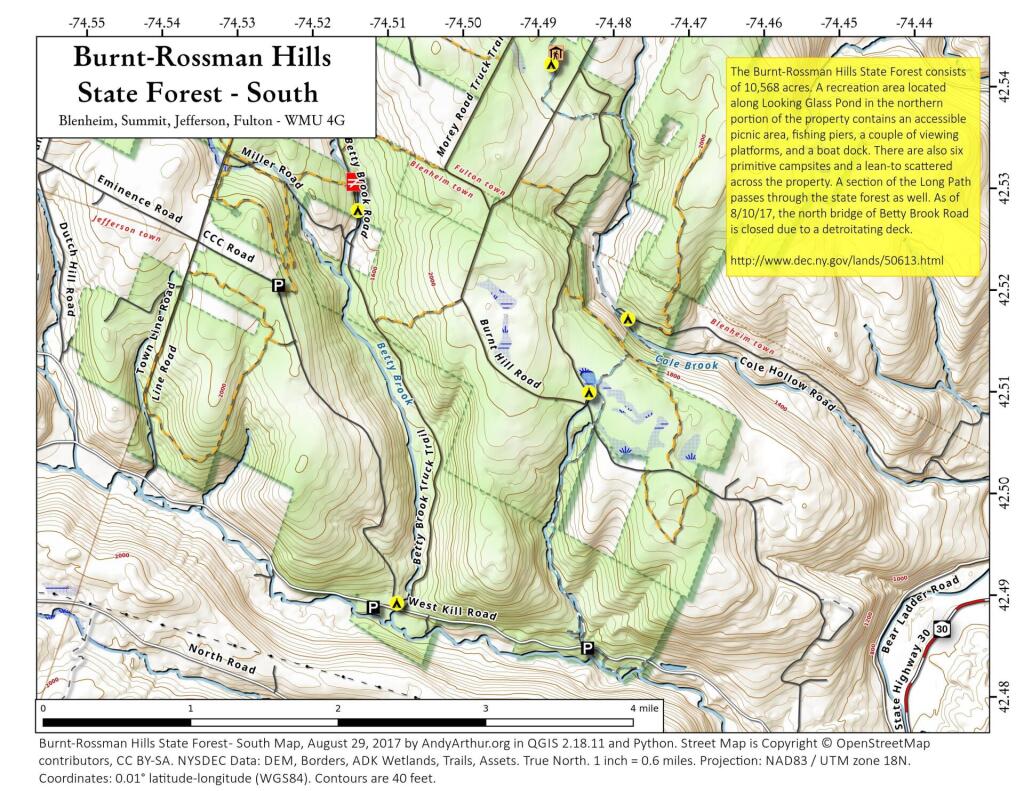
Camping here is primitive with no facilities, though some campsites have minimal infrastructure like stone tables or bushcraft built up by generations of campers. The Duck Pond Campsite offers a designated site, within the isolation of the forest’s interior roads. Betty Brook Road is rough and requires a high-clearance vehicle; you’ll find three campsites there, it gets very rough and muddy south of the second bridge. If you prefer a “deep woods” feel, the campsite in the dark, steep corridor of Cole Hollow Road offers maximum privacy. More accessible sites can be found along West Kill Road and Sawyer Hollow Road, which is plowed year-round, making it a viable option for cold-weather enthusiasts when other interior roads become impassable.
Trails and Water Features
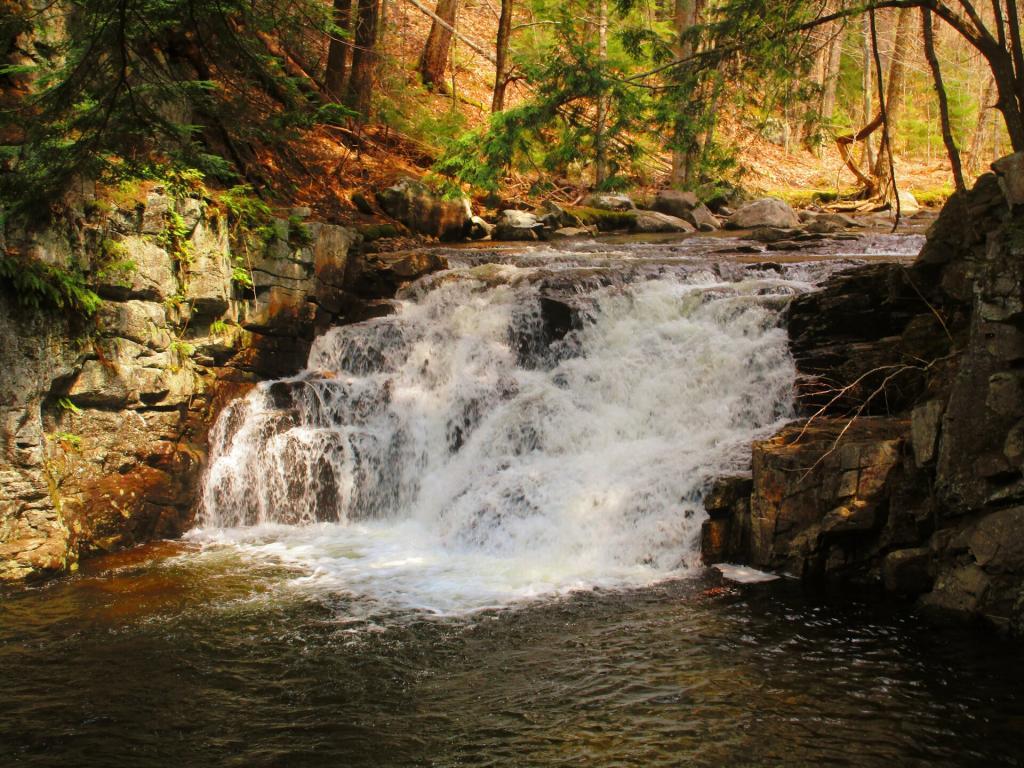
The Long Path serves as the arterial trail through the forest. A lean-to is situated between Morey Road and Burnt Hill Road for those trekking through. One of the most scenic stretches lies between Cole Hollow Road and Huckleberry Kingdom Road, where the trail passes several waterfalls. Huckleberry Kingdom Road itself has been reclaimed by nature; years of washouts have closed it to motor vehicles, turning it into a quiet, wide path perfect for a hike or a mountain bike ride.
Looking Glass Pond provides accessible fishing docks and a perimeter trail. It’s a good spot for a picnic or for landing a few fish in a scenic setting.
Seasonal Recreation
The forest transitions with the seasons:
Spring/Summer: Foraging for morel mushrooms and wild leeks is a local tradition. The unpaved forest roads provide miles of grit for mountain bikers.
Autumn: Hunting and trapping are mainstay activities here. Because of the heavy use by hunters, wearing blaze orange is recommended for anyone entering the woods during these months.
Winter: Most interior roads are not plowed. Once the snow accumulates, the forest becomes a hub for cross-country skiing and snowmobiling.
The Surrounding Valley
The trip is best paired with a stop in Fultonham at Shaul’s Farm Stand or Boehringer’s Fruit Farm for fresh produce. If you have extra time, the Schoharie Valley offers iconic hikes like Vroman’s Nose and the Middleburgh Cliffs. For a change of pace, the Blenheim-Gilboa Power Project and Mine Kill State Park offer free swimming and recreation. Further afield, you can head to Stamford to hike Mount Utsayantha or bike the 26-mile Catskill Scenic Trail, which follows an old rail bed through the heart of the countryside.
First time I've ever been up to Upper Tenant Creek Falls. While this used to be a just a herd path along the river bed, in recent years it's become a well-blazed trail mostly out of the river bed. Small but pretty falls.
The history of Earth Day in Albany, New York, is a narrative of grassroots radicalism evolving into established civic tradition. While the national movement began in 1970, Albany’s specific journey was shaped by a unique collision of student activism at the State University of New York (SUNY) at Albany, the preservation of rare inland pine barrens, and the political machinery of the nation’s longest-serving mayor, Erastus Corning II. Together, these forces transformed Earth Day from a one-time protest into a permanent fixture of Capital Region culture.
The initial spark for Earth Day in Albany was ignited on the SUNY Albany campus, primarily through the efforts of the Protect Your Environment (PYE) club. Formed in the late 1960s, PYE was a byproduct of the era’s broader counterculture and anti-war movements. For the first Earth Day on April 22, 1970, PYE organizers did not merely hold a moment of silence; they staged massive “teach-ins” and marches that drew thousands of students and faculty. PYE was instrumental in bridging the gap between academic theory and local environmental crises, focusing their energy on the Hudson River’s pollution and the encroachment of urban sprawl. Their advocacy ensured that Earth Day in Albany was never just a symbolic gesture but a platform for demanding legislative change.
A central theme of Albany’s Earth Day history is the protection of the Albany Pine Bush, a rare “inland pine barrens” ecosystem. Throughout the 1970s, as Earth Day celebrations grew, so did the urgency of the “Save the Pine Bush” movement. This grassroots organization used Earth Day milestones to highlight the ecological importance of the Karner Blue butterfly and the pitch pine-scrub oak barrens. Earth Day events often doubled as organizing rallies to protest proposed developments in the “Pine Bush,” effectively linking the global message of Earth Day to a specific, local piece of land. The success of this movement eventually led to the creation of the Albany Pine Bush Preserve, a victory often touted during annual Earth Day ceremonies.
The political landscape of Earth Day in Albany was dominated for decades by Mayor Erastus Corning II. Though Corning was a classic “machine” politician, he was also a noted outdoorsman with a deep personal interest in conservation. His relationship with Earth Day was complex; while he often clashed with activists over development projects, he recognized the growing political power of the environmental movement. Under Corning’s long tenure, the city began to formalize Earth Day events, transitioning them from student-led protests to city-sanctioned festivals. Corning’s administration helped integrate Earth Day into the city’s civic identity, paving the way for municipal recycling programs and the greening of public spaces like Washington Park.
In the decades following the first 1970 celebration, Albany’s Earth Day events including the Pinks expanded into a city-wide tradition. Today, these events often center around the “Tulip Festival” preparations and community clean-up initiatives. The City of Albany frequently hosts “E-waste” recycling drives, tree planting ceremonies in Lincoln Park, and educational fairs at the Corning Preserve along the Hudson River. What began as a radical push by the PYE club at SUNY has matured into a multi-generational commitment. The history of Earth Day in Albany serves as a microcosm of the American environmental movement, illustrating how local passion can preserve unique natural wonders and influence the political will of a city.


![Untitled [Expires July 27 2024]](https://andyarthur.org//data/photo_005018_large.jpg)