Changing the differential oil—it’s one of the most-overlooked maintenance tasks on non-FWD light trucks, SUVs, and passenger cars. Because the differential is at the rear and under the car, it gets none of the star treatment that the engine up front does. However, if lubrication in the differential fails, you won’t be getting very far for very long. Fortunately, you only need to change this oil every 30,000 to 50,000 miles (as always, check your owner’s manual).
The differential is a component in all cars and is designed to compensate for the difference in distance the inner wheels and outer wheels travel as the car goes around a corner. In a rear-wheel-drive car, the differential has its own housing and lubrication, a thick, dark oil usually heavier than 80 weight. Front-drivers typically integrate the differential in the transmission housing and share the same fluid. The differential oil lubricates the ring and pinion gears that transfer power from the driveshaft to the wheel axles. If your car is fitted with a limited-slip differential, it also keeps all the moving parts in that assembly healthy. Changing this oil is just as important as changing your engine’s oil, and for the same reason. Metal-to-metal contact wears down surfaces and creates heat from friction, which inevitably weakens the gears and leads to failure. Checking and changing the differential oil in a light truck is actually pretty easy, and it’s only a bit more difficult in a car. In either case, this small procedure can save you a big headache down the road.
Shelby American has definitely proven itself when it comes to tuning the Ford Mustang – look no further than its new 1,200-horsepower Shelby 1000 – but now the Las Vegas tuner has turned to the Ford F-150 SVT Raptor.
The big change for this already high-performance off-road pickup is the addition of a supercharger atop Ford’s 6.2-liter V8, with spent gasses exiting through a Borla exhaust system. This improves the horsepower rating from a stock rating of 411 up to a shenanigan-ready 575. For a Shelby, the styling of this F-150 is very toned down, with only the company’s name etched into the Raptor’s digital mud to go along with custom wheels wrapped in 35-inch tires.
I live and work in an urbanized area. For most of week, I get on a bus or walk from place to place, go to work, go to the library, and otherwise interact with others in an urbanized fashion. People from Albany are pretty urban, by no means is Albany a farm town — although there are certainly many rural areas around Albany.
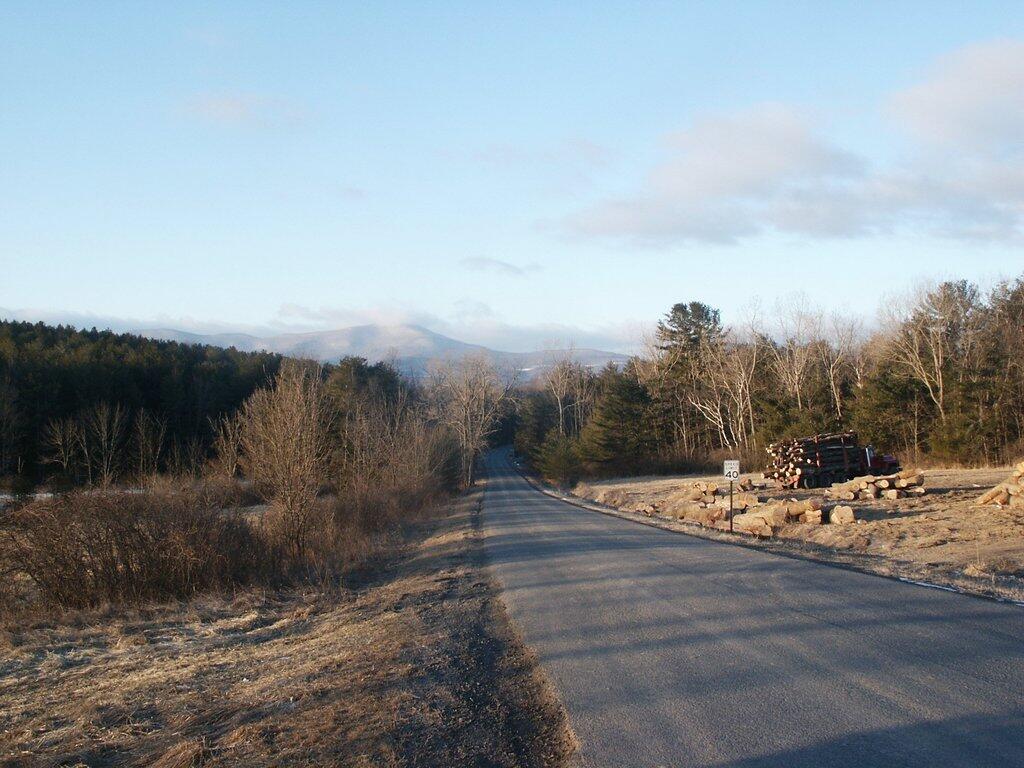
Yet, despite all the time I spend in Albany, the city really is just a little dot on the map compared to vast lands around it. Drive less then 20 miles in any direction, and chances are you’ll be in a mountain town, a farm town, or some kind of national or state forest.
Albany is a large enough of a metro-area to have a very urban feel to it. It’s cities have all of the regular urban problems, from drugs to gang violence. But your never very far from the rural hinderlands, and truly rural areas that are largely independent from the city’s regular activities.
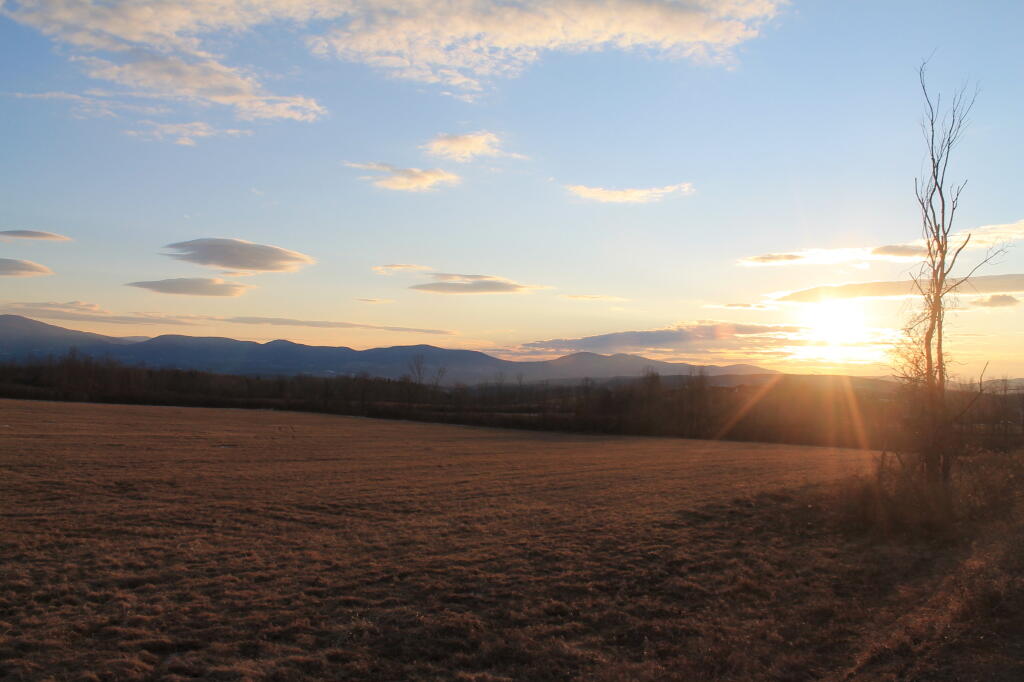
With the cold weather of the past two months, I’ve spent much too much time in city. But getting back up to Vermont I’ve come to realize all I’ve missed, outside the 2%.
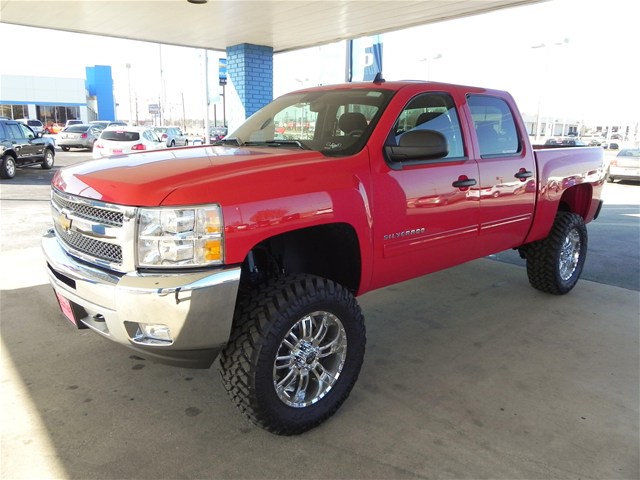
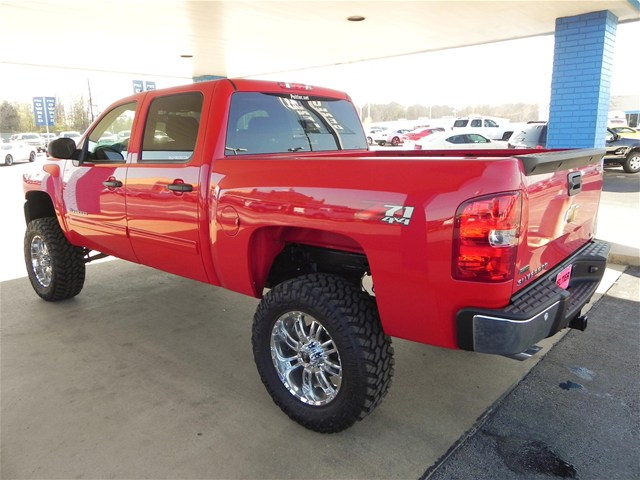
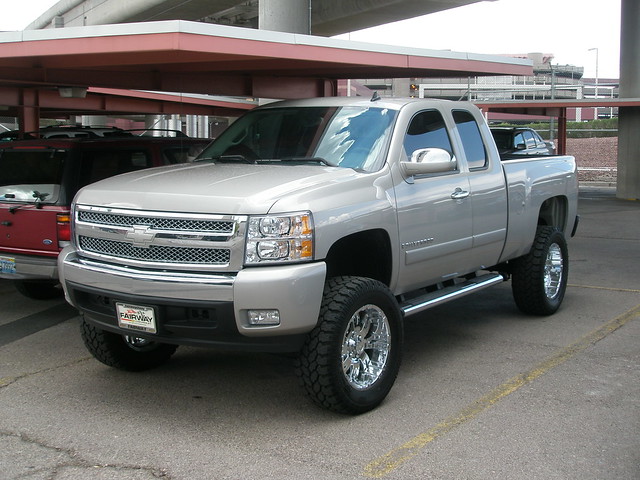
Ever since I got Big Red, I’ve wanted to get a lift kit to jack it up a few inches. Not super high, but something with a few more inches ground clearance, better road views, and just a higher ride.
Not super high, but a few inches above where it is now. Simply said it rides much too low, and I think it would be fun to be a few degrees higher in the air.
Okay, maybe not that high. But I think it would be fun to jack up my truck. I work hard for a living, and should be able to get the toys I want. And it would be fun to e up high.
The reality is, I am probably not going back to college net year. If can I save up my pennies for the 6 months or so, I can pay for the lift kit, installation, rims, tires, and possibly “real” bumpers for the truck, to replace those awful tissue paper ones. That would be fun in my book.
Pennsylvania has some of the loosest restrictions on open burning in most of it’s rural communities in the Northeastern states. People can and do have fires, and burn brush, trash, and all matters of things on their rural acerage.
Most folks down there heat with wood or coal. They burn there trash daily — and all of it including plastics — and dump out the unburnable bottles and cans in woods. Life is a non-stop opporunity to play with fire.
From the blackened trash burning barrels, to the black smoke rising behind the houses, to the flicker of flames, the smell of burnt plastic rising in air. Good ol’ fire.
I wish I could burn things like they do get to down in rural PA…
Last week, the Department of Environmental Conservation announced that they would be suspending all controlled burn permits state wide, and banning all outdoor brush burning through October 10th. What they conviently forgot to mention was under the DEC rules created by executive fiat by Pete Grannis’ DEC, that all outdoor brush burning is banned by DEC rule from October 15th to May 15th. Essentially they are banning all brush burning for the next year, but they didn’t want to sound like they were doing that.
It is pretty dry out. The fire danger is “High” in many parts of state, which is the second highest level under “Very High” which is usually reserved for when actual large brush fires have broken out and all outdoor fires — including small campfires and barbeque grills. Those kind of conditions are generally unheard of in the relatively wet eastern states, except maybe in snowless periods of the early spring before things green up.
In previous times, regulating and preventing brush fires was largely a local task based on county decision making, except in the Adirondack Park (where the Adirondack Park Agency had that power). County Executives or County Legislatures would proclaim a high fire danger and ban various types of outdoor burning — camp fires, brush burn piles, trash fires, etc. Counties would typically insitute such bans based on local conditions, not some broad state handed down decree. Such bans would be short lived, until the rains came, and soaked down the landscape.
The reality is at a state level, an unholy alliance of radical environmentalists and solid waste hauling companies have come together to basically ban all outdoor burning. Industry likes it to, because if you blame backyard brush and trash burning for air pollution, you don’t have to look at what’s coming up the smoke stacks. Environmentalists claim to be concerned about the smoke from burning brush, or for that matter anything besides fossil fuels in highly controlled conditions
They have yet to ban campfires due to pollution controls, probably due to the political backlash of outdoors recreationalists, but you know that’s next. They are already after outdoor wood boilers, and fireplaces, due to so-called pollution controls, while ignoring serious environmental problems that are from large industrial polluters.
Both sides of the Mohawk Valley, for about ten miles north and south of the river have extensive dairy farming going on. Not large confined animal feeding operations, but instead relatively small dairies that overlook the river, and leave mostly a pastorial landscape of pastures and corn fields, sloped along the hills that overlook the river.
There are certainly other farming locations in state, but there is something specifically quite pictorial of this area, all overlooking the river, with the relatively high hills that surround the Mohawk River. Few areas of state are as open, or is farming concentrated around a single valley. Most farming areas in state are single valleys — like the Black River Valley — and not hills surrounding a major river.
The Mohawk Valley Farm belt tends to petter out, as you climb out of the Mohawk Valley. Head to far north or south, and the farms are replaced with a lot of scrub land, where less productive farms, with poorer soils and shorter growing seasons have been abandoned. These lands nowadays are primarily owned by rural residents, and used mostly for hunting in the fall and the production of firewood. The worst parcels of all, as it comes to farming, are largely owned by the state, for timber and public recreation.
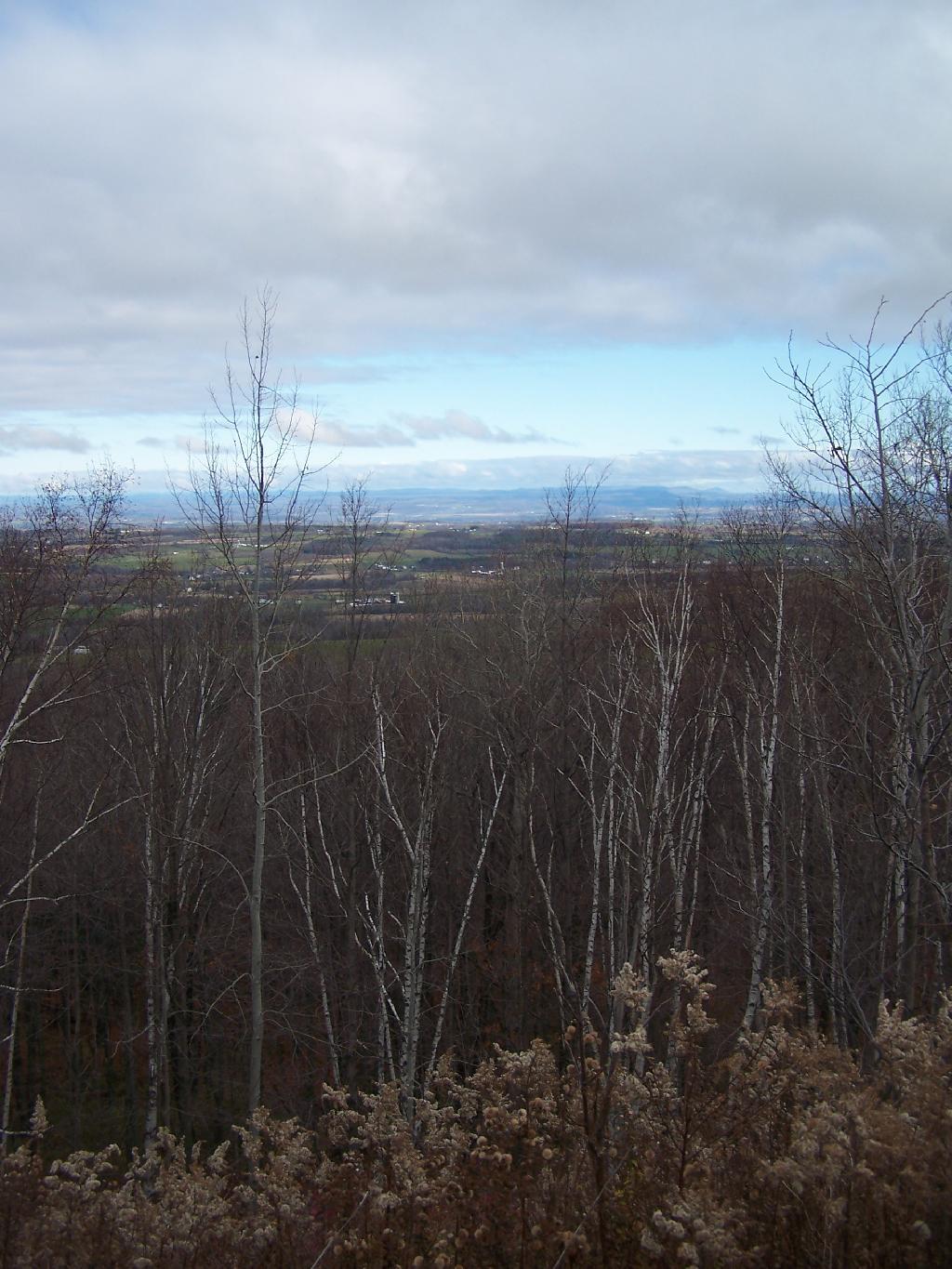
The belt is pretty clearly defined. Where farms begin and end in scrub land are as visible by the view of the window in your truck, as they are in view from the aerial photos looking down onto the earth. Farming, while an important part of the economy, really is limited to where can occur, and beyond that, most of the land is wasted.
Biomass companies, and alternative crops some day promise to recover this scrubland, that is all but abandoned for anything but deer hunting. It would be nice, but we will see the impacts to the environment once it happens. Scrublands, and recently abandoned, to the human mind look so disorderly, at least until they revert back to full forest.