Life is often defined by a restless anticipation, a tendency to look past the present moment toward a seasonal ideal that remains perpetually out of reach.
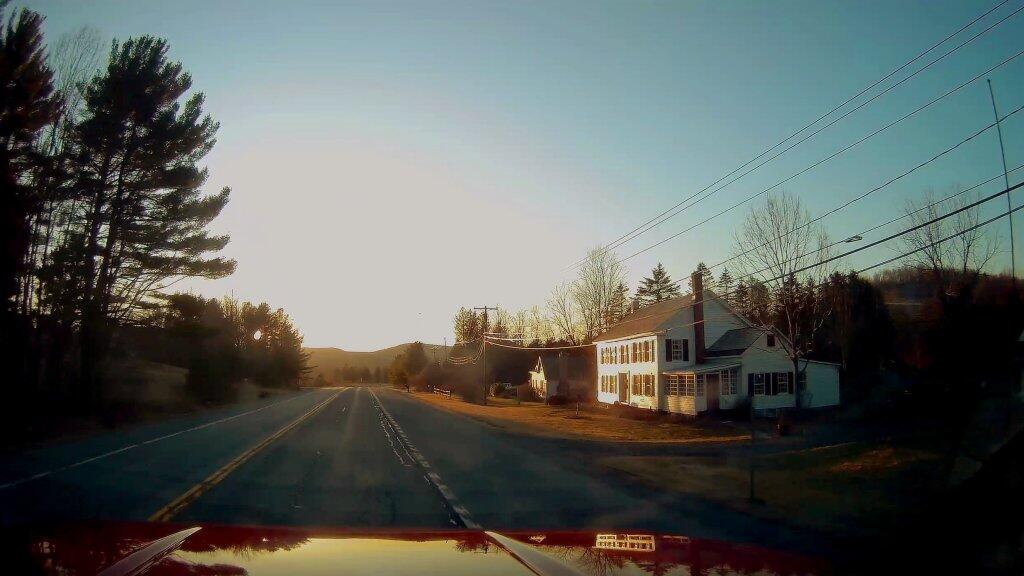
In early April, we find ourselves captivated by the rapid expansion of evening light. We watch the sun linger longer against the horizon each day, yet the air remains stubbornly chilled. We wait for the warmth to catch up to the brightness, imagining a perfect equilibrium that has yet to arrive. However, by the time the evenings turn consistently mild, the momentum of the sun has already peaked. The very gains we celebrated begin to ebb, and almost before the season has settled in, the shadow of late August looms, bringing with it the inevitable contraction of the days.
This cycle of seasonal lag serves as a poignant metaphor for the broader rhythm of our lives. It often feels as though the milestones we reach are over before they have truly begun. We spend our time negotiating with the present, wishing away the discomforts of the current moment to reach a perceived “sweet spot” that is fleeting by nature.
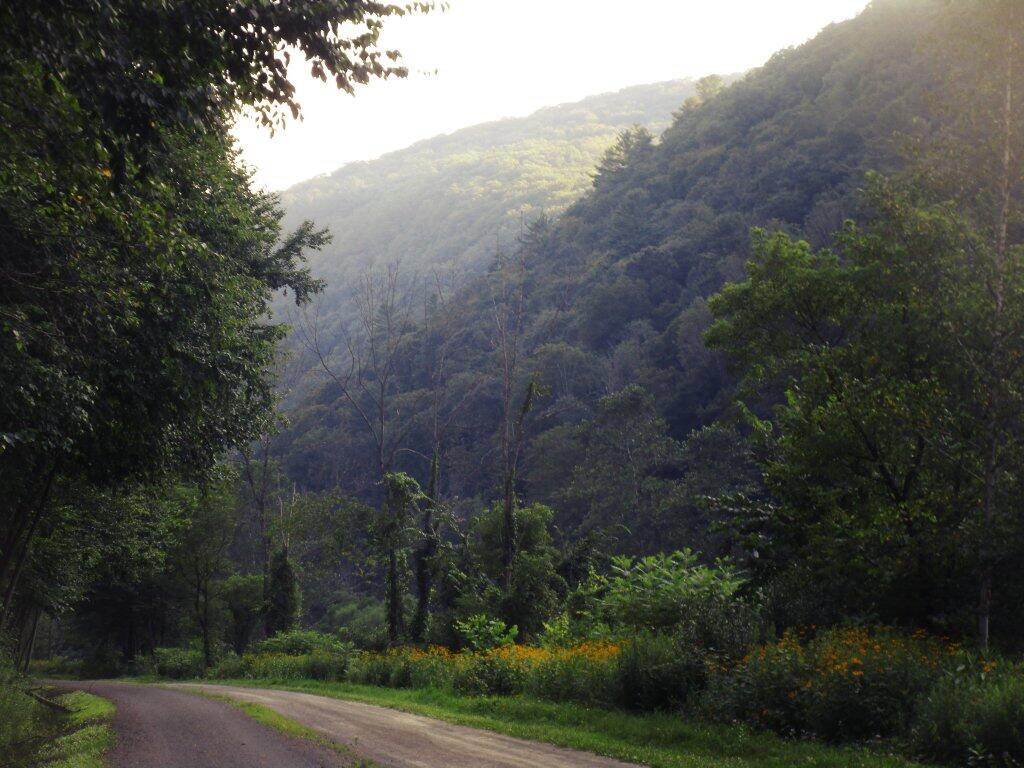
Nowhere is this more evident than in our relationship with the summer months. In the early weeks, we endure the nuisance of black fly season, counting the days until we can enjoy the outdoors in peace. Yet, by the time the pests recede, the calendar reveals a jarring truth: a third of the season has already vanished. We reach for the height of summer, longing for the heat of the sun and the refreshing shock of a cold pool to last indefinitely. But time moves with a cruel velocity. In what feels like a few blinks of the eye, the vibrant green of the canopy begins to tire, and the specter of Labor Day signals the end of our reprieve.
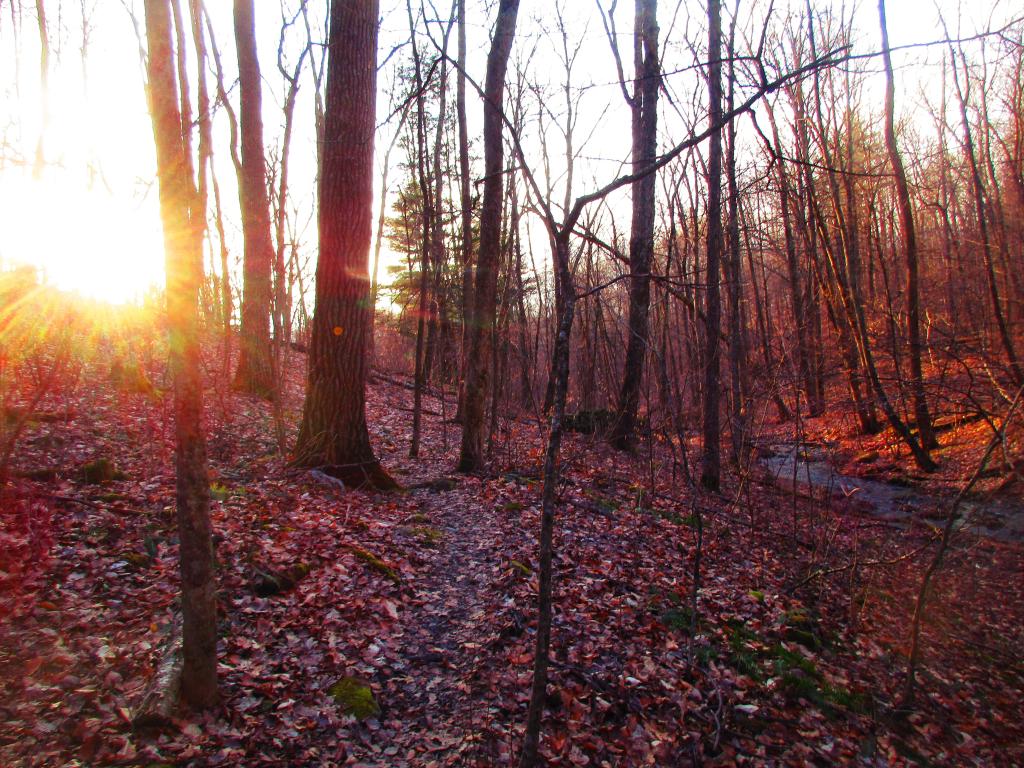
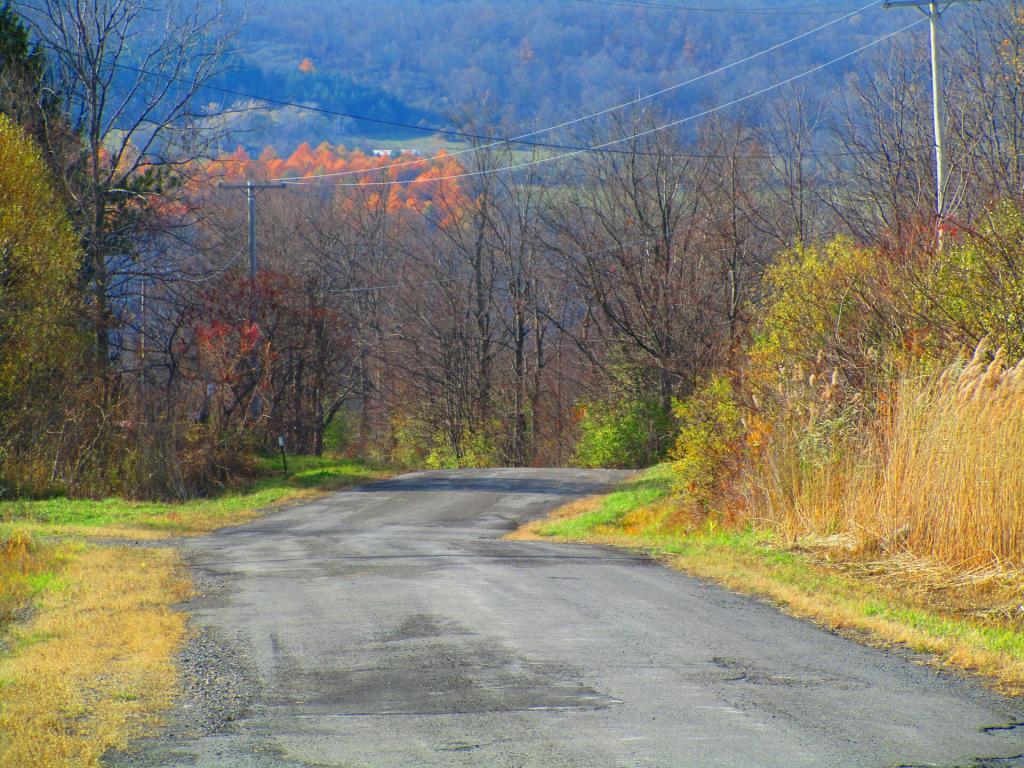
Autumn offers no different a bargain. We spend weeks watching the lush greens of late August, hungrily awaiting the dramatic burst of color that defines the fall. When the transformation finally arrives, it is a spectacular, fiery display, yet its brilliance is the very thing that signals its end. The peak is a momentary flash; almost as soon as the hillsides are set ablaze, the leaves drift to the ground, and the landscape fades into a somber, dormant brown.
Ultimately, we are often caught in a cycle of wanting. We want the light without the cold, the summer without the bugs, and the autumn color without the decay. In focusing so intently on the “perfect” version of a season, we often miss the transition itself. Life, much like the changing light of an April evening, does not wait for us to be comfortable before it moves on. It is a series of brief peaks and long anticipations, reminding us that the beauty lies not in the permanence of the season, but in our ability to witness it before it slips away.
So the weatherman warns us on this soon to be beautiful spring day, as mercury pushes into the sixties, the air dries out, and wind picks up later in day. Probably with the breeze this afternoon, it won’t be a real warm evening. But at least I can wear my vest riding to work.
Going to be a nice day, ☀️ at least for riding to work, but probably not a good day for lighting off a smudge pot of burning garbage and heading off to town, even if you do live out in the country in a free state. 🔥 Fire danger is real on the homestead. There have been times when I’ve had a campfire in red flag weather, but never until after dark, and I’ve always kept the fire relatively small, and drowned it before bed. Unfortunately others aren’t so careful, and as I think more about buying my own land, I do think more about fire risk – and freedom to burn shit. 🐐
I was thinking how nice it will be once I get the camper shell on Old Smokey, 🛻 and can get back up to the woods and have fires in wilderness. I won’t have to be watching everything plastic or packaged thing, 📦 and not have to think about how to get rid of it it when I have fires to recycle the carbon. ♻️ I haven’t had any Greek yogurt or maple syrup since December, in an effort to reduce packaging. In my view, the best thing you can do with No. 5 plastic is toss it in a fire. But maybe it’s good to save money too. Plus nights looking at the flames with a stoned gaze sounds like a lot of fun. 😍 Listening to the barred owl 🦉 in the distance, and some good tunes. Not that I’ve found the time to look at truck caps seriously, but I’ve always been swamped at work, though things are a bit quieter with at least one of supervisors back for part of the day.
This evening I definately plan to ride out to Five Rivers 🐸 after work assuming it’s not too cold with the wind 🌬️. I think there is a Pine Bush Zoom Meeting, but I can stream it from there I guess. The crazy thing about spring time, is we gain daylight in evening quickly, 🌇 but it takes longer for the mercury to warm up and the evenings pleasant. Those days will come, but they will be much too short, as by the end of June we slowly but surely start loosing daylight at the end of day. Summer is just such a fleeting thing. ⏳ Once again, autumn will come and go, and another winter upon us.
Rehearsals for retirement, I guess, as another year ticks away. People say, why are you wasting time to death ☠️? My reaction is I could get hit by a city bus any day, but at that point it won’t matter. When I retire, in a decade and half, I’ll have plenty of time for that cabin, when I can have goats and burn barrel out back, and go to transfer station once a year. Or maybe less, if I scrap the metals, and avoid buying most of the rest of unburanble crap and dig a big hole. 🕳️ Like landfill operators do, or more like a big mound at outskirts of city.