America’s battered office market is holding a fire sale, featuring some buildings marked down by more than 90%.
In Chicago, real-estate developer Marc Calabria bought a 485,000-square-foot office building for $4 million. The building sold for $68.1 million a decade ago.
Developer Asher Luzzatto paid a mere $5.3 million for the Denver Energy Center, after a foreclosure process. The two-building complex sold for $176 million in 2013.
Even the federal government’s landlord is getting in on the act. The General Services Administration last month sold a 940,000-square-foot building to a residential converter for $24 million, a tiny fraction of its value a few years ago.
Landlords and their lenders held on to their office towers for years, hoping for a turnaround after Covid. Now, they are accepting enormous losses. Owners and creditors are capitulating to the reality that more employees are splitting their work time between home and office. They are also resigned to stubbornly higher interest rates, which lower property values and make it harder for buyers to borrow.
Climate change is real and its impacting us all already and it’s going to only get worse. The politicians’ solutions – where they exist at all – are kind of bad, mostly consisting of evacuation centers and welfare and reminding people that it’s okay to walk away from the post storm deterus – they’ll cart it off to the landfill for you.
First off, recognizing that political activism is not going to protect me from climate change. The buck stops with me.
Buying a Prisus or electric car won’t protect me but buying a backhoe might.
Own a house that has metal roofing and remove trees nearby that could burn in a wildfire
Make sure the house and barn are well away from streams and flood plains that could flood in extreme rain
Have an independent off-grid electric system and on site fuel storage
Have a tractor with a front end loader to both bury debris and dead stock, and also fill in and repair washouts
Have extra materials like timber, plywood, gravel, dirt and culverts to make repairs after wash outs.
Not own a lot of material things that are easily damaged by water or smoke
Be willing to do with a lot less with the land rather than the property
Life is often defined by a restless anticipation, a tendency to look past the present moment toward a seasonal ideal that remains perpetually out of reach.
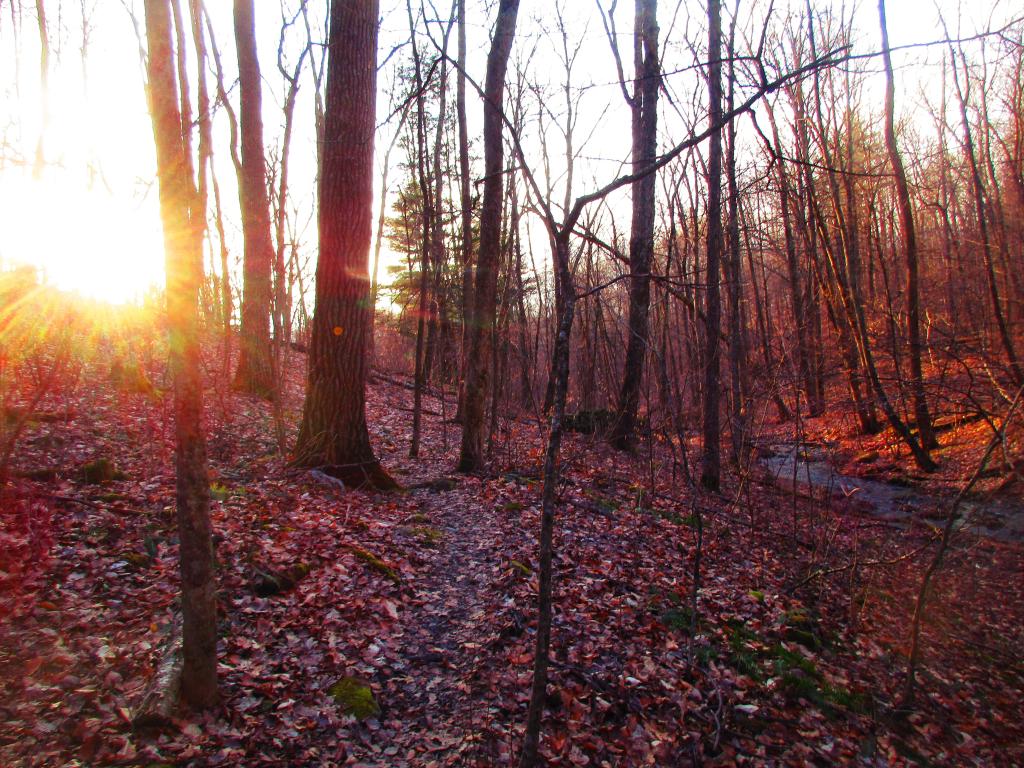
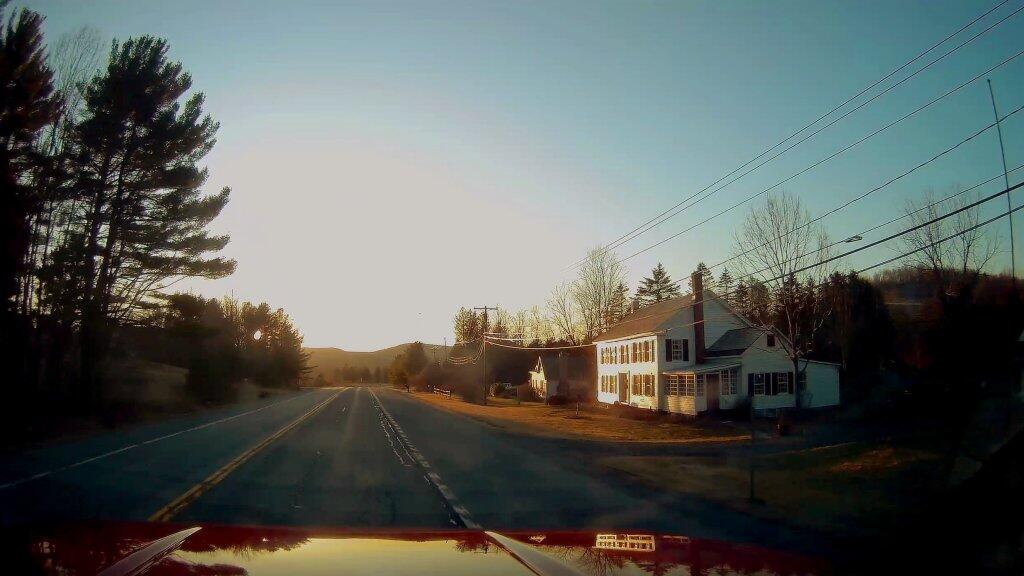
In early April, we find ourselves captivated by the rapid expansion of evening light. We watch the sun linger longer against the horizon each day, yet the air remains stubbornly chilled. We wait for the warmth to catch up to the brightness, imagining a perfect equilibrium that has yet to arrive. However, by the time the evenings turn consistently mild, the momentum of the sun has already peaked. The very gains we celebrated begin to ebb, and almost before the season has settled in, the shadow of late August looms, bringing with it the inevitable contraction of the days.
This cycle of seasonal lag serves as a poignant metaphor for the broader rhythm of our lives. It often feels as though the milestones we reach are over before they have truly begun. We spend our time negotiating with the present, wishing away the discomforts of the current moment to reach a perceived “sweet spot” that is fleeting by nature.
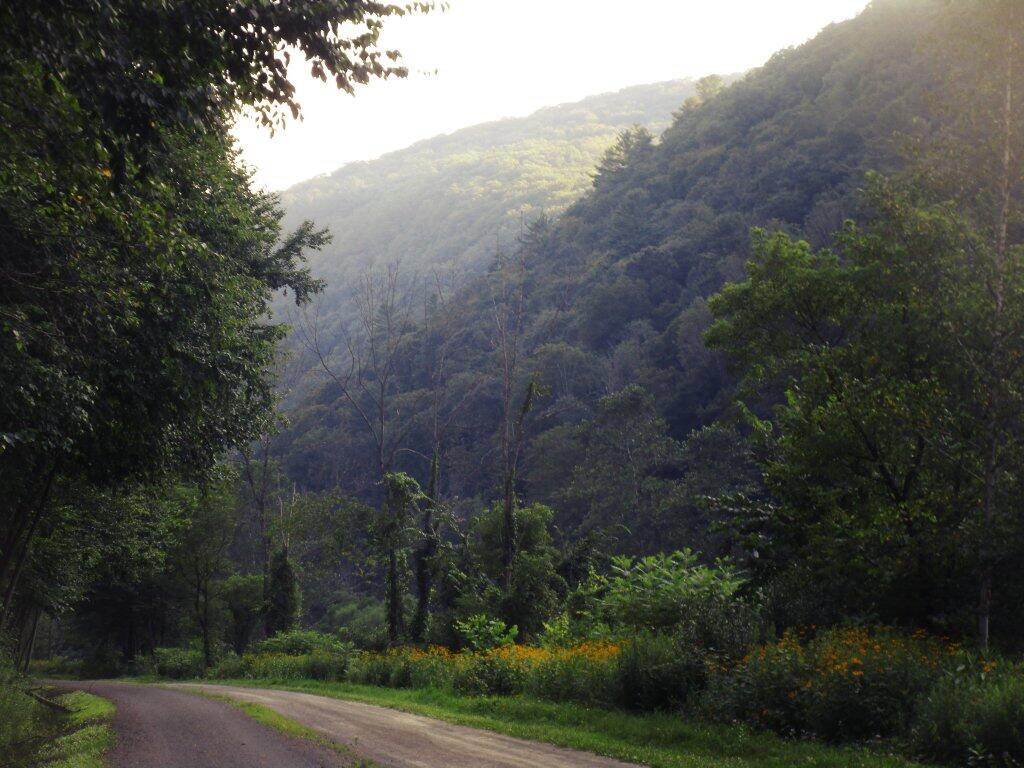
Nowhere is this more evident than in our relationship with the summer months. In the early weeks, we endure the nuisance of black fly season, counting the days until we can enjoy the outdoors in peace. Yet, by the time the pests recede, the calendar reveals a jarring truth: a third of the season has already vanished. We reach for the height of summer, longing for the heat of the sun and the refreshing shock of a cold pool to last indefinitely. But time moves with a cruel velocity. In what feels like a few blinks of the eye, the vibrant green of the canopy begins to tire, and the specter of Labor Day signals the end of our reprieve.
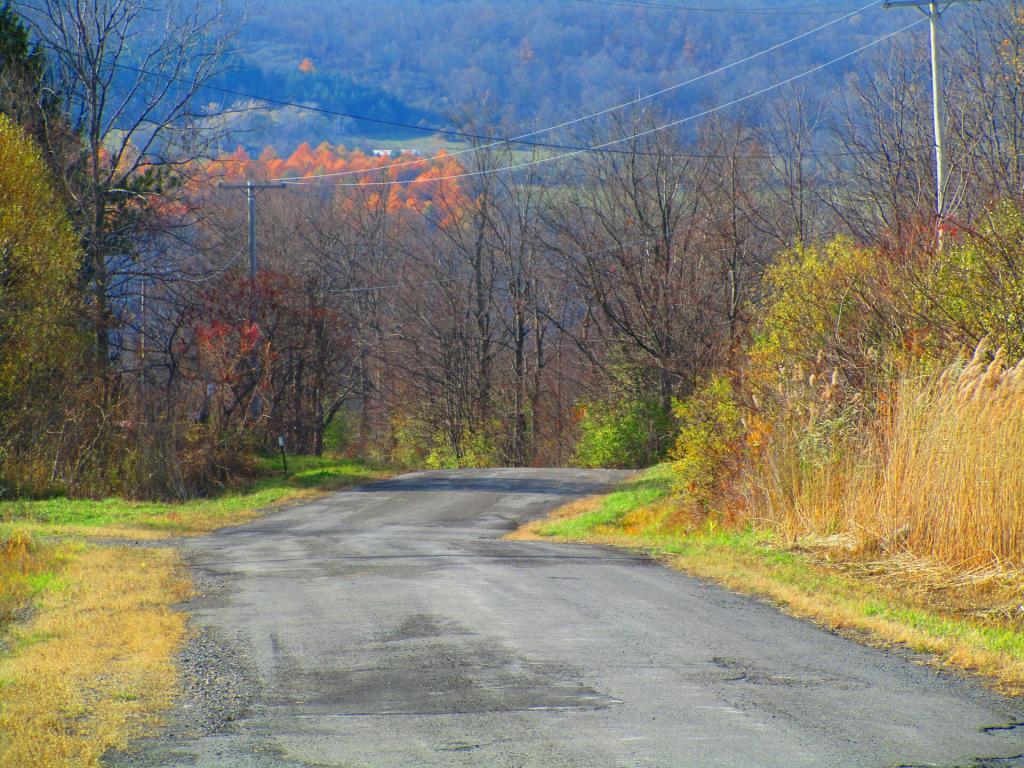
Autumn offers no different a bargain. We spend weeks watching the lush greens of late August, hungrily awaiting the dramatic burst of color that defines the fall. When the transformation finally arrives, it is a spectacular, fiery display, yet its brilliance is the very thing that signals its end. The peak is a momentary flash; almost as soon as the hillsides are set ablaze, the leaves drift to the ground, and the landscape fades into a somber, dormant brown.
Ultimately, we are often caught in a cycle of wanting. We want the light without the cold, the summer without the bugs, and the autumn color without the decay. In focusing so intently on the “perfect” version of a season, we often miss the transition itself. Life, much like the changing light of an April evening, does not wait for us to be comfortable before it moves on. It is a series of brief peaks and long anticipations, reminding us that the beauty lies not in the permanence of the season, but in our ability to witness it before it slips away.