It seems hard to believe it was a year ago I took a drive out to Grandma Moses Country – you know along the Batten Kill and NY 40 – Buskirk, etc looking at land that way to potentially buy and build my homestead out there. I still can’t believe a year came and went, and while I looked at houses and explored my options so little happened. Still just a dream, as I put away more money, boosted my savings and investments.
It’s now a bit tough when I look back at what seems like a wasted year, when I could have had land. I could be getting chickens at this point, planning a garden. Doing on my own composting, heating with wood not freezing in my dumpy apartment. My net worth has gone a touch since the market declines, and it’s painful as I could have baked in some of that by buying something.
If heaven wasn’t so far away … I keep telling myself.
It’s fine, and I know it will be fine for now. But I feel like I’m wasting time, though I think when you run the numbers, it actually come out ahead staying where I am even with higher rent. Small apartments are cheap to heat and light, and bicycling to work saves a lot of money. I can put off replacing my pickup truck for a while.
Termux on Android doesn’t seem to capture escape correctly with my keyboard. Which is annoying as hell when you’re writing code on your phone using vim. If you know anything about vim, then escape is like one of the most essential keys out there.
But there is an alternative, hit control-[, because it turns out the escape key is actually implemented behind the scenes as a control-[. In most cases you can use both interchange.
I had to ask Google Artificial Insemination service …
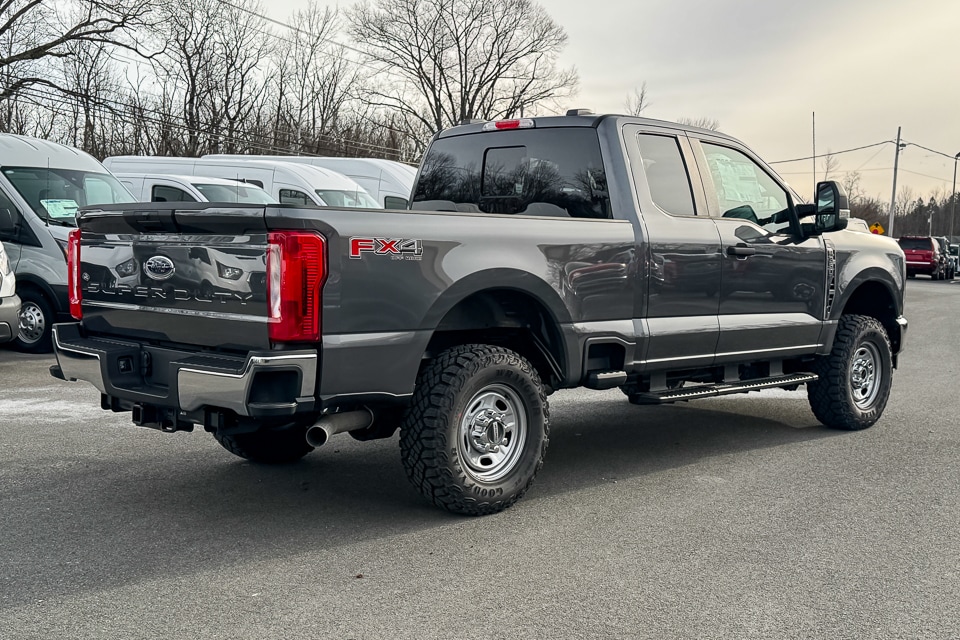
The idea that drivers of big pickup trucks have broken or small penises is an urban myth and a cultural stereotype. It is a trope used to mock or criticize the behavior of certain truck owners, often associated with “fragile masculinity,” “pavement princesses” (trucks that never go off-road), or a desire to “compensate” for something.
Stereotype Origin: The saying is a popular, non-scientific, often humorous, or derogatory comment meant to imply that the owner is overcompensating for a lack of confidence or physical size.
Driver Reality: While the stereotype is widely known, people drive big trucks for a variety of reasons, including practical utility, work requirements, personal preference for safety (or feeling safe), or simply enjoying the vehicle’s capability.
Context: The debate often highlights a distinction between those who use their trucks for work (towing, hauling) and those who use them for daily commuting in urban areas.
In summary, there is no physical or medical connection between vehicle size and a driver’s anatomy; the claim is purely a cultural insult.
The shebang (#!) is a special directive read and interpreted by the Linux kernel (and other Unix-like operating systems) to determine which interpreter should be used to execute a script. The kernel’s built-in mechanism (specifically, the execve() system call) processes this directive.
How the Linux Kernel Handles the Shebang When a user attempts to execute a file with the executable permission set (using chmod +x filename), the Linux kernel follows a process to run it:
File Examination: The kernel opens the file and examines the very first two bytes (the “magic numbers”).
Shebang Detection: If these bytes are #! (hexadecimal 0x23 0x21), the kernel identifies the file as a script.
Interpreter Extraction: The kernel reads the rest of the first line to find the path to the required interpreter (e.g., /bin/bash, /usr/bin/python3).
Execution: The kernel then executes the specified interpreter program, passing the original script’s filename as an argument to the interpreter.
For example, if you run an executable script named myscript.py that starts with #!/usr/bin/python3, the kernel effectively runs the command /usr/bin/python3 myscript.py.
Key Points
Kernel Feature: It is the kernel, not the shell from which the script is launched, that interprets the shebang line.
Location: The shebang must be the absolute first line of the file, with no preceding characters or blank space.
Purpose: It allows scripts to be run directly like any other executable program without explicitly calling the interpreter on the command line.
Fallback: If a script without a shebang is executed, the shell typically defaults to using its own interpreter to run the commands, which may lead to errors if the script was written for a different shell or language.