A breakdown of land uses of New York State looks roughly like this:
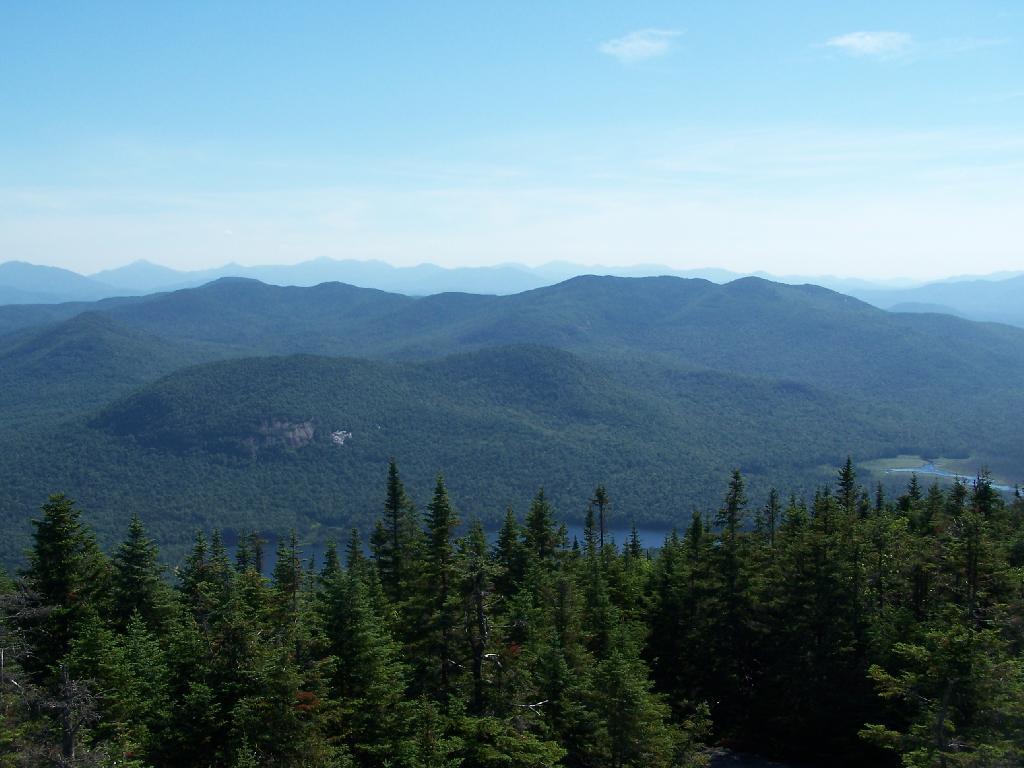
60% forested lands
24% farmed
8% residential uses
6% water bodies
1% industrial uses
1% commercial uses
Not that you would necessarily realize that from looking at a map or even driving on a highway system. Interstates have put a state of mind in humans that the only places that really exist are those nearby the interstate and that have formal exits on the controlled-access highway. There are actually places between Albany and Syracuse, not that you would know from driving except maybe if you studied the exit signs.
In these places, little towns and cities people live. Many of these areas are highly dependent on various industries or government, but they continue to exist. Lots of areas are farmed and lived on, but they may not appear in one’s psychological view of the world. Particularly in Western New York, it seems that the land looks a lot more closed in then it really, with road frontage dominated by residential housing, that overlooks vast quantities of land that are actively farmed or are forested.
There is a lot of New York that exists outside of the cities, on back roads, rarely explored except by the locals. There are too many back roads for one ever to see in a life time, but it’s important to see at least part of the landscape not on the main street.
This podcast is utterly fascinating. Definitely worth a listen.
"Bill Kauffman is a founder and contributor to the Front Porch Republic website. He’s also the author of Dispatches from the Muckdog Gazette; Ain’t My America; and the recent collection of essays, Poetry night at the Ballpark. He also wrote the screenplay for the 2013 motion picture Copperhead, about community strife on the home front during the Civil War. He’s a supporter and defender of the American small town and its economic interests. Just out of college, he joined the staff of Senator Daniel Patrick Moynihan and he is deeply acquainted with Inside-the-Beltway culture. He abandoned Washington DC to return to his hometown of Batavia in far, far western New York (near Buffalo) where I chatted with him by phone."
A while back I showed off the population of New York State in 2010, based on every town’s population. We looked at population density of various towns, and how it’s very dense in a few towns, and very spread out in most of state. Today, let’s look at a map of the developed areas of NY State.
Roughly 10% of the state is urbanized… the rest of state is rural.
So what goes on in the rest of state? About 24% of the state is farmed — lots of cows, corn, alfalfa and hay, but an even bigger portion is essentially wildlands, covered with water or forest lands.
It’s not to say people don’t live in other areas — they do. But small rural houses and farm steads are just footnotes, in a largely wild, forested or farmed landscape that makes up most of New York.
I suspect Washington Avenue Extension, built in 1968-1973 is reaching the midpoint in its useful lifespan, or maybe even a bit beyond it. It seems unlikely it will have a life much beyond 2050, and certainly not well into the twenty-second century.
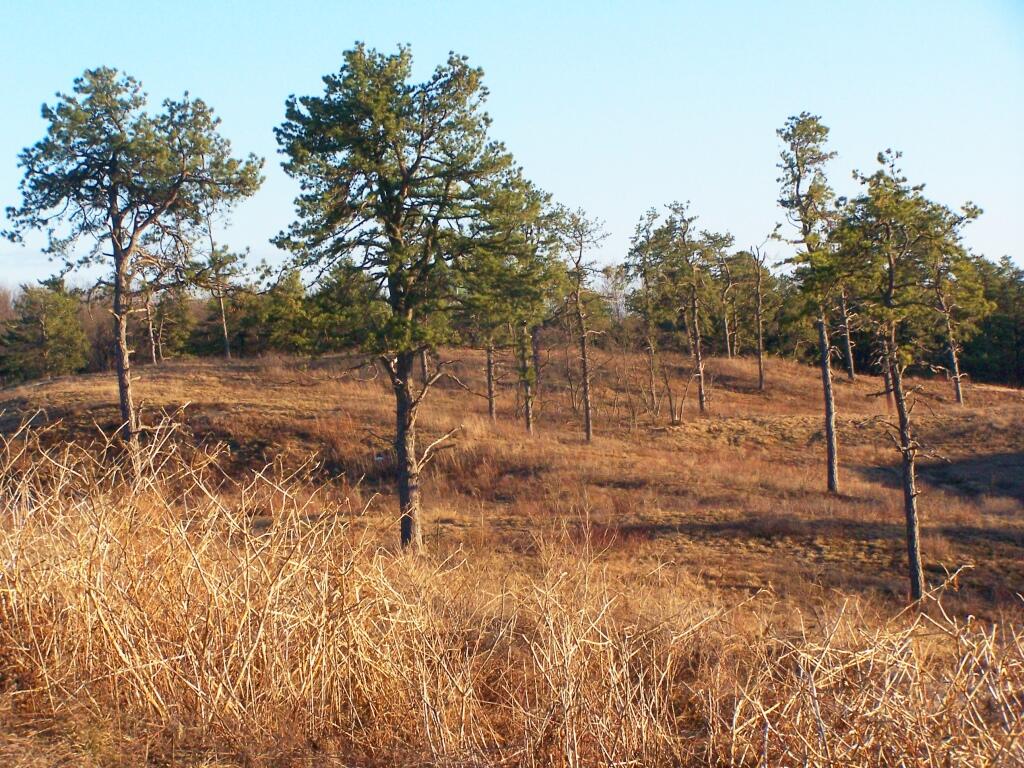
Simply said, Washington Avenue Extension is a gasoline alley built into the Albany Pine Bush for the convience of us humans to get to businesses and commerical strips. It was built with the cheapest materials possible, not designed to last more then a few decades. Washington Avenue Extensive lives and dies on cheap energy, as it’s too remote of a location to be pratical for anything besides automobile commuting.
The automobile and the cheap fossil fuels that make it possible will not be around forever, especially as we as society get concerned about the impacts climate change is having on us all. It’s even located in such a remote location that trollies or other mode of public transit really do not make sense there.
There is often an unwillingness to admit humankind might not be around in the next century, or that the automobile age will end. Technophiles and advocates for the status quo advocate for solar panels, windmills, and electric cars.
Someday cracks in the concrete slab known as Washington Avenue Extension will spring dandelions and weathering will lead to the road to eventually break apart and start to fail. Rebar will rust, and eventually the forces of nature will remake the landscape, someday removing any trace of human action.
The hideous place known as Washington Avenue Extension will someday be entirely gone, a relic of earlier times. It’s quite possible that humanity will strip that road in an effort to restore the Albany Pine Bush, or even just for the materials to meet more contemporary needs in the city.
… I can’t imagine a Washington Avenue any more hideous of place then it is today — it can only get better.
For many years I have worked downtown and ridden the bus downtown most days. Some days when I have to work late or are planning on heading out of town I drive downtown to work. It’s not a particularly common thing, maybe two or three times a month.
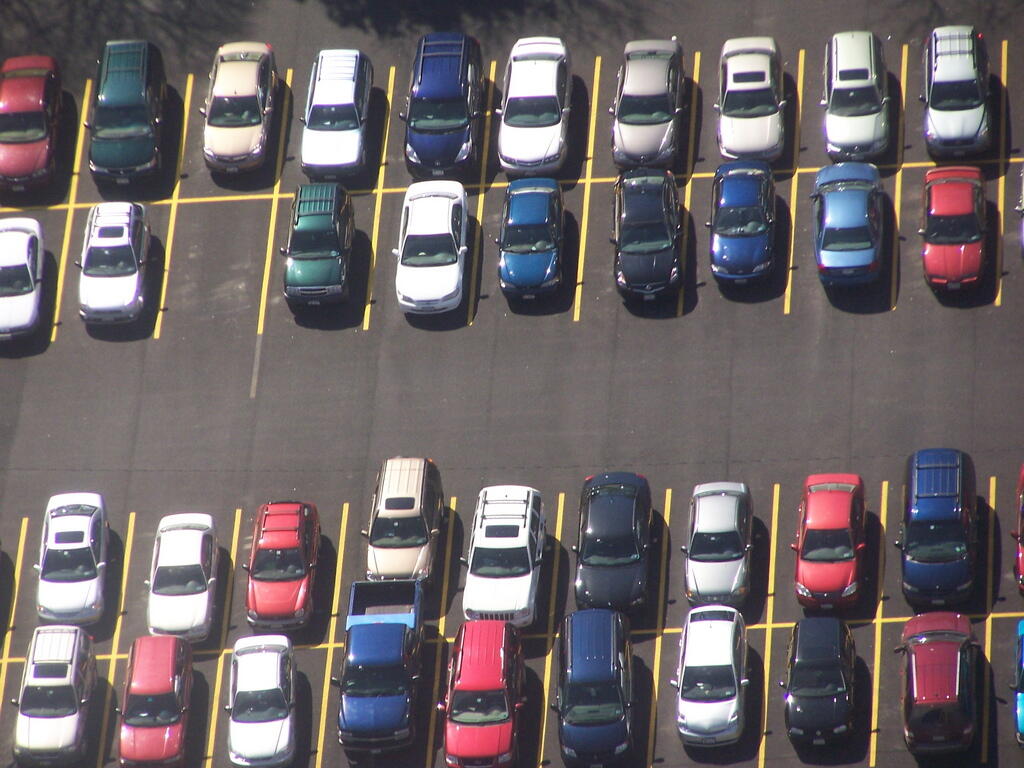
I used to park on the street, but now I park in an Albany Parking Authority lot. Why park in a lot, when one can park on the street? Simple: I don’t want my new truck, “Big Red”, to get hit or damaged, and I figure the back corner of a parking lot is a lot safer. Big Red is also a bitch to park on the street, being so long, even though I am pretty talented at parallel parking it.
It also is a powerful discouragement against car commuting. Somehow it’s more difficult to visualize $4 one burns driving in and out of work, or the wear and tear it means to your car, compared to paying the $3 for the parking lot — a top of the gas and wear and tear.
It makes me pause and think, do I really need to drive into the city? Can avoid it, and all of the pain of driving in the city. I really don’t like the kind of driving that involves stop lights and traffic. I have much to short of a fuse to enjoy such an activity. But so be it.
So at the end of day, I don’t really mind pay for parking, the few times I actually drive downtown. It just another good reminder that driving into the city rarely pays or is necessary with public transit..