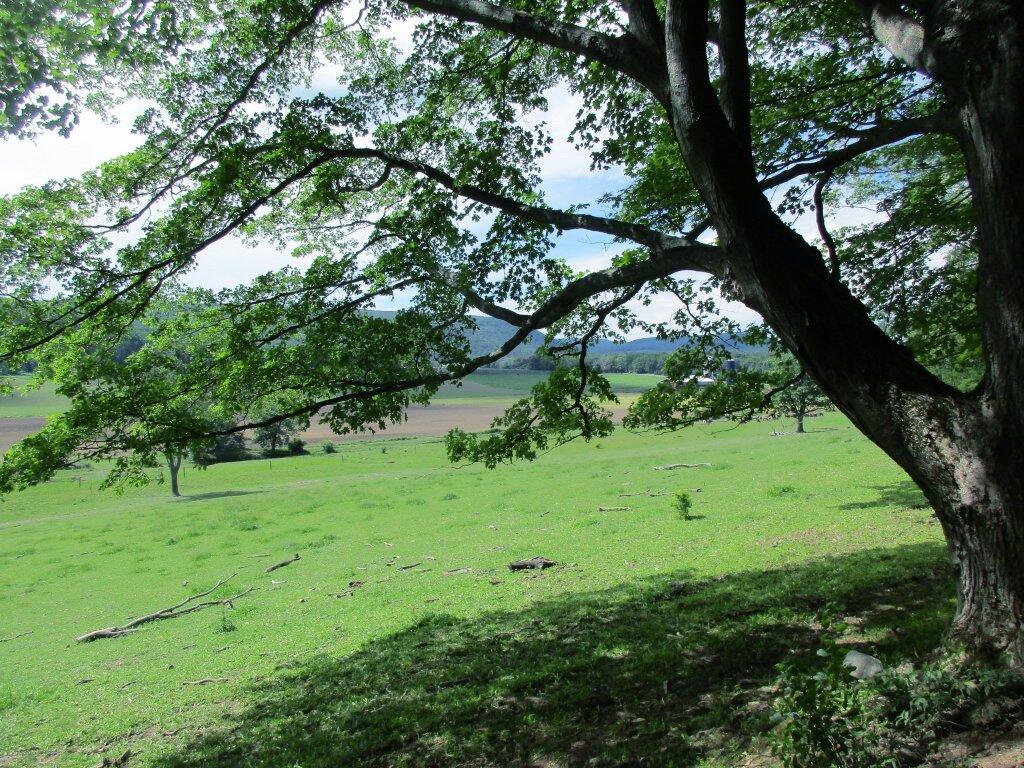
Gilboa is a town in Schoharie County, New York, United States. The population was 1,215 at the 2000 census. The Town of Gilboa is in the south part of the county and is southwest of Albany.
ccording to the United States Census Bureau, the town has a total area of 59.3 square miles (154 km2), of which, 57.8 square miles (150 km2) of it is land and 1.6 square miles (4.1 km2) of it (2.63%) is water.
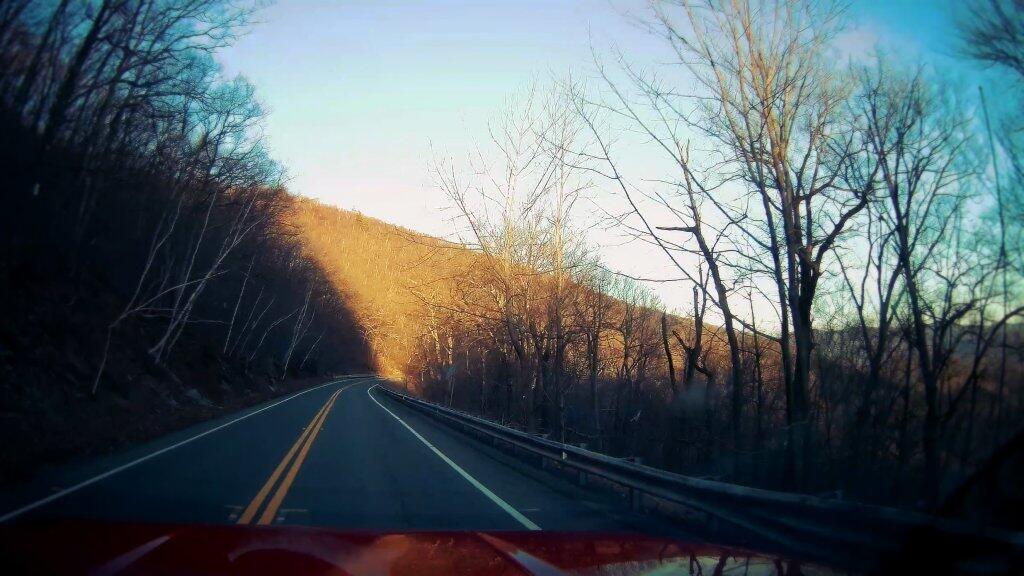
The south town line forms a border with Delaware County and Greene County. The Schoharie Creek flows northward through the town. New York State Route 30 is a north-south highway in Gilboa. New York State Route 23 cuts through the southwest corner of the town. New York State Route 990V is a highway running eastward from NY-30 in the southeast part of Gilboa.
The point is every consumer item you buy, is essentially stealing from your future.
We all have to live, spend some money, get enjoyment out of today. But certainly something in a styrofoam or paper cup, that’s going to end up in a landfill or a fire shortly after use should be avoided, especially if you can make due without or find a less expensive option for enjoying today. I drink coffee, but I make it in my percolator pot, using my reusable mug.
Years ago, I would occasionally use styrofoam coffee cups while camping. There convenient, they are one less dish to wash. Despite what the greenies will tell you, in a hot fire, styrofoam burns fine. It’s cheap, and it doesn’t involve cutting down trees. Then I switched to a regular coffee mug, as I like the feel of the mug in my hands on a cold morning at camp.
After a while I started getting tired of washing the coffee cup, but I want a disposable, e.g. that I could discard and burn, and that I could take in the truck to sip coffee. I got these plastic-coated paper cups with lids which were quite nice, but relatively expensive. I used up the paper cups but still had lids, so I was thinking I could get some cheap styrofoam cups, and use them with the lids. They don’t fit, and I hate how they feel in my hands, and how they make the coffee taste.
I wentback to the old ceramic coffee cup to enjoy my coffee up at camp. They aren’t that hard to wash. And maybe go green, and use a reusable cup in the truck. Coffee cups are easy to rinse out, they are much less of a pain then plates, which I think I will continue to use paper or foam ones that are disposable and burnable up at camp. I figure if they aren’t going to the landfill because I’m burning them, I don’t have to feel guilty about using them once and tossing them, although I guess you could argue that your still wasting the chemicals and trees that make up the styrofoam or paper plates. But so be it.
There are really two kinds of schools of thought around conservation and environmentalism more generally. There are the back-to-earth types, and more high-tech oriented ways of doing things, emphasizing technological solutions to environmental problems like solar panels, lithium ion batteries, heat pumps, electric cars, etc.
The technocratic environmentalists are often pushing for top-down solutions that use the latest in research to provide solutions to human needs and wants that use advanced materials to reduce per capita carbon emissions. They often look at per capita emissions, multiplying them out by population, and have bold hopes that with the right technologies we as a society can be less polluting and less destructive to the earth. Their much touted-solar and wind farms sound great on paper, but what does it mean to the environment and landscape when a lot of our energy comes from them sprawled out over millions of acres?
In many ways, they seem hopelessly naive. For one thing, many of green things in aggregate are less green, especially those who which use heavy metals like cadmium-infused glass for solar panels or various rare-earths for magnets or even more natural materials like timber or farm crops rather then plastics. Often people are sold on things being compostable, even though they are quickly used and discarded to a landfill which is largely sealed from air, bacteria and water to speed biodegradation. Many material collected for recycling ultimately have no value and end up being landfilled. There definitely is a lot of scams surrounding the green-living, high-tech environmentalism put forward by some.
On the other hand, you have the back-to-the-land homesteaders, the off-griders, and country folk who produce a lot of their own needs from the lands they live in. While their per capita emissions might be higher — not everybody can live on 20 or 40 or even a 100 acres of land — in many ways they are living much closer to the earth. Where they raise and harvest their own meat and vegetables without plastic packaging, generate their own power on-site largely using renewables, manage their own waste by composting, burning, reuse and off-site recycling. Rather then consuming 10.3 MWh of fossil-fueled grid power electricity per year and 400 therms of gas per year, and having bins full of trash weekly trash-haul, they are much more self-sufficient.
Technocratic environmentalists often look down at homesteaders. All ruminants from cows to sheep burp methane when they breakdown hay and grass in their stomachs. Off-grid and farm living often means hauling large machinery and water tanks, which means fuel-hungry pickup trucks. Wood stoves and burn barrels produce noxious smoke at levels far above the urban-dweller who relies on gas or electric heat and uses a municipal landfill or incinerator to dispose of waste. Livestock produce manure and make mud which can run-off and is smelly. Even regulated hunting and trapping consumes animals, even if it’s below levels that significant impacts the environment. Remote locations often require longer commutes both for work and purchasing things.
I am not fan of feel-good environmentalism. Certainly I am willing to embrace green technology if it actually improves sustainability, reduces emissions and protects the environment but it can’t be like so many of green technologies popularly sold today to “do your part”. I do respect those who live close to earth, be it homesteader or farmer, who rejects technology and mass-media crass commercialism. That life might be more enviromentally-impactful on a per capita basis, but better for local environment and certainly the person who lives such a life.
Every day it seems like the marketers are thinking of new products that can give a good green-wash, and sell as a premium, especially around the occasion of Vladimir Lenin’s birthday, popularly known as Earth Day. It’s actually pretty ironic that the capitalists of the world have taken Vladimir Lenin birthday’s to sell marked-up “green” products. Market-specialization does mean you can charge a higher price.
The best way to live green is to buy nothing. Every material item you buy has an environmental impact. The question should always be when shopping — do I really need this item?
A person smarter then me once said, “Nothing becomes obsolete faster then the future.” Futuristic technologies often become obsolete quickly, as do many of the trendy green-products whose use often doesn’t live up to the hype. Sure, energy efficiency standards are necessary to create a floor for products and spur innovation, but much that is hyped as green technology rarely lives up to it’s promise. If something where to save a lot of energy, or have superior environmental performance, why isn’t it used already?
I often thought, farmers and sportsmen are some of the greenest people out there. If you spend a lot of time in the field and the forest, you learn a lot about nature. Hunters spent countless hours peering down from their tree stands, observing the world around them. Farmers know the cost of food waste firsthand, they work tireless hours to produce the raw materials that turned into food. People who live off-grid know how much energy really costs — especially when their battery voltage starts dropping. Country boys who burn their own trash, know exactly how noxious some of the materials are they consume every day.
The greenest thing you can do on Earth Day, is spend no money. Stay off of Amazon, away from the stores. Go for a walk to a nearby nature preserve or park, spend some time observing nature. Go fishing, go hiking! If you can walk to work and your destination, that’s even better, but if you have to hop a bus going that way, it’s better then driving. Don’t by into commercialism crap this Earth Day.
Today’s sunrise was at 6:02 am. The next time the sun will rise later then today 🌄 is in 116 days on Sunday, August 16.
The average high for today is 63 degrees. 🌡 The next time it will be on average cooler then today is in 175 days on Wednesday, October 14 when the average temperature will be 62 degrees.
The highest point for the sun today will be 59.6° from the horizon at 12:54 pm. 🌞 The next time the sun will be lower in the sky mid-day is in 121 days on Friday, August 21.
Today has 13 hours and 52 minutes of daylight. ⏳ The next time the day will be shorter then today is in 120 days on Thursday, August 20.
Today’s sunset will be at 7:44 pm. The next time the sun will set earlier then today 🌆 is in 124 days on Monday, August 24.
The average low for today is 40 degrees. 🌡 The next night it will be on average cooler then tonight is in 182 days on Wednesday, October 21 when the average temperature will be 39 degrees.

![Untitled [Expires May 10 2026]](https://andyarthur.org//data/photo_021736_large.jpg)