Gilboa is a town in Schoharie County, New York, United States. The population was 1,215 at the 2000 census. The Town of Gilboa is in the south part of the county and is southwest of Albany.
ccording to the United States Census Bureau, the town has a total area of 59.3 square miles (154 km2), of which, 57.8 square miles (150 km2) of it is land and 1.6 square miles (4.1 km2) of it (2.63%) is water.
The south town line forms a border with Delaware County and Greene County. The Schoharie Creek flows northward through the town. New York State Route 30 is a north-south highway in Gilboa. New York State Route 23 cuts through the southwest corner of the town. New York State Route 990V is a highway running eastward from NY-30 in the southeast part of Gilboa.
The other day I was out walking on a chilly early autumn afternoon outside of Manlius Center and I smelled wood smoke – that wonderful smell of cooler times to come in small-town America.
While wood is mostly just a supplemental source of heat in these more suburban areas it is a necessity for many farms and rural homes that rely on it as a primary source of heat. And it’s a wonderful thing.
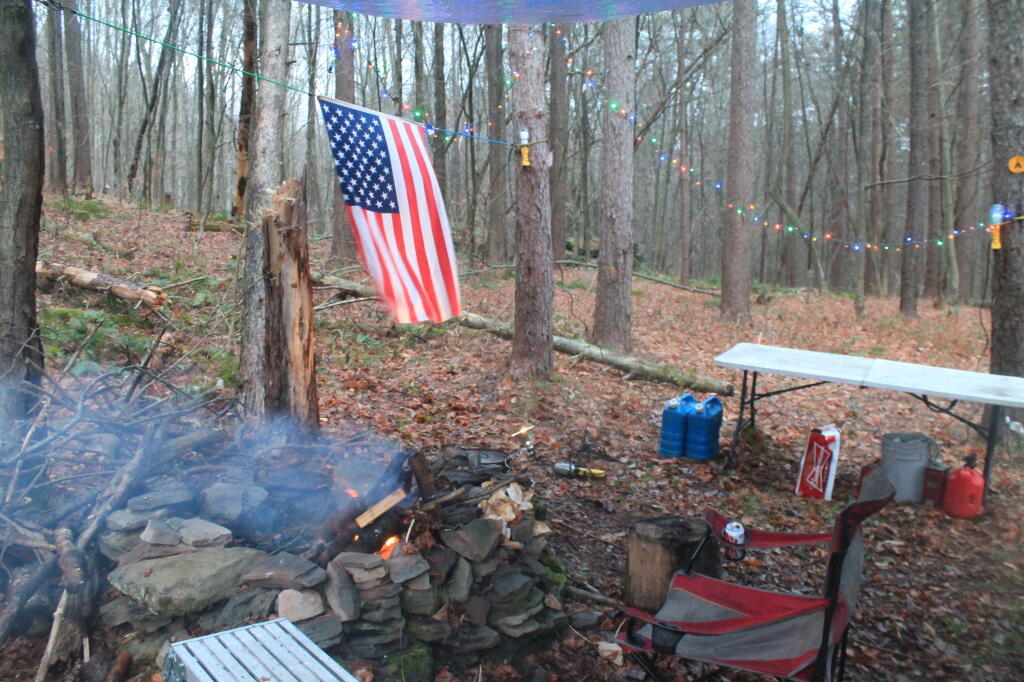
It makes me dream about the days to come – not just when I make it to my long term goal of owning an off grid cabin – but also the more short term goal of my road trip and camping in mid November once this election cycle has come to an end as they always do.
Nice long November nights curled up by the fire are always nice, especially if the stars are out and I can also warm myself by the propane heater. Nice evenings to cook and relax. Something so relaxing about having a nice fire.
Indeed there is something nice about the warmth of a woodstove. Beyond November I may be cold in my apartment but the money saved today is money saved for a better tomorrow. I look forward to the days to come.
People say that Western Pennsylvania hasn’t changed much since the Deer Hunter first hit the silver screen forty years ago. Not true. The beat up Cadillacs people drive around have somewhat smaller tailfins.
The highest year round highway in New York State is Ulster County Route 47 past the Winnisook Lake Club near Slide Mountain in the Catskill Mountains at 2,640 elevation.
The highest year around open highway maintained by NYSDOT is NY 16 in Knapp Creek, Cattaraugus County just north of the Pennsylvania border 2,370 elevation.
I was listening to The World about a S-Market grocery store in Finland that discounts expiring foods at the grocery store 🍇by 60% at nine o’clock every day.💸
What a great idea! 💭 Less things thrown away and a great discount for cost sensitive customers. And stores are making money rather than spending money to dispose of expiring foods. 🍲
I saw a grocery store near the Mason Dixon Line that was called Scratch ‘N Dent Discount groceries, I thought about checking out. 🍑 Foods are a big part of working folks budget and the more savings people can get and the more food kept out of landfill the better. ♻
“And then they have cans of soup. And they throw the cans of soup. That’s better than a brick because you can’t throw a brick. It’s too heavy. But a can of soup, you can really put some power into that, right? And then when they get caught, they say, ‘No, this is soup for my family.’ They’re so innocent. This is soup for my family.”
“And you have people coming over with bags of soup — big bags of soup. And they lay it on the ground, and the anarchists take it and they start throwing it at our cops, at our police. And if it hits you, that’s worse than a brick because that’s got force…And then the media says, ‘This is just soup. These people are very, very innocent. They’re innocent people. These are just protesters. Isn’t it wonderful to allow protesting?’ No.”
Climate change action is important but let’s be cognizant of the environmental impacts of renewables
Burning fossil fuels has largely known and well documented impacts. From the much touted carbon emissions to air pollution and acid rain to acid mine discharge from coal mines and scarred landscapes from mountain top removal and strip mines to drilling cuttings, fracking chemicals and produced water to cracked casings and oil spills the impacts of fossil fuels are well documented and somewhat regulated and controlled but probably not to ideal levels as production and low cost is often emphasized over safety and environmental protection.
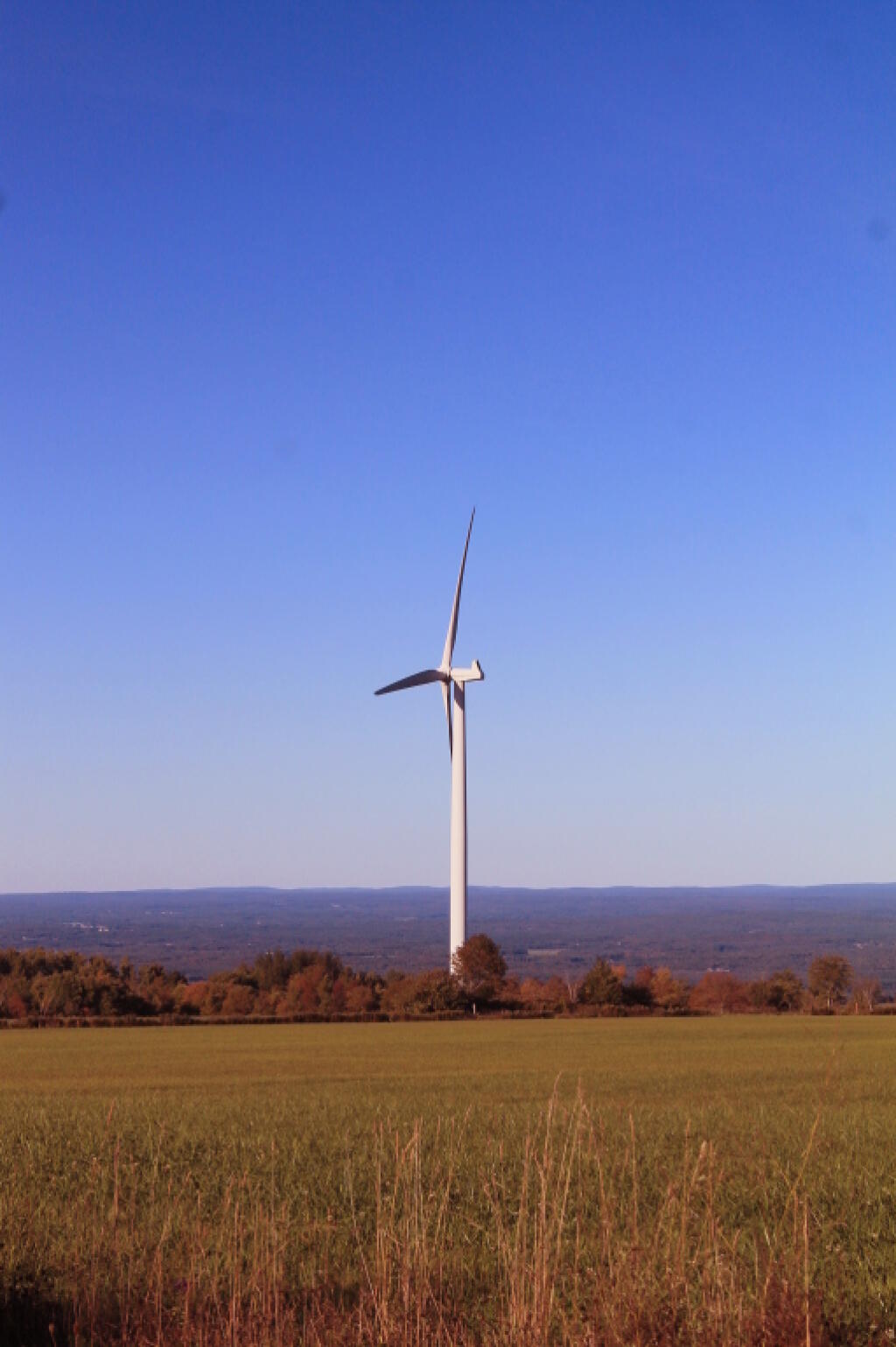
But what is much less discussed and documented is renewable energy impacts. It must be green so there is no environmental impacts or the impacts are de minimus. But that’s far from the truth. Renewable energy consumes enormous amounts of land, it in future years has a real possibility of urbanizing enormous parts of countryside, paving over farm land and forest, producing enormous amounts of toxic waste like wind turbine blades and discarded, broken solar panels to impacting watersheds and fisheries alike, reducing scenic beauty and take land out of other uses. Things that deserve serious consideration and environmental analysis.
To be sure we do need to build more renewable energy but we have to always thinking about the consequences of our choices, not blindly building it because renewables are good and climate change is really bad and scary. Being aware of the environmental impacts of renewables doesn’t mean you’re pro fossil fuels, it means that you are a thinking society, trying to avoid negative environmental problems down the road.
We need to take a serious look before we leap – is the solar plant or wind farm appropriate for the place we are sitting it
We need to mitigate like planting pollinators friendly or native grasses around solar farms
We need to look at building more renewables in cities – be it mandatory solar panels on buildings, over highways or in urban waste lands like old garbage dumps, highway medians, or contaminated industrial sites
Why build a solar farm over green farm fields or forests when you can build over Love Canal?

 weeks
weeks


