Gilboa is a town in Schoharie County, New York, United States. The population was 1,215 at the 2000 census. The Town of Gilboa is in the south part of the county and is southwest of Albany.
ccording to the United States Census Bureau, the town has a total area of 59.3 square miles (154 km2), of which, 57.8 square miles (150 km2) of it is land and 1.6 square miles (4.1 km2) of it (2.63%) is water.
The south town line forms a border with Delaware County and Greene County. The Schoharie Creek flows northward through the town. New York State Route 30 is a north-south highway in Gilboa. New York State Route 23 cuts through the southwest corner of the town. New York State Route 990V is a highway running eastward from NY-30 in the southeast part of Gilboa.
That’s why my house was robbed that I am thinking about buying a house and a new car, which I will need car insurance for and a better home security system for my elderly parents looking for assisted living as they recover from the theft of COVID-19 in the local nursing home by the young men who recently bought motorcycles. I am also thinking about saving money in an IRA after eating lunch at McDonald’s after discussing my retirement options after the breaking and entering of my Occupus television set which I can’t decide whether FIOS or Spectrum cable is better for watching ESPN or cellphone service. My plumbing is bad but I want solar energy so I can be green and recycle my trash for less.
Are savings bonds a good investment? I don’t know I have want to wealthy so I can buy a Cadillac or Tesla after my car is totalled and needs a lot of body work. I was driving drunk after having too much bottled water from Aquifina and Coca Cola. It’s fought to get my children into catholic pre-kindergarten but I’m worried about pedophile priests educating the impoverished children about the tea party. I got overcharged at my oil change – I was told it was a felony to have my brakes serviced and coated with nalaxone and overcome my opiod addiction for Cyber Monday deals. My glasses are fogged up but I don’t have any contact lens left and need to reorder with Verizon.
How about clean coal and good paying jobs in oil and gas industry, so I can fill up my Chevy Bolt for less money as long as I can afford the repairs but I’m hoping my Section 8 voucher and Medicaid insurance will pay for the mortgage a luxury condeminum in Clifton Park. Assuming my Cadillac doesn’t die and I’m injured in a car crash with a Ford, I will be buying more organic foods from leading almond milk producers to go with my high technology Apple iPhone that is being shipped via FedEx and the USPS through the Amazon website, which they are providing me with cloud analytics for less than what it costs to watch two hours of news with Joe Biden who plans to Make America Great Again after many years of Donald Trump’s banking services and hotels.
Thanks for reading. I am sure this is a very meaningful post to the Facebook algorithms.
It’s often funny how much of our world is defined by socially learned context of smell. 👃🏽 A lot of babies eat poop, they aren’t all horrified by smell of their own poop — at least until they’re yelled out by the mom and told gross.
Non-farm people think honeywagons spreading manure really stink, 💩 mainly because their parents told them poop is nasty, and hydrogen sulfide tickles their nose in the wrong way. Farm people might instead joke, it’s the smell of money — maybe pungent but it’s the best stuff to make the crops grow really well and provide the chance of passing a profit or at least surviving. After a while, manure becomes almost unnoticeable or at least not very pungent to those who live out in the country.
Smell is very much part of our lives, 🌽 and so much of it is based on what we think is good or bad. Silage smells wonderful to farmers, as they know it will make for healthy cows and livestock that produce a lot of milk and meat. As does fresh cut hay and other crops. Non-farm people might smell the same thing and either have a negative impression or a neutral impression.
Whether it’s sewage treatment plant, the landfill, the barnyard, 🐄 so much of it based on our context and our experience. When you learn that smell isn’t natural but based on the context you give to things, it will give you a totally different way of looking at things — not based on whether or not something is pungent but what the real impacts of human activity are.
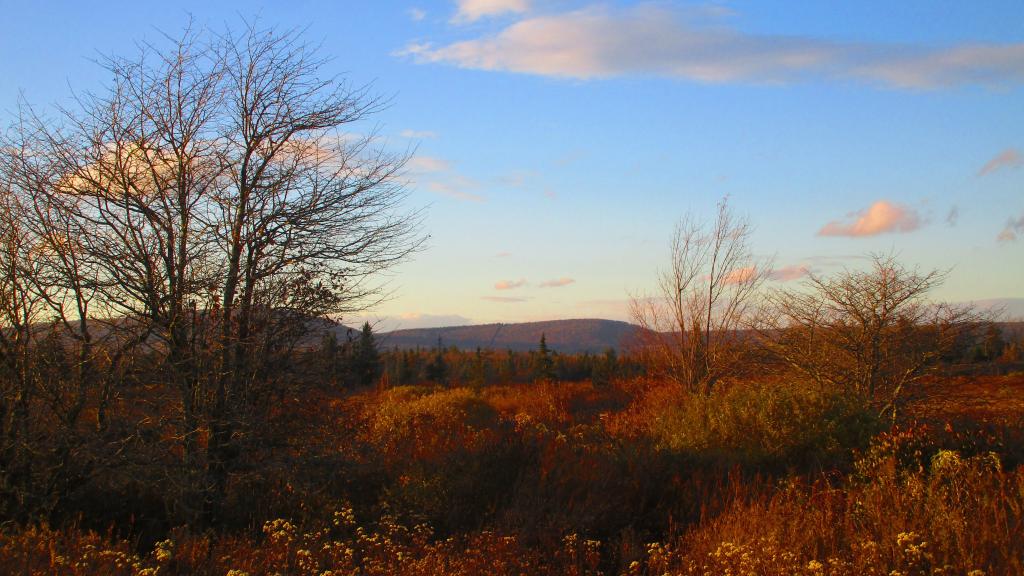
This time I was less impressed with the mountains in West Virginia. While certainly bigger than the hills I woke up to this morning camping at Long Pond, they just don’t seem the way they once did in West Virginia.
Maybe it’s because it’s my fifth trip to West Virginia and the scenery isn’t as new and impressive. Visiting Dolly Sods from the much higher base elevation from the West – namely Canaan Valley Wildlife Refuge and Forest Road 80 Freeland Road made the 4,000 summit less impressive. Plus I didn’t get to the real high country – Spruce Knob Mountain area a dozen miles south.
But also looking at Canaan and Backbone Mountain from Olson Firetower made me rethink how impressive the landscape really is. Some of the peaks in that part of West Virginia while maybe high in total elevation are rather flat peaked and modest in elevation gain. I guess if I had been more around the Allegheny Front, North Mountain and Backbone Mountain from Bears Rocks in West Virginia I might have had an alternative take.
I don’t know. But maybe my dreams of the impressive hills and hollows of West Virginia where just that – more myth then reality. The truth is I see a lot of the hilltowns of Albany County or even the hollows of Schoharie County in West Virginia. The people there aren’t much different than the people I grew up knowing. The trailers, junk cars and ramshackle homestead all look familiar. Even much of Dolly Sods and Canaan Mountain remind me of parts of the Taconics and Berkshire Mountains, Canaan Heights, WV has a striking resemblance to Canaan, NY especially if you visit the high point at Harvey Hill State Forest.
Sister counties — these are counties that have most similar land cover by percentage, i.e. similar amounts of urbanization, crop land, hay fields, trees. Often, but not always these counties border each other. Sometimes this is true in both directions but not always. Fun with R.
Albany – Schenectady
Allegany – Cattaraugus
Bronx – Queens
Broome – Tioga
Cattaraugus – Allegany
Cayuga – Seneca
Chautauqua – Oswego
Chemung – Chenango
Chenango – Otsego
Clinton – Fulton
Columbia – Cortland
Cortland – Columbia
Delaware – Cattaraugus
Dutchess – Orange
Erie – Onondaga
Essex – Warren
Franklin – Lewis
Fulton – Clinton
Genesee – Seneca
Greene – Sullivan
Hamilton – Herkimer
Herkimer – St. Lawrence
Jefferson – Chautauqua
Kings – New York
Lewis – St. Lawrence
Livingston – Wyoming
Madison – Oneida
Monroe – Niagara
Montgomery – Tompkins
Nassau – Richmond
New York – Kings
Niagara – Wayne
Oneida – Madison
Onondaga – Ontario
Ontario – Livingston
Orange – Dutchess
Orleans – Niagara
Oswego – Chautauqua
Otsego – Chenango
Putnam – Dutchess
Queens – Bronx
Rensselaer – Schoharie
Richmond – Nassau
Rockland – Westchester
Saratoga – Fulton
Schenectady – Albany
Schoharie – Tioga
Schuyler – Steuben
Seneca – Cayuga
St. Lawrence – Lewis
Steuben – Schuyler
Suffolk – Monroe
Sullivan – Greene
Tioga – Broome
Tompkins – Schuyler
Ulster – Greene
Warren – Essex
Washington – Oneida
Wayne – Niagara
Westchester – Rockland
Wyoming – Livingston
Yates – Livingston
The Zonal Histogram was created in QGIS using the NLCD ’19 data. Here is the R script:
library(tidyverse)
rm(list=ls())

# read exported zonal histogram
hist <- read_csv('Desktop/county.csv')

# calculate rowwise percentages of land use
hist <- hist %>% rowwise() %>% mutate(total = sum(across(contains('HISTO_')))) %>%
  mutate(across(contains('HISTO_'), ~(./total)*100 ))

# include only relevant rows -- those in the histogram
hist <- hist %>% select(NAME10, contains('HISTO_'))


# go through each county
for (county in sort(hist$NAME10)) {
  searchCounty <- hist %>% filter(NAME10 == county)


  # calculate distance between search county and others
  # make our searchCounty dataframe the same size as the histogram table
  # subtract from histogram dataframe, taking absolute value
  # sum rows to calculate the distance from the county
  # bind to histogram dataframe
  # better explanation: https://stackoverflow.com/questions/55681573/how-can-i-find-the-record-from-a-data-set-that-is-most-similar-to-a-test-record

  bd <- cbind(hist, dist=rowSums(abs(hist[,-1] - searchCounty[rep(1, nrow(hist)), -1]))) %>%
    arrange(dist)

  print(paste(county,'-',bd[2,1]))
}
My relationship with snow is complicated living in the suburbs.
Snow rarely impacts my commuteliving in the suburbs as the busses run whether it’s sunny and 50 or it’s blowing deep snow. They do a good job if clearing the sidewalks where I live so I can’t complain about that either. I do worry sometimes after severe winter storms about losing power, although my apartment is on enough of a main line that the last time I had an extended power outage was during the ice storm over a decade ago. The big issue here is when I loose power there is no heat in the freezing weather.
An off grid cabin wouldn’t risk losing grid power from the snow. With wood heat electric isn’t required, just throw another log on the fire. I would have to keep an eye on the propane though so I wouldn’t run out of hot water for the shower and dish washing though. Digging out the driveway, cleaning off the solar panels and getting wood from the stack outdoors might be work but I could always come back inside, especially on days when I don’t have to work. A generator might have to be fired up to maintain the voltage of the battery on cold snowy dark days but hopefully with enough storage I wouldn’t have to use it much. Going out to the outhouse might not be fun but I guess I could always build a shitter bucket and dump it out when I’m outside.
While I like the security and warmth of living off grid, I don’t really enjoy driving in the snow. I think I’m fairly good at it, and I’m a careful driver but snow driving is a long slow slog as your speeds are greatly reduced. I expect when I own my own land and have to commute to an out of town area – there will be some long trips home – although I still would use public transportation to get to and from the city center to avoid traffic and parking headaches. I would probably get studded snow tires and maybe chains for my truck. Or have an old clunker that I don’t care if it gets beat up in the snow. I could always leave my truck by the town road and take a four wheeler or snowmobile out there.
I’m fine with snow for now as long as I don’t lose power. I’m saving money with my cheap apartment on the bus line. But it would sure be nice to some day have my own land and have a nice wood stove to stay warm along and have the security of an off grid system without fear of losing electric lighting or heat.
I often think Rural America, at least in New York State is getting redder, while the inner suburbs and even some of the outer suburbs are getting bluer. Maybe that observation is antidotal, not based on facts, but I could also see that being true.
Rural areas are undergoing a lot of change, old ways of doing things are being confronted by a new reality of the world that doesn’t work the way it once. Technology continues to replace mechanical labor, automation means more economic output with fewer people working in rural areas. Natural resources are more regulated, but also are managed much more efficiently with greater output.
The problems of cities – pollution, crime, and violence – are spilling over onto the ways of rural life. While most rural areas don’t have a significant issues on this front, urban politicians which tend to be Democratic are pushing for one-size fits all solutions, noting the real problems they face. And that is generating a reaction against their policies in rural areas.
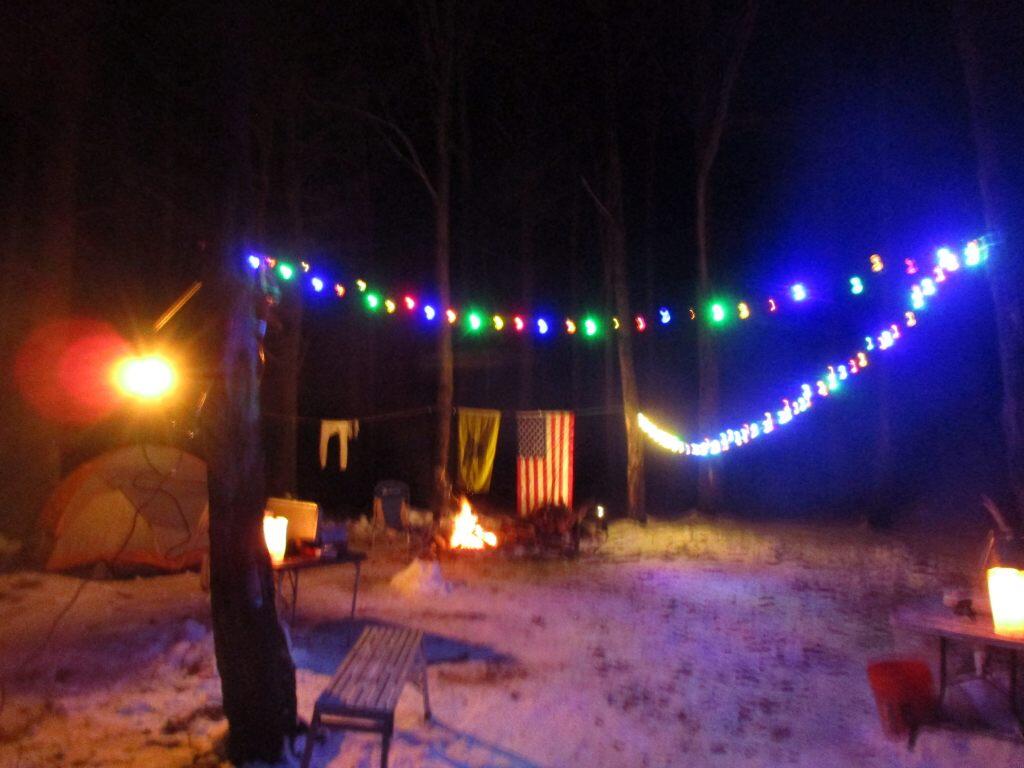
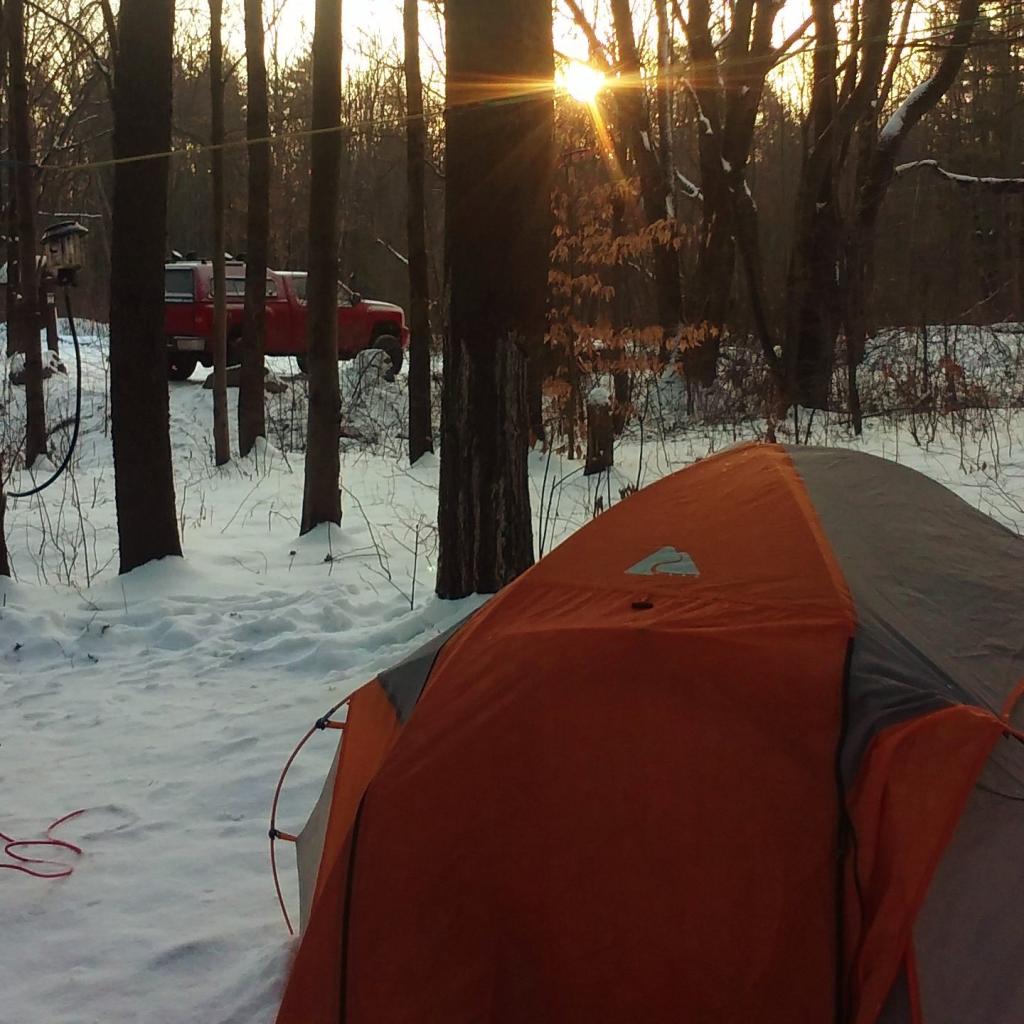
I am thinking about after regular season closes this year, doing another winter camping trip to the Finger Lakes National Forest. I had a lot of fun in 2018, and while it was cold and snowy, it was enjoyable.
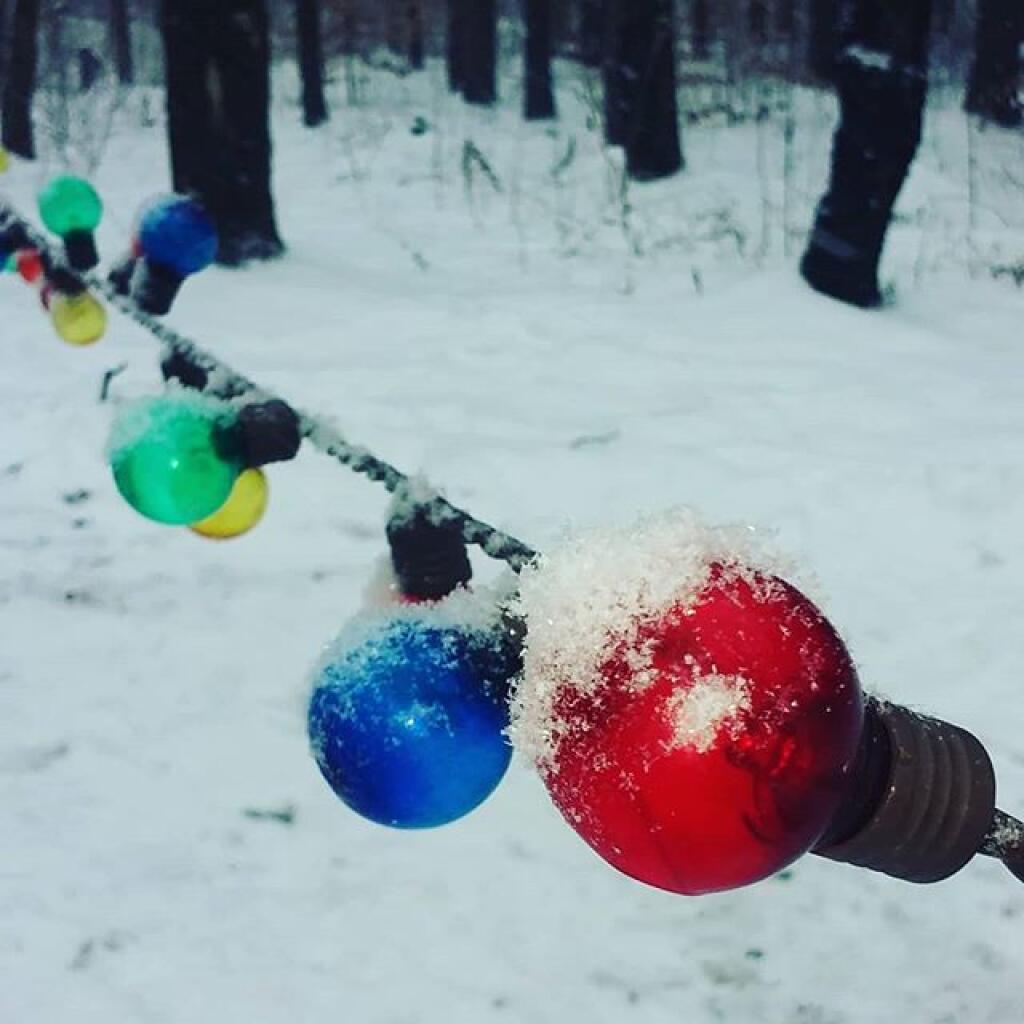
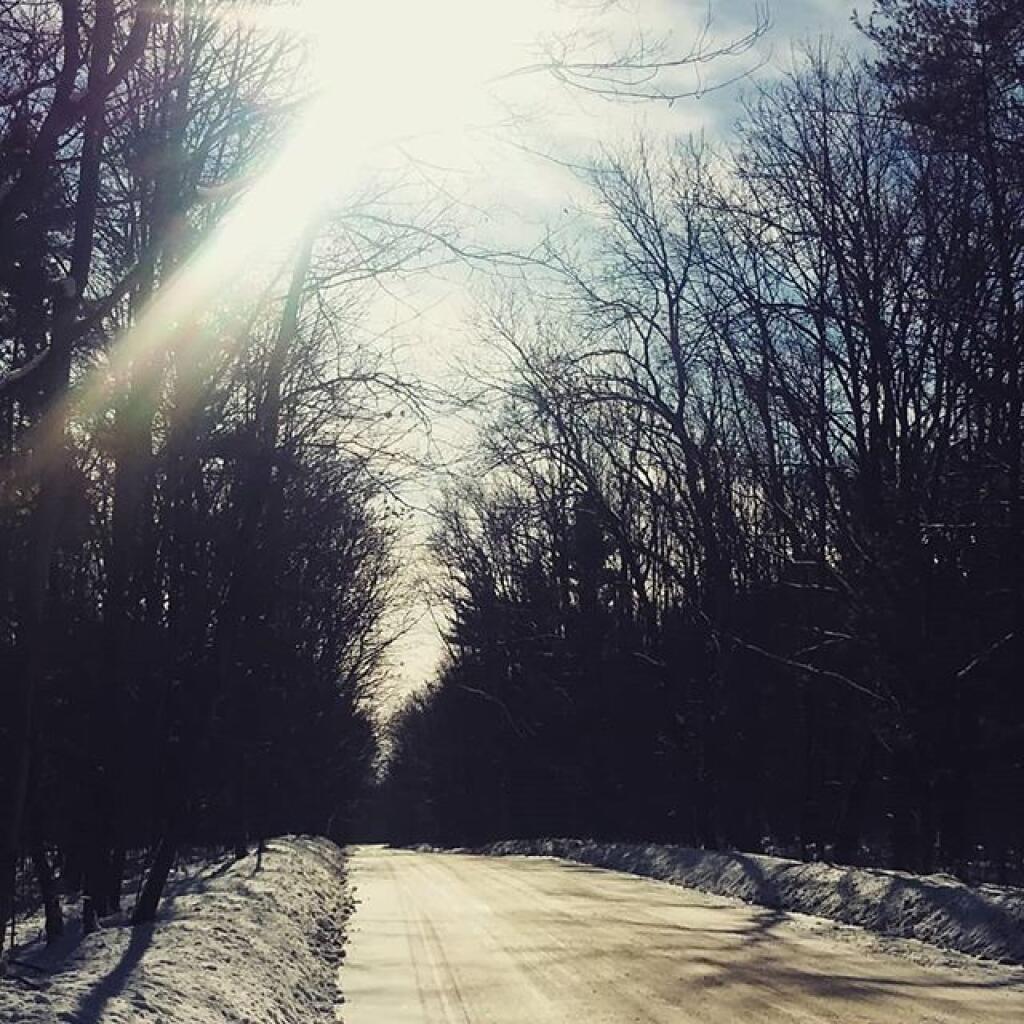
It’s kind of fun to be out in the wilderness in the snow, enjoying the cold and colors.
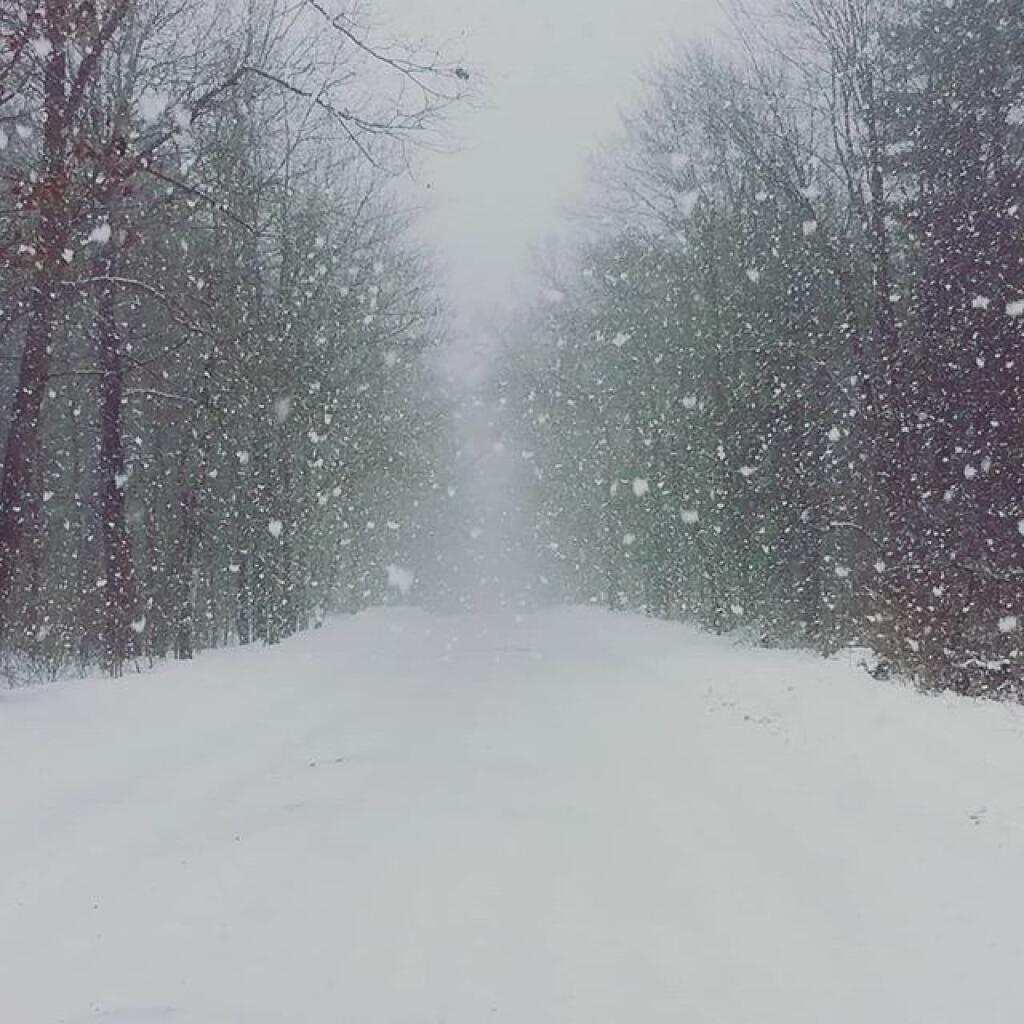
As the snow falls all around.
The sun can be weak but next to heater with a hot cup of coffee, mornings are a lot of fun.