Balsam Swamp is a sprawling state forest that stretches almost 5.5 miles east-west across 4 towns. The area is very rural, and the landscape surrounding the State Forest is predominantly forested. Balsam Swamp State Forest is comprised of a mix of native hardwood forests, hemlock swamps, and conifer plantations. There are no designated recreational trails on the forest, but there is ample opportunity for self-guided day hikes to explore the diversity of habitats represented on this State Forest. Additionally, the western section of Balsam Swamp State Forest is adjacent to Five Streams State Forest to the south.
The main attraction of this forest is Balsam Pond. The impoundment is approximately 152 acres and is a popular destination for fishing and paddle boat sports. Balsam Pond is a warm water fishery that contains a mix of largemouth bass, smallmouth bass, chain pickerel, yellow perch, brown bullhead and sunfish. Tiger muskellunge have been stocked in the past with the last stocking occurring in 1995. However, there have been very few reports of anglers catching any of the adult tiger muskies. A shallow gravel boat launch is suitable for launching small fishing boats.
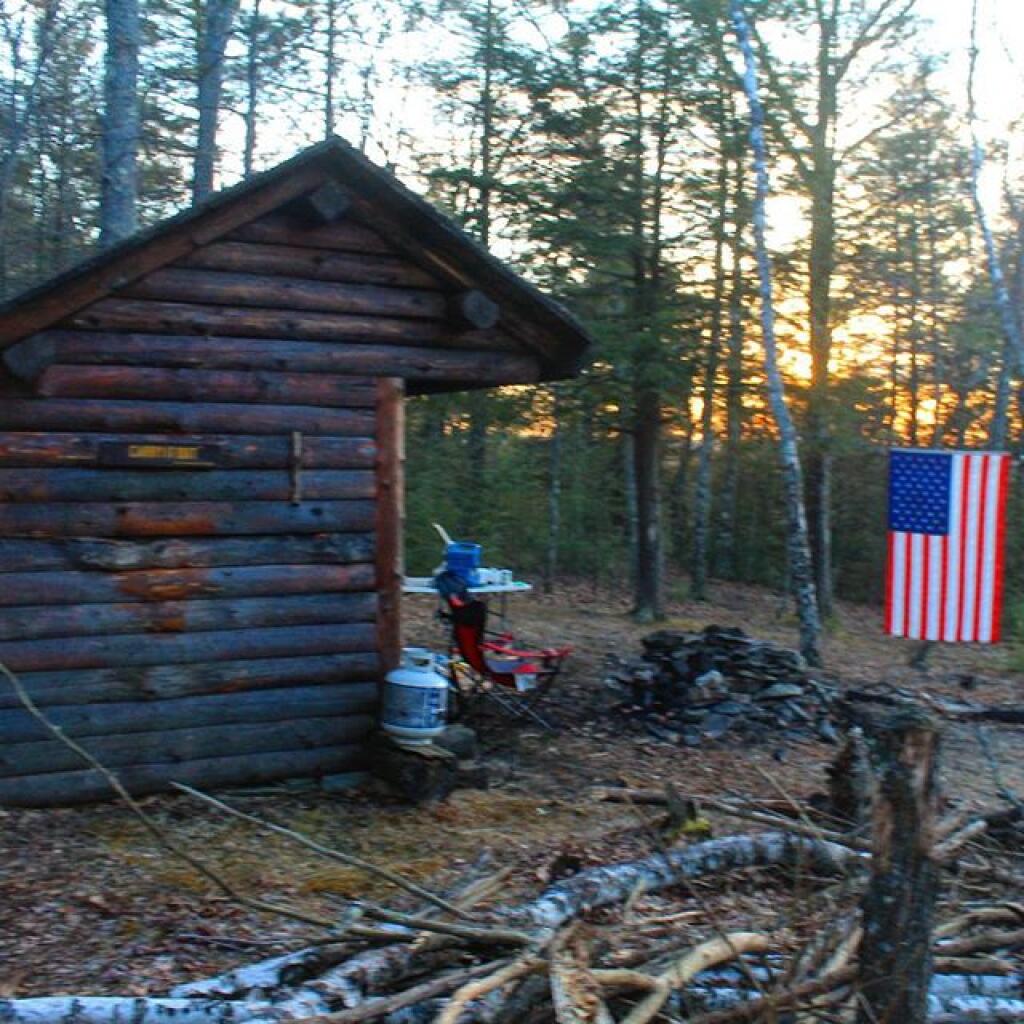
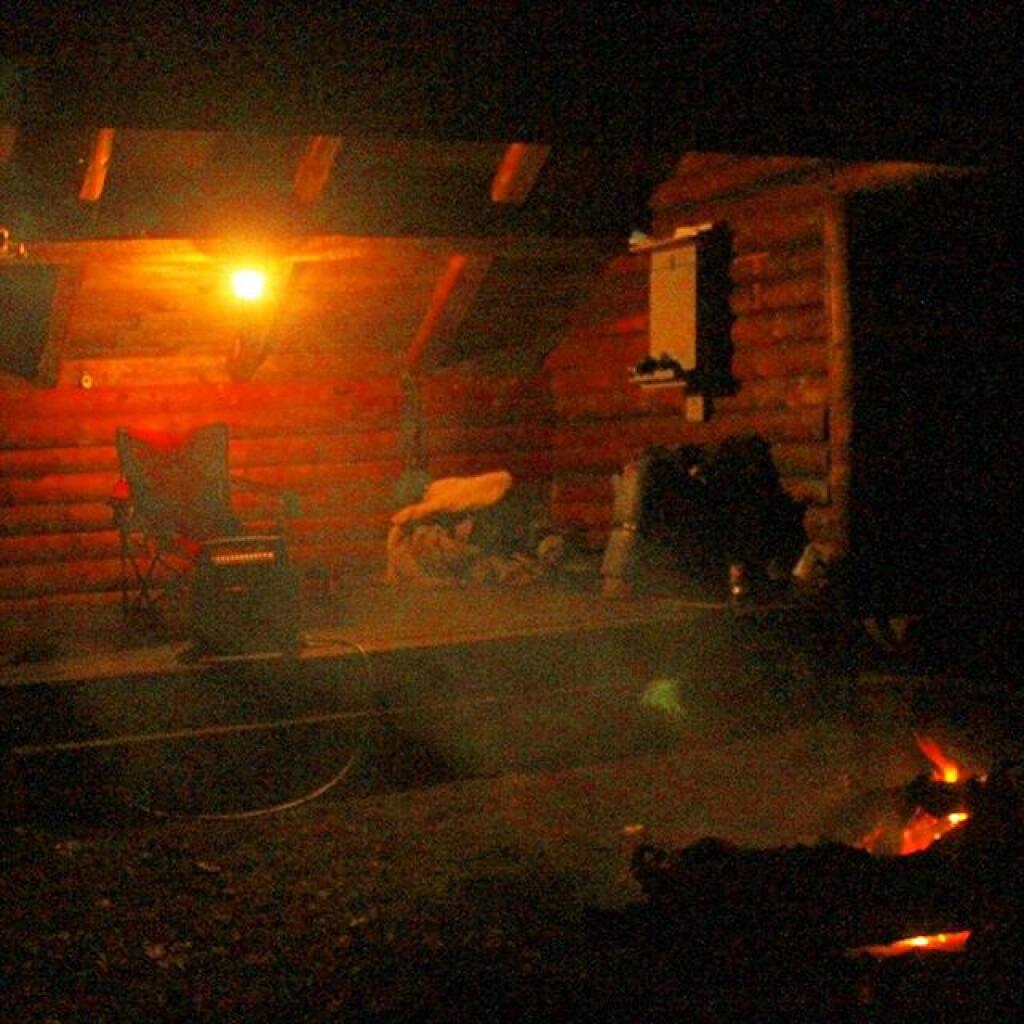
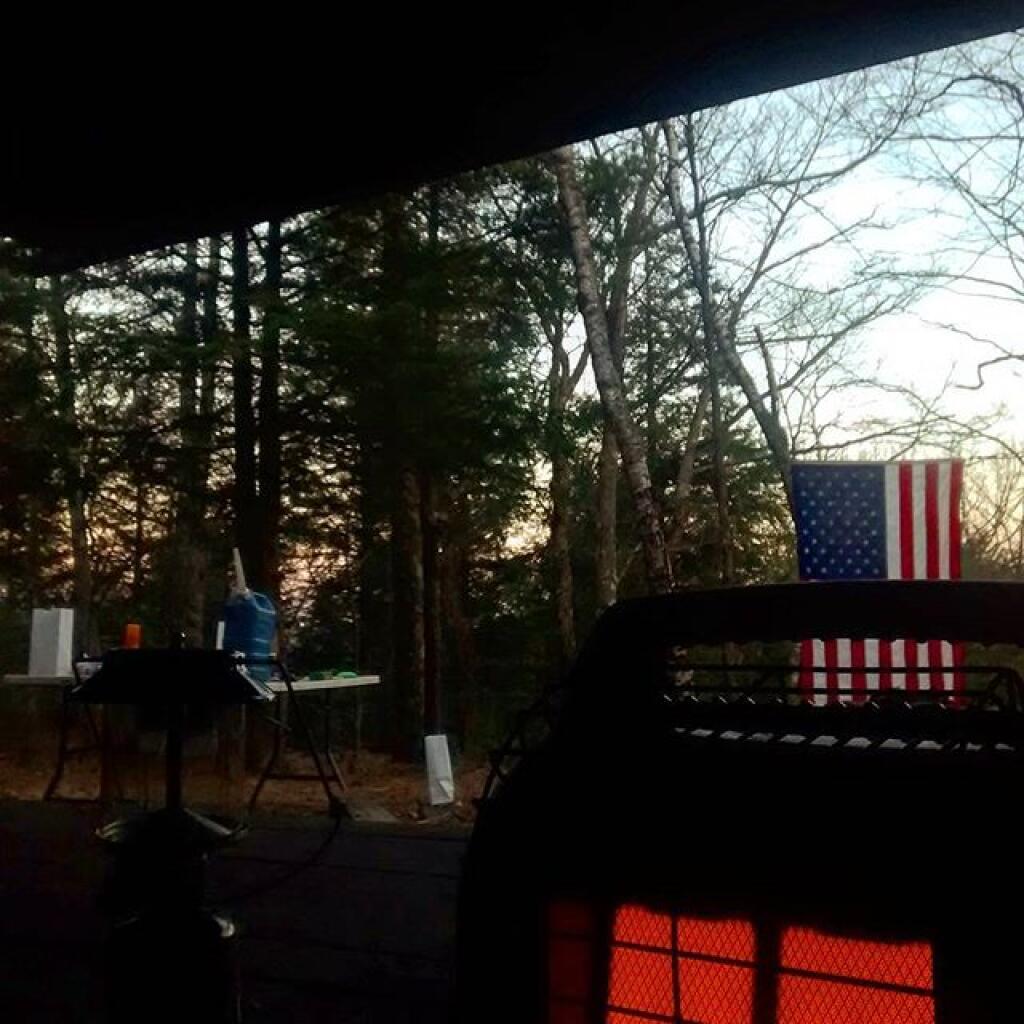
A small rustic camp ground is also located at Balsam Pond. Camping spaces are available at no cost on a first-come, first-serve basis and there is no running water or electricity. A fire ring, outhouse, and picnic table are provided for each camping space. A sign on Balsam-Tyler Road in Pharsalia designates the entrance to the boat launch and camping facility. This is a carry-in carry-out facility. Please do not litter.
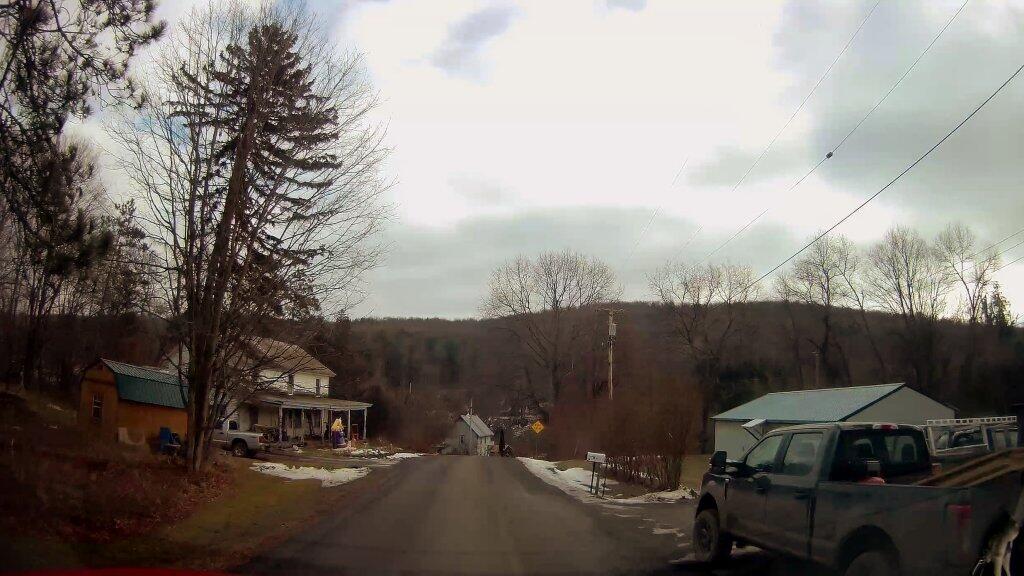
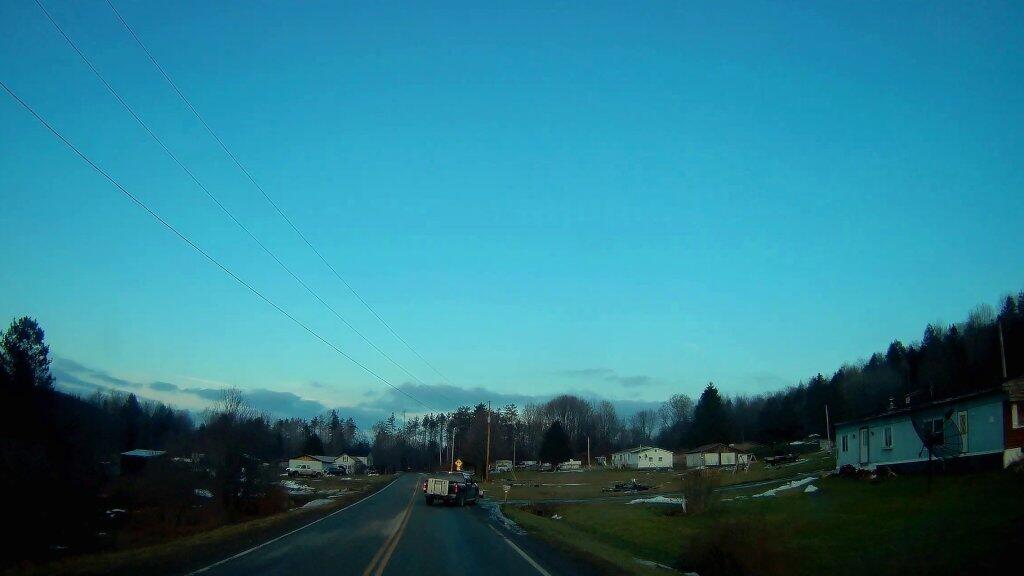
South Hamilton is a small little hamlet in Brookfield near the Moscow Hill Assembly hill at the Brookfield Horse Trail system. It’s fairly hilly country, but still has good enough dirt for some homesteading and dairying.
Honestly, it’s probably no different than a million small hamlets but I still really like it with the rundown, often very old farm houses, the ram shackle barns, the feeder caves and goats in people’s yards, gutted deer hung in backyards, the wood smoke, the piles of junk and old cars and the big jacked up trucks.
It’s real, it’s not plastic and so fake like so much of suburbia…
Renewable energy consumes natural resources. It uses things that are renewable only to the extent its consumption limits the impact on the environment to sustainable levels. It can be much more polluting than fossil fuels due to the larger footprint if not properly sited.
I support strong and skeptical reviews of all renewable energy projects as they tend to be of a higher impact to local ecology and environment than fossil plants, especially per unit of energy generated. That doesn’t mean don’t build renewables but build them properly in a sustainable fashion that protects the environment and isn’t just about greenwashing.
With my job I travel quite a bit and get to see a lot of soulless upper-class suburban areas.🏡 The suburban areas are typically have supposedly nice chemically treated lawns, hardwood floors and enormous high ceilings made out of Chinese drywall and with the finest vinyl decorations you can find at local big box stores. They usually have the best selection of cookie cutter shrubbery and large open kitchen with marble countertops and massive color televisions and smart devices in every room. Everything is made out of cheap nasty industrial materials from China but is celebrated as being modern and stylish.🚽
Organic food fills the pantry and don’t worry, they even have an enormous recycling bin to compliment their even larger trash can. 🎠Advanced electronic controls keep the house a perfect 72 degrees even on the coldest winter day or the warmest summer evening. Because they want to make a green statement they may have grid connected solar panels on their roof, an plug in hybrid in their driveway and a plastic compost bin out bin back.🚗 And a frilly dog inside. That’s the suburbanites life.
They work their high stress job in the big office tower downtown,🏢 drive their plug in hybrid back and forth to work every day through the grid lock of rush hour.🚙 They always send in their yearly check to the Sierra Club and get the latest magazines from the suburbanite house wife magazine. Despite living in tranquil suburbanites neighborhood they live in fear that a criminal, 👹somebody of a dark skin color will break their picture window to steal their color television and rape their wife.
It’s a tacky, awful and expensive life if you ask me. It’s an incredibly consumptive life as they burn through millions of watts to keep the lights burning on the temperature perfect.:idea: They are left with big tax bills and utility utility costs every month. 💰Their lives are completely isolated from the real world, insulated by remote industrial forces outside of their bubble.
I have nothing but disdain for the suburbanites way of living, especially how it emphasizes consumption and debt over all things in life. 💳Rather than saving and investing, it encourages borrowing and television watching promoting even more extravagant suburbanite living.💵
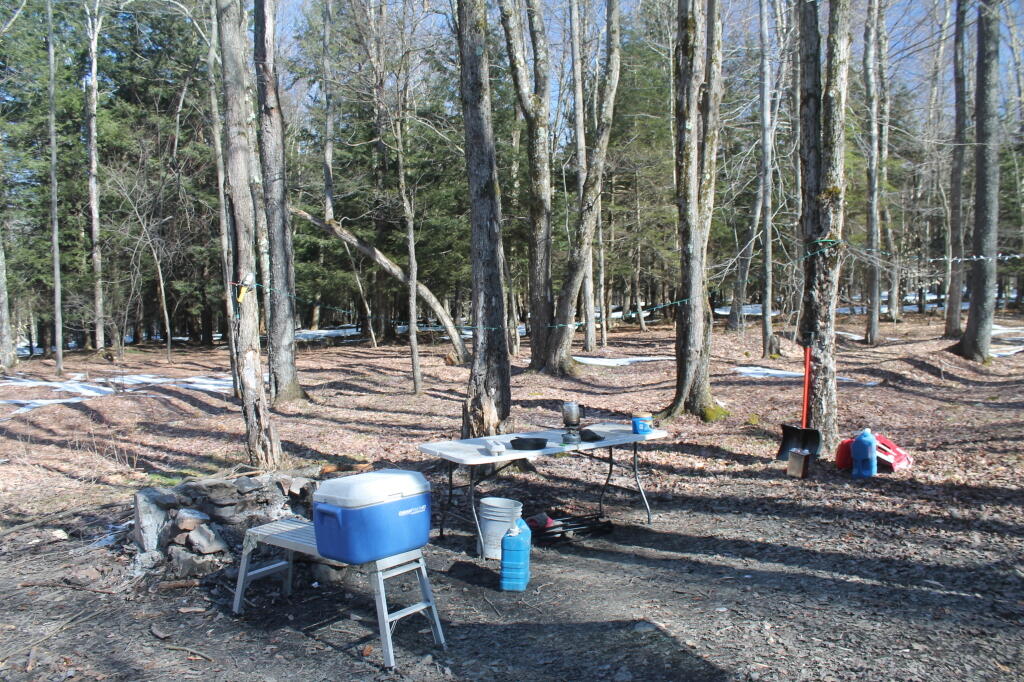
I do enough camping and spending time in the wilderness and I know how to pay my future first and save and invest in a variety of products to allow my money to grow avoid the trap of suburbia.💸 I know that eventually I will be able have a more primitive and responsible life on my land if I plan and continue to invest both in the markets and myself through expanding my knowledge. 📚I don’t have to have a plastic suburbanite life if I don’t want it. If you don’t have those expensive cable and utility bills, don’t own a television or have internet at home you can afford more. 💻If you a primitive water supply, and outhouse and a simple instant on hot water supply for showers you can afford a lot more land and other toys that can bring you closer to the natural world then isolate you further in a plastic world🔌 made up of Chinese drywall, marble countertops, big screen color televisions.
It’s actually remarkable how expensive the modern suburbanite life☎ is based on my estimates, although I guess I wouldn’t really know because despite living in the suburbs I choose not to participate in it. 📲I like my small run down two floor apartments without air conditioning and only minimal heat in the winter. I like taking the bus to work every day and walking around town to the park and library. 📗I like taking my own trash to the transfer station and doing whatever I can to conserve energy at home. And I do enjoy my many nights in the wilderness, camping alone out of eye shot and ear shot of anyone else. 🐄🐂But I do miss the small town living.
Regardless my weekend adventures in the wilderness keep happy as I work for a better tomorrow.
Or so the Roman court declared, and despite some dissent by members of the court, he was executed via the cross for the the high crime of treason. While our criminal justice system has made some progress over the original Roman system of justice — it’s hard to argue that all that much has changed since the days when the Romans laughed as Jesus died in agony on the cross.
Government, even in so-called representative democracies, is the sovereign with power justified by law. What happened — the lawful murder of Jesus Christ by the state — could happen even in our modern times. Law can not determine whether or not something is moral, only what is justified as force by government actions against the people.
Whether or not Jesus was a menace to God and mankind is debatable, indeed millions honor Christ for his organizing of the working man against the rich man. For confronting the Alderman and politicians, for raising his voice. Jesus, the son of God wasn’t afraid to confront power, with acidic attacks on power, confronting comfortable ideas with truth.
Did Jesus argue for the over-throw of the government, the treasonous acts that the Roman court claimed was supported by evidence? We may never know, as much is lost in history. But we do know that Jesus organized the carpenter, the weaver, the farmer, as a voice against the rich and powerful. His power, through the people, confronted old ways of thinking, put established ways of thinking at risk.
You know after all these years of fighting development in the Pine Bush, and bemoaning yet another house being built in a woods or a farm field, I am seriously considering buying some undeveloped land and building a house on it. It’s really hard to find a property with lots of land that has a reasonably-sized structure for one person that is energy efficient and is powered by renewable energy.
How do I plan to address some of my moral quams about developing land?
I am not looking to turn the land into a suburban paradise but instead rural use – homesteading with livestock and gardening, not inconsistent with rural uses
I will work to minimize the removal of trees, especially quality native species and work to plant additional native species
I will work to build the soil using livestock, wood ash and compost, minimize waste generation
I will work to clean the land, remove debris and recycle or scrap as much as possible
I will work to eradicate invasive species and will not plant introduced species except to the extent needed to produce food for myself and livestock
I am planning to use solar panels and wood from on site trees as primary sources of energy
SEQRA calls it the inevitable irreversible consumption of natural resources which it is. But with a light hand on the land, much of it can be restored in the out years or continue to provide rural sustainable housing once I’m gone.


![Untitled [Expires November 8 2025]](https://andyarthur.org//data/photo_021729_large.jpg)