Balsam Swamp is a sprawling state forest that stretches almost 5.5 miles east-west across 4 towns. The area is very rural, and the landscape surrounding the State Forest is predominantly forested. Balsam Swamp State Forest is comprised of a mix of native hardwood forests, hemlock swamps, and conifer plantations. There are no designated recreational trails on the forest, but there is ample opportunity for self-guided day hikes to explore the diversity of habitats represented on this State Forest. Additionally, the western section of Balsam Swamp State Forest is adjacent to Five Streams State Forest to the south.
The main attraction of this forest is Balsam Pond. The impoundment is approximately 152 acres and is a popular destination for fishing and paddle boat sports. Balsam Pond is a warm water fishery that contains a mix of largemouth bass, smallmouth bass, chain pickerel, yellow perch, brown bullhead and sunfish. Tiger muskellunge have been stocked in the past with the last stocking occurring in 1995. However, there have been very few reports of anglers catching any of the adult tiger muskies. A shallow gravel boat launch is suitable for launching small fishing boats.
A small rustic camp ground is also located at Balsam Pond. Camping spaces are available at no cost on a first-come, first-serve basis and there is no running water or electricity. A fire ring, outhouse, and picnic table are provided for each camping space. A sign on Balsam-Tyler Road in Pharsalia designates the entrance to the boat launch and camping facility. This is a carry-in carry-out facility. Please do not litter.
How to create a Shapefile with the Percentage of Polish Americans from the US Census Bureau 🗺
Often you may want to make maps of Census Data. While you can certainly make good maps using ggplot in R, often using full GIS software like QGIS or ArcMap might be a better option. It is very easy to create shapefiles to use in your favorite GIS application using tidycensus. Changing the resolution setting can help if you are exporting to PDF or SVG from your GIS program to reduce file sizes.
library(tidycensus) # you will need a free Census API, see tidycensus docs library(sf) # required for export
# Use this to find Census variables in RStudio. Browse and search the table for # desired variables. # load_variables(2020, “acs5”, cache = TRUE) %>% View()
# Get data. By setting geometry = TRUE, pol <- get_acs( geography = “county subdivision”, variables = c(“B04006_061”, “B04006_001”), survey = “acs5”, state = “ny”, year = 2020, output = ‘wide’, resolution = ‘500k’, geometry = T, )
# use .gpkg extension for a geopackage, .kml for a KML file # saves by default in your RStudio directory but change path to where you want pol %>% write_sf(‘Polish_Americans.shp’)
Manufactured Housing is very odd the state’s assessment records. Some towns assessors don’t use that code at all, preferring to either leave the housing style field blank or describing such structures as Ranch style. For example, Coeymans doesn’t have a single building that is Manufactured Housing but Cario has several hundred. In some towns its inconsistent – varies widely by property – probably whoever was assessor at the time.
But then again, assessment records are riddled with errors. If you look at the City of Albany assessment records, only two buildings were built before 1850, a fact that doesn’t take long to disprove.
After all these years working in politics – as a researcher, a coordinator and then Deputy Director of Research Services – the position I really enjoy is now being the Director of Data Services. Simply said, I like working with data.
None of this should be a surprise, as a teenager I was the quintessential computer geek, first with my Macintosh computers and then Linux. I’ve used Linux exclusively for years outside of work, I became good at using the Unix text utilities over the years for reasons of convenience and necessity.
For years I wanted to get away from computers, I have nothing but disdain for the culture that celebrates materialism and is filled with the latest high technology. I loved the life of working on the Capitol Hill, although maybe not so much the all nighters, sleeping under the desk. Politics is a lot about clever wit and the use of power to get big things done.
But computers and working with data are a lot of fun too. Nothing beats coming up with a clever little shell script, some sql, a C program or R script to fix a problem. A good script can automate and save a lot of labor and product produce better output. I know I’d rather be checking the output of a program I wrote then doing something by hand.
The neat thing about my work is the tools I use – – especially the Unix text utilities are really simple and old but work incredibly well when piped together. As many of our databases are over 10 million records, it can take a fair amount of processing power on the main frame where they run, but the next result is useful data extracted from the system using simple, reliable tools.
There is all this talk these days about machine learning and advanced computing. But there is something wonderful about the simple old tools we use at work. And I enjoy working with them, along with the people. Plus I know every day I’m refining my skills, building my resume, and developing a better life and future that I will be able to take and put forward towards my future life goals.
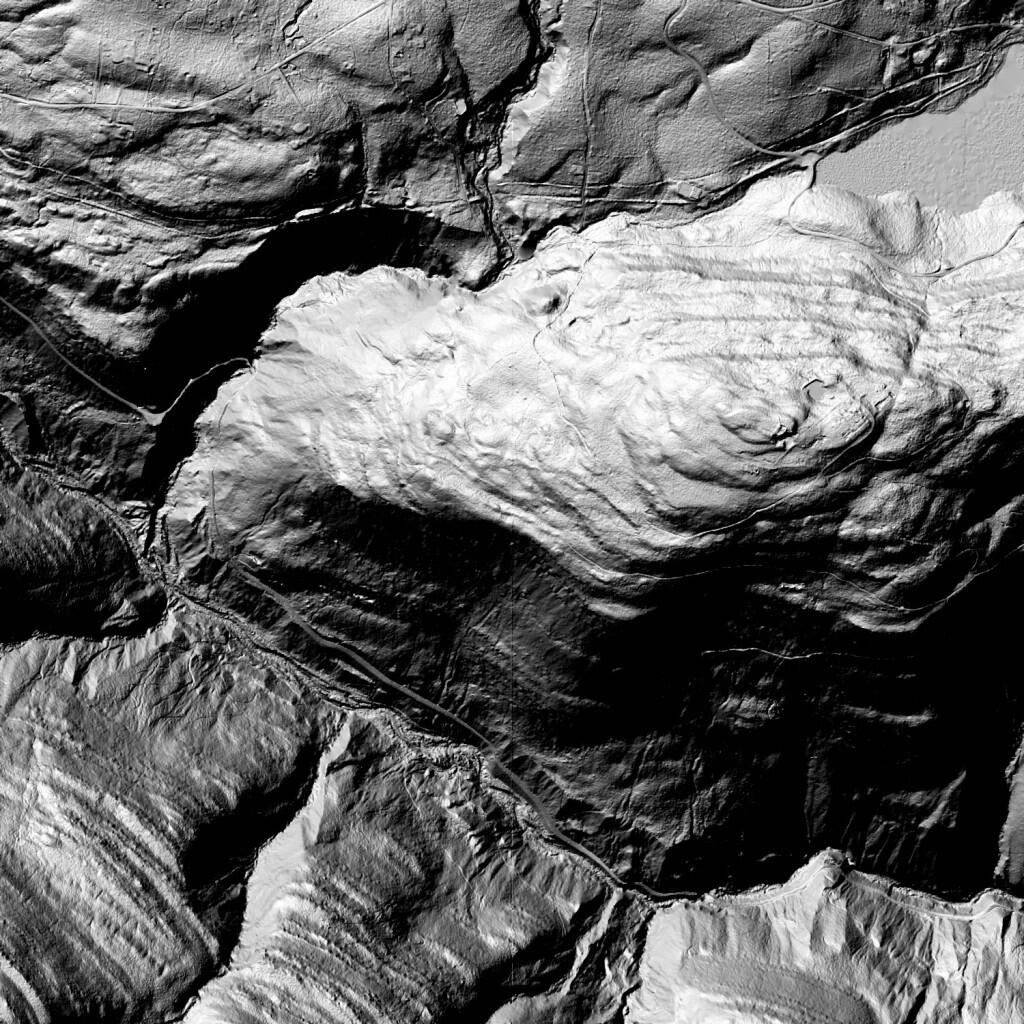
I would definitely use such hillshade data when considering to buy a piece of land, to get a better idea of what its like then what just an aerial photo or map shows. LiDAR see through trees and bushes, it gives a lot more information then you might get without a very detailed survey of a property.
Need a quick Census TIGER/Line Shapefile for a map you are making? 🗺
It is super easy to get using R and tigris and sf libraries. I often will run a command like this in R terminal to get a Shapefile of the of the counties in Maine.
Other common tigris functions I will use is state, county_subdivision, tract, block_group and school_districts which work similarly. A resolution parameter can be supplied to control the resolution downloaded, the cb=T flag obtains cartographic boundaries which follow coast lines, rather then actual boundaries.
I grew up in the country and look forward to the day when I can move back out there …
I want to live eventually in country — off-grid on a hobby farm so I can …
Listen to the sounds of birds and nature.
Have easy access to hunt and fish.
Enjoy the scenic beauty of a rural landscape.
Have fires and burn things whenever I want.
Not have the stress of traffic and overly aggressive government enforcement.
Generate some of my own energy and grow or harvest some of my own food.
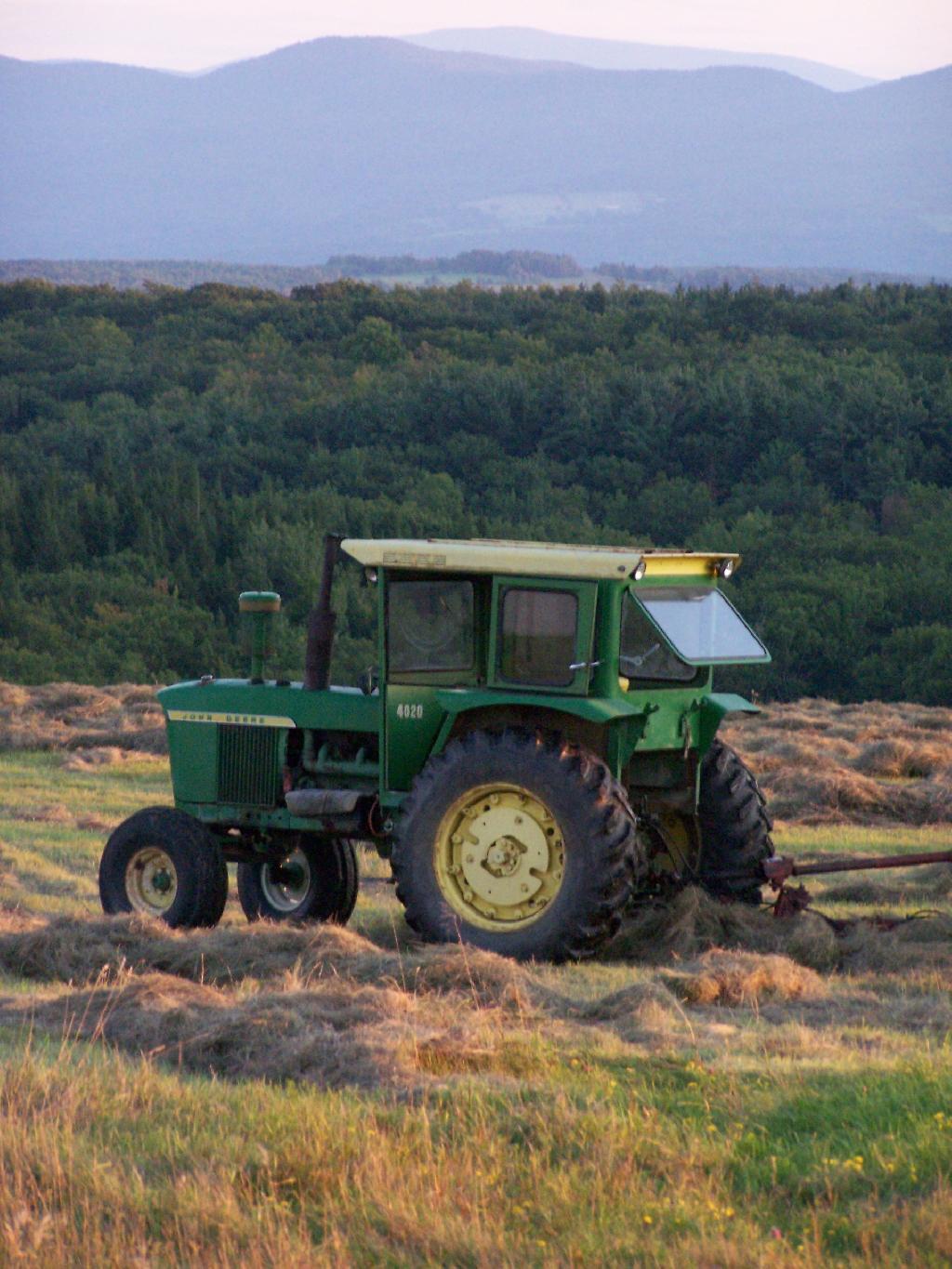
Have machinery and toys to explore and fully utilize my land.
It won’t happen tomorrow, as I essentially work an urban job, in an urban area. But I’m saving my money, learning, studying, getting closer to that day, one day and one dollar at a time.