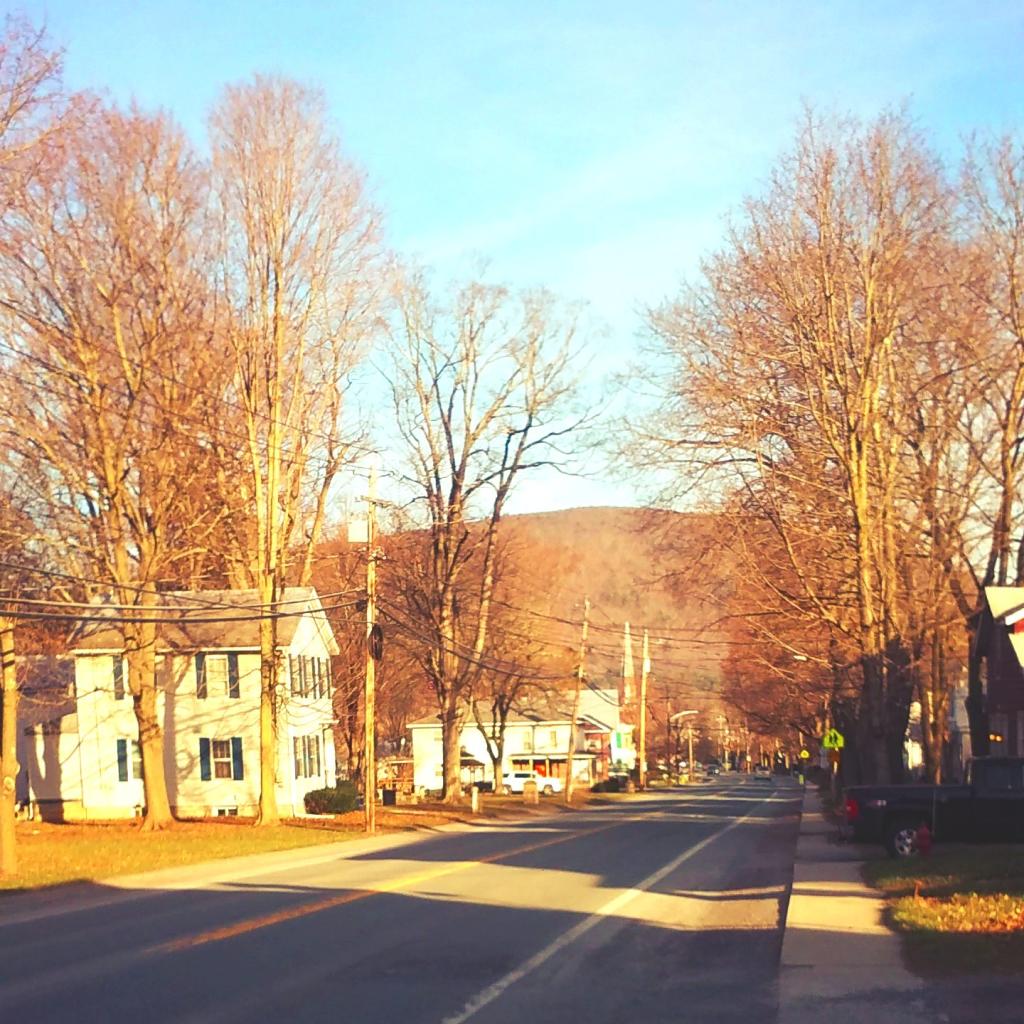
TriMount looking from Hunter Mountain. These are the most northerly high peaks in the Catskills. One range, is north of that -- Windham High Peak and Acra High Point.
The other day when I was walking up Ravine Road I passed that off grid homestead where they live in a trailer… 🏡
Well actually a mobile home is the proper term for these low cost, usually low income form of housing commonly seen in rural communities. They are kind of looked down upon, kind of seen as a home for people who can’t afford better. Most have very little residual value, much of their value isn’t the trailer but the land they reside upon.
So what exactly is a mobile home?
Typically it’s a prefabricated structure with a rectangular steel steel base where wheels are initially mountained on for towing, with 2×6 wooden floor joists and 2×4 wall joists. The walls are typically insulated with fiberglass insulation like most houses, although often thinner than code requires for modern houses.
The outside is weatherized with a plastic vapor barrier and then protected from the elements by thin aluminum sheeting that is nailed onto the beams and caulked to prevent water intrusion. The inside typically uses thin sheets of lightweight and thin pressed board made of wood chips and a binder material, some of which is covered by plastic resin to improve its waterproof nature. Appliances and plumbing are typically lighter weight to reduce the weight when towing onto the site and compensate for the smaller footprint of the building.
The problems that mobile homes face is multi-fold. One is the structure is lightweight and it can be difficult to upgrade to heavier materials like sheet rock or hardwood flooring can poses excessive weight on the floor joists, requiring extensive bracing to the ground. Insulation is another issue, as the thin beams don’t allow for the thicker insulation called for in the building codes for more modern buildings.
Why would I consider it?
Money is a big reason and what properties are available. I’d rather have more land and less house. 40 acres and a junk trailer beats 2 acres and a fancy suburbanite house. An off grid cabin, made from wood or more durable material would be better but sometimes that’s not an option. A junkey old trailer could be demolished with useful parts salvaged for other purposes.
Why might I not consider it?
Getting rid of a nasty old structure can be a lot of work. Even if you can burn a lot of the debris, scrap the metal pieces, your still left with a lot of junk that doesn’t burn that has to hauled off to the landfill or used as back fill on your property. Moreover, some of that rubber and plastic stuff used in mobile homes is really nasty to burn even if you are in a fairly unregulated area that let’s you burn what you want after notifying the fire department. It might seem like a good deal on paper but how good of a deal really is it?
Honestly though…
The videos on YouTube are quite fascinating to watch on this topic. While I certainly grew up in rural area where a lot of people lived in trailers I didn’t know much about the structures and the tear downs, repairs and demolitions on YouTube are fascinating – along with learning how all the different materials go together are used and interact in the structures.
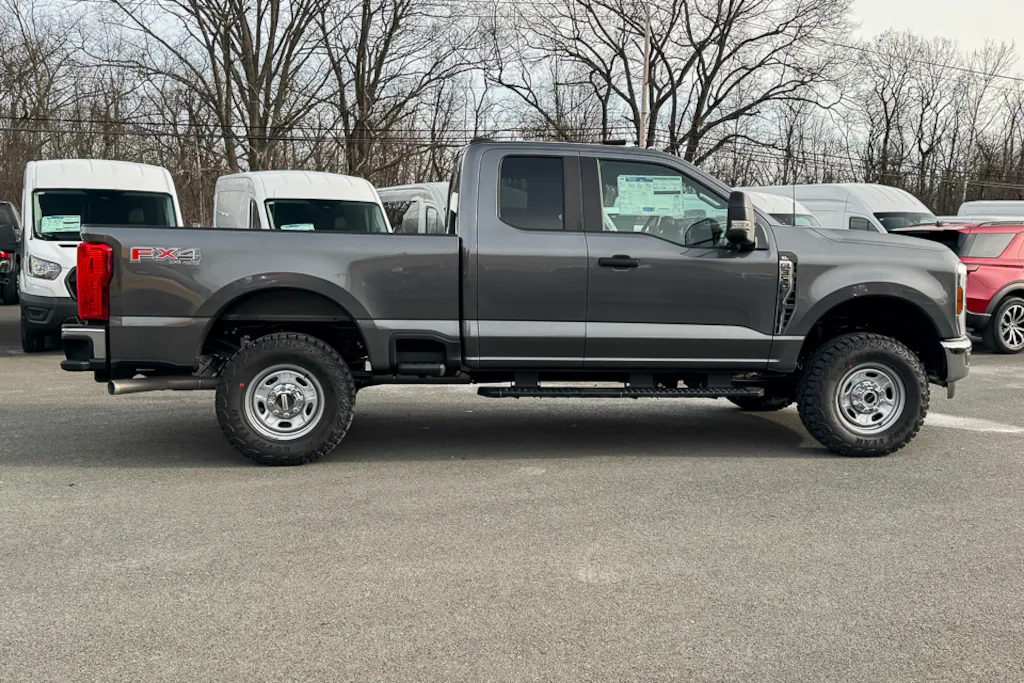
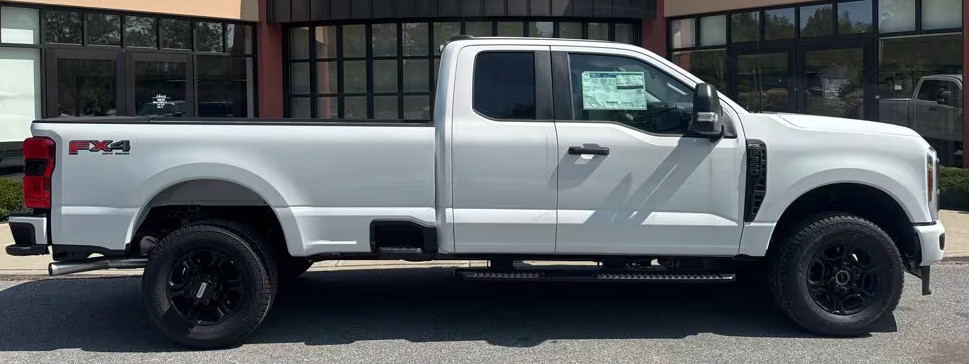
This explanation from Google AI explains the Ford SuperDuty XL Off Road packaged, compared to the Ford SuperDuty XF4 Off Road package. The later is much more common, especially with the Godzilla, but I do like those bigger mud tires on the 17′ steelies.I really can’t justify spending for a Tremor – while nice and I made good money – trucks come and go much too quickly in this world, and I don’t want to spend too much on something that is as fleeting as a vehicle on in my life.
The Ford Super Duty XL Off-Road Package and the FX4 Off-Road Package serve different primary purposes: the XL package is a rugged, budget-friendly workhorse setup exclusive to the base trim, while the FX4 is a “lifestyle” off-road upgrade available across most of the lineup that prioritizes ride comfort and technology.
Old Smokey my truck has both packages.
Comparison Table: XL Off-Road vs. FX4
Feature
XL Off-Road Package
FX4 Off-Road Package
Availability
XL trim only
Most trims (XLT through Platinum)
Tires
33-inch All-Terrain/Mud-Terrain
Standard All-Terrain (size varies by trim)
Suspension
Heavy-duty (standard XL firm ride)
Off-road tuned shocks (smoother ride)
Protection
Steel skid plates (Transfer case, fuel tank)
Steel skid plates (Transfer case, fuel tank)
Technology
Rear electronic-locking differential
Hill Descent Control + Rear locker
Capability
Water fording vent tubes
Standard fording capability
Price (est.)
~$995
~$600
Key Package Highlights
XL Off-Road Package (The “Work” Setup):
Beefier Tires: Specifically includes larger 33-inch Goodyear Duratracs or similar territory tires for better grip in mud and snow.
Protection for Depth: Adds unique water fording vent tubes to the transfer case and axles, and a modified front air dam to improve the approach angle over obstacles.
Utility Focus: Includes a rear electronic-locking differential to ensure both back wheels turn together in slick conditions.
FX4 Off-Road Package (The “Ride” Setup):
Ride Comfort: Its defining feature is the specially tuned off-road shocks (often monotube), designed to handle washboard roads more comfortably than the standard stiff heavy-duty suspension.
Trail Tech: Includes Hill Descent Control, which automatically manages braking and speed on steep declines, allowing the driver to focus solely on steering.
Styling: Features the signature FX4 Off-Road bedside decal.
If you plan to use your truck primarily for job-site toughness or deep mud, the XL package offers better hardware for the price. If you want a smoother daily drive and help with steep descents, the FX4 is the better fit.
In early April, the Pine Hollow Arboretum in Slingerlands begins its slow, beautiful awakening from winter. As you walk the grassy trails, you’ll likely see the very first signs of spring like the delicate pink and white Cyclamen coum (Eastern sowbread) near the front pond.
Low to the ground, early bloomers like snowdrops and colorful crocuses often peek through the last of the leaf litter. You may also spot the bright yellow of daffodils and witch hazel beginning to pop against the gray, cloud-filled sky. Higher up, the buds of magnolias and ornamental cherries are just starting to swell, promising a full palette of spring color in the weeks to come.
The air is soft, a gentle breath, Through Pine Hollow’s quiet halls, Where winter slowly yields to light And the muted shadow falls.
Beneath the boughs, the earth awakes— A stir in the damp, dark mold— Where snowdrops hang their daring white And crocus cups unfold.
The towering pines stand watch in green, While gray clouds crowd the sky, Drifting in on a mild spring breeze As the afternoon slips by.
The daffodil lifts a yellow horn To the mist that’s rolling in, While cyclamen in shades of rose Make the spring’s first song begin.
Nearby the pond, the witch hazel fades, Its golden ribbons spent, As magnolia buds, tight and round, Wait for the sun’s consent.
The world is held in silver light, Twixt the sleeping and the seen, Walking where the spring begins In the spaces in between.