The man who spoke to Semafor also said he once met the former mayor at a Mets game in 2016. “How bad is it having the same last name as me?” the former mayor apparently asked him. “Dude, you’re killing me,” the Long Island man said he responded.
Though their names are quite similar, lest you mistake them for identical: The former mayor spells his last name with a space and a lowercase d, while the man who spoke to the Times sticks with no space and an uppercase D. As the no-space-uppercase DeBlasio put it to Semafor, only “low-class Italians use a little d.” Case closed, I guess!
I was surprised that SNAP (Supplemental Nutrition Assistance Program), the food stamps program is not like WIC (Special Supplemental Nutrition Program for Women, Infants, and Children) in that there is no requirement that foods be healthy. SNAP prohibits certain items like hot food, alcohol, and tobacco – but not specifically prohibit processed, unhealthy foods. There is no list of SNAP legal foods outside of those broad prohibitions.
Is there really much of a difference between consuming tobacco and alcohol, and eating a candy bar or drinking soda? Or eating hot pockets? While snacking on candy bars won’t get you into an immediate auto wreck this afternoon, it will lead to diabetes, heart disease, obesity and a shorter lifespan. I really don’t think the government should be using taxpayer resources to subsidize death and disease.
The USDA has been pushing back against Robert F. Kennedy Jr’s push on the use of food stamps to buy soda and other junk food. They say it’s difficult to technically implement but I would argue that’s not true if they can do it already for WIC. Why should processed foods be part of SNAP? They already ban hot foods, so I don’t see why they couldn’t ban most other processed foods and have a much more limited list of healthy, nutritious foods that support a healthy body.
Restricting food stamps to healthy foods only makes sense and would save the government money. It could also be used to increase food stamp allotments to individual recipients – if some people choose not to fully utilize their benefit – they could plow that into a higher overall allotment for all recipients, ensuring that people have more healthy food.
One of the things I don’t like about owning land is the long commute. Everybody warns me about it, but it’s not like I’m unfamiliar with it having lived in Dormansville for many years growing up and commuting various jobs in the Greater Albany area. I haven’t driven to work in many years, but I do remember those days well. I also drove from Dormansville up to Hudson Valley Community for two years, five days a week. That was about 30 miles each way.
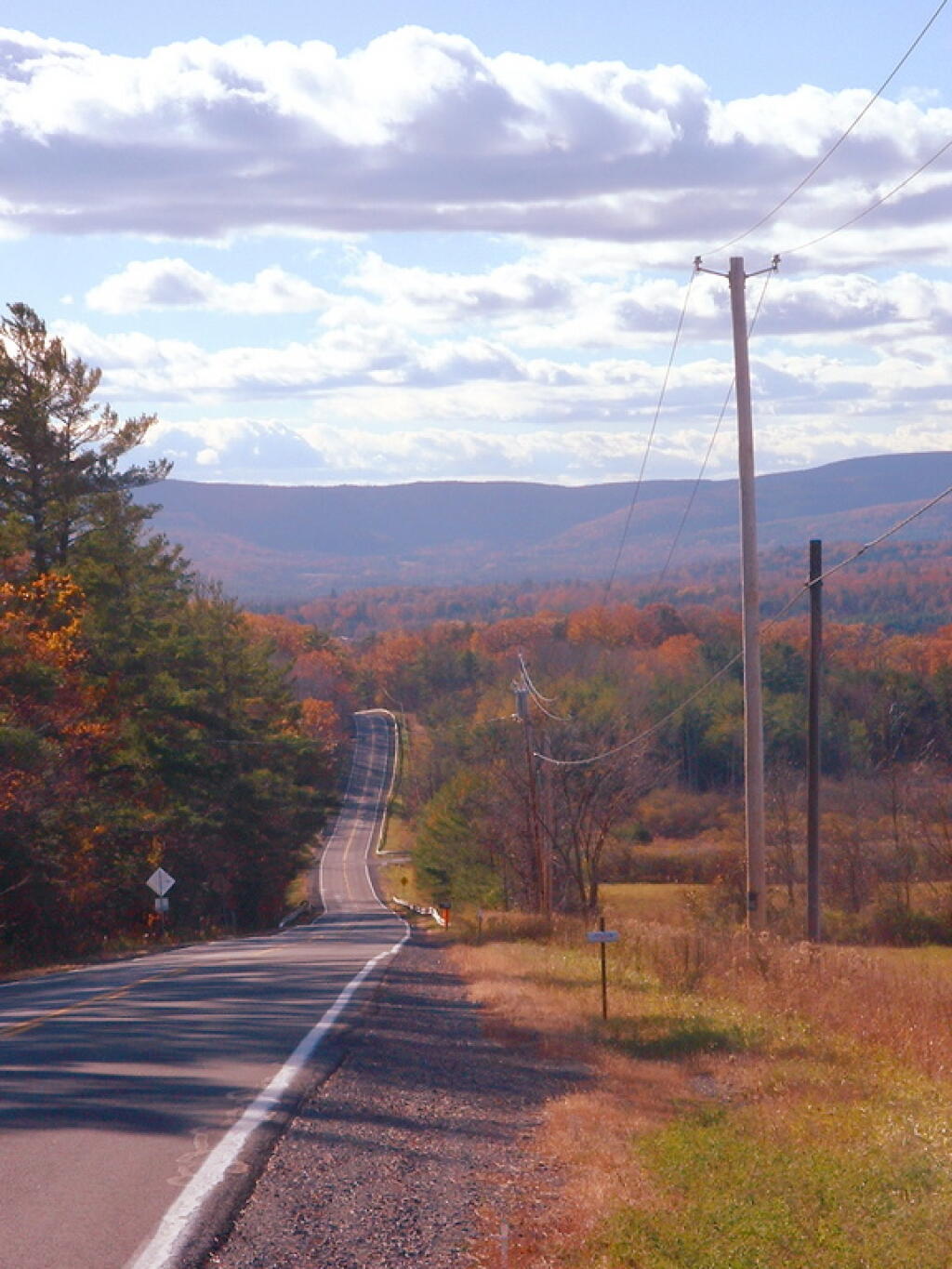
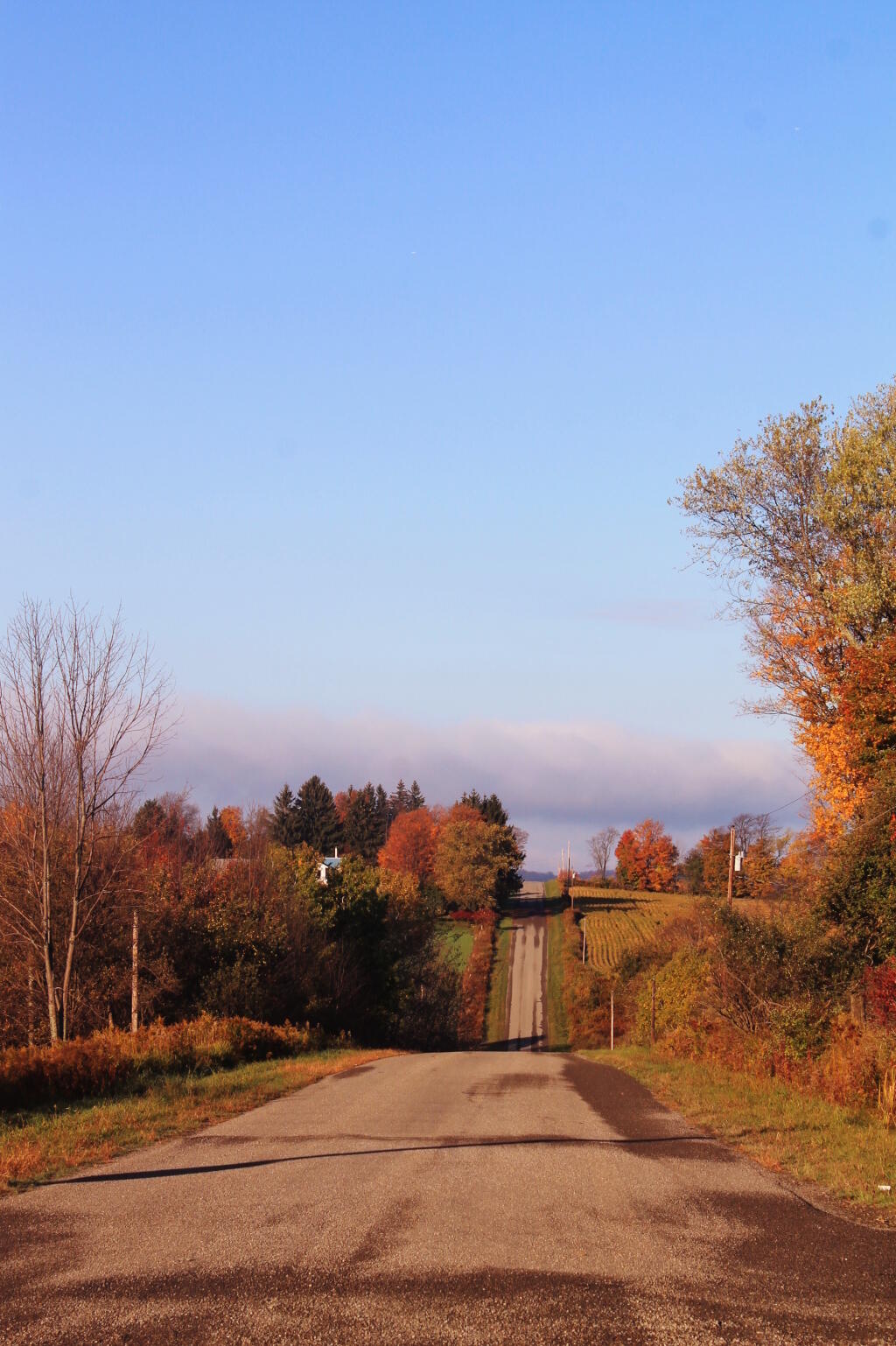
Some people do long commutes to get more affordable property. Other people do it because they like the rural lifestyle, they want acerage, land they can call their own. That’s the camp I fall into. I have determined that a 30 mile commute — 45 minutes each way or an hour and half total is a reasonable trade off for a rural lifestyle. Especially if much of that commute is on fast-moving, 2 lane rural highways, it’s something I can live with even if it’s a pretty big nuisance.
Things have changed in my life — working in the suburban office with acres of parking, and a 9-5 schedule. Except for those dark days in November, December, January and early February, most of the time I will be driving in the daylight. It’s much different then when I was working the late nights, in a downtown office, where the only option for parking was off-site in a large parking garage.
At roughly 350 miles a week (assuming up to 10 miles per day side trips), it’s a lot of driving and it’s tough on cars. As much as 18,200 miles a year. Each week 7 1/2 hours spent motoring if it’s 45 minutes each way. Then again, I guess the flip side is that’s about what I spend on bus between the time getting out to the stop, waiting for the bus to arrive and head home. But a whole lot more expensive. And that’s time I can’t spend exercising or doing other things, though I can certainly stream podcasts and audio books as I drive.
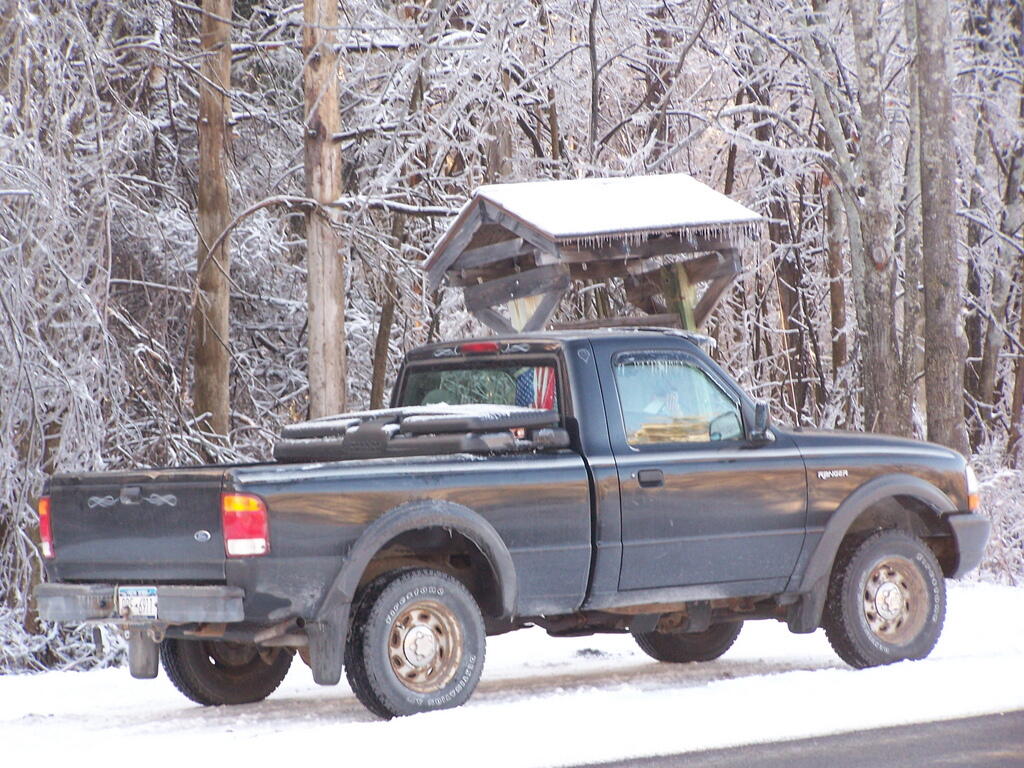
I can figure on using a tankful of gas each week. Probably not an $80 or $100 tankful, as I don’t think my big jacked up truck has all that much useful life in it, but certainly $50-75 a week in fuel, especially if I end up something like a 4×4 compact pickup like a Toyota Tacoma. Probably going to need something with four-wheel drive out in the country for the winter and mud season. When fuel prices inevitably go up to $5 or $6 it will become a big pain the but though my budget and salary can absorb it. Plus replacing the vehicle every 8-10 years due to the mileage more then the age. Again, I’m sure I can afford it but do I want it?
I don’t know, I kind of like living in the city and busing and biking it to work. I don’t have to worry about weather or breakdowns. But the flip side, is I like being out in country, having fires, burning things, listening to frogs and howl of the coyote and the idea of owning my own land, and not being a pawn at a landlord’s game. Where I have a real home, not a moldy shit shack where I get my mail and plan my next escape to the wilderness. It’s where my roots are. I really struggle to know what’s right but I’m deeply unhappy with the my current situation.