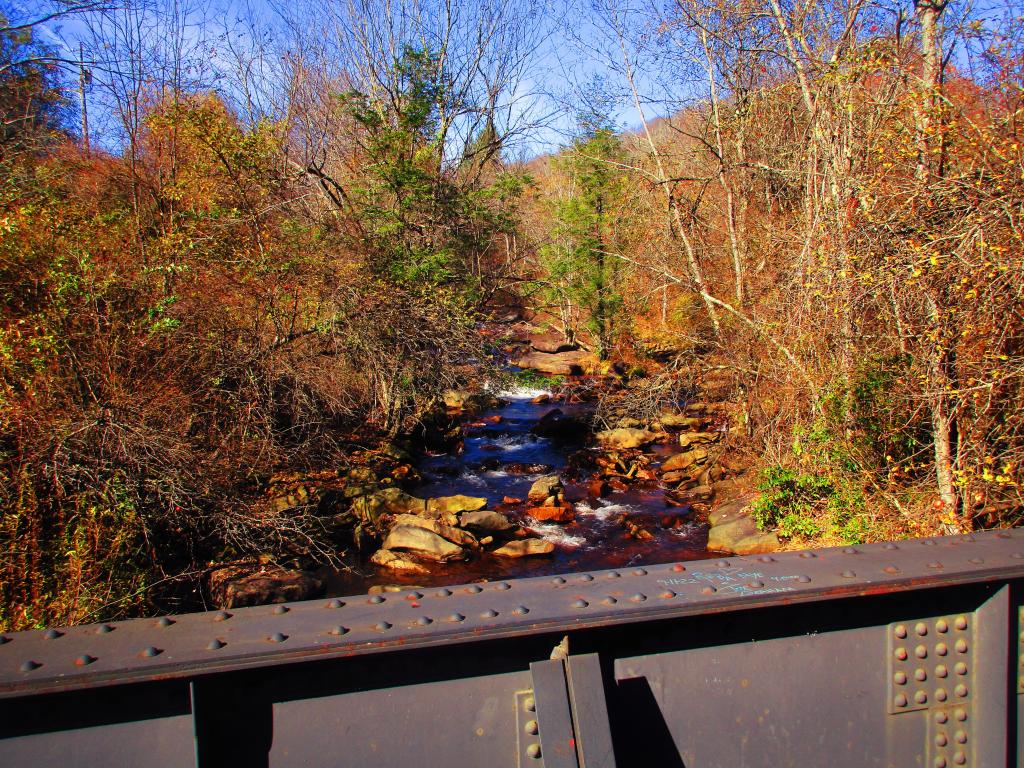
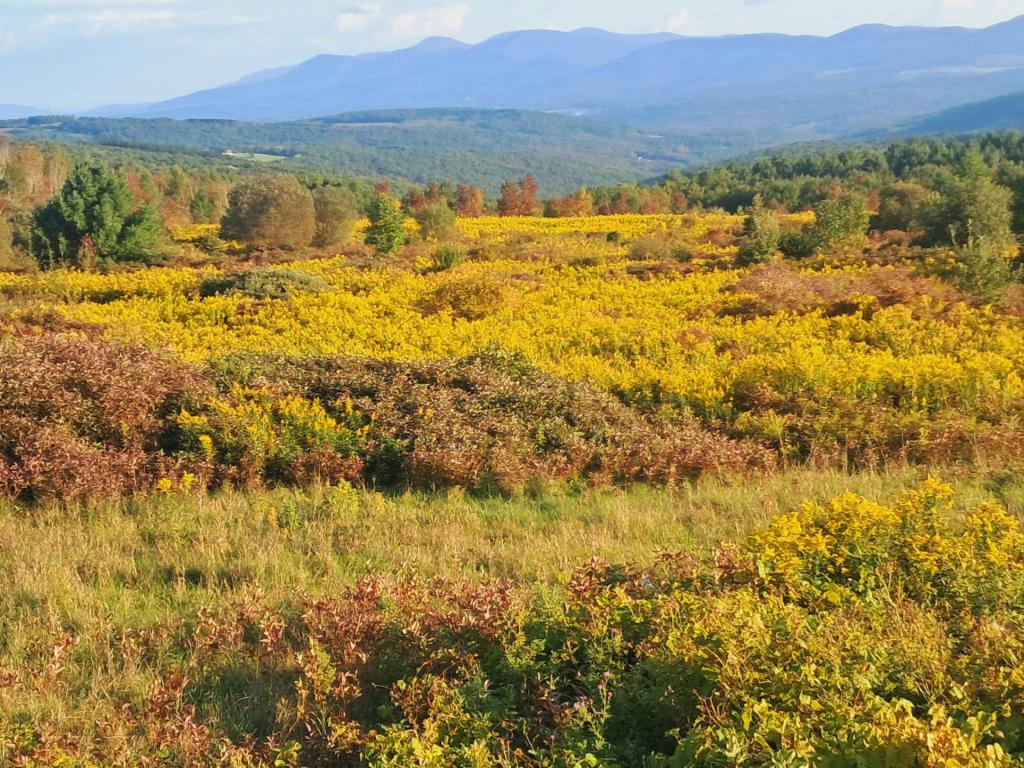
Bridge across the Long Run in Douglas. Right before the Douglas Falls and the long drop into the valley along the old Blackwater Canyon Railroad Grade.
Pigs have always been such a fascination to me. Not just because they're dirty and smelly, but because they can help cycle nutrients into the land, eat food scraps, tear up the soil and mix it with rich manure.
Next year I need a new truck. Big Red has been good but he’s getting long in the tooth – with everything falling apart and rusting away after what will be 15 winters – and I want something smaller and easier to drive for a great adventure out west. Full-size trucks can be a bitch on narrow trails and campsite. I’d hate to have to back Big Red a half mile because no turn around exists on a dirt road blocked by a down tree or wash out. The truth is with my suburban office it’s only a matter of time before I have to start driving to work especially if I move rural or even to a slightly less dumpy apartment.
I am thinking about getting a Toyota Tacoma 4×4 with a six foot bed. I’m not set on an extended cab versus quad cab, it depends on what is available and what price. While I could consider a domestic make, I’m not sold on the reliability of the latest models of the Chevy Colorado and Ford Ranger. Nissan Frontier is a solid truck with a tested design but I worry that Nissan won’t be around in another ten years and that could make parts and repairs difficult.
There are other alternatives to buying a compact pickup. Some have suggested I would be happy with a freight van or an SUV. Then I could use the vehicle climate controls to heat or cool it. But I’ve never had issues with camping in the truck bed even in the winter with it unheated. Most vans and SUVs aren’t true 4×4 and aren’t good in snow or mud off the suburban street or even on rough dirt roads. Plus a truck and cap would be good if I end up owning land in the next 15 years – I’d much rather have a goat or feeder pig in the bed of my pickup then in the cab with scours spraying manure all over. Or hauling cans and unburnable garbage to the transfer station. And to be honest, I like camping a bit rough.
A quad cab would have more room for gear. I would consider paying extra for one of off-road packages, as I don’t think I would put a lift kit on the truck – as much as I like the higher ride – the lifted truck sucks to drive at night and a lift kit puts a lot of strain on the rest of the suspension especially if you plan to take it on a lot of dirt roads. I don’t climb over many boulders – occasionally campsites have a bit rough driveways but a stock 4×4 should be good for that. But I probably could use upgraded shocks for the roads I like to drive to get in the back country.
I would get a cap for the truck. I kind of like having the extra height cap but nowadays I’m more concerned about fuel economy as my new vehicle will inevitably have to be used for commuting so a flat roofed cap would be the most sensible option and best for long trips especially if I’m thinking of driving out west the next few years. Then if I eventually settle down in the homestead, small livestock and even bottle calves or feeder pigs could be hauled in the bed of the pickup under the cap. Or lumber and equipment. I would want Yakima tracks on the cap so I can mount the solar panel and my kayak rack to the roof.
I would mount the batteries – each in front of the wheel wells of the pickup and mount my solar panel on the roof of the truck. This set up I would have the inverter and solar controller not in the cab but in the cap. This would mean less wire to run. I plan to reuse all that equipment from Red. I would also run a wire to the hood with a relay controlled by voltage to connect to the alternator and starting battery for charging from the alternator or solar. Build a shelf like I have in my current truck for camping.
It’s not going to be my final vehicle but it will be likely my final vehicle before early retirement. 15 years from now I will be 57 and if I stay with the state I will be in good shape to consider retirement from government work to focus on building that off grid homestead. I may need a bigger truck like a 3/4 ton if I’m regularly hauling tractors, water or large livestock to the homestead. But that’s not the life I’m living in my mid-40s. But I think a truck like I’m describing makes sense for the next stages in life – still traveling and camping but also good for the inevitable commuting and still useful if I settle down in my years before early retirement for the future homestead.