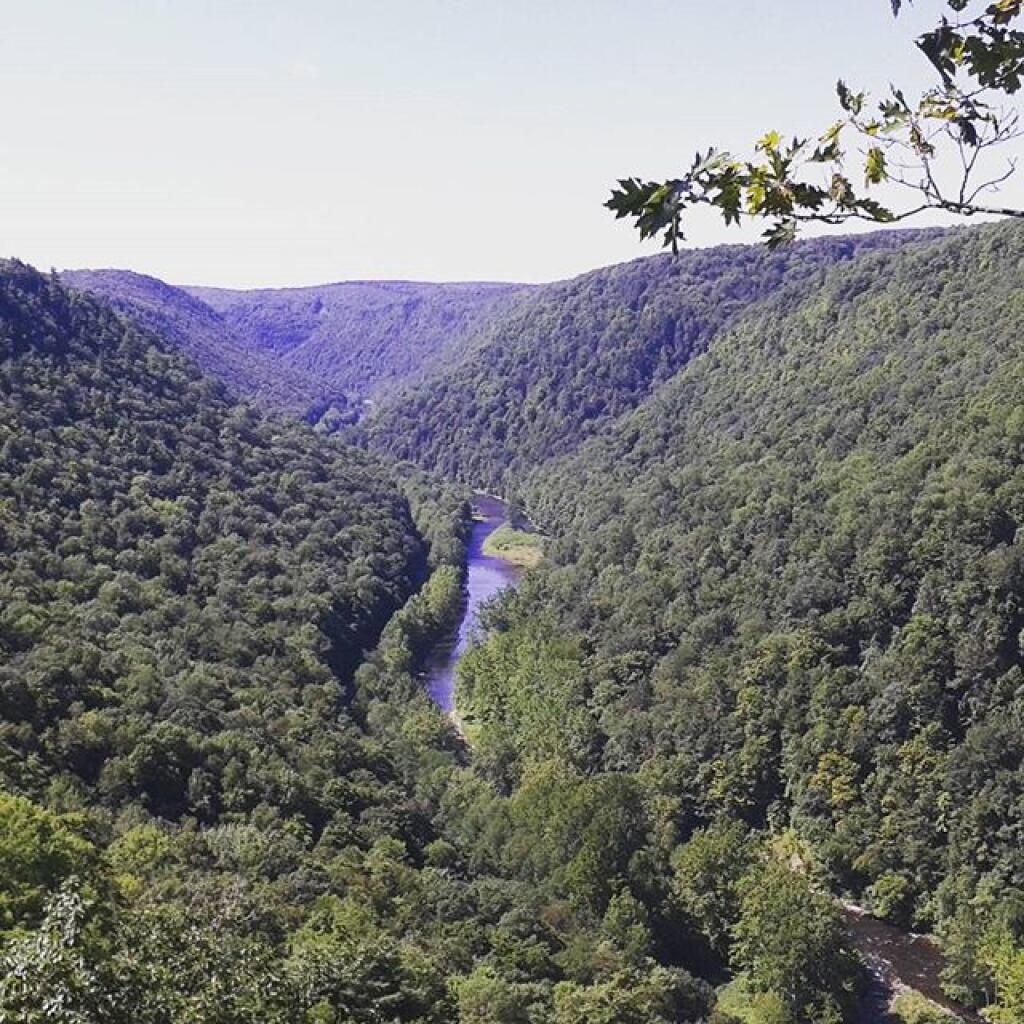
I have a bunch of photos and videos from vacation that I’ve yet to post. I’m hoping this evening, I can get down to the library and start uploading them, as long as I’m not stuck at work too later.
"Everything we eat depends on the sun. This statement probably seems obvious, but it’s key to understanding why we need both plants and animals working together in a sustainable food system. Living things that make their own food by using energy from the sun and carbon dioxide in the air are known as autotrophs. Autotrophs provide the energy that allows all of us on earth, from bacteria to humans to elephants, to live. A key principle in ecology is that every time energy moves from one trophic-level to the next, about 90% of the energy is lost as heat and only 10% is captured by the organism. For example, when cattle eat grass, 90% of the energy in the grass is lost as heat, and if we humans eat beef, 90% of the energy in beef is lost as heat. As a result, we humans are only capturing about 1% of the energy in the original plant eaten by the cow for ourselves. The more trophic levels you get away from the original source—the plant—the more energy is lost."
Logically, this basic truth of energy loss in the food web has driven some to call for “eating lower” on the tropic scale—eat more plants and fewer animal-sourced foods. In some ways, we already do this in the United States—about 70% of the calories in the average American diet come from plant-sourced foods. If this inefficiency exists when you move from one trophic-level to the next, why eat animal-sourced foods at all? The answer is two-fold: the energy contained in plants eaten by animals is often unavailable to humans by eating plants directly, and food security is more than simply calories available."
" The Trump administration has done the opposite of what advocates expected. On the last day of the Obama Administration, in a now-vanished press release, the EPA announced ten toxic chemicals that would be the first to be reevaluated under the revised TSCA. Asbestos was one of them. In May, Trump’s EPA announced it would not investigate indirect exposure to those chemicals, including in air or water. Asbestos that winds up in landfills would no longer be included in the agency’s risk assessments, nor would so-called “legacy uses”—meaning older buildings with degrading, asbestos materials no longer intended for manufacture. Those considerations would guide the way the EPA reviews new asbestos uses that come before it."
"All that said, it’s extremely unlikely that companies will be chomping at the bit to put asbestos back into your house. They have been free to use the stuff for decades. But the last US asbestos producer shut down in 2002. In 2016, only two companies, Axiall Corporation and Olin Corporation, imported asbestos in significant quantities—both to synthesize industrial chlorine for use in PVC piping and other plastics. (This process was exempted from both the failed EPA ban and the European Union’s comprehensive ban in 2005, on the grounds that asbestos use was confined to the production process.) According to the USGS, the chloralkali industry likely accounted for 100 percent of domestic asbestos consumption in 2016. While some finished products containing asbestos—including brake liners, roof coatings, and gaskets—are imported into the country, their total value is estimated at under $5 million."
"What explains the cratering in asbestos use, even as the EPA had its hands tied by the 1991 court ruling? Health and liability issues. Because asbestos is so indisputably linked to cancer, asbestos lawsuits are a multi-billion-dollar industry. Approximately 100 companies have been forced into bankruptcy by asbestos litigation, to the extent that Congress had to amend the Bankruptcy Code to allow special asbestos trusts. Plenty of non-carcinogenic substitutes are readily available, and even the chloralkali industry is slowly changing its ways."