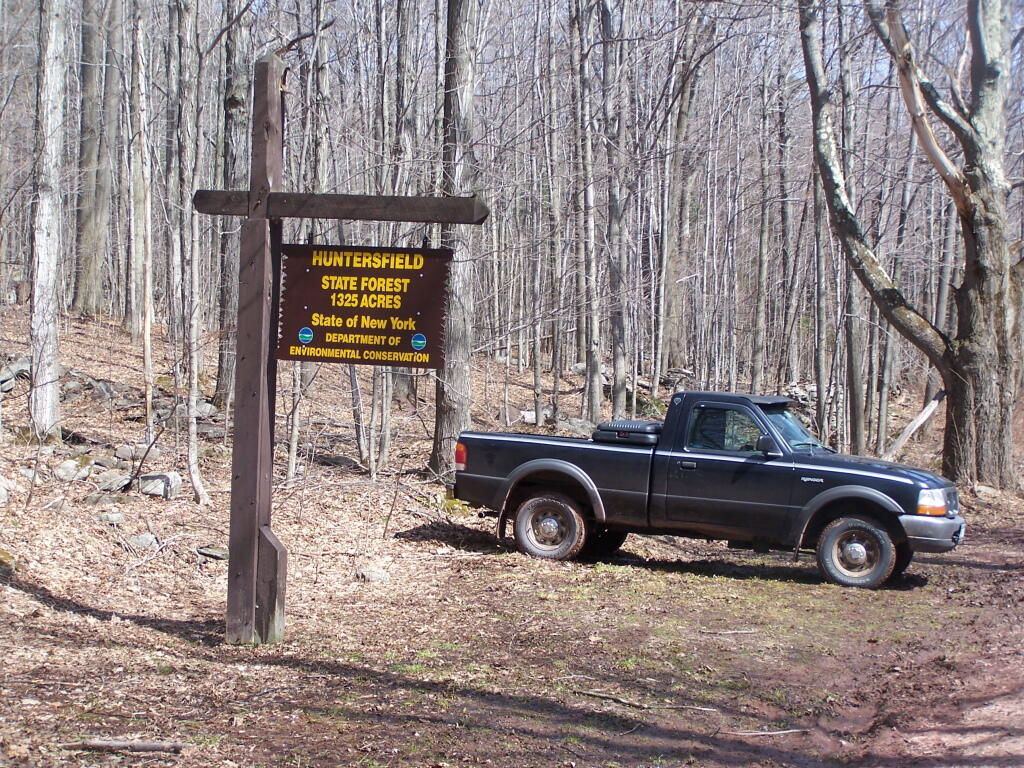
This is about as far as I got up Huntersfield Mountain Road on the south-end, before parking and deciding to hike the rest of way due to the snow on the road.
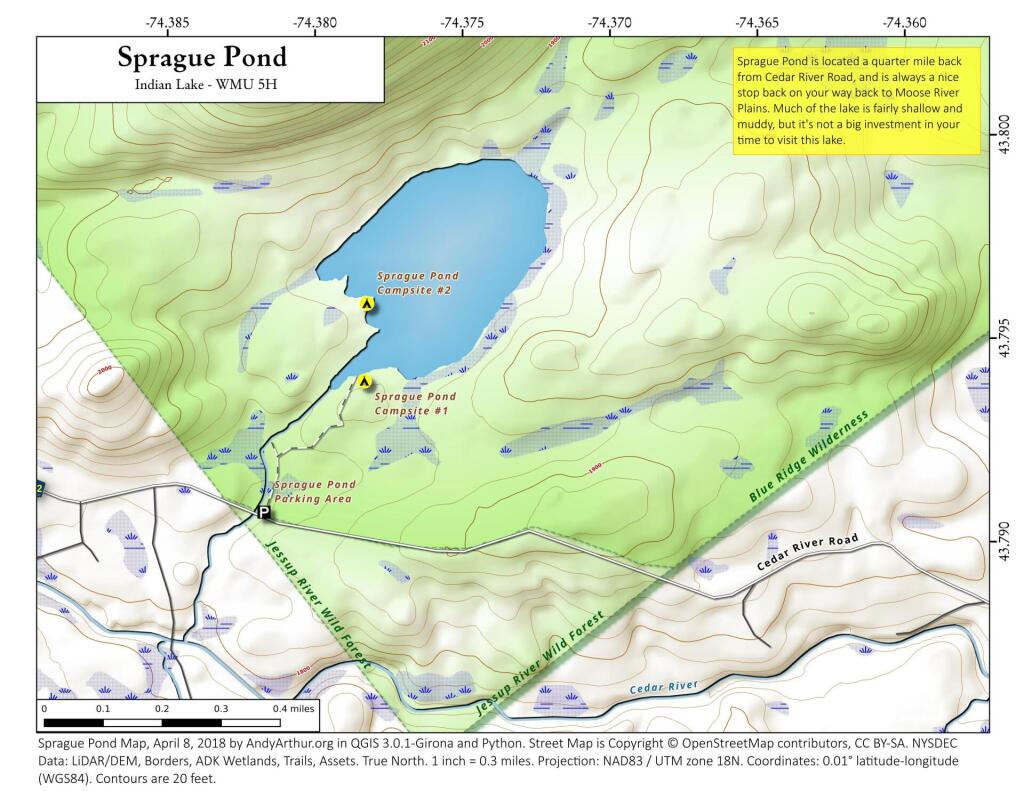
Located a quarter mile north of Cedar River Road, about half way to Cedar River Flow at Moose River Plains, is the trail head for Sprague Pond. It's a short hike a quarter mile north of the road, along it's outlet creek to a modestly sized, swampy pond. Campsites along the pond are very informal, and lightly used.
On the surface, the United States remains the wealthiest nation in history, defined by high GDP and record-breaking stock markets. However, a closer look at the financial health of its citizens reveals a startling reality: for tens of millions, economic stability is a thin veneer. The statistic that 37% of American adults would struggle to cover a sudden $400 expense is more than a data point; it is a window into the systemic precariousness of modern American life.
The Reality of the “Working Poor”
The traditional definition of poverty—living below the federal threshold of roughly $33,000 for a family of four—captures about 36 million people. Yet, this “official” number is increasingly viewed as an outdated metric that fails to account for the skyrocketing costs of housing, healthcare, and childcare. When the lens is widened to those living in “near poverty” (within 200% of the poverty line), the figure swells to nearly half the population.
This group constitutes the “working poor”—individuals who are often employed full-time but remain one car breakdown or medical bill away from insolvency. Despite their participation in the labor force, the rising cost of living has outpaced wage growth for the bottom two-quarters of earners, leaving them with no “cushion” to absorb the shocks of life.
A Divide of Resilience
The inability to weather a $400 emergency is not distributed equally. It highlights deep-seated structural disparities across the country:
The Racial Wealth Gap: While 69% of Asian and 60% of White adults report having emergency savings, that number drops to 41% for Black adults and 44% for Hispanic adults. This lack of liquidity is often the result of generations of limited access to homeownership and high-wage industries.
The Education Premium: Financial resilience is now tied more closely than ever to a college degree. Those with higher education are significantly more likely to have “rainy-day” funds, while those with a high school diploma or less are disproportionately represented among the 13% of Americans who say they could not pay a $400 bill by any means.
The Psychological Toll of Precarity
Living on the edge of a $400 disaster creates a state of “chronic scarcity.” Behavioral economists have found that the mental energy required to manage constant financial trade-offs—choosing between a utility bill and a grocery run—reduces cognitive bandwidth. This suggests that poverty is not just a lack of money, but a taxing mental state that makes long-term planning nearly impossible.
Conclusion
The fact that nearly 4 in 10 Americans cannot easily access $400 in an emergency suggests that the “American Dream” is being replaced by a “Survival Reality.” While the macro-economy may look robust, the micro-economy of the average household is brittle. Addressing this fragility requires looking beyond unemployment rates and toward policies that foster true wealth-building and a robust social safety net. Until then, the majority of Americans remain just one minor accident away from a major life crisis.
Long-haul trucker Miguel Caveda recently spent around $1,800 on diesel fuel during a week on the road, about 40% more than he typically paid before the Iran war began.?
The sudden surge in diesel prices has eroded Caveda’s profit and upended his business in other ways, too. He has started searching out lighter hauls and avoiding hilly routes that guzzle fuel. He is also keenly aware that the steeper fuel costs will eventually trickle into the prices consumers pay for goods he is carrying—from tires to watermelon—assuming his business survives.