Every day it seems like the marketers are thinking of new products that can give a good green-wash, and sell as a premium, especially around the occasion of Vladimir Lenin’s birthday, popularly known as Earth Day. It’s actually pretty ironic that the capitalists of the world have taken Vladimir Lenin birthday’s to sell marked-up “green” products. Market-specialization does mean you can charge a higher price.
The best way to live green is to buy nothing. Every material item you buy has an environmental impact. The question should always be when shopping — do I really need this item?
A person smarter then me once said, “Nothing becomes obsolete faster then the future.” Futuristic technologies often become obsolete quickly, as do many of the trendy green-products whose use often doesn’t live up to the hype. Sure, energy efficiency standards are necessary to create a floor for products and spur innovation, but much that is hyped as green technology rarely lives up to it’s promise. If something where to save a lot of energy, or have superior environmental performance, why isn’t it used already?
I often thought, farmers and sportsmen are some of the greenest people out there. If you spend a lot of time in the field and the forest, you learn a lot about nature. Hunters spent countless hours peering down from their tree stands, observing the world around them. Farmers know the cost of food waste firsthand, they work tireless hours to produce the raw materials that turned into food. People who live off-grid know how much energy really costs — especially when their battery voltage starts dropping. Country boys who burn their own trash, know exactly how noxious some of the materials are they consume every day.
The greenest thing you can do on Earth Day, is spend no money. Stay off of Amazon, away from the stores. Go for a walk to a nearby nature preserve or park, spend some time observing nature. Go fishing, go hiking! If you can walk to work and your destination, that’s even better, but if you have to hop a bus going that way, it’s better then driving. Don’t by into commercialism crap this Earth Day.
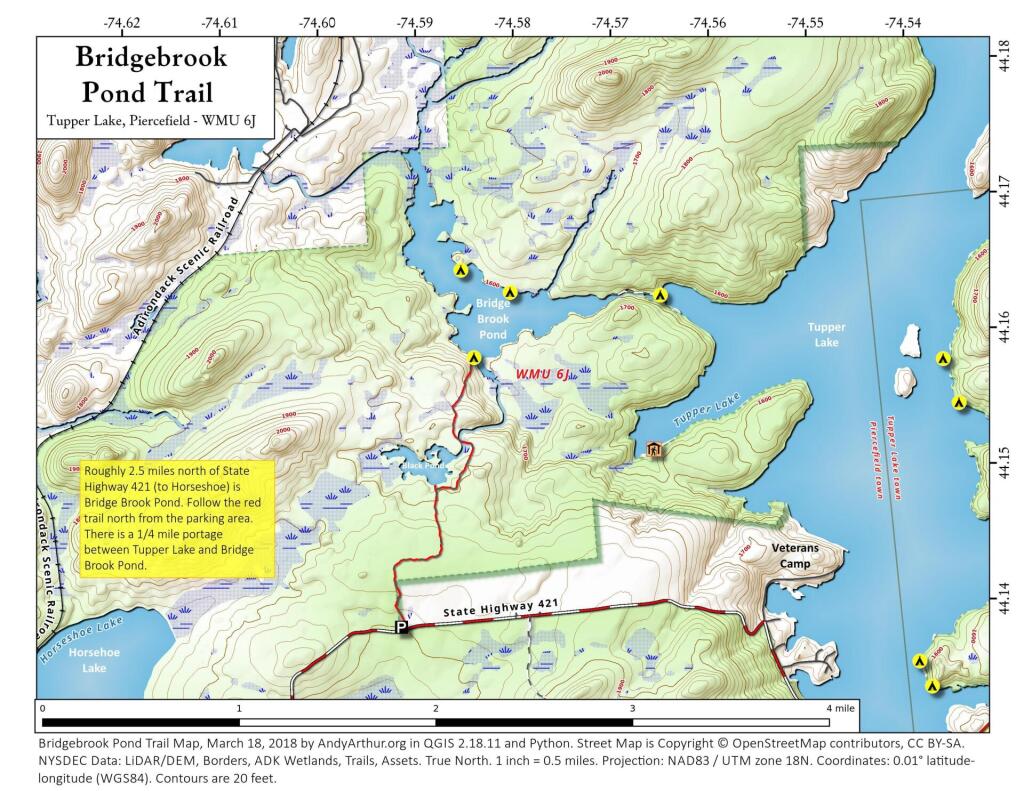
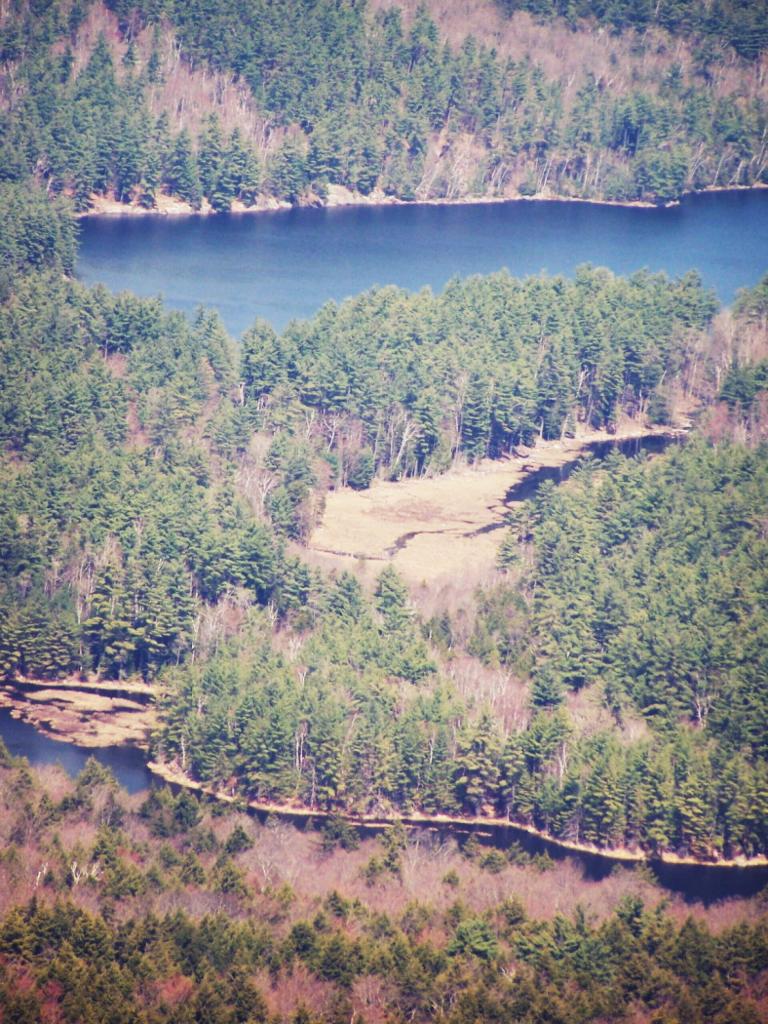
Bridge Brook Pond is located west of Tupper Lake. You can access it via a 1/4 mile portage from Tupper Lake or via the Bridge Brook Pond Trail, which runs from the northerly beginning of the forest preserve on NY 421 (Horseshoe Lake Road), 2 miles to Bridge Brook Pond. Black Pond is on the way up to Bridge Brook Pond, you will pass it one mile to the north of NY 421.
Choosing between a Short Bed (6.75 feet) and a Long Bed (8 feet) on a Ford Super Duty depends on how you balance daily maneuverability against maximum utility.
The long bed is the traditional choice for workhorses and heavy-duty towing.
Positives
Massive Cargo Volume: Fits 4×8 sheets of plywood/drywall with the tailgate closed.
Fuel Capacity: Long bed models feature a much larger fuel tank (up to 48 gallons with the Quad Cab), significantly extending range while towing.
Towing Stability: The longer wheelbase provides a smoother ride and better tracking when pulling heavy trailers.
Fifth-Wheel Clearance: Offers plenty of room for a 5th-wheel or gooseneck hitch without needing a sliding hitch to clear the truck cab.
Higher Payload: Often has a slightly higher payload capacity due to the frame configuration.
Negatives
Parking Nightmares: Nearly impossible to fit in standard garage stalls or tight grocery store parking spots.
Turning Radius: Requires “wide turns” similar to a commercial vehicle; difficult to navigate narrow city streets.
Off-Road Obstacles: The long wheelbase makes the truck more likely to “high-center” on peaks or rocks.
The short bed is the “lifestyle” choice, favored by those who use their truck as a daily driver. 🚙
Positives
Daily Drivability: Easier to park, U-turn, and navigate through drive-thrus or car washes.
Garage Friendly: More likely to fit inside a standard residential garage.
Better Breakover Angle: Performs better in off-road or uneven terrain because there is less belly to get stuck.
Lighter Weight: The truck itself weighs less, which can marginally improve unladen fuel economy.
Negatives
Smaller Fuel Tank: Usually limited to a 34-gallon tank, meaning more frequent stops on long trips.
Trailer Clearance: Requires a sliding hitch for 5th-wheel towing to prevent the trailer from hitting the truck cab during tight turns.
Tailgate Down: You must leave the tailgate open (or use an extender) to haul standard construction materials.
Choppier Ride: The shorter wheelbase can feel “busier” or bouncier on concrete highways compared to the long bed.