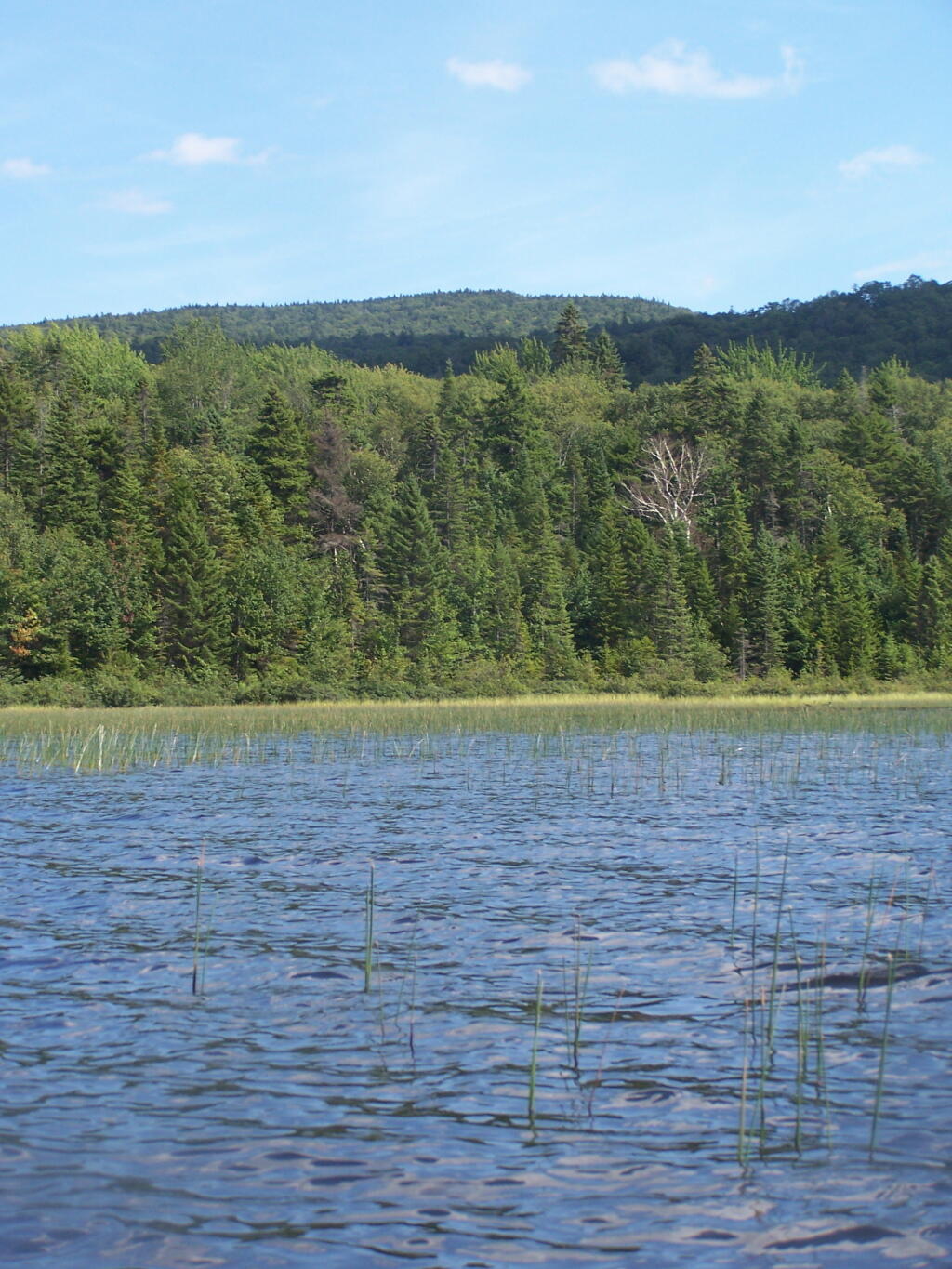
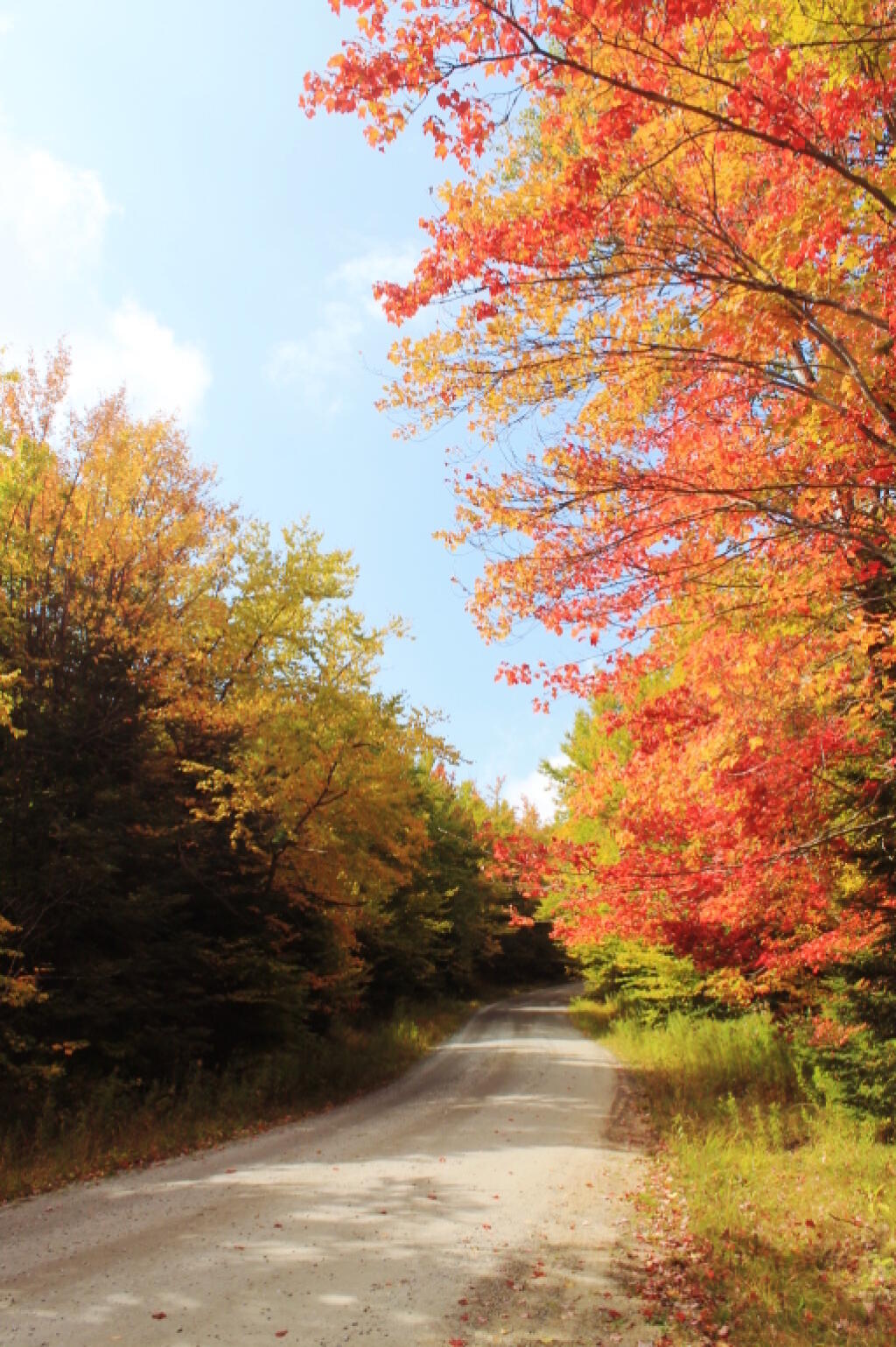
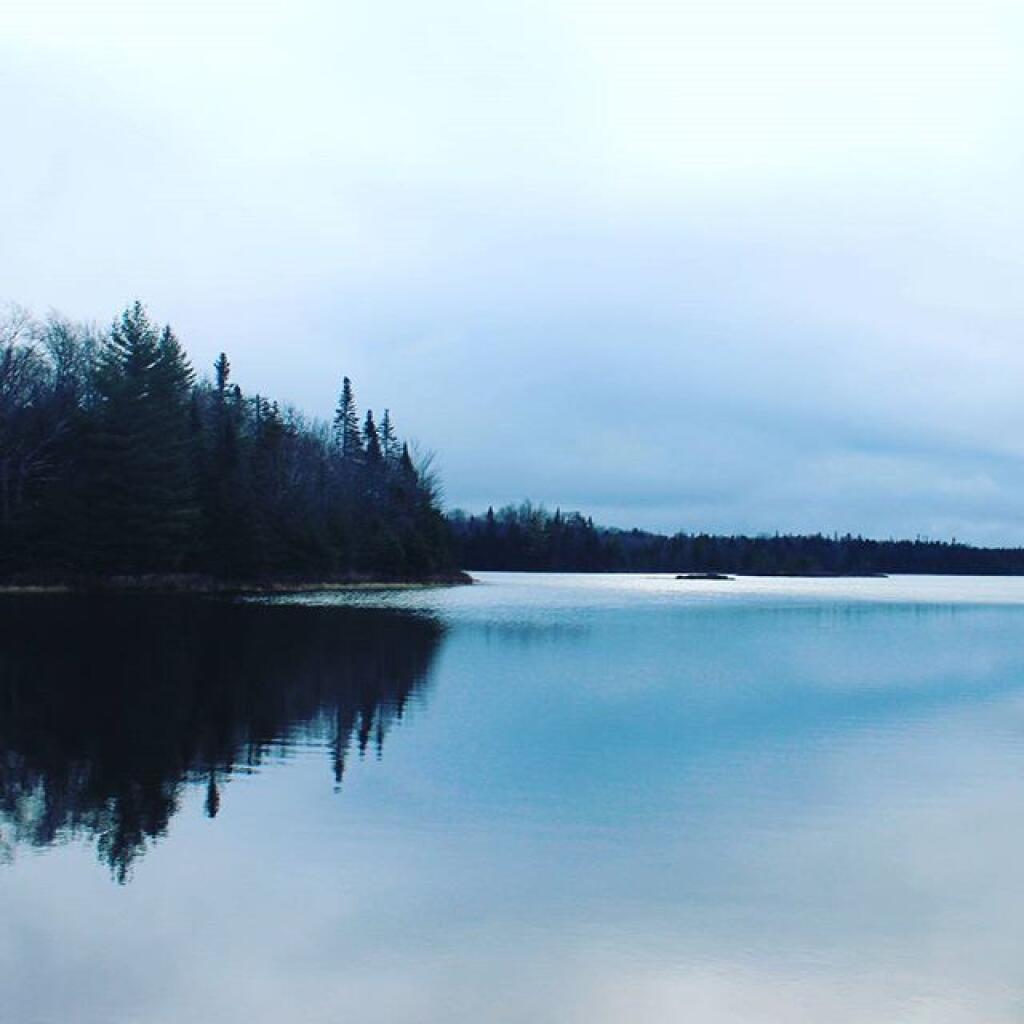
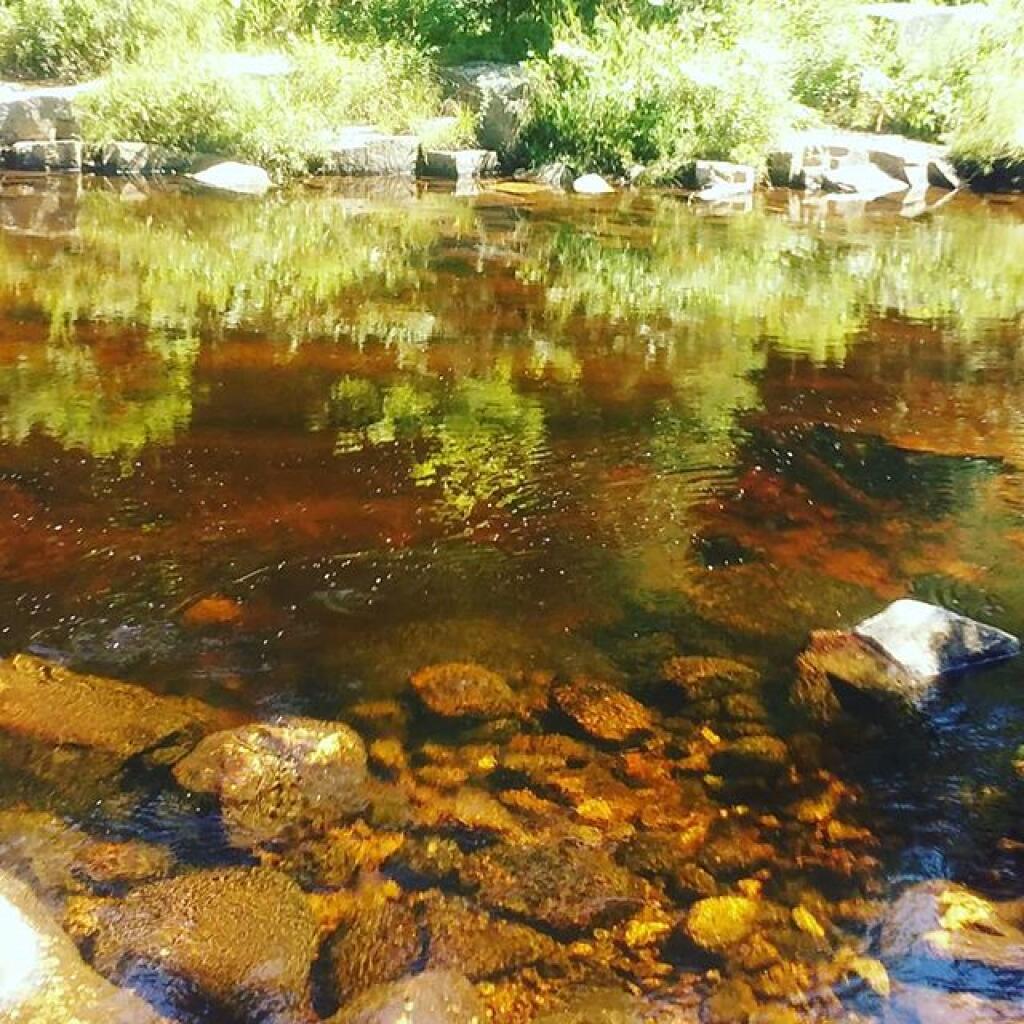
Believe it or not, 16 weeks from now, we will be close to Christmas once again. As we head through the autumn months, the temperature will steadily decline, and sunsets will be earlier. Hunting seasons get underway, fall foliage will start to turn in the Adirondacks in a few weeks, then Thanksgiving and Christmas. The seasons are a changing.
As I listen to the old Frank Zappa record next to the swimming hole. But it’s the last summer in the 2010s and next year is certainly going to be one of change. Maybe good, but probably bad. I have no idea how 2020 will turn out but I do see a lot of change and rough sailing come the 2020s. Lots of angry people, maybe change, maybe a backlash.
I do think liberals and the news media are over confident about the coming election as incumbents often win and I’m not sure people are moving as fast to the hard left as they want to believe. Too many believed Donald Trump could never win in 2016. History proved them wrong. I just hope that Democrats can nominate someone stronger then George McGovern — it would be an embarrassment to our country to allow the incumbent to be elected by an enormous margin.
I also think a recession is overdue, as is inflation and maybe our energy supply isn’t as stable as people want to believe. Inflation has been low for a very long time, it’s bound to crank up again with all the government spending. As is gas prices and energy more generally Or maybe not, we are living in odd times. Climate change may throw a wrench into things.
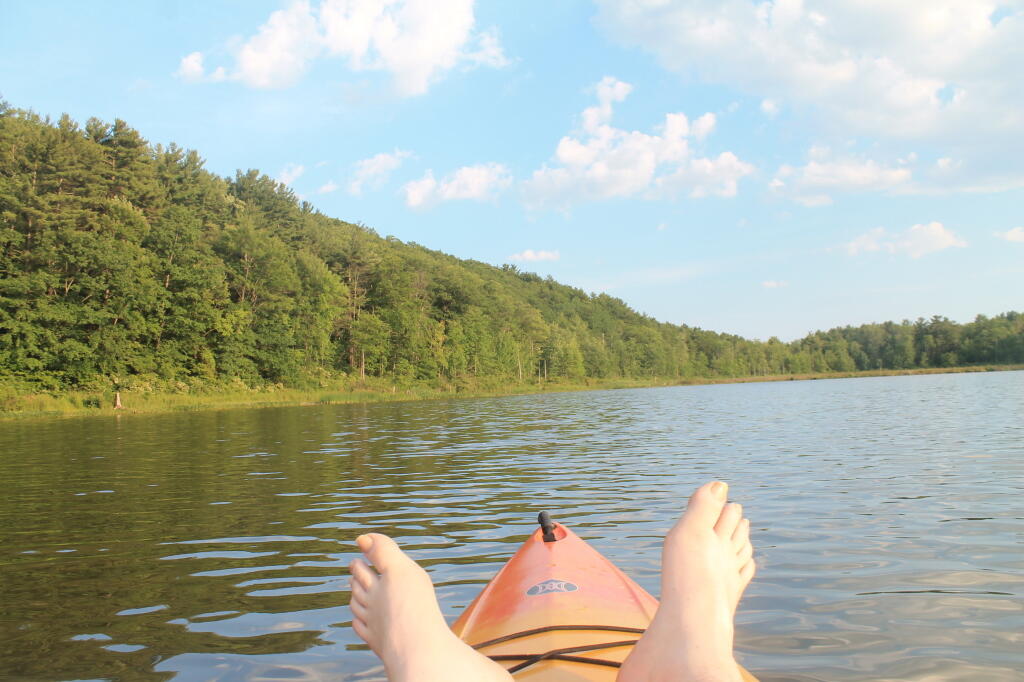
But for now I’m just enjoying these concluding days of summer.
So what to make of this new “epoch” of geological time? Do we deserve it? Sure, humans move around an unbelievable amount of rock every year, profoundly reshaping the world in our own image. And, yes, we’re currently warping the chemistry of the atmosphere and oceans violently, and in ways that have analogues in only a few terrifying chapters buried deep in Earth’s history. Each year we spew more than 100 times as much CO2 into the air as volcanoes do, and we’re currently overseeing the biggest disruption to the planet’s nitrogen cycle in 2.5 billion years. But despite this incredible effort, all is vanity. Very little of our handiwork will survive the obliteration of the ages. If 100 million years can easily wear the Himalayas flat, what chance will San Francisco or New York have?
The idea of the Anthropocene is an interesting thought experiment. For those invested in the stratigraphic arcana of this infinitesimal moment in time, it serves as a useful catalog of our junk. But it can also serve to inflate humanity’s legacy on an ever-churning planet that will quickly destroy—or conceal forever—even our most awesome creations. What paltry smudge of artifacts we do leave behind, in those rare corners of the continents where sediment accumulates and is quickly buried—safe from erosion’s continuous defacing—will be extremely unlikely to be exposed at the surface, at any given time, at any given place, tens of millions or hundreds of millions of years in the geological future.
Boomers and older generations are by no means the only people having trouble in our new and chaotic information environment, although research suggests they have the most pressing challenges. Younger people also face difficulty, which is why so many news literacy programs target K-12 and college students. But the rapid pace of change on online platforms — and the lack of widespread reach of programs like Cyber Seniors — have left some older adults struggling to catch up.
On a hot September day in 1957, Jack Kerouac sat on a New York City sidewalk holding America in his hands. At least, that’s how it felt. In reality, he held a book of photographs taken by a Swiss photographer named Robert Frank. Like Kerouac, who had recently released On the Road, Frank had just completed a historic road trip across America. He had driven from New York City to Detroit to New Orleans to Los Angeles, photographing practically every big city and one-horse town along the way. He planned to publish the photos in a book and wanted Kerouac to write an introduction. So the two met outside of a party, plopped down on the sidewalk, and flipped through the pictures.
There were cowboys and cars, jukeboxes and tattered flags, cemeteries and shoe shiners, politicians and proselytizers. And, in one photo, a shining stretch of straight highway in New Mexico, darting like an arrow toward the horizon. Kerouac was sold. To him, the pictures did more than capture America: The black-and-white film had “caught the actual pink juice of human kind.” He agreed to write some text to accompany it. “What a poem this is,” he’d tell Frank. “You got eyes.”
It hadn’t been easy. Frank had driven more than 10,000 miles to capture those photos. Along the way, he used 767 rolls of film, filled uncountable tanks of gas, and endured two stints in jail. He knew the photographs were good. But he didn’t necessarily think they would change photography—or how people see the country.
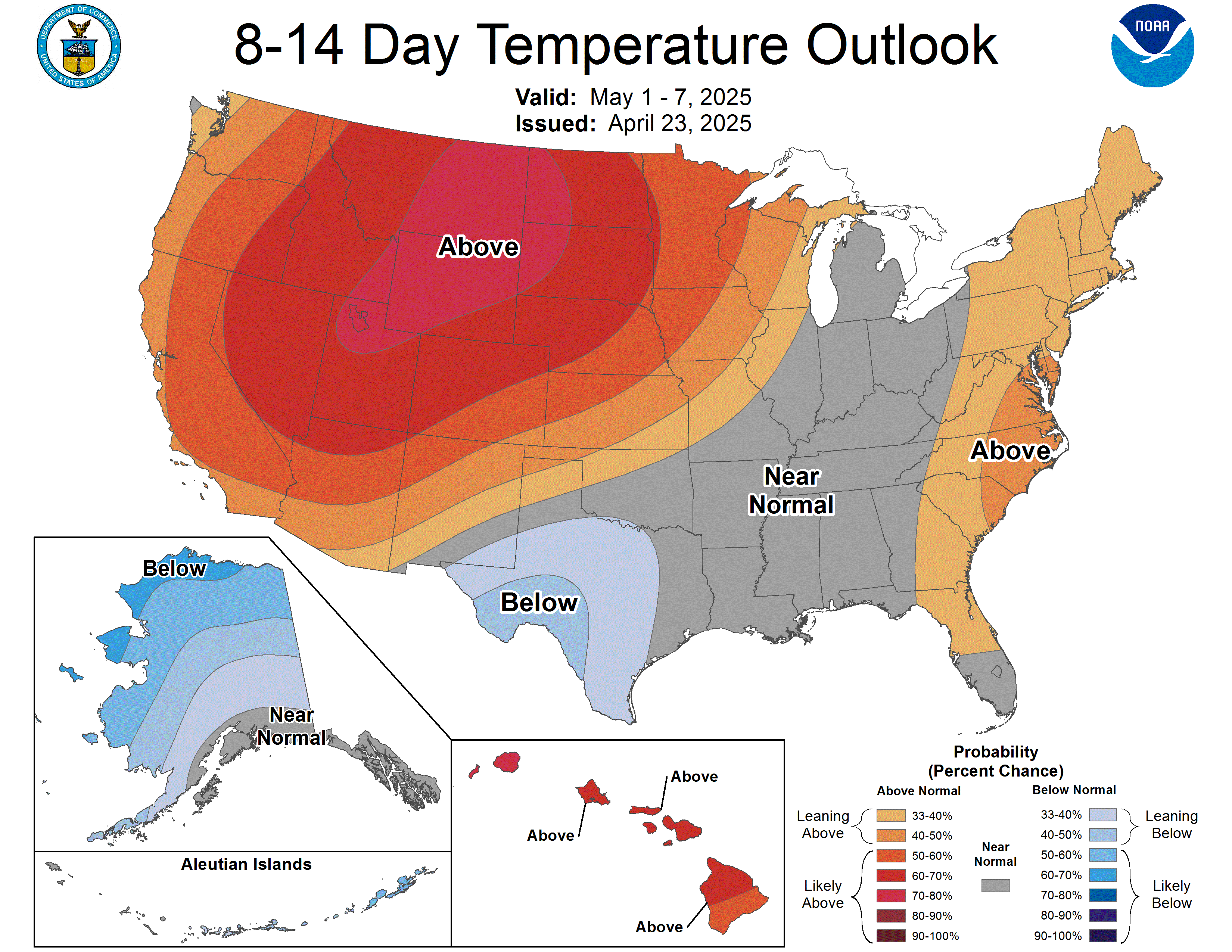
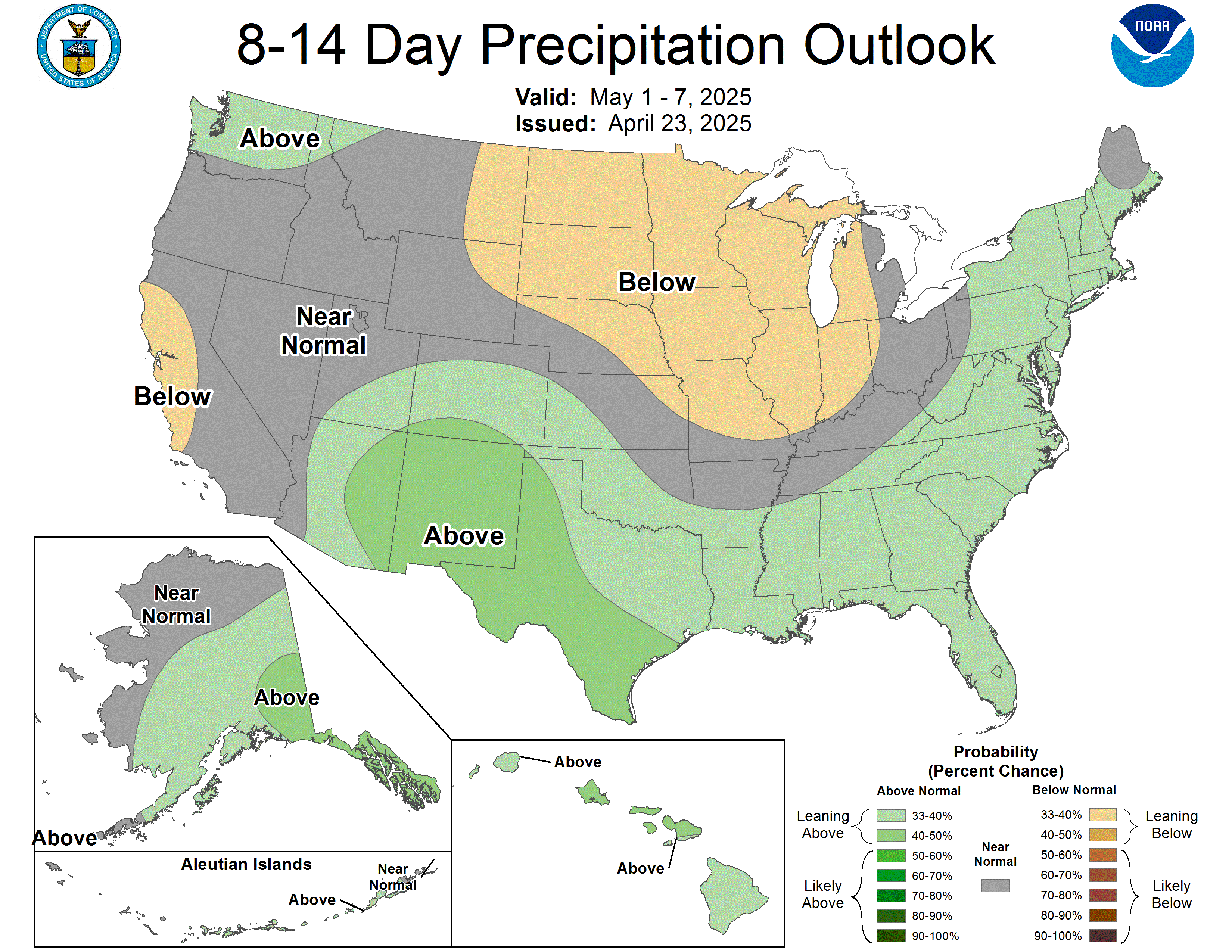
It looks like as we head into the mid-July, we are in for a change in the weather pattern, with some hot and sunny weather expected. I’m looking forward to hopefully having some nice weather for my trip out to the Finger Lakes followed by Western NY and Allegheny National Forest in two weeks. Now I’m just hoping the bugs will get less bad with the weather drying and improving.