I am the child of two college educated parents, but they were homesteaders, and I grew up in a very working class rural neighborhood – and my parents had very working class jobs at the Center for Disability Services.
Having college educated parents that grew up in the suburbs always put me in a different social class then most of the more working class folks who parents graduated high school if even that. My parents had a professional mindset that really wasn’t even in the vocabulary of the hillbillies who lived in trailers down the street.
I was and still am super jealous of them. They always had four wheelers, lots of guns, and livestock. Pigs and cattle. Big bonfires. I’m well aware of what pig manure smells like or for that the distinctively pungent smell of kerosene used to keep their mobile homes warm in the winter – besides the woodstoves they had jerry rigged up. To say nothing of those slurry trucks from Stanton’s Dairy in Coeymans that would traverse the road a few times a year to fertilize the field up the road.
But at the same time, I found it difficult to find connections with them as they were so culturally different in their upbringings and beliefs – the hillbilly way of looking at the world was so foreign to the world I knew with post graduate educated parents. At the same time, despite my college education and professional career I find it difficult to connect with the more professional and educated types with my redneck and small town upbringing.
I want to go back to the country and not just for a weekend trip. Do real hillbilly shit, although I know damn well it will take money, as I don’t have the skills or even the grit and family connections to make it alone in the country. Now I don’t want to live in a fancy house – I’d rather have livestock and junk in my front yard and a garbage burner out back – I just know how important having money is to survive out in the country when you lack so much else that true country boys and girls have to survive and make a life off the land.
Like most towns in New York State, Bethlehem doesn't have Wards. All elected officials are elected at-large.
But could you draw equal population districts that represent actual communities of interest? Not looking a demographics or political competitiveness, but actual communities of interest based on my knowledge of the town -- like Slingerlands, Delmar, Elsmere, Glenmont or South Bethlehem, and have them come out to be equal population? I tried, and here was the results.
There are different ways to look at this problem. One could use an algorithm to draw districts, although I've yet to find one that does a particularly good job. Turns out it's hard to automate district drawing, as often different demographics live next to one and another, and you get stuck with pockets of similar demographics living on opposite ends of the town. You end up packing and cracking or splitting similar demographics, unintentionally. It always seems like equal population is enemy of building communities of interest.
Drawing districts is a fascinating GIS question. But often the best districts are still drawn by humans, watching the totals add up in redistricting plugin, and then looking at maps of demographics. And that involves a lot of acceptance of the fact that districts you have drawn still have a lot of problems with packing and cracking. I don't like how this ultimately came out, but the equal population constraint really causes a lot of problems. Having more districts, might help solve the problem.
The qgis plugin I used for this was the Statto Software Redistricter, using a PL 94-171 Census Data joined against the block-level files. I didn't load any political or demographic graphics, just raw population along with my knowledge of what the neighborhoods look like from a map and having explored them in person, with a goal of grouping highly dense and very rural neighborhoods separately. A goal that was largely a failure in this effort! But it is a fun thought experiment.
One of the things I find myself spending a lot of time lately is trying to understand the rural landscape and people’s relationship to land and property. The architecture and barns, the livestock raised, how people piece together a living in the country.
Methods of study vary. One is the simple just traveling to rural areas, riding rural roads on my bike. Climbing mountains and peering down into the valleys. Things I’ve done for years now, but now with a much more careful eye, trying to figure out what I actually want to some day not that far in the future incorporate into my life. Styles of architecture, layout of homesteads and gardens, livestock and even toys like ATVs, tractors and trucks.
But at the same time I’ve been doing a lot of reading and listening to e-books about farming and homesteading, books about the wilderness and how people relate to the land. In many ways it’s taking off my rose colored glasses on the topic. I grew up in the country, I know about barnyards and breaking ice to water ducks and feed dogs in the winter and all the smells and hard work that go along. Still maybe I didn’t think as much about stewardship and how much farmers of all stripes struggle to stay on the land, and the hustle to stay afloat selling what they can. Often it really is a fight for life against markets, pests, disease and weather. Or how 5 acre homesteads chew away at once vibrant farming lands. YouTube videos are good to get a look at every day operations of farms and homesteads but sometimes five hundred page books give you a lot more of the back story.
People will say I’m wasting my time in analysis and study, years of my life are rapidly fading away while rent checks fly out the door padding my landlords pockets. But I want to do it right, build the right homestead in the right location, be thoughtful not rushed. The time is not now but will come and armed with facts on all aspects of rural life, I will make better decisions. I grew up in the country and went to school in a small town, yet there is much more to learn.
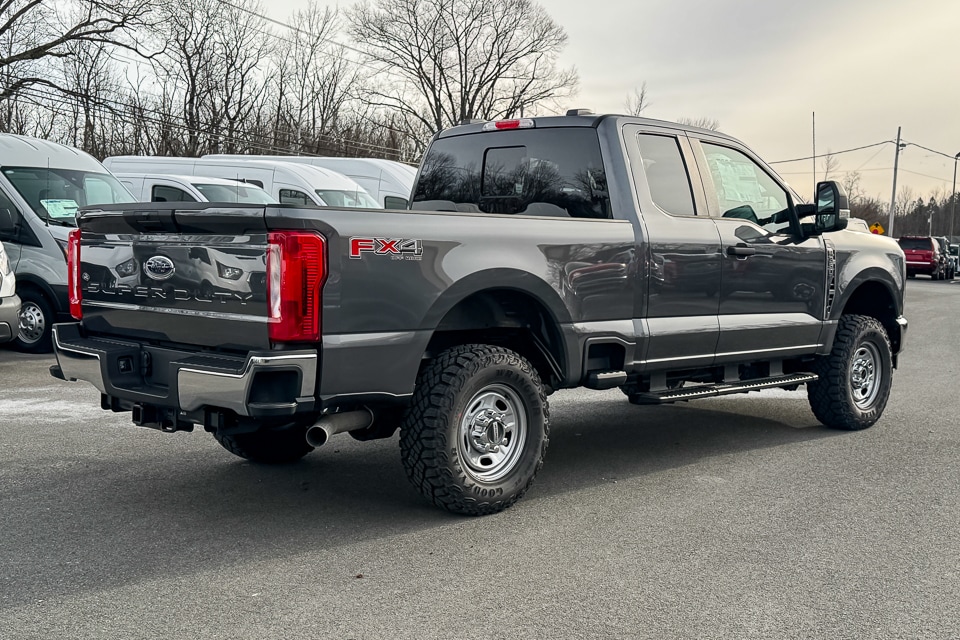
Regular readers of my blog, may have the impression that I’ve already decided on the truck I will buy come the spring, that I’ve all but picked out the color of Ford F-350 I’ll be driving home in a few months. Then getting a camper shell, moving the kayak rack, camping gear, solar panel and batteries over, adding a cellphone booster, and other equipment. It’s not that I’ve been thinking a lot about what my next rig will be like if I get another truck.
Maybe that’s true or maybe it’s not. Really I’m undecided.
For other audiences like my liberal friends and those on Facebook, I’ve been playing up my new urbanist ideas, with a healthy dose of skepticism about owning a vehicle. Trucks are so damn expensive! Truth is I’ve always enjoyed taking the bus or riding my bike to work, I would be loathe to have to drive to work every day. The commute is a big reason I refuse to buy a house, beyond all of other costs associated with owning a house such a maintenance and utilities.
Truth is a car, even a little Honda Civic, isn’t a great way to get around a city with all the parking restrictions, speed traps and cops every where. A bike is really a liberating way to get around the city. It’s rare even when you break a law in front of a cop on a bike that you get stopped. Run a stop sign in front of a car, you’ll get stopped in a car but probably not on a bike. You’re the one in danger on a bike if you a crash into another car after violating a traffic law, after all.
Or I could put Big Red back on the road in the spring.
People keep asking questions – how do you plan to travel without a car?
How do you plan to get back to wilderness? Out to country? How about the Albany Pine Bush? Pine Bush meetings in Colonie or Guilderland? Doing your wash at laundromat? Taking your trash to transfer station? Going grocery shopping? Getting to work? Honestly, so far I’ve survived, I’ve found work-around that are fine at least during winter. Never did drive more then a few miles in the winter, and truth be told I think I would be fine without camping and traveling. I am sure there are other ways to travel like buses, trains and rental cars. Certainly, I don’t just want a Honda Civic for driving around town, like some kind of mindless drone hauling plastics from the Shopping Maul to the landfill.
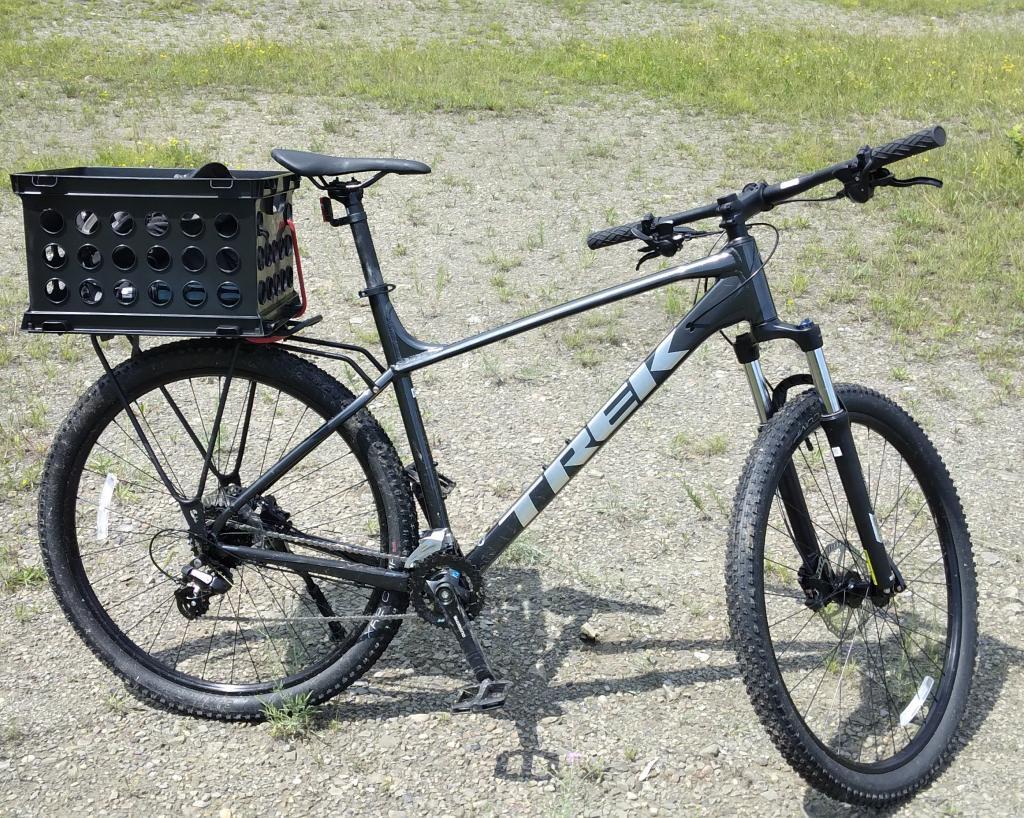
Honestly, right now I’m kind of having fun this winter not having a vehicle. It’s nice not having to clean the snow off my truck or warm it up. It’s nice not having to go to the car wash and get all dirty washing off the salt in vein. And nothing gets me as pumped up as riding my mountain bike when it’s cold out, though it’s lame that it’s still too dark in the evening to ride all the way home and Albany County Rail Trail is still snow covered.