I often have very little extra money in my bank account and I’m always looking for ways to trim expenses from my budget. I refuse to get home internet and do not do online shopping and only rarely do I drive my truck, preferring to take public transportation around town.
The thing is my checking account is not interest bearing so it makes little sense to keep money there except when absolutely necessary to pay the bills. Plus looking at an nearly empty account makes me watch my spending to avoid draining it too low.
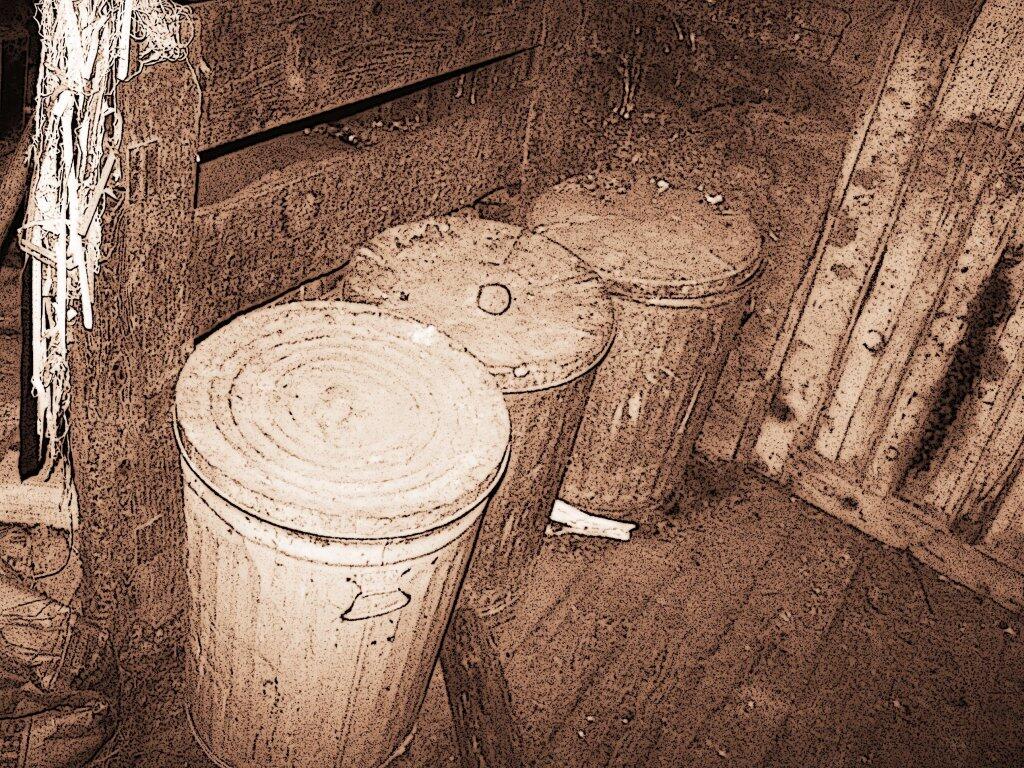
Not having trash service makes me think carefully about everything I buy and how I’m going to get rid of it. Things that don’t burn, just accumulate until I take them to the transfer station for recycling or disposal. Having to think about how to get rid of things makes me want a lot less things.
And it just bothers me to see my hard earned money go up in smoke – literally when I burn packaging – but also more figuratively when I pay my electric and heating bill. I just hate being billed for things after the fact. I’d rather pay up front and use up what’s already mine. Maybe when I own a house I’d much rather have a coal or wood stove where I can at least see how my stockpile is being used up.
Plus I’m deeply committed to building a better future for myself so I don’t have to live in this run down apartment forever. I want to be able to own acreage where I shoot my guns, have fires and livestock and do my thing without neighbors right next door. Even better yet would be to off-grid, generate most of my electricity and heat on-site using food, then farming a lot of my own food.
Jeanette Vecchio is 30, and everywhere she goes, she's feeling the pinch of something she hasn't experienced before in her life: high inflation.
The latest reminder came when she went to her favorite corner restaurant in Chicago where she loves the bread and butter.
"They're now charging for bread and butter," she says. "I was so devastated by it. But it's just another example of an increase across the board."
From restaurant meals to apartment rents, consumer prices have been climbing at the fastest pace in 40 years, meaning younger adults are witnessing the highest inflation of their lifetimes.
The Labor Department said Thursday that January prices were 7.5% higher than a year ago — the largest increase since 1982. Higher costs for food, shelter, and electricity were among the biggest drivers of inflation last month.
At least with a credit card, your financial data is in the hands of a private business, so you have some certainty that the government will need to get a search warrant before rummaging through your list of purchases. While certainly some privacy safe guards can be set up with a digital currency, you got to think that there is still some greater protections by having your money in a private institution then in the hands of the government.
The U.S. is gingerly considering whether to adopt a digital version of its currency, one better suited for today's increasingly cashless world, ushering in what could be one of the dollar's most fundamental transformations.
In that scenario, the U.S. would not only mint the coins and print paper bills. It would also issue digital cash, or a central bank digital currency (CBDC), that would be stored in apps or "digital wallets" on our smartphones.
“Bro, I am sure you can find less expensive things to fill up your garbage can with these days, then any of the China Crap (TM) you can find harvested from the rain-forest on the Amazon.”
More and more companies are offering so-called green products, that are biodegradable, organically farmed, or are natural. They all promise that they not only will make your life better, but are also easy on the planet. But the truth is most of them are pretty bad for our environment.
The truth it’s always better to buy nothing at all and minimize consumption then buy green products. Any time you purchase something it is a product that has been produced and made out of products from our environment. Most products contain a variety of non-renewable resources, that will never be replaced once you consume them.
Do you really need that new television or computer? How about that sofa bed or other piece of furniture?
Our biggest source of solid waste is from the consumption and disposal of the big objects in our lives: our furniture, our housing. Indeed, if you could learn to live with older furniture and older equipment you could do much to reduce your impact on the earth. While we can often buy new at low prices, we should think twice and consider our impact on the planet.
Instead, we should focus on investing more and buying less. If you save money, and buy only things you need that will have a lasting benefit on your life, but a relatively minor environmental impact. Reduce expenditures on things that depreciate quickly in value, and invest in things that either depreciate slowly or gain value.