At least with a credit card, your financial data is in the hands of a private business, so you have some certainty that the government will need to get a search warrant before rummaging through your list of purchases. While certainly some privacy safe guards can be set up with a digital currency, you got to think that there is still some greater protections by having your money in a private institution then in the hands of the government.
The U.S. is gingerly considering whether to adopt a digital version of its currency, one better suited for today's increasingly cashless world, ushering in what could be one of the dollar's most fundamental transformations.
In that scenario, the U.S. would not only mint the coins and print paper bills. It would also issue digital cash, or a central bank digital currency (CBDC), that would be stored in apps or "digital wallets" on our smartphones.
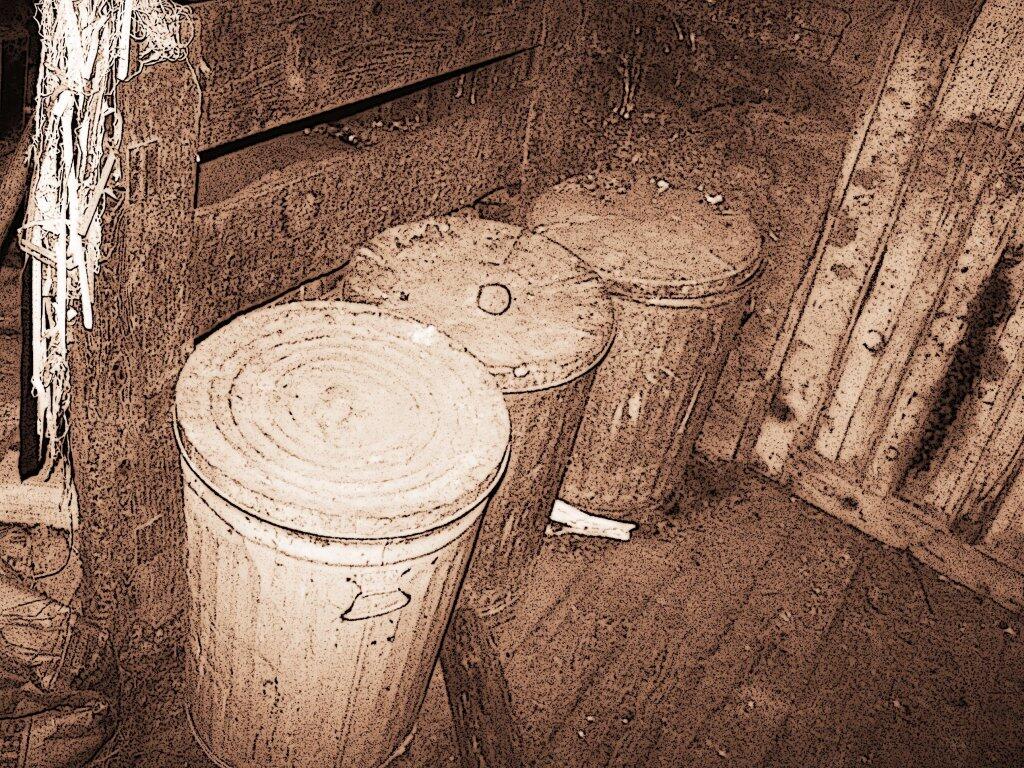
“Bro, I am sure you can find less expensive things to fill up your garbage can with these days, then any of the China Crap (TM) you can find harvested from the rain-forest on the Amazon.”
More and more companies are offering so-called green products, that are biodegradable, organically farmed, or are natural. They all promise that they not only will make your life better, but are also easy on the planet. But the truth is most of them are pretty bad for our environment.
The truth it’s always better to buy nothing at all and minimize consumption then buy green products. Any time you purchase something it is a product that has been produced and made out of products from our environment. Most products contain a variety of non-renewable resources, that will never be replaced once you consume them.
Do you really need that new television or computer? How about that sofa bed or other piece of furniture?
Our biggest source of solid waste is from the consumption and disposal of the big objects in our lives: our furniture, our housing. Indeed, if you could learn to live with older furniture and older equipment you could do much to reduce your impact on the earth. While we can often buy new at low prices, we should think twice and consider our impact on the planet.
Instead, we should focus on investing more and buying less. If you save money, and buy only things you need that will have a lasting benefit on your life, but a relatively minor environmental impact. Reduce expenditures on things that depreciate quickly in value, and invest in things that either depreciate slowly or gain value.
Federal Reserve policymakers moved into inflation-fighting mode on Wednesday, saying they would cut back more quickly on their pandemic-era stimulus at a moment of rising prices and strong economic growth, capping a challenging year with a policy shift that could usher in higher interest rates in 2022.
The central bank’s policy statement set up a more rapid end to the monthly bond-buying program that the Fed has been using throughout the pandemic to keep money chugging through markets and to bolster growth. A fresh set of economic projections released on Wednesday showed that officials expect to raise interest rates, which are now set near-zero, three times next year.
“Economic developments and changes in the outlook warrant this evolution,” Jerome H. Powell, the Fed chair, said of the decision to pull back on bond purchases more quickly.
The Federal Reserve is paving the way for possible interest rate hikes next year, in an effort to contain stubbornly high inflation.
At the conclusion of a two-day policy meeting Wednesday, the central bank announced plans to phase out its large-scale bond-buying program faster than initially planned. The Fed started purchasing bonds during the pandemic as a way to keep borrowing costs across the economy low and to prevent any market disruptions.
Ending the bond purchases earlier would give the Fed more flexibility to raise interest rates sooner, if necessary, to keep prices from spiraling out of control. The central bank said previously it wanted to stop its bond purchases before considering raising interest rates.
The Fed is taking a harder line against inflation after consumer prices in November jumped 6.8% from a year ago — the largest increase in nearly four decades.
In a statement, the Fed acknowledged the rapid runup in prices. Although the central bank still believes inflation is largely driven by factors tied to the pandemic, which should ease when the health outlook improves, policymakers are no longer taking that as a given.