Gilboa is a town in Schoharie County, New York, United States. The population was 1,215 at the 2000 census. The Town of Gilboa is in the south part of the county and is southwest of Albany.
ccording to the United States Census Bureau, the town has a total area of 59.3 square miles (154 km2), of which, 57.8 square miles (150 km2) of it is land and 1.6 square miles (4.1 km2) of it (2.63%) is water.
The south town line forms a border with Delaware County and Greene County. The Schoharie Creek flows northward through the town. New York State Route 30 is a north-south highway in Gilboa. New York State Route 23 cuts through the southwest corner of the town. New York State Route 990V is a highway running eastward from NY-30 in the southeast part of Gilboa.
This time of year the mornings are quite dark. Sunrise isn’t until after 7:00 each day, making getting up and going to work a challenge. Camping means getting up in darkness, but at least it makes it easier to get out in the field before dawn when hunting.
In two and a half weeks the time will change, giving us a little extra sun in the morning in exchange for less sun in the evening. Soon though it will be pitch black at five. Mornings already are getting increasingly cold, almost warranting turning the heat on – and certainly at camp sitting by the heater warming ones hands.
Fortunately a hot cup of coffee and breakfast on the camp stove can help overcome the darkness. Morning still breaks, it’s just later then I would like. Eventually the seasons will change, spring will happen and summer days will return.
Some days are just more difficult than others. 😮 But you try to do your best, hold your head up when you are punched. Be the cow who chews her cud,🐮 patiently observing but taking no action. For today is a short one and tomorrow if you plan and work hard will be better.
Years ago, I used to think on vacation that I should try to visit as many places as possible. But nowadays it seems like life is going by too quickly, and it’s better to take things slowly, observe nature more, and not try to hit as much as possible.
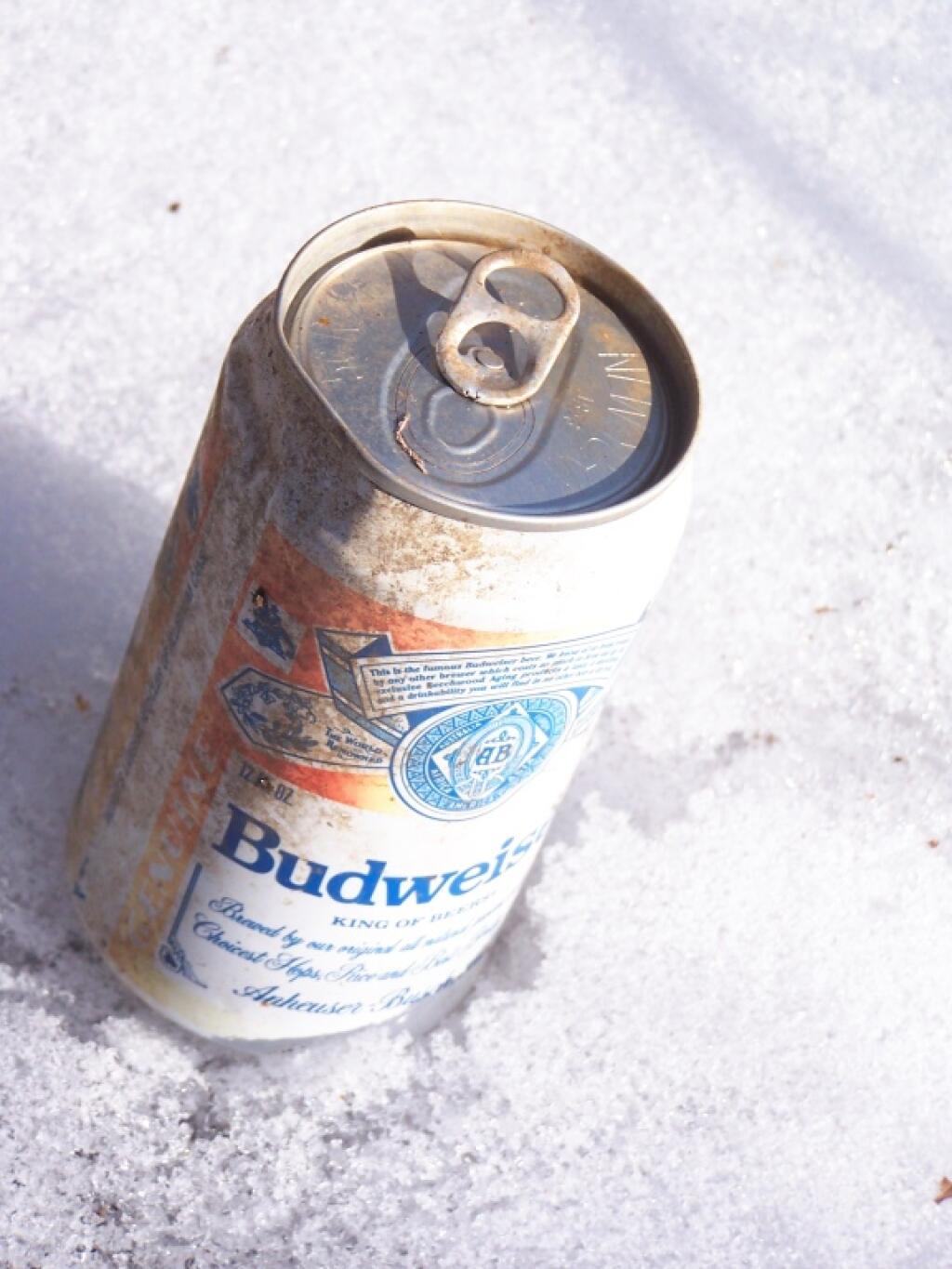
With all this talk about politicians drinking beer these days,💭 I have to admit I drink less and less of it. 🍺As I’ve gotten older, I really don’t enjoy getting drunk, I don’t like the hang overs😵 or the even just the cost of alcohol.💰
Sure, I’ll occasionally have a beer or two when camping⛺ but I have all but given up on drinking at home or even when I’m on the road for work.🍻 I guess when I was younger, alcohol made me more relaxed but now it’s really kind of not that great, a lot of empty calories and honestly hang overs are really bad. 💩
Moss Island was saved from becoming simply a bridge support largely by the activism of Paul Stewart and a few others from the SUNY Albany Save our Environment Group. They fought and asked questions, raised concerns and spoke out against constructing the bridge over Moss Island. Instead the bridge was moved slightly to the south and is virtually as quick to get to Little Falls.
Citizen activism in one’s community can really make a difference. While the national environment may be almost untreactable, citizen activism on the local level can make a real difference. Often the opinions of citizens are dismissed by governments as unworkable only to be implemented after enough activism forces government to reconsider the default options.
Moss Island today is a big draw for rock climbers and tourists alike. It provides a beautiful place to walk, enjoy nature within city limits, to carefully observe the natural wonders known as the potholers. Indeed, what city leaders at one time just viewed as a place to cross is one of the city’s greatest assets
Being a professional is about more than just having a job or a title; it’s about embodying a set of values and behaviors that reflect a commitment to excellence, ethics, and responsibility in one’s chosen field. Professionals strive to make a positive impact, both in their work and in their interactions with others.
Expertise and Competence: Professionals have a deep understanding of their field and possess the necessary knowledge, skills, and qualifications to perform their job effectively. They continuously seek opportunities for learning and improvement to stay up-to-date in their field.
Ethical Behavior: Professionals adhere to a strict code of ethics or a set of professional standards that govern their behavior. This includes honesty, integrity, and a commitment to doing what is right even when faced with difficult decisions.
Responsibility and Accountability: Professionals take responsibility for their actions and decisions. They understand the consequences of their work and are willing to be held accountable for their performance.
Reliability: Being reliable is a crucial aspect of professionalism. Professionals meet deadlines, fulfill commitments, and can be counted on to deliver high-quality work consistently.
Respect and Courtesy: Professionals treat others with respect and courtesy, regardless of their position or status. They maintain positive and productive relationships with colleagues, clients, and stakeholders.
Effective Communication: Professionals are skilled communicators. They can convey their ideas clearly and effectively, both in writing and verbally. They listen actively and respond thoughtfully to the concerns and needs of others.
Adaptability: Professionals are open to change and are willing to adapt to new circumstances and challenges. They embrace innovation and seek opportunities for growth and development.
Dress and Appearance: Depending on the field, professionals often dress in a manner that is appropriate for their workplace and reflects a certain level of professionalism. This may involve adhering to a dress code or wearing attire that conveys competence and respect.
Continuous Improvement: Professionals are committed to lifelong learning and self-improvement. They actively seek out opportunities to enhance their skills and knowledge, whether through formal education, training, or self-study.
Dedication and Work Ethic: Being a professional often involves a strong work ethic and a dedication to one’s job or career. Professionals are willing to put in the effort required to achieve their goals and excel in their chosen field.
Teamwork and Collaboration: Many professionals work in teams or collaborate with others to achieve common goals. Being a team player and effectively collaborating with colleagues is an important aspect of professionalism.
Leadership: In some cases, professionals may be in leadership positions. Effective leadership involves inspiring and guiding others, setting a positive example, and making decisions that benefit the organization and its stakeholders.