Balsam Swamp is a sprawling state forest that stretches almost 5.5 miles east-west across 4 towns. The area is very rural, and the landscape surrounding the State Forest is predominantly forested. Balsam Swamp State Forest is comprised of a mix of native hardwood forests, hemlock swamps, and conifer plantations. There are no designated recreational trails on the forest, but there is ample opportunity for self-guided day hikes to explore the diversity of habitats represented on this State Forest. Additionally, the western section of Balsam Swamp State Forest is adjacent to Five Streams State Forest to the south.
The main attraction of this forest is Balsam Pond. The impoundment is approximately 152 acres and is a popular destination for fishing and paddle boat sports. Balsam Pond is a warm water fishery that contains a mix of largemouth bass, smallmouth bass, chain pickerel, yellow perch, brown bullhead and sunfish. Tiger muskellunge have been stocked in the past with the last stocking occurring in 1995. However, there have been very few reports of anglers catching any of the adult tiger muskies. A shallow gravel boat launch is suitable for launching small fishing boats.
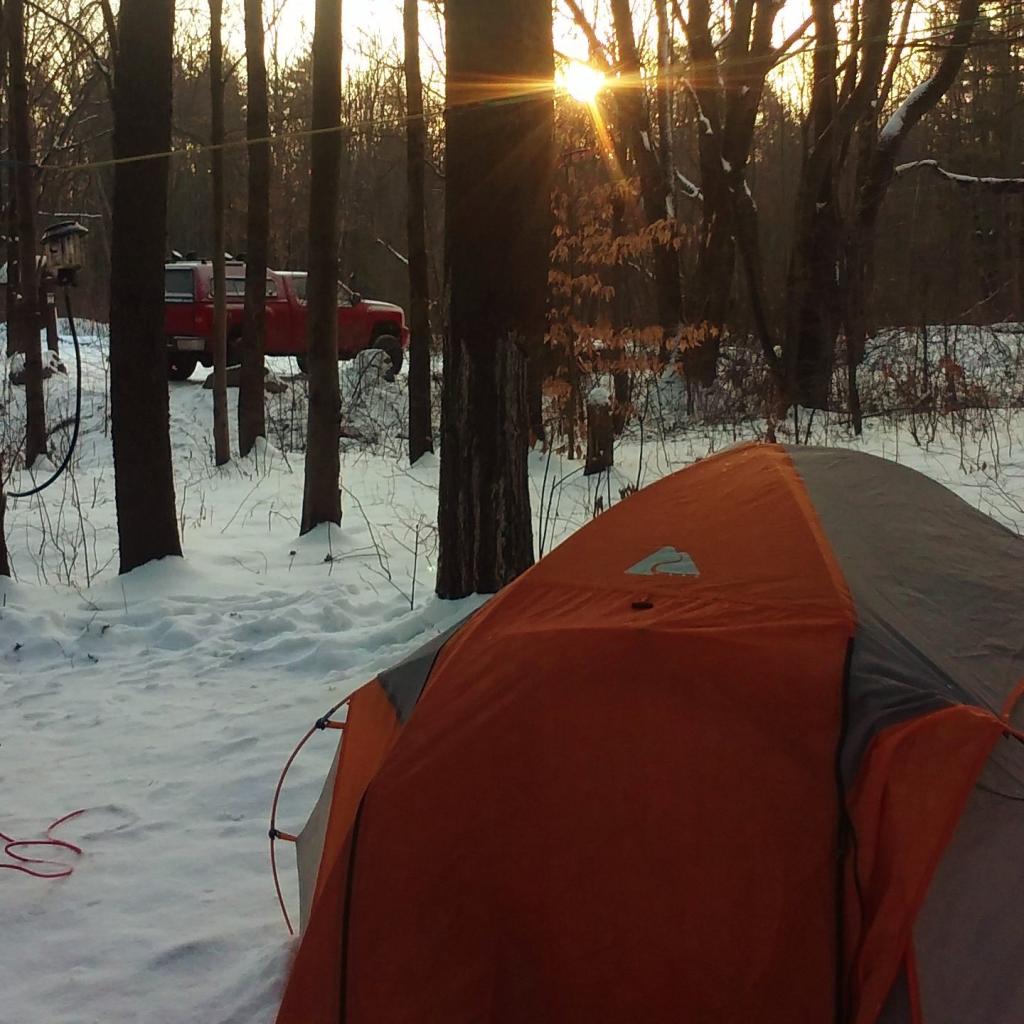
A small rustic camp ground is also located at Balsam Pond. Camping spaces are available at no cost on a first-come, first-serve basis and there is no running water or electricity. A fire ring, outhouse, and picnic table are provided for each camping space. A sign on Balsam-Tyler Road in Pharsalia designates the entrance to the boat launch and camping facility. This is a carry-in carry-out facility. Please do not litter.
Or maybe more like 4:30 AM. Throughout my vacation I ended up getting up early with the time change to maximize my day, often retiring to bed around 7 or no later than eight.
I think I sleep better when I go to sleep earlier and truth be told, I like the extra time in the morning to sip my coffee and work on my blog. I might replace my evening walk this winter with a morning one before my shower then there would be more daylight when getting in my steps.
Earlier to bed would save energy by less heat and light in the evening and certainly wouldn’t be a bad habit to get into.
They should ban mufflers on all cars. They are a kind of suppressor, which reduces the noice cars make. Not being able to hear a car coming puts all pedestrians at risk, especially those with partial blindness. If cars had open pipes, you would be able to hear a car a long distance away, especially when they are accelerating hard, making life in cities much safer.
This winter I hope to do more winter camping. ⛄ Reasonable winter cold (days above 25, nights above 10 degrees, light or no breeze) isn’t a big problem for me but snow and the closure of many back country roads and parking areas is a bigger problem.
The heater helps a lot with the cold ❄ and I’m quite comfortable with the heated tent. 🎪 The truth is that while I use more propane in the winter months, the 20 lb tank is quite affordable to get filled and it really doesn’t take that much energy to warm up a cold tent before bed, then turn off the heater and snuggle under the covers.
Options do exist throughout the winter, depending on the snow depth. There are local state forests, East Branch of the Sacandaga – NY 8, Charles Baker – Cherry Ridge and the Finger Lakes National Forest. None are perfect options but sometimes you have to compromise in the winter. ⛺
For a while I got my hunting license every year and headed out to the field in search of small game. It’s kind of tough to do regularly as I live in the city and nearby public lands are a ways away and many of them have a lot of hunting pressure. I hate sitting out on a ridge and peering down onto another ridge and seeing another hunter with his or her gun. Before and after deer season, it’s not so bad, but still obnoxious.
I know the big treasure is a big buck or a turkey in their respective seasons. But I have no place to hang or quarter a deer where I live plus my freezer is pretty small in my apartment. And what to do with the guts or entrails? I don’t have trash service and I would hate to put good organic material like that in the landfill.
I’d be better if I spent more time in the field. Podcasts and videos are great but they could only teach you so much. I probably would benefit from using a guide service. But it’s kind of hard not being a landowner and living in the city. Sure I don’t mind nights in the woods this time of year but even thru don’t happen all that often. Maybe when I own my own land.
New York State’s Medicaid program supports $74.9 billion in healthcare services (federal, state, local) for low income families compared to the $5.7 billion in agricultural production of the state.
Medicaid is an industry 13 times larger than agriculture in economic value to the New York economy.
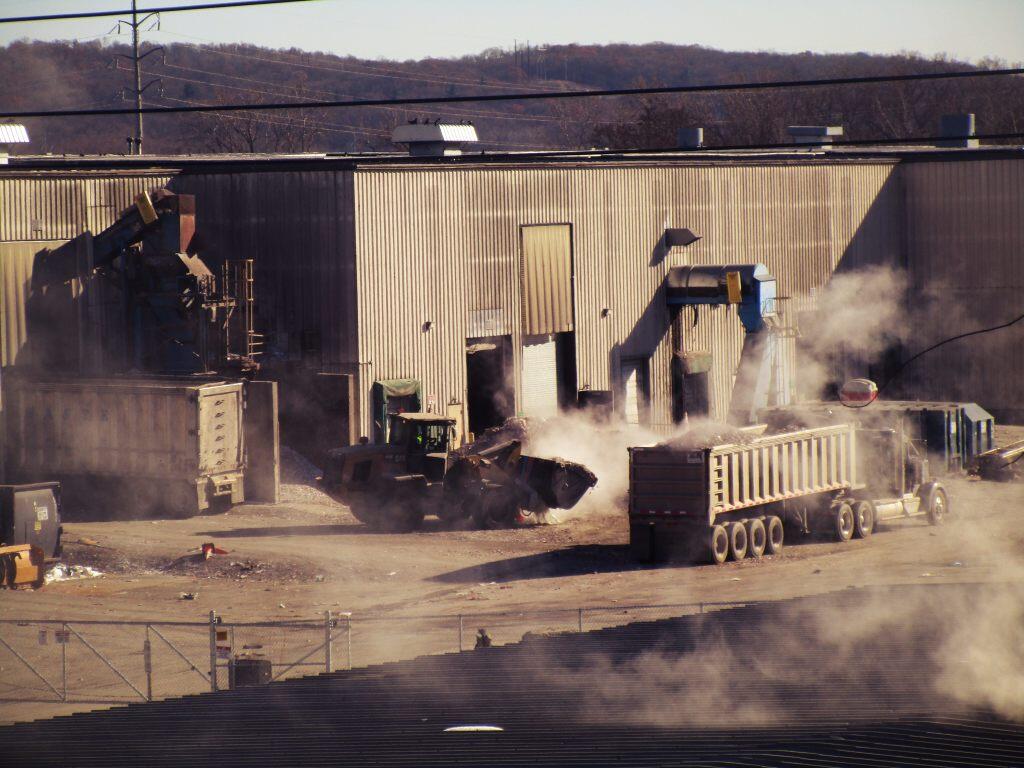
Recycling is a bit of an national obsession and a joke these days. More people recycle in America then vote, it’s looked down upon people who don’t use the proper recycling bins. It’s even gotten to the point where people toss so much crap into recycling bins, that waste disposal and sorting costs at recycling plants has become a major drag on the facilities. People want to do the right thing and feel virtuous.
Now I certainly do recycle my cans and glass in part because I pay $2 a bag to dispose of unrecycled material at the transfer station, and it’s a trip down there that I try to avoid making. Plus I don’t like looking at landfills or thinking about all my crushed debris piled up there indefinably. But I generally don’t have a lot of waste, because I buy in bulk, avoid purchasing material things preferring savings over spending, and don’t eat out — a big source of garbage in a country where people spend more money eating out then eating at home. In the summer months, a lot of my burnable stuff, is used for starting campfires.
But having looked at the actual recycling numbers, very little day-to-day household waste actually gets recycled. Of waste commonly disposed in curbside or transfer station in garbage bags and dumpsters, only 2-3% of it actually is separated out into recyclable materials that have a chance of being sold as scrap and reprocessed into something new. Calling scrapping cars, old washing machines, refrigerators, or composting leaves and wood debris recycling distorts what people actually consider recycling — the stuff put in the blue box or recycling dumpster.
Much common waste, maybe not day to day trash is either landfilled, incinerated or burned, from old computers to mattresses to brick and concrete to broken appliances and headphones. Most of it is mixed in with the ordinary household trash, the banana peals and rotting chicken bones then buried or burned, leaching it’s toxic residue into the air and water. Look around your room — how much of the stuff that you had ten years ago is still around you, and how much of it is now landfill or smoke?
Recycling certainly saves materials and landfill space, although common curbside recycling is kind of a joke. It would do better to reduce material consumption and focus on important recyclables like metals, which have to be mined and can be reprocessed with a large part of the material recycled — although not all as some is always lost as a dross. But I think it’s emphasized too much, and focuses on the wrong kind of things — not the toxic wastes like electronics or the bulk wastes like old appliances and furniture.
I am no fan of eating out, because I don’t like all the packing that go-food produces, to say nothing of all the unhealthy nature of it. 🗑 It’s easy enough to pack a good meal will lots of fiber and protein with beans or tofu, mixed with frozen or fresh vegetables such as broccoli, corn, peppers, and onions and have a good lunch in a microwavable container to pop in the microwave when it’s lunch time. 🍱 Sure beats so much of the fat and sugar laden crap that commercial lunch places sell. Not only does it reduce waste, it also saves money. 💰 The reusable container gets washed out, and by purchasing the tofu and vegetables in bulk, the only waste that is produced is a few thin plastic bag that burns up to nothing.