Balsam Swamp is a sprawling state forest that stretches almost 5.5 miles east-west across 4 towns. The area is very rural, and the landscape surrounding the State Forest is predominantly forested. Balsam Swamp State Forest is comprised of a mix of native hardwood forests, hemlock swamps, and conifer plantations. There are no designated recreational trails on the forest, but there is ample opportunity for self-guided day hikes to explore the diversity of habitats represented on this State Forest. Additionally, the western section of Balsam Swamp State Forest is adjacent to Five Streams State Forest to the south.
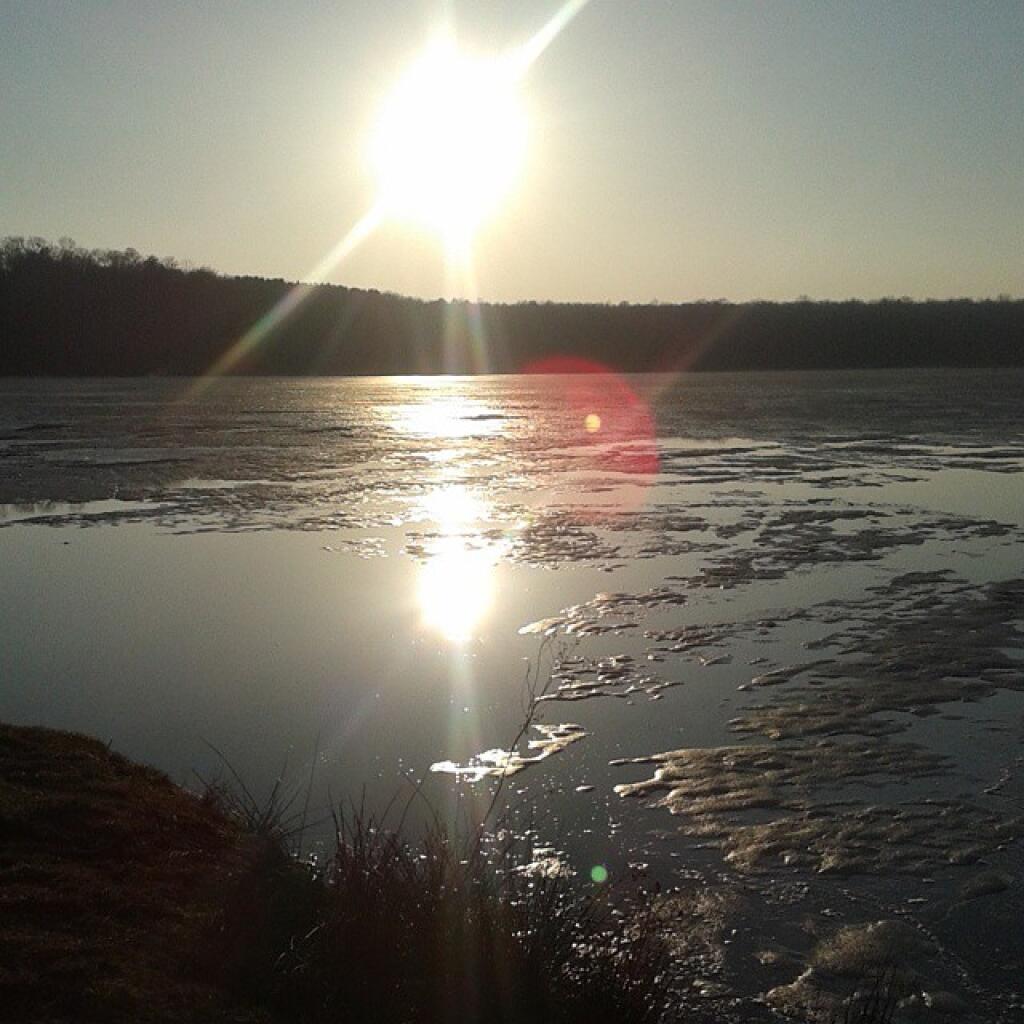
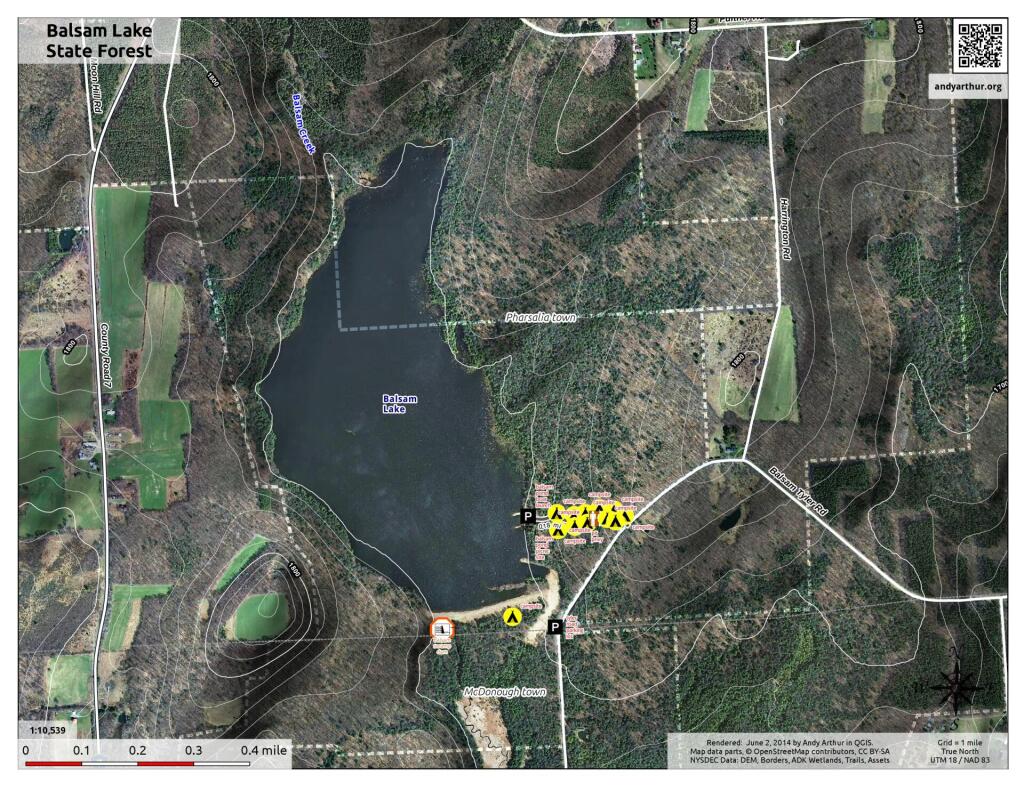
The main attraction of this forest is Balsam Pond. The impoundment is approximately 152 acres and is a popular destination for fishing and paddle boat sports. Balsam Pond is a warm water fishery that contains a mix of largemouth bass, smallmouth bass, chain pickerel, yellow perch, brown bullhead and sunfish. Tiger muskellunge have been stocked in the past with the last stocking occurring in 1995. However, there have been very few reports of anglers catching any of the adult tiger muskies. A shallow gravel boat launch is suitable for launching small fishing boats.
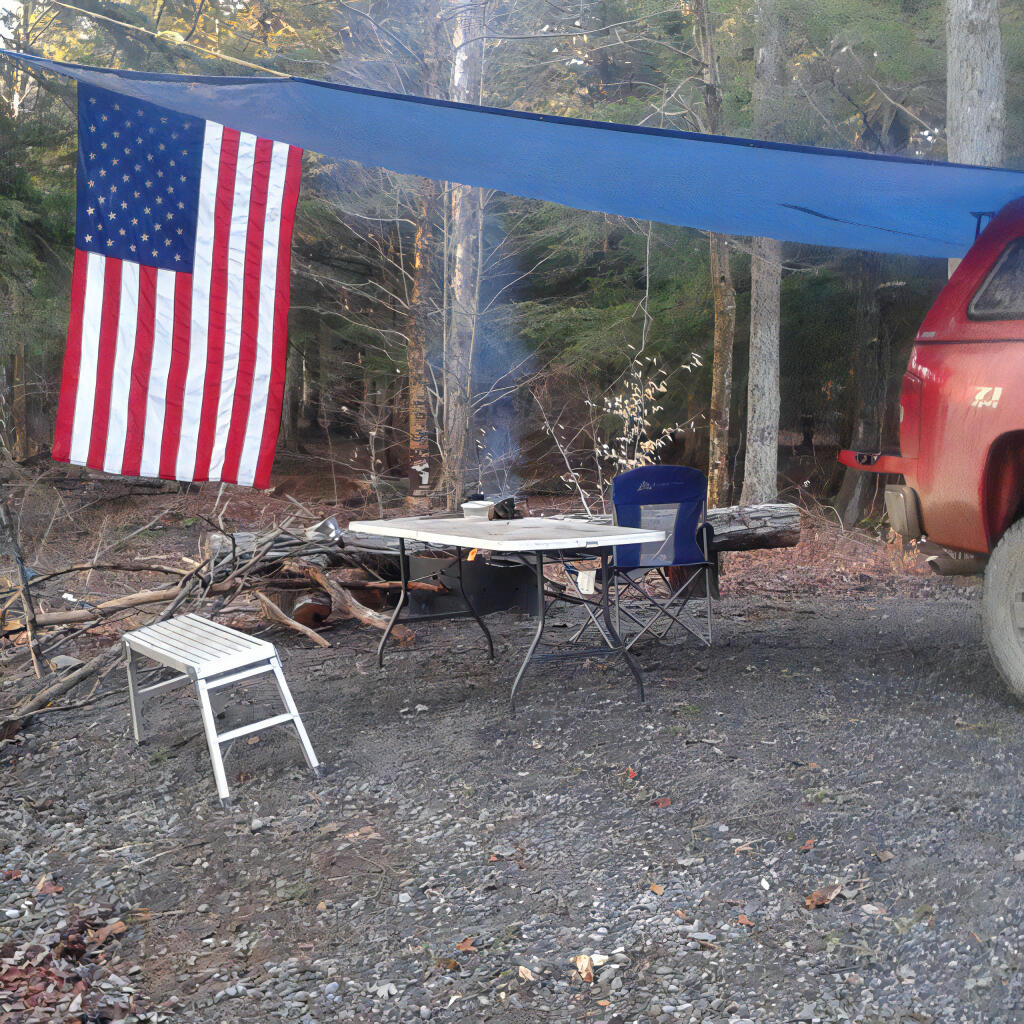
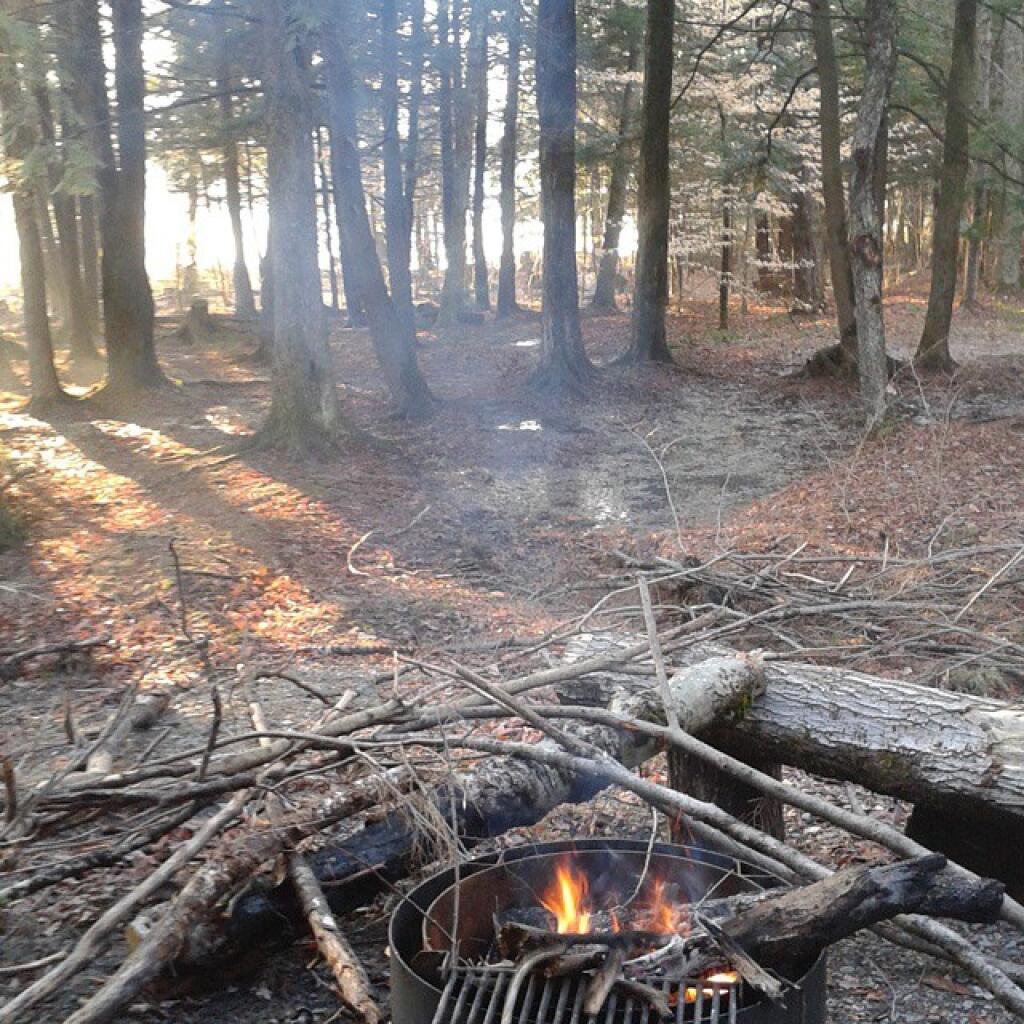
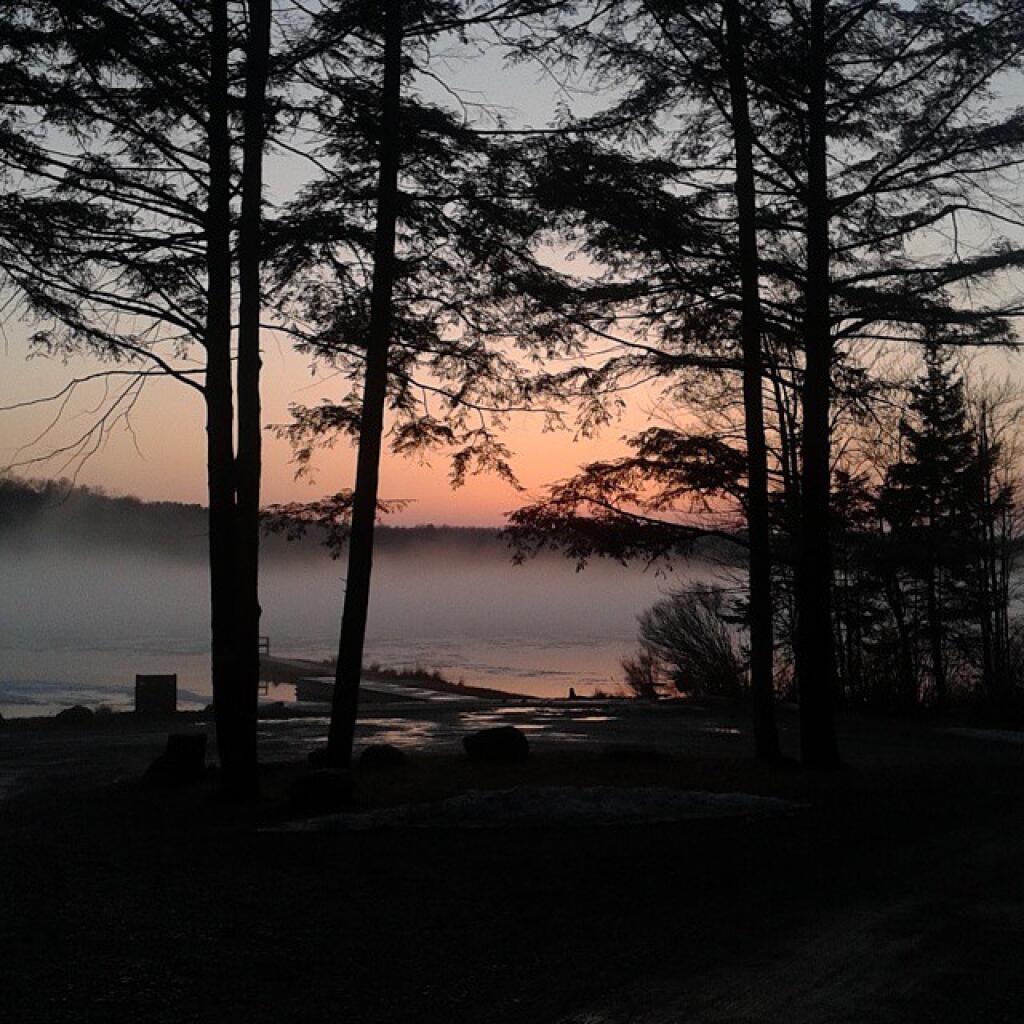
A small rustic camp ground is also located at Balsam Pond. Camping spaces are available at no cost on a first-come, first-serve basis and there is no running water or electricity. A fire ring, outhouse, and picnic table are provided for each camping space. A sign on Balsam-Tyler Road in Pharsalia designates the entrance to the boat launch and camping facility. This is a carry-in carry-out facility. Please do not litter.
For twelve years now I’ve used Linux as my primary desktop operating system. I can’t imagine using any other operating system on my computer. Here’s why:
It’s totally free with easy updates via apt-get. Distribution upgrades sometimes requires a bit of tweaking of files but are relatively easy to use. No fancy installers that block what you are doing or lots of windows to click through.
Software all comes through the apt-get mechanism, you don’t have to go to risky websites to download software.
Standard Unix programs and functions are easy to script in bash and pipe their output between processes.
Most things nowadays are done on the web and the Linux web browsers are in most ways the same as the commercial platforms.
OpenOffice is a fully functional and stable office platform for all my office software needs.
QGIS as somebody who enjoys mapping and exploring land has become a killer geographic information system, especially in recent years. It takes full advantage of the GRASS platform and various Unix based GIS software.
Great professional web development tools that are running in their native environment
I am not a fan of overly glossy things, so I use the fast and simple XCFE desktop environment which is great because it never changes. Even Linux itself pretty much stays the same, although little things evolve over the years.
Sometimes the best thing to do with an automatic investment is to just let it run its course. Let the bimonthly deposits go in on schedule, let the markets grow, ignore the ups and downs, know that better days are ahead but don’t give it a lot of thought in the near term.
The truth is my hope and vision for the future hasn’t changed much though my expectations have been somewhat tempered watching the rate the markets grow, my quickly aging parents, the progress of my career. I realize probably within the next decade my parents are either likely to pass on or retire to a nursing home when they are no longer able to take on their homestead. My sister has little interest in their five acre property in Westerlo, so it will either get sold or I’ll take it up as my own home.
It’s not everything I would want in land but there is a lot of possibility with the property and it’s within commuting distance of my current job. Another thing two I’m considering is that I’m within 5 years from having twenty years in with the state retirement system at which point I will get a big bump in my retirement benefits. My current apartment isn’t great but it works well enough and is super convenient on the bus line and not a long ride to work.
On that land, if it’s someday mine I could rework it more into my own vision of the land.
We live in a society that embraces change, especially technological change and the consumeristic possibilities that it makes possible for corporations to dove tail on and sell us things. To be anything but one who embraces change, is often seen as backwards, a luddite of sorts.
Change can be good and bad. We often describe change as progress, but is it not always the case. Sometimes a step forward really is two steps backwards. We should weigh both sides, realize that change has costs but also benefits. Change often involves the unknown. That, can be scary and threatening to one’s position and way of doing things.
Life would be boring if nothing would ever change. There would no opportunity for growth or progress. But I often get caught up in loss aversion, fearing what change means. I often over emphasize the negatives of change while ignoring the benefits. I can be a perfectionist, and when change doesn’t bring only the best be solely down on change. I’ll complain about all change brings and is below my expectations.
I don’t mean to be an eeyore, always complaining about how things are going to hell as the world changes not always for the better. Yet still, I can’t bring myself to always be looking out the happy window, embracing only the good while being blissfully ignorant of all that is lost with the change. But I do need to try to find some more balance in life, overcome my loss aversion while accepting both the good and bad of change.
The other day I was talking with this guy who kept complaining about my use of the word redneck to describe good ol’ boy, hard-working, living off-the-land country people. He kept correcting me, saying the term redneck was patently offensive, in essence a “white nigger”, leaving aside the fact that some African Americans have adopted their own use of the word “nigger”. I’ve always though obscenity was kind of silly, as words only have as much meaning as you give them.
If you want to call yourself something offensive, is it offensive?
The best way to take a bite off obscenity is to use a word casually, like has long been common with the word “fuck”, in the sense of saying, that’s “really fucked up”. And indeed, a lot of rural people have long adopted the word redneck, not as an obscenity but a symbol of pride — self-reliance, hard working, not afraid of mud or muck. Not the backwards, racist meaning some give it.
I like the term redneck, as I think it describes a good lifestyle, one that is largely self-reliant and sustainable. One that isn’t based around high consumption, but making the best of the natural and mechanical resources available to you. Rednecks are often highly skilled in mechanical and natural systems, a point that is often ignored by the popular press. There is a lot of skill and knowledge that goes into farming and homesteading, to say nothing about mechanics. Just because a fix isn’t pretty, doesn’t mean it’s not real or effective.
I don’t buy that idea that calling somebody a redneck is a hate term, especially if they are more then willing to adopt the term. I don’t think the redneck lifestyle is pejorative or bad, indeed I would argue it’s good as it’s often more sustainable then the high-consumption lifestyle of the suburbanite — and closer to the land and realities of natural world. Sure, in the suburbs you have your soy-milk in your disposable plastic container, and maybe it looks good on a per-capita basis, but it’s not as real or close to the environment as a dairy goat or pig you’ve slaughtered yourself.
I don’t think calling a redneck a rural person has the same effect. There are plenty of yuppies and gentrified folk in Columbia County who raise sheep or horses. But they aren’t the same as the trailer-living, wrenching their own cars, pig-raising, hard-working country boys who live a life of mud and muck and grease, and aren’t such a distance from the land the live on.
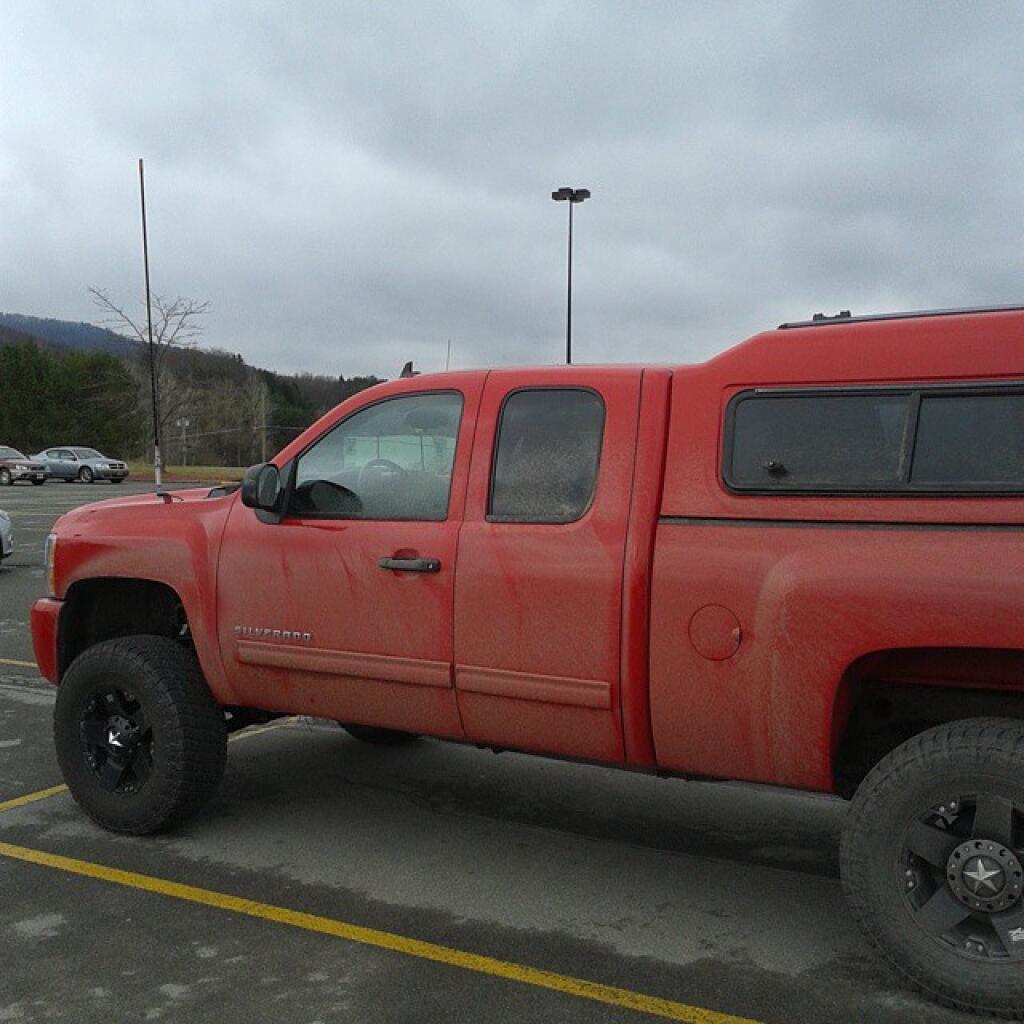
In 2015, my first camping trip ⛺ of the year was out to Chenango County at Balsam Swamp State Forest. It’s spring, it was rainy and muddy, as witnessed by truck.
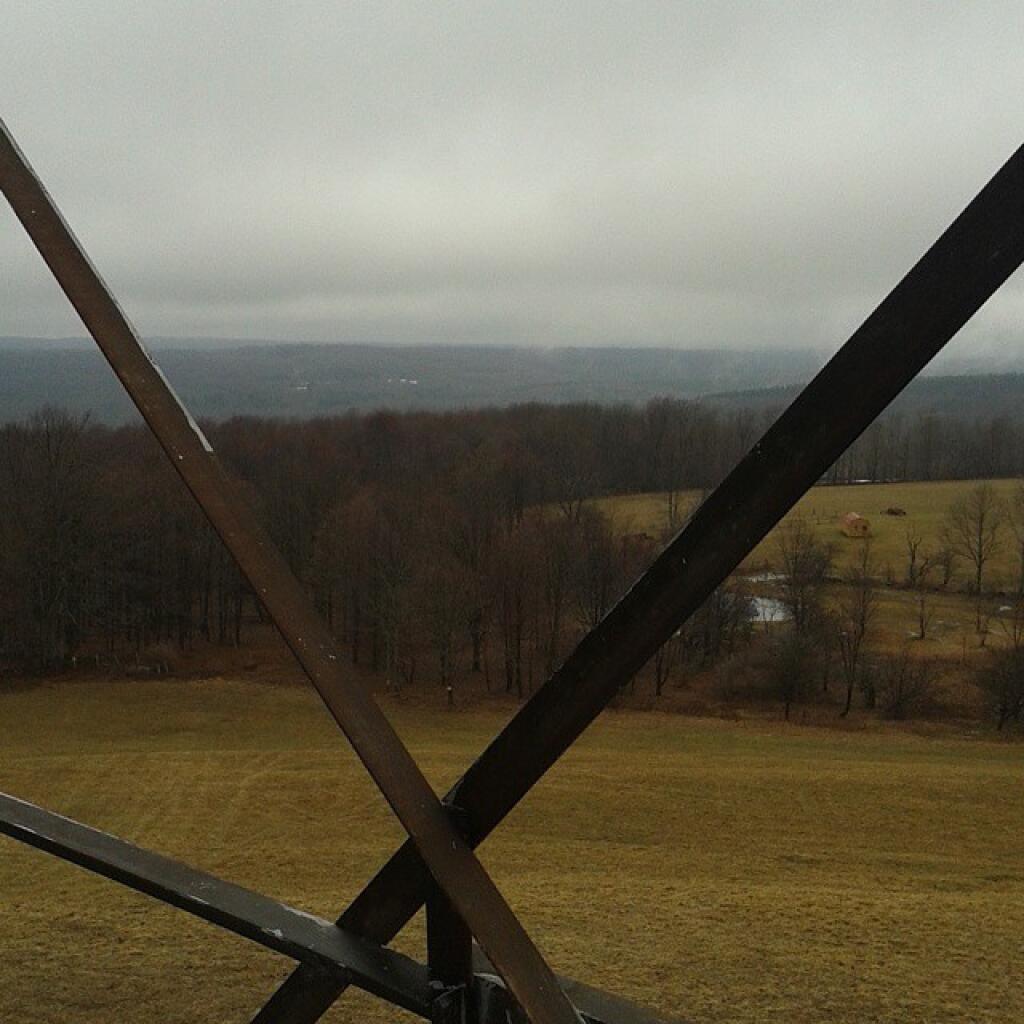
I visited the Berry Hill Firetower, 🗼which is now gated part way up.
I camped at Balsam Swamp State Forest Camping-area.
So much of the zero-waste movement is caught up in consumerism …
I am often appalled by the embrace of consumerism by the zero waste movement — the bamboo tooth brushes, the metal straws, the compostable and organic products — that are hallmarks of the industry movement. Rather then a focus on reducing consumption, making do with what you have, saving and investing, buying in bulk and with less packaging.