The Rattlesnake Hill Wildlife Management Area is a 5,100 acre upland tract, situated approximately eight miles west of Dansville, New York. Roughly two-thirds of the area lies in southern Livingston County, while the remaining third lies in northern Allegany County. The tract was purchased in the 1930’s under the Federal Resettlement Administration and is one of several such areas turned over to DEC for development as a wildlife management area.
The area is appropriately named after the Timber Rattlesnake, which may be occasionally found in the more remote sections of the “Hill”.
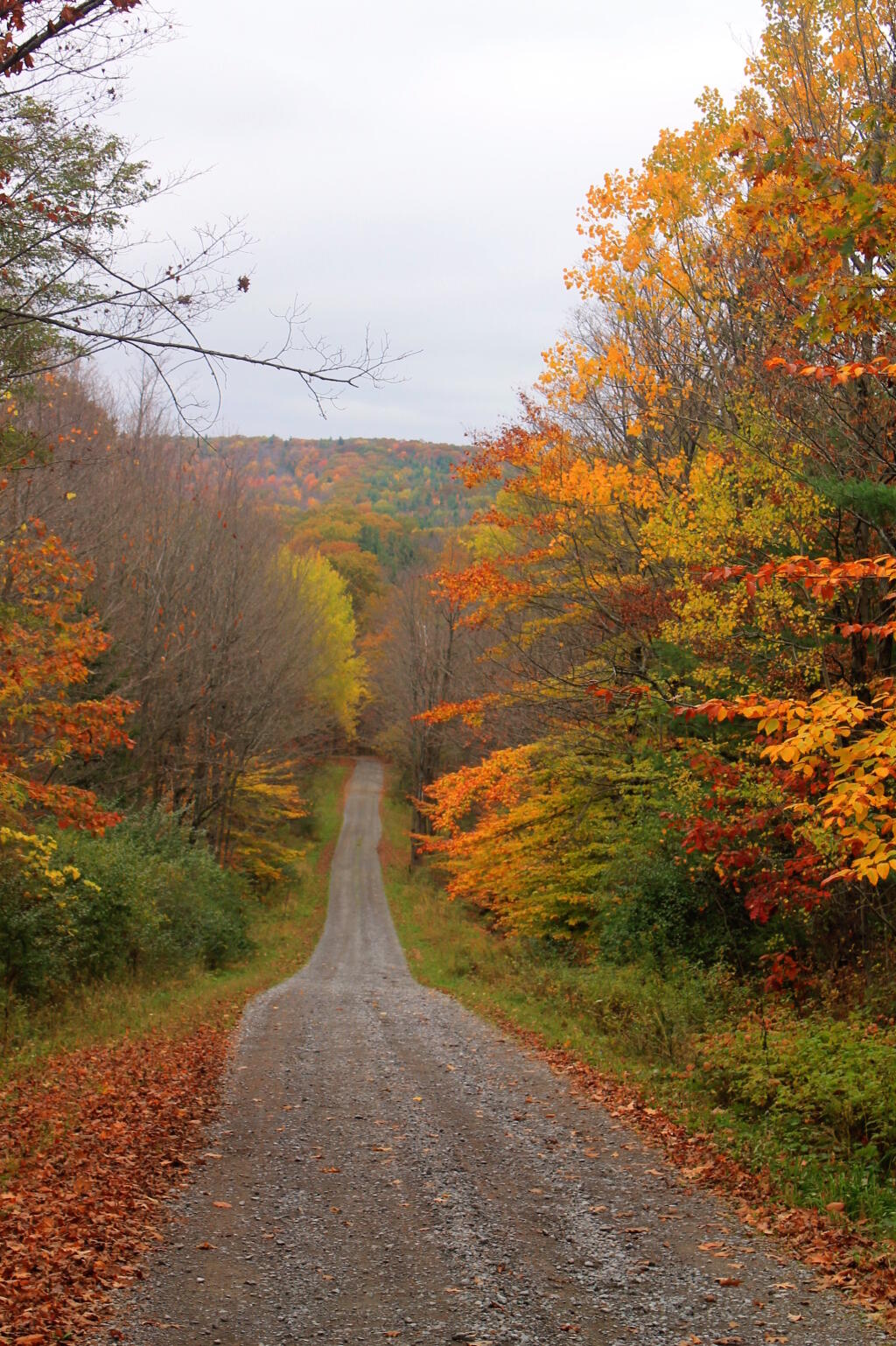
The area offers an interesting blend of upland habitats such as mature woodland, overgrown fields, conifer plantations, old growth apple orchards and open meadows.
The area is inhabited by a variety of game species and is open to public hunting. The white-tailed deer, wild turkey, ruffed grouse, grey squirrel, cottontail rabbit and woodcock are found on the area. An occasional snowshoe hare may be observed adjacent to thick creek bottom brush or conifer plantation habitats.
A number of small marsh units have been developed and provide limited hunting for waterfowl. Some of the area’s furbearing species such as mink, beaver and raccoon may be occasionally viewed at these marsh units.
Out for my evening walk I really was digging the cold on my face 🌕
It’s a beautiful cool moonlit evening tonight, so crisp like many autumn evenings are. It would be a nice evening to be sitting in the woods next to a fire, looking at the clear skies and the moon.
One thing that always strikes me is how different West Virginia is from Virginia. You cross the Shenandoah Mountain and it’s like you are in a totally different world. Virginia is very southern, they act and talk very southern. West Virginia is Appalachian, they are much similar to what one would find in rural Upstate New York — especially the eastern half of the state where the mid-western accent isn’t that strong.
Virginia seems to bring a lot of tourists and has many tourist facilities. West Virginia in contrast is rustic and quiet. Harrisonburg and Stauton are fairly large cities, while across the Shenandoah Mountains you only have small rural hamlets and small cities like Moorefield. There is a lot of traffic in Virginia, not so much in small-town West Virginia.
Now I am sure that there are more rural and quiet sections of Virginia and more populated parts of West Virginia. Parts of West Virginia are certainly not as sleepy as the region when the National Forest predominates. And I’m sure some areas are more tourist draws.
Most books about the working class are written by elites 👨🌾👨🏭👷♀️
I just got done reading JD Vance’s much proclaimed Hillbilly Elegy about the rough and tumble life of growing up poor in Appalachia – the drugs, the poverty, the unstable home life. The hillbilly code of honor. Seemed like a decently accurate story having grown up around many hillbillies myself grown up in the mountains in farm country. But it’s written by somebody who resembled less and less a hillbilly after being a graduate of Yale Law School. His childhood memories may be valid but they come from a now elite perspective.
I recently read Kristin Kimball’s The Dirty Life, a book about a NYC journalist who fell in love with a back to earther and they moved to the Eastern Adirondacks to homestead and farm using horses and the tools of the trade. They might live a life close to the land today, but they come from an elite perspective.
A few years back I read this book, the The Land Was Everything by Victor Davis Hanson about an English professor who came back home to run his family vineyard in California. Again, maybe he has dirt under his fingers now and as a child, his professorship distanced himself from the working class. He might have gone back to the land but he still has those college educated roots.
Then there is the Firefox Books which try to document a dying breed of Appalachian living in the late 1960s by students at Rabun Gap-Nacoochee School, a private secondary education school located in the U.S. state of Georgia. It’s a good tail of Appalachia but again it’s a story told in the third person rather than the people who are actually living the life.
Or Noel Perin’s Best Person Rural and his other series of books about living close to the land in Vermont. His observations were astute but again kind of represented an elite view of living off the land, out in the country. He was another of a dying breed but probably atypical of a farmer in Vermont.
Now I get that cow shit and silage probably smell the same wherever you stand. That many of the same experiences working on the farm – the animals and the work are the same if you are college educated or not. Growing up in Appalachian culture is not easily forgotten and the experiences documented in the books to remind me of experiences I’ve had in years gone by.
I guess true hillbillies and working folks don’t really have the time to write a book or the connections needed to see their book through publication. So we have to settle for third party accounts, documented through America’s elites, colored by the perspectives and values acquired through advanced education.
Indeed, while I’m certainly not Yale educated, I do know my college degree and professional occupation colors my view of the world. And I’m sure that many who read these kind of books are one or two steps removed from the land and the working class. I do worry such books while documenting such life also color the views of the elite.
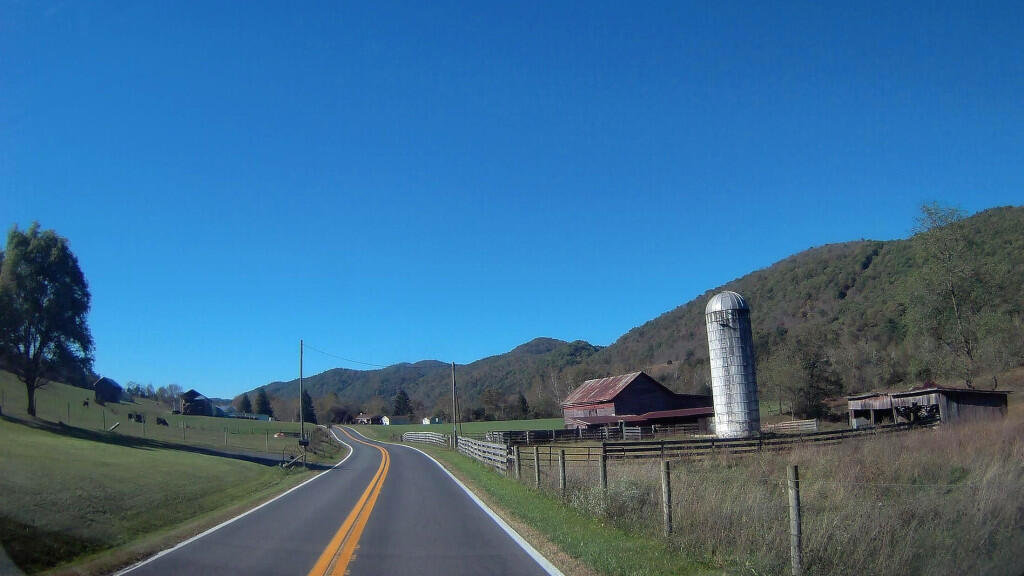
I always enjoy exploring the back roads, the places often mostly unexplored except by the locals.
Cattaraugus and Allegany Counties and much of that part of the state interests me because it’s so often passed by. How many people ever visit Hornell, much less the more rural countryside further out?
Yes, I’ll probably visit the tourist traps like Allegany and Letchworth State Park but I also want to visit many other places further out and often overlooked in Western NY.
The new regulation accelerates requirements that automakers deliver an increasing number of zero-emission light-duty vehicles each year beginning in model year 2026. Sales of new ZEVs (all electric) and PHEVs (plugin hybrid) will start with 35% that year, build to 68% in 2030, and reach 100% in 2035.
The regulation applies to automakers (not dealers) and covers only new vehicle sales. It does not impact existing vehicles on the road today, which will still be legal to own and drive.
Plug-in hybrid, full battery-electric and hydrogen fuel cell vehicles count toward an automaker’s requirement. PHEVs must have an all-electric range of at least 50 miles under real-world driving conditions. In addition, automakers will be allowed to meet no more than 20% of their overall ZEV requirement with PHEVs.
Battery-electric and fuel cell vehicles will need a minimum range of 150 miles to qualify under the program, include fast-charging ability and come equipped with a charging cord to facilitate charging, and meet new warranty and durability requirements.
By model year 2030, the rules require the vehicle to maintain at least 80% of electric range for 10 years or 150,000 miles. (Phased in from 70% for 2026 through 2029 model year vehicles.) By model year 2031, individual vehicle battery packs are warranted to maintain 75% of their energy for eight years or 100,000 miles. (Phased in from 70% for 2026 through 2030 model years.) ZEV powertrain components are warranted for at least three years or 50,000 miles.
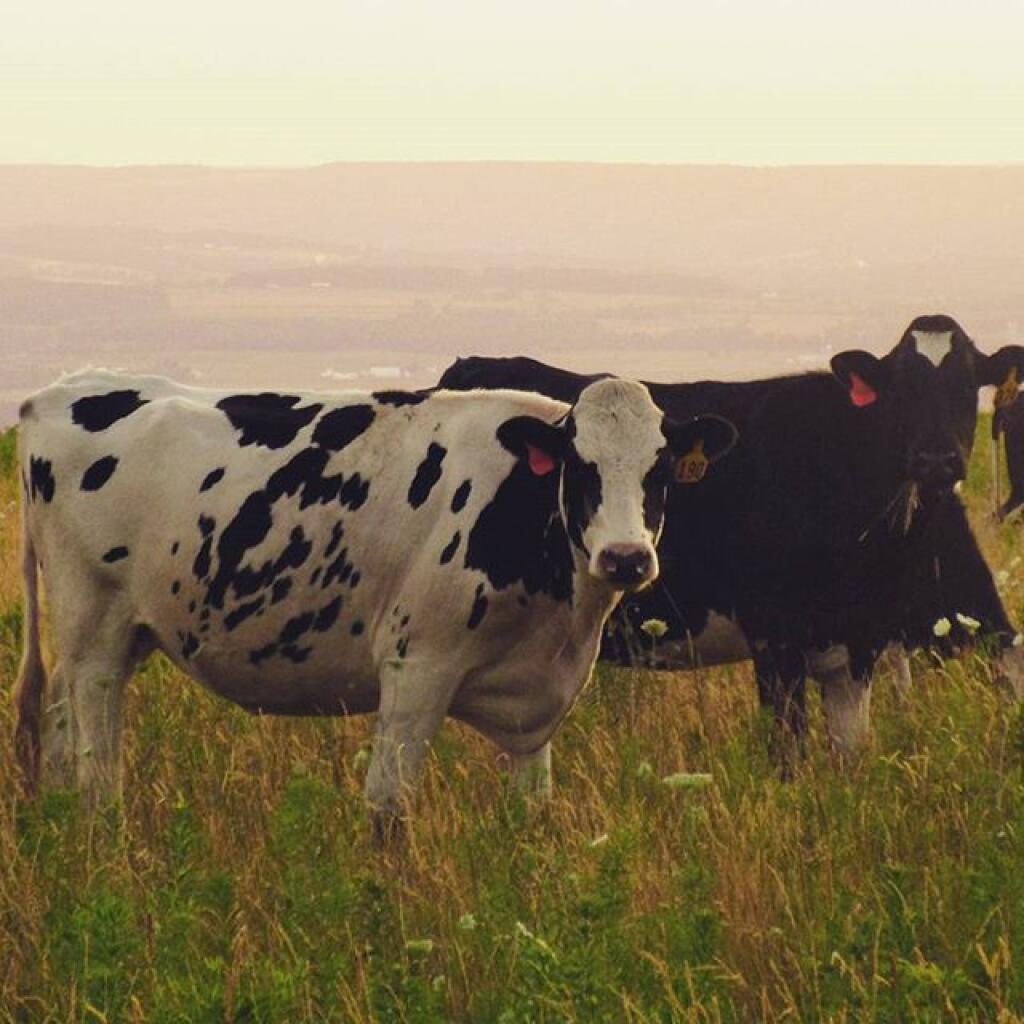
I have respect but very little compassion towardsanimals.🐶 They are not humans, even if many are incentivized through food, shelter and other rewards to behave in ways that comfort us. 😍
Animals have an important part of the ecosystem that we all depend on 🌎, livestock produces food🐖 and fiber🐏 and pets give us companionship🐈 and provide other services like deterring mice🐀 or retrieving birds while bird hunting.🐦 Domesticated animals have special needs♿ that only humans can provide due to their breeding.🏠 It’s important to respect their natural needs to maximize profitablity and success with our relationship with animals but our relationship to animals shouldn’t be about caring or love.
Many today think that domesticated animals should be considered a special type of property, and people who fail to maintain them🔎 should be punished more severely than those who fail to maintain other equipment such as an automobile or their house. 🚗 But I think we should be more worried about the waste of finite resources not infinitely reproducible animals.
Domesticated and bred animals are simply organic matter that took energy and labor to construct 🐓 – yes people should maintain them under the right conditions like any other piece of machinery – but they are indefinitely reproducible 🔧 through animal husbandry. They are no more special than any other type of property and indeed I would argue that as organic matter that will rot away in the soil, they are less important than many other types of property.🍗