The Rattlesnake Hill Wildlife Management Area is a 5,100 acre upland tract, situated approximately eight miles west of Dansville, New York. Roughly two-thirds of the area lies in southern Livingston County, while the remaining third lies in northern Allegany County. The tract was purchased in the 1930’s under the Federal Resettlement Administration and is one of several such areas turned over to DEC for development as a wildlife management area.
The area is appropriately named after the Timber Rattlesnake, which may be occasionally found in the more remote sections of the “Hill”.
The area offers an interesting blend of upland habitats such as mature woodland, overgrown fields, conifer plantations, old growth apple orchards and open meadows.
The area is inhabited by a variety of game species and is open to public hunting. The white-tailed deer, wild turkey, ruffed grouse, grey squirrel, cottontail rabbit and woodcock are found on the area. An occasional snowshoe hare may be observed adjacent to thick creek bottom brush or conifer plantation habitats.
A number of small marsh units have been developed and provide limited hunting for waterfowl. Some of the area’s furbearing species such as mink, beaver and raccoon may be occasionally viewed at these marsh units.
I really enjoy living some place where I’m not so dependent on automobiles.
It’s nice to be able to walk down to the library, to a Stewart’s and to the town park. Heck when I feel adventurous I can even walk to the Five Rivers Environmental Education Center.
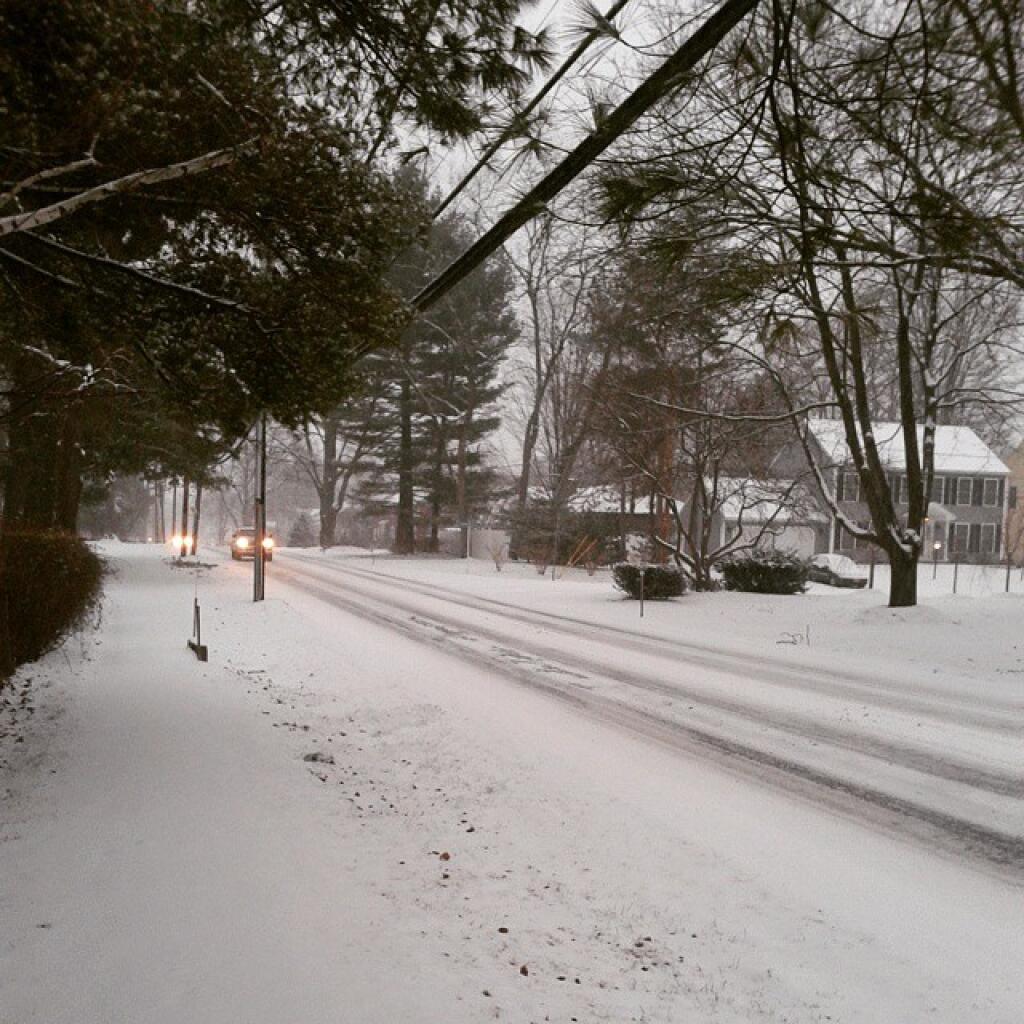
I have express and local busses that take me to and from work, and to various shops and entertainment venues. I can have a few drinks and take the bus home. I don’t ever have to worry about parking, about being tired on the way home or getting into a wreck. Snow is just an occasion to wear boots and not worry about the road conditions.
When people say they support something to pollsters its often difficult to capture their depth of support. Most people would say they like chocolate ice cream but asked if they would be willing to forfeit $100 for a chocolate ice cream cone would pass on the ice cream.
On paper most people would like something to be done about climate change. But their depth of support is equally shallow as is there support for chocolate ice cream. It sounds nice to protect the planet for future generations, to avoid the severe damage to infrastructure and our homes and businesses that increased severe weather is to impose on them.
People like climate change action if it’s free to them and has no impact on how they live their lives. Slap a few solar panels on your roof, scrub your plastic bottles before tossing them in the blue bin, drive your Prisus to Wally World. But not so much if it means much higher energy bills, less reliable electricity, more restrictions on driving, less low cost products at the store and fewer jobs.
I think many on the left are correct to diagnose climate change as a serious problem. But they are quite happy to live as life of fiction, pretending that the solutions are zero cost – or just a big bill they can dump on the rich.
With November tomorrow and the heavy rain, winds and recent cold snap, the colors of autumn and certainly summer are gone. Here are the browns and grays of November – nice on their own accord but always too quickly popping up.
Bill Atkinson says the concept of saving files, was a bad design compromise that was implemented due to slow speed of file writes on floppy disks — that risks the loss of hours of work.
A much better system — not practical in era of floppy disks and non-threaded processes — would require you to set the file name when you opened a new document, then the file would be automatically journaling, and if the program crashed or computer lost power, you would loose very little data.
While I am doing fine and have stuck towards my savings goals for the year, a year in the future, I’m really noticing how difficult it can be to save for tomorrow. I do put a lot of money away each month, and certainly my retirement savings has grown significantly, it still often feels like I’m treading water, barely moving the needle. Goals take time, and as this past year has shown, time goes by much quickly, and there never really is enough time.
My new job was a bit of a leap, it’s a bit scary jumping into the unknown, and there are definite tax disadvantages to me. But I’m working hard, and trying to do what’s best for my organization, so I can make new connections and fine ways to better myself. It gets tough to squeeze more out of my budget, but I can still definitely find ways to earn more money, and save more for tomorrow.
Saving alone won’t get me there, but it will help open options for better tomorrow. I need to continue to read and learn, think and expand my knowledge. I need to keep an open mind, always be focused on my future, and think more about what my options are. I have a lot more opportunities then many, and ultimately a lot of my future will be defined by what I choose.
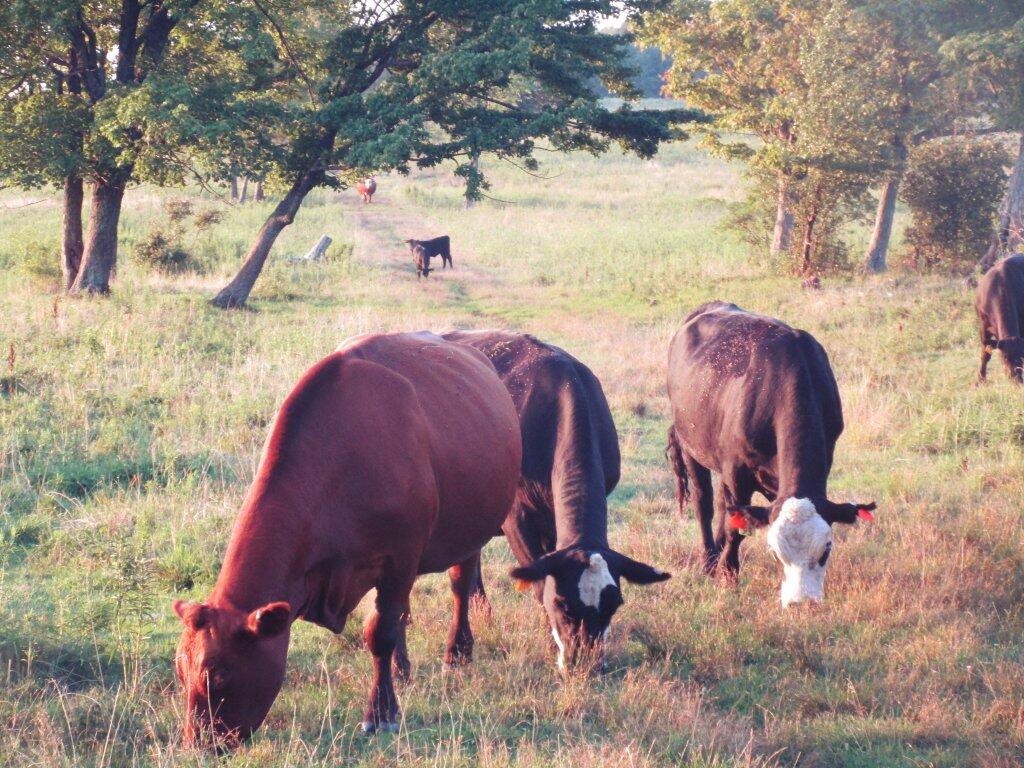
A few weeks back I was in the Genesee Valley at Letchworth State Park, poking around some of the little farm towns. The Genesee Valley has long been the joke of little kids and remarked upon by the authors of books for the smells of the dairy business – the sweet smell of the chopped silage and freshly cut hay, the sour smell of spoiled silage and cow manure, being stored than returned to the fields to bring nutrients back to the land.
The Genesee Valley and even some of the uplands around it are some of the great agricultural regions of our state. Once the bread basket of the nation, wheat blight and the Great Plains replaced it as did the high cost of living, leading to specialization largely in the dairy industry. Cows have to be fed year round and dairies produce milk and year round by carefully planning calving so there are always calves and milk being produced. That means farm families get milk checks year round from their processors.
The valleys and areas with the best soils have the biggest and most modern farms, often with hundreds of not thousands of cows complete with modern free stall barns and slurry holding tanks that allow the farms to apply manure only when it’s most likely to be uptaken by crops and not washed away as pollution.
It’s easy to root for the small marginal dairy up in the hills with a hundred or so milking head. The truly small business with a tie stall barn that has old fashioned gutter tracks and hay storage up above. But the truth is that the large dairy, run by a family and their employees probably is a better stewart of the land with their scientifically driven CAFO plan – even if the kids yell our – what’s that smell.
I really didn’t spend all that much time in the Genesee Valley, heading back to Allegany County hills where most of the farms are small. Where the occasional smell of petroleum from the century old industry, still stripping a little high quality oil from the land remains, often situated on the same farms that produce the crops that feed the cows that produce the milk I like to drink.
Monday will be the first time I’ve worked n Menands since the time change.
I started working up in Menands after Martin Luther King Jr Day last winter, and was able to ride my bike into work come the last week of January because there was just enough daylight at end of day with the lights I felt comfortable riding down to the express bus stop, roughly two miles from work. Then come President’s Day, when it was snow-free enough, there was enough light to ride all the way home.
This autumn, after the time change, I plan to continue to ride to work as much as possible, and then ride down to the express bus stop. I ordered extra back up lights for my bike, so I always have a set charged and ready to go, with maximum brightness for safety. I will continue to wear the blaze orange safety vest, and be up to two flashing taillights which I was at until one failed a few months back. I also want to get more DOT tape — particularly white DOT tape to add to front of my bike to improve reflectivity on the sites and front
I don’t love idea of riding down to express bus at dusk or even at dark, but what is the alternative? Not riding to work? I probably won’t do the Water Street bridge but instead take Erie Boulevard (which unfortunately is unlighted) over to Broadway. But with lights and caution it should be relatively safe. While it’s true that it’s harder for drivers to see you at night, it’s also true it’s easier for you to spot oncoming cars due to the headlights.