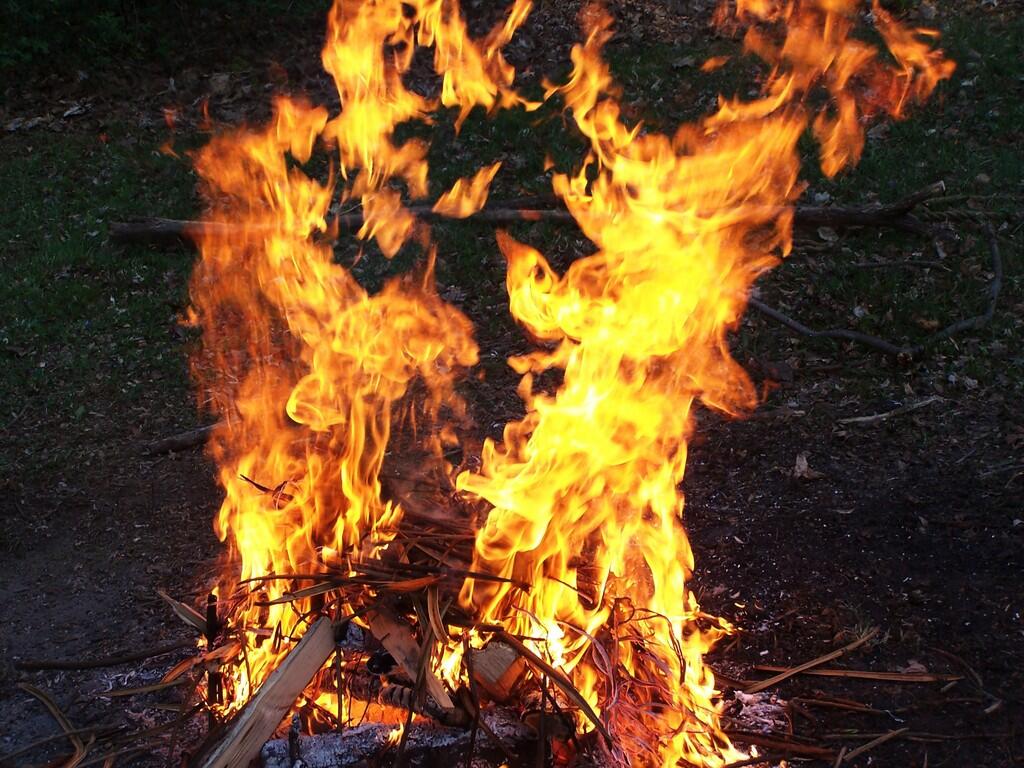
Burn, Baby, Burn

I don’t know how many times I’ve told people that if you want to play with fire, never mess with gasoline. Diesel. Fine. Plastic. Whatever, just don’t burn yourself when you get melting and burning plastic on your skin. Blowing up aerosol cans. Fine, just make sure not to start a brush fire when you send partially burnt trash over your head. But gasoline — be aware!
What makes gasoline such a dangerous product is that it’s vapours are very explosive. Gasoline is relatively easy to vaporise as a fuel — you can vaporise it just by pouring it out of a container. And that vapour is very explosive. That’s why we use it as an engine fuel. It’s really easy to burn, and to burn cleanly under controlled conditions.
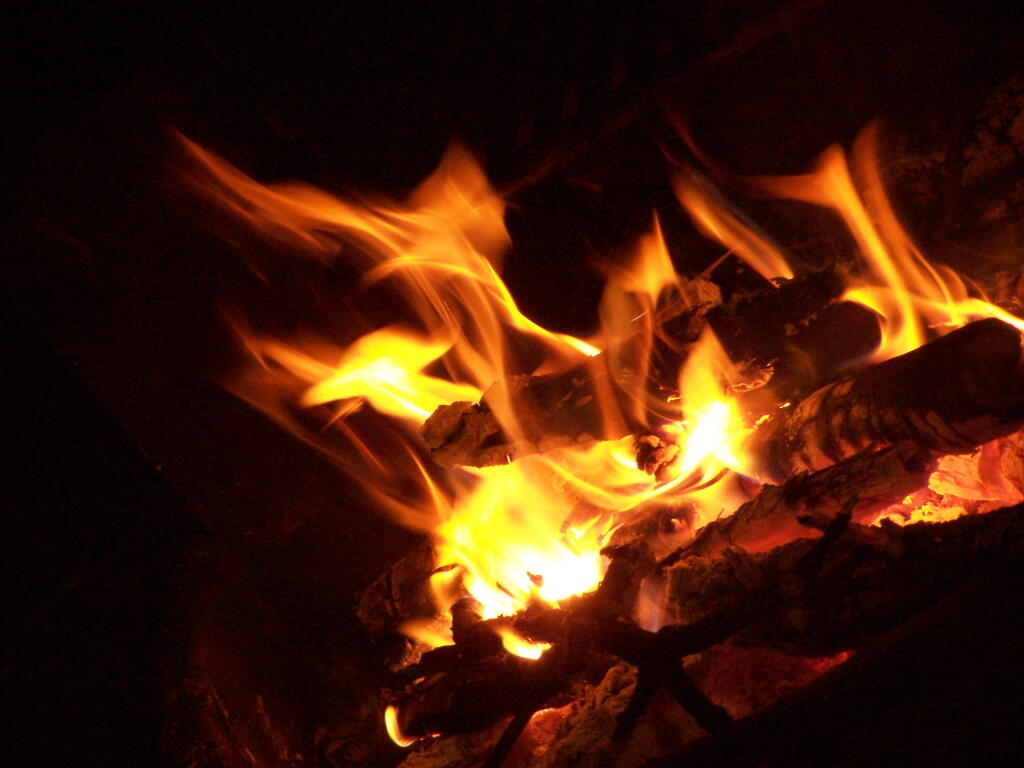
Yet, you figure out the sheer amount of power that a gasoline engine gets out of minuscule amounts of gasoline, you can understand why it’s so readily explosive. The explosion can not only provide controlled propulsion, but it can also blow up and send objects in towards your face, and that can be quite painful, to say nothing about the burns from the flash of fire.
Few common things are as dangerous as gasoline. Diesel doesn’t vaporise under normal conditions. You have to heat up diesel and apply compression to it for an explosion to occur. It’s relatively safe to pour diesel on some trash to get it burning. Diesel will burn, and it will burn hot, once it’s caught from something else burning, but it won’t explode.
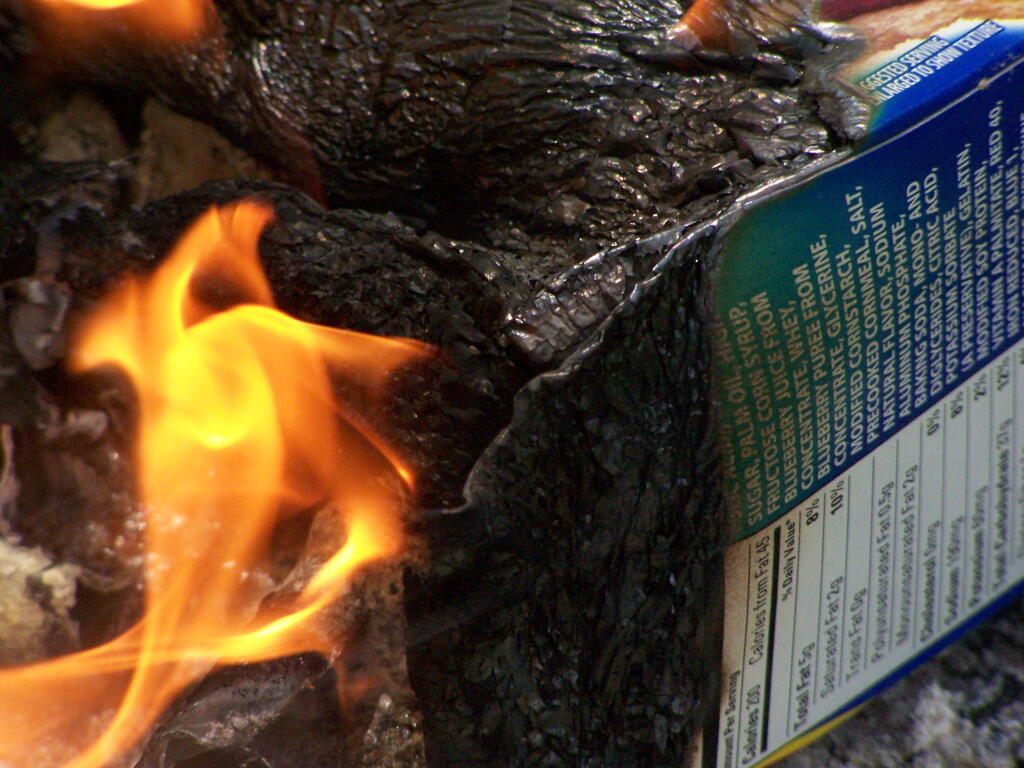
Gasoline in contrast does vaporise under normal conditions. It’s vapors will explode with an incredible amount of force. Pour gasoline on some trash, let it sit for a few seconds, toss a match at it from a half a dozen feet away, and boom. Hope you don’t have anything that will act as shrapnel coming towards you. And don’t do it in any kind of enclosed space that is likely to contain the explosion — as much fun as it is to watch.
If your ever working on anything that burns gasoline or similar fuel like Coleman fuel. Be very careful, if you care about your life, and don’t like visiting the Westchester Burn Unit.
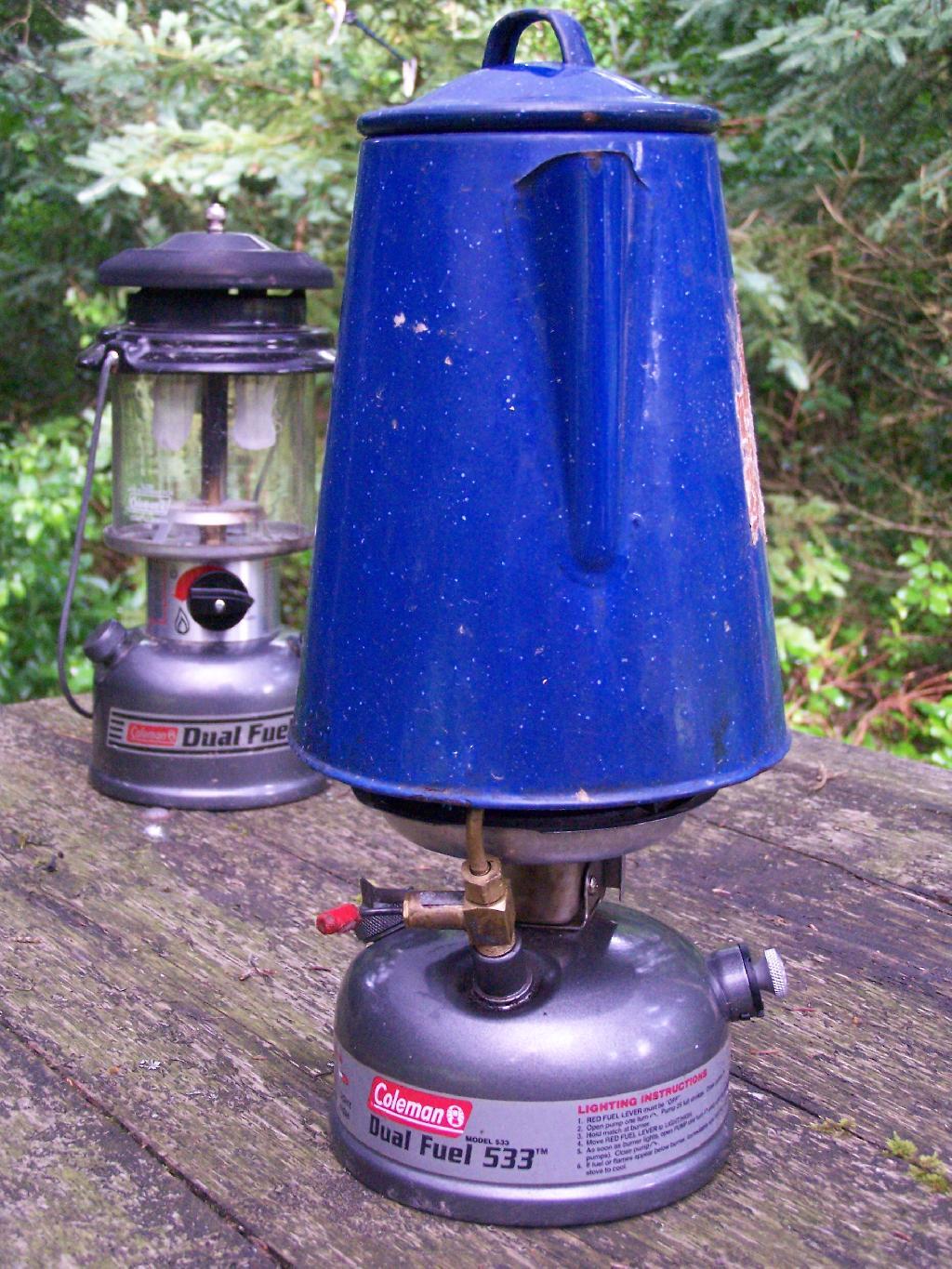
These are all things we’ve learned as children. Yet the sheer fun of watching shit burn and explode, sometimes gets the best of us as adults. Just please remember, that gasoline goes boom and you don’t want to be in path of boom.
Everybody knows that firefighters have Dalmatians as their dog of choice. But why? This video explains the history of Dalmations and firefighting.
NEW YORK (AP) — A malfunctioning space heater sparked a fire that filled a high-rise Bronx apartment building with thick smoke Sunday morning, killing 19 people including nine children in New York City’s deadliest blaze in three decades.
Trapped residents broke windows for air and stuffed wet towels under doors as smoke rose from a lower-floor apartment where the fire started. Survivors told of fleeing in panic down darkened hallways and stairs, barely able to breathe.
Multiple limp children were seen being given oxygen after they were carried out. Evacuees had faces covered in soot.
Firefighters found victims on every floor, many in cardiac and respiratory arrest, said Fire Commissioner Daniel Nigro. Some could not escape because of the volume of smoke, he said.
Some residents said they initially ignored wailing smoke alarms because false alarms were so common in the 120-unit building, built in the early 1970s as affordable housing.
False alarms are a big issue in many industries, that often not taken seriously. Too many false alarms are just as dangerous as alarm systems not working at all.
Another observation I have is that the dangers from toxic smoke inside of buildings from burning furniture and other debris is often under-estimated in modern fire-proof buildings, which often limit their fire to only a few rooms. And I certainly don't leave my space heater unattended, make sure plugs are in the wall securely, and are careful with it. Just like I am super careful with fire when I'm up in the woods, and some day when I own a wood stove.
In northern Minnesota, not much can beat the pristine view ??– and the rush – of climbing a fire tower. Reaching 100 feet into the sky, there were once nearly 150 of these steel lookouts guarding the state's fire-prone forests.
Today, only a handful of climbable towers exist and they remain on the front lines of fire prevention through education and an innate human desire to perch above the treetops.
Most fire towers in the U.S. were built in the 1930s. Staffed by generations of women and men trained to locate the first wisps of smoke, they were relied upon for over two decades as a critical line of defense against forest fires. In the 1950s, lookouts were replaced by airplanes.
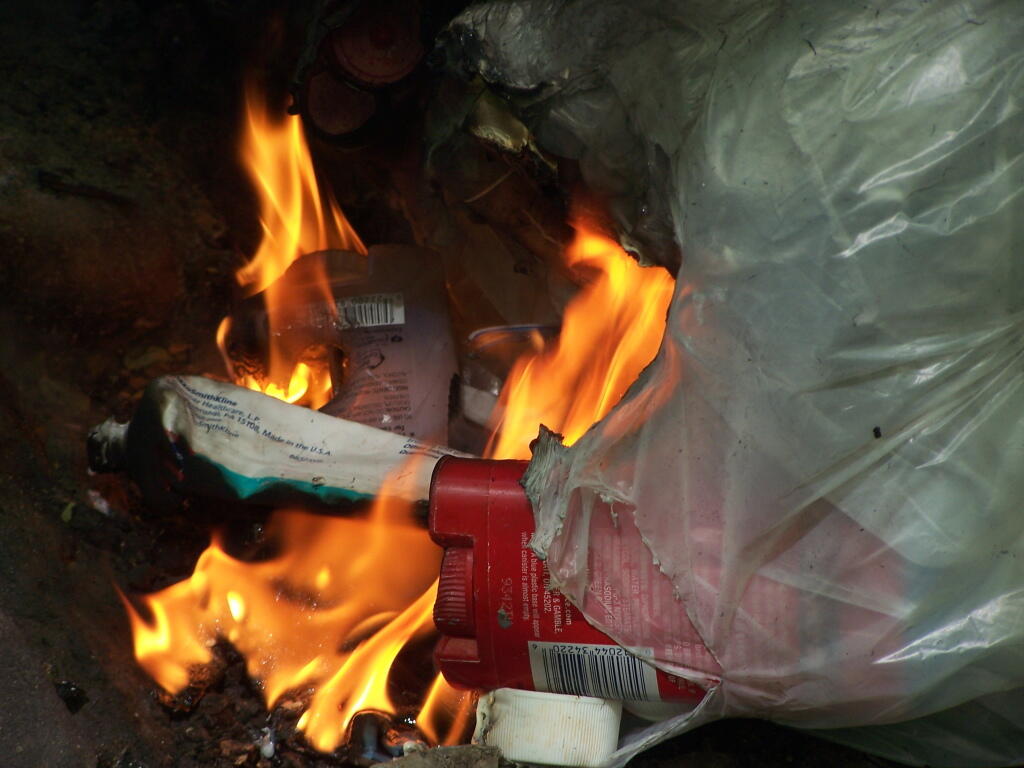
I was thinking the other day, what a pain modern, recycling really is. Having to wash out containers, carefully sort and crush them, put them out on a specific day. It was so much easier living out in the country, when you could just toss them in the trash, take them out to the burn barrel, burn them to a crisp. I will be quite happy when I own my own land, and can burn what I want.
I was sitting up here on that much colder Columbus Day Weekend next to campfire, truck cap camping with my old rig, listening to WGNA Country radio during the Sunday night call in show. People were bemoaning no more big ol’ bonfires under the new regulations.
That weekend I drove up out to Stanford to drive up Mount Utsaythana and spotted a country boy standing next to a burning barrel out back of their barn, watching as the first bag of garbage burned down, waiting to add a second one, probably for the one of the last times. People were burning a lot of stuff that weekend – if you needed to get rid of it – that was the time over the holiday weekend. Big piles of debris going up in smoke, as I drove down to Delhi and ultimately down to the high peaks region of the Catskills to do some very colorful hiking that Columbus Day back in 2009. I always liked burning stuff so I was pretty saddened too.
The burn ban lead to rural garbage collection becoming a major industry in rural New York. The two burn barrels placed on the far side of the barn was replaced by hurby curbies, dumpsters and garbage trucks traversing long rural roads to haul every sheet of discarded paper and plastic bottle to a distant landfill. Pickup trucks full of garbage bags were hauled to the transfer station. Some rural recycling exists but maybe the challenges of transporting low value scrap that was generated at far flung homes and farms meant little is actually recycled. Sometimes just getting a large dumpster that’s emptied every month or two is the only real practical option for rural waste disposal.
This was all happening against the back drop of the expansion of the Rapp Road Landfill into even more of the Albany Pine Bush. I was absolutely aghast at how wasteful city folk where when I was in college, especially at SUNY Albany where it seemed like recycling was non-existent. This was compared to us country folk – many of which with their compost piles, pigs and livestock, and trash burn barrels made maybe one or two trips a year to the recycling center – and mostly just to recycle cans and glass. The rest they were able to manage themselves – they didn’t need forever bulging landfills full of rotting food and plastic discards as most of the their stuff was returned to earth as soil or smoke.
Some stubborn rural residents and fatns continued to burn their trash, especially on the back roads and in the most deep rural parts of the country. Many get caught or decide its not worth the risk. You can occasionally smell that pungent burn barrel smell on the back roads. Many still burn paper products on woodstoves or other types of homemade incinerators far from the road. Some because they can’t fatham trucking every piece of discarded cardboard to a landfill often hundreds of miles away, some to save money or because they like just like fire and burning things like I do. There is definitely something therapeutic about watching one’s trash go up in flames and smoke.
I absolutely despise the burn ban to this day and all involved in it. I testified against it, signed petitions against it. It really changed my outlook on a lot of things in this state, streghened my resolve to eventually leave New York State for greener pastures. I saw it as the beginning of the end for redneck freedom and towards a society of more waste and landfilling. I swore I would never help another environmental cause again. I was frustrated but realized basically the only thing I could do eventually plan my exit from New York.
The institutional environmentalists and urban politicians are horrified that hillbillies, rednecks, homesteaders and farmers burned their trash. Couldn’t they smell how awful and toxic smoldering plastic really is? I don’t recommend standing down wind of a trash fire, and people should be considerate of neighbors. People shouldn’t light a bag of wet household garbage and then go to town while it smolder and kicks embers up starting a wildfire. But if you have acerage or a farm, then so be it. Just be careful with the fire.
I live in the suburbs, I don’t have a dog in the fight. But I sure like having fires up in the woods and I’d much rather burn my trash then have it sit in a landfill for a million years. Kind of fun to watch the plastic bottle melt away and the paper char. And some day, I really do want to live out in the country – off-grid with solar energy, livestock and no noisy garbage truck stopping in front of my house. Burn it hot and have no neighbors nearby who can smell it, taking the metals and other unburnables in a few times a year to the transfer station for scrap or landfill. Or maybe just bury it myself.
More than a decade later – am I still angry and resentful? Somewhat but I realize that it was never in my control and I don’t really have a dog in the fight. I haven’t lived out in the country in many years. I know there are many different parts of the country where people live differently and have different values and laws. Homesteaders and farmers overwhelmingly like to burn things and in many other parts of the country like Pennsylvania, Iowa and Missouri still do to this day. It’s part of being self reliant and not supporting the mob run, polluting landfill operations.

