
Types of Wood to Burn in A Fireplace
An interesting graph from the USDA Forest Products Laboratory, that tells the benefits of burning various types of wood. Good knowledge not just for home heating, but also for camping and back-country activities.
An interesting graph from the USDA Forest Products Laboratory, that tells the benefits of burning various types of wood. Good knowledge not just for home heating, but also for camping and back-country activities.
Basically during most of the weeks of the summer, I live off-the-grid in the form of camping in the Adirondack backcountry at various roadside campsites. In the back country, your pretty much up to doing it all yourself, with gear you have brought. It is a rare thing for a campsite to even have an outhouse, much less a picnic table. The best you can expect for is a fire ring. All else, you must bring in or implement yourself.
When I roadside camp, I generate my own electricity using a 800-watt inverter to power lights, my laptop, and other small appliances. The electricity, generated by the alternator, is stored in a deep cycle battery, and turned into 120 volt AC current with an inverter, much like it would work in an off-the-grid set up. While I’m basically converting gasoline to electricity, the principles are the same as solar or wind energy in an off-the-grid system. There is no power grid to keep the lights on.
In the backcountry, you have to cook your meals and clean up after without the benefits of running water or centralized electricity. You learn how to be self-reliant and learn to do without. Most campsites lack outhouses, so your stuck digging a hole in the woods and burning your toilet paper. Showers involve taking a dip in a creek, or hauling water up into woods, and taking a shower under a shower bag. Okay maybe that part isn’t as much fun.
There is no trash pickup, so you burn the burnable garbage, and bring the unburnable waste back home for recycling. If you choose to use stryofoam plates, you don’t have to worry about them sitting in a landfill for the next millennium — they burn just fine. You get to build camp fires to stay warm, for enjoyment, and to watch things burn. Fire is fun.
Daylight matters in woods, and you can here the birds and wildlife back there. There isn’t the traffic noise. It can be darn quite. In the wilderness there is non-stop beauty, as the natural world works it’s way around the cycle known as the year — as the world continues to evolve through each and every flood, hurricane, and tornado.
Traveling to the backcountry usually involves visiting a lot of out of the way places. Many beautiful small towns, and spending time in and around them. Small towns are really a world away from living in Albany, where people are connected to the land. When your in a small town in the mountains or in farmscape of Rural America, it really feels like your a world away from the city.
Camping is a fun adventure in summer time, but I think it would be fun adventure to basically do all of the time. While certainly I would want to have running water, and good way to take hot showers, I really don’t want to be part of the grid, but instead be responsible to meeting my own needs by physical means. Rather then paying a distant corporation to generate electricity or pump water to my place, I’d rather be able to generate it on my own means — either by petroleum or wind, water, or solar.
Unlike some people, I do not have as much as a moral objection to the grid or even civilized society, but I think it would be a lot of fun to work directly with the technologies that power’s one life — and to live fairly minimally without all the gizmos and energy sucking gadgets that are common when people are connected to the grid, and get virtually unlimited electricity for very low prices. It is nice to have a system under one’s control — and not dependent on the grid beyond your control.
I like the idea of living off the grid, because you would get to use fire in almost every facet of your life. One of the things I like most about camping is the fires, watching the woods (and trash) burn up in the fire pit. I like cutting and splitting my own wood, and I’d rather be in control of my heat energy supply rather then sending a check off every month to some distant utility. I want to minimize my waste, then be able to burn my burnable trash, and haul my recyclables to the recycling center, rather then depend on a centralized service that promotes wasteful behavior.
I want to live in outside a small town, away from the big city. I don’t want to have to deal with big city traffic, public transit, criminals, and the sensationalization of the media on how life in the city must be.


Changing the differential oil—it’s one of the most-overlooked maintenance tasks on non-FWD light trucks, SUVs, and passenger cars. Because the differential is at the rear and under the car, it gets none of the star treatment that the engine up front does. However, if lubrication in the differential fails, you won’t be getting very far for very long. Fortunately, you only need to change this oil every 30,000 to 50,000 miles (as always, check your owner’s manual).
The differential is a component in all cars and is designed to compensate for the difference in distance the inner wheels and outer wheels travel as the car goes around a corner. In a rear-wheel-drive car, the differential has its own housing and lubrication, a thick, dark oil usually heavier than 80 weight. Front-drivers typically integrate the differential in the transmission housing and share the same fluid. The differential oil lubricates the ring and pinion gears that transfer power from the driveshaft to the wheel axles. If your car is fitted with a limited-slip differential, it also keeps all the moving parts in that assembly healthy. Changing this oil is just as important as changing your engine’s oil, and for the same reason. Metal-to-metal contact wears down surfaces and creates heat from friction, which inevitably weakens the gears and leads to failure. Checking and changing the differential oil in a light truck is actually pretty easy, and it’s only a bit more difficult in a car. In either case, this small procedure can save you a big headache down the road.
via How to Care for Your Car’s Differential – Popular Mechanics.
For those who have cash to burn.
Shelby American has definitely proven itself when it comes to tuning the Ford Mustang – look no further than its new 1,200-horsepower Shelby 1000 – but now the Las Vegas tuner has turned to the Ford F-150 SVT Raptor.
The big change for this already high-performance off-road pickup is the addition of a supercharger atop Ford’s 6.2-liter V8, with spent gasses exiting through a Borla exhaust system. This improves the horsepower rating from a stock rating of 411 up to a shenanigan-ready 575. For a Shelby, the styling of this F-150 is very toned down, with only the company’s name etched into the Raptor’s digital mud to go along with custom wheels wrapped in 35-inch tires.
I live and work in an urbanized area. For most of week, I get on a bus or walk from place to place, go to work, go to the library, and otherwise interact with others in an urbanized fashion. People from Albany are pretty urban, by no means is Albany a farm town — although there are certainly many rural areas around Albany.
Yet, despite all the time I spend in Albany, the city really is just a little dot on the map compared to vast lands around it. Drive less then 20 miles in any direction, and chances are you’ll be in a mountain town, a farm town, or some kind of national or state forest.
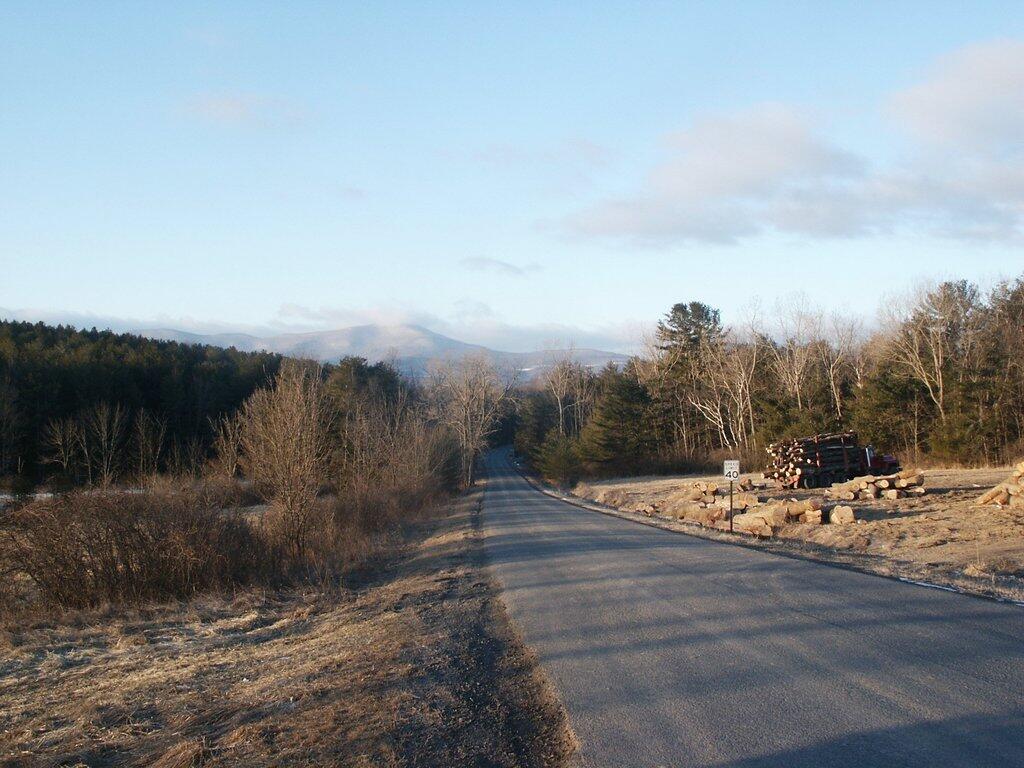
Albany is a large enough of a metro-area to have a very urban feel to it. It’s cities have all of the regular urban problems, from drugs to gang violence. But your never very far from the rural hinderlands, and truly rural areas that are largely independent from the city’s regular activities.
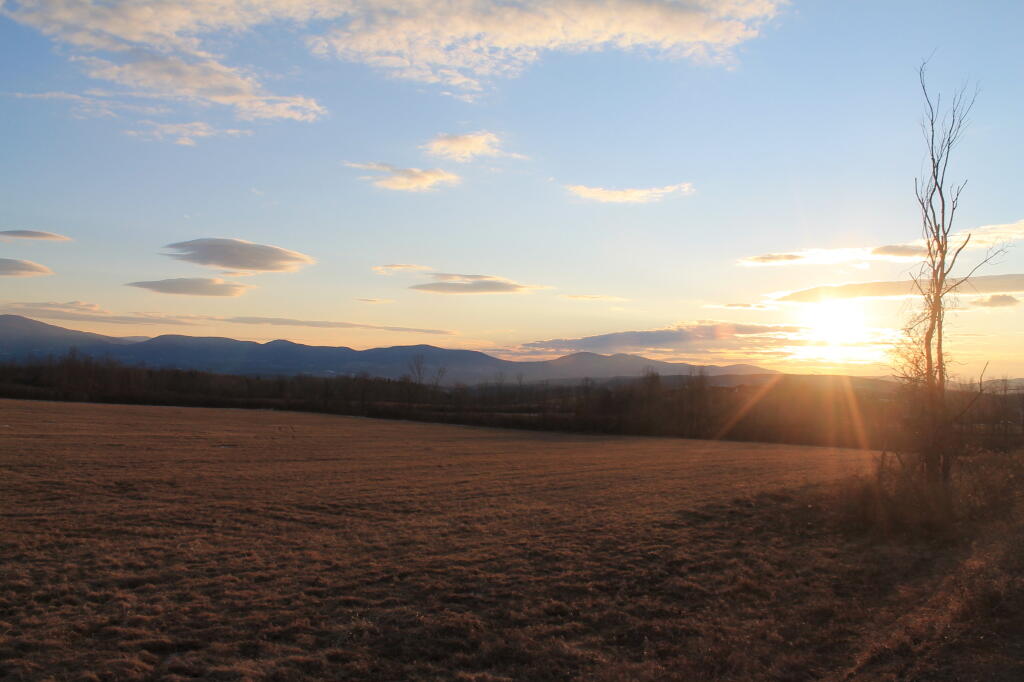
With the cold weather of the past two months, I’ve spent much too much time in city. But getting back up to Vermont I’ve come to realize all I’ve missed, outside the 2%.
Ever since I got Big Red, I’ve wanted to get a lift kit to jack it up a few inches. Not super high, but something with a few more inches ground clearance, better road views, and just a higher ride.
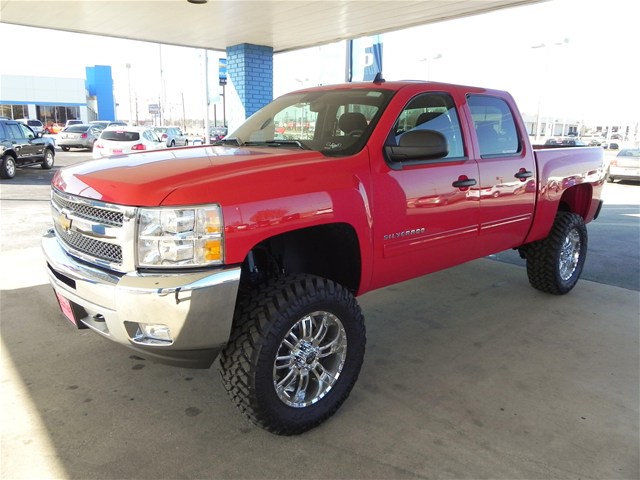
Not super high, but a few inches above where it is now. Simply said it rides much too low, and I think it would be fun to be a few degrees higher in the air.
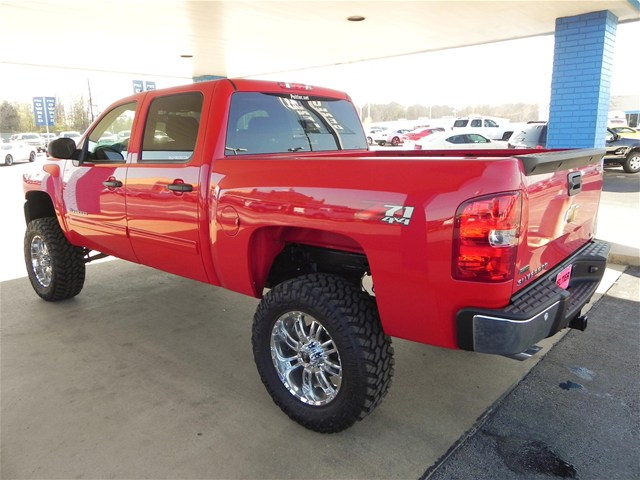
Okay, maybe not that high. But I think it would be fun to jack up my truck. I work hard for a living, and should be able to get the toys I want. And it would be fun to e up high.
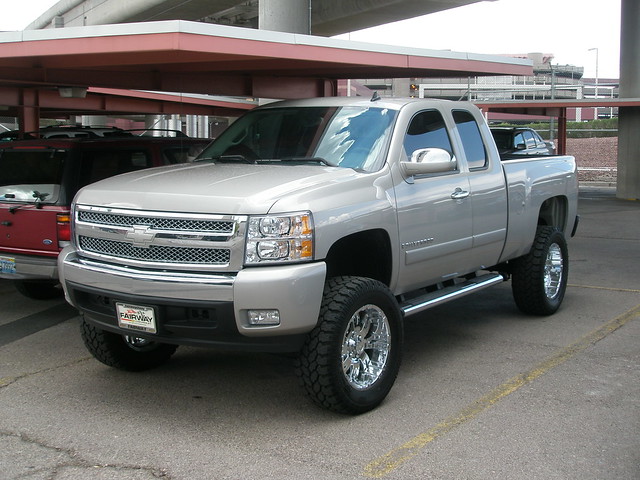
The reality is, I am probably not going back to college net year. If can I save up my pennies for the 6 months or so, I can pay for the lift kit, installation, rims, tires, and possibly “real” bumpers for the truck, to replace those awful tissue paper ones. That would be fun in my book.
Pennsylvania has some of the loosest restrictions on open burning in most of it’s rural communities in the Northeastern states. People can and do have fires, and burn brush, trash, and all matters of things on their rural acerage.
Most folks down there heat with wood or coal. They burn there trash daily — and all of it including plastics — and dump out the unburnable bottles and cans in woods. Life is a non-stop opporunity to play with fire.
From the blackened trash burning barrels, to the black smoke rising behind the houses, to the flicker of flames, the smell of burnt plastic rising in air. Good ol’ fire.
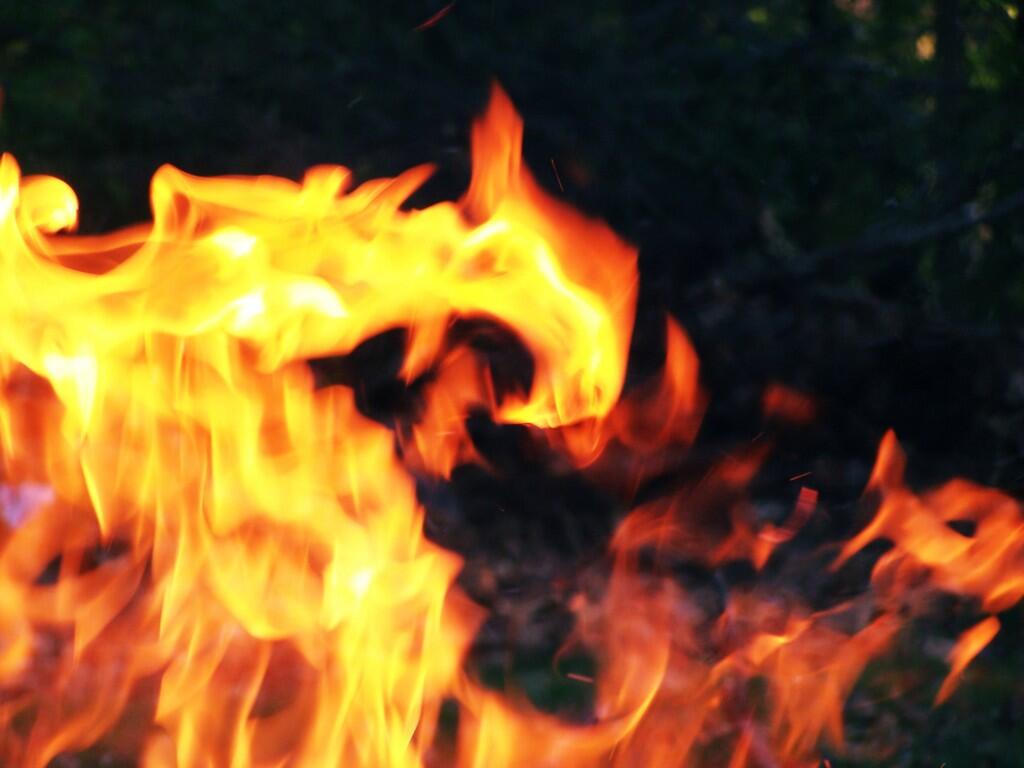
I wish I could burn things like they do get to down in rural PA…